
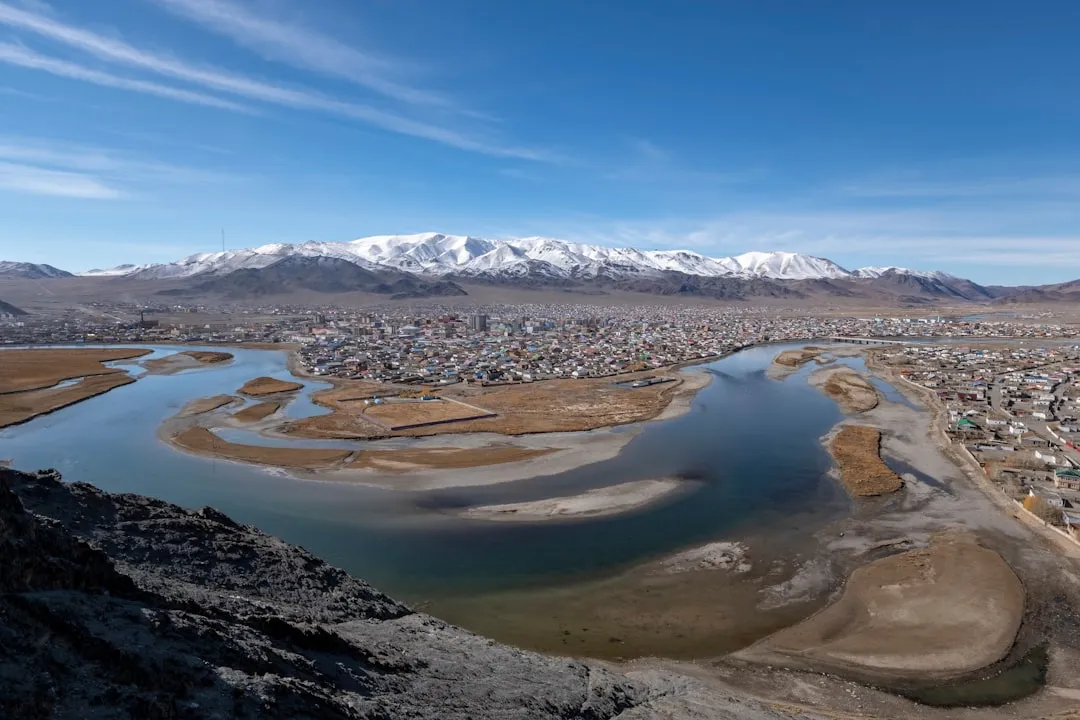
Mount Khuiten Expedition - The Altai's Crown Jewel
The Mount Khuiten Expedition is a challenging and rewarding trek into the heart of Mongolia's Altai Mountains, a region of breathtaking alpine scenery, nomadic culture, and remote wilderness. This expedition offers a unique opportunity to explore one of Central Asia's most spectacular mountain ranges, culminating in an ascent of Mount Khuiten (4,374 metres), the highest peak in Mongolia. The journey traverses vast valleys, crosses high mountain passes, and offers glimpses into the traditional lifestyle of the Kazakh nomads who call this region home.
This is not a typical marked trail but rather an expedition requiring careful planning, experienced guides, and a spirit of adventure. The route is dictated by the terrain, weather, and the availability of suitable campsites. It is a true wilderness experience, far removed from the comforts of civilisation, offering unparalleled solitude and a profound connection with nature.
- Distance: Approximately 25.0 km (main expedition route, excluding acclimatisation and approach)
- Elevation Gain: Approximately 1,300 m (cumulative, depending on exact route)
- Duration: 2-3 days (for the core ascent and descent from base camp, excluding travel to the region and acclimatisation)
- Season: July to August (summer)
- Difficulty: Very Challenging (requires high fitness, acclimatisation, and potentially basic mountaineering skills for the summit push)
- Closest City: Ölgii
- Trailhead Access: Fly to Ölgii Airport (ULG). Arrange transport (4x4 recommended) to the trailhead (approx. 4-6 hours). Road conditions are rough, mostly unpaved. Check with local tour operators for permits and park fees. GPS: 49.1569, 87.8356.
- Highest point: Mount Khuiten (4,374 m)
Overview
The Mount Khuiten Expedition is an immersive journey into the rugged beauty of the Tavan Bogd National Park, a protected area in western Mongolia bordering China and Russia. The park is home to the highest peaks in Mongolia, including Mount Khuiten, Mount Nairamdal, and Mount Bürged. The expedition typically begins after an arduous journey to the remote trailhead, often near the Tsagaan Gol (White River) valley, which serves as a gateway to the higher mountains.
The trek itself is a progression through diverse landscapes. Initial stages might involve traversing open valleys dotted with nomadic gers (yurts) and herds of yaks and horses. As you gain altitude, the terrain becomes more rugged, with scree slopes, rocky moraines, and glacial ice. The air thins, and the scale of the surrounding peaks becomes increasingly awe-inspiring. The expedition is not just about reaching the summit; it's about the journey through this vast, untamed wilderness, experiencing the raw power of nature and the resilience of life in extreme environments.
The cultural aspect of the expedition is also significant. The Altai region is home to ethnic Kazakh communities who maintain a traditional nomadic lifestyle. Encounters with these communities, their hospitality, and their deep connection to the land add a rich human dimension to the adventure. Understanding their way of life, their reliance on livestock, and their adaptation to the harsh climate provides a unique perspective on human endurance and cultural heritage.
The summit of Mount Khuiten offers unparalleled panoramic views of the surrounding peaks, glaciers, and the vast expanse of the Altai Mountains. It is a fitting culmination to a challenging expedition, a moment of triumph and profound connection with one of the world's last great wildernesses.
History and Cultural Context
The Altai Mountains have a long and complex history, serving as a crossroads for various cultures and empires throughout millennia. Ancient petroglyphs found in the region attest to human presence dating back thousands of years, depicting hunting scenes and spiritual rituals. The area has been traversed by various nomadic groups, including Turkic peoples, Mongols, and later, the Kazakhs, who established their presence in the western Altai region.
The Tavan Bogd National Park, established in 1996, aims to protect the unique natural environment and cultural heritage of the region. The park encompasses the highest peaks of Mongolia, a significant glacial system, and diverse flora and fauna, including the endangered snow leopard and ibex. The designation as a protected area reflects a growing awareness of the ecological and cultural importance of this remote mountain range.
Mount Khuiten itself, while the highest peak in Mongolia, is not as widely known internationally as some other Himalayan giants. Its ascent is a more recent achievement in mountaineering history, typically undertaken by experienced climbers and expeditions. The logistical challenges of reaching the Altai and the remoteness of the peaks have historically limited access and exploration compared to more accessible mountain ranges.
The cultural landscape of the Altai is dominated by the nomadic Kazakh people. Their traditions, including eagle hunting, horsemanship, and their distinctive felt gers, are deeply intertwined with the mountain environment. The expedition offers a rare opportunity to witness this traditional way of life, which has persisted for centuries despite the pressures of modernity. The resilience and adaptability of these communities in such a challenging environment are a testament to their deep understanding and respect for the land.
Seasonal Highlights and Weather Reality
The primary season for trekking and climbing in the Altai Mountains, including the Mount Khuiten Expedition, is during the summer months, from July to August. This period offers the most favourable weather conditions, though "favourable" in the Altai is relative and still involves significant challenges.
Summer (July-August):
- Temperatures: Daytime temperatures can range from 10°C to 20°C in the valleys, but at higher altitudes and on the summit, temperatures can drop well below freezing, often ranging from -5°C to 5°C, with wind chill making it feel much colder.
- Daylight: Long daylight hours are beneficial for trekking and climbing.
- Weather: While generally the driest period, summer in the Altai is still prone to unpredictable weather. Expect sunshine, but also be prepared for rain, snow showers, strong winds, and rapid temperature fluctuations. Glacial conditions can be more stable, but meltwater can increase river levels.
- Nomadic Life: This is the period when nomadic families are most active in the high pastures, making cultural encounters more likely.
Shoulder Seasons (June & September):
- June: Early June can still see significant snow cover, especially at higher elevations, making travel difficult. Rivers may be high due to snowmelt.
- September: September brings cooler temperatures and the possibility of early snowfalls. Autumn colours can be beautiful in the lower valleys, but the risk of winter conditions increases significantly, especially towards the end of the month.
Winter (October-May):
- The Altai Mountains are largely inaccessible and extremely dangerous during winter. Temperatures plummet to -30°C and below, with heavy snowfall and extreme winds. This period is strictly for experienced winter mountaineers with specialised equipment and extensive knowledge of the region.
Weather Reality: It is crucial to understand that mountain weather in the Altai is highly variable and can change with little warning. Even during the summer, conditions can shift from clear skies to blizzards within hours. Hypothermia is a significant risk, and preparedness for all types of weather is paramount.
Recommended Itinerary
Mount Khuiten Expedition - Sample Itinerary (2-3 Days Core Trek)
Note: This itinerary focuses on the core expedition days from a pre-established base camp. The approach to base camp from Ölgii can take several days and involves significant travel and acclimatisation.
Day 1: Acclimatisation and Approach to High Camp
- Distance: Variable (e.g., 5-8 km)
- Elevation gain: Variable (e.g., 300-500 m)
- Time: 4-6 hours
- Morning: Final checks of gear and weather at base camp.
- Late Morning/Midday: Begin ascent towards a high camp situated at a strategic point below the summit ridge. This might involve traversing moraines and rocky terrain.
- Afternoon: Establish camp. Focus on hydration and rest to aid acclimatisation. Briefing on the summit day plan.
- Evening: Early dinner and rest. Monitor weather conditions.
Day 2: Summit Day - Mount Khuiten Ascent
- Distance: Approximately 8-12 km (round trip from high camp)
- Elevation gain: Approximately 800-1000 m (from high camp to summit)
- Time: 8-12 hours (depending on conditions and group pace)
- Very Early Morning: Pre-dawn start from high camp.
- Ascent: Navigate glacial terrain, potentially requiring crampons and ice axe. The route may involve steep snow slopes and rocky sections.
- Summit Push: The final approach to the summit can be exposed and challenging, requiring careful footwork and concentration.
- Summit: Reach the highest point of Mongolia (4,374 m). Enjoy panoramic views of the Altai range, including neighbouring peaks and glaciers. Take photographs and celebrate the achievement.
- Descent: Carefully descend back to high camp, paying close attention to footing on glacial and scree slopes.
- Evening: Rest and recover at high camp.
Day 3: Descent to Base Camp and Departure Preparation
- Distance: Variable (e.g., 5-8 km)
- Elevation loss: Variable (e.g., 300-500 m)
- Time: 3-5 hours
- Morning: Pack up high camp.
- Descent: Descend back to the main base camp, retracing steps or following a slightly different route if advantageous.
- Afternoon: Arrive at base camp. Rest, rehydrate, and begin preparations for the journey back to Ölgii.
- Evening: Final meal in the wilderness, reflecting on the expedition.
Important Considerations:
- This itinerary is a sample and can be adjusted based on weather, acclimatisation, and group ability.
- An acclimatisation day or two at lower altitudes before starting the ascent is highly recommended.
- The approach to the trailhead and the trek to base camp can take 3-5 days each way from Ölgii, involving 4x4 transport and trekking through valleys.
- Summit success is never guaranteed due to weather and conditions.
- Experienced guides are essential for safety and navigation.
Planning and Bookings
Book Your Trip
Everything you need to plan your journey
Accommodation
Find places to stay near Ölgii
Flights
Search flights to Ölgii
Essential Preparation
The Mount Khuiten Expedition is a serious undertaking that requires meticulous planning. Due to its remote location and challenging terrain, it is strongly advised to book through a reputable local tour operator based in Ölgii or Ulaanbaatar. These operators will handle logistics such as transport, permits, guides, cooks, and equipment rental.
Fitness: A very high level of cardiovascular fitness and muscular endurance is essential. You should be comfortable hiking for 6-10 hours a day with a heavy pack at altitude, over uneven and challenging terrain. Prior experience with multi-day trekking and high-altitude environments is highly beneficial.
Acclimatisation: Proper acclimatisation is critical to prevent altitude sickness. This typically involves spending several days at increasing altitudes before attempting the summit. Your tour operator will incorporate this into the overall itinerary.
Logistics: Getting to Ölgii involves flying, usually via Ulaanbaatar. From Ölgii, transport to the trailhead is typically by 4x4 vehicle, which can take 4-6 hours over rough tracks. This journey itself is an adventure, showcasing the vastness of the Mongolian steppe.
Base Town/City: Ölgii is the provincial capital of Bayan-Ölgii aimag (province) and the primary gateway to the Tavan Bogd National Park. It is a frontier town with a distinct Kazakh culture. Facilities include a small airport, hotels, guesthouses, restaurants, and shops where you can purchase basic supplies. It is advisable to spend at least one night in Ölgii before and after the expedition to arrange final details and recover.
Trail Accommodation
This is an expedition-style trek, and accommodation varies significantly throughout the journey.
- Nomadic Guesthouses/Homestays (Optional, early stages): In some valleys, it may be possible to arrange stays in traditional Kazakh gers with local families. This offers a unique cultural experience but is not standard accommodation for the expedition itself.
- Tented Campsites: The majority of the expedition will be spent camping. You will establish tent camps at designated or suitable locations along the route. These are typically in valleys or on relatively flat ground, often near water sources.
- High Camp: For the summit push, a high camp will be established at an altitude of approximately 3,500-3,800 metres, depending on conditions and the chosen route. This camp is usually a more basic setup, focused on proximity to the summit route.
Facilities Provided:
- Tents (usually 2-3 person expedition tents)
- Sleeping mats
- Cooks will prepare meals at designated campsites
- Portable toilets may be provided at base camp or higher camps
What's NOT Provided:
- Sleeping bags (you must bring your own, rated for sub-zero temperatures)
- Personal toiletries
- Food beyond what is prepared by the expedition cook (you may want personal snacks)
- Heating or electricity
- Showers or running water at campsites
Seasonal Availability: Tented camping is available throughout the summer season (July-August). The possibility of using nomadic gers is also seasonal, depending on the movements of the herders.
Costs: Accommodation costs are typically bundled into the overall expedition package price arranged through a tour operator. This price can vary significantly based on the services included.
Required Gear
- Boots: Sturdy, waterproof, insulated mountaineering boots are essential for the summit push. For the approach treks, robust, waterproof hiking boots with good ankle support are recommended. Ensure they are well broken-in.
- Clothing:
- Base layers: Merino wool or synthetic thermal tops and bottoms (multiple sets).
- Mid layers: Fleece jacket or down vest for insulation.
- Outer layers: Waterproof and windproof jacket and trousers (Gore-Tex or equivalent).
- Insulated jacket: A warm down or synthetic insulated jacket for cold evenings and summit attempts.
- Headwear: Warm woollen hat or beanie, sun hat with a wide brim.
- Gloves: Warm, waterproof gloves or mittens, plus liner gloves.
- Navigation: While guides will navigate, carrying a personal GPS device or a reliable offline map app on your phone with downloaded maps is advisable. A compass and map are also recommended.
- Safety Gear:
- Personal First Aid Kit: Including blister treatment, pain relievers, antiseptic wipes, bandages, and any personal medications.
- Head torch: With spare batteries. Essential for early starts and navigating in camp.
- Sun protection: High SPF sunscreen, lip balm with SPF, sunglasses (glacier glasses recommended for snow/ice).
- Emergency shelter: Lightweight emergency bivvy bag.
- Trekking poles: Highly recommended for stability on uneven terrain and descents.
- Backpack: A comfortable, well-fitting trekking backpack (60-75 litres) with a rain cover. A smaller daypack for summit day may also be useful.
What to Bring
- Food: While expedition cooks provide main meals, bring high-energy snacks such as nuts, dried fruit, energy bars, and chocolate.
- Water Treatment: Water sources are generally available, but purification tablets or a water filter are essential to ensure safe drinking water.
- Toiletries: Biodegradable soap, toothbrush, toothpaste, wet wipes, hand sanitiser, and any personal hygiene items.
- Sleeping Bag: A warm, four-season sleeping bag rated to at least -15°C to -20°C is crucial.
- Personal Items: Camera, power bank for electronics, book or journal, passport, visa (if applicable), travel insurance details.
- Cash: Mongolian Tugrik (MNT) for any personal purchases in Ölgii or for tipping guides and support staff. US Dollars or Euros may also be useful for exchange.
- Duct Tape: Invaluable for quick repairs to gear.
- Small Towel: Quick-drying microfibre towel.
Permits
Access to Tavan Bogd National Park, where Mount Khuiten is located, requires permits. These permits are typically arranged by your tour operator as part of the expedition package. It is essential to confirm with your operator that all necessary permits are secured well in advance of your arrival.
The permits usually cover:
- Entry into Tavan Bogd National Park.
- Permission to camp within the park boundaries.
- Potentially, permits for specific routes or areas within the park.
The process for obtaining these permits can involve local government authorities and park administration. Your tour operator will have established relationships and procedures to manage this efficiently. It is advisable to provide your operator with all necessary personal details (passport information, etc.) as soon as possible to facilitate the permit application process.
Park Fees: There are usually associated park entrance fees and camping fees, which are typically included in the tour package price. These fees contribute to the maintenance and conservation of the national park.
Visa Requirements: Ensure you have the correct visa for Mongolia if required for your nationality. This is a separate process from park permits.
Important Note: Due to the remote nature of the Altai Mountains and the potential for border region complexities, it is crucial to rely on experienced local guides and operators who are familiar with all the necessary regulations and procedures.
Other Activities in the Area
While the Mount Khuiten Expedition is the primary focus, the Bayan-Ölgii region offers several other enriching experiences:
- Eagle Hunting Demonstrations: Bayan-Ölgii is renowned for its Kazakh eagle hunters. Witnessing a demonstration of their ancient hunting traditions, where trained golden eagles are used to hunt small game, is a truly unique cultural experience. The annual Golden Eagle Festival (usually held in early October) is a major event showcasing this skill.
- Nomadic Culture Immersion: Spend time visiting nomadic families in their gers, learning about their daily lives, traditions, and hospitality. This can involve sharing meals, observing livestock herding, and understanding their deep connection to the land.
- Tavan Bogd National Park Exploration: Beyond Mount Khuiten, the park offers opportunities for shorter treks and exploration of other glacial valleys, alpine lakes, and diverse landscapes.
- Petroglyph Sites: Explore ancient rock carvings (petroglyphs) in various locations around the Altai, offering insights into the region's prehistoric past.
- Local Markets in Ölgii: Visit the bustling markets in Ölgii to experience local life, purchase traditional crafts, and sample regional foods.
- Horseback Riding: Experience the Mongolian steppe on horseback, a traditional mode of transport and a fantastic way to cover ground and appreciate the vastness of the landscape.
Safety and Conditions
Pre-Departure Checks:
- Medical Consultation: Consult your doctor about necessary vaccinations and altitude sickness medication (e.g., Diamox).
- Travel Insurance: Ensure your insurance covers high-altitude trekking and emergency evacuation from remote areas.
- Gear Check: Thoroughly check all your gear before departure to ensure it is in good working order and suitable for extreme conditions.
Altitude Sickness (AMS): This is the most significant risk. Symptoms can include headache, nausea, dizziness, and fatigue. Proper acclimatisation, hydration, and avoiding overexertion are key preventative measures. Your guides will monitor you closely.
Weather: Altai weather is notoriously unpredictable. Be prepared for extreme cold, strong winds, snow, and rain, even in summer. Hypothermia is a serious risk. Always wear appropriate layers and waterproofs.
Terrain: The expedition involves trekking over rough, uneven ground, including scree slopes, moraines, and potentially glacial ice. Trekking poles are highly recommended for stability. For the summit, crampons and ice axes may be necessary, and guides will provide instruction on their use.
Remoteness: The expedition takes place in a very remote area with limited access to emergency services. Communication can be difficult, with satellite phones often being the only reliable means of contact. This underscores the importance of experienced guides and a well-equipped support team.
Wildlife: While encounters are rare, be aware of potential wildlife such as wolves or bears. Always follow your guide's instructions regarding wildlife safety.
Guides: It is imperative to undertake this expedition with experienced, qualified local guides who have extensive knowledge of the terrain, weather patterns, and altitude management. They are your primary resource for safety.
Side Trips and Points of Interest
While the Mount Khuiten Expedition is the main objective, the surrounding Tavan Bogd National Park offers several points of interest and potential short side trips that can enhance the experience:
Tavan Bogd Glaciers: The Tavan Bogd massif is home to several large glaciers, including the Potanina Glacier. Depending on the expedition route and time available, short excursions to view these impressive ice formations can be arranged. These offer a stark contrast to the rocky peaks and provide a sense of the immense geological forces at play.
Alpine Lakes: Scattered throughout the park are pristine alpine lakes, often fed by glacial meltwater. These lakes can be stunningly beautiful, reflecting the surrounding snow-capped peaks. Some may be accessible as short detours from the main trekking route.
Nomadic Campsites: The expedition route often passes through areas where nomadic Kazakh families set up their summer camps. These offer opportunities for cultural exchange, observing traditional herding practices, and experiencing the hospitality of the local people. These are not "side trips" in the traditional sense but are integral points of interest along the journey.
Views of Neighbouring Peaks: From various vantage points during the trek, you will have spectacular views of other prominent peaks within the Tavan Bogd massif, such as Mount Nairamdal and Mount Bürged. These offer excellent photographic opportunities and a sense of the grandeur of the entire mountain range.
The Tsagaan Gol (White River) Valley: The approach to the higher mountains often follows the Tsagaan Gol. This valley itself is a significant point of interest, with its wide, gravelly riverbed, surrounding grasslands, and the gradual transition from steppe to alpine terrain.
Leave No Trace
The Mount Khuiten Expedition traverses a pristine and fragile alpine environment within Tavan Bogd National Park. Adhering to Leave No Trace principles is paramount to preserving this wilderness for future generations and respecting the traditional lifestyle of the local nomadic communities.
Your responsibility as an expedition participant:
- Pack It In, Pack It Out: All litter, including food scraps, wrappers, and any other waste, must be carried out of the park. This includes biodegradable items like fruit peels.
- Dispose of Waste Properly: Use designated toilet facilities where available. If not, dig catholes at least 60 metres away from water sources, trails, and campsites. Pack out all toilet paper.
- Minimise Campfire Impacts: Campfires are generally discouraged or prohibited in alpine environments due to their impact on vegetation and the risk of wildfires. Use portable stoves for cooking.
- Respect Wildlife: Observe wildlife from a distance. Never feed animals, as this can disrupt their natural behaviours and diets. Store food securely to prevent attracting animals.
- Travel and Camp on Durable Surfaces: Stick to established trails where they exist. When camping, choose established sites or durable surfaces like rock or gravel to minimise vegetation damage. Avoid trampling fragile alpine flora.
- Leave What You Find: Do not remove natural objects such as rocks, plants, or cultural artifacts. Take only photographs and memories.
- Be Considerate of Other Visitors: While this expedition offers solitude, be mindful of any other trekkers or nomadic communities you may encounter. Keep noise levels low and respect their space and culture.
By following these principles, you help ensure that the Mount Khuiten Expedition remains a sustainable and respectful adventure, preserving the natural beauty and cultural heritage of the Altai Mountains.
 Japan
Japan