
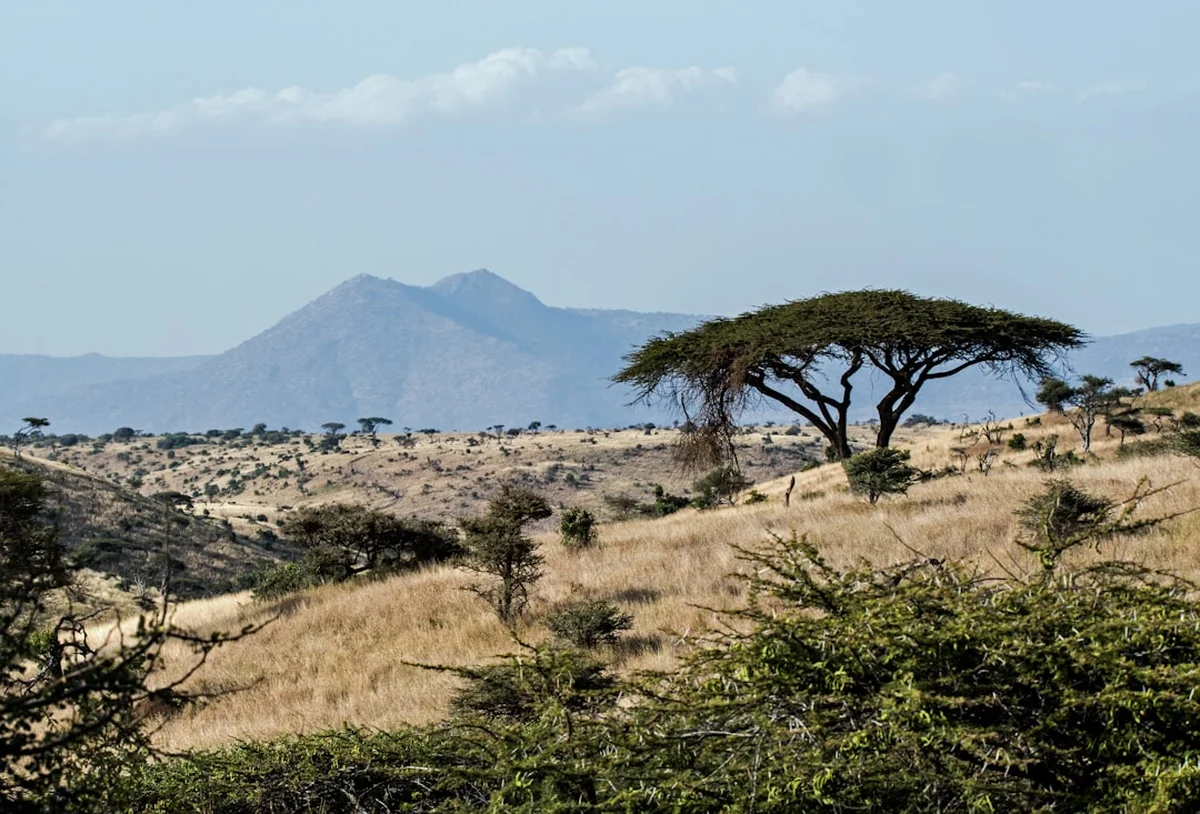
Mount Kenya Summit Trek - Kenya's Majestic Peak
The Mount Kenya Summit Trek is an unparalleled high-altitude adventure, ascending Africa's second-highest peak and a UNESCO World Heritage Site. This challenging multi-day trek takes you through a breathtaking spectrum of ecological zones, from lush montane forests teeming with wildlife to the stark, otherworldly alpine desert and finally to the glaciated summit of Batian (5,199 m) or Nelion (5,188 m). While the technical climbing routes to the true summits require advanced mountaineering skills, the trek to Point Lenana (4,985 m), the trekking summit, offers a formidable and rewarding challenge for fit and well-prepared hikers. This journey is not merely a physical ascent but a profound immersion into a unique mountain environment, showcasing diverse flora and fauna, dramatic landscapes, and the raw power of high-altitude wilderness.
- Distance: Approximately 49 km (variable depending on route and acclimatisation)
- Elevation Gain: Approximately 4,900 m
- Duration: 4-5 days
- Difficulty: Challenging to Very Challenging (due to altitude and terrain)
- Highest Trekking Point: Point Lenana (4,985 m)
- Base Town: Nanyuki
- Best Season: January-February and August-September (dry seasons)
- Accommodation: Mountain huts and campsites
Overview
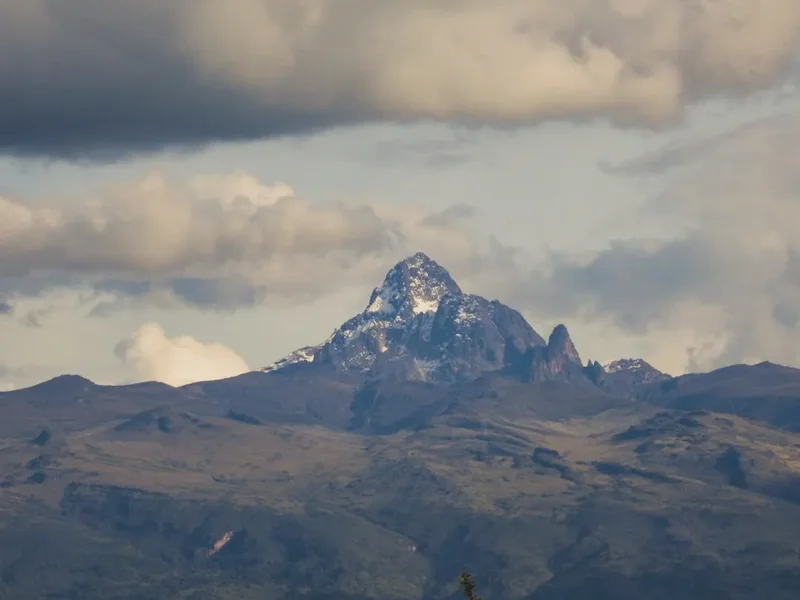
Mount Kenya, a dormant volcano, stands as a majestic sentinel in the Kenyan landscape, its snow-capped peaks a stark contrast to the surrounding savannah. The trek to its summit is a journey through distinct ecological belts, each offering a unique experience. The lower slopes are cloaked in dense, verdant rainforest, home to a rich diversity of wildlife including monkeys, various bird species, and if you're fortunate, elephants and buffalo. As you ascend, the forest gives way to bamboo zones, then to a moorland landscape dotted with giant heathers, senecios, and lobelias—plants uniquely adapted to the harsh alpine environment. The final ascent to Point Lenana traverses an alpine desert of scree and rock, culminating in a dramatic, often cold, and windswept summit experience.
The trek is renowned for its stunning scenery, including dramatic rock formations, glacial valleys, and panoramic views of the Kenyan highlands. The air thins considerably as you gain altitude, making acclimatisation a critical component of a successful and safe trek. The physical demands are significant, requiring a good level of fitness, mental fortitude, and careful preparation. The reward, however, is immense: standing on Point Lenana at sunrise, with the vast African plains stretching out below and the jagged peaks of Batian and Nelion piercing the sky, is an unforgettable achievement.
The most common routes to Point Lenana include the Naro Moru, Sirimon, and Burguret routes, often combined to create a circuit that offers varied scenery and better acclimatisation. Each route presents its own challenges and highlights, from the steep scree slopes of the Naro Moru to the more gradual ascent through diverse vegetation on the Sirimon route. The trek is typically undertaken with guides and porters, who are essential for navigation, carrying gear, and ensuring safety in this remote mountain environment.
History and Cultural Context
Mount Kenya holds deep spiritual significance for the Kikuyu people, who believe it is the dwelling place of their god, Ngai. They refer to the mountain as "Kirinyaga," meaning "Mountain of Whiteness," a reference to its snow-capped peaks. Ancient legends speak of their ancestors migrating from the heavens to live on the mountain. The mountain's sacred status has shaped its history, with traditional practices and beliefs influencing how it has been perceived and interacted with over centuries.
The first recorded European ascent of the peaks was by Sir Halford John Mackinder in 1899, accompanied by Swiss guides César Ollier and Joseph Brocherel. Mackinder's expedition successfully summited Batian via the North Face, a remarkable feat for its time. Following this, the mountain gradually became a destination for explorers, adventurers, and later, trekkers and climbers. The establishment of the Mount Kenya National Park in 1949, and its subsequent designation as a UNESCO World Heritage Site in 1997, underscored its global importance for biodiversity and natural beauty.
The development of trekking routes, such as the Naro Moru and Sirimon trails, in the latter half of the 20th century, opened up the mountain to a wider range of visitors. These routes were designed to facilitate access to the higher altitudes, with huts and campsites established to support multi-day expeditions. Today, Mount Kenya is a premier destination for adventure tourism in Kenya, attracting thousands of visitors annually who come to experience its unique alpine environment and challenge themselves to reach its lofty summits.
Seasonal Highlights and Weather Reality
Mount Kenya experiences distinct wet and dry seasons, which significantly influence trekking conditions. The best times to attempt the summit trek are during the dry seasons:
January-February: This period offers generally clear skies, stable weather, and excellent visibility. The days are typically sunny, though temperatures can be cold, especially at higher altitudes. Snow and ice on the higher reaches are usually present, making the final ascent to Point Lenana more challenging but also more visually dramatic. This is a popular time for trekkers.
August-September: This is the second dry season, also characterised by clear days and cold temperatures. The landscape can be drier, and wildlife sightings might be more concentrated around water sources. Visibility is usually excellent, offering superb views of the surrounding highlands and the distant peaks.
March-May (Long Rains): This is the wettest period, with frequent heavy downpours, especially in the afternoons. The trails can become muddy and slippery, and visibility is often poor due to cloud cover. Ascents to Point Lenana can be hazardous due to rain, fog, and potential snow. Wildlife is more dispersed, and the vegetation is lush.
October-December (Short Rains): This season sees intermittent rainfall, often in the form of afternoon showers. While not as consistently wet as the long rains, conditions can be unpredictable. The landscape is still green, and temperatures remain cool. Treks are possible, but hikers should be prepared for wet conditions and reduced visibility.
Weather at Altitude: Regardless of the season, weather on Mount Kenya can change rapidly. Expect cold temperatures, particularly at night and during the early morning summit attempts. Wind chill can make it feel significantly colder than the actual temperature. Snowfall is possible at any time of year above 4,000 metres, especially on the summit day.
Recommended Itinerary
4-Day Mount Kenya Summit Trek (Sirimon to Naro Moru Route)
Day 1: Nanyuki to Old Moses Camp (Sirimon Gate to 3,300 m)
- Distance: Approximately 9 km
- Elevation Gain: Approximately 900 m
- Time: 4-5 hours
- Morning: Arrive in Nanyuki, meet your guide and porters, final gear check.
- Transfer to Sirimon Gate (2,650 m).
- Begin trek through montane forest, observing diverse flora and fauna.
- Ascend gradually towards Old Moses Camp (also known as Simba Tarn Camp).
- Evening: Settle into camp, enjoy dinner, and begin acclimatisation.
Day 2: Old Moses Camp to Shipton's Camp (4,200 m)
- Distance: Approximately 14 km
- Elevation Gain: Approximately 900 m
- Time: 6-8 hours
- Morning: Depart Old Moses Camp after breakfast.
- Trek through the moorland zone, passing unique giant senecios and lobelias.
- The terrain becomes more open and exposed.
- Arrive at Shipton's Camp, a basic hut or campsite located in a dramatic glacial valley.
- Afternoon: Rest and further acclimatisation. Short walks around the camp can aid this.
- Evening: Early dinner and prepare for the summit attempt.
Day 3: Shipton's Camp to Point Lenana (4,985 m) and descend to Mintos Hut (4,250 m)
- Distance: Approximately 7 km to summit, 3 km to Mintos Hut
- Elevation Gain: Approximately 785 m to summit, 100 m descent to Mintos
- Time: 3-4 hours to summit, 1-2 hours to Mintos Hut
- Very Early Morning (around 2:00 AM): Begin the challenging ascent to Point Lenana.
- Trek across scree slopes and rocky terrain in the dark, guided by headlamps.
- Reach Point Lenana for sunrise (weather permitting) – a spectacular reward.
- Morning: Descend from Point Lenana towards Mintos Hut.
- Afternoon: Arrive at Mintos Hut, rest and recover from the summit push.
- This is the most demanding day, requiring significant physical and mental effort.
Day 4: Mintos Hut to Naro Moru Gate (2,600 m)
- Distance: Approximately 18 km
- Elevation Loss: Approximately 1,650 m
- Time: 5-7 hours
- Morning: Depart Mintos Hut after breakfast.
- Descend steeply down the Naro Moru route, passing the Teleki Valley.
- The trail is often steep and can be loose scree, requiring careful footing.
- Pass the vertical bog section, a unique ecological feature.
- Continue descent through forest to the Naro Moru Park Gate.
- Afternoon: Meet your transport at the gate and transfer back to Nanyuki.
Optional 5-Day Itinerary: An extra day can be added between Old Moses and Shipton's Camp (e.g., staying at Liki North Hut) to improve acclimatisation, especially for those less accustomed to high altitudes.
Important Notes:
- This itinerary is a guideline; actual timings and distances may vary based on route choice, acclimatisation needs, and guide recommendations.
- Acclimatisation is paramount. Listen to your body and your guide.
- The summit attempt is strenuous and requires good physical condition.
- Weather can be extreme; be prepared for cold, wind, and potential snow.
Planning and Bookings
Book Your Trip
Everything you need to plan your journey
Accommodation
Find places to stay near Nanyuki
Flights
Search flights to Nanyuki
Essential Preparation
Mount Kenya is a serious mountain, and preparation is key to a successful and enjoyable trek. Physical fitness is paramount; engage in regular cardiovascular exercise, including hiking with a weighted pack, for at least 2-3 months prior to your trip. Focus on leg strength and endurance. Altitude acclimatisation is the most critical factor for reaching the summit. Choose an itinerary that allows for gradual ascent and sufficient rest days. Ensure you have booked your trek with a reputable tour operator who will arrange guides, porters, park entry fees, and accommodation. Nanyuki is the primary gateway town, offering a range of accommodation from budget guesthouses to comfortable hotels. It's advisable to spend at least one night here before starting your trek to finalise arrangements and acclimatise to the lower altitude (around 1,950 m).
Trail Accommodation
Accommodation on Mount Kenya varies depending on the route and operator, but typically includes a combination of mountain huts and campsites.
Mountain Huts:
- Old Moses Camp (Simba Tarn): Basic hut or designated camping area at approximately 3,300 m. Facilities are rudimentary, often including pit latrines and basic shelter.
- Shipton's Camp: A more established hut at 4,200 m, often with bunk beds, a common area, and basic cooking facilities. It's a crucial stop for acclimatisation before the summit push.
- Mintos Hut: Located at 4,250 m, this hut is typically used after the summit attempt on the Naro Moru route. It offers similar basic facilities to Shipton's Camp.
- Liki North Hut (Optional): A smaller, more basic hut at 3,900 m, often used on longer itineraries for enhanced acclimatisation.
Campsites:
- Designated camping areas are available at most locations, especially if huts are full or if your operator prefers camping. Tents are usually provided by the tour operator.
Booking Requirements:
- Accommodation is typically booked as part of a package with a tour operator.
- Park entry fees and camping/hut fees are usually included in the package price.
- Bookings should be made well in advance, especially during peak seasons (January-February and August-September).
Facilities Provided:
- Bunk beds or tents.
- Common areas for dining and socialising.
- Basic cooking facilities (usually managed by your crew).
- Pit latrines or basic toilet facilities.
What's NOT Provided:
- Sleeping bags, mattresses (unless specified by operator).
- Food and drinks (usually provided by the operator as part of the package).
- Hot showers (rarely available).
- Electricity or charging facilities.
- Toiletries.
Seasonal Availability: Huts and campsites are generally available year-round, but conditions are significantly better during the dry seasons. During the wet seasons, trails can be challenging, and camping may be less comfortable.
Costs: Hut and camping fees are typically included in the overall trek package price, which can range from $800 to $1,500+ USD per person for a 4-5 day trek, depending on the operator, inclusions, and level of service.
Required Gear
- Sturdy hiking boots: Waterproof, broken-in, with good ankle support.
- Waterproof and windproof outer layers: A high-quality jacket and trousers are essential for protection against rain, wind, and snow.
- Warm layers: Multiple thermal base layers (merino wool or synthetic), fleece mid-layers, and a warm insulated jacket (down or synthetic).
- Sleeping bag: Rated to at least -10°C to -15°C comfort temperature, as nights at altitude are very cold.
- Backpack: A 50-70 litre capacity backpack with a rain cover.
- Daypack: A smaller pack (20-30 litres) for carrying essentials during daily hikes and summit attempts.
- Headlamp: With spare batteries, essential for early morning summit ascents.
- Trekking poles: Highly recommended for stability on ascents and descents, especially on scree.
- Sun protection: High SPF sunscreen, lip balm with SPF, sunglasses (UV protection is crucial at altitude).
- Warm hat and gloves: Including a balaclava or neck gaiter for summit days.
- First-aid kit: Including personal medications, blister treatment, pain relievers, and altitude sickness medication (consult your doctor).
- Water bottles or hydration reservoir: Minimum 2-3 litres capacity.
What to Bring
- Food and snacks: While operators provide meals, carry high-energy snacks like nuts, dried fruit, energy bars, and chocolate for extra fuel.
- Water purification: Water filters or purification tablets are recommended, even if water sources appear clean.
- Toiletries: Biodegradable soap, toothbrush, toothpaste, wet wipes, hand sanitiser.
- Personal items: Camera, power bank for electronics, book or journal, insect repellent (though less of an issue at high altitude).
- Quick-drying clothing: For layering and comfort during the day.
- Warm socks: Several pairs of wool or synthetic hiking socks.
- Camp shoes or sandals: For comfort around camp.
- Small towel: Quick-drying microfibre towel.
- Plastic bags: For waterproofing gear and carrying out rubbish.
- Passport and visa: If required.
- Cash: For tips for guides and porters, and any personal purchases.
Permits
To trek on Mount Kenya, you must obtain park entry permits from the Kenya Wildlife Service (KWS). These permits are typically arranged by your tour operator as part of your trekking package. It is crucial to ensure your operator handles this correctly and that you are aware of the permit requirements.
Park Entry Fees:
- Non-Kenyan residents typically pay a daily fee per person. This fee can vary but is generally around $50-70 USD per day.
- Kenyan residents and East African Community citizens pay significantly lower rates.
Hut and Camping Fees:
- In addition to park entry, there are fees for using the mountain huts or designated campsites. These are also usually bundled into the tour package.
- Hut fees are generally higher than camping fees.
Booking Process:
- Your tour operator will advise on the exact fees and handle the booking of permits and accommodation.
- It is advisable to confirm with your operator that all necessary permits and fees are covered in your quoted price.
- Permits are usually issued for specific entry and exit gates and for the duration of your trek.
Important Considerations:
- Always use reputable tour operators who are experienced in arranging Mount Kenya treks.
- Ensure you receive confirmation of your permits and accommodation bookings.
- Carry copies of your permits and identification with you throughout the trek.
- The KWS rangers at the park gates will check your permits upon entry and exit.
Other Activities in the Area
Beyond the summit trek, the Mount Kenya region offers a variety of activities and attractions:
- Wildlife Safaris: The lower slopes of Mount Kenya are part of a rich ecosystem. Nearby conservancies and national parks, such as Ol Pejeta Conservancy, offer excellent opportunities for game drives to see elephants, lions, rhinos, and the rare Grevy's zebra.
- Bird Watching: The diverse habitats on Mount Kenya support a wide array of bird species, making it a prime destination for ornithologists.
- Rock Climbing: For experienced climbers, Mount Kenya offers challenging technical routes on the main peaks of Batian and Nelion, as well as on smaller spires like the Point Lenana massif.
- Cultural Tours: Visit local Kikuyu villages to learn about their traditions, agriculture, and spiritual connection to the mountain.
- Horse Riding and Camel Trekking: Some conservancies in the surrounding areas offer these activities, providing a different perspective on the landscape.
- Nanyuki Town Exploration: Explore the vibrant town of Nanyuki, known for its art galleries, craft markets, and the Equator marker, where you can experience the unique phenomenon of water draining in opposite directions on either side of the equator.
- Chuka Waterfalls: Located on the eastern side of Mount Kenya, these impressive waterfalls offer a scenic natural attraction.
Safety and Conditions
Altitude Sickness (Acute Mountain Sickness - AMS):
- This is the most significant risk on Mount Kenya. Symptoms include headache, nausea, dizziness, fatigue, and shortness of breath.
- Prevention: Gradual ascent, adequate hydration, avoiding alcohol and strenuous activity on arrival at altitude, and taking Diamox (acetazolamide) as prescribed by your doctor.
- Management: If symptoms develop, do not ascend further. Rest, hydrate, and if symptoms worsen, descend immediately. Your guide will monitor you closely.
Weather:
- Weather on Mount Kenya is unpredictable and can change rapidly. Be prepared for cold temperatures, strong winds, rain, sleet, and snow, even during dry seasons.
- Summit days are often started in the early hours of the morning (around 2 AM) to reach the summit for sunrise, meaning you will be trekking in the dark and cold.
Terrain:
- The trails vary from well-trodden paths through forests and moorlands to steep, loose scree slopes and rocky sections, especially on the final ascent to Point Lenana.
- Trekking poles are highly recommended for stability and to reduce strain on joints.
Guides and Porters:
- It is mandatory to trek with licensed guides and porters. They are experienced in mountain conditions, navigation, and emergency procedures.
- Always follow the instructions of your guide.
Communication:
- Mobile phone reception is generally non-existent on the mountain.
- Your guide will likely carry a satellite phone or personal locator beacon (PLB) for emergencies.
Health and Hygiene:
- Drink plenty of purified water to stay hydrated.
- Eat well to maintain energy levels.
- Practice good hygiene to prevent gastrointestinal issues.
Emergency Evacuation: Ensure your travel insurance covers emergency evacuation from remote mountain locations. Reputable tour operators will have evacuation procedures in place.
Side Trips and Points of Interest
Point Lenana (4,985 m): The primary trekking summit of Mount Kenya. Reaching this point offers a spectacular reward with panoramic views of the surrounding peaks, glacial valleys, and the vast Kenyan landscape stretching out below. Sunrise from Point Lenana is a truly unforgettable experience, painting the sky with vibrant colours over the African continent.
Batian and Nelion Peaks: While not accessible to trekkers without advanced technical climbing skills, these true summits are awe-inspiring to behold from the trekking routes. Their jagged, snow-covered profiles dominate the skyline and represent the ultimate challenge on Mount Kenya.
Mackinder's Camp and Teleki Valley: Located on the Naro Moru route, this area is named after the first European to summit Mount Kenya. The Teleki Valley is a dramatic glacial valley, offering stunning views and a sense of the mountain's raw, powerful geology.
Liki North Hut Area: If your itinerary includes a stop at Liki North Hut, the surrounding landscape is a beautiful example of the alpine moorland, with unique flora like giant heathers and senecios. It offers a quieter, more remote experience compared to the busier main routes.
Lake Ellis: A beautiful crater lake located on the eastern side of Mount Kenya, accessible via the Chogoria route. It's a picturesque spot for photography and a peaceful place to rest, often visited on longer, more comprehensive treks.
The Vertical Bog: A unique ecological feature encountered on the Naro Moru route descent. This area is characterised by waterlogged ground and dense vegetation, showcasing the resilience of plant life in challenging alpine conditions.
Unique Flora and Fauna: Keep an eye out for the endemic giant senecios and lobelias, which are iconic to Mount Kenya's alpine zone. You might also spot various bird species, hyrax, and if you're very lucky, larger mammals like buffalo or elephants on the lower slopes.
Leave No Trace
Mount Kenya is a precious natural resource and a vital ecosystem. Adhering to Leave No Trace principles is crucial to preserving its beauty and integrity for future generations and for the wildlife that calls it home.
Plan Ahead and Prepare: Understand the regulations, know your route, and pack appropriately. Discuss your plans with your guides and ensure they are committed to LNT principles.
Travel and Camp on Durable Surfaces: Stick to established trails and campsites. Avoid walking on fragile vegetation, especially the unique alpine flora. Camp in designated areas to minimise impact.
Dispose of Waste Properly: Pack out everything you pack in, including all food scraps, wrappers, and any other litter. Use designated toilet facilities or dig catholes at least 60 metres away from water sources, trails, and campsites. Pack out all toilet paper.
Leave What You Find: Do not disturb or remove any natural objects, plants, or cultural artifacts. Take only photographs and memories.
Minimise Campfire Impacts: Campfires are generally not permitted on Mount Kenya due to the fragile alpine environment and the availability of cooking stoves. Use a stove for cooking.
Respect Wildlife: Observe wildlife from a distance. Never feed animals, as this can alter their natural behaviour and diet, and can be harmful to their health. Store food securely to prevent attracting animals.
Be Considerate of Other Visitors: Keep noise levels down, especially in campsites and on trails. Respect the solitude and natural quiet of the mountain. Yield to ascending hikers.
By following these principles, you contribute to the conservation of Mount Kenya's unique environment and ensure a positive experience for yourself and others.
 Italy
Italy