
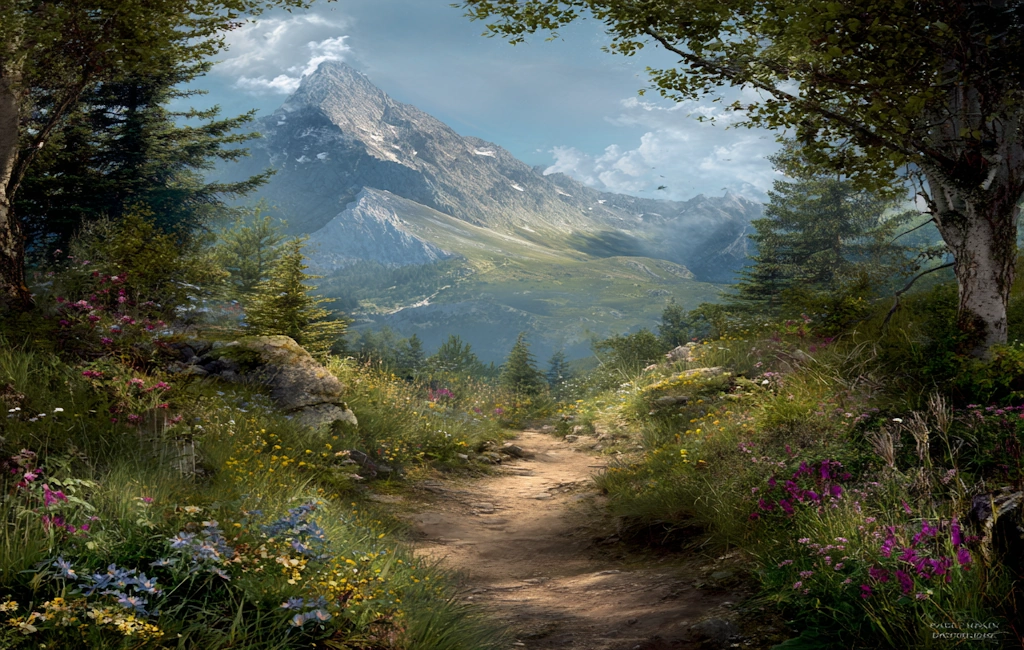
Mount Kaimon Trail - Ibusuki's Majestic Peak
Mount Kaimon, often referred to as "Satsuma Fuji" due to its striking resemblance to Mount Fuji, is a prominent stratovolcano located on the southernmost tip of the Satsuma Peninsula in Kagoshima Prefecture, Japan. Standing at 924 metres, it offers a rewarding day hike with panoramic views of the East China Sea, the surrounding Kagoshima Bay, and the distant islands of Yakushima and Tanegashima on clear days. The trail winds through diverse landscapes, from lush subtropical forests at its base to rugged volcanic terrain near the summit, providing a rich ecological experience. Its accessibility from the charming coastal city of Ibusuki makes it a popular destination for both local residents and international visitors seeking a taste of Japan's natural beauty and volcanic landscapes.
- Distance: 9.5 km one-way
- Elevation gain: 590 m
- Duration: 3-4 hours (one way)
- Season: October to May (avoiding summer heat and humidity)
- Difficulty: Moderate
- Closest City: Ibusuki
- Trailhead Access: From Kagoshima Airport (KOJ), take a bus to Ibusuki Station (approx. 2 hours). From Ibusuki Station, take a taxi or local bus to the Kaimondake trailhead (approx. 20 min). Parking is available at the trailhead.
- Permits: No permits required for general access.
Overview
The Mount Kaimon Trail is a classic day hike that offers a significant elevation gain over a relatively short distance, classifying it as a moderate to challenging walk. The ascent begins in a verdant, almost tropical environment, characterised by dense foliage, towering trees, and the sounds of nature. As hikers ascend, the vegetation gradually changes, transitioning to more hardy, scrub-like plants adapted to the volcanic soil and exposed conditions. The trail is well-maintained for the most part, featuring a mix of dirt paths, stone steps, and some steeper, more rugged sections closer to the summit.
The journey is punctuated by several viewpoints that offer increasingly expansive vistas. The lower sections are shaded and cooler, providing a pleasant start. However, as the tree line recedes, the trail becomes more exposed to the elements, with the sun and wind becoming significant factors. The final push to the summit involves navigating a series of switchbacks and rocky outcrops, demanding a good level of fitness and sure-footedness. Reaching the summit crater rim provides a breathtaking 360-degree panorama, a fitting reward for the effort expended. The descent follows the same path, offering a different perspective on the landscape and a chance to appreciate the details missed on the way up.
Mount Kaimon's geological significance as a stratovolcano adds another layer of interest to the hike. The volcanic rock formations, the composition of the soil, and the very shape of the mountain are testaments to its fiery origins. The surrounding area, known for its hot springs and unique coastal scenery, complements the hiking experience, making it a well-rounded destination for nature enthusiasts and cultural explorers alike.
History and Cultural Context
Mount Kaimon has held cultural and spiritual significance for the local inhabitants of the Satsuma Peninsula for centuries. Its distinctive conical shape, reminiscent of Mount Fuji, has led to its veneration as a sacred mountain, a symbol of natural beauty and power. Historically, it has been a landmark for fishermen and travellers navigating the waters of Kagoshima Bay, its silhouette a constant presence on the horizon.
The area surrounding Mount Kaimon has a rich history tied to the Satsuma Domain, a powerful feudal domain in Japan during the Edo period. The region was strategically important and played a role in various historical events, including the Satsuma Rebellion. The fertile volcanic soil has historically supported agriculture, with local communities cultivating crops such as sweet potatoes, rice, and tea.
The development of the hiking trail itself is a more recent phenomenon, driven by the desire to make the mountain accessible to a wider audience and to promote tourism in the Ibusuki region. While there isn't a singular, dramatic historical event directly linked to the trail's creation in the way some famous mountain paths are, its history is interwoven with the broader narrative of human settlement and interaction with the volcanic landscape of southern Kyushu. The mountain's presence has undoubtedly influenced local folklore, art, and the daily lives of the people who have lived in its shadow.
Seasonal Highlights and Weather Reality
The Mount Kaimon Trail is best enjoyed during the cooler, drier months, typically from October to May. During this period, the weather is generally more stable, with lower humidity and more comfortable temperatures for hiking. The autumn months (October and November) offer pleasant conditions with clear skies and the possibility of seeing autumn foliage in the lower forest sections. Winter (December to February) can bring crisp, cool air and excellent visibility, making it ideal for panoramic views from the summit. Spring (March to May) is also a favourable time, with milder temperatures and the blooming of various flora, though it can also see an increase in rainfall.
Summer (June to September) is generally not recommended for hiking Mount Kaimon. This period is characterised by high temperatures, oppressive humidity, and frequent rainfall, including typhoons. The exposed summit sections can become dangerously hot, and the risk of heatstroke is significant. The dense forest can offer some shade, but the overall conditions can be very uncomfortable and potentially hazardous. While the mountain is technically accessible year-round, the summer months pose the greatest challenges for hikers.
Weather on the summit can change rapidly, even during the optimal seasons. Hikers should always be prepared for cooler temperatures, wind, and sudden rain showers, especially at higher elevations. Checking the local weather forecast before setting out is crucial for a safe and enjoyable experience.
Recommended Itinerary
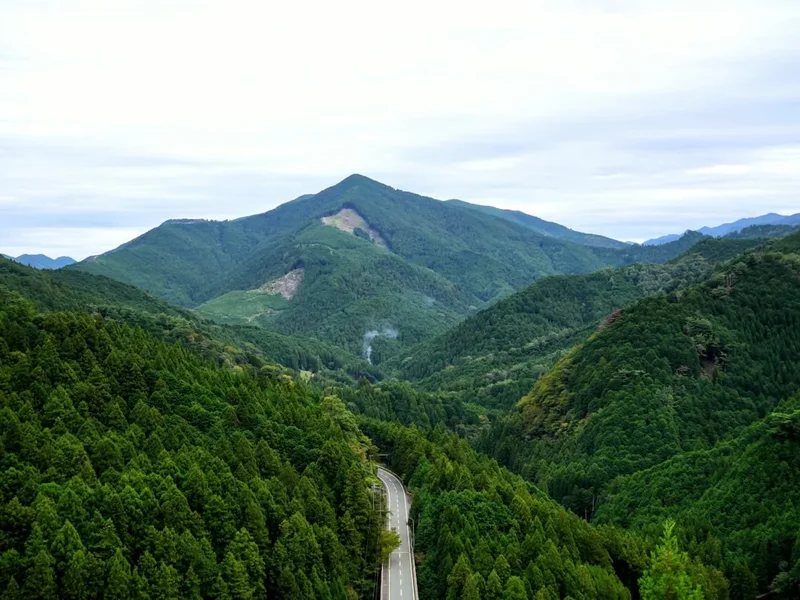
Mount Kaimon Day Hike Itinerary
Early Morning (Approx. 8:00 AM): Arrival at Trailhead
- Arrive at the Kaimondake trailhead.
- Utilise parking facilities if travelling by car.
- Locate the trailhead marker and information boards.
- Perform a final gear check and ensure you have sufficient water and snacks.
Morning (Approx. 8:30 AM - 11:30 AM): Ascent Through Forest
- Begin the hike from the trailhead.
- The initial section is shaded and passes through dense subtropical forest.
- Follow the well-marked path, which may include some paved or gravel sections.
- Observe the diverse plant life, including ferns, mosses, and various tree species.
- The trail gradually begins to gain elevation.
- Pass by smaller viewpoints offering glimpses of the surrounding landscape.
Midday (Approx. 11:30 AM - 1:00 PM): Reaching the Summit Area
- The vegetation begins to thin as you approach the upper slopes.
- The trail becomes steeper and may involve more rocky terrain and steps.
- Enjoy increasingly expansive views of Kagoshima Bay and the coastline.
- The summit crater rim is visible, indicating you are nearing the top.
- Take a break at a suitable spot to rest and hydrate.
Afternoon (Approx. 1:00 PM - 2:00 PM): Summit Exploration and Descent Start
- Reach the summit crater rim (924 m).
- Take time to admire the 360-degree panoramic views.
- Explore the immediate summit area, being mindful of the volcanic terrain.
- Begin the descent, retracing your steps back down the mountain.
- The descent can be faster but requires careful footing on steeper sections.
Late Afternoon (Approx. 2:00 PM - 4:00 PM): Return to Trailhead
- Continue descending through the forest.
- The lower sections may feel warmer and more humid after the cooler summit.
- Arrive back at the Kaimondake trailhead.
- Clean up and prepare for your onward journey.
Important Notes:
- This is a day hike; no overnight accommodation is required.
- Carry sufficient water (at least 1.5-2 litres per person) as there are no water sources on the trail.
- Wear sturdy hiking boots with good ankle support.
- Bring sun protection (hat, sunscreen) and insect repellent, especially during warmer months.
- Be prepared for changing weather conditions, even on a clear day.
- The trail can be slippery when wet.
Planning and Bookings
Book Your Trip
Everything you need to plan your journey
Accommodation
Find places to stay near Ibusuki
Flights
Search flights to Ibusuki
Essential Preparation
Mount Kaimon is a popular day hike, and preparation is key to a safe and enjoyable experience. The closest major city with comprehensive amenities is Ibusuki. Ibusuki offers a range of accommodation options, from traditional ryokans with onsen (hot springs) to modern hotels and guesthouses. It also has supermarkets, convenience stores, and restaurants where you can stock up on supplies. Transportation to the trailhead is primarily via local bus or taxi from Ibusuki Station. If driving, ensure your vehicle is in good condition, as the roads leading to the trailhead can be narrow and winding. It is advisable to check the weather forecast for the Ibusuki area and specifically for Mount Kaimon before your trip. Given the moderate difficulty and elevation gain, a reasonable level of physical fitness is recommended. Familiarise yourself with the trail map and understand the distance and elevation profile.
Trail Accommodation
This is a day hike requiring no overnight accommodation.
Required Gear
- Hiking Boots: Sturdy, waterproof hiking boots with good ankle support are essential for navigating the varied terrain, including rocky sections and potentially slippery paths.
- Backpack: A comfortable daypack (20-30 litres) to carry essentials like water, food, extra clothing, and safety gear.
- Waterproof Jacket: A lightweight, breathable waterproof jacket is advisable, as weather can change quickly, and rain is possible even outside the main rainy season.
- Headlamp/Torch: Essential for safety, especially if you plan to start early or finish late, or in case of unexpected delays. Ensure it has fresh batteries.
- First-Aid Kit: A basic kit including plasters, antiseptic wipes, pain relievers, blister treatment, and any personal medications.
- Navigation Tools: While the trail is generally well-marked, a map of the area and a compass or GPS device (or a reliable offline map app on your phone) are recommended.
- Sun Protection: A wide-brimmed hat, sunglasses, and high-SPF sunscreen are crucial, particularly for the exposed upper sections of the trail.
What to Bring
- Food: Sufficient high-energy snacks and a packed lunch. There are no food facilities on the trail. Consider items like energy bars, nuts, dried fruit, sandwiches, and fruit.
- Water: At least 1.5 to 2 litres of water per person. There are no reliable water sources on the trail, so carry all you will need.
- Insect Repellent: Especially important during warmer months to protect against mosquitoes and other biting insects.
- Toiletries: Hand sanitiser, tissues, and any personal hygiene items. Pack out all waste.
- Trekking Poles (Optional): Can be beneficial for stability on ascents and descents, particularly on steeper or uneven sections.
- Camera: To capture the stunning views from the summit and along the trail.
- Small Towel: Useful for wiping sweat or if caught in unexpected rain.
Permits
No specific permits are required to hike the Mount Kaimon Trail. The trail is open to the public, and access is generally free. However, it is always advisable to check for any local advisories or temporary closures that might be in effect due to weather conditions or maintenance work. Information can usually be found at the trailhead or through local tourism offices in Ibusuki.
Other Activities in the Area
The region around Mount Kaimon and Ibusuki offers a variety of attractions and activities that complement a hiking trip:
- Ibusuki Sand Baths (Sunamushi Onsen): Experience the unique therapeutic hot sand baths, where you are buried in naturally heated volcanic sand. This is a signature experience of Ibusuki.
- Cape Nagasakibana: Located at the southernmost tip of the Satsuma Peninsula, this scenic cape offers beautiful coastal views, a lighthouse, and a variety of flora, including hydrangeas and irises.
- Flower Park Kagoshima: A large botanical garden showcasing a wide array of flowers throughout the year, offering a colourful and relaxing experience.
- Chiran Samurai District: A short drive from Ibusuki, this well-preserved samurai district offers a glimpse into feudal Japan with its traditional residences and gardens.
- Kagoshima City: A larger urban centre accessible by train, offering attractions such as Sengan-en Garden, Kagoshima City Aquarium, and views of Sakurajima volcano.
- Local Cuisine: Sample regional specialties such as kurobuta (black pork), shochu (a distilled spirit), and fresh seafood.
Safety and Conditions
Trail Conditions: The Mount Kaimon Trail is generally well-maintained, but conditions can vary. The lower sections are often shaded and can be damp, while the upper sections are exposed and can be windy. After rain, the trail can become slippery, especially on rock steps and dirt paths. Always wear appropriate footwear.
Weather: Weather in southern Kyushu can be unpredictable. While the best hiking season is October to May, rain showers can occur at any time. The summit can be significantly cooler and windier than the base. Always check the local weather forecast before you go and be prepared for rapid changes. Typhoons are a risk during the summer months (June-September), and hiking should be avoided during severe weather warnings.
Physical Fitness: The hike involves a significant elevation gain of 590 metres over 9.5 km, making it a moderate to challenging day hike. Ensure you have a reasonable level of fitness. Pace yourself, take breaks when needed, and stay hydrated.
Water and Food: There are no facilities on the trail, so carry all the water and food you will need for the duration of your hike. Dehydration is a risk, especially on warmer days or during strenuous ascents.
Wildlife: While large dangerous wildlife is uncommon on Mount Kaimon, be aware of smaller creatures such as snakes and insects. Insect repellent is recommended, particularly during warmer months.
Emergency: In case of an emergency, try to contact local rescue services. Mobile phone reception can be intermittent on the mountain, especially in the lower, densely forested areas. Note the trailhead location and any nearby landmarks. It is advisable to inform someone of your hiking plans, including your expected return time.
Side Trips and Points of Interest
Summit Crater Rim: The primary point of interest is the summit itself. Upon reaching the crater rim, hikers are rewarded with spectacular 360-degree views. On a clear day, you can see across Kagoshima Bay to the Sakurajima volcano, the distant islands of Yakushima and Tanegashima, and the coastline stretching out towards the East China Sea. The volcanic crater, though dormant, is a significant geological feature.
Viewpoints along the Trail: As you ascend, several points offer increasingly impressive vistas. These natural clearings in the forest provide opportunities to pause, rest, and appreciate the changing landscape. They are excellent spots for photography and to gauge your progress.
Subtropical Forest: The diverse flora and fauna encountered in the lower and mid-sections of the trail are a point of interest in themselves. The dense, verdant forest is characteristic of southern Japan's subtropical climate, featuring a rich variety of plant life, including ancient trees, ferns, and mosses.
Volcanic Geology: The entire mountain is a testament to volcanic activity. Observing the different types of rock formations and the soil composition can be fascinating for those interested in geology. The mountain's conical shape is a classic example of a stratovolcano.
Leave No Trace
The Mount Kaimon Trail, like all natural environments, benefits from responsible visitor behaviour. Adhering to Leave No Trace principles ensures the preservation of its beauty and ecological integrity for future generations.
- Plan Ahead and Prepare: Familiarise yourself with the trail, weather conditions, and any local regulations before your visit. Pack appropriately for the conditions.
- Travel and Camp on Durable Surfaces: Stick to the marked trail at all times. Avoid walking on vegetation or creating new paths, as this can cause erosion and damage fragile ecosystems.
- Dispose of Waste Properly: Pack out everything you pack in, including all food scraps, wrappers, and any other litter. Use designated waste bins at the trailhead if available, or carry your rubbish home.
- Leave What You Find: Do not remove any natural objects, such as rocks, plants, or flowers. Take only photographs and memories.
- Minimise Campfire Impacts: Not applicable for this day hike, as camping is not permitted.
- Respect Wildlife: Observe wildlife from a distance and never feed animals. Feeding can alter their natural behaviour and diet, potentially harming them.
- Be Considerate of Other Visitors: Keep noise levels down, yield to other hikers when necessary, and maintain a respectful attitude towards fellow visitors and the natural environment.
 Japan
Japan