
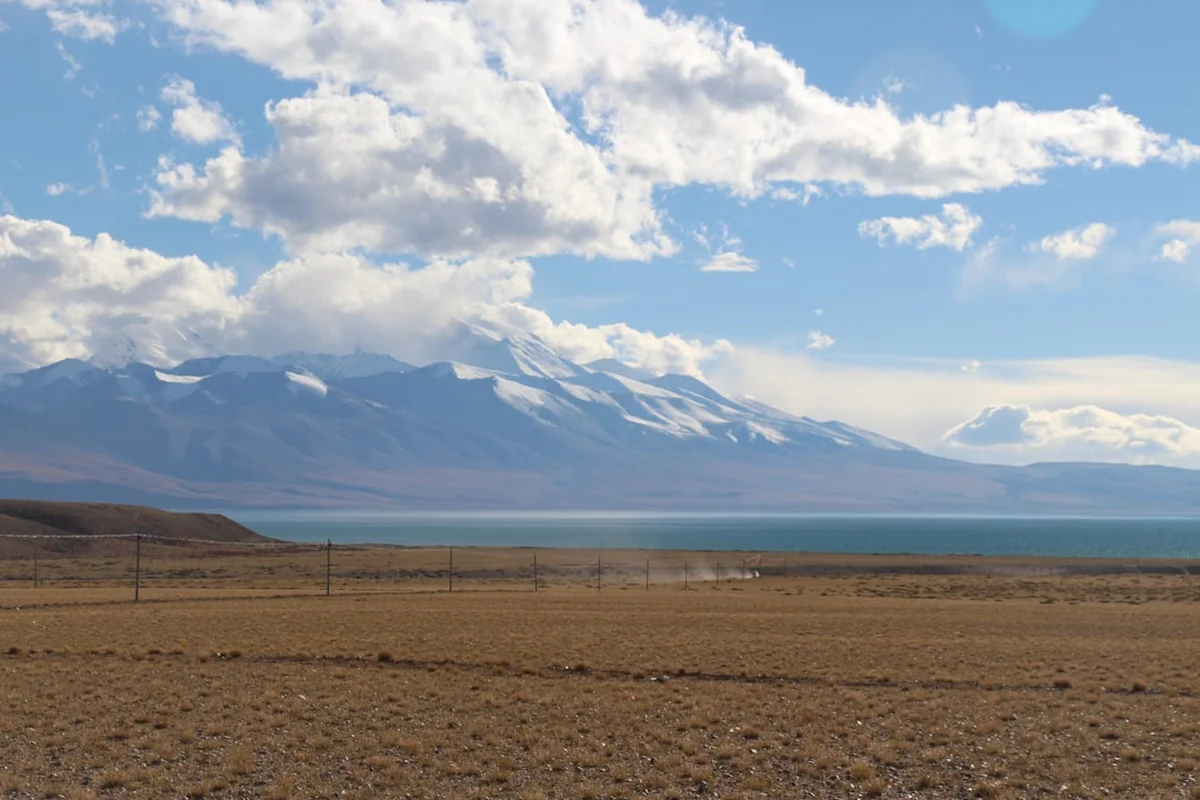
Mount Kailash Trek - The Sacred Kora of the Tibetan Plateau
The Mount Kailash Trek, known locally as the 'Kora', is arguably the most spiritually significant high-altitude journey on Earth. Located in the remote Ngari Prefecture of western Tibet, this 52-kilometre circumambulation orbits the 6,638-metre peak of Mount Kailash—a mountain so sacred that it has never been climbed. For Hindus, Buddhists, Jains, and followers of the Bon religion, this is the centre of the universe, the physical manifestation of Mount Meru. The trek is not merely a physical challenge but a profound act of devotion, performed by thousands of pilgrims who travel across the vast Tibetan Plateau to pay homage to the "Precious Snow Mountain." Walking at an average elevation of nearly 5,000 metres, trekkers traverse a landscape of stark, high-altitude beauty, crossing the formidable Dolma La Pass at 5,630 metres. This is a journey that demands extreme physical resilience, careful acclimatisation, and a deep respect for the ancient traditions that have defined this path for over a millennium.
- Distance: 52.0 km loop
- Duration: 3 days
- Season: May to October (avoiding the deep winter snows)
- Accommodation: Basic guesthouses and monastery lodges
- Highest point: Dolma La Pass (5,630 m)
- Difficulty: Challenging (primarily due to extreme altitude)
- Direction: Clockwise for Buddhists/Hindus/Jains; Anti-clockwise for Bon
Overview
The Mount Kailash Kora is a masterclass in high-altitude endurance and cultural immersion. Unlike many treks that focus on reaching a summit, the goal here is the circle itself—a symbolic cycle of life, death, and rebirth. The route begins and ends in the dusty outpost of Darchen, situated at 4,670 metres. From here, the trail winds through the Lha-chu and Dzong-chu valleys, flanking the massive, symmetrical pyramid of Kailash. The mountain’s four faces—composed of conglomerate and metamorphosed sedimentary rock—are aligned with the cardinal directions, appearing as a giant lingam or a crystal stupa depending on one's faith. The sheer scale of the landscape is humbling; the air is thin, the light is piercingly bright, and the silence of the plateau is broken only by the fluttering of prayer flags and the rhythmic chanting of pilgrims.
Physically, the trek is divided into three distinct stages. The first day is a relatively gentle ascent through the western valley, providing the first intimate views of the mountain's sheer north face. The second day is the crux of the journey, involving a gruelling climb to the Dolma La Pass. At 5,630 metres, the oxygen levels are approximately half of those at sea level, making every step a conscious effort of will. The descent from the pass is steep and rocky, leading past the emerald-green Gauri Kund (the Lake of Compassion) before levelling out in the eastern valley. The third day is a shorter, meditative walk back to Darchen, completing the circuit. While the distance of 52 kilometres might seem modest over three days, the physiological toll of the altitude cannot be overstated. This is a trek where the environment dictates the pace, and the rewards are found in the profound sense of peace and the shared camaraderie with pilgrims who may be performing the circuit through full-body prostrations.
The landscape is a desert of stone and ice, yet it teems with spiritual energy. You will encounter "sky burial" sites, sacred cairns (latse), and monasteries that seem to grow directly out of the cliffside. The weather is notoriously unpredictable; even in the height of summer, a blizzard can sweep across the Dolma La in minutes. However, when the clouds part to reveal the black, diamond-shaped peak of Kailash against a deep turquoise sky, the hardship of the trail evaporates. It is a place where the physical and spiritual worlds converge, offering a perspective on human existence that few other locations can provide.
History and Cultural Context
The history of Mount Kailash is woven into the very fabric of Asian cosmology. For Hindus, the mountain is the eternal abode of Lord Shiva and his consort Parvati. It is believed that Shiva sits in perpetual meditation at the summit, and the mountain's shape represents his divine lingam. For Buddhists, Kailash is Kang Rinpoche, the "Precious One of Glacial Snow," and the residence of Chakrasamvara (Demchok), representing supreme bliss. The Buddhist tradition at Kailash was solidified in the 11th century by the great yogi Milarepa, who famously engaged in a battle of magical powers with the Bon shaman Naro Bon-chung to claim the mountain for Buddhism. Milarepa’s victory is still celebrated in the many caves and shrines that dot the Kora route.
The Bon religion, which predates Buddhism in Tibet, considers Kailash to be the site where their founder, Tonpa Shenrab, descended from heaven. Unlike the other faiths, Bonpo pilgrims walk the Kora in an anti-clockwise direction. Jains also hold the mountain in the highest esteem, calling it Ashtapada; it is the site where the first Tirthankara, Rishabhadeva, attained liberation (Moksha). This convergence of four major religions makes Kailash a unique "axis mundi," a spiritual pole that has drawn seekers for centuries. The path you walk today is the same path trodden by ancient kings, wandering ascetics, and modern-day devotees, all seeking to cleanse their karma through the act of circumambulation.
Culturally, the trek is an exhibition of Tibetan resilience. The monasteries along the route—Chuku, Drirapuk, and Dzultripuk—have been destroyed and rebuilt multiple times, particularly during the Cultural Revolution. Today, they serve as vital hubs for both prayer and practical shelter. The pilgrims themselves are a central part of the history; many travel thousands of kilometres from eastern Tibet, taking months to reach the mountain, often performing prostrations every step of the way. To witness a pilgrim measuring the 52-kilometre circuit with their own body length is to understand the depth of devotion that Mount Kailash inspires. The land is not just a geographic feature; it is a living, breathing entity of profound sanctity.
Want more background? Read extended notes on history and cultural context → Learn more
Seasonal Highlights and Weather Reality
The trekking season for Mount Kailash is relatively short, dictated by the harsh continental climate of the Tibetan Plateau. The window typically opens in May and closes by late October. Outside of these months, heavy snow renders the Dolma La Pass impassable, and the extreme cold—often dropping below -30 degrees Celsius—makes the journey life-threatening for all but the most specialised expeditions.
Spring (May to June) is arguably the best time for the trek. The weather is generally stable, and the visibility is at its peak. This period also coincides with the Saga Dawa Festival (usually in June), which celebrates Buddha's birth, enlightenment, and nirvana. During Saga Dawa, thousands of pilgrims gather at Tarboche to replace the great prayer flagpole, creating an atmosphere of intense religious fervour. However, be aware that May can still see frozen lakes and lingering snow on the high passes.
Summer (July to August) brings slightly warmer temperatures, but it is also the time when the Indian monsoon can occasionally push moisture over the Himalayas. While Tibet is in a rain shadow, the "Kailash micro-climate" can produce afternoon showers, mist, and obscured views of the peak. The advantage of summer is the vibrant green of the valley floors and the relative ease of breathing in slightly warmer, more humid air. This is also the peak season for Indian pilgrims, so the trail and guesthouses can be very crowded.
Autumn (September to October) is another prime window. The monsoon moisture clears, leaving crisp, cold air and exceptionally blue skies. The landscape turns a golden-brown hue, and the mountain views are often the clearest of the year. By mid-October, the temperatures begin to plummet, and the first heavy snows of winter can arrive at any time. Trekkers in autumn must be prepared for sub-zero temperatures every night and the possibility of sudden, fierce winds on the plateau.
Recommended Itinerary
3-Day Mount Kailash Kora Itinerary
Day 1: Darchen to Drirapuk Monastery
- Distance: 20 km
- Elevation gain: 200 m
- Time: 6–7 hours
- Start from Darchen (4,670 m) heading west
- Pass the Tarboche flagpole and the "Sky Burial" site of 84 Mahasiddhas
- Enter the Lha-chu Valley, a wide glacial canyon with towering red rock walls
- Visit Chuku Monastery (4,820 m) perched on the cliffside
- Steady, gradual ascent alongside the river
- Arrive at Drirapuk Monastery (4,890 m)
- The highlight of this day is the spectacular view of the North Face of Kailash, which looms directly over the monastery in a sheer wall of ice and rock
- Accommodation is in basic guesthouses near the monastery
Day 2: Drirapuk Monastery to Dzultripuk Monastery via Dolma La Pass
- Distance: 18 km
- Elevation: 740 m gain to pass, 840 m descent
- Time: 8–10 hours
- The most difficult day of the trek, requiring an early start (typically 5:00 AM or 6:00 AM)
- Ascend through the Jarok Donkhang valley towards the pass
- Cross the Shiva-tsal (5,330 m), where pilgrims leave a piece of clothing or a drop of blood to symbolise their death to their old life
- Final steep scramble to the Dolma La Pass (5,630 m), decorated with thousands of colourful prayer flags
- Steep, rocky descent to the valley floor, passing Gauri Kund (the Lake of Compassion)
- Follow the Dzong-chu river through a long, flat valley
- Arrive at Dzultripuk Monastery (4,790 m), the "Cave of Miracles" where Milarepa meditated
- This day tests the limits of endurance and acclimatisation
Day 3: Dzultripuk Monastery to Darchen
- Distance: 14 km
- Elevation: 120 m descent
- Time: 3–4 hours
- Easy walk following the river downstream
- The valley narrows into a dramatic gorge with colourful rock formations
- Pass several Mani walls (stones carved with mantras) and prayer wheels
- Exit the valley onto the Barkha Plain, with views of Lake Manasarovar in the distance
- Final stretch back into Darchen to complete the circle
- Many trekkers choose to continue to Lake Manasarovar for a ritual bath or further exploration
- The afternoon is usually spent resting and recovering in Darchen before the long drive back to Shigatse or Lhasa
Important Notes:
- The itinerary assumes you have already spent at least 3–5 days acclimatising in Lhasa and Shigatse
- Porters or yaks can be hired in Darchen to carry heavy packs; this is highly recommended given the altitude
- Water must be treated; do not drink directly from the glacial streams
- The Dolma La Pass can be closed by snow at any time; always follow the advice of your local Tibetan guide
- Respect religious customs: always walk clockwise (unless you are Bon) and do not step over prayer flags
- The "Inner Kora" is a separate, much more dangerous route that is traditionally only permitted to those who have completed 13 Outer Koras
Planning and Bookings
Book Your Trip
Everything you need to plan your journey
Accommodation
Find places to stay near Darchen
Flights
Search flights to Darchen
Essential Preparation
Planning a trek to Mount Kailash is a complex logistical undertaking that requires months of lead time. Independent travel is not permitted in Tibet; you must be part of an organised tour with a registered travel agency, a licensed guide, and private transport. The journey to the trailhead in Darchen is an adventure in itself, typically involving a 1,200-kilometre drive from Lhasa over several days. This transit time is crucial for acclimatisation, as you will cross multiple passes over 5,000 metres before even starting the trek.
Physical fitness is paramount. While the terrain is not technically difficult (it is mostly well-worn paths), the lack of oxygen makes every movement feel twice as hard. Cardiovascular training, such as hiking with a weighted pack, swimming, or cycling, should begin at least three months prior. Equally important is mental preparation; the facilities are primitive, the weather is harsh, and the altitude can cause significant discomfort. You must be prepared for long days of travel and basic living conditions.
Trail Accommodation
Accommodation on the Mount Kailash Kora is extremely basic and should be viewed as functional shelter rather than a hotel experience. There are no luxury options on the trail itself.
Guesthouses and Monasteries:
- Dormitory-style rooms with 4 to 10 beds are the norm
- Beds usually consist of a simple mattress on a wooden or metal frame
- Heavy blankets are provided, but a high-quality sleeping bag is essential for hygiene and warmth
- Toilets are almost exclusively "squat" style, often in separate outhouses with no running water
- Electricity is limited and often provided by solar panels or generators; it may only be available for a few hours in the evening
- No showering facilities exist on the 3-day circuit
- Common areas are unheated, though some may have a central yak-dung stove for limited warmth
What Accommodation Doesn't Provide:
- Private bathrooms or hot water
- Reliable charging points for electronics (bring power banks)
- WiFi or mobile data (signal is extremely spotty)
- Towels or toiletries
- Heating in sleeping quarters
Required Gear
- High-altitude trekking boots - waterproof, well-insulated, and thoroughly broken in
- Down jacket - rated for at least -15 degrees Celsius; essential for evenings and the pass
- Hard-shell waterproof jacket and trousers - to protect against the fierce plateau winds and sudden snow
- Trekking poles - essential for the steep, unstable descent from Dolma La
- Sleeping bag - 4-season rated (comfort level -10°C or lower)
- Daypack - 30-40L for daily essentials if using a porter/yak for main luggage
- UV-rated sunglasses - Category 4 is recommended due to extreme solar radiation and snow glare
- Head torch - with spare lithium batteries (alkaline batteries fail in the cold)
- Personal First Aid Kit - including Diamox (for altitude), blister care, and broad-spectrum antibiotics
What to Bring
- High-calorie snacks - nuts, chocolate, energy bars, and dried fruit (appetite often decreases at altitude)
- Water purification - Steripen or chlorine dioxide tablets (boiling water is available at guesthouses but may not be 100% reliable)
- Electrolyte powder - to maintain hydration and mineral balance
- Sunblock and lip balm - SPF 50+; the Tibetan sun will burn skin in minutes
- Wet wipes and hand sanitiser - your primary means of hygiene on the trail
- Thermos flask - for carrying hot tea or water, which is much more palatable in the cold
- Personal oxygen canisters - can be purchased in Lhasa or Darchen for emergency use
- Cash - Chinese Yuan (CNY) in small denominations for snacks, hot water, and monastery donations
- Toilet paper - none is provided on the trail
Permits
The permit process for Mount Kailash is one of the most restrictive in the world. Because the trek is located in a sensitive border region of the Tibet Autonomous Region (TAR), multiple layers of bureaucracy must be navigated. You cannot apply for these permits yourself; they must be processed by your authorised travel agency.
Required Documents:
- Chinese Visa: Must be obtained in your home country. Note: If entering from Nepal, you require a "Group Tourist Visa" issued by the Chinese Embassy in Kathmandu, which cancels any existing Chinese visa in your passport.
- Tibet Travel Permit (TTP): Issued by the Tibet Tourism Bureau. This is required to enter Tibet and board flights or trains to Lhasa.
- Alien Travel Permit: Required for travel to "unopened" areas outside of Lhasa, including Shigatse and Ngari.
- Military Permit: Specifically required for the Mount Kailash and Lake Manasarovar region due to its proximity to the Indian and Nepalese borders.
Booking and Timeline:
- Permit applications should be initiated at least 30–45 days before your departure.
- You must provide a clear colour scan of your passport and Chinese visa to your agency.
- The TTP is usually delivered to your hotel in China (e.g., Chengdu or Xining) or handed to you at the border if coming from Nepal.
- Permit regulations can change without notice. The Chinese government occasionally closes Tibet to foreign travellers during sensitive anniversaries or political events. Always ensure your tour operator has a flexible cancellation policy.
Costs: Permit fees are generally included in the total cost of your organised tour. However, be aware that the "Group Visa" from Kathmandu has a separate fee (approx. US$100–200 depending on nationality). Always clarify with your agency exactly which permits are covered in your package.
Other Activities in the Area
The journey to western Tibet is long, and it is worth incorporating other significant sites into your itinerary:
- Lake Manasarovar: Located just 30 km south of Kailash, this is one of the highest freshwater lakes in the world. Pilgrims often perform a Kora around the lake (approx. 100 km) or take a ritual dip in its holy waters. The views of Mount Gurla Mandhata across the lake are stunning.
- Chiu Monastery: Perched on a rocky outcrop overlooking Lake Manasarovar, this monastery is built over a cave where Guru Rinpoche (Padmasambhava) spent the last seven days of his life on earth.
- Guge Kingdom Ruins: Located a few hours' drive west of Darchen in Tsada, these 10th-century ruins are a marvel of cave architecture and ancient Buddhist murals, set against a dramatic "earth forest" landscape.
- Tirthapuri Hot Springs: A sacred site associated with Guru Rinpoche, featuring natural hot springs and a pilgrimage circuit. It is traditionally visited after completing the Kailash Kora.
- Lhasa Sightseeing: Most trips begin in the Tibetan capital. Spend several days visiting the Potala Palace, Jokhang Temple, and Drepung Monastery to understand the cultural heart of the region.
- Everest Base Camp (North Side): Many Kailash tours include a detour to the Rongbuk Monastery to see the North Face of Mount Everest, the highest peak in the world.
Safety and Conditions
Altitude Sickness (AMS): This is the single greatest risk on the Mount Kailash Trek. Starting at 4,670 m and reaching 5,630 m, you are in the "Extreme Altitude" zone. Acute Mountain Sickness (AMS) can progress to life-threatening High Altitude Pulmonary Oedema (HAPE) or High Altitude Cerebral Oedema (HACE) very quickly. Symptoms include severe headache, nausea, loss of coordination, and breathlessness at rest. The only cure is immediate descent. Ensure your guide carries bottled oxygen and is trained in recognising altitude symptoms. Do not ignore "mild" symptoms; they are a warning.
Weather Extremes: The Tibetan Plateau is a land of extremes. Intense UV radiation can cause severe sunburn and snow blindness. Conversely, temperatures can drop 20 degrees in minutes if a storm rolls in. Hypothermia is a genuine risk, especially on the long descent from Dolma La if you are wet or exhausted. Always carry layers and waterproofs in your daypack, regardless of how the morning looks.
Remote Location: You are several days' drive from any modern medical facility. While there are basic clinics in Darchen, serious injuries or illnesses will require evacuation to Shigatse or Lhasa, and potentially back to your home country. Comprehensive travel insurance that specifically covers "high-altitude trekking up to 6,000 m" and "emergency heli-evacuation" is non-negotiable. Note that heli-evacuation in Tibet is extremely difficult to organise due to military restrictions; most evacuations are by road.
Physical Exhaustion: The combination of thin air and long walking days can lead to extreme fatigue. This impairs judgment and increases the risk of falls on rocky sections. Listen to your body, maintain a slow and steady pace (the "Himalayan shuffle"), and stay hydrated. If you feel you cannot complete the pass, horses can sometimes be hired in Drirapuk, but they cannot be used for the descent from Dolma La as it is too steep and rocky.
Side Trips and Points of Interest
The North Face of Kailash: From Drirapuk Monastery, a short 2-hour return hike takes you closer to the base of the North Face. This is the most iconic view of the mountain—a vertical wall of black rock and white ice. Standing so close to the "Stairway to Heaven" is a powerful experience, and the silence of the upper valley is profound. This is an excellent way to further acclimatise on the afternoon of Day 1.
Gauri Kund (Lake of Compassion): Located just below the Dolma La Pass, this small, emerald-green lake is sacred to Hindus. It is believed to be the place where Parvati, Shiva's consort, would bathe. While the water is freezing, some pilgrims perform ritual ablutions or collect the water to take home. The contrast of the green water against the grey scree and white snow is one of the most beautiful sights on the trek.
Milarepa’s Cave at Dzultripuk: The monastery at the end of Day 2 is built around the cave where the great yogi Milarepa stayed. You can enter the cave and see the "handprints" and "footprints" supposedly left by Milarepa in the solid rock during his magical contest. The monastery itself is a peaceful place to reflect on the journey's challenges.
The Sky Burial Sites: While you should never approach or photograph an active sky burial, the designated sites (like the one near Tarboche) are marked by massive amounts of prayer flags and discarded clothing. These sites are a stark reminder of the Tibetan Buddhist belief in the impermanence of the body and the cycle of reincarnation. They should be treated with the utmost solemnity and respect.
Leave No Trace
The environment around Mount Kailash is an alpine desert—an ecosystem that is incredibly fragile and slow to recover. With the increase in pilgrimage and tourism, waste management has become a critical issue. As a visitor to this sacred land, you have a moral and environmental obligation to minimise your impact.
Your responsibility as a trekker:
- Pack it in, pack it out: Carry all your trash back to Darchen. This includes "micro-trash" like candy wrappers and cigarette butts. Do not leave anything in the monastery guesthouses, as they have limited means of disposal.
- Manage human waste: Use the provided toilets at guesthouses whenever possible. If you must go on the trail, ensure you are at least 50 metres from any water source and bury waste deeply, or better yet, use a "wag bag" to carry it out.
- Water protection: Do not use soap or detergents in the holy rivers or lakes. Even biodegradable soap can harm the delicate balance of high-altitude water systems.
- Respect the wildlife: You may see Tibetan wild asses (Kyang), marmots, or various birds of prey. Observe from a distance and never offer food.
- Stay on the path: The main Kora route is well-defined. Avoid creating new social trails, which lead to soil erosion and the destruction of sparse alpine vegetation.
- Cultural preservation: Do not take "souvenirs" such as Mani stones, fossils, or plants. These are part of the sacred landscape and should remain where they are.