
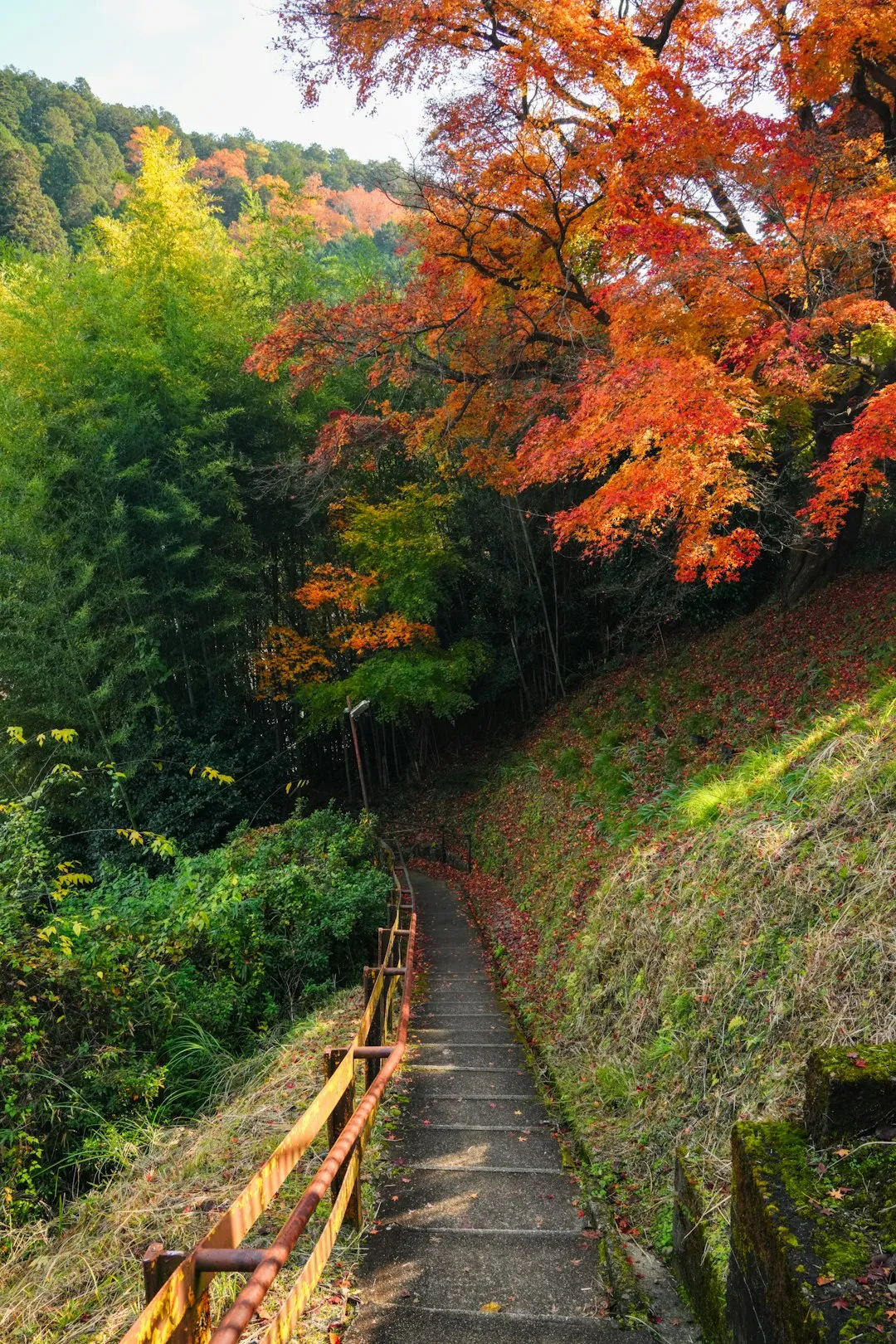
Mount Ibuki Ascent - Japan's Highest Peak on Honshu
The Mount Ibuki Ascent is a popular day walk offering a rewarding challenge and panoramic views from the highest peak on Honshu island, Japan. Standing at 1,200 metres, Mount Ibuki is easily accessible from major cities and provides a significant elevation gain for a day hike. The trail is well-maintained, making it suitable for those with moderate fitness levels, and its accessibility means it's a favoured destination for both locals and tourists seeking a taste of Japan's natural beauty. The ascent is characterised by a steady climb through varied terrain, culminating in a summit experience that often includes breathtaking vistas stretching across the surrounding prefectures and, on exceptionally clear days, even towards Mount Fuji.
- Distance: 12.0 km (round trip)
- Elevation gain: 1,100 m
- Duration: 5–7 hours
- Difficulty: Moderate
- Best Time: May–June and September–October
- Closest City: Maibara
- Trailhead Access: Nearest airport: Central Japan Int'l Airport (NGO). Take train to Maibara Station, then bus (approx. 1 hour) to Ibuki Tozanguchi (伊吹登山口) bus stop near the trailhead. Limited parking available. Road conditions generally good.
- Coordinates: 35.3861, 136.5139
Overview
Mount Ibuki, or Ibukiyama, is a significant mountain located on the border of Gifu and Shiga prefectures in Japan. Its summit, at 1,200 metres above sea level, makes it the highest peak on Honshu island, a fact that contributes to its enduring popularity among hikers. The ascent is a classic day walk, demanding a good level of physical fitness due to the substantial elevation gain of 1,100 metres over a distance of approximately 12 kilometres. The trail is generally well-trodden and marked, though it can become steep and rocky in sections, requiring careful footing.
The journey begins at the Ibuki Tozanguchi (伊吹登山口) trailhead, typically accessed by bus from Maibara Station. The initial part of the hike often winds through lower-lying vegetation, gradually transitioning into more alpine flora as the altitude increases. The path is a mix of dirt trails, gravel sections, and stone steps, particularly in the steeper upper reaches. As hikers ascend, the views begin to open up, offering glimpses of the surrounding landscape, including Lake Biwa, Japan's largest freshwater lake, and the cities of the Kansai region.
The summit area of Mount Ibuki is relatively flat and features several points of interest, including a shrine, a weather station, and a restaurant. The primary draw, however, is the expansive 360-degree panorama. On a clear day, the vista is truly spectacular, encompassing the Kii Peninsula, the Japanese Alps, and, on exceptionally rare occasions, the iconic silhouette of Mount Fuji in the far distance. The mountain is also known for its diverse flora, particularly its wildflowers, which bloom in abundance during the spring and early summer months, adding a vibrant splash of colour to the landscape.
The descent follows the same path, offering a different perspective on the scenery. While the climb is challenging, the well-defined route and the promise of stunning views make Mount Ibuki a highly recommended day hike for those visiting the region and seeking an active engagement with Japan's natural environment.
History and Cultural Context
Mount Ibuki holds a significant place in Japanese history and folklore. For centuries, it has been revered as a sacred mountain, a belief deeply rooted in Shinto traditions. The summit is home to the Ibuki Shrine (伊吹山神社), dedicated to the mountain's kami (deities). Pilgrimages to sacred mountains have been a common practice in Japan for millennia, and Mount Ibuki has been a destination for such spiritual journeys, with worshippers ascending to pay homage and seek blessings.
Historically, Mount Ibuki was also strategically important. Its commanding position offered excellent vantage points for observing the surrounding territories. During the Sengoku period (Warring States period, 1467–1615), the mountain was a site of conflict and was fortified. The presence of ancient fortifications and remnants of past human activity can still be found in some areas, though the primary focus for most visitors today is the natural beauty and the hiking experience.
The mountain is also famously associated with the legend of the oni (demon or ogre) Shuten-dōji, one of the most powerful and feared oni in Japanese folklore. According to legend, Shuten-dōji resided in a fortress on Mount Ibuki and was eventually defeated by the samurai Minamoto no Yorimitsu and his retainers. This tale has cemented Mount Ibuki's place in popular culture and contributed to its mystique.
In more recent times, Mount Ibuki has become a popular destination for recreational hiking. Its accessibility and the rewarding summit views have made it a favoured spot for day-trippers and weekend hikers. The mountain's ecological significance is also recognised, with efforts made to preserve its unique flora, including numerous species of wildflowers that bloom seasonally. The combination of historical reverence, legendary associations, and natural splendour makes Mount Ibuki a multifaceted and compelling destination.
Seasonal Highlights and Weather Reality
Mount Ibuki offers distinct experiences throughout the year, with specific seasons being more favourable for hiking. The best times to visit are generally during the spring and autumn months, when the weather is most conducive to outdoor activities.
Spring (May–June): This is a prime season for hiking Mount Ibuki. The snow has typically melted by May, revealing the mountain's slopes. The weather is usually mild, and the mountain comes alive with a vibrant display of wildflowers. Many species, including the endemic Ibuki-fuji (a type of iris), bloom during this period, making the ascent a colourful and fragrant experience. However, spring can still bring unpredictable weather, including occasional rain showers and cooler temperatures at higher altitudes.
Summer (July–August): Summer on Mount Ibuki can be hot and humid, especially at the lower elevations. While hiking is possible, the heat can make the ascent more strenuous. Thunderstorms are also more common during the summer months, and hikers should be prepared for sudden changes in weather. The wildflowers may have passed their peak by mid-summer, but the lush green scenery remains appealing.
Autumn (September–October): Autumn is another excellent season for hiking Mount Ibuki. The weather is typically clear and crisp, offering excellent visibility for panoramic views from the summit. The autumn foliage can also be spectacular, with the leaves on the trees turning shades of red, orange, and yellow, creating a beautiful contrast with the mountain landscape. The temperatures are generally pleasant, making for comfortable hiking conditions.
Winter (November–April): Mount Ibuki is often covered in snow during the winter months, making it inaccessible for regular hiking. The summit can experience harsh weather conditions, including heavy snowfall, strong winds, and freezing temperatures. While experienced mountaineers with appropriate winter gear might attempt the ascent, it is generally not recommended for casual hikers. The road to the trailhead may also be closed during periods of heavy snow.
Weather Considerations: Regardless of the season, weather on Mount Ibuki can change rapidly. It is crucial to check the local weather forecast before setting out and to be prepared for a range of conditions, including rain, wind, and cooler temperatures at the summit. Layers of clothing are essential, as is waterproof gear.
Recommended Itinerary
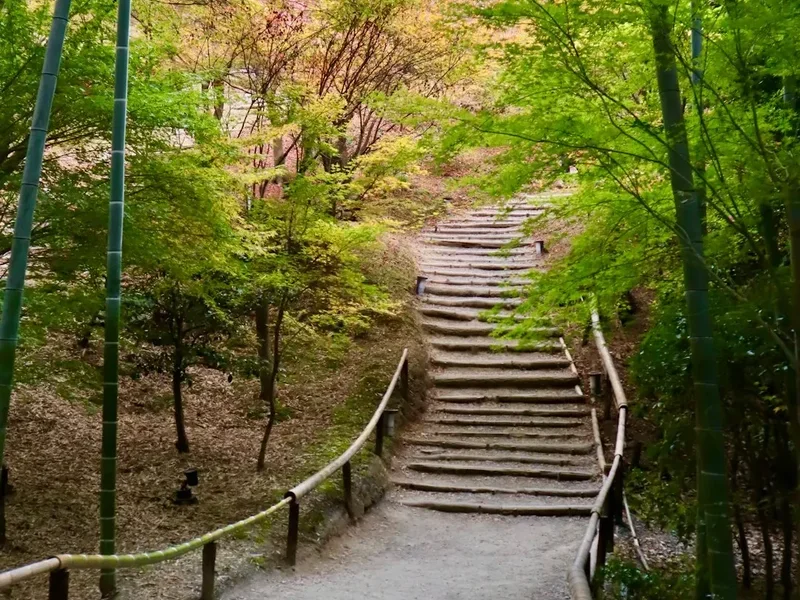
Mount Ibuki Ascent - Day Walk Itinerary
Early Morning (Approx. 7:00 AM - 8:00 AM): Travel to Trailhead
- Depart from your accommodation in Maibara or nearby city.
- Take a local bus or taxi to Ibuki Tozanguchi (伊吹登山口) bus stop. The bus journey from Maibara Station typically takes around 1 hour.
- If driving, follow GPS coordinates to the trailhead parking area.
- Ensure you have all necessary gear and supplies before starting.
Morning (Approx. 8:00 AM - 12:00 PM): Ascent - Lower and Mid-Sections
- Begin the hike from Ibuki Tozanguchi trailhead.
- The initial section is a gradual climb through forested areas, often featuring well-maintained paths and some stone steps.
- Distance covered: Approximately 4-5 km.
- Elevation gain: Approximately 400-500 metres.
- Key waypoints: Look for signage indicating the main trail. You may pass small rest areas or viewpoints.
- The terrain gradually becomes steeper and rockier as you gain altitude.
Midday (Approx. 12:00 PM - 1:00 PM): Summit Arrival and Lunch
- Reach the summit of Mount Ibuki (1,200 m).
- Distance covered: Approximately 6.0 km (total from trailhead).
- Elevation gain: 1,100 m (total from trailhead).
- Time: 4–5 hours (depending on pace and stops).
- Key waypoints: Summit marker, Ibuki Shrine, weather station, summit restaurant/rest stop.
- Take time to enjoy the panoramic views.
- Have lunch at the summit restaurant or enjoy a packed lunch with a view.
Afternoon (Approx. 1:00 PM - 4:00 PM): Descent
- Begin the descent back down the same trail.
- Be mindful of your footing, especially on steep or rocky sections.
- Distance covered: Approximately 6.0 km (total for descent).
- Elevation loss: 1,100 m (total for descent).
- Time: 2–3 hours (generally faster than ascent).
- Key waypoints: Retrace your steps, enjoying the changing perspectives.
Late Afternoon (Approx. 4:00 PM onwards): Return to Trailhead and Departure
- Arrive back at Ibuki Tozanguchi trailhead.
- Take the bus or taxi back to Maibara Station.
- Reflect on your successful ascent and the stunning views.
Important Notes:
- This is a day hike; no overnight accommodation is required.
- Carry sufficient water and snacks, as facilities are limited to the summit.
- Wear sturdy hiking boots and dress in layers.
- Check weather forecasts before and during your hike.
- The summit can be significantly cooler than the trailhead.
Planning and Bookings
Book Your Trip
Everything you need to plan your journey
Accommodation
Find places to stay near Maibara
Flights
Search flights to Maibara
Essential Preparation
Mount Ibuki is a popular day hike, and while it doesn't require the extensive advance booking of multi-day treks, proper preparation is key to a successful and enjoyable experience. The closest major transport hub is Maibara Station, which is well-connected by the Shinkansen (bullet train) and local lines. From Maibara, you will need to take a local bus or a taxi to reach the Ibuki Tozanguchi trailhead. The bus service is generally reliable but can be infrequent, so checking schedules in advance is advisable. If you are driving, there is limited parking available at the trailhead, which can fill up quickly on weekends and holidays.
Given that this is a day hike, accommodation is not a primary concern on the mountain itself. However, it is recommended to stay in or near Maibara, or a larger nearby city like Hikone or even Kyoto, to allow for an early start. This also provides flexibility in case of weather delays or if you wish to explore the surrounding area before or after your hike. Ensure you have a reliable way to check the weather forecast for the Mount Ibuki region, as conditions can change rapidly at higher elevations.
Trail Accommodation
This is a day hike requiring no overnight accommodation.
Required Gear
- Hiking Boots: Sturdy, waterproof hiking boots with good ankle support are essential. The trail can be rocky and uneven, especially in the upper sections.
- Backpack: A comfortable daypack (20-30 litres) to carry essentials like water, food, extra clothing, and safety equipment.
- Waterproof Jacket: A lightweight, breathable waterproof jacket is crucial, as weather can change quickly and rain is common.
- Waterproof Overtrousers: Recommended, especially during shoulder seasons or if rain is forecast.
- Head Torch: Essential, even for a day hike, in case of unexpected delays or if you start very early or finish late. Ensure it has fresh batteries.
- First Aid Kit: A basic kit including plasters, antiseptic wipes, pain relievers, blister treatment, and any personal medications.
- Navigation: While the trail is generally well-marked, a map of the area and a compass or GPS device (or a reliable offline map app on your phone) are recommended.
- Sun Protection: Sunscreen, sunglasses, and a hat are important, especially during spring and summer, as the sun can be intense at higher altitudes.
What to Bring
- Food: Plenty of high-energy snacks (nuts, dried fruit, energy bars) and a packed lunch. There is a restaurant at the summit, but it can be busy and options may be limited.
- Water: Carry at least 2-3 litres of water per person. There are no reliable water sources on the trail until the summit, where you may be able to purchase drinks. Water treatment is not typically necessary if purchasing from the summit restaurant, but if refilling from natural sources (not recommended), purification is advised.
- Toiletries: Hand sanitiser, toilet paper (in case facilities are unavailable or stocked), and any personal hygiene items.
- Warm Layers: Even in warmer months, the summit can be significantly cooler and windier than the base. Bring a fleece or insulating mid-layer and a warm hat and gloves.
- Trekking Poles: Optional but highly recommended, especially for the descent, to reduce strain on knees.
- Camera: To capture the stunning views from the summit.
- Cash: For potential purchases at the summit restaurant or for bus fares, as card payment facilities may not always be available or reliable.
Permits
No specific permits are typically required for hiking Mount Ibuki as a day walk. The mountain is part of a national park area, and access is generally open to the public. However, it is always advisable to check for any local regulations or temporary restrictions that may be in place, especially during peak seasons or if there are any environmental concerns. Information can usually be found through local tourism offices or the official websites of the prefectures (Shiga and Gifu) or the national park authorities.
Parking Fees: If you are driving to the trailhead, there may be a parking fee at the Ibuki Tozanguchi area. This fee is usually nominal and payable on-site.
Trail Access: The main trail is generally open year-round, but access can be restricted during periods of heavy snowfall or severe weather. It is crucial to check local conditions before your visit, particularly if travelling during the shoulder seasons (late spring or early autumn) or if winter conditions are expected.
Summit Facilities: While no permits are needed to hike, the facilities at the summit, such as the restaurant and shops, operate independently and will have their own pricing and operating hours. These are not part of any permit system for the trail itself.
Other Activities in the Area
While the Mount Ibuki ascent is a primary draw, the surrounding region offers several other attractions for visitors:
- Lake Biwa: As Japan's largest freshwater lake, Lake Biwa offers numerous recreational opportunities. You can enjoy boat tours, visit islands like Chikubu-shima with its historical shrines, or explore lakeside towns and beaches.
- Hikone Castle: A magnificent original castle dating back to the early 17th century, located near Maibara. It's one of Japan's most beautiful and well-preserved castles, offering a glimpse into feudal history and stunning views from its keep.
- Omihachiman: A charming historic town with canals, traditional merchant houses, and a picturesque old town area. It's known for its preserved Edo-period architecture and offers a peaceful escape.
- Ibukiyama Flower Park: Located at the base of Mount Ibuki, this park is particularly famous for its stunning displays of tulips in spring and other seasonal flowers. It provides a more relaxed way to enjoy the mountain's flora.
- Local Onsen (Hot Springs): Several hot spring resorts are located in the vicinity of Maibara and Hikone, offering a perfect way to relax and rejuvenate after a hike.
- Cycling: The flat plains around Lake Biwa are ideal for cycling, with dedicated paths and scenic routes available.
Safety and Conditions
Pre-Departure Checks:
- Weather Forecast: Always check the most up-to-date weather forecast for Mount Ibuki and the surrounding area before you depart. Websites like the Japan Meteorological Agency (JMA) or local weather services provide detailed information. Pay close attention to wind speed, precipitation, and temperature at higher altitudes.
- Trail Conditions: While the main trail is generally well-maintained, check for any recent reports on trail conditions, especially if hiking during the shoulder seasons (late spring or early autumn) when snow or ice might still be present at higher elevations. Local tourism information centres or online forums can be helpful.
- Road and Bus Status: If travelling by car or bus, verify the status of the road leading to the trailhead and the bus schedules, as these can be affected by weather or seasonal changes.
On the Trail:
- Footing: The trail can be steep and rocky, particularly in the upper sections. Wear appropriate footwear and watch your step to avoid slips and falls. Trekking poles can significantly aid stability and reduce impact on your knees.
- Weather Changes: Mountain weather is notoriously unpredictable. Be prepared for rapid shifts in conditions, including sudden rain, strong winds, and a drop in temperature. Always carry waterproof and warm layers, even if the forecast appears favourable.
- Hydration and Nutrition: Carry more water than you think you will need, as dehydration can occur quickly, especially during strenuous climbs. Pack energy-rich snacks and a substantial lunch.
- Navigation: While the main trail is clear, it's wise to have a map and compass or a reliable GPS device/app. Do not rely solely on mobile phone signal, as it can be intermittent.
- Summit Facilities: The restaurant at the summit offers food and drink, but it can be crowded, and prices may be higher than at the base. It's best to carry your own provisions.
- Emergency: In case of an emergency, try to contact local rescue services. The number for mountain rescue in Japan is typically 110 or 119. Provide your location, the nature of the emergency, and your condition.
General Safety:
- Inform Someone: Let a friend or family member know your hiking plans, including your intended route and estimated return time.
- Pace Yourself: Hike at a pace that is comfortable for you. The 1,100-metre elevation gain is significant, so take breaks as needed.
- Respect Wildlife: While large wildlife is uncommon on Mount Ibuki, be respectful of any animals you encounter.
Side Trips and Points of Interest
Ibuki Shrine (Summit): Located at the summit, this ancient Shinto shrine is a significant cultural landmark. It is dedicated to the mountain's deities and has been a site of worship for centuries. Visitors often pause here to pay their respects or simply admire the traditional architecture. The shrine adds a spiritual dimension to the summit experience.
Summit Restaurant and Shops: At the 1,200-metre summit, you'll find a small cluster of facilities, including a restaurant and souvenir shops. The restaurant offers a place to rest and refuel, with hot meals and drinks available. The shops sell local specialties, including "Ibuki-yama" sweets and other mountain-themed souvenirs. These facilities provide a welcome respite and a chance to experience local hospitality.
Panoramic Viewpoints: The summit of Mount Ibuki is renowned for its exceptional 360-degree views. On a clear day, the panorama is vast and breathtaking. You can see:
- Lake Biwa: Japan's largest freshwater lake, stretching out below.
- Kansai Region Cities: On clear days, you can spot major cities like Osaka and Kyoto in the distance.
- Japanese Alps: The majestic peaks of the Japanese Alps form a dramatic backdrop to the east.
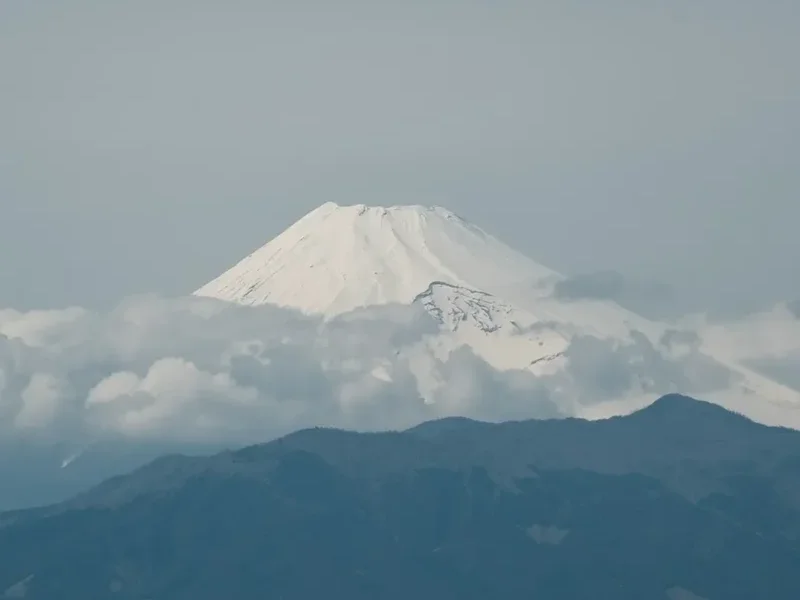
- Mount Fuji: On exceptionally rare and clear days, the iconic silhouette of Mount Fuji can be seen in the far distance, a truly spectacular sight.
These viewpoints are the primary reward for the strenuous climb and offer unparalleled photographic opportunities.
Wildflower Viewing (Spring/Early Summer): Mount Ibuki is celebrated for its rich biodiversity, particularly its wildflowers. During May and June, the slopes are carpeted with a variety of blooms, including the endemic Ibuki-fuji (a type of iris), alpine flowers, and various grasses. The trail itself becomes a beautiful botanical garden during this period.
Leave No Trace
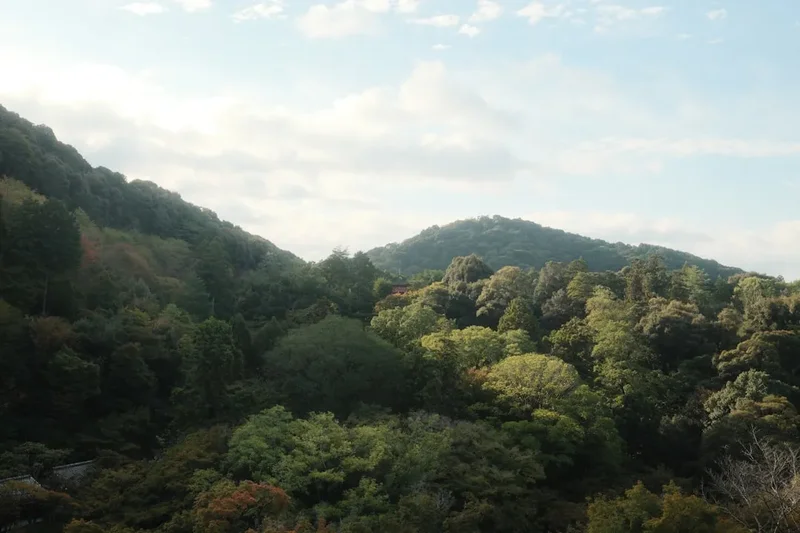
As a popular hiking destination, Mount Ibuki relies on visitors to practice responsible behaviour to preserve its natural beauty and ecological integrity. Adhering to Leave No Trace principles ensures that the mountain remains a pristine environment for future generations.
Your responsibility as a hiker:
- Pack It In, Pack It Out: Carry out all litter, including food scraps, wrappers, and any other waste you generate. Do not bury or burn trash.
- Stay on the Trail: Stick to the marked paths to avoid damaging fragile vegetation and causing erosion. Venturing off-trail can disturb wildlife habitats and lead to the degradation of the mountain's ecosystem.
- Respect Wildlife: Observe wildlife from a distance and never feed animals. Feeding can alter their natural behaviour and diet, potentially causing harm.
- Dispose of Waste Properly: Use designated toilets where available. If no facilities are present, dig a cathole at least 60 metres (60 m) away from water sources, trails, and campsites. Pack out all toilet paper.
- Leave What You Find: Do not take rocks, plants, or any other natural objects from the mountain. Leave them for others to enjoy and for the ecosystem to thrive.
- Minimise Campfire Impacts: Campfires are generally not permitted on day hikes and are discouraged on Mount Ibuki due to the risk of wildfires and impact on vegetation. If camping were permitted, use established fire rings and keep fires small.
- Be Considerate of Other Visitors: Keep noise levels down and yield to other hikers, especially on narrow sections of the trail.
By following these principles, you contribute to the conservation of Mount Ibuki and ensure a positive experience for everyone who visits this beautiful mountain.
Useful Links
- Japan Meteorological Agency (JMA) - Weather Forecasts
- Shiga Prefectural Government (for local information)
- Gifu Prefectural Government (for local information)
- Japan National Tourism Organisation (JNTO)
- HyperDia - Train Timetables and Route Planning (for travel to Maibara)
- Japan Guide - General Travel Information
 Japan
Japan