
Mt. Hehuan Main Peak - Taiwan's Accessible Alpine Gem
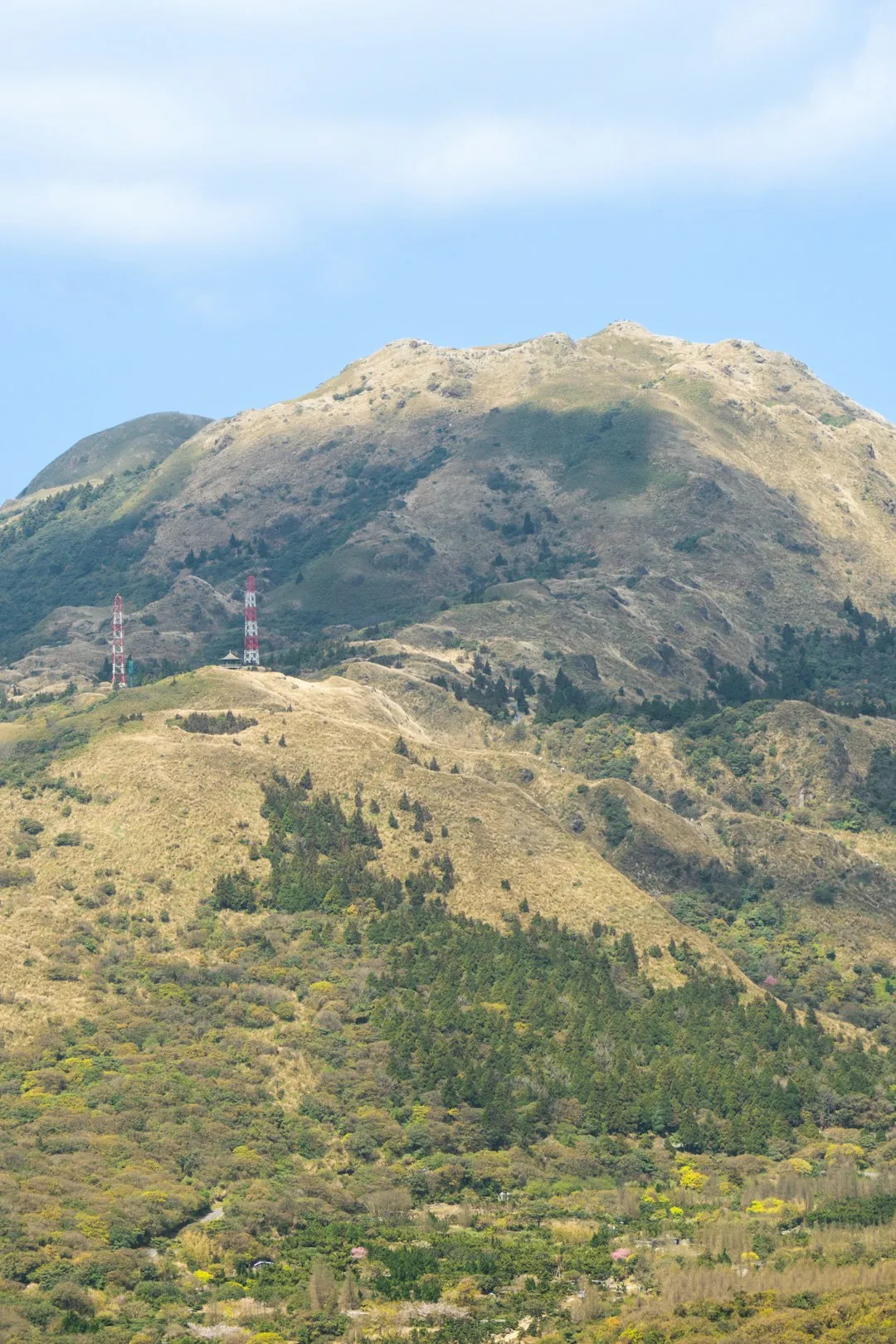
Mt. Hehuan Main Peak (主峰, Zhǔfēng) stands as one of Taiwan's most accessible and popular high-altitude destinations, offering a breathtaking alpine experience without the extreme challenges of many other peaks. Located within the Central Mountain Range, it's a relatively short and well-maintained walk that rewards hikers with panoramic vistas of surrounding peaks, rolling alpine meadows, and, on clear days, a sea of clouds that can stretch to the horizon. Its proximity to Provincial Highway 14A makes it a prime target for day-trippers and those seeking a taste of Taiwan's mountainous interior. The trail ascends through subalpine scrub and grassland, culminating in a summit that provides a commanding 360-degree view, making it a favourite for sunrise and sunset photography.
- Distance: 3.6 km one-way
- Elevation gain: 230 m
- Duration: 1.5–2 hours (return)
- Season: Year-round, but best from October to April
- Highest point: 3,421 m
- Difficulty: Easy to Moderate (due to altitude)
- Trailhead Access: Provincial Highway 14A (approx. 30.8 km marker)
- Closest City: Puli (Nantou County)
Overview
The ascent to Mt. Hehuan Main Peak is a testament to Taiwan's dramatic geological diversity. Unlike many of its more rugged neighbours, the path to the summit is remarkably well-constructed, featuring stone steps and paved sections that make the climb accessible to a wide range of fitness levels. The trail begins at an elevation of approximately 3,150 metres, meaning hikers are already well into the alpine zone from the outset. The initial section winds through open, grassy slopes dotted with hardy alpine flora, offering expansive views of the surrounding mountain ranges. As you gain elevation, the landscape transitions into a more rugged, rocky terrain, with the path becoming steeper but still manageable.
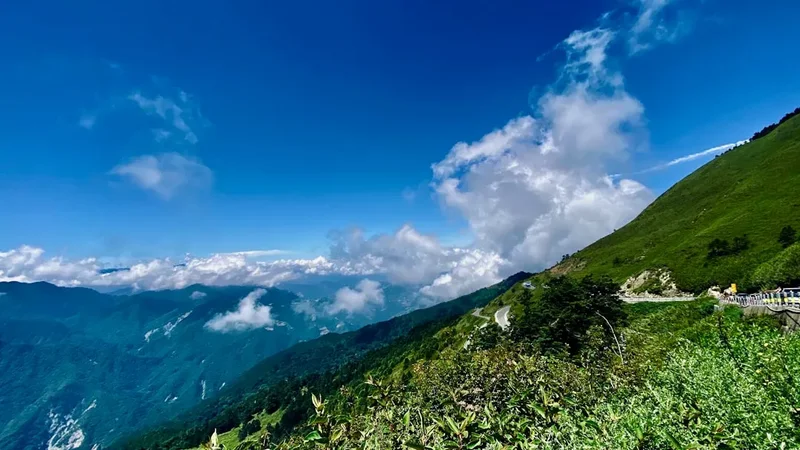
The summit itself, at 3,421 metres, is a broad, relatively flat area marked by a triangulation station. From this vantage point, on a clear day, the views are simply spectacular. To the north and east, you can see the imposing peaks of the Central Mountain Range, including Mt. Bilu and Mt. Hehuan North Peak. To the south and west, the landscape unfolds into a vast expanse of rolling hills and, often, a mesmerising "sea of clouds" (雲海, yúnhǎi) that blankets the lower valleys. This phenomenon is particularly common during the cooler months and in the early morning or late afternoon. The air at this altitude is crisp and thin, and the weather can change rapidly, so preparedness is key, even for this relatively short hike.
The accessibility of Mt. Hehuan Main Peak makes it a popular destination, especially on weekends and holidays. However, its strategic location along a major highway means that even on busier days, the trail rarely feels overwhelmingly crowded, and the vastness of the alpine landscape provides ample space for personal reflection and enjoyment. It's an ideal introduction to Taiwan's high mountain environment, offering a rewarding experience with minimal technical difficulty.
History and Cultural Context
The Central Mountain Range, where Mt. Hehuan Main Peak is situated, has a long and complex history. For centuries, indigenous Taiwanese peoples, such as the Bunun and Atayal tribes, traversed these mountains, utilising them for hunting, gathering, and as natural boundaries. Their traditional knowledge of the land, its resources, and its weather patterns was essential for survival in this challenging environment.
The modern development of the Hehuan Mountain area, including the construction of Provincial Highway 14A, began in the mid-20th century. The highway, completed in the 1960s, was a significant engineering feat, carving a route through the rugged terrain to connect the western plains with the eastern coast. This road opened up the Hehuan Mountain region to tourism and recreation, transforming it from a remote wilderness into an accessible alpine destination. The construction of the highway also facilitated access for scientific research and resource management.
Mt. Hehuan Main Peak, along with its neighbouring peaks like North Peak and East Peak, quickly became popular hiking spots due to their proximity to the highway and the stunning alpine scenery they offered. The trails were gradually improved and maintained, making them suitable for a wider audience. Today, the area is managed by the Taroko National Park Headquarters, which oversees the conservation of its natural beauty and the maintenance of its trails and facilities. The peak itself, while not holding the same deep historical or cultural significance as some of Taiwan's more remote mountains, represents a modern era of accessibility and appreciation for the island's natural wonders.
Seasonal Highlights and Weather Reality
Mt. Hehuan Main Peak is a year-round destination, but each season offers a distinct experience and presents different weather considerations.
Spring (March–May): This is a pleasant time to visit, with milder temperatures and blooming alpine flowers. The skies are often clear, offering good visibility. However, spring can also bring unpredictable weather, including sudden rain showers and fog. Temperatures can still be cool at this altitude.
Summer (June–August): This period coincides with Taiwan's typhoon season. While the main peak is less prone to direct typhoon impacts than coastal areas, heavy rainfall, strong winds, and persistent fog are common. Thunderstorms can also occur, posing a significant risk at higher elevations. The trails can become slippery and visibility can be severely reduced. It is generally advisable to avoid this season if possible, or to check weather forecasts meticulously.
Autumn (September–November): This is widely considered the best season for hiking Mt. Hehuan Main Peak. The weather is typically stable, with clear skies, low humidity, and comfortable temperatures. The autumn colours, though not as dramatic as in temperate deciduous forests, can still be beautiful, with grasses turning golden. The chances of experiencing the spectacular "sea of clouds" phenomenon are high during this period.
Winter (December–February): Winter brings cold temperatures, with frost and occasional snow. While snow rarely accumulates to the point of making the main peak trail impassable, icy conditions can occur, especially on shaded sections and steps. The air is crisp and clear, offering excellent visibility. The "sea of clouds" is also frequently observed during winter. Warm clothing, including waterproof and windproof layers, is essential.
Weather Considerations: Regardless of the season, weather at high altitudes can change rapidly. Fog can roll in unexpectedly, reducing visibility to mere metres. Wind can be strong and persistent. Temperatures can drop significantly, especially at night and in winter. Always check the latest weather forecast before you go and be prepared for a range of conditions.
Recommended Itinerary
Day Hike: Mt. Hehuan Main Peak Ascent
Early Morning (Approx. 06:00 - 07:00): Arrival and Preparation
- Arrive at the Mt. Hehuan Main Peak trailhead, located near the 30.8 km marker on Provincial Highway 14A.
- Park your vehicle at the designated parking area.
- Take a moment to acclimatise to the altitude (approx. 3,150 metres).
- Perform a final gear check and apply sunscreen and insect repellent.
- Begin the ascent.
Morning (Approx. 07:00 - 08:30): Ascent to the Summit
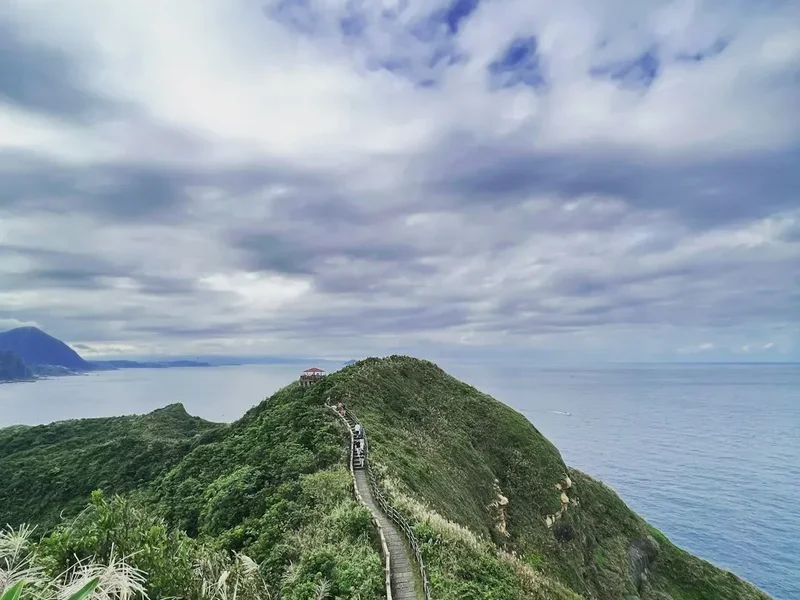
- The trail is well-defined and marked, primarily consisting of stone steps and paved sections.
- The initial part of the hike winds through open alpine meadows and subalpine scrub.
- Enjoy the expansive views of the surrounding mountain ranges and valleys.
- The gradient is moderate but can feel more challenging due to the altitude.
- Take short breaks as needed to catch your breath and hydrate.
- Observe the unique alpine flora adapted to the harsh environment.
Midday (Approx. 08:30 - 09:30): Summit Experience
- Reach the summit of Mt. Hehuan Main Peak (3,421 metres).
- Take in the spectacular 360-degree panoramic views.
- Identify prominent peaks and landmarks in the distance.
- If conditions are favourable, witness the breathtaking "sea of clouds" phenomenon.
- Spend time taking photographs and soaking in the alpine atmosphere.
- Note the triangulation station marking the highest point.
Afternoon (Approx. 09:30 - 11:00): Descent and Departure
- Begin the descent back to the trailhead.
- The descent is generally quicker than the ascent but requires careful footing on the steps.
- Reflect on the journey and the stunning scenery.
- Return to your vehicle at the trailhead.
- Consider visiting nearby viewpoints or other attractions along Provincial Highway 14A.
Important Notes:
- This is a day hike; no overnight accommodation is required.
- The trail is well-maintained and suitable for most fitness levels, but altitude can be a factor.
- Carry sufficient water and snacks.
- Be prepared for rapidly changing weather conditions.
- Respect the alpine environment and follow Leave No Trace principles.
Planning and Bookings
Book Your Trip
Everything you need to plan your journey
Accommodation
Find places to stay near Puli
Flights
Search flights to Puli
Essential Preparation
Mt. Hehuan Main Peak is highly accessible via Provincial Highway 14A, making it a convenient destination. The closest major town for supplies and accommodation is Puli in Nantou County. Puli offers a range of hotels, guesthouses, restaurants, and outdoor gear shops. It's advisable to stock up on food, water, and any last-minute gear in Puli before heading up the mountain. The drive from Puli to the trailhead takes approximately 1 to 1.5 hours, involving winding mountain roads. Ensure your vehicle is in good condition, and be aware of potential road closures or conditions, especially during winter or typhoon season. While no specific booking is required for the trail itself, it's wise to check the weather forecast and any potential road advisories before your trip. Consider arriving early in the morning, especially on weekends, to secure parking and enjoy the best light for photography.
Trail Accommodation
This is a day hike requiring no overnight accommodation.
Required Gear
- Footwear: Sturdy hiking shoes or boots with good grip are recommended. Trail runners may suffice for experienced hikers in good weather.
- Clothing: Layering is crucial. Bring a moisture-wicking base layer, an insulating mid-layer (fleece or down jacket), and a waterproof and windproof outer shell. Even in summer, temperatures can be cool at altitude.
- Headwear: A warm hat or beanie is essential, especially for early morning or late afternoon hikes, and in winter. A sun hat is also useful for protection during the day.
- Gloves: Lightweight gloves are recommended, particularly for cooler months or early morning starts.
- Navigation: While the trail is well-marked, a map of the area or a GPS device/app is always a good precaution.
- Safety Gear: A basic first-aid kit, including blister treatment, pain relievers, and any personal medications. A head torch or flashlight is essential if you plan to hike for sunrise or sunset.
What to Bring
- Water: Carry at least 1-2 litres of water per person. There are no water sources along the trail.
- Food: High-energy snacks such as trail mix, energy bars, fruit, and sandwiches are recommended.
- Sun Protection: High SPF sunscreen, sunglasses, and lip balm are essential, as the sun's rays are stronger at higher altitudes.
- Insect Repellent: While less of an issue at higher elevations, it's wise to have some on hand, especially during warmer months.
- Backpack: A small daypack (20-30 litres) to carry your essentials.
- Camera: To capture the stunning alpine scenery.
- Trekking Poles (Optional): Can provide stability and reduce strain on knees, especially during the descent.
- Trash Bag: To pack out all your waste.
Permits
No specific permits are required to hike Mt. Hehuan Main Peak. The trail is located within Taroko National Park, but access to the main peak trail from Provincial Highway 14A does not require an entry permit for day hikers. The area is generally open to the public for recreational use.
However, it is always advisable to check the official website of Taroko National Park or the relevant tourism authorities for any temporary closures, advisories, or changes in regulations before your visit. While permits are not needed for this specific hike, other areas within Taroko National Park, particularly more remote or sensitive ecological zones, may have different access requirements.
Important Considerations:
- National Park Etiquette: While no permit is needed, visitors are expected to adhere to the rules and regulations of Taroko National Park, including respecting the natural environment and wildlife.
- Road Conditions: Provincial Highway 14A can be subject to temporary closures due to weather events (typhoons, heavy snow, landslides). Always check road conditions before travelling.
- Crowds: On weekends and public holidays, the area can become busy. Arriving early is recommended for parking and a more peaceful experience.
Other Activities in the Area
The Hehuan Mountain region offers several other attractions and activities for visitors:
- Mt. Hehuan North Peak (北峰, Běifēng): A slightly more challenging hike than the Main Peak, North Peak offers equally stunning views and is known for its meteorological station. The trail is longer and involves more rugged terrain.
- Mt. Hehuan East Peak (東峰, Dōngfēng): This peak is accessible via a steep, well-maintained trail that includes numerous steps and some exposed sections. It provides excellent views towards the east and is popular for sunrise.
- Hehuan Mountain Visitor Centre: Located near the highway, this centre provides information about the park, its ecology, and hiking trails.
- Wuling (武嶺, Wǔlǐng): The highest drivable point in Taiwan, Wuling offers spectacular panoramic views and is a popular spot for photography, especially during sunrise and sunset. It's located just a short drive from the Main Peak trailhead.
- Star Gazing: Due to its high altitude and minimal light pollution, Hehuan Mountain is an excellent location for stargazing. On clear nights, the Milky Way is often visible.
- Scenic Drives: Provincial Highway 14A itself is a scenic route, offering numerous viewpoints and opportunities to stop and admire the alpine landscape.
- Cycling: The highway is a popular route for road cyclists, though the steep gradients and altitude require significant fitness.
Safety and Conditions
Altitude Sickness: Mt. Hehuan Main Peak is at a high altitude (3,421 metres). Some individuals may experience symptoms of altitude sickness, such as headache, nausea, dizziness, and fatigue. Ascend gradually, stay hydrated, and avoid strenuous activity immediately upon arrival. If symptoms are severe, descend to a lower elevation.
Weather: Weather conditions can change very rapidly in the mountains. Be prepared for sudden shifts in temperature, fog, rain, or even snow, especially outside of the summer months. Always check the weather forecast before you go and carry appropriate clothing layers.
Trail Conditions: The trail to Mt. Hehuan Main Peak is generally well-maintained with stone steps and paved sections. However, after rain or snow, sections can become slippery. Wear appropriate footwear with good grip.
Visibility: Fog is common at high altitudes and can reduce visibility to a few metres. If fog rolls in, stay on the marked trail and proceed with caution. If you are unsure of the path, it is best to wait for conditions to improve or turn back.
Sun Exposure: The sun's rays are more intense at higher altitudes. Use sunscreen, wear a hat, and sunglasses to protect yourself from UV radiation.
Hydration and Nutrition: Carry sufficient water and high-energy snacks. Dehydration and low blood sugar can exacerbate the effects of altitude and fatigue.
Emergency Contact: While mobile phone reception can be spotty in mountainous areas, it is advisable to carry a fully charged mobile phone. In case of emergency, contact the park rangers or local emergency services. The nearest major town with comprehensive services is Puli.
Respect Wildlife: Do not feed any wild animals you may encounter. This can harm their health and alter their natural behaviour.
Side Trips and Points of Interest
Wuling (武嶺, Wǔlǐng): Located just a short drive from the trailhead, Wuling is the highest point accessible by road in Taiwan, standing at 3,275 metres. It offers expansive views and is a popular spot for sunrise photography. The area around Wuling is often covered in mist or a sea of clouds, creating a dramatic landscape. There is a visitor centre and facilities here.
Hehuan Mountain Visitor Centre: Situated along Provincial Highway 14A, this centre provides valuable information about the local ecology, hiking trails, and safety guidelines. It's a good place to start your visit and gather any necessary updates.
Mt. Hehuan North Peak Trailhead: For those seeking a longer and more challenging hike, the trailhead for Mt. Hehuan North Peak is also accessible from Provincial Highway 14A. This trail leads to a different summit with its own unique vistas and features, including an abandoned meteorological station.
Alpine Flora and Fauna: Keep an eye out for the unique plant life adapted to the high-altitude environment, such as dwarf bamboo, alpine grasses, and various wildflowers in season. While large mammals are rare, you might spot various bird species.
Sea of Clouds (雲海, Yúnhǎi): If conditions are right, particularly in the early morning or late afternoon during cooler months, you may witness the spectacular "sea of clouds" phenomenon. This occurs when a layer of clouds forms in the valleys below, creating the illusion of an ocean of white stretching to the horizon. Mt. Hehuan Main Peak offers an excellent vantage point for this natural spectacle.
Leave No Trace
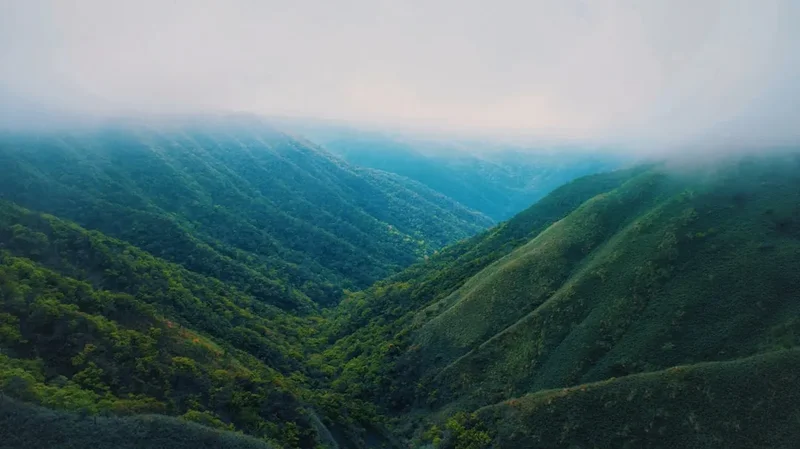
The alpine environment of Mt. Hehuan Main Peak is a fragile ecosystem that requires careful stewardship. Adhering to Leave No Trace principles ensures that this beautiful area remains pristine for future visitors and for the health of the natural environment.
Plan Ahead and Prepare: Research the trail, weather conditions, and any specific regulations before your visit. Pack appropriately for the conditions you expect, and be prepared for changes.
Travel and Camp on Durable Surfaces: Stick to the marked trails and designated paths. Avoid walking on fragile vegetation, which can take years to recover. The trail to Mt. Hehuan Main Peak is well-defined, so stay on it.
Dispose of Waste Properly: Pack out everything you pack in. This includes all food scraps, wrappers, and any other litter. Use the provided bins at trailheads or visitor centres, or carry your waste back down to Puli.
Leave What You Find: Do not take any natural objects, such as rocks, plants, or flowers, from the mountain. Leave them for others to enjoy and for the ecosystem to thrive.
Minimize Campfire Impacts: This is a day hike, so campfires are not applicable. However, if you were to camp in designated areas (which are not on this specific trail), always use established fire rings and ensure fires are completely extinguished.
Respect Wildlife: Observe wildlife from a distance and never feed them. Feeding animals can disrupt their natural behaviours, diets, and health.
Be Considerate of Other Visitors: Keep noise levels down, yield to others on the trail, and be mindful of the experience of fellow hikers. The alpine environment is a place for quiet appreciation.
Useful Links
- Taroko National Park Official Website
- Taiwan Tourism Bureau - Hehuan Mountain
- Central Weather Administration (Taiwan)
- Puli Travel Information
- <a href="https://www.cyclingsport.com.tw/en/routes/detail/10000000000000000000000000000000000000000000000000000000000000000000000000000000000000000000000000000000000000000000000000000000000000000000000000000000000000000000000000000000000000000000000000000000000000000000000000000000000000000000000000000000000000000000000000000000000000000000000000000000000000000000000000000000000000000000000000000000000000000000000000000000000000000000000000000000000000000000000000000000000000000000000000000000000000000000000000000000000000000000000000000000000000000000000000000000000000000000000000000000000000000000000000000000000000000000000000000000000000000000000000000000000000000000000000000000000000000000000000000000000000000000000000000000000000000000000000000000000000000000000000000000000000000000000000000000000000000000000000000000000000000000000000000000000000000000000000000000000000000000000000000000000000000000000000000000000000000000000000000000000000000000000000000000000000000000000000000000000000000000000000000000000000000000000000000000000000000000000000000000000000000000000000000000000000000000000000000000000000000000000000000000000000000000000000000000000000000000000000000000000000000000000000000000000000000000000000000000000000000000000000000000000000000000000000000000000000000000000000000000000000000000000000000000000000000000000000000000000000000000000000000000000000000000000000000000000000000000000000000000000000000000000000000000000000000000000000000000000000000000000000000000000000000000000000000000000000000000000000000000000000000000000000000000000000000000000000000000000000000000000000000000000000000000000000000000000000000000000000000000000000000000000000000000000000000000000000000000000000000000000000000000000000000000000000000000000000000000000000000000000000000000000000000000000000000000000000000000000000000000000000000000000000000000000000000000000000000000000000000000000000000000000000000000000000000000000000000000000000000000000000000000000000000000000000000000000000000000000000000000000000000000000000000000000000000000000000000000000000000000000000000000000000000000000000000000000000000000000000000000000000000000000000000000000000000000000000000000000000000000000000000000000000000000000000000000000000000000000000000000000000000000000000000000000000000000000000000000000000000000000000000000000000000000000000000000000000000000000000000000000000000000000000000000000000000000000000000000000000000000000000000000000000000000000000000000000000000000000000000000000000000000000000000000000000000000000000000000000000000000000000000000000000000000000000000000000000000000000000000000000000000000000000000000000000000000000000000000000000000000000000000000000000000000000000000000000000000000000000000000000000000000000000000000000000000000000000000000000000000000000000000000000000000000000000000000000000000000000000000000000000000000000000000000000000000000000000000000000000000000000000000000000000000000000000000000000000000000000000000000000000000000000000000000000000000000000000000000000000000000000000000000000000000000000000000000000000000000000000000000000000000000000000000000000000000000000000000000000000000000000000000000000000000000000000000000000000000000000000000000000000000000000000000000000000000000000000000000000000000000000000000000000000000000000000000000000000000000000000000000000000000000000000000000000000000000000000000000000000000000000000000000000000000000000000000000000000000000000000000000000000000000000000000000000000000000000000000000000000000000000000000000000000000000000000000000000000000000000000000000000000000000000000000000000000000000000000000000000000000000000000000000000000000000000000000000000000000000000000000000000000000000000000000000000000000000000000000000000000000000000000000000000000000000000000000000000000000000000000000000000000000000000000000000000000000000000000000000000000000000000000000000000000000000000000000000000000000000000000000000000000000000000000000000000000000000000000000000000000000000000000000000000000000000000000000000000000000000000000000000000000000000000000000000000000000000000000000000000000000000000000000000000000000000000000000000000000000000000000000000000000000000000000000000000000000000000000000000000000000000000000000000000000000000000000000000000000000000000000000000000000000000000000000000000000000000000000000000000000000000000000000000000000000000000000000000000000000000000000000000000000000000000000000000000000000000000000000000000000000000000000000000000000000000000000000000000000000000000000000000000000000000000000000000000000000000000000000000000000000000000000000000000000000000000000000000000000000000000000000000000000000000000000000000000000000000000000000000000000000000000000000000000000000000000000000000000000000000000000000000000000000000000000000000000000000000000000000000000000000000000000000000000000000000000000000000000000000000000000000000000000000000000000000000000000000000000000000000000000000000000000000000000000000000000000000000000000000000000000000000000000000000000000000000000000000000000000000000000000000000000000000000000000000000000000000000000000000000000000000000000000000000000000000000000000000000000000000000000000000000000000000000000000000000000000000000000000000000000000000000000000000000000000000000000000000000000000000000000000000000000000000000000000000000000000000000000000000000000000000000000000000000000000000000000000000000000000000000000000000000000000000000000000000000000000000000000000000000000000000000000000000000000000000000000000000000000000000000000000000000000000000000000000000000000000000000000000000000000000000000000000000000000000000000000000000000000000000000000000000000000000000000000000000000000000000000000000000000000000000000000000000000000000000000000000000000000000000000000000000000000000000000000000000000000000000000000000000000000000000000000000000000000000000000000000000000000000000000000000000000000000000000000000000000000000000000000000000000000000000000000000000000000000000000000000000000000000000000000000000000000000000000000000000000000000000000000000000000000000000000000000000000000000000000000000000000000000000000000000000000000000000000000000000000000000000000000000000000000000000000000000000000000000000000000000000000000000000000000000000000000000000000000000000000000000000000000000000000000000000000000000000000000000000000000000000000000000000000000000000000000000000000000000000000000000000000000000000000000000000000000000000000000000000000000000000000000000000000000000000000000000000000000000000000000000000000000000000000000000000000000000000000000000000000000000000000000000000000000000000000000000000000000000000000000000000000000000000000000000000000000000000000000000000000000000000000000000000000000000000000000000000000000000000000000000000000000000000000000000000000000000000000000000000000000000000000000000000000000000000000000000000000000000000000000000000000000000000000000000000000000000000000000000000000000000000000000000000000000000000000000000000000000000000000000000000000000000000000000000000000000000000000000000000000000000000000000000000000000000000000000000000000000000000000000000000000000000000000000000000000000000000000
 New Zealand