
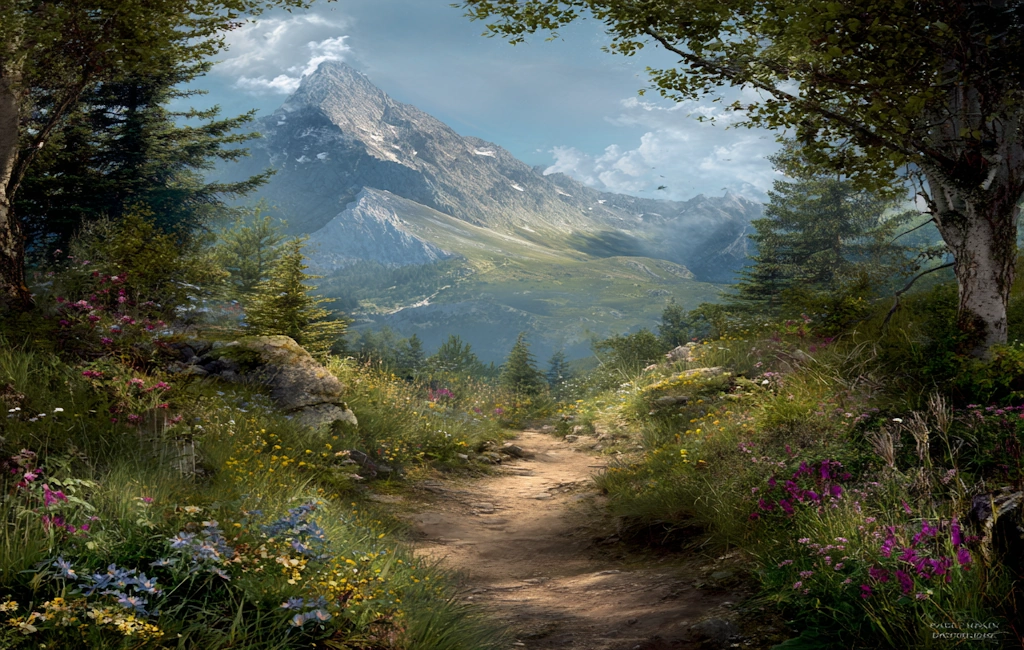
Mount Haku Trail
The Mount Haku Trail is a challenging yet rewarding ascent in Japan's Northern Alps, offering a spectacular journey through diverse alpine landscapes. This trail is renowned for its dramatic elevation gain, leading hikers from verdant lower slopes to rugged, rocky summits that provide panoramic views of the surrounding mountain ranges and distant coastlines. It's a route that demands respect for the mountain's power and rewards perseverance with breathtaking vistas and a profound sense of accomplishment. The trail is best experienced during the warmer months when snow has receded, revealing alpine meadows bursting with wildflowers and clear skies that enhance the expansive views.
- Distance: 16.0 km one-way
- Elevation Gain: 1871 m
- Duration: 1-2 days (8-10 hours per day)
- Difficulty: Moderate to Challenging
- Best Time: Late July to late October
- Closest City: Kanazawa
- Trailhead Access: From Kanazawa, take the Hokuriku Shinkansen to Hakusan Station, then a local bus to Bettodeai Trailhead (approx. 2 hrs total). Limited parking available. Road conditions generally good. GPS: 36.2464, 136.7636. Hiking registration required at trailhead.
Overview
The Mount Haku Trail is a significant undertaking, characterised by its relentless ascent and the dramatic transformation of scenery as altitude is gained. Starting from the Bettodeai Trailhead, the initial kilometres wind through dense forests of Japanese cedar and beech, where the air is cool and the sounds of nature are amplified. As the trail climbs, the forest canopy gradually thins, giving way to more open subalpine vegetation and eventually to the stark beauty of the alpine zone. The path is well-maintained for the most part, but sections can be steep and rocky, requiring careful footing.
The mountain, also known as Hakusan, is one of Japan's three holy mountains, revered for centuries. This spiritual significance is reflected in the presence of numerous small shrines and resting places along the route. The summit area features a crater lake, Goshikiga-ike (Five-Coloured Pond), which, depending on the light and season, can display a stunning array of colours. The views from the summit are truly exceptional, encompassing the Sea of Japan, the Noto Peninsula, and on exceptionally clear days, even Mount Fuji in the far distance. The alpine flora is a major draw during mid-summer, with vibrant displays of alpine flowers, while autumn foliage in September and October paints the slopes in fiery hues.
The trail's moderate to challenging difficulty rating is due to the substantial elevation gain and the length of the hike. While it can be completed in a single, very long day by highly fit individuals, most hikers opt for an overnight stay at one of the mountain huts to break up the ascent and allow more time to enjoy the summit and surrounding scenery. The journey is a testament to the raw beauty of Japan's alpine regions, offering a profound connection with nature and a glimpse into the country's rich cultural heritage.
History and Cultural Context
Mount Haku has been a sacred site for over 1,300 years, attracting pilgrims and ascetics since the Nara period (710–794 AD). It is one of the "Three Holy Mountains of Japan," alongside Mount Fuji and Mount Tate. For centuries, it has been a destination for religious pilgrimage, with people undertaking the arduous climb to pay homage to the mountain deities and seek spiritual enlightenment. The mountain's spiritual significance is deeply intertwined with Shinto and Buddhist traditions.
The trail itself has evolved from ancient pilgrimage routes. Early ascetics and pilgrims would have followed rudimentary paths, often marked by cairns or natural landmarks. The development of more formal trails and the establishment of mountain huts are more recent phenomena, catering to a growing number of recreational hikers alongside traditional pilgrims. The Bettodeai Trailhead area has facilities that have been developed over time to support visitors, including a visitor centre and parking.
The mountain's geological history is also significant. Mount Haku is an active stratovolcano, though its last eruption was in the 17th century. The volcanic activity has shaped its dramatic topography, creating the caldera and the unique geological features found at the summit. The surrounding region, including the nearby city of Kanazawa, has a rich cultural history, with Mount Haku often featuring in local folklore, art, and literature. The mountain's status as a UNESCO World Heritage site (as part of the Shirakami-Sanchi, Yakushima, and other natural sites, though Mount Haku itself is not a UNESCO site, its cultural significance is recognised) underscores its importance both ecologically and culturally.
Seasonal Highlights and Weather Reality
The Mount Haku Trail is primarily a summer and autumn hike. The alpine environment means that snow can persist well into July, and early snowfalls can occur as early as October. Therefore, the optimal hiking season is generally from late July to late October.
Late July to Mid-September: This period is ideal for experiencing the vibrant alpine flora. Wildflowers carpet the mountain slopes in a riot of colour, creating a picturesque and fragrant environment. The weather is typically more stable during these months, with longer daylight hours. However, this is also the peak season for visitors, so expect more company on the trail and at the huts. Sandflies can be present, though generally less of an issue than in some other alpine regions.
Late September to Late October: This is the autumn foliage season. The deciduous trees at lower and mid-altitudes transform into stunning shades of red, orange, and yellow, creating a breathtaking spectacle against the backdrop of the increasingly bare alpine peaks. The air becomes crisper, and the crowds thin out considerably. However, the weather can become more unpredictable, with a higher chance of rain, fog, and early snow. Daylight hours are shorter, and temperatures will be significantly cooler, especially at higher elevations.
Weather Considerations: Mount Haku is a high mountain, and weather conditions can change rapidly and dramatically. Even in summer, temperatures at the summit can be cold, and fog, rain, and strong winds are common. Hypothermia is a real risk, even on seemingly pleasant days. It is crucial to check the weather forecast immediately before and during your hike and to be prepared for all conditions. Snow can linger on the upper reaches of the trail well into summer, and early snowfalls can make the summit inaccessible or dangerous. Always be prepared for a significant drop in temperature and potential for precipitation.
Recommended Itinerary
2-Day Mount Haku Itinerary
Day 1: Bettodeai Trailhead to Goshikiga-ike Hut
- Distance: Approximately 8.0 km
- Elevation Gain: Approximately 1200 m
- Time: 5–7 hours
- Start at Bettodeai Trailhead (1,200 m)
- Walk through dense forest, following the well-marked trail
- Pass various resting points and small shrines
- The trail becomes steeper and more exposed as you gain altitude
- Arrive at Goshikiga-ike Hut (approx. 2,400 m) in the late afternoon
- Settle in, enjoy the alpine atmosphere, and prepare for summit day
- Dinner at the hut (if available) or prepare your own meal
- Observe the changing light on the surrounding peaks
Day 2: Goshikiga-ike Hut to Mount Haku Summit and Return to Bettodeai Trailhead
- Distance: Approximately 8.0 km (to summit and back to hut) + 8.0 km (descent to trailhead) = 16.0 km total
- Elevation Gain: Approximately 671 m to summit, then 1871 m descent
- Time: 8–10 hours (total)
- Early morning start (e.g., 4:00 AM) to catch the sunrise from the summit
- Short, steep climb from Goshikiga-ike Hut to the summit ridge
- Walk along the summit ridge to the main peak (2,702 m)
- Explore the summit area, including the Goshikiga-ike crater lake
- Enjoy panoramic views (weather permitting)
- Descend back to Goshikiga-ike Hut for breakfast and to pack up
- Begin the descent back to Bettodeai Trailhead
- The descent can be tiring on the knees; take your time and use trekking poles
- Arrive back at Bettodeai Trailhead in the late afternoon
Alternative 1-Day Itinerary (for highly experienced and fit hikers):
- Start very early (e.g., 3:00 AM) from Bettodeai Trailhead.
- Ascend directly to the summit, aiming to reach it by sunrise.
- Descend directly back to Bettodeai Trailhead.
- This is a strenuous 16 km hike with 1871 m of elevation gain and descent, requiring 8-10 hours of continuous effort.
Important Notes:
- Hut accommodation must be booked in advance, especially during peak season.
- Carry sufficient food and water for the entire trip, as supplies are limited and expensive on the mountain.
- Be prepared for rapidly changing weather conditions.
- Hiking registration at the trailhead is mandatory.
Planning and Bookings
Book Your Trip
Everything you need to plan your journey
Accommodation
Find places to stay near Kanazawa
Flights
Search flights to Kanazawa
Essential Preparation
Planning is crucial for a successful and safe ascent of Mount Haku. The primary logistical hub for accessing the trail is the city of Kanazawa. From Kanazawa, you will need to travel to the Bettodeai Trailhead. This typically involves taking the Hokuriku Shinkansen to Hakusan Station, followed by a local bus service that runs to the trailhead. The bus schedule can be infrequent, especially outside of peak season, so it is essential to check timetables in advance and factor in travel time. Limited parking is available at the trailhead for those who prefer to drive, but it can fill up quickly during busy periods. Ensure you have a reliable GPS device or map and compass, as mobile phone reception can be unreliable in the mountains. It is also mandatory to register your hike at the trailhead, providing your details and intended itinerary.
Trail Accommodation
The primary accommodation option on the Mount Haku Trail is the Goshikiga-ike Hut (五色ヶ池ヒュッテ), located at an altitude of approximately 2,400 metres, near the summit crater lake. This hut provides essential shelter for hikers undertaking a multi-day ascent.
Hut Facilities:
- Bunk beds with mattresses (sleeping bags are required; no bedding is provided).
- Communal dining and resting areas.
- Basic toilet facilities.
- Limited availability of hot water.
- Some huts may offer simple meals or drinks for purchase, but this is not guaranteed and should not be relied upon.
What's NOT Provided:
- Food and cooking equipment (unless you purchase meals at the hut, which must be pre-booked).
- Sleeping bags, pillows, or personal bedding.
- Electricity for charging devices.
- Showers or extensive washing facilities.
- Wi-Fi or mobile phone signal.
Booking Requirements:
- Reservations are essential, especially during the peak hiking season (late July to October).
- Bookings can typically be made online through the hut's official website or via a booking agent.
- It is advisable to book several weeks or even months in advance, as popular huts can fill up quickly.
- Costs vary but expect approximately ¥7,000–¥10,000 per person per night, which may include a simple meal.
Seasonal Availability: The Goshikiga-ike Hut is generally open from late June or early July until late October, depending on snow conditions. Outside of these months, the hut is closed, and the trail is considered an advanced winter mountaineering route.
Required Gear
- Sturdy hiking boots: Waterproof and with good ankle support, well broken-in.
- Waterproof and windproof jacket and trousers: Essential for protection against unpredictable mountain weather.
- Warm layers: Including a fleece or down jacket, thermal base layers (merino wool or synthetic), and a warm hat and gloves. Temperatures at the summit can be near freezing, even in summer.
- Backpack: A comfortable daypack (for a single day hike) or a larger multi-day pack (for overnight stays), with a rain cover.
- Head torch: With spare batteries, crucial for early morning starts or late finishes.
- First-aid kit: Including blister treatment, pain relievers, antiseptic wipes, bandages, and any personal medications.
- Navigation tools: A detailed map of the area, a compass, and a GPS device or smartphone with offline maps.
- Trekking poles: Highly recommended for stability on steep ascents and descents, and to reduce strain on knees.
- Sun protection: High SPF sunscreen, sunglasses, and a wide-brimmed hat, as the sun can be intense at altitude.
What to Bring
- Food: Sufficient high-energy food for the duration of your hike. This includes breakfast, lunch, snacks, and dinner if staying overnight. Consider lightweight, non-perishable options.
- Water: Carry at least 2-3 litres of water per person. Water sources may be available on the trail, but it is advisable to treat all water (using a filter or purification tablets) or carry enough to be self-sufficient.
- Toiletries: Biodegradable soap, toothbrush and toothpaste, toilet paper, hand sanitiser, and any personal hygiene items.
- Sleeping bag: A warm sleeping bag rated for cold temperatures (0°C to 5°C comfort rating is recommended) if staying overnight at the hut.
- Personal items: Camera, power bank for electronics, insect repellent (especially for lower elevations), and a small towel.
- Cash: For hut fees, food purchases, and bus fares, as card payment facilities may be limited or unavailable.
- Trash bags: To pack out all your waste.
Permits
While there isn't a formal "permit" system in the same way as some national parks, a mandatory hiking registration is required for the Mount Haku Trail. This registration is typically completed at the Bettodeai Trailhead visitor centre or a designated registration point. Hikers are required to provide their personal details, contact information, intended route, and estimated return time. This system is in place for safety purposes, allowing authorities to track hikers in case of emergencies.
Hut Booking: As mentioned in the accommodation section, booking a spot at the Goshikiga-ike Hut is essential and should be done well in advance. The booking process usually involves contacting the hut directly or using an online booking platform. Be aware that prices can fluctuate, and it's wise to confirm the current rates when booking.
Trail Access: Access to the Bettodeai Trailhead is via public transport (bus from Hakusan Station) or private vehicle. While there is parking, it is limited, and during peak season, it can be challenging to find a space. The road leading to the trailhead is generally well-maintained but can be narrow and winding.
Fees:
- Hut Fees: Approximately ¥7,000–¥10,000 per person per night at Goshikiga-ike Hut.
- Parking Fees: If applicable, a small fee may be charged for parking at the trailhead.
- Bus Fares: Costs will vary depending on the bus service used from Hakusan Station.
It is always advisable to check the latest information regarding registration requirements, hut availability, and any associated fees with local authorities or the official Mount Haku tourism websites before your trip.
Other Activities in the Area
The region surrounding Mount Haku offers a variety of activities for visitors looking to extend their stay or explore beyond the mountain itself:
- Explore Kanazawa: This historic city is a treasure trove of Japanese culture. Visit Kenrokuen Garden, one of Japan's most beautiful landscape gardens; the Nagamachi Samurai District with its preserved samurai residences; and the Higashi Chaya District, a beautifully preserved geisha district. Kanazawa also boasts excellent museums, including the 21st Century Museum of Contemporary Art.
- Visit Shirakawa-go and Gokayama: These UNESCO World Heritage villages are famous for their traditional gassho-zukuri farmhouses, with steep thatched roofs designed to withstand heavy snowfall. They offer a glimpse into rural Japanese life from centuries past.
- Hiking in the Hakusan National Park: Beyond the main summit trail, the Hakusan National Park offers numerous other hiking routes and natural attractions, including forests, rivers, and smaller peaks.
- Onsen (Hot Springs): Relax and rejuvenate in one of the many onsen resorts in the region. The hot spring waters are believed to have therapeutic properties.
- Local Cuisine: Kanazawa is renowned for its fresh seafood, particularly sushi and sashimi. Don't miss trying local specialities like Jibuni (a duck stew) and gold leaf ice cream.
- Mount Hakusan Museum: Located near the trailhead, this museum provides information about the mountain's natural history, geology, and cultural significance.
Safety and Conditions
Pre-Departure Checks:
- Weather Forecast: Always check the most up-to-date weather forecast for Mount Haku (specifically for high altitudes) from reliable sources like the Japan Meteorological Agency (JMA) or local mountain weather services. Conditions can change rapidly.
- Trail Conditions: Inquire about current trail conditions at the Bettodeai Trailhead visitor centre. Snow can linger on upper sections well into July, and early snowfalls can occur in autumn.
- Registration: Complete the mandatory hiking registration at the trailhead. This is crucial for your safety and for emergency services.
- Emergency Contacts: Have emergency contact numbers readily available.
Mountain Hazards:
- Altitude Sickness: While Mount Haku is not extremely high, some individuals may experience symptoms of altitude sickness. Ascend gradually, stay hydrated, and be aware of the symptoms (headache, nausea, dizziness). If symptoms worsen, descend immediately.
- Weather Changes: The mountain is prone to sudden weather shifts. Fog can reduce visibility to mere metres, and strong winds can make exposed ridges dangerous. Hypothermia is a significant risk, even in summer, due to the combination of altitude, wind chill, and potential precipitation.
- Steep and Rocky Terrain: Sections of the trail are steep and can be slippery, especially when wet or covered in snow. Use trekking poles for stability and wear appropriate footwear.
- Wildlife: While large dangerous animals are rare, be aware of your surroundings. Respect any wildlife you encounter and do not feed them.
General Safety Advice:
- Hike with a Buddy: It is always safer to hike with at least one other person.
- Inform Someone: Let a friend or family member know your hiking plans, including your intended route and expected return time.
- Carry Sufficient Supplies: Ensure you have enough food, water, and warm clothing for your planned duration, plus extra in case of delays.
- Pace Yourself: Do not overexert yourself. Take regular breaks and listen to your body.
- Stay on the Trail: Marked trails are the safest routes. Venturing off-trail can lead to getting lost or encountering hazardous terrain.
- Mobile Phone Coverage: Be aware that mobile phone reception is unreliable or non-existent in many parts of the mountain. Consider carrying a personal locator beacon (PLB) for emergencies.
Side Trips and Points of Interest
Goshikiga-ike (Five-Coloured Pond): Located near the Goshikiga-ike Hut, this is a small crater lake that is a highlight of the summit area. Its name comes from the way the water can appear to change colour depending on the angle of the sun and the mineral content of the lakebed. It's a beautiful and serene spot, offering a stark contrast to the rugged mountain landscape.
Summit Ridge Walk: The final approach to the main summit from the hut involves a walk along the exposed summit ridge. This section offers increasingly dramatic views as you gain altitude. On a clear day, the panorama is simply breathtaking, stretching across vast mountain ranges and towards the distant sea.
Mount Haku Summit (2,702 m): The highest point of the trail, offering unparalleled 360-degree views. On exceptionally clear days, you can see the Sea of Japan, the Noto Peninsula, and even Mount Fuji. The summit area is marked by a cairn and often has a small shrine.
Various Shrines and Resting Places: Along the trail, you will encounter numerous small shrines and designated resting spots, often marked by stone cairns or small wooden structures. These reflect the mountain's long history as a pilgrimage site and offer places for reflection and a brief respite.
Alpine Flora: If hiking during the summer months (late July to mid-September), the slopes are adorned with a spectacular array of alpine wildflowers. Keep an eye out for various species of gentians, primulas, and other mountain blooms.
Leave No Trace
The Mount Haku Trail traverses a sensitive alpine environment and a site of significant cultural and spiritual importance. Adhering to Leave No Trace principles is paramount to preserving its natural beauty and heritage for future generations.
Your responsibility as a hiker:
- Pack It In, Pack It Out: Carry out all your rubbish, including food scraps, wrappers, and any other waste. Do not bury or burn trash.
- Stay on the Trail: Stick to the marked paths to avoid damaging fragile vegetation, preventing erosion, and protecting the delicate alpine ecosystem.
- Respect Wildlife: Observe wildlife from a distance and never feed animals. Feeding can alter their natural behaviour and diet, and can be harmful to their health.
- Dispose of Waste Properly: Use designated toilet facilities at the trailhead and at the hut. If no facilities are available, dig a cathole at least 60 metres away from water sources, trails, and campsites. Pack out all toilet paper.
- Leave What You Find: Do not take rocks, plants, or any other natural objects from the mountain. Leave them for others to enjoy and for the ecosystem to thrive.
- Minimise Campfire Impacts: Campfires are generally not permitted on the trail or at the hut. If they were permitted in designated areas, use existing fire rings and ensure fires are completely extinguished.
- Be Considerate of Other Visitors: Keep noise levels down, especially at the hut, and yield to uphill hikers. Respect the spiritual significance of the mountain.
By following these principles, you help ensure that Mount Haku remains a pristine and inspiring destination for all who seek its summit.
 Japan
Japan