
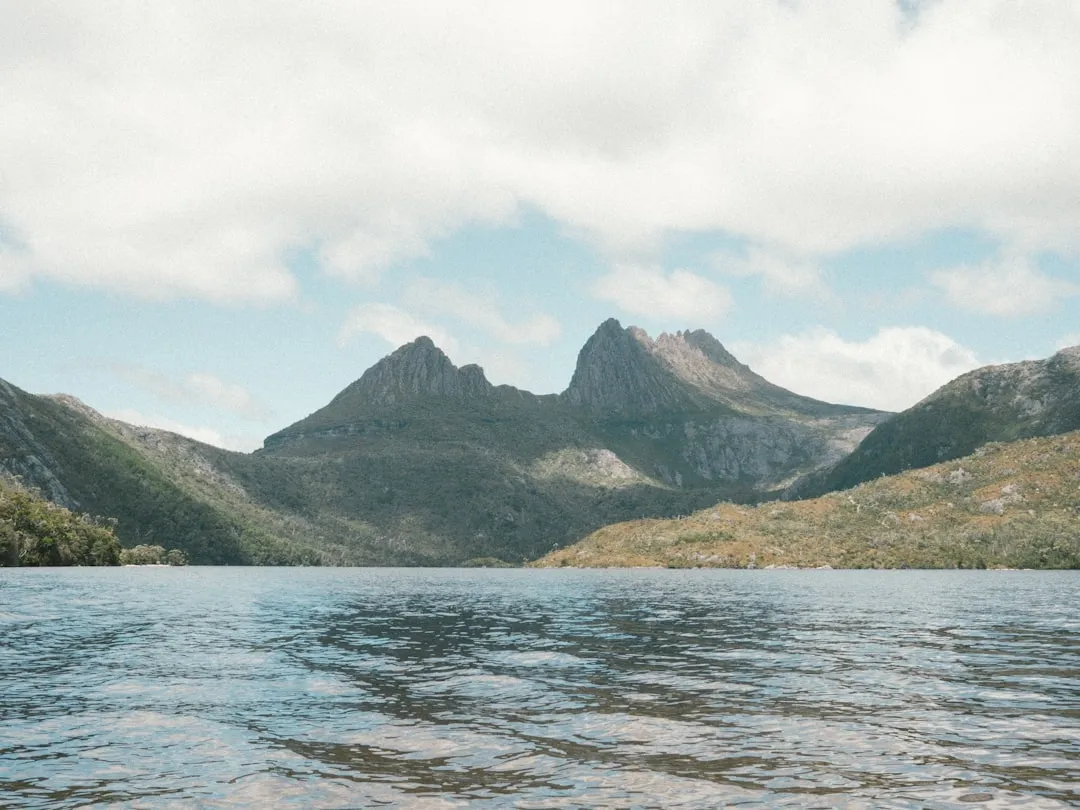
Mount Gower Hike, Lord Howe Island
The Mount Gower Hike on Lord Howe Island is an iconic, challenging, and utterly rewarding day walk that ascends to the island's highest peak. This is not a casual stroll; it's a serious undertaking that demands a good level of fitness, a head for heights, and a commitment to safety. The trail winds its way through a remarkable diversity of environments, from coastal scrub and dense subtropical rainforest to exposed ridgelines and finally, the windswept summit plateau. Along the way, you'll encounter unique flora and fauna found nowhere else on Earth, including the endemic Kentia palm and the elusive Lord Howe Island stick insect. The panoramic views from the summit are simply breathtaking, offering a 360-degree vista of the entire island, its surrounding coral reefs, and the vast expanse of the Tasman Sea. This hike is a true adventure, a chance to immerse yourself in one of the planet's most pristine and isolated ecosystems.
- Distance: 14.0 km return
- Duration: 8–9 hours
- Elevation Gain: 875 m
- Difficulty: Very Challenging
- Best Time: September to May (avoiding winter months)
- Location: Lord Howe Island, Australia
- Access: Fly to Lord Howe Island Airport (LDH). Guided tour essential.
Overview
The ascent of Mount Gower is a journey through a living natural history museum. Starting from near the southern end of the island, the trail initially traverses coastal heathland, offering glimpses of the turquoise waters and the distinctive silhouette of Ball's Pyramid in the distance. As you gain elevation, the vegetation transitions dramatically into a dense, humid subtropical rainforest. This is where the true character of the hike reveals itself. The path becomes steeper, often requiring the use of ropes and chains to navigate particularly challenging sections. You'll walk beneath a canopy of ancient trees, their branches draped with epiphytes, ferns, and mosses, creating an almost primeval atmosphere. The air is thick with the scent of damp earth and exotic blossoms.
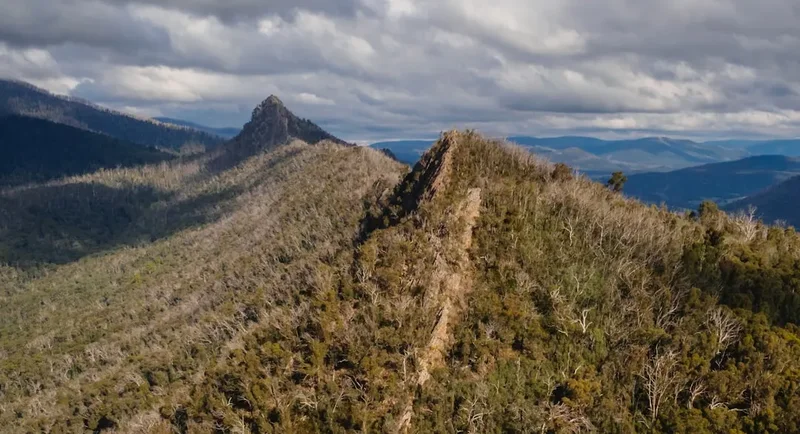
The middle section of the hike is particularly demanding, with a sustained, steep climb that tests your endurance. This is where the guided nature of the hike becomes invaluable, as your guide will navigate the trickiest terrain, point out significant plant and animal species, and ensure your safety. The final push to the summit involves traversing exposed ridgelines, where the wind can be a significant factor, and the views open up dramatically. Reaching the summit of Mount Gower (875 metres) is a significant achievement. The reward is an unparalleled panorama: the entire crescent shape of Lord Howe Island unfolds below, fringed by its famous coral reef. You can see the smaller offshore islands, the settlement areas, and the vast, shimmering blue of the Tasman Sea stretching to the horizon. The descent, while still challenging, offers a different perspective on the landscape you've just conquered.
This hike is more than just a physical challenge; it's an immersion into a unique island ecosystem that has evolved in isolation for millions of years. The biodiversity is extraordinary, with many endemic species found nowhere else on Earth. The guided nature of the hike ensures that you not only experience the physical grandeur but also gain a deep appreciation for the ecological significance of Lord Howe Island, a UNESCO World Heritage site.
History and Cultural Context
Lord Howe Island, and by extension Mount Gower, has a rich and fascinating history, deeply intertwined with exploration, settlement, and conservation. The island was first sighted by Europeans in 1788, though it remained largely uninhabited for many years. Its isolation meant it was a haven for unique wildlife, including numerous bird species that had evolved without natural predators.
The first attempts to settle the island were made in the early 19th century, primarily for whaling and provisioning passing ships. However, it was the establishment of a permanent settlement in 1834 that marked a significant turning point. The early settlers faced immense challenges, carving out a life in this remote location. The slopes of Mount Gower, while formidable, offered resources and a unique environment that shaped the island's development.
The history of the Mount Gower hike itself is closely linked to the island's guides. For generations, local families have been the custodians of the island's natural heritage, and guiding visitors up Mount Gower has been a tradition passed down through families. These guides possess an intimate knowledge of the terrain, the flora, and the fauna, and their expertise is crucial for a safe and informative experience. The development of the trail, with its ropes and chains, reflects the practical adaptations made by these guides and early settlers to navigate the challenging topography.
In more recent times, Lord Howe Island has become a globally recognised conservation success story. Its designation as a UNESCO World Heritage site in 1982 underscores its outstanding universal value, particularly its unique biodiversity and the successful eradication of introduced pests. The Mount Gower hike is now a key part of the island's eco-tourism offering, allowing visitors to experience its natural wonders while contributing to its ongoing preservation. The island's history is a testament to human resilience and the profound importance of protecting unique natural environments.
Seasonal Highlights and Weather Reality
Lord Howe Island enjoys a subtropical climate, making it a year-round destination, but the Mount Gower hike is best undertaken during specific periods to maximise enjoyment and safety.
Best Time to Hike (September to May): This period generally offers the most favourable weather conditions. The days are longer, and the temperatures are pleasant, typically ranging from 18°C to 26°C. This is the ideal time for clear summit views and comfortable hiking conditions. The sea is also generally calmer, making boat transfers more reliable.
Summer (December to February): While warm and sunny, summer can also bring higher humidity and occasional heavy rainfall. The rainforest can be particularly lush and vibrant after rain, but the humidity can make the climb feel more strenuous. Sandflies can be present, though generally less of an issue than on the New Zealand coast.
Autumn (March to May): This is often considered one of the best times to visit. The weather is typically stable, with warm days and cooler evenings. The humidity decreases, and the chances of clear summit views increase. The island's natural beauty remains at its peak.
Spring (September to November): Spring offers a delightful transition. The island awakens after the winter months, with wildflowers blooming and birdlife becoming more active. The weather is generally mild and pleasant, with a good chance of clear skies.
Winter (June to August): While the island is still accessible, winter is generally considered the least ideal time for the Mount Gower hike. Temperatures are cooler, averaging around 12°C to 18°C, and there is a higher chance of rain and strong winds. The summit can be frequently shrouded in cloud, obscuring the spectacular views. Boat transfers may also be more susceptible to cancellation due to rough seas.
Weather Considerations: Regardless of the season, weather on Lord Howe Island can change rapidly. The summit of Mount Gower is exposed, and conditions can be significantly different from those at sea level. It is crucial to check the forecast immediately before your hike and be prepared for all eventualities, including rain, wind, and cooler temperatures at higher elevations.
Recommended Itinerary
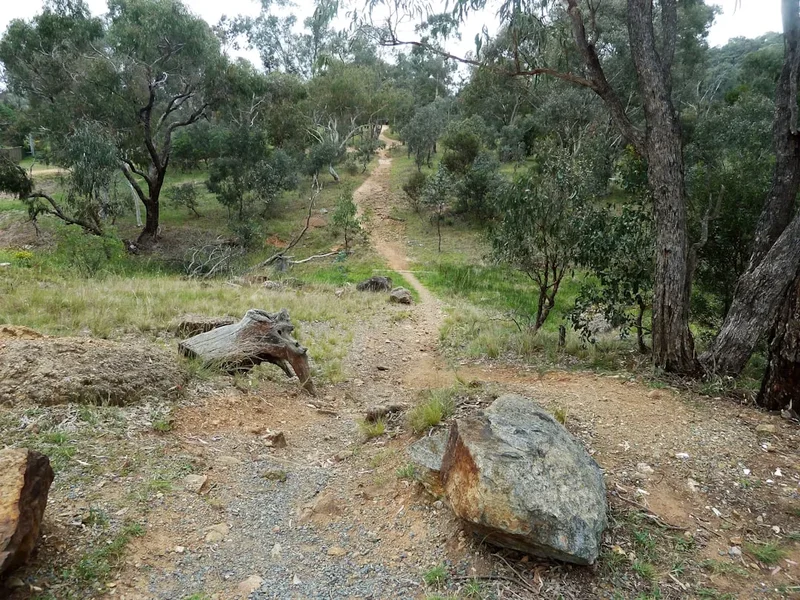
Mount Gower Hike - Day Walk Itinerary
Early Morning (Approx. 7:00 AM - 8:00 AM):
- Meet your guide at a pre-arranged location on Lord Howe Island (usually your accommodation or a central meeting point).
- Briefing on the day's hike, safety procedures, and an overview of the route.
- Final gear check and distribution of any shared equipment (e.g., ropes, first aid).
- Transfer to the trailhead, typically located near the southern end of the island, close to Little Island Trackhead.
Morning (Approx. 8:00 AM - 12:00 PM):
- Begin the hike. The initial section involves walking through coastal heath and open woodland.
- The trail gradually ascends, transitioning into dense subtropical rainforest.
- Navigate sections with the aid of ropes and chains, particularly on steeper, more exposed parts of the ascent.
- Your guide will point out endemic flora and fauna, including various palm species, ferns, and potentially the Lord Howe Island stick insect or unique birdlife.
- The environment becomes increasingly humid and lush as you gain altitude.
Midday (Approx. 12:00 PM - 1:00 PM):
- Reach a suitable spot for a packed lunch. This is often a sheltered area within the rainforest or a viewpoint offering early glimpses of the surrounding landscape.
- Rest and rehydrate, taking in the unique atmosphere of the rainforest.
- Your guide will provide insights into the island's ecology and history.
Afternoon (Approx. 1:00 PM - 4:00 PM):
- Continue the ascent towards the summit. The terrain may become more exposed, with steeper climbs and potentially windy ridgelines.
- The final push to the summit plateau.
- Summit Arrival: Reach the summit of Mount Gower (875 m).
- Spend time at the summit, enjoying the spectacular 360-degree panoramic views of Lord Howe Island, its surrounding reefs, Ball's Pyramid, and the Tasman Sea.
- Take photographs and absorb the incredible sense of accomplishment.
Late Afternoon (Approx. 4:00 PM - 7:00 PM):
- Begin the descent. The descent can be as challenging as the ascent, requiring careful footing and concentration.
- Your guide will lead the way, ensuring a safe return.
- The rainforest environment will be experienced again from a different perspective.
- Return to the trailhead.
- Transfer back to your accommodation or a designated drop-off point.
- Debrief with your guide and celebrate the completion of this epic hike.
Important Notes:
- This is a strenuous, full-day hike requiring a high level of fitness and a good head for heights.
- A guided tour is essential for safety and to fully appreciate the ecological and historical significance of the hike.
- Bookings for guided tours must be made well in advance, especially during peak seasons.
- Carry ample water and high-energy food.
- Wear sturdy, broken-in hiking boots and appropriate layered clothing.
- Be prepared for rapidly changing weather conditions.
Planning and Bookings
Book Your Trip
Everything you need to plan your journey
Accommodation
Find places to stay near Lord Howe Island
Flights
Search flights to Lord Howe Island
Essential Preparation
The Mount Gower hike is a significant undertaking that requires careful planning. As it is a challenging day walk with substantial elevation gain and technical sections, a high level of physical fitness is paramount. Participants should be comfortable with steep ascents and descents, and have a good head for heights, as ropes and chains are used on parts of the trail. Booking a guided tour is not optional; it is essential for safety and access. These tours are operated by experienced local guides who possess intimate knowledge of the island's terrain, flora, and fauna, and are equipped to handle emergencies. Due to the limited number of guides and the popularity of the hike, tours should be booked months in advance, especially if travelling during peak seasons (September to May).
Lord Howe Island is accessible only by air, with flights operating from Sydney and Brisbane. Accommodation on the island is limited and also requires advance booking. Visitors typically stay in self-contained apartments, bungalows, or small guesthouses. There are no cars for visitors on the island; transport is primarily by foot, bicycle, or electric golf buggy. This contributes to the island's tranquil atmosphere and commitment to conservation. Ensure you factor in travel time to and from the island, as well as time for acclimatisation and any necessary pre-hike preparations.
Trail Accommodation
This is a day hike requiring no overnight accommodation.
Required Gear
- Sturdy Hiking Boots: Waterproof, with good ankle support and excellent grip. Ensure they are well broken-in to prevent blisters.
- Waterproof and Windproof Jacket: Essential for protection against rain and wind, especially at higher elevations.
- Warm Layers: Including a fleece or thermal top. Temperatures can be cooler at the summit, and conditions can change rapidly.
- Long Hiking Trousers: To protect legs from scratches, insects, and the elements.
- Sun Protection: Wide-brimmed hat, sunglasses, and high SPF sunscreen. The sun can be intense, even on cloudy days.
- Backpack: A comfortable daypack (20-30 litres) to carry essentials.
- Head Torch: With fresh batteries, in case of unexpected delays or early starts.
- First-Aid Kit: Including personal medications, blister treatment, pain relievers, and antiseptic wipes.
- Navigation Aids: While a guide is essential, carrying a map and compass or a GPS device is advisable for personal preparedness.
- Trekking Poles: Optional, but can be beneficial for stability on steep ascents and descents.
What to Bring
- Sufficient Water: At least 2-3 litres per person. There are no reliable water sources on the trail.
- High-Energy Food: Plenty of snacks such as trail mix, energy bars, fruit, and sandwiches for lunch.
- Insect Repellent: Particularly effective against sandflies and mosquitoes.
- Camera: To capture the stunning scenery.
- Binoculars: For wildlife spotting.
- Small Towel: For wiping sweat or unexpected rain.
- Personal Toiletries: Including hand sanitiser.
- Cash: For any small purchases or tips.
- Identification: For check-in purposes.
Permits
A permit is required to hike Mount Gower, and this is typically included as part of the guided tour package. The Lord Howe Island Board manages access to the island and its natural resources, and guided tours are the primary mechanism for controlling visitor numbers and ensuring the protection of the fragile ecosystem. When you book a guided hike, the permit fee is usually incorporated into the overall cost of the tour. It is crucial to book your guided tour well in advance, as these tours have limited capacity. The guides are responsible for ensuring all necessary permits are obtained for their clients. Independent hiking without a guide is not permitted due to safety concerns and the need for expert knowledge to navigate the trail and its environmental sensitivities.
Other Activities in the Area
Lord Howe Island offers a wealth of activities beyond the Mount Gower hike, allowing visitors to fully immerse themselves in its unique natural beauty and tranquil atmosphere:
- Snorkelling and Diving: The island is surrounded by the world's southernmost coral reef, offering exceptional snorkelling and diving opportunities. The clear, warm waters teem with diverse marine life, including over 500 species of fish and 90 species of coral. Popular spots include Ned's Beach and Old Settlement Beach.
- Ball's Pyramid Excursion: Take a boat trip to witness the awe-inspiring Ball's Pyramid, the world's tallest sea stack, rising dramatically from the ocean. These excursions often include opportunities for diving or snorkelling in the surrounding waters, which are known for their abundant marine life.
- Exploring the Island by Bicycle: With no cars for visitors, cycling is the primary mode of transport. Rent a bicycle and explore the island's scenic roads, discovering hidden beaches, lookouts, and the charming settlement areas.
- Birdwatching: Lord Howe Island is a paradise for birdwatchers, boasting a high number of endemic species and migratory birds. Keep an eye out for the Lord Howe Woodhen, Lord Howe Gerygone, and the Providence Petrel.
- Beachcombing and Relaxation: Enjoy the pristine beaches, such as Ned's Beach, Old Settlement Beach, and Blinky Beach. Relax, swim, or simply soak up the sun in this idyllic setting.
- Fishing: The waters around Lord Howe Island offer excellent fishing opportunities, with guided fishing charters available for those interested in trying their luck.
- Visiting the Lord Howe Island Museum: Learn about the island's fascinating history, culture, and natural heritage at the local museum.
- Walking the Coastal Tracks: In addition to Mount Gower, several shorter coastal walks offer stunning views and opportunities to explore different parts of the island's diverse landscape.
Safety and Conditions
Pre-Hike Safety Briefing: Your guide will conduct a thorough safety briefing before commencing the hike. This will cover potential hazards, emergency procedures, and the use of any safety equipment, such as ropes and chains.
Fitness and Health: The Mount Gower hike is strenuous and requires a good level of cardiovascular fitness and muscular endurance. Participants should be free from any medical conditions that could be exacerbated by strenuous physical activity, such as heart problems, severe respiratory issues, or joint problems. A good head for heights is essential, as the trail involves steep ascents and descents with exposed sections.
Weather Conditions: Weather on Lord Howe Island can change rapidly, especially at higher elevations. Be prepared for rain, strong winds, and cooler temperatures at the summit, even on a sunny day. Your guide will monitor weather conditions and make decisions regarding the safety of continuing the hike. If conditions become too dangerous, the hike may be postponed or cancelled.
Trail Conditions: The trail can be slippery and challenging, particularly after rain. The use of ropes and chains is mandatory in certain sections to aid in navigation and ensure safety. Always follow your guide's instructions and use the provided safety equipment correctly.
Hydration and Nutrition: Carry ample water (at least 2-3 litres per person) and high-energy food. Dehydration and fatigue can significantly increase the risk of accidents. Do not rely on finding water sources on the trail.
Emergency Procedures: In the event of an emergency, stay calm and follow your guide's instructions. Guides are trained in first aid and emergency response. They will have communication devices to contact emergency services if necessary. It is advisable to have travel insurance that covers emergency evacuation.
Respecting the Environment: Stay on the marked trail at all times to avoid damaging fragile vegetation and to prevent getting lost. Do not disturb wildlife. Pack out everything you pack in, including all rubbish.
Side Trips and Points of Interest
While the Mount Gower hike itself is the primary focus, several points of interest and potential side explorations enhance the experience:
The Summit Plateau: Upon reaching the summit of Mount Gower, take time to explore the plateau. The views are the main attraction, offering a comprehensive panorama of the island. Look for unique alpine flora that has adapted to the exposed conditions. The sense of accomplishment here is immense.
Ball's Pyramid Viewpoint: Although not directly on the Mount Gower trail, the views of Ball's Pyramid from various points on the island, and particularly from the summit of Mount Gower on a clear day, are spectacular. This dramatic sea stack is a truly iconic landmark of Lord Howe Island.
Endemic Flora and Fauna: The entire hike is a journey through a unique ecological zone. Your guide will undoubtedly point out numerous endemic species, including various types of palms (such as the Kentia palm), ferns, and unique bird species. Keep an eye out for the elusive Lord Howe Island stick insect, which has been successfully reintroduced to the island.
The Rainforest Canopy: The dense subtropical rainforest is a point of interest in itself. The sheer density of the vegetation, the moss-covered trees, and the humid atmosphere create an almost prehistoric environment. The sounds and smells of the rainforest are a significant part of the experience.
Rope and Chain Sections: While these are part of the challenge, they are also points of interest, showcasing the ingenuity required to traverse this rugged terrain. Your guide will explain their purpose and ensure their safe use.
Coastal Views on Descent: As you descend, the views of the island's coastline, the surrounding reefs, and the settlement areas become more prominent. These changing perspectives offer a different appreciation of the island's geography.
Leave No Trace
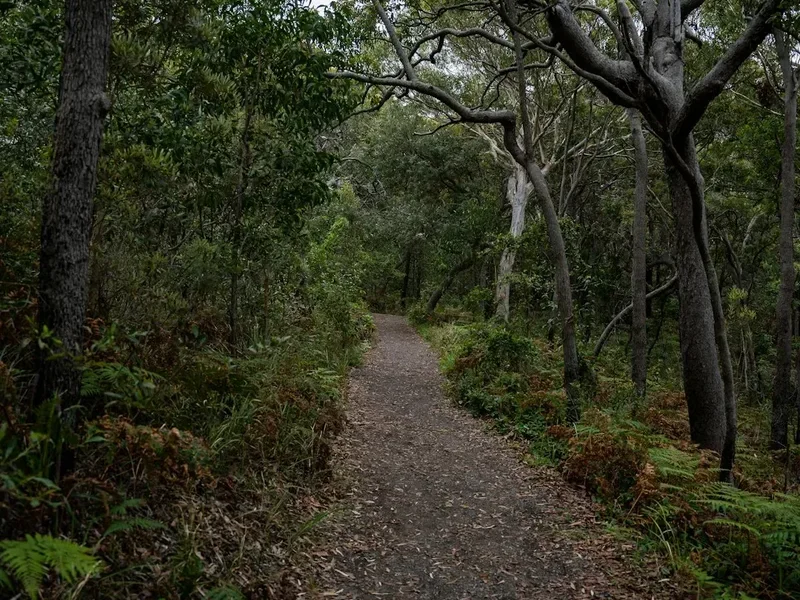
Lord Howe Island is a UNESCO World Heritage site, recognised for its outstanding universal value, particularly its unique biodiversity and pristine natural environment. The Mount Gower hike traverses a sensitive ecosystem, and adhering to Leave No Trace principles is paramount to preserving this special place for future generations. Your guided tour operator will reinforce these principles, but individual responsibility is key.
Plan Ahead and Prepare: Understand the challenges of the hike, book a reputable guided tour, and pack appropriately. This includes carrying sufficient water and food to avoid needing to forage or leave waste behind.
Travel and Camp on Durable Surfaces: While this is a day hike, the principle applies to staying on the marked trail. Avoid stepping on fragile vegetation, especially mosses and seedlings, which can take years to recover.
Dispose of Waste Properly: Pack out everything you pack in. This includes all food scraps, wrappers, and any other litter. Use designated toilet facilities where available, or if nature calls on the trail, dig a cathole at least 60 metres away from water sources, trails, and campsites, and bury human waste and toilet paper.
Leave What You Find: Do not take any natural souvenirs, such as rocks, plants, or shells. Leave them for others to enjoy and for the ecosystem to maintain its balance.
Minimise Campfire Impacts: Not applicable for this day hike, but a general LNT principle.
Respect Wildlife: Observe wildlife from a distance. Do not feed any animals, as this can disrupt their natural behaviours and diets, and can be harmful to their health. Be particularly mindful of endemic species that are not accustomed to human interaction.
Be Considerate of Other Visitors: Keep noise levels down, especially in natural settings. Yield to other hikers on the trail. Respect the tranquility of the island.
By following these principles, you contribute to the ongoing conservation efforts that protect Lord Howe Island's unique natural heritage.
 Australia