
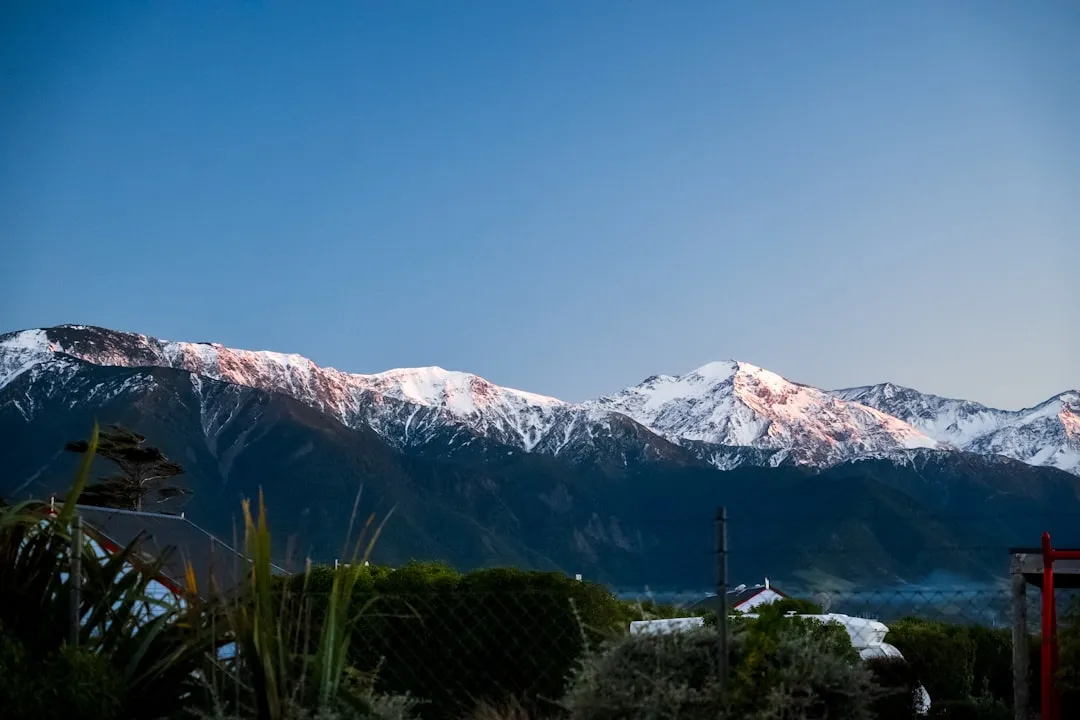
Mount Fyffe Summit Track
The Mount Fyffe Summit Track is a challenging and rewarding day walk located in the Kaikōura Ranges of New Zealand's South Island. This strenuous ascent offers unparalleled panoramic views of the Kaikōura coastline, the Pacific Ocean, and the rugged inland mountains. The track winds through diverse vegetation zones, from coastal scrub to alpine tussock, providing a true taste of the varied New Zealand landscape. While demanding, the summit experience is a significant achievement, offering a profound sense of accomplishment and breathtaking vistas that make the effort entirely worthwhile. This track is ideal for experienced hikers seeking a substantial day challenge with spectacular rewards.
- Distance: 16.0 km return
- Duration: 6–8 hours
- Elevation Gain: 1,630 m
- Difficulty: Challenging
- Best Time: November to April
- Closest City: Kaikōura
- Trailhead Access: Mount Fyffe Road (gravel, 4WD recommended)
- Permits: Not required
Overview
The Mount Fyffe Summit Track is a classic New Zealand day hike that epitomises the dramatic landscapes of the Kaikōura region. Beginning at a modest elevation, the track embarks on a relentless climb towards the summit of Mount Fyffe, reaching an impressive 1,630 metres. This significant elevation gain is achieved over a relatively short distance, making it a physically demanding undertaking. The trail is well-formed but steep, featuring numerous switchbacks that help to mitigate the gradient, though the sustained ascent requires considerable stamina and fitness.
As you ascend, the vegetation changes noticeably. The lower sections are characterised by hardy coastal shrubs and native trees, gradually giving way to beech forest as you gain altitude. Higher still, the trees thin out, and the landscape transitions into open tussock grasslands and rocky alpine terrain. This ecological diversity is a highlight, offering a glimpse into the different life zones that exist within a single mountain range.
The primary draw of Mount Fyffe is undoubtedly the summit view. From the top, a breathtaking 360-degree panorama unfolds. To the east, the vast expanse of the Pacific Ocean stretches to the horizon, with the distinctive Kaikōura coastline curving below. The town of Kaikōura itself appears as a small settlement nestled between the mountains and the sea. To the west and north, the rugged peaks of the Kaikōura Ranges dominate the skyline, a sea of grey rock and alpine vegetation that seems to stretch endlessly. On a clear day, the visibility is exceptional, allowing for an immersive experience of the region's grandeur.
The track is popular with both locals and visitors, particularly during the warmer months when the weather is more favourable for alpine excursions. While it is a day walk, its challenging nature means that preparation is key. Hikers should be well-equipped, physically fit, and aware of the potential for rapidly changing weather conditions in the mountains.
History and Cultural Context
The Kaikōura region, including Mount Fyffe, holds deep cultural significance for the Ngāti Kuri hapū of the Ngāi Tahu iwi. For centuries, Māori have traversed these mountains and coastlines, utilising the abundant natural resources for sustenance and trade. The name "Kaikōura" itself means "to eat crayfish" in Te Reo Māori, reflecting the historical importance of this seafood to the local people. The mountains, including Mount Fyffe, were likely used as vantage points for observing wildlife, as routes for travel, and for gathering resources.
European settlement in the Kaikōura area began in the mid-19th century, with early settlers drawn by the fertile land and the rich marine environment. The development of tracks and routes into the mountains, such as the one leading to Mount Fyffe, was driven by the need for access to timber, hunting grounds, and later, for recreational purposes. The construction of Mount Fyffe Road, which provides access to the trailhead, was a significant undertaking, carving a path into the rugged terrain to facilitate easier access for vehicles.
Mount Fyffe, named after an early settler family, became a popular destination for hikers and climbers seeking the spectacular views it offered. Over time, the track has been maintained and improved by various organisations, including the Department of Conservation, to ensure its safety and accessibility for trampers. The history of Mount Fyffe is intertwined with the stories of Māori who have lived in and utilised this land for generations, and the European settlers who explored and developed the region. It stands as a testament to the enduring appeal of the Kaikōura landscape, a place of both practical importance and profound natural beauty.
Seasonal Highlights and Weather Reality
The Mount Fyffe Summit Track is best enjoyed during the warmer months, typically from November to April. During this period, the weather is generally more stable, and the chances of encountering snow or ice on the upper reaches of the track are significantly reduced.
Spring (November–December): This is a beautiful time to hike Mount Fyffe. The lower slopes burst into bloom with native flora, and the higher alpine meadows begin to green up. The weather can be variable, with occasional late frosts or unseasonal snowfalls possible, but days are lengthening, and the air is crisp and invigorating. Sandflies can start to become noticeable, especially in sheltered, damp areas.
Summer (January–February): The peak season for this track. Days are long and generally warm, offering the best conditions for reaching the summit and enjoying the extensive views. However, summer can also bring periods of intense heat, particularly on the exposed lower sections. Sandflies are at their most prevalent during these months, so effective repellent is essential. Thunderstorms can develop quickly in the afternoons, so starting early is always advisable.
Autumn (March–April): A fantastic time for hiking Mount Fyffe. The weather often remains settled and pleasant, with cooler temperatures making the ascent more comfortable. The autumn colours in the beech forests can be spectacular, adding another layer of beauty to the journey. Sandfly activity typically decreases as the weather cools. Snowfall is possible on the summit from late April onwards.
Winter (May–October): This track is generally not recommended for winter hiking unless you possess advanced alpine navigation skills, experience with snow and ice, and appropriate equipment (ice axe, crampons). The upper sections of the track can be covered in snow and ice, making it treacherous. Weather conditions can be severe, with strong winds, freezing temperatures, and limited daylight hours. Avalanches are a potential hazard.
Weather Reality: It is crucial to understand that mountain weather is unpredictable. Even during the recommended season, conditions can change rapidly. Be prepared for wind, rain, and a significant drop in temperature as you gain altitude. Always check the latest weather forecast for Kaikōura and the surrounding mountains before you set out.
Recommended Itinerary
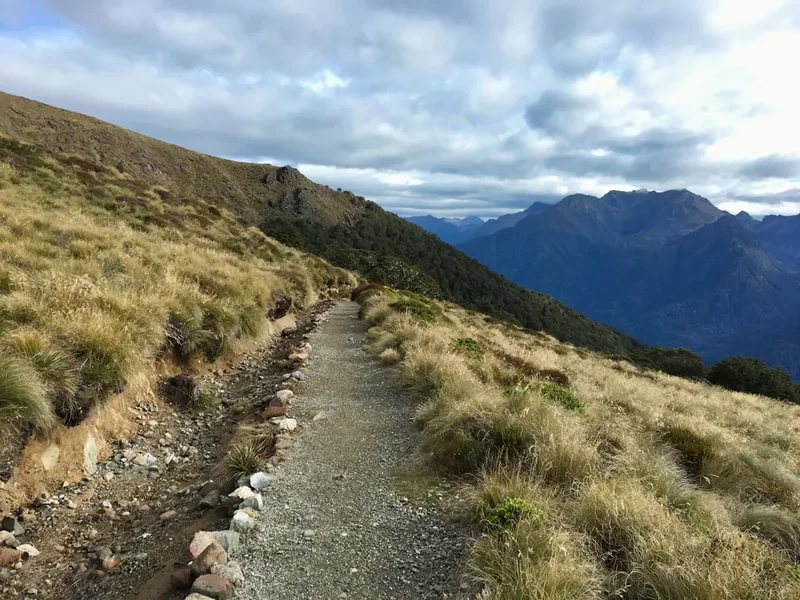
Mount Fyffe Summit Track - Day Walk Itinerary
Early Morning (Approx. 7:00 AM - 8:00 AM): Departure from Kaikōura
- Depart Kaikōura town centre.
- Drive north on State Highway 1 (SH1) for a short distance.
- Turn right onto Mount Fyffe Road.
- Note: Mount Fyffe Road is unsealed and can be rough in sections. A 4WD vehicle is recommended, especially after rain. Allow ample time for this drive.
- Continue up Mount Fyffe Road until you reach the designated car park at the end of the road.
Morning (Approx. 8:00 AM - 12:00 PM): Ascent to the Summit
- Begin your hike from the Mount Fyffe car park.
- The track starts with a steady climb through coastal scrub and native bush.
- Distance covered: Approximately 8.0 km to the summit.
- Elevation gain: Approximately 1,630 m.
- Key Waypoints:
- Initial climb through lower vegetation zones.
- Transition into beech forest.
- Emergence into alpine tussock and rocky terrain.
- Steep switchbacks providing consistent elevation gain.
- The summit cairn and trig station.
- Time: Allow 4–5 hours for the ascent, depending on fitness and stops.
- Focus: Maintain a steady pace, take regular breaks for hydration and snacks, and enjoy the changing scenery.
Midday (Approx. 12:00 PM - 1:00 PM): Summit Experience
- Reach the summit of Mount Fyffe (1,630 m).
- Spend time enjoying the 360-degree panoramic views.
- Identify landmarks: Kaikōura coastline, Pacific Ocean, Kaikōura town, surrounding mountain ranges.
- Have your lunch and rehydrate.
- Take photographs to capture the incredible vistas.
- Be mindful of the weather; conditions can change quickly at the summit.
Afternoon (Approx. 1:00 PM - 4:00 PM): Descent and Return
- Begin your descent back down the Mount Fyffe Summit Track.
- Distance covered: Approximately 8.0 km from the summit to the car park.
- Time: Allow 3–4 hours for the descent. The descent can be hard on the knees, so take care.
- Focus: Watch your footing, especially on steep or loose sections.
- Return to the Mount Fyffe car park.
Late Afternoon (Approx. 4:00 PM onwards): Return to Kaikōura
- Drive back down Mount Fyffe Road to State Highway 1.
- Return to Kaikōura town centre.
- Consider a well-deserved meal or rest after your challenging hike.
Important Notes:
- This is a strenuous day hike. Ensure you are physically prepared.
- Carry sufficient water (at least 2-3 litres per person) as there are no reliable water sources on the track.
- Pack adequate food, including high-energy snacks.
- Wear sturdy, broken-in hiking boots.
- Carry layers of clothing, including waterproof and windproof outer shells, as mountain weather is unpredictable.
- A map and compass or GPS device are recommended, although the track is generally well-marked.
- Inform someone of your hiking plans, including your expected return time.
- Be aware of sandflies, especially during warmer months.
Planning and Bookings
Book Your Trip
Everything you need to plan your journey
Accommodation
Find places to stay near Kaikōura
Flights
Search flights to Kaikōura
Essential Preparation
The Mount Fyffe Summit Track is a challenging day hike that requires careful planning to ensure a safe and enjoyable experience. Given the significant elevation gain and the potential for rapidly changing weather, physical fitness is paramount. Hikers should be comfortable with sustained uphill climbs and steep descents. It is advisable to have prior experience with multi-hour hikes in mountainous terrain.
Logistics: The trailhead is accessed via Mount Fyffe Road, which is located just outside Kaikōura. This road is unsealed and can be rough, particularly in its upper sections. A 4WD vehicle is highly recommended for better traction and to navigate any uneven terrain, especially after rainfall. If you do not have a 4WD, assess the road conditions carefully before proceeding, or consider arranging transport with someone who does. Parking is available at the end of Mount Fyffe Road.
Base Town: Kaikōura is the closest town and serves as the primary base for accessing Mount Fyffe. Kaikōura offers a range of accommodation options, from budget-friendly hostels and holiday parks to comfortable motels and hotels. It also has supermarkets for purchasing food and supplies, outdoor gear shops for last-minute purchases, and numerous cafes and restaurants for pre- or post-hike meals. It is advisable to stay in Kaikōura the night before your hike to allow for an early start and to acclimatise to the area.
Trail Accommodation
This is a day hike requiring no overnight accommodation.
Required Gear
- Sturdy Hiking Boots: Waterproof and with good ankle support. Ensure they are well broken-in to prevent blisters.
- Backpack: A comfortable day pack (20-30 litre capacity) to carry essentials.
- Waterproof Jacket: Essential for protection against rain and wind. Look for breathable, taped-seam options.
- Waterproof Overtrousers: Highly recommended, as weather can change quickly.
- Warm Layers: Including a fleece or insulated jacket, and a beanie or warm hat. Temperatures can be significantly cooler at the summit.
- Head Torch: With fresh batteries, in case of unexpected delays or an early start/late finish.
- Navigation Tools: A map of the area and a compass, or a GPS device/smartphone with offline maps. While the track is generally well-marked, it's wise to be prepared.
- First-Aid Kit: Including blister treatment, pain relievers, antiseptic wipes, bandages, and any personal medications.
- Sun Protection: Sunscreen (SPF 30+), sunglasses, and a wide-brimmed hat. The sun can be intense, especially at higher altitudes.
- Insect Repellent: Particularly important during warmer months to ward off sandflies.
What to Bring
- Food: Plenty of high-energy food for the duration of the hike. This should include lunch, snacks (e.g., trail mix, energy bars, fruit), and extra food in case of delays.
- Water: Carry at least 2-3 litres of water per person. There are no reliable water sources on the track, and the climb is strenuous.
- Toilet Paper and Trowel: For emergencies, if you need to go to the toilet away from designated facilities (though none exist on this track). Pack out all used toilet paper.
- Hand Sanitiser: For hygiene, especially before eating.
- Mobile Phone: Fully charged. Signal may be intermittent, but it's useful for emergencies. Consider a portable power bank.
- Camera: To capture the spectacular views.
- Trekking Poles: Optional, but can be very helpful for reducing strain on knees during the descent.
- Small plastic bags: For packing out all rubbish, including food scraps and wrappers.
Permits
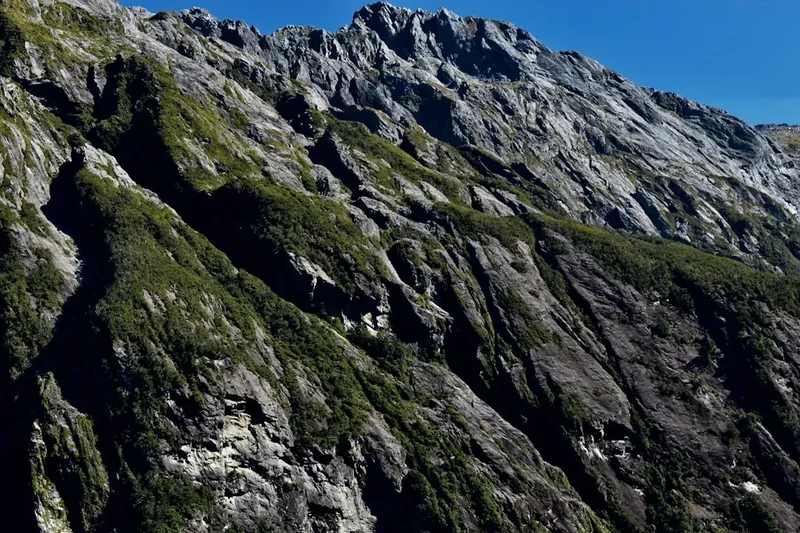
No permits are required to hike the Mount Fyffe Summit Track. This track is managed by the Department of Conservation (DOC) and is open to the public without the need for advance booking or special permits. This makes it a more accessible option for spontaneous hiking trips.
However, it is still essential to adhere to the principles of responsible outdoor recreation and to be aware of any track conditions or alerts that may be posted by DOC. While no formal booking system exists, it is always a good practice to check the DOC website for any advisories or closures related to the Kaikōura area before your visit, especially if you are planning to hike during adverse weather conditions or outside of the peak season.
The lack of a permit requirement means that the track can become busy, particularly during weekends and public holidays in the peak summer months. If you prefer a more solitary experience, consider hiking on a weekday or during the shoulder seasons (spring or autumn).
Other Activities in the Area
Kaikōura is renowned for its abundant marine life and stunning natural beauty, offering a variety of activities to complement your Mount Fyffe hike:
- Whale Watching and Dolphin Encounters: Kaikōura is one of the best places in the world to see sperm whales. Numerous boat tours and swimming with dolphins excursions are available, providing unforgettable wildlife experiences.
- Kaikōura Peninsula Walkway: A shorter, coastal walk offering beautiful ocean views, seal colonies, and birdlife. It's a great option for a less strenuous day.
- Seal Colony Viewing: Numerous fur seal colonies can be observed along the coast, particularly at the Point Kean viewpoint.
- Kayaking and Paddleboarding: Explore the calm waters of Kaikōura Bay, enjoying the coastal scenery and potentially spotting marine life from the water.
- Fyndout Experience: A unique interactive museum detailing the geological and ecological history of the Kaikōura region.
- Wine Tasting: While not a major wine region, there are local vineyards and wineries in the wider Canterbury area that can be visited as a day trip from Kaikōura.
- Scenic Flights: Take a helicopter or small plane flight over the Kaikōura Ranges and coastline for a breathtaking aerial perspective of the landscape you've explored on foot.
- Fishing: Kaikōura is a popular spot for recreational fishing, with charter boats available for deep-sea fishing excursions.
Safety and Conditions
Pre-Hike Checks:
- Weather Forecast: Always check the MetService forecast for Kaikōura and the surrounding mountains before you depart. Pay close attention to wind speed, precipitation, and temperature at altitude.
- Track Conditions: While no formal alerts are usually posted for this track, it's wise to check the Department of Conservation (DOC) website for any general advisories for the Kaikōura area.
- Road Conditions: Verify the status of Mount Fyffe Road, especially if you are travelling after heavy rain. Contact local authorities or DOC if you have concerns.
- Inform Someone: Let a friend, family member, or your accommodation provider know your hiking plans, including your intended route, start time, and expected return time.
On the Track:
- Fitness: This is a challenging hike with significant elevation gain. Ensure you are physically prepared.
- Hydration and Nutrition: Carry ample water (at least 2-3 litres per person) and high-energy food. There are no water sources on the track.
- Footwear: Wear sturdy, well-broken-in hiking boots with good ankle support.
- Clothing: Dress in layers. Be prepared for rapid changes in weather. Include waterproof and windproof outer layers, warm mid-layers, and a hat and gloves.
- Navigation: While the track is generally well-marked, carry a map and compass or GPS device. Familiarise yourself with the route before you start.
- Sandflies: These biting insects are prevalent, especially during warmer months. Use effective insect repellent (containing DEET) and consider wearing long sleeves and trousers.
- Sun Exposure: The sun can be intense at higher altitudes. Use sunscreen, wear sunglasses, and a hat.
- Emergency: In case of an emergency, call 111 and ask for Police or Search and Rescue. Provide your location and the nature of the emergency. A personal locator beacon (PLB) is a valuable safety item for remote hikes.
- Respect the Environment: Stay on the marked track to prevent erosion and protect fragile alpine vegetation.
Summit Conditions: The summit of Mount Fyffe can be exposed and windy, even on otherwise pleasant days. Temperatures can be significantly lower than in Kaikōura. Be prepared for these conditions.
Side Trips and Points of Interest
While the primary objective of the Mount Fyffe Summit Track is the summit itself, the journey offers several points of interest and potential minor detours:
Mount Fyffe Road Views: Even before you begin hiking, the drive up Mount Fyffe Road offers increasingly spectacular views of the Kaikōura coastline and the surrounding mountains. Stop at designated pull-offs to appreciate the unfolding panorama.
Vegetation Zones: The track provides a clear demonstration of ecological zonation. Observe the transition from coastal scrub and hardy grasses at the lower elevations, through dense native beech forest, to the open alpine tussock and rocky scree slopes near the summit. Each zone supports different flora and fauna.
The Summit Cairn and Trig Station: At the highest point of the hike, you will find a cairn of rocks and a trig station (survey marker). These are important landmarks and offer the most expansive viewpoints. Take time to read any information panels if present, and appreciate the effort required to place these markers.
Panoramic Vistas: The entire upper section of the track, and especially the summit, is a point of interest in itself due to the sheer scale and beauty of the surrounding landscape. On a clear day, you can spend considerable time identifying distant peaks, tracing the coastline, and observing the vastness of the Pacific Ocean.
Potential for Wildlife: While not guaranteed, keep an eye out for native birdlife such as fantails, tūī, and bellbirds in the forest sections. In the alpine zones, you might spot rock wrens or other hardy species. If you are very fortunate, you might even see a kea, New Zealand's intelligent and endangered alpine parrot, though they are more commonly found in higher alpine areas.
Leave No Trace
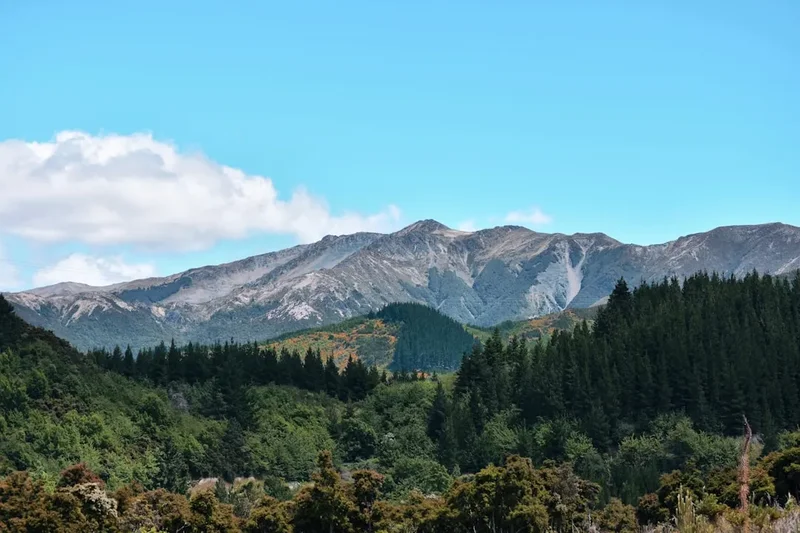
The Mount Fyffe Summit Track traverses a beautiful and ecologically sensitive area. Practising Leave No Trace principles ensures that this natural environment remains pristine for future visitors and for the health of the local ecosystem.
- Plan Ahead and Prepare: Understand the track's difficulty, check weather forecasts, and pack appropriate gear and sufficient food and water.
- Travel and Camp on Durable Surfaces: Stay on the marked track at all times. Avoid walking on fragile vegetation, especially near the summit where alpine plants are slow to recover.
- Dispose of Waste Properly: Pack out everything you pack in. This includes all food scraps, wrappers, and any other litter. Use the toilet facilities in Kaikōura before you leave, and if nature calls on the track, carry out all used toilet paper.
- Leave What You Find: Do not remove any plants, rocks, or other natural objects. Take only photographs and memories.
- Minimise Campfire Impacts: Campfires are not permitted on this track.
- Respect Wildlife: Observe wildlife from a distance. Do not feed any animals, as this can disrupt their natural behaviour and diet.
- Be Considerate of Other Visitors: Keep noise levels down, yield to uphill hikers, and be courteous to fellow trampers.
By adhering to these principles, you help to preserve the natural beauty and ecological integrity of Mount Fyffe for everyone to enjoy.
 New Zealand