
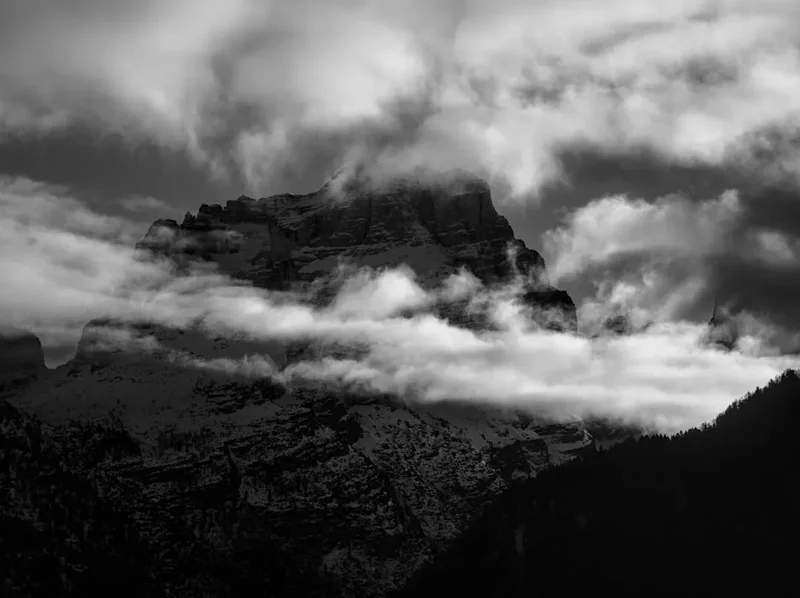
Mount Etna Traverse - Journey Across the Forge of Vulcan
The Mount Etna Traverse is one of Europe's most surreal and geologically significant trekking experiences—a 65-kilometre journey across the flanks of the world's most active stratovolcano. Located on the eastern coast of Sicily, Italy, this trek offers a profound immersion into a landscape that is constantly being reshaped by the raw forces of the Earth. Known locally as 'Mongibello' (the Mountain of Mountains), Etna rises to approximately 3,357 metres, though its height fluctuates with every major eruption. The traverse typically follows the 'Pista Altomontana', a high-altitude track that circles the volcano at an average elevation of 1,700 to 2,000 metres, providing a 360-degree perspective of the island, the Ionian Sea, and the smoking summit craters. This is not merely a hike; it is a pilgrimage through ancient lava flows, endemic birch forests, and lunar deserts where the ground beneath your feet is a living, breathing entity.
- Distance: 65.0 km (full traverse/loop)
- Duration: 4–5 days
- Season: May to September (optimal conditions; snow persists into late spring)
- Accommodation: Managed rifugi (mountain huts) and unmanaged forest bivouacs
- Highest point: Approximately 2,900 m (on standard traverse) or 3,357 m (with guided summit ascent)
- Difficulty: Challenging (due to volcanic terrain, navigation in fog, and water scarcity)
- Direction: Usually tackled in a clockwise or counter-clockwise loop starting from the North (Piano Provenzana) or South (Rifugio Sapienza)
Overview
Mount Etna is a landscape of startling contrasts. To the uninitiated, a volcano might seem like a monolithic pile of ash, but the Etna Traverse reveals a complex tapestry of ecosystems. The journey begins in the lower reaches, where fertile volcanic soil supports lush vineyards, apple orchards, and dense forests of Sicilian silver fir and the unique Etna birch (Betula aetnensis), identifiable by its striking white bark. As you ascend, the vegetation thins, replaced by the 'Etna Broom'—a hardy shrub that splashes the black volcanic slopes with vibrant yellow flowers in early summer. Finally, the landscape transitions into a stark, monochromatic world of basaltic rock, cinder cones, and vast lava fields that look like frozen, turbulent seas. The scale is immense; standing on the edge of the Valle del Bove, a massive horseshoe-shaped caldera, one begins to comprehend the sheer volume of material the volcano has ejected over millennia.
The experience of walking on Etna is sensory and visceral. The ground varies from fine, energy-sapping volcanic ash to 'aa' lava—sharp, jagged blocks that can shred boots and skin if not navigated with care. In certain areas, the air carries the faint, pungent scent of sulphur, a constant reminder of the magmatic plumbing system operating just kilometres beneath your boots. The weather is equally dramatic; the mountain creates its own microclimate. It is common to begin a day in sweltering Mediterranean heat only to be engulfed by the 'Lupa'—a thick, fast-moving fog that rolls in from the sea, dropping temperatures by ten degrees in minutes and reducing visibility to near zero. This unpredictability is part of the mountain's character, demanding respect and careful preparation from every trekker.
Unlike many European mountain ranges, Etna feels wild and untamed. While there are tourist hubs at the cable car stations, the vast majority of the traverse takes you through the Parco dell'Etna, a protected area where you can walk for hours without encountering another soul. The silence in the lava fields is absolute, broken only by the crunch of volcanic scoria or the occasional distant rumble from the summit. For those seeking a trek that combines geological wonder, botanical rarity, and a touch of mythological dread, the Mount Etna Traverse is peerless.
History and Cultural Context
Mount Etna has been a focal point of human fascination and fear for over 500,000 years. In Greek mythology, it was believed to be the forge of Hephaestus (Vulcan to the Romans), the god of fire and blacksmithing. It was also said to be the prison of the giant Typhon, whose restless movements caused the mountain to tremble and spit fire. For the ancient Sicilians, the volcano was both a provider and a destroyer; its ash created the most fertile soil in the Mediterranean, yet its eruptions frequently wiped out entire civilisations. The historic eruption of 1669 remains the most famous, as lava flows breached the walls of Catania and reached the sea, forever altering the coastline and the city's architecture.
In the modern era, Etna has become a laboratory for volcanologists and a playground for explorers. The mountain was a key stop on the 'Grand Tour' in the 18th and 19th centuries, with writers like Patrick Brydone and Johann Wolfgang von Goethe describing the ascent in glowing, often terrifying detail. These early travellers relied on local guides and mules to navigate the treacherous slopes, staying in basic stone shelters that served as the precursors to today's rifugi. The cultural heritage of the mountain is also reflected in the 'muretti a secco'—dry stone walls built from lava rock that terrace the lower slopes, a testament to the incredible labour of Sicilian farmers who have coexisted with the volcano for generations.
In 2013, Mount Etna was inscribed as a UNESCO World Heritage site, recognised for its exceptional level of volcanic activity and its importance to global vulcanology and ecology. The park authorities now work to balance the protection of this unique environment with the demands of tourism. For the trekker, walking the traverse is a way to connect with this long history of human-volcano interaction, passing by abandoned stone huts, ancient shrines, and the scars of recent eruptions that serve as a sobering reminder of the mountain's power.
Want more background? Read extended notes on history and cultural context → Learn more
Seasonal Highlights and Weather Reality
The window for a successful traverse of Mount Etna is narrower than many realise. While Sicily is known for its warmth, Etna is a high-altitude alpine environment where winter conditions can be brutal and long-lasting.
Spring (April to May): This is a season of transition. Lower elevations are carpeted in wildflowers, but snow often remains on the Pista Altomontana until late May. Trekking during this time requires gaiters and potentially micro-spikes. The contrast between the white snow and black lava is visually stunning, but many of the unmanaged bivouacs may still be difficult to access.
Summer (June to August): This is the most popular time for the traverse. The weather is generally stable, and the high altitude provides a welcome escape from the intense heat of the Sicilian coast. However, shade is non-existent on the lava fields, and the sun's reflection off the dark rock can lead to rapid dehydration and heat exhaustion. Early starts are essential to avoid the midday sun.
Autumn (September to October): Many experienced hikers consider September the best month. The summer crowds have dispersed, the air is clearer, and the temperatures are mild. In October, the Etna birch forests turn a brilliant gold, creating a spectacular contrast against the volcanic backdrop. However, the risk of afternoon thunderstorms increases, and the first snowfalls can occur as early as late October.
Winter (November to March): During these months, the traverse becomes a serious mountaineering undertaking. The mountain is covered in deep snow, and Etna transforms into a premier destination for ski touring. The Pista Altomontana is often buried, and navigation requires expert skills. Temperatures can drop to -15°C, and the wind chill on the exposed ridges is extreme. This season is strictly for those with winter alpine experience and appropriate gear.
Recommended Itinerary
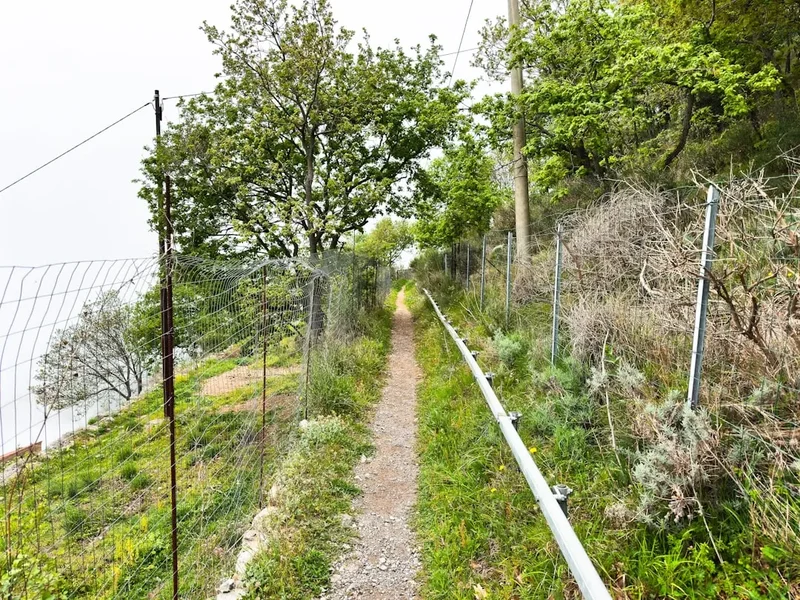
5-Day Mount Etna Traverse Itinerary
Day 1: Piano Provenzana to Rifugio Citelli
- Distance: 12 km
- Elevation gain: 450 m
- Time: 4–5 hours
- Start at the North side trailhead (Piano Provenzana), an area heavily reshaped by the 2002 eruption
- Walk through the 'Bosco delle Betulle' (Etna Birch forest), the southernmost birch forest in Europe
- Pass the 1923 lava flow and the Sartorius Craters (a row of ancient cinder cones)
- Arrive at Rifugio Citelli (managed), situated in a panoramic position overlooking the Ionian coast
- This day serves as an excellent introduction to the varied geology of the North-East flank
Day 2: Rifugio Citelli to Rifugio Sapienza (The High Route)
- Distance: 15 km
- Elevation gain: 800 m
- Time: 6–7 hours
- Ascend towards the edge of the Valle del Bove, a massive volcanic depression
- Traverse the high ridges with views of the smoking summit craters to your right
- Cross the vast lava fields of the 1971 and 1991-93 eruptions
- Descend towards the South side tourist hub of Rifugio Sapienza
- This is the most 'volcanic' day, with long stretches of walking on scoria and ash
Day 3: Rifugio Sapienza to Rifugio Galvarina
- Distance: 13 km
- Elevation gain: 300 m (mostly undulating)
- Time: 5 hours
- Enter the 'Pista Altomontana' on the West flank of the volcano
- Pass the 'Crateri Silvestri', easily accessible side-craters from the 1892 eruption
- Walk through ancient lava flows now being colonised by Etna Broom and lichens
- Arrive at Rifugio Galvarina, a basic unmanaged stone bivouac (no facilities, bring all supplies)
- The West side is significantly wilder and quieter than the South side
Day 4: Rifugio Galvarina to Rifugio Monte Scavo
- Distance: 11 km
- Elevation gain: 200 m
- Time: 4 hours
- Continue along the Pista Altomontana through a landscape of 'Pahoehoe' (smooth) lava
- Pass the Monte Minardo, one of the largest eccentric cones on Etna
- Traverse through high-altitude pine forests (Pinus nigra)
- Arrive at Rifugio Monte Scavo, another unmanaged stone shelter with incredible sunset views over Central Sicily
- This is a shorter day, allowing for rest or exploration of nearby lava tubes
Day 5: Rifugio Monte Scavo to Piano Provenzana (Closing the Loop)
- Distance: 14 km
- Elevation gain: 250 m
- Time: 5–6 hours
- Complete the northern arc of the Pista Altomontana
- Pass the 'Grotta dei Lamponi' (Raspberry Cave), one of the longest lava tubes on the mountain
- Walk through the beech forests of the North flank, which offer rare shade
- Final descent back into the volcanic desert of Piano Provenzana
- Celebrate the completion of the traverse with a local 'Etna Rosso' wine in the village
Important Notes:
- Water is the biggest challenge; there are NO reliable springs on the upper mountain. You must carry 3–4 litres per day
- The unmanaged rifugi (Galvarina, Monte Scavo) are basic stone huts with wooden platforms; you need a good sleeping mat and warm bag
- Volcanic activity can close sections of the trail at any time; always check with the Park Authority
- Navigation can be difficult in the lava fields where the trail is marked only by stone cairns (ometto)
Planning and Bookings
Book Your Trip
Everything you need to plan your journey
Accommodation
Find places to stay near Catania
Flights
Search flights to Catania
Essential Preparation
The Mount Etna Traverse requires a high level of physical fitness and self-sufficiency. Unlike the well-trodden paths of the Alps, Etna is a dry, abrasive environment that punishes the unprepared. Your primary base will be Catania, which has an international airport (CTA) and excellent bus links to both the North and South trailheads. You should spend at least one night in Catania or the mountain villages of Nicolosi or Zafferana Etnea to organise your supplies and check the latest volcanic activity reports from INGV (National Institute of Geophysics and Volcanology).
Logistics require careful coordination. If you are doing a point-to-point traverse, you will need to arrange a shuttle or use the AST bus service, which is reliable but infrequent. Most trekkers choose to base themselves in Nicolosi (South) or Linguaglossa (North) before starting. Ensure you have downloaded offline maps, as mobile signal is patchy in the deep lava valleys and on the remote western flank.
Trail Accommodation
Accommodation on Etna is a mix of managed mountain lodges and primitive forest shelters. Understanding the difference is crucial for your packing list.
Managed Rifugi (e.g., Rifugio Sapienza, Rifugio Citelli, Rifugio Brunek):
- Private or dormitory rooms with beds and blankets
- Restaurant service providing dinner, breakfast, and packed lunches
- Hot showers and flushing toilets
- Electricity for charging devices
- Booking is essential, especially in July and August
- Costs: Approximately €50–€70 per night for half-board
Unmanaged Bivouacs (e.g., Galvarina, Monte Scavo, Poggio La Caccia):
- Basic stone structures maintained by the Forestale (Forestry Service)
- Wooden sleeping platforms (no mattresses or bedding)
- No running water, no electricity, and no toilets
- Open to the public on a first-come, first-served basis (no booking possible)
- Free to use, but you must carry out all waste
- Often have a fireplace, but wood is scarce and must be gathered from the forest floor
Required Gear
- Sturdy trekking boots - High-cut with a stiff sole is mandatory. The volcanic scoria is sharp and will destroy lightweight trail runners
- Navigation - GPS device with spare batteries and a high-quality 1:25,000 topographic map (the 'Etna Nord' and 'Etna Sud' maps by Stella Srl are recommended)
- Layered clothing - Even in summer, temperatures at 2,500 m can hover near freezing at night. Include a windproof/waterproof shell
- Sleeping system - For unmanaged huts, a 3-season sleeping bag and a thick inflatable mat are necessary for comfort on wooden platforms
- Sun protection - High-factor sunscreen, polarised sunglasses, and a wide-brimmed hat. The UV radiation on the black lava is intense
- Head torch - Essential for the unmanaged huts and for exploring lava tubes
- Gaiters - Highly recommended to keep volcanic ash and small stones out of your boots
What to Bring
- Water - This is the most critical item. Carry a minimum of 3 litres per day. There are no natural springs on the traverse
- Food - High-energy, lightweight meals for the days spent at unmanaged bivouacs. Local Sicilian markets offer excellent dried fruits, nuts, and hard cheeses (Pecorino)
- Water treatment - While there are no springs, some huts have cisterns (rainwater). This MUST be treated with a filter or chlorine tablets before consumption
- First aid kit - Include plenty of blister plasters (Compeed), antiseptic wipes, and a space blanket
- Multi-tool - For gear repairs and food preparation
- Personal hygiene - Biodegradable wet wipes and hand sanitiser (as water for washing is non-existent at bivouacs)
- Trash bags - You must pack out every scrap of waste, including organic matter
Permits
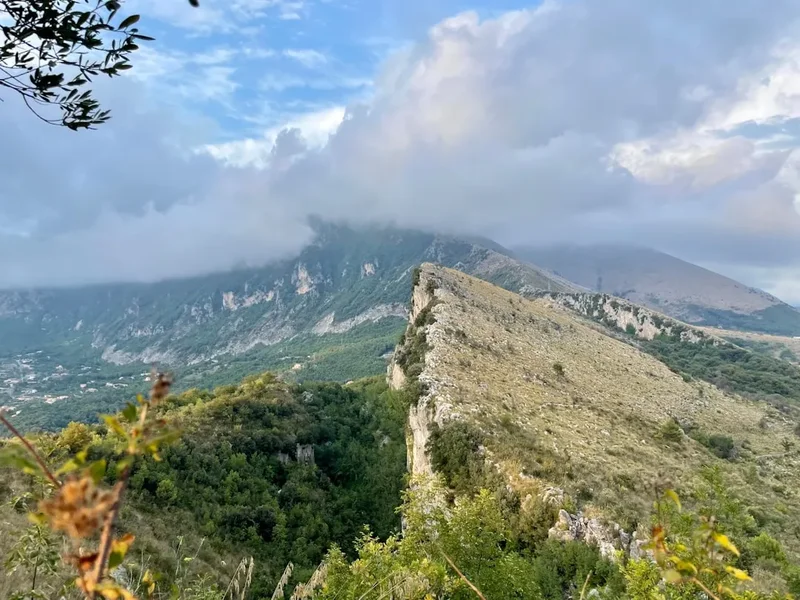
Currently, there is no permit required to hike the Pista Altomontana or the general traverse route. However, access to the summit area is strictly regulated by the 'Ordinanze Sindacali' (local government decrees), which change frequently based on the volcano's activity level.
Summit Access Regulations:
- Access above 2,900 metres (the Torre del Filosofo area) is generally FORBIDDEN without a licensed volcanic guide
- During periods of high activity, the 'yellow zone' or 'red zone' may be expanded, closing lower sections of the trail
- Fines for entering restricted zones without a guide are substantial and strictly enforced by the Soccorso Alpino (Alpine Rescue) and the Forestry Guard
- If you plan to include the summit craters in your traverse, you must book a guide in advance. Prices range from €50 to €100 per person depending on the route
Park Rules:
- Wild camping (pitching a tent) is technically prohibited within the Parco dell'Etna, though 'bivouacking' (sleeping in the stone shelters) is encouraged
- Lighting fires is strictly forbidden outside of the designated hearths in the rifugi due to the high risk of forest fires in the dry summer months
- Drones are restricted in many areas of the park to protect nesting birds of prey; check local signage
Other Activities in the Area
Sicily's eastern coast offers a wealth of experiences to complement your trek:
- Etna Wine Tasting: The volcanic soil produces some of Italy's most exciting wines. Visit the vineyards around Castiglione di Sicilia or Milo to sample Etna Rosso (made from Nerello Mascalese grapes).
- Alcantara Gorges: Located north of the volcano, these spectacular gorges were formed when ancient lava flows were cooled by the Alcantara River, creating unique hexagonal basalt columns.
- Catania's Fish Market: Experience the chaotic, vibrant heart of Catania at 'A Piscaria', followed by a visit to the city's black-and-white Baroque cathedral built from lava stone.
- Taormina: A short drive from the mountain, this historic town features a stunning ancient Greek theatre with Mount Etna as its backdrop.
- Lava Tube Exploration: If you have a helmet and powerful torch, you can explore caves like the Grotta dei Tre Livelli or Grotta del Gelo (which contains a permanent glacier).
Safety and Conditions
Volcanic Hazards: Mount Etna is an active volcano. Before starting, check the latest bulletins from the INGV Catania. Hazards include ash falls, gas emissions (CO2 and SO2), and 'bombs' (ejected rocks) if you are near the summit. If you hear a loud explosion, do not look up; move away from the summit direction and seek shelter behind a large rock or in a hut.
Navigation and Fog: The 'Lupa' fog is the most common danger for hikers. In the vast lava fields, there are no trees or landmarks. If the fog rolls in, stay on the track. If you lose the track, stop and wait for a clearing. Never attempt to 'shortcut' across a lava field in low visibility; the terrain is a labyrinth of pits and sharp ridges.
Dehydration and Heat: The combination of dark rock, high UV, and lack of water is a serious threat. You must be disciplined with your water intake. If you stop sweating or feel dizzy, find shade immediately (even if it's just the shadow of a large boulder) and hydrate.
Emergency Contacts: The emergency number in Italy is 112. For mountain-specific rescue, ask for 'Soccorso Alpino'. Be aware that helicopter evacuation may be limited by volcanic ash or high winds.
Side Trips and Points of Interest
The Summit Craters: While not part of the standard Pista Altomontana, a guided detour to the Central, North-East, and South-East craters is the highlight for many. Standing on the rim of a smoking vent while the earth rumbles beneath you is an unforgettable experience. This requires an extra day and a mandatory guide.
Grotta del Gelo: Located on the northern flank, this lava tube contains the southernmost glacier in Europe. It is a challenging side trip from the main traverse, requiring careful navigation over rough lava, but the sight of ice stalactites inside a volcanic cave is extraordinary.
Valle del Bove: This 5km x 7km caldera is a geological masterpiece. The view from the 'Schiena dell'Asino' ridge offers a cross-section of the volcano's history, with layers of ancient lava flows visible in the cliff walls. It is particularly dramatic during an eruption when lava often flows down into the valley, away from inhabited areas.
The Centenarian Trees: Look out for the 'Ilice di Carrinu', a massive holm oak estimated to be over 700 years old, and the 'Castagno dei Cento Cavalli' (Chestnut of a Hundred Horses), one of the oldest and largest chestnut trees in the world, located just outside the park boundaries near Sant'Alfio.
Leave No Trace
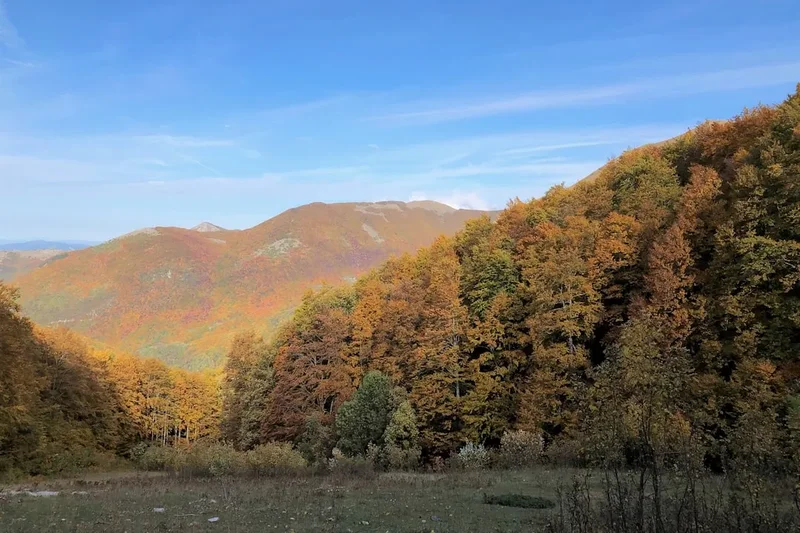
The volcanic environment of Etna is surprisingly fragile. Lichens and pioneer plants take decades to gain a foothold on new lava. As a trekker, you are a guest in a UNESCO-protected wilderness.
Core Principles for Etna:
- Stick to the path: Walking off-trail on cinder cones causes rapid erosion and destroys the delicate 'volcanic desert' flora.
- Water is life: Do not use the few existing cisterns for washing or bathing. These are for emergency drinking only.
- Pack it out: There is no waste collection on the mountain. This includes cigarette butts and fruit peels, which decompose very slowly in the dry, high-altitude air.
- Respect the silence: Etna is a place of profound quiet. Avoid loud music or shouting, which can disturb wildlife like the Etna wildcat and golden eagles.
- No rock collecting: It is tempting to take a piece of obsidian or a unique lava bomb, but if every hiker took a stone, the landscape would be diminished. Leave the geology where it belongs.
 Italy
Italy