
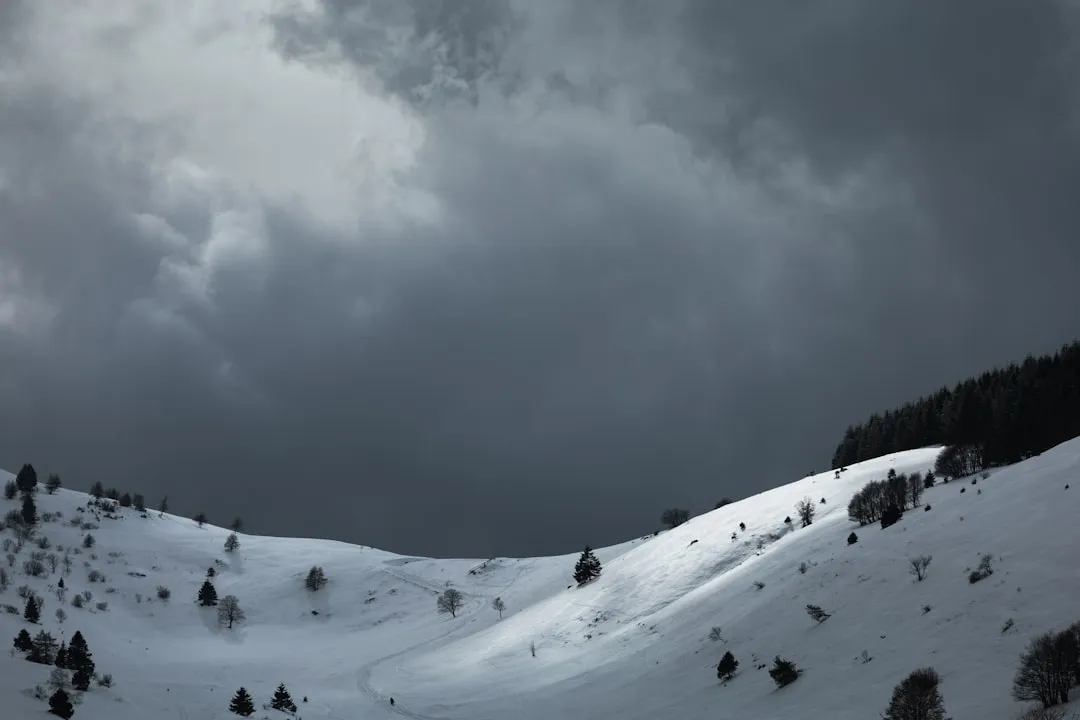
Mount Etna Summit Trail
The Mount Etna Summit Trail is a challenging and rewarding ascent to the highest point of Europe's most active volcano. This iconic Italian track offers a unique opportunity to walk on a living, breathing geological marvel, traversing landscapes shaped by recent eruptions and offering breathtaking panoramic views across Sicily and the Ionian Sea. The trail is not for the faint-hearted, demanding good physical condition and a respect for the volatile nature of its environment. It is a journey into a raw, powerful landscape where the forces of nature are on full display, from the stark, volcanic terrain to the vibrant flora that has adapted to this extreme habitat. The summit experience is unforgettable, providing a profound connection to the earth's fiery heart.
- Distance: 12.0 km one-way
- Elevation gain: 1,200 m
- Duration: 6–8 hours
- Difficulty: Challenging
- Best Time: May to September
- Closest City: Catania
- Trailhead Access: Nearest airport: Catania Airport (CTA). Take the AST bus to Nicolosi (approx. 1 hour). From Nicolosi, arrange a 4x4 transfer or guided tour to the Sapienza Refuge (trailhead). Driving time from Catania: ~1.5 hours. Parking available at Sapienza Refuge. Road conditions generally good, but can be icy in winter. Permits may be required for summit access; check local regulations.
- Coordinates: 37.7510, 15.0040
Overview
The Mount Etna Summit Trail is a testament to the dynamic power of nature. Unlike traditional mountain hikes that traverse ancient rock formations, this route winds through landscapes sculpted by relatively recent volcanic activity. The trail begins at the Sapienza Refuge, a bustling hub that serves as the gateway to Etna's upper reaches. From here, the path ascends through a starkly beautiful terrain of solidified lava flows, volcanic ash, and cinder cones. The higher you climb, the more the vegetation thins, giving way to a lunar-like environment where the colours are dominated by blacks, greys, and ochres of volcanic rock. The air itself can carry the faint scent of sulphur, a constant reminder of the volcano's active status.
The ascent is demanding, with a significant elevation gain of 1,200 metres packed into 12 kilometres. This means steep gradients and a sustained physical effort. However, the rewards are immense. At various points, you will encounter craters, lava tubes, and fumaroles, offering a tangible connection to the geological processes that have shaped this colossal stratovolcano. The views are a significant draw; as you gain altitude, the landscape of Sicily unfolds beneath you. On clear days, you can see the coastline stretching out, the city of Catania, and across the Ionian Sea towards Calabria. The summit itself, often a complex of active craters, offers a truly awe-inspiring spectacle, though access to the very highest points can be restricted due to volcanic activity and may require a certified guide.
The trail's character changes dramatically with the seasons. Spring and early summer offer a chance to see hardy wildflowers blooming amidst the volcanic rock, a vibrant contrast to the stark surroundings. Autumn brings cooler temperatures and clearer skies, ideal for hiking. Winter can transform the upper slopes into a snowy wonderland, but also presents significant challenges with ice, snow, and extreme weather, often making the summit inaccessible without specialised equipment and expertise.
History and Cultural Context
Mount Etna, or 'Mongibello' as it is known locally, has been a dominant feature of the Sicilian landscape for millennia, influencing human settlement, culture, and mythology. Its volcanic activity, while sometimes destructive, has also created incredibly fertile soils, supporting agriculture and a rich biodiversity that has sustained communities for centuries.
The history of human interaction with Etna is deeply intertwined with its eruptions. Ancient Greek colonists settled the fertile slopes, drawn by the rich volcanic soil. The volcano features in Greek mythology, with legends placing the blacksmith god Hephaestus (Vulcan in Roman mythology) and the giant Typhon beneath its fiery depths. Throughout history, Etna's eruptions have been recorded, sometimes with devastating consequences, but also with a sense of awe and respect. The resilience of the Sicilian people in rebuilding their lives and communities after volcanic events is a testament to their enduring connection with the mountain.
The development of tourism and scientific study of Etna gained momentum in the 19th and 20th centuries. The construction of the Sapienza Refuge in the mid-20th century marked a significant step in making the upper reaches of the volcano accessible to a wider audience. Today, Etna is a UNESCO World Heritage site, recognised for its outstanding universal value as a natural laboratory for studying volcanic processes and for its unique ecosystems. The summit trail, while relatively modern in its organised form, follows ancient pathways and routes used by shepherds, farmers, and explorers for generations, offering a journey through both geological time and human history.
Seasonal Highlights and Weather Reality
The Mount Etna Summit Trail is best experienced during the warmer months, from May to September. During this period, the weather is generally more stable, and the volcanic terrain is free from snow and ice, making the ascent safer and more enjoyable.
Spring (May–June): This is a particularly beautiful time to hike Etna. The lower slopes are carpeted with wildflowers, including broom, poppies, and various alpine species, creating a vibrant contrast against the dark volcanic rock. Temperatures are pleasant, and the air is fresh. Snow may still linger at higher elevations in early May, but it typically recedes quickly.
Summer (July–August): These months offer the warmest weather, with long daylight hours ideal for extended hikes. However, summer can also bring intense heat, especially at lower altitudes, and the exposed volcanic slopes offer little shade. It is crucial to start early in the morning to avoid the midday sun and carry ample water. The summit area can still be cool due to altitude and wind, so layers are essential.
Autumn (September–October): September is often considered one of the best months for hiking Etna. The summer heat subsides, the crowds thin out, and the skies are frequently clear, offering exceptional visibility. The colours of the landscape can take on a different hue, with a more muted palette. By late October, temperatures begin to drop, and the first snowfalls may occur at higher elevations.
Winter (November–April): Hiking the summit trail in winter is a serious undertaking. The upper slopes are often covered in snow and ice, and conditions can be extremely harsh, with strong winds, freezing temperatures, and blizzards. While experienced mountaineers with appropriate gear (crampons, ice axe, avalanche safety equipment) may attempt ascents, it is generally not recommended for casual hikers. The Sapienza Refuge area may still be accessible, but the summit itself is often out of reach.
Weather Considerations: Etna's weather is notoriously unpredictable. Even in summer, conditions at the summit can change rapidly. Be prepared for strong winds, sudden temperature drops, and the possibility of rain or fog. Always check the weather forecast before you go and be ready to turn back if conditions deteriorate.
Recommended Itinerary
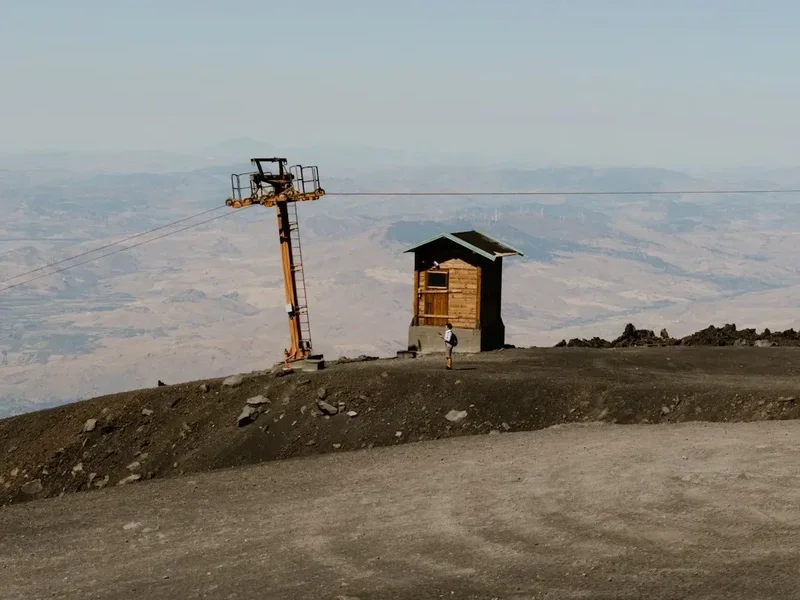
Mount Etna Summit Trail: A Challenging Day Hike
This itinerary assumes a full day dedicated to reaching the summit and returning. It is crucial to start early to maximise daylight and avoid the harshest midday sun.
Early Morning (Approx. 7:00 AM - 8:00 AM): Arrival and Preparation at Sapienza Refuge
- Arrive at Rifugio Sapienza (1,910 m). This is the primary starting point and a hub for services.
- Final gear check: Ensure you have sufficient water, food, warm layers, sun protection, and sturdy footwear.
- Arrange 4x4 transfer or guide if not hiking the entire way from Sapienza Refuge. Note: The official summit craters are often only accessible with a certified guide and may require a 4x4 transfer to a higher starting point.
- If starting the hike from Sapienza Refuge, begin your ascent.
Morning (Approx. 8:00 AM - 12:00 PM): Ascent through Volcanic Landscapes
- The trail initially follows marked paths through fields of solidified lava and ash.
- You will pass numerous smaller craters and lava flows from past eruptions.
- The terrain is rugged and uneven, requiring careful footing.
- Elevation gain is significant, and the gradient can be steep in sections.
- Look for hardy vegetation, such as Etna broom (Genista aetnensis), that has adapted to the volcanic soil.
- If using a 4x4 transfer, you might start from a higher point, significantly reducing the hiking distance and elevation gain.
Midday (Approx. 12:00 PM - 2:00 PM): Reaching Higher Altitudes and Summit Area
- As you ascend, the landscape becomes more barren and dramatic.
- You will reach areas with active fumaroles (steam vents), indicating the volcano's geothermal activity.
- The views across Sicily and the Ionian Sea become increasingly expansive.
- Depending on current volcanic activity and regulations, you may reach the vicinity of the main summit craters (e.g., Torre del Filosofo, craters of the 2002 eruption).
- Note: Access to the absolute summit craters is often restricted and requires a licensed guide. This itinerary assumes reaching the highest accessible points via marked trails or with a guide.
- Take a break for lunch, enjoying the unique surroundings.
Afternoon (Approx. 2:00 PM - 5:00 PM): Descent and Return to Sapienza Refuge
- Begin your descent. The descent can be as challenging as the ascent, with loose scree and uneven ground.
- Consider taking a slightly different route down if possible, to experience new perspectives of the volcanic formations.
- Continue to be mindful of footing and conserve energy.
- Return to Rifugio Sapienza.
Late Afternoon (Approx. 5:00 PM onwards): Post-Hike Relaxation
- Relax at Rifugio Sapienza, perhaps enjoying a well-deserved drink or meal.
- Reflect on the incredible experience of walking on one of the world's most active volcanoes.
- Arrange onward transportation back to Catania or your accommodation.
Important Considerations:
- This is a challenging hike. Good physical fitness is essential.
- Always check current volcanic activity and access restrictions with local authorities or guides before your hike.
- Weather can change rapidly; be prepared for all conditions.
- Carry plenty of water (at least 2-3 litres per person) and high-energy snacks.
- Sturdy, broken-in hiking boots are mandatory.
- Consider hiring a certified mountain guide for summit access, especially if you are unfamiliar with volcanic terrain or if access to specific craters is restricted.
Planning and Bookings
Book Your Trip
Everything you need to plan your journey
Accommodation
Find places to stay near Catania
Flights
Search flights to Catania
Essential Preparation
Mount Etna is a formidable natural wonder, and preparation is key to a safe and enjoyable summit attempt. The closest major city and transport hub is Catania, which has an international airport (CTA). From Catania, you can reach Nicolosi, a town at the base of Etna, via AST buses (approximately 1 hour). Nicolosi is a common starting point for organised tours and 4x4 transfers to the Sapienza Refuge. Alternatively, you can drive from Catania to Rifugio Sapienza, which takes about 1.5 hours. Parking is available at the refuge, though it can be busy during peak season.
For those aiming for the summit craters, it is highly recommended to book a guided tour or a 4x4 transfer in advance. These services depart from Rifugio Sapienza and take you to higher starting points, significantly reducing the hiking time and effort required. Independent hiking to the absolute summit craters is often restricted due to safety regulations and the dynamic nature of the volcano. Always verify current access rules and consider booking with a reputable local guide service well in advance, especially during the popular summer months.
Physical fitness is paramount. The trail involves a significant elevation gain over a relatively short distance, with steep and uneven terrain. Ensure you are comfortable with sustained uphill walking for several hours. Acclimatisation to altitude, while not as critical as on much higher mountains, can still be beneficial. Starting early in the day is crucial to avoid the heat and potential afternoon thunderstorms.
Trail Accommodation
This is a day hike requiring no overnight accommodation. The primary base for accessing the Mount Etna Summit Trail is the Rifugio Sapienza, located at an altitude of 1,910 metres. The refuge offers basic accommodation, a restaurant, and facilities for hikers. It serves as a convenient starting point for guided tours and 4x4 transfers to higher elevations. There are no official campsites or designated shelters along the summit trail itself; all hiking is typically completed within a single day.
Required Gear
- Sturdy Hiking Boots: Waterproof, with good ankle support and excellent grip. The volcanic terrain is rough and uneven.
- Layered Clothing: Temperatures can vary significantly with altitude and weather. Bring a moisture-wicking base layer, an insulating mid-layer (fleece or down jacket), and a waterproof and windproof outer shell.
- Waterproof Overtrousers: Essential for protection against wind and rain, which can occur suddenly.
- Warm Hat and Gloves: Even in summer, the summit can be cold and windy.
- Sun Protection: High SPF sunscreen, sunglasses, and a wide-brimmed hat are crucial due to the intense sun at altitude and the reflective nature of volcanic rock.
- Head Torch: With spare batteries, in case of an early start or late finish.
- First Aid Kit: Including blister treatment, pain relievers, antiseptic wipes, and any personal medications.
- Navigation Tools: While the main trails are generally well-marked, a map, compass, or GPS device is advisable, especially if venturing off the most common routes or in poor visibility.
- Trekking Poles: Highly recommended for stability on the steep, loose terrain, both for ascent and descent.
What to Bring
- Water: Carry at least 2-3 litres of water per person. Refill points are scarce.
- Food: High-energy snacks and a packed lunch. There are limited food options on the trail itself, though the Rifugio Sapienza offers refreshments.
- Water Treatment: While water sources may exist, it is advisable to carry a water filter or purification tablets as a backup.
- Toiletries: Biodegradable soap, toothbrush, toothpaste, hand sanitiser.
- Personal Items: Camera, mobile phone (limited signal at altitude), power bank.
- Small Backpack: A comfortable daypack (20-30 litres) to carry your essentials.
- Cash: For potential purchases at the refuge or for guides/transfers.
Permits
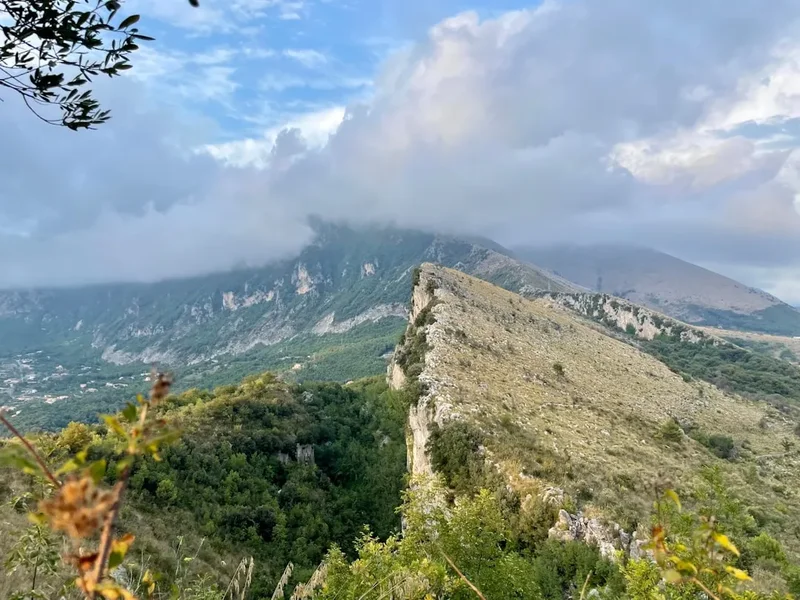
Access to the summit craters of Mount Etna is subject to regulations that can change based on volcanic activity and safety assessments by the authorities. While hiking to the Rifugio Sapienza and surrounding areas is generally free and open, reaching the highest active craters often requires a permit and must be done with a certified mountain guide.
Summit Access Regulations:
- Independent Hiking: Hiking independently is permitted up to certain altitudes, typically around the Torre del Filosofo (around 2,900 metres) or the craters from the 2002 eruption, depending on current conditions.
- Guided Tours: To access the summit craters (around 3,350 metres), it is mandatory to be accompanied by a licensed Etna mountain guide. These guides are knowledgeable about the volcano's behaviour and ensure safe passage.
- 4x4 Transfers: Guided tours often include a 4x4 vehicle transfer from Rifugio Sapienza to a higher starting point, reducing the hiking distance and time.
Booking Guides and Transfers:
- It is highly recommended to book guided tours and 4x4 transfers in advance, especially during the peak tourist season (May to September).
- Numerous tour operators offer these services, departing from Rifugio Sapienza or Nicolosi.
- Prices vary depending on the duration, the extent of the tour, and whether a 4x4 transfer is included. Expect costs to range from €30 to €100 or more per person.
Permit Costs:
- There is typically no separate permit fee for independent hiking to accessible areas.
- The cost of guided tours and 4x4 transfers includes the necessary authorisation for accessing restricted zones.
Checking Current Conditions:
- Before your visit, it is essential to check the official Etna National Park website or contact local information points for the latest information on volcanic activity, access restrictions, and recommended safety measures.
- The Parco dell'Etna website (often available in Italian and English) is a good resource.
Other Activities in the Area
Beyond the summit hike, the Mount Etna region offers a wealth of activities and experiences:
- Exploring the Sapienza Refuge Area: Even if not attempting the summit, the area around Rifugio Sapienza is fascinating. You can walk to the Silvestri Craters (formed in 1892), which are easily accessible and offer stunning views.
- Wine Tasting: The fertile volcanic slopes of Etna are renowned for their unique wines, particularly Nerello Mascalese and Carricante. Numerous wineries offer tours and tastings, providing an excellent opportunity to sample local produce.
- Exploring Etna's Slopes by Cable Car and 4x4: For those seeking a less strenuous way to experience the upper reaches, the Etna cable car (Funivia dell'Etna) takes you to around 2,500 metres, from where 4x4 buses continue to higher points, often with a guide.
- Visiting Etna's Lava Caves: Explore some of the many lava tubes and caves that dot the volcano's flanks, such as the Grotta dei Lamponi or Grotta del Gelo. Guided tours are often required for safety.
- Hiking Lower Slopes and Nature Reserves: The lower slopes of Etna are covered in ancient forests and offer numerous hiking trails through nature reserves like the Bosco di Linguiti or the Parco dell'Etna.
- Exploring Sicilian Towns: Use Etna as a base to explore charming nearby towns like Nicolosi, Zafferana Etnea, and Linguaglossa, each offering local culture, cuisine, and crafts.
- Catania City Exploration: Spend time in the vibrant city of Catania, exploring its Baroque architecture, bustling markets, and rich history.
Safety and Conditions
Volcanic Activity: Mount Etna is one of the world's most active volcanoes. While eruptions are often effusive (lava flows) and predictable, explosive events can occur. Always check the latest bulletins from the Istituto Nazionale di Geofisica e Vulcanologia (INGV) and local park authorities regarding current activity levels and any associated risks. Access to certain areas may be restricted or prohibited without a guide.
Weather: Weather on Etna can change rapidly and dramatically. Be prepared for strong winds, sudden temperature drops, fog, and rain, even during summer. The summit can be significantly colder than the base. Always check the mountain forecast (e.g., from MetService or local Italian meteorological services) before and during your hike.
Terrain: The volcanic terrain is rugged, uneven, and can be unstable. Loose scree, sharp lava rocks, and steep slopes are common. Sturdy, broken-in hiking boots are essential to prevent injuries. Trekking poles can provide stability and reduce strain on your knees.
Altitude: While not extremely high by global standards, the altitude (up to 3,350 metres) can affect some individuals. Ascend gradually if possible, stay hydrated, and be aware of symptoms of altitude sickness (headache, nausea, dizziness). If symptoms occur, descend immediately.
Hydration and Nutrition: Carry ample water (at least 2-3 litres per person) and high-energy food. There are very few opportunities to replenish supplies on the trail. Dehydration and fatigue can increase the risk of accidents.
Guides: For summit access, using a certified mountain guide is not only mandatory but also highly recommended for safety and to gain a deeper understanding of the volcano's geology and history. Guides are equipped to handle changing conditions and know the safest routes.
Emergency Contacts: Know the local emergency numbers. In Italy, the general emergency number is 112. Ensure your mobile phone is fully charged and consider carrying a power bank.
Insurance: Ensure you have adequate travel insurance that covers hiking activities and potential medical evacuation.
Side Trips and Points of Interest
Silvestri Craters: Located near Rifugio Sapienza, these two extinct craters were formed during the 1892 eruption. They are easily accessible via a short walk from the refuge and offer a fantastic introduction to Etna's volcanic features. Walking around the rims provides excellent views of the surrounding landscape and the lower slopes of the volcano.
Torre del Filosofo: This is a former meteorological station and a common turning point for independent hikers. It sits at approximately 2,900 metres and offers spectacular panoramic views. From here, the terrain becomes more challenging, and access to the higher craters is typically restricted without a guide.
Craters of the 2002 Eruption: The eruption of 2002 significantly reshaped the summit area. Remnants of these craters and extensive lava flows are visible and often part of guided tours. The stark, fresh lava fields are a powerful reminder of Etna's recent activity.
Fumaroles and Geothermal Activity: As you ascend, you will likely encounter areas with active fumaroles, where steam and volcanic gases are released from the ground. These are fascinating indicators of the heat and energy beneath the surface.
Etna's Flora: Despite the harsh volcanic environment, life finds a way. Look for hardy plants like the Etna broom (Genista aetnensis), various species of wildflowers, and mosses that have adapted to colonise the volcanic ash and lava. The contrast between the stark rock and vibrant plant life is a unique feature.
Panoramic Views: The summit trail offers increasingly breathtaking views as you gain altitude. On clear days, you can see the entire eastern coast of Sicily, the city of Catania, the Strait of Messina, and even the Calabrian coast of mainland Italy. The Ionian Sea stretches out to the horizon.
Leave No Trace
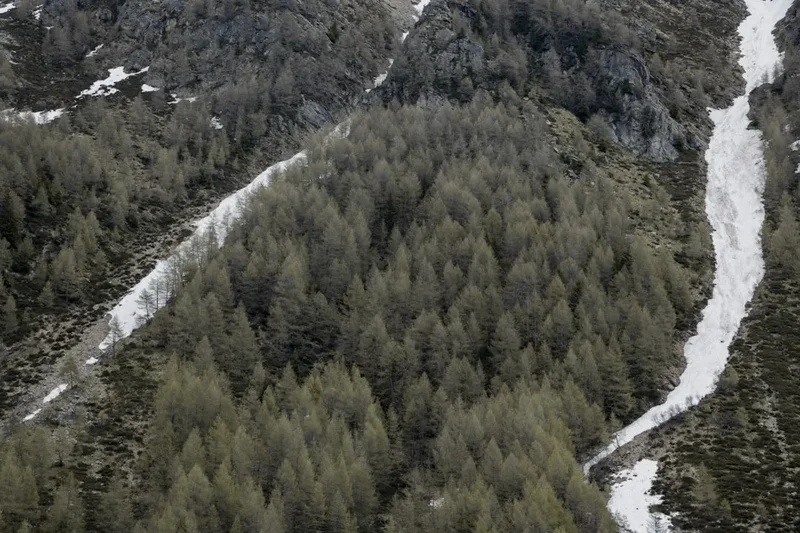
Mount Etna is a unique and fragile natural environment, a UNESCO World Heritage site that demands respect and responsible stewardship. Adhering to Leave No Trace principles is crucial to preserving its geological and ecological integrity for future generations.
Plan Ahead and Prepare: Research current conditions, volcanic activity, and weather forecasts. Book guides and transfers in advance if needed. Pack appropriate gear to be self-sufficient.
Travel and Camp on Durable Surfaces: Stick to marked trails and designated paths. The volcanic terrain is easily eroded, and off-trail travel can damage fragile vegetation and soil. Avoid walking on fresh lava flows or near active fumaroles unless with a guide.
Dispose of Waste Properly: Pack out everything you pack in. This includes all food scraps, wrappers, and any other litter. There are no waste disposal facilities on the mountain. Use designated toilets where available (e.g., at Rifugio Sapienza).
Leave What You Find: Do not collect rocks, minerals, or plant specimens. These are part of the natural environment and should be left for others to enjoy and for scientific study.
Minimise Campfire Impacts: Campfires are generally not permitted on Mount Etna due to fire risk and the fragile environment. If you are staying at Rifugio Sapienza, use their facilities.
Respect Wildlife: Observe any wildlife from a distance. Do not feed animals, as this can disrupt their natural behaviour and diet.
Be Considerate of Other Visitors: Keep noise levels down, especially in shared areas. Yield to others on narrow trails. Respect the guides and their instructions.
By following these principles, you help ensure that Mount Etna remains a spectacular and accessible natural wonder for all.
 Italy
Italy