
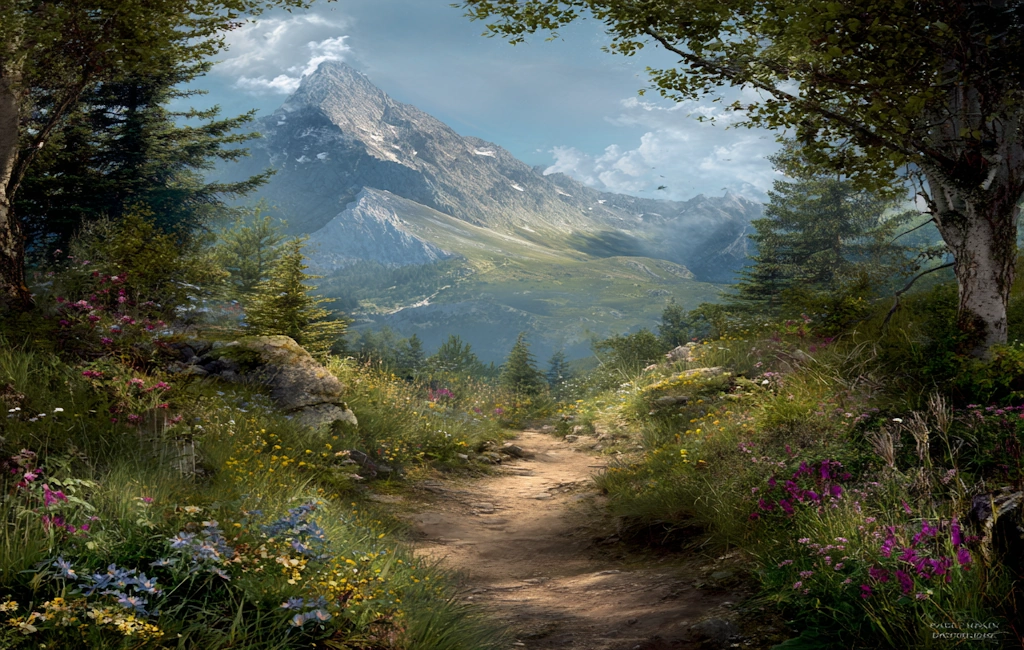
Mount Daisen Ascent - A Challenging Day Hike
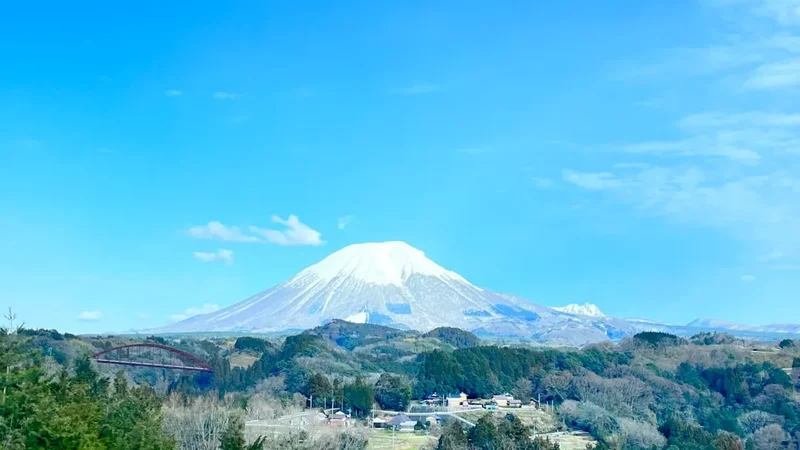
Mount Daisen, the "Matterhorn of Japan," is an iconic stratovolcano located in Tottori Prefecture, Japan. Standing at 1,721 metres, it is the highest peak in the Chūgoku region and a sacred mountain with a rich history of religious pilgrimage. The ascent offers a demanding yet rewarding day hike, traversing diverse landscapes from dense forests to alpine meadows and rocky summit ridges. Its distinctive, often snow-capped peak dominates the surrounding countryside, making it a prominent landmark visible from afar. The mountain is part of the Daisen-Oki National Park, renowned for its natural beauty and cultural significance.
- Distance: 9.0 km (one-way to summit)
- Elevation Gain: 1100 m
- Duration: 6-8 hours (round trip)
- Season: May to October (summit accessible, snow possible outside these months)
- Difficulty: Challenging
- Closest City: Yonago
- Trailhead Access: Daisenji Temple area
- Permits: Not required for day hiking
Overview
The ascent of Mount Daisen is a classic day hike that provides a significant physical challenge coupled with breathtaking panoramic views. The trail begins in the verdant lower slopes, often passing through ancient cedar forests and alongside the historic Daisenji Temple complex. As you gain altitude, the vegetation transitions, opening up to alpine meadows dotted with wildflowers during the warmer months. The final section of the hike involves a steeper, more rugged climb over scree and rocky outcrops, culminating in a rewarding summit experience. The summit area itself is a series of peaks, with the true summit being Muro-no-uchi (1,721 m). From the top, on a clear day, you can see the Sea of Japan, the Shimane Peninsula, and even the distant peaks of the Japanese Alps. The descent offers a different perspective on the mountain's grandeur and the surrounding landscape.
Mount Daisen's geological history as a stratovolcano has shaped its dramatic topography. The mountain is not a single, smooth cone but rather a complex volcanic structure with multiple peaks and craters. This varied terrain contributes to the challenging nature of the hike, requiring good stamina and sure-footedness, especially on the upper sections. The mountain's cultural significance as a sacred site adds another layer to the experience, with numerous shrines and historical markers along the route, particularly near the base at Daisenji.
The hike is best undertaken during the late spring, summer, and early autumn months when snow has receded from the upper trails and the weather is generally more stable. However, mountain weather can change rapidly, and visitors should always be prepared for cooler temperatures, wind, and rain, even during peak season. The combination of physical exertion, stunning natural scenery, and cultural heritage makes the Mount Daisen ascent a memorable adventure for experienced day hikers.
History and Cultural Context
Mount Daisen has been a sacred mountain for centuries, revered as a dwelling place of deities and a site for religious asceticism. Its history is deeply intertwined with Shugendō, a syncretic Japanese religion that combines elements of Buddhism, Shintoism, and folk beliefs, focusing on mountain asceticism. The Daisenji Temple, located at the mountain's base, is a significant Buddhist temple founded in the Nara period (710–794 AD). It has been a centre for Shugendō practitioners and a pilgrimage destination for centuries, attracting worshippers from across the region.
The mountain's name, "Daisen," is often interpreted as "Great Shrine" or "Great Mountain," reflecting its spiritual importance. Historically, access to the upper reaches of the mountain was restricted to ascetics and pilgrims. The trails were developed and maintained by religious orders and local communities to facilitate these journeys. The routes taken by pilgrims often followed the paths that are now used by modern hikers, though the infrastructure has evolved over time.
In the Meiji era (1868–1912), with the separation of Shinto and Buddhism, Daisenji Temple underwent changes, but its spiritual significance persisted. The mountain became a popular destination for nature lovers and hikers in the 20th century, especially after the establishment of Daisen-Oki National Park in 1936. The park designation helped to preserve the natural environment and promote responsible tourism. Today, Mount Daisen continues to be a place of spiritual significance and a premier destination for outdoor recreation in western Japan, drawing both religious visitors and hikers seeking a challenging ascent and spectacular views.
Seasonal Highlights and Weather Reality
The hiking season for Mount Daisen typically runs from May to October. During this period, the trails are generally free of snow, and the weather is more conducive to climbing. However, it is crucial to remember that mountain weather is unpredictable.
Spring (May - June): As the snow melts, the lower slopes begin to bloom. Alpine flowers start to appear in the meadows, and the forests are lush and green. Temperatures are moderate, but higher elevations can still be cool, and late snowfalls are possible. This is a good time for hikers who prefer fewer crowds and enjoy the fresh greenery.
Summer (July - August): This is the peak hiking season. The weather is generally warmer, and the mountain is often clear, offering excellent visibility from the summit. However, summer can also bring humidity, occasional thunderstorms, and the presence of insects. The alpine meadows are in full bloom, creating a vibrant spectacle of colours.
Autumn (September - October): Autumn is a spectacular time to hike Mount Daisen, particularly for the autumn foliage. The forests transform into a riot of reds, oranges, and yellows. The air is crisp and cool, and the visibility from the summit is often excellent. However, temperatures can drop significantly, and early snow can occur towards the end of October.
Winter (November - April): Mount Daisen is a popular destination for winter sports, including skiing and snowboarding, in the lower areas. The upper trails are typically covered in deep snow and ice, making them accessible only to experienced mountaineers with appropriate winter gear and skills (ice axe, crampons, avalanche safety knowledge). For day hikers, winter ascents are generally not recommended due to extreme conditions and avalanche risk.
Weather Reality: Regardless of the season, always be prepared for rapid weather changes. Wind can be strong at higher elevations, and temperatures can drop significantly. Rain is common, and fog can reduce visibility to near zero. Checking the mountain forecast immediately before your hike is essential.
Recommended Itinerary
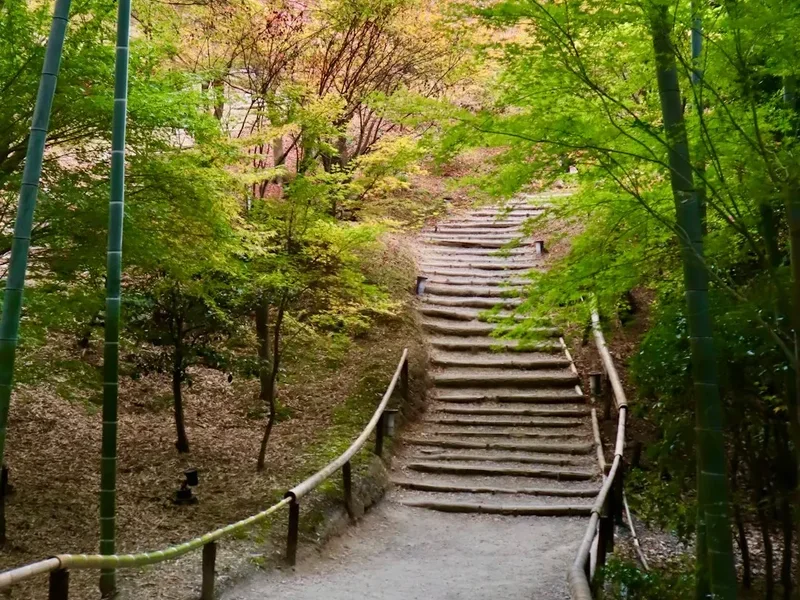
Mount Daisen Ascent - Day Hike Itinerary
Early Morning (Approx. 7:00 AM - 8:00 AM): Arrival and Preparation
- Arrive at the Daisenji Temple area or the Daisen Information Centre.
- Utilise restroom facilities and finalise gear checks.
- Review trail maps and current weather conditions.
- Begin the hike from the trailhead near Daisenji Temple.
Morning (Approx. 8:00 AM - 11:00 AM): Forest Ascent
- Follow the well-marked trail through the dense cedar forests.
- The initial section is often paved or has wooden boardwalks, gradually transitioning to a dirt path.
- Pass by Daisenji Temple and other historical sites.
- The gradient begins to increase steadily.
- Enjoy the cool, shaded environment of the forest.
Midday (Approx. 11:00 AM - 1:00 PM): Transition to Alpine Meadows
- Emerge from the treeline into open alpine meadows.
- The trail becomes steeper and more exposed.
- Observe the changing vegetation and potential for wildflowers (in season).
- Take breaks to hydrate and enjoy the expanding views.
- The path may become rockier and involve some scrambling.
Afternoon (Approx. 1:00 PM - 3:00 PM): Summit Push and Exploration
- The final ascent to the summit ridge.
- This section is the most challenging, with steep gradients and loose scree or rocky terrain.
- Navigate carefully, using hands for balance if necessary.
- Reach the summit area (Muro-no-uchi, 1,721 m).
- Spend time at the summit, taking in the panoramic views (weather permitting).
- Photograph the surrounding landscape and landmarks.
Late Afternoon (Approx. 3:00 PM - 6:00 PM): Descent and Return
- Begin the descent, taking care on the steep and potentially loose sections.
- The descent can be as challenging as the ascent, especially for knees.
- Retrace your steps through the alpine meadows and forest.
- Arrive back at the Daisenji Temple area.
- Allow ample time for the descent, as it can take as long as the ascent.
Important Notes:
- This is a challenging day hike requiring good physical fitness.
- Start early to allow ample time and avoid afternoon thunderstorms.
- Carry sufficient water and high-energy snacks.
- Be prepared for rapidly changing weather conditions.
- Wear sturdy hiking boots with good ankle support.
Planning and Bookings
Book Your Trip
Everything you need to plan your journey
Accommodation
Find places to stay near Yonago
Flights
Search flights to Yonago
Essential Preparation
Mount Daisen is a popular day hike, and while no advance bookings are required for the trail itself, proper preparation is key to a safe and enjoyable experience. The closest major city is Yonago, which serves as a convenient base for accessing the mountain. From Yonago Station, the Daisen Loop Bus provides regular service to the Daisenji Temple area, the primary trailhead. The bus journey takes approximately 50 minutes. For those driving, limited parking is available near Daisenji Temple, but it can fill up quickly during peak season. It is advisable to check bus schedules in advance, especially if travelling outside of peak tourist times. Ensure you have a reliable way to get to and from the trailhead. Familiarise yourself with the trail route using maps or GPS devices, as mobile phone reception can be intermittent on the mountain.
Trail Accommodation
This is a day hike requiring no overnight accommodation.
Required Gear
- Hiking Boots: Sturdy, waterproof hiking boots with good ankle support are essential. Ensure they are well broken-in to prevent blisters.
- Waterproof Jacket: A high-quality waterproof and windproof jacket is crucial. Mountain weather can change rapidly, and rain and strong winds are common.
- Waterproof Overtrousers: Essential for protection against rain and wind, especially at higher elevations.
- Layers of Clothing: Pack synthetic or merino wool base layers, an insulating mid-layer (fleece or down jacket), and an outer shell. Avoid cotton, as it retains moisture and can lead to hypothermia.
- Head Torch: With spare batteries. Even for a day hike, starting early or finishing late due to unexpected delays means you might need light.
- Navigation Tools: A map of the Daisen area, a compass, and a GPS device or smartphone with offline maps are highly recommended.
- First Aid Kit: A comprehensive kit including blister treatment, bandages, antiseptic wipes, pain relievers, and any personal medications.
- Sun Protection: Sunscreen (SPF 50+), sunglasses, and a wide-brimmed hat or cap. The sun can be intense at higher altitudes, even on cloudy days.
- Backpack: A comfortable daypack (20-30 litres) to carry your essentials.
What to Bring
- Food: High-energy snacks such as energy bars, nuts, dried fruit, and sandwiches. Pack more than you think you will need.
- Water: Carry at least 2-3 litres of water per person. Water sources on the mountain may be available but should be treated (filtered or purified) before drinking.
- Water Treatment: A water filter or purification tablets are recommended if you plan to refill from natural sources.
- Toiletries: Biodegradable soap, toothbrush, toothpaste, hand sanitiser, and toilet paper. Pack out all used toilet paper.
- Insect Repellent: Especially important during summer months to ward off biting insects.
- Trekking Poles: Optional but highly recommended for reducing strain on knees during ascents and descents.
- Emergency Shelter: A lightweight emergency blanket or bivvy bag can be a lifesaver in an unexpected situation.
- Mobile Phone: Fully charged, with emergency contact numbers saved.
- Cash: For bus fares, potential purchases at Daisenji, or emergency use.
Permits
No specific permits are required for day hiking on Mount Daisen. The mountain is part of the Daisen-Oki National Park, and general access is permitted. However, it is important to adhere to park regulations and guidelines to ensure the preservation of the natural environment and the safety of visitors. Always stay on marked trails to avoid damaging fragile vegetation and to prevent getting lost. Respect any signage or closures that may be in place due to weather conditions or maintenance work.
While no permits are needed for the hike itself, if you plan to engage in activities such as camping (which is generally restricted to designated campgrounds outside the immediate hiking routes) or other specific recreational pursuits, it is advisable to check with the local national park authority or tourism information centre for any specific regulations or requirements.
Other Activities in the Area
The region surrounding Mount Daisen offers a variety of activities for visitors:
- Daisenji Temple: Explore the historic Daisenji Temple complex at the base of the mountain. It is a significant Buddhist site with beautiful architecture and a rich history.
- Daisen Museum of Art: Located near the temple, this museum showcases a collection of art, including works inspired by Mount Daisen and the surrounding landscape.
- Daisen Ski Resort: During winter months, the lower slopes of Mount Daisen transform into a popular ski resort, offering opportunities for skiing and snowboarding.
- Hiking in the Surrounding Area: Beyond the main ascent, there are numerous other trails and walking paths in Daisen-Oki National Park, offering different perspectives of the mountain and its diverse ecosystems.
- Cycling: The roads around Mount Daisen are popular with cyclists, offering scenic routes with varying gradients.
- Local Cuisine: Sample local Tottori Prefecture specialities, such as delicious pears, sand dune grapes, and fresh seafood.
- Onsen (Hot Springs): Relax and rejuvenate in one of the local onsen facilities after a day of hiking.
Safety and Conditions
Pre-Hike Checks:
- Weather Forecast: Always check the most up-to-date mountain weather forecast for Mount Daisen before you depart. Websites like the Japan Meteorological Agency (JMA) or local tourism sites provide detailed forecasts. Be aware of wind speed, precipitation, and temperature at higher altitudes.
- Trail Conditions: While generally well-maintained, trail conditions can change due to weather. Check with the Daisen Information Centre or local authorities for any reported hazards or closures.
- Personal Fitness: Mount Daisen is a challenging hike with significant elevation gain. Ensure you are physically fit and have experience with strenuous day hikes.
On the Trail:
- Stay on Marked Trails: To prevent getting lost and to protect the fragile alpine environment, always stick to the designated paths.
- Carry Sufficient Water and Food: Dehydration and lack of energy can be serious issues. It is better to carry too much than too little.
- Be Prepared for Rapid Weather Changes: Fiordland's weather is notorious for its unpredictability. Hypothermia is a risk even in summer if you get wet and cold.
- Navigation: Even on well-marked trails, carry a map and compass or GPS device. Fog can descend quickly, reducing visibility to mere metres.
- Communicate Your Plans: Inform someone of your hiking plans, including your intended route and estimated return time.
- Emergency Contacts: Know the local emergency numbers. In Japan, the general emergency number is 110 for police and 119 for fire and ambulance.
- Respect Wildlife: Observe any wildlife from a distance and do not feed them.
Specific Hazards:
- Steep and Rocky Terrain: The upper sections of the trail can be steep, loose, and require careful footing.
- Wind: The summit ridge can be very exposed to strong winds, making progress difficult and increasing the risk of falls.
- Snow and Ice: Outside the main hiking season (May-October), snow and ice can make the trail treacherous and impassable without specialised equipment and experience.
- Thunderstorms: Summer afternoons can bring sudden thunderstorms. If you hear thunder or see lightning, descend immediately to a lower elevation and seek shelter away from exposed ridges and tall trees.
Side Trips and Points of Interest
Daisenji Temple Complex: Before or after your hike, take time to explore the historic Daisenji Temple. Founded in the 8th century, it is a significant religious site with impressive temple buildings, pagodas, and statues. The surrounding area is also home to smaller shrines and historical markers that offer insights into the mountain's spiritual heritage.
Daisen Summit Area: The summit of Mount Daisen is not a single point but a small plateau with several peaks. The main summit is Muro-no-uchi (1,721 m). Other notable peaks include Kengamine (1,711 m) and Goryodake (1,709 m). Exploring the summit area allows for different vantage points and a sense of accomplishment.
Alpine Meadows: During the summer months, the meadows on the upper slopes of Daisen are carpeted with a variety of alpine wildflowers. These areas offer beautiful photographic opportunities and a chance to appreciate the mountain's delicate ecosystem.
Panoramic Views: On a clear day, the views from the summit are spectacular. To the north, you can see the Sea of Japan and the Shimane Peninsula. To the south, the rolling hills and mountains of the Chūgoku region stretch out. On exceptionally clear days, it is even possible to see as far as the Japanese Alps.
Daisen Loop Bus Route: The bus route itself offers scenic views of the mountain and the surrounding countryside. It passes through charming rural landscapes and provides a good introduction to the region.
Leave No Trace
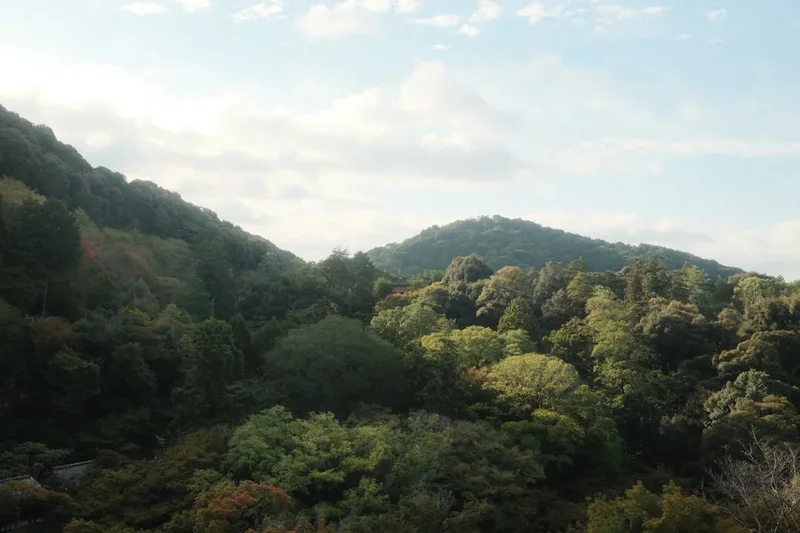
Mount Daisen, as part of Daisen-Oki National Park, is a precious natural environment that requires careful stewardship. Practising Leave No Trace principles ensures that this beautiful mountain remains pristine for future generations of hikers and visitors.
Your responsibility as a hiker:
- Plan Ahead and Prepare: Understand the trail, weather conditions, and any regulations before you go. Pack appropriately for the conditions.
- Travel and Camp on Durable Surfaces: Stick to marked trails. Avoid walking on vegetation, especially in the alpine meadows, which are fragile and slow to recover.
- Dispose of Waste Properly: Pack out everything you pack in, including all food scraps, wrappers, and used toilet paper. Use designated toilets where available, or dig catholes at least 70 metres away from water sources, trails, and campsites if necessary.
- Leave What You Find: Do not take rocks, plants, or any natural or cultural objects. Leave them for others to enjoy.
- Minimise Campfire Impacts: Campfires are generally not permitted on day hikes and should be avoided. If camping is permitted in designated areas, use established fire rings and keep fires small.
- Respect Wildlife: Observe animals from a distance. Never feed them, as it can harm their health and alter their natural behaviours.
- Be Considerate of Other Visitors: Keep noise levels down, yield to uphill hikers, and be courteous to fellow hikers.
By adhering to these principles, you help to preserve the natural beauty and ecological integrity of Mount Daisen and its surrounding national park.
 Japan
Japan