
Mount Coot-tha Trails - Brisbane's Urban Wilderness
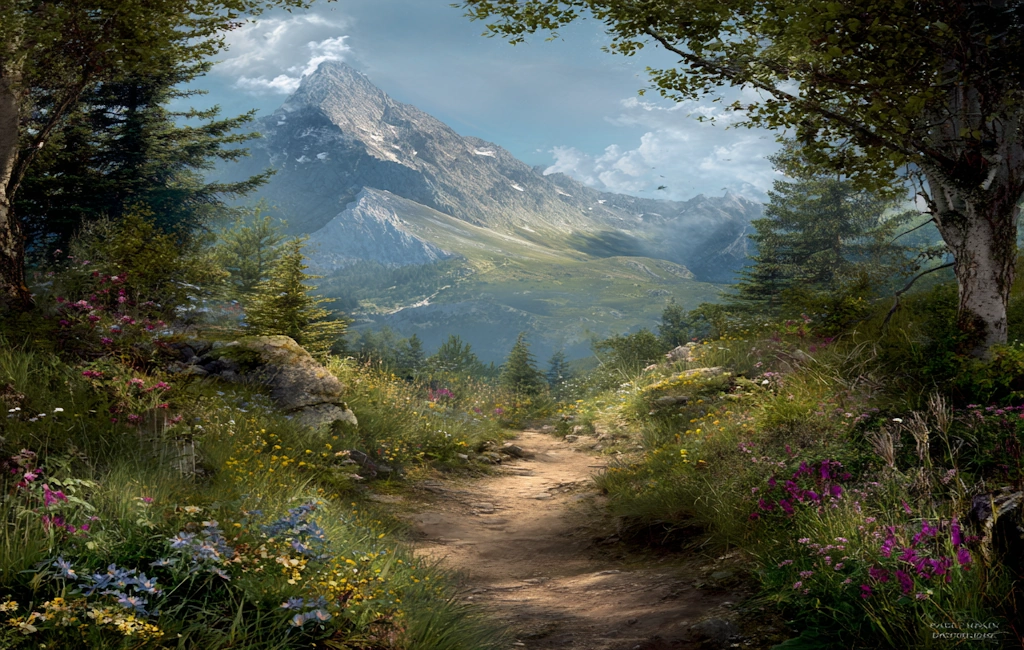
The Mount Coot-tha Trails offer a refreshing escape into nature, right on the doorstep of Brisbane's bustling city centre. This network of walking and mountain biking tracks winds through eucalyptus forests and rainforest gullies, providing a diverse range of experiences for all fitness levels. From gentle strolls to more challenging climbs, these trails showcase the natural beauty of South East Queensland, offering panoramic city views and a chance to spot native wildlife. Whether you're seeking a quick dose of fresh air or a more immersive bushwalking adventure, Mount Coot-tha delivers a convenient and rewarding outdoor experience.
- Distance: Varies by trail, main loop approx. 3.8 km
- Duration: 1-1.5 hours (for main loop)
- Season: Year-round, but Autumn and Spring are most pleasant
- Difficulty: Moderate (for main loop)
- Closest City: Brisbane
- Trailhead Access: J.C. Slaughter Falls Picnic Area, The Gap
- Coordinates: -27.4741, 153.0171
Overview
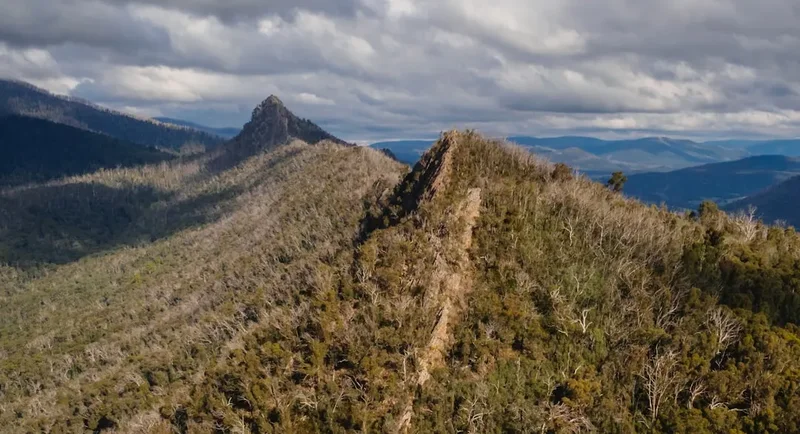
Mount Coot-tha, a prominent landmark on Brisbane's western skyline, is a haven for outdoor enthusiasts. The mountain's network of trails caters to a wide spectrum of users, from casual walkers and families to dedicated hikers and mountain bikers. The most popular route, often referred to as the Summit Track or a combination of interconnected trails, provides a moderate challenge with a rewarding payoff. This approximately 3.8 km loop ascends through lush vegetation, offering glimpses of the city below as you gain elevation. The air is filled with the scent of eucalyptus, and the sounds of native birds create a tranquil atmosphere.
The trails are well-maintained and clearly signposted, making navigation relatively straightforward. Along the way, you'll encounter varied terrain, including some steeper sections that test your stamina and flatter stretches that allow for a more relaxed pace. The summit itself is a major attraction, boasting a viewing platform that provides breathtaking 360-degree views of Brisbane, Moreton Bay, and the surrounding hinterland. This vista is particularly stunning at sunrise and sunset, offering a dramatic contrast between the natural landscape and the urban sprawl.
Beyond the main summit track, a more extensive network of trails branches out, offering opportunities for longer walks and more challenging mountain biking routes. These secondary trails delve deeper into the mountain's diverse ecosystems, including pockets of subtropical rainforest, open eucalyptus woodlands, and rocky outcrops. The biodiversity of Mount Coot-tha is notable, with opportunities to spot wallabies, koalas, various bird species, and reptiles in their natural habitat. The accessibility of Mount Coot-tha, combined with its natural beauty and recreational opportunities, makes it a cherished natural asset for the people of Brisbane and a popular destination for visitors.
History and Cultural Context
The land on which the Mount Coot-tha Trails are situated holds deep cultural significance for the Turrbal and Yugambeh peoples, the Traditional Custodians of the Brisbane region. For millennia, this area was a vital source of food, water, and shelter, and a place for ceremony and connection to Country. The mountain itself, known as 'Coo-ee-dah' or 'Kootcharra' in local Indigenous languages, meaning 'place of honey', reflects its historical importance as a source of nectar and honey from the abundant eucalyptus trees.
European settlement in the mid-19th century saw the area around Mount Coot-tha begin to be cleared for timber and agriculture. However, the mountain's rugged terrain and dense vegetation largely preserved its natural character. In the early 20th century, there was a growing recognition of the need to protect natural spaces within urbanising areas. Mount Coot-tha was eventually designated as a reserve, with efforts made to preserve its ecological integrity and provide public access for recreation.
The development of walking tracks and the establishment of the Brisbane Botanic Gardens Mount Coot-tha on its slopes further cemented its role as a recreational and educational hub. The construction and maintenance of the trail network have evolved over time, with ongoing efforts to balance the needs of walkers, mountain bikers, and conservation. Today, Mount Coot-tha stands as a testament to the enduring natural beauty of the region and its importance to both Indigenous and non-Indigenous communities, offering a vital green lung and a place for recreation and reflection within the urban landscape.
Seasonal Highlights and Weather Reality
Mount Coot-tha offers a pleasant outdoor experience throughout the year, though certain seasons provide more ideal conditions for walking.
Autumn (March to May): This is arguably the best time to visit. The weather is typically mild and dry, with average temperatures ranging from 15°C to 25°C. The humidity drops significantly compared to summer, making hikes more comfortable. The eucalyptus forests are vibrant, and the cooler air is invigorating. This season is ideal for longer walks and enjoying the summit views without the intense heat.
Spring (September to November): Similar to autumn, spring offers pleasant temperatures, generally between 18°C and 28°C. The landscape comes alive with blooming wildflowers, adding splashes of colour to the bushland. The humidity begins to increase towards the end of spring, but it remains a very enjoyable time for outdoor activities. Birdlife is particularly active during this period.
Summer (December to February): Summers in Brisbane can be hot and humid, with average temperatures often exceeding 30°C and sometimes reaching into the high 30s. Rainfall is also more frequent, often in the form of intense afternoon thunderstorms. While walking is still possible, it's advisable to start early in the morning to avoid the peak heat and carry plenty of water. The rainforest sections can offer some respite from the sun, but the open eucalyptus areas can be exposed.
Winter (June to August): Winter is Brisbane's coolest and driest season. Daytime temperatures are generally mild, averaging between 10°C and 20°C, making it very comfortable for walking. Mornings can be cool, sometimes dipping below 10°C, so a light jacket is recommended. The skies are often clear, offering excellent visibility for the summit views. This is a great season for those who prefer cooler weather.
Weather Reality: While the seasons provide general guidance, Brisbane's weather can be unpredictable. Always check the local forecast before heading out. Thunderstorms can develop rapidly, especially during summer and spring, bringing heavy rain and lightning. The summit can be significantly cooler and windier than at the base, so it's wise to be prepared for changing conditions.
Recommended Itinerary
Mount Coot-tha Summit Loop (Approx. 3.8 km)
Early Morning (e.g., 6:00 AM - 7:30 AM)
- Trailhead: J.C. Slaughter Falls Picnic Area
- Activity: Begin your walk as the sun rises. This is an ideal time to avoid the heat and crowds, and to potentially spot native wildlife like wallabies and various bird species. The air is fresh, and the forest is quiet.
- Ascent: The initial part of the trail involves a steady climb through eucalyptus forest. The path is generally well-defined, with some rocky sections and gentle inclines.
Morning (e.g., 7:30 AM - 9:00 AM)
- Mid-Ascent Waypoints: You'll pass through sections of denser vegetation, including some rainforest gullies, offering a contrast to the open woodland. Keep an eye out for ferns and mosses.
- Elevation Gain: Approximately 150 metres of cumulative elevation gain.
- Summit Approach: As you near the summit, the vegetation may change, and you'll start to see more open views through the trees.
Midday (e.g., 9:00 AM - 10:00 AM)
- Summit Arrival: Reach the summit of Mount Coot-tha.
- Key Feature: Mount Coot-tha Summit Lookout. Take time to explore the viewing platforms and absorb the panoramic vistas of Brisbane city, Moreton Bay, and the surrounding mountain ranges.
- Facilities: Public toilets and the Summit Lookout café are available here for refreshments and a place to rest.
Afternoon (e.g., 10:00 AM - 11:30 AM)
- Descent: Begin your descent. You can choose to retrace your steps or opt for a slightly different loop if available and clearly signposted, offering varied scenery on the way down.
- Trail Conditions: The descent can be steep in places, so take care with your footing.
- Return to Trailhead: Arrive back at J.C. Slaughter Falls Picnic Area.
Alternative Itinerary - Extended Walk (e.g., 2-3 hours)
- Start: J.C. Slaughter Falls Picnic Area.
- Route: Combine the Summit Track with sections of the Aboriginal Art Trail or other interconnected trails to create a longer loop. For example, you could ascend via the Summit Track, descend partway, and then explore the Aboriginal Art Trail before returning to the picnic area.
- Focus: This allows for a more immersive experience of the diverse flora and fauna, and a deeper exploration of the mountain's different sections.
Important Notes:
- Wear sturdy walking shoes.
- Carry sufficient water, especially during warmer months.
- Sun protection (hat, sunscreen) is recommended year-round.
- Check weather conditions before you go.
- Be aware of mountain bikers on shared trails.
Planning and Bookings
Book Your Trip
Everything you need to plan your journey
Accommodation
Find places to stay near Brisbane
Flights
Search flights to Brisbane
Essential Preparation
Mount Coot-tha is highly accessible, making preparation straightforward. The primary considerations are your fitness level and the weather. The main summit loop is a moderate walk, suitable for most people with a reasonable level of fitness. For those planning to explore the more extensive trail network, a higher level of fitness may be beneficial. Always check the weather forecast before your visit, as conditions can change rapidly, especially with the possibility of summer thunderstorms.
Base Town/City Information: Brisbane is the closest city, offering a full range of accommodation, dining, and transport options. The Mount Coot-tha summit is approximately a 15-20 minute drive from the Brisbane CBD. Public transport options are available, including bus routes that can take you close to the summit or the Botanic Gardens, from where you can access some trails.
Logistics: Access to the main trailheads, such as J.C. Slaughter Falls Picnic Area and the Brisbane Botanic Gardens Mount Coot-tha, is generally straightforward by car. Ample parking is available at these locations. For those using public transport, research bus routes and schedules in advance.
Trail Accommodation
This is a day hike requiring no overnight accommodation. All trails on Mount Coot-tha are designed for day use, with visitors typically returning to their accommodation in Brisbane or surrounding areas at the end of their excursion.
Required Gear
- Footwear: Sturdy walking shoes or hiking boots with good grip are essential. Trails can be uneven and rocky in places, and good ankle support is recommended for steeper sections.
- Clothing: Lightweight, breathable clothing suitable for the prevailing weather conditions. Layers are advisable, especially for cooler mornings or evenings.
- Rain Gear: A lightweight, waterproof jacket is recommended, particularly during the warmer months when afternoon thunderstorms are common.
- Navigation: While the main trails are well-signposted, a map of the trail network (available from the Brisbane Botanic Gardens or online) or a reliable navigation app on your phone is useful for exploring the wider network. Mobile phone reception is generally good in most areas.
- Safety Gear: A basic first-aid kit for minor injuries, including blister treatment, is always a good idea. A whistle can be useful in emergencies.
What to Bring
- Water: Carry at least 1-2 litres of water per person, especially during warmer months. Hydration is crucial.
- Food: Snacks such as energy bars, fruit, or nuts are recommended to maintain energy levels during longer walks. The Summit Lookout café offers refreshments, but it's wise to have your own supplies.
- Sun Protection: A wide-brimmed hat, sunglasses, and high-SPF sunscreen are essential, as much of the trail network is exposed to the sun, particularly the summit area.
- Insect Repellent: While not usually a major issue, insect repellent can be useful, especially during warmer months or in damper, shaded areas.
- Camera: To capture the stunning city views and the natural beauty of the surroundings.
- Small Backpack: To comfortably carry water, snacks, and other essentials.
Permits
No permits are required for general day walking or hiking on the Mount Coot-tha Trails. The trails are part of a public reserve managed by the Brisbane City Council, and access is free for recreational purposes.
Group Bookings: For larger organised groups, such as school excursions or organised tours, it may be advisable to contact the Brisbane City Council or the Brisbane Botanic Gardens Mount Coot-tha Visitor Information Centre to inform them of your plans, especially if you intend to use picnic facilities. This is not a mandatory permit requirement but a courtesy to ensure facilities are available and to be aware of any specific group guidelines.
Commercial Activities: Any commercial activities, such as guided tours or organised events, will require specific permits and approvals from the Brisbane City Council. These are not applicable to individual walkers or small, informal groups.
Trail Access: The trails are generally open from dawn until dusk. Specific opening and closing times may apply to certain facilities, such as the summit lookout or car parks, so it's worth checking the Brisbane City Council website for any updated information regarding access hours.
Other Activities in the Area
Mount Coot-tha offers a variety of activities beyond just walking:
- Brisbane Botanic Gardens Mount Coot-tha: Explore the diverse themed gardens, including the Japanese Garden, the Tropical Dome, the Australian Plant Gardens, and the Hide 'n' Seek Children's Garden.
- Sir Thomas Brisbane Planetarium: Located within the Botanic Gardens precinct, the Planetarium offers fascinating shows and exhibits about astronomy and space.
- Mount Coot-tha Summit Lookout: Enjoy panoramic views of Brisbane, visit the café, and learn about the local area from the interpretive displays.
- Picnic Areas: Several well-equipped picnic areas, such as J.C. Slaughter Falls andoporosis, offer barbecue facilities and tables, making it a great spot for a family outing.
- Mountain Biking: A dedicated network of mountain biking trails caters to various skill levels, offering a different way to experience the mountain's terrain.
- Aboriginal Art Trail: This short, interpretive walk within the Botanic Gardens showcases Indigenous art and cultural stories.
- Nature Observation: Keep an eye out for native wildlife, including koalas, wallabies, possums, and a wide variety of bird species.
Safety and Conditions
Trail Conditions: The Mount Coot-tha Trails are generally well-maintained. However, after heavy rain, some sections may become slippery or muddy. Always exercise caution, especially on descents.
Weather: Brisbane can experience extreme heat and humidity, particularly during summer. Always check the weather forecast before you go and be prepared for changes. Afternoon thunderstorms are common in the warmer months and can bring heavy rain and lightning. If a storm is approaching, seek shelter immediately, preferably in a building or vehicle, and avoid exposed areas and tall trees.
Wildlife: While Mount Coot-tha is home to native wildlife, it's important to observe them from a distance and never feed them. Koalas can be seen in the eucalyptus trees, and wallabies are often spotted in the early morning or late afternoon. Be aware of snakes, especially during warmer months; give them plenty of space and do not approach them.
Navigation: The main summit loop is clearly signposted. However, if you plan to explore the wider network of trails, it's advisable to carry a map or use a reliable navigation app. Mobile phone reception is generally good throughout the park, but it's always wise to let someone know where you are going and when you expect to return.
Fitness: The main summit loop is a moderate walk. Ensure you are adequately fit for the chosen trail. If you have any health concerns, consult your doctor before undertaking strenuous activity.
Water and Sun Protection: Carry sufficient water, especially during warmer months. Wear a hat, sunglasses, and apply sunscreen to protect yourself from the sun's rays, as many sections of the trail are exposed.
Mountain Bikers: Be aware that many trails are shared with mountain bikers. Always be mindful of your surroundings and give way to cyclists where appropriate, especially on downhill sections.
Side Trips and Points of Interest
Mount Coot-tha Summit Lookout: The primary destination for many visitors. The lookout offers unparalleled 360-degree views of Brisbane, Moreton Bay, the Glass House Mountains, and the Scenic Rim. It's an ideal spot for photography, especially at sunrise or sunset. The complex includes public toilets, a café, and interpretive displays about the area's history and natural environment.
J.C. Slaughter Falls Picnic Area: A popular starting point for many walks, this area features picnic tables, barbecue facilities, and public toilets. It's a great place to begin your exploration or to relax after your hike.
Aboriginal Art Trail: Located within the Brisbane Botanic Gardens Mount Coot-tha, this short, accessible trail features artworks and interpretive signage that highlight the cultural heritage and stories of the local Turrbal and Yugambeh peoples. It provides valuable insight into the deep connection Indigenous Australians have with this land.
Brisbane Botanic Gardens Mount Coot-tha: While not strictly a "side trip" from the walking trails, the extensive Botanic Gardens are adjacent to the trail network and offer a wealth of attractions. Highlights include the Japanese Garden, the Tropical Dome (housing a collection of tropical plants), the Australian Plant Gardens showcasing native flora, and the Hide 'n' Seek Children's Garden. It's a fantastic place to extend your visit and explore diverse plant collections.
CSIRO Lookout: For those exploring the western side of Mount Coot-tha, the CSIRO Lookout offers different perspectives of the surrounding landscape and is often a quieter spot than the main summit.
Leave No Trace
The Mount Coot-tha Trails are a precious natural asset for Brisbane, and it's vital that all visitors practice Leave No Trace principles to help preserve its beauty and ecological integrity for future generations.
Your responsibility as a walker:
- Pack It In, Pack It Out: Carry out all rubbish, including food scraps, wrappers, and any other waste you generate. Do not bury or burn rubbish.
- Stay on Marked Trails: Stick to the designated paths to avoid damaging fragile vegetation, preventing erosion, and minimising disturbance to wildlife habitats. Cutting across switchbacks or creating new paths can cause significant environmental harm.
- Respect Wildlife: Observe native animals from a distance. Never feed them, as this can alter their natural behaviour, make them dependent on humans, and potentially spread disease. Be aware of your surroundings and give wildlife plenty of space.
- Dispose of Waste Properly: Use the provided toilet facilities. If caught in an emergency situation where no toilet is available, dig a cathole at least 70 metres away from water sources, trails, and campsites. Pack out all toilet paper.
- Leave What You Find: Do not take any natural objects, such as rocks, plants, or flowers, from the park. Leave them for others to enjoy and for the ecosystem to thrive.
- Minimise Campfire Impacts: Campfires are generally not permitted on the Mount Coot-tha Trails. If you are using designated picnic areas with barbecues, ensure they are properly extinguished and the area is left clean.
- Be Considerate of Other Visitors: Keep noise levels down, especially in natural areas. Yield to other walkers and cyclists on shared trails.
By adhering to these principles, you contribute to the ongoing health and enjoyment of Mount Coot-tha for everyone.
 Australia