
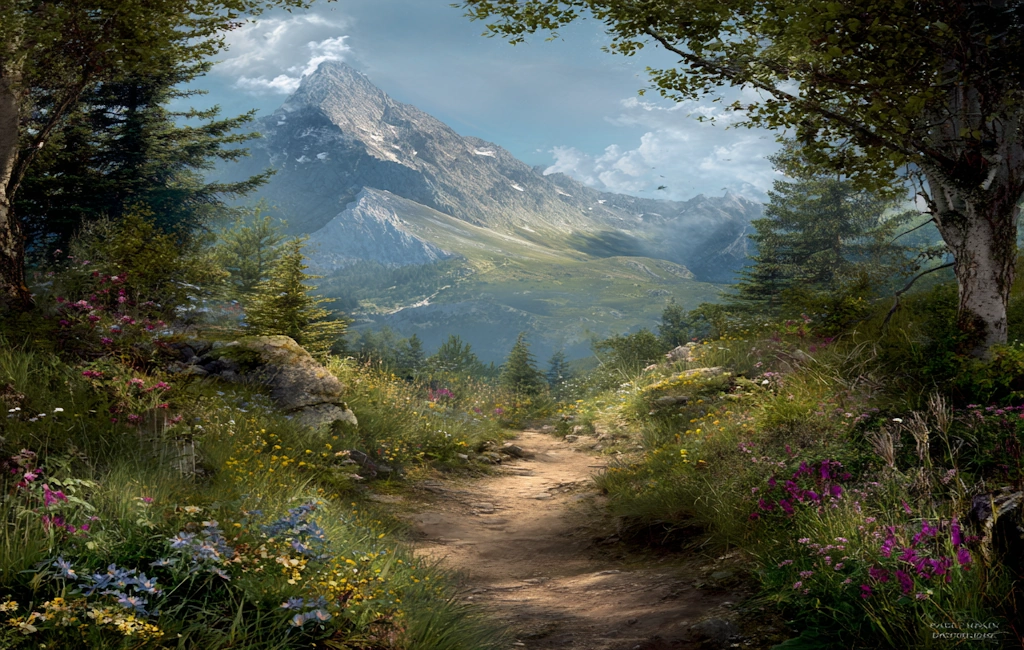
Wolfberg Cracks Trail
The Wolfberg Cracks trail, nestled within the dramatic Cederberg Wilderness Area of South Africa, offers a unique and exhilarating day hike. This route is renowned for its spectacular rock formations, ancient rock art, and breathtaking panoramic views. It's a journey that takes you through a landscape sculpted by wind and water over millennia, culminating in an unforgettable exploration of narrow, winding fissures within massive sandstone cliffs. The trail is a testament to the raw beauty of the Cederberg, a region celebrated for its rugged mountains, unique flora, and rich cultural heritage. This walk is suitable for those with a moderate level of fitness and a spirit of adventure, promising a rewarding experience for nature lovers and hikers alike.
- Category: Day Walk
- Distance: 13.0 km
- Elevation Gain: 750 m
- Duration: 6-8 hours
- Difficulty: Moderate
- Best Time: Autumn and Spring (March-May & September-November)
- Closest City: Citrusdal
- Trailhead Access: Sanddrif Holiday Resort
Overview
The Wolfberg Cracks trail is a captivating day hike that immerses you in the geological wonders and ancient history of the Cederberg Mountains. Starting from the vicinity of Sanddrif Holiday Resort, the trail ascends steadily, offering increasingly spectacular vistas of the surrounding sandstone formations and valleys. The initial part of the hike involves a climb through fynbos vegetation, characteristic of the Cape Floral Kingdom, with occasional glimpses of the imposing Wolfberg Massif. As you gain altitude, the landscape transforms, revealing colossal rock arches, weathered pinnacles, and vast, open plains dotted with hardy succulents and proteas.
The true highlight of the Wolfberg Cracks trail is the exploration of the "Cracks" themselves. These are a series of narrow, vertical fissures within the massive sandstone cliffs, formed by erosion over thousands of years. Navigating these passages requires a degree of agility and a willingness to squeeze through tight spaces, often with the sky visible only as a thin strip far above. The experience is akin to walking through a natural labyrinth, with each turn revealing new, awe-inspiring rock formations and hidden chambers. Some sections may require scrambling or using hands for balance, adding an element of adventure to the hike.
Beyond the geological marvels, the Cederberg region is also significant for its ancient rock art, left behind by the San people who inhabited this area for millennia. While not always directly on the main Wolfberg Cracks path, many trails in the vicinity lead to these sacred sites, offering a profound connection to the area's human history. The trail culminates in reaching the summit area of the Wolfberg, providing unparalleled 360-degree views across the Cederberg Wilderness Area, a truly rewarding experience after the challenging ascent and exploration of the cracks.
History and Cultural Context
The Cederberg Mountains, and specifically the area around the Wolfberg Cracks, hold a deep and ancient history. For thousands of years, this rugged landscape was home to the San people, hunter-gatherers who left an indelible mark on the region in the form of intricate rock art. These paintings, found in numerous caves and overhangs, depict animals, human figures, and abstract symbols, offering a window into the spiritual beliefs, daily lives, and cosmology of these early inhabitants. The San people possessed an intimate knowledge of the land, its resources, and its sacred places, and their presence is still palpable in the quiet solitude of the mountains.
The name "Cederberg" itself refers to the Clanwilliam Cedar (Widdringtonia cedarbergensis), a species once abundant in the region but now critically endangered due to historical over-exploitation for timber and increased fire frequency. The distinctive, aromatic wood of the cedar was highly prized, leading to extensive logging in the 19th and early 20th centuries. Conservation efforts are ongoing to protect and restore the remaining cedar populations, and the presence of these trees, though sparse, is a reminder of the area's unique ecological heritage.
The Wolfberg Massif, with its dramatic sandstone formations, has long been a landmark for travellers and explorers. The specific "Cracks" are a natural phenomenon that has captivated visitors for generations, offering a challenging and adventurous route through the heart of the mountain. The area was proclaimed a Wilderness Area in 1973, ensuring its protection and preservation for its natural beauty, ecological significance, and cultural heritage. Today, the Cederberg Wilderness Area is managed to maintain its pristine state, allowing visitors to experience a landscape that has remained largely unchanged for millennia, a testament to the enduring power of nature and the legacy of its ancient inhabitants.
Seasonal Highlights and Weather Reality
The Cederberg Mountains experience a Mediterranean climate with hot, dry summers and mild, wet winters. The Wolfberg Cracks trail is best enjoyed during the shoulder seasons, when the weather is most conducive to hiking.
Autumn (March-May): This is an ideal time to visit. The intense heat of summer begins to subside, and temperatures become pleasantly mild, typically ranging from 15°C to 25°C. The vegetation starts to recover from the dry summer, and the landscape takes on a golden hue. Rainfall is generally low, making for excellent hiking conditions. The clarity of the air often provides exceptional views across the vast mountain ranges.
Spring (September-November): Spring is another prime season, particularly from September to October. Following the winter rains, the Cederberg bursts into a spectacular display of wildflowers. The normally arid landscape transforms into a riot of colour, with numerous species of proteas, ericas, and other endemic plants blooming. Temperatures are mild, usually between 18°C and 28°C, though late spring can start to heat up. The combination of blooming flowers and pleasant hiking weather makes this a highly sought-after period.
Summer (December-February): Summers in the Cederberg are extremely hot and dry, with daytime temperatures frequently exceeding 35°C and sometimes reaching over 40°C. Hiking during the midday sun is strongly discouraged and can be dangerous due to the risk of heatstroke and dehydration. If hiking in summer, it is essential to start very early in the morning, carry ample water, and be prepared for extreme conditions. The landscape can appear parched and dusty during this period.
Winter (June-August): Winters are mild but can be wet and windy. Daytime temperatures usually range from 10°C to 20°C, but can drop significantly at night, sometimes below freezing, especially at higher altitudes. Rainfall is more common during these months, and while the landscape is greener, trails can become muddy and slippery. The higher peaks may occasionally receive a dusting of snow. While hiking is possible, one must be prepared for changeable weather and cooler conditions.
Weather Considerations: Regardless of the season, weather in mountainous regions can change rapidly. Always check the forecast before setting out and be prepared for unexpected shifts, including strong winds, sudden temperature drops, or brief, intense rain showers, even during drier months.
Recommended Itinerary
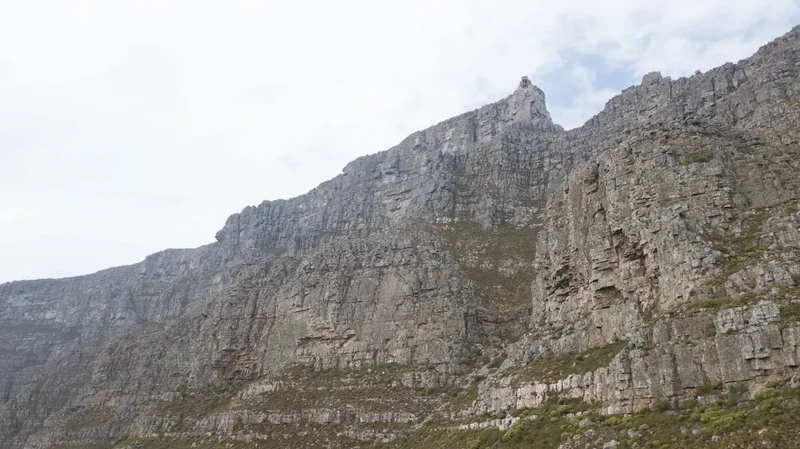
Wolfberg Cracks Day Hike Itinerary
Early Morning (07:00 - 08:00): Arrival and Preparation
- Arrive at Sanddrif Holiday Resort or designated parking area.
- Final gear check and ensure you have sufficient water and snacks.
- Apply sunscreen and insect repellent.
- Obtain any necessary permits or pay entrance fees if applicable.
- Locate the trailhead for the Wolfberg Cracks.
Morning (08:00 - 12:00): Ascent and Initial Exploration
- Begin the hike from the trailhead.
- The initial section involves a steady climb through fynbos and rocky terrain.
- Enjoy the expansive views of the surrounding Cederberg landscape.
- As you approach the Wolfberg Massif, the scale of the rock formations becomes apparent.
- Reach the base of the Wolfberg Cracks.
- Begin navigating the narrow fissures and passages. This section requires careful foot placement and may involve some scrambling.
- Take time to admire the unique geological features and the play of light and shadow within the cracks.
Midday (12:00 - 13:30): Summit Area and Lunch Break
- Emerge from the main crack system into the higher plateau of the Wolfberg.
- Find a sheltered spot with panoramic views for a well-deserved lunch break.
- Soak in the 360-degree vistas of the Cederberg Wilderness Area, including distant mountains and valleys.
- This is an excellent opportunity for photography.
Afternoon (13:30 - 17:00): Descent and Return
- Begin the descent from the Wolfberg summit area.
- Retrace your steps through the Wolfberg Cracks, which may appear different on the way down.
- Continue the descent back towards the trailhead.
- The descent can be steep in places, so take care with your footing.
- Arrive back at the starting point, completing the 13.0 km hike.
Important Notes:
- This is a strenuous day hike with significant elevation gain.
- Carry at least 3-4 litres of water per person, especially during warmer months.
- Wear sturdy hiking boots with good ankle support.
- Sun protection (hat, sunglasses, sunscreen) is essential.
- Be prepared for uneven terrain and scrambling.
- Inform someone of your hiking plans and expected return time.
- Mobile phone reception can be intermittent.
Planning and Bookings
Book Your Trip
Everything you need to plan your journey
Accommodation
Find places to stay near Citrusdal
Flights
Search flights to Citrusdal
Essential Preparation
The Wolfberg Cracks trail is located within the Cederberg Wilderness Area, a protected region managed by CapeNature. While it is a day hike, thorough preparation is crucial due to its remote location and challenging terrain. The closest major town is Citrusdal, approximately a 3-hour drive north of Cape Town. Sanddrif Holiday Resort is the primary access point and offers accommodation and facilities for hikers. It is advisable to book accommodation at Sanddrif or nearby campsites in advance, especially during peak seasons (spring wildflower season and autumn). Ensure your vehicle is in good condition, as the final approach roads can be gravel and uneven. A 4x4 vehicle is not strictly necessary but can provide added comfort on some sections. Familiarise yourself with the weather forecast for the Cederberg region, as conditions can change rapidly. It is also recommended to inform someone of your hiking plans, including your intended route and expected return time.
Trail Accommodation
This is a day hike requiring no overnight accommodation. However, for those wishing to spend more time in the Cederberg, several accommodation options are available near the trailhead:
- Sanddrif Holiday Resort: Offers self-catering cottages, campsites, and a restaurant. It is the most convenient option for accessing the Wolfberg Cracks trail. Booking in advance is highly recommended.
- Driehoek Campsite: Another popular camping option within the Cederberg, offering basic facilities.
- Kromrivier Farm: Provides self-catering cottages and camping.
These facilities are typically booked through CapeNature or directly with the private establishments. Facilities vary but generally include ablution blocks, braai (barbecue) areas, and communal kitchens. No specific trail accommodation exists as it is a day hike.
Required Gear
- Sturdy hiking boots: Waterproof and with good ankle support are essential for navigating rocky and uneven terrain.
- Backpack: A comfortable daypack (20-30 litres) to carry essentials.
- Navigation: A detailed map of the Cederberg Wilderness Area, a compass, and a GPS device or reliable offline map app on your phone. The trail can be challenging to follow in places.
- Headlamp or torch: With spare batteries, in case of unexpected delays or if starting very early/finishing late.
- First-aid kit: Including blister treatment, bandages, antiseptic wipes, pain relievers, and any personal medication.
- Sun protection: Wide-brimmed hat, sunglasses, and high SPF sunscreen.
- Insect repellent: Particularly important during warmer months.
- Emergency shelter: A lightweight emergency blanket or bivvy bag.
- Whistle: For signalling in emergencies.
What to Bring
- Water: Carry a minimum of 3-4 litres of water per person. Water sources on the trail are unreliable and may require purification.
- Food: High-energy snacks such as nuts, dried fruit, energy bars, and sandwiches. Pack enough for a full day's hike, plus extra in case of delays.
- Water treatment: Water filter or purification tablets as a backup.
- Toiletries: Biodegradable toilet paper, hand sanitiser, and a small trowel for burying waste if necessary (though packing out is preferred).
- Clothing: Wear moisture-wicking layers. A long-sleeved shirt and trousers are recommended for sun protection and to guard against scratches from vegetation. A warm fleece or jacket is advisable for cooler mornings or evenings, and for the summit area.
- Camera: To capture the stunning scenery.
- Binoculars: Optional, for wildlife viewing.
- Cash: For park entrance fees, permits, or purchases at Sanddrif.
Permits
Access to the Cederberg Wilderness Area, including the Wolfberg Cracks trail, requires a permit. These permits are typically obtainable from CapeNature, the provincial conservation authority. It is highly recommended to book your permits in advance, especially if you plan to visit during peak seasons (spring wildflower season, autumn, and public holidays). Permits can often be purchased online through the CapeNature website or directly at the Sanddrif Holiday Resort office upon arrival, subject to availability.
Permit Costs:
- Permit fees vary but are generally modest for day visitors. Expect to pay a per-person fee for day access.
- If staying overnight at Sanddrif or other designated campsites, separate accommodation fees will apply.
Booking Recommendations:
- Online Booking: Visit the CapeNature website well in advance of your planned visit to secure your permits and check current fees.
- On-site Purchase: If booking online is not possible, inquire at Sanddrif Holiday Resort upon arrival. However, availability cannot be guaranteed, especially during busy periods.
- Wild Card: Holders of a valid CapeNature Wild Card may have their entrance fees covered, but it is advisable to confirm this with CapeNature.
Important Considerations:
- Always carry a copy of your permit with you while hiking.
- Park rangers may conduct checks, and failure to produce a valid permit can result in fines.
- The Cederberg is a sensitive environment, and permits help manage visitor numbers and contribute to conservation efforts.
Other Activities in the Area
The Cederberg Wilderness Area offers a wealth of activities for visitors beyond the Wolfberg Cracks hike:
- Rock Art Viewing: Numerous sites throughout the Cederberg feature ancient San rock paintings. Trails to places like Sevilla Rock Art Trail, Melrose Rock Art Shelter, and Stadsaal Caves offer fascinating insights into the region's cultural heritage.
- Rock Climbing: The Cederberg is a world-renowned destination for rock climbing, with numerous established routes catering to various skill levels on its distinctive sandstone formations.
- Stargazing: The Cederberg's remote location, minimal light pollution, and clear skies make it an exceptional spot for stargazing. The Cederberg Observatory offers guided tours.
- Other Hiking Trails: Explore a variety of other trails, such as the hike to the Maltese Cross, the Wolfberg Arch, or the various routes around Algeria Forest Station.
- Sanddrif Activities: Sanddrif Holiday Resort often offers activities like swimming in the Dwars River, bird watching, and guided nature walks.
- Clanwilliam Dam: Located near Citrusdal, the dam offers opportunities for water sports and fishing.
- Citrusdal Hot Springs: Relax in the natural hot springs located in Citrusdal after a day of hiking.
Safety and Conditions
General Safety:
- Inform Someone: Always let a reliable person know your hiking plans, including your route, expected departure and return times, and who to contact if you do not check in.
- Stay on Marked Trails: The Cederberg terrain can be disorienting. Stick to established paths to avoid getting lost and to minimise environmental impact.
- Group Hiking: It is advisable to hike in groups of at least three people, especially on more challenging routes like the Wolfberg Cracks.
- Mobile Signal: Mobile phone reception is unreliable in many parts of the Cederberg. Do not rely on your phone for communication in emergencies. Consider carrying a Personal Locator Beacon (PLB) or satellite phone for remote areas.
Environmental Hazards:
- Heat and Dehydration: The Cederberg can experience extreme heat, particularly during summer. Carry more water than you think you will need (at least 3-4 litres per person for this hike). Start early, take frequent breaks in the shade, and wear sun protection.
- Rockfalls: While not common on the main Wolfberg Cracks path, be aware of loose rocks, especially when scrambling. Avoid dislodging rocks unnecessarily.
- Snakes: Various snake species inhabit the Cederberg, including puff adders and Cape cobras. Be aware of your surroundings, watch where you step and place your hands, and give snakes a wide berth.
- Fynbos and Vegetation: Some plants can cause skin irritation. Long trousers and sleeves offer protection.
Trail Conditions:
- Terrain: The trail is rocky, uneven, and involves significant elevation gain. Sections within the cracks require scrambling and can be tight.
- Weather: Weather can change rapidly. Be prepared for strong winds, sudden temperature drops, and occasional rain, even during dry seasons. Check the forecast before you go.
- Navigation: While the main path is generally discernible, the crack system can be confusing. A map, compass, and GPS are highly recommended.
Emergency Procedures:
- In case of an emergency, stay calm.
- If you have a mobile signal, call emergency services (South African emergency number is 10111).
- If no signal, use your whistle (three short blasts is a universal distress signal) or try to reach a higher point for better reception.
- Administer first aid as needed.
- If possible, send one person to seek help while others remain with the injured party.
Side Trips and Points of Interest
Wolfberg Arch: A short detour from the main Wolfberg Cracks trail leads to the magnificent Wolfberg Arch. This colossal natural sandstone arch is one of the most iconic landmarks in the Cederberg. It's a spectacular sight and a popular spot for photography. The walk to the arch is relatively easy from the main trail and offers stunning views.
Sevilla Rock Art Trail: Located a short drive from Sanddrif, this well-maintained trail leads to several significant San rock art sites. It's an accessible way to experience the ancient cultural heritage of the Cederberg, with paintings depicting animals and human figures. The trail is approximately 4 km long and takes about 2-3 hours to complete.
Maltese Cross: Another prominent rock formation and a popular hiking destination. The Maltese Cross is a striking pillar of sandstone with a distinct cross shape. The hike to the Maltese Cross is moderately challenging and offers beautiful views of the surrounding landscape.
Sanddrif Rock Art Sites: The area around Sanddrif Holiday Resort itself contains several smaller rock art shelters that can be explored with a short walk, offering a convenient introduction to the region's ancient art.
Dwars River: The Dwars River flows near Sanddrif and offers opportunities for swimming during warmer months. The riverbanks provide pleasant spots for relaxation and enjoying the natural surroundings.
Leave No Trace
The Cederberg Wilderness Area is a precious natural and cultural heritage site, and it is imperative that all visitors adhere to Leave No Trace principles to preserve its beauty and ecological integrity for future generations. The Cederberg's unique sandstone formations, delicate fynbos vegetation, and ancient rock art are all vulnerable to human impact.
Your responsibility as a hiker:
- Pack It In, Pack It Out: Carry out all litter, including food scraps, wrappers, and any other waste you generate. Do not bury or burn trash.
- Stay on the Trail: Stick to marked paths to prevent erosion and protect fragile plant life. Venturing off-trail can damage vegetation that takes years to recover and can lead to getting lost.
- Respect Wildlife: Observe animals from a distance and never feed them. Feeding wildlife can alter their natural behaviour and diet, making them dependent on humans and potentially aggressive.
- Dispose of Waste Properly: Use designated toilets where available. If no facilities are present, dig a cathole at least 70 metres away from water sources, trails, and campsites. Pack out all toilet paper.
- Leave What You Find: Do not remove rocks, plants, or any other natural objects from the environment. Do not deface rock art or natural formations.
- Minimise Campfire Impacts: If camping (though not on this day hike), use established fire rings and keep fires small. Be aware of fire restrictions, especially during dry periods. For day hikes, avoid making fires.
- Be Considerate of Other Visitors: Respect the wilderness experience of others. Keep noise levels down and yield to other hikers.
- Protect Rock Art: Never touch or deface ancient rock art. These are irreplaceable cultural artefacts.
By following these principles, you help ensure that the Cederberg remains a wild and inspiring place for everyone to enjoy.