
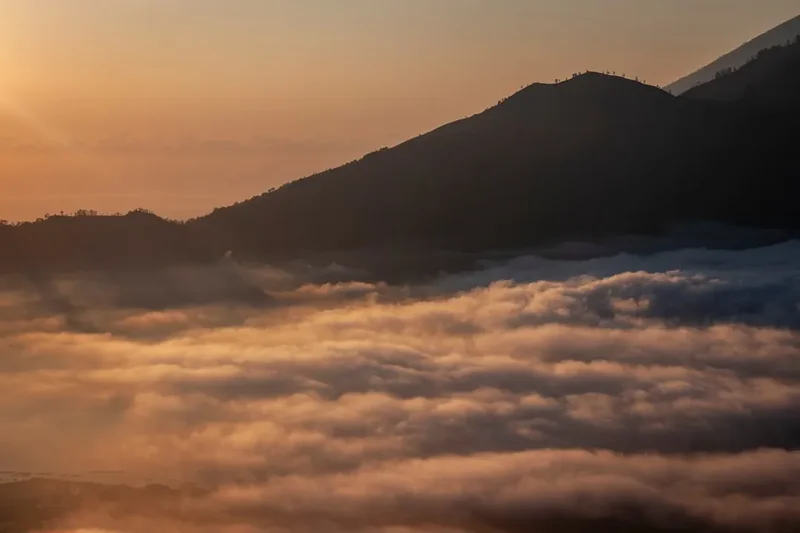
Mount Bromo Sunrise Walk - A Journey into the Heart of the Tengger Massif
The Mount Bromo Sunrise Walk is not merely a hike; it is a pilgrimage into one of the most surreal landscapes on Earth. Located within the Bromo Tengger Semeru National Park in East Java, Indonesia, this 7.0-kilometre journey takes walkers from the edge of the ancient Tengger caldera down into the "Sea of Sand" and up to the smoking rim of an active volcano. While thousands of tourists opt for the convenience of 4WD Jeeps, those who choose to traverse this landscape on foot experience a profound connection to the earth’s primordial forces. The walk begins in the pre-dawn darkness of Cemoro Lawang, a village perched precariously on the caldera’s rim, and culminates in a spectacular sunrise over a lunar-like expanse where Mount Bromo, Mount Batok, and the distant, towering Mount Semeru create a silhouette that has become the iconic symbol of Indonesian natural beauty. This is a moderate challenge that rewards the adventurous with a sensory experience unlike any other—the smell of sulphur, the crunch of volcanic ash underfoot, and the sight of the first light hitting the mist-filled caldera floor.
- Distance: 7.0 km return
- Duration: 3–4 hours
- Season: April to October (Dry season is optimal for clear sunrise views)
- Highest point: Mount Bromo Crater Rim (2,329 m)
- Elevation Gain: 450 m
- Difficulty: Moderate (Steep sections and loose volcanic ash)
- Closest City: Probolinggo (approx. 45 km away)
- Trailhead: Cemoro Lawang Village
Overview
The Mount Bromo Sunrise Walk offers a distinct alternative to the standard motorised tour. By walking, you bypass the noise and exhaust of the hundreds of Jeeps that clog the narrow mountain roads, allowing for a more contemplative and physically engaging experience. The route is a masterclass in geological drama. It begins with a descent from the village of Cemoro Lawang, dropping approximately 150 metres down the steep caldera wall into the Lautan Pasir, or "Sea of Sand." This vast, flat expanse of grey volcanic ash is the floor of the ancient Tengger caldera, which spans roughly 10 kilometres across. Walking across this plain in the twilight feels like navigating the surface of the moon, with the massive cone of Mount Batok looming to your right and the steaming vent of Mount Bromo straight ahead.
The landscape is defined by its starkness. Vegetation is sparse, limited to hardy grasses and occasional shrubs that struggle to survive in the nutrient-poor, acidic soil. The air is thin and crisp, often dropping to near-freezing temperatures before the sun rises. As you approach the base of Mount Bromo, the terrain shifts from flat sand to a steady incline of loose tephra. The final ascent involves a steep climb up a concrete staircase—often partially buried in ash—leading directly to the narrow rim of the crater. From here, you can peer into the depths of the volcano, where a constant plume of white sulphurous smoke rises from the turquoise-tinted vents below. To the south, the perfectly conical Mount Semeru, Java’s highest peak, frequently sends up puffs of ash, providing a dramatic backdrop to the entire scene.
This walk is fundamentally about timing and perspective. While the physical effort is manageable for anyone with a reasonable level of fitness, the environmental factors—cold, wind, and volcanic dust—require careful preparation. The reward is a front-row seat to one of nature’s most spectacular light shows, experienced with a sense of accomplishment that only comes from reaching the summit under your own power. It is a journey that combines physical exertion with a deep appreciation for the volatile, ever-changing nature of our planet.
History and Cultural Context
The history of Mount Bromo is inextricably linked to the Tenggerese people, an ethnic minority in Java who have maintained their unique Hindu traditions despite the surrounding region’s conversion to Islam over the centuries. According to local legend, the Tenggerese are descendants of Roro Anteng, a princess of the Majapahit Empire, and her husband Joko Seger. Unable to conceive, the couple prayed to the gods of Mount Bromo for children. The gods granted their wish on the condition that they sacrifice their 25th child to the volcano. After many years, the couple finally fulfilled their promise by throwing their youngest son, Kesuma, into the crater. This legend forms the basis of the Yadnya Kasada festival, held annually on the 14th day of the Kasada month in the traditional Hindu lunar calendar. During this festival, thousands of Tenggerese pilgrims trek to the crater rim to throw offerings of fruit, vegetables, livestock, and money into the volcano to appease the spirits and ensure prosperity for their community.
The name "Bromo" itself is the Javanese pronunciation of Brahma, the Hindu god of creation. This reflects the sacred status of the mountain. Throughout the walk, you will see evidence of this spiritual connection, most notably the Pura Luhur Poten temple. This grey, stone temple sits at the base of Mount Bromo in the middle of the Sea of Sand. It is constructed from natural volcanic rock and serves as the primary site for religious ceremonies. The temple’s stark, minimalist architecture blends seamlessly with the surrounding volcanic landscape, creating a powerful sense of place that transcends mere tourism.
In modern times, the area was designated as part of the Bromo Tengger Semeru National Park in 1982. The park covers over 500 square kilometres and is a vital conservation area for the unique flora and fauna of East Java’s highlands. The volcanic activity of the region is closely monitored by the Indonesian Centre for Volcanology and Geological Hazard Mitigation (PVMBG). Mount Bromo remains one of the most active volcanoes in Indonesia, with significant eruptions occurring every few years, most recently in 2011, 2015, and 2019. These eruptions constantly reshape the landscape, depositing new layers of ash and occasionally closing the track to visitors for safety reasons.
Want more background? Read extended notes on history and cultural context → Learn more
Seasonal Highlights and Weather Reality
The Mount Bromo region experiences two distinct seasons: the dry season (April to October) and the wet season (November to March). Choosing the right time to visit is crucial for ensuring both safety and the quality of the sunrise views.
Dry Season (April to October): This is the peak trekking season. During these months, the probability of clear skies is at its highest, providing the best chance of witnessing the famous "golden hour" sunrise. However, the dry season also brings the coldest temperatures. In July and August, pre-dawn temperatures in Cemoro Lawang can drop to 0°C or even slightly below, with frost occasionally forming on the ground. The wind across the Sea of Sand can be biting, making the "feels like" temperature significantly lower. Additionally, the lack of rain means the volcanic ash is extremely dry and easily kicked up by the wind or passing Jeeps, making a face mask or buff essential for breathing comfortably.
Wet Season (November to March): While the landscape becomes noticeably greener and the dust is settled by the rain, trekking during the wet season is more challenging. Heavy afternoon downpours are common, and the caldera is frequently shrouded in thick mist and clouds, which can completely obscure the sunrise. The track down the caldera wall can become slippery and muddy, requiring more caution. However, the crowds are significantly smaller, and the temperatures are slightly milder, rarely dropping below 10°C at night. If you choose to visit during this time, flexibility is key; you may need to stay for several days to catch a clear morning window.
Regardless of the season, weather at Mount Bromo is highly localised and can change rapidly. A clear sky at 03:00 is no guarantee of a clear sunrise at 05:30. Walkers should always be prepared for sudden fog or wind shifts. The volcanic activity also dictates access; if the volcano is in an active phase, the PVMBG may enforce a 1-kilometre or 2-kilometre exclusion zone around the crater, which would prohibit the final ascent to the rim.
Recommended Itinerary
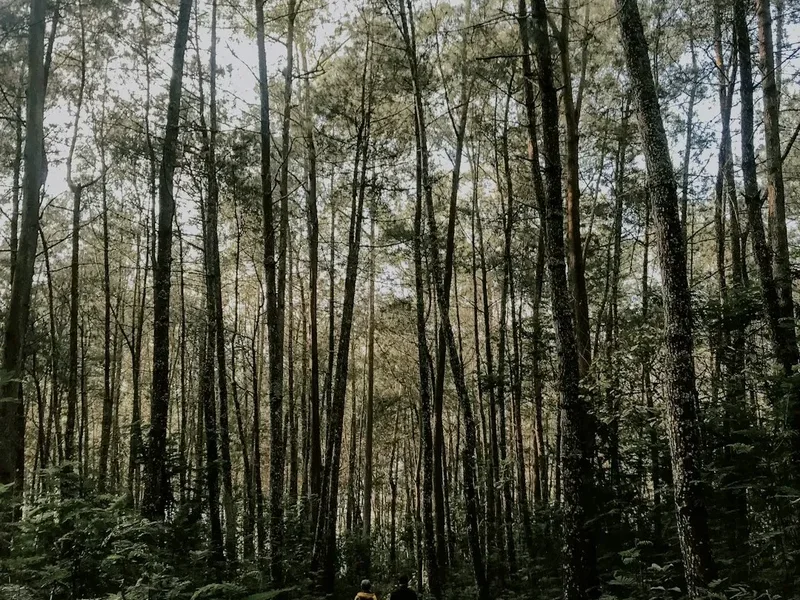
Mount Bromo Sunrise Walk Itinerary
Stage 1: Early Morning Departure (03:00 – 04:00)
- Start Point: Cemoro Lawang Village (approx. 2,200 m)
- Distance: 1.5 km
- Elevation: 150 m descent
- Begin the walk in the dark, following the paved road through the village toward the caldera edge.
- Locate the "free" walking path (often near the Cemara Indah Hotel) that descends steeply into the Sea of Sand.
- Use a head torch to navigate the narrow, sometimes crumbly trail down the caldera wall.
- Reach the flat floor of the Sea of Sand and begin the trek across the ash plain toward the silhouette of Mount Batok.
Stage 2: The Sea of Sand and Pura Luhur Poten (04:00 – 05:00)
- Distance: 2.5 km
- Elevation: Flat
- Walk across the vast, open expanse of volcanic ash. The path is generally marked by the tyre tracks of Jeeps, but in the dark, it can feel disorienting.
- Pass the Pura Luhur Poten temple on your right. The temple looks particularly ethereal in the pre-dawn light.
- The temperature will be at its lowest during this section; keep moving to maintain body heat.
- The smell of sulphur will become more pronounced as you approach the base of Mount Bromo.
Stage 3: The Ascent to the Rim (05:00 – 05:45)
- Distance: 1.0 km
- Elevation: 200 m gain
- The trail begins to climb steadily up the lower slopes of the volcano. The ground is composed of loose ash, which can be tiring for the calves.
- Reach the base of the concrete staircase. There are approximately 250 steps leading to the rim.
- The stairs are often partially covered in ash, making them uneven. Take your time and use the handrails where available.
- Arrive at the crater rim just as the first light begins to appear on the horizon.
Stage 4: Sunrise and Crater Exploration (05:45 – 07:00)
- Location: Mount Bromo Crater Rim (2,329 m)
- Find a safe spot along the narrow rim to watch the sunrise. The best views are looking back toward the east and south.
- Watch as the sun illuminates the Sea of Sand and the surrounding peaks of the Tengger massif.
- Peer into the active crater to see the steaming vents and listen to the "roar" of the volcano.
- Walk a short distance along the rim (if conditions allow) for different photographic angles, but be extremely cautious as there are no safety railings beyond the main viewing area.
Stage 5: Return to Cemoro Lawang (07:00 – 08:30)
- Distance: 3.5 km
- Elevation: 150 m ascent (final climb)
- Descend the stairs and retrace your steps across the Sea of Sand.
- The return walk allows you to see the landscape in full daylight, revealing the incredible textures and colours of the volcanic terrain.
- The final challenge is the steep climb back up the caldera wall to Cemoro Lawang.
- Finish the walk with a well-earned breakfast at one of the village warungs (local eateries).
Important Notes:
- The timing is crucial; if you want to see the sunrise from the rim, you must leave no later than 03:30.
- If you prefer to see the "classic" view of Bromo from above first, you would need to hike up to King Kong Hill or Seruni Point before descending to the crater.
- Dust can be a major issue; always carry a mask.
- Horse rides are available across the Sea of Sand for those who find the ash walking too difficult, but walking is more rewarding.
Planning and Bookings
Book Your Trip
Everything you need to plan your journey
Accommodation
Find places to stay near Probolinggo
Flights
Search flights to Probolinggo
Essential Preparation
Planning a trip to Mount Bromo requires coordinating transport, accommodation, and national park entry. The most common gateway is the city of Probolinggo, which is well-connected by train and bus to Surabaya and Yogyakarta. From Probolinggo, you must take a local minibus (known as a "bison") to the village of Cemoro Lawang. These minibuses typically wait until they are full (15 people) before departing, which can lead to long wait times. Alternatively, you can hire a private car or motorbike taxi (ojek).
Fitness requirements for the walk are moderate. While the distance is short, the combination of high altitude (over 2,000 metres), cold temperatures, and the final steep ascent up the stairs can be taxing. It is recommended to spend at least one night in Cemoro Lawang prior to the walk to acclimatise to the altitude and ensure an early start. There are no specialised outdoor retailers in the village, so all essential gear must be purchased in larger cities like Surabaya or Malang before arrival.
Trail Accommodation
Accommodation is centred in the village of Cemoro Lawang, which sits directly on the caldera rim. Options range from basic homestays to mid-range hotels. Because of the popularity of the sunrise, booking in advance is highly recommended, especially during weekends and Indonesian public holidays.
Accommodation Types:
- Homestays: Numerous local families offer basic rooms. These typically include a bed, a shared bathroom with a "mandi" (dipper) or basic shower, and sometimes hot water. Expect simple facilities and thin walls.
- Hotels: Establishments like the Lava View Lodge or Cemara Indah Hotel offer more comfort, including private bathrooms, hot showers, and on-site restaurants. These hotels often have the best views of the caldera.
- Guesthouses: Mid-range options that provide a balance between price and comfort.
Facilities Provided:
- Most accommodations provide blankets, but they may not be thick enough for the winter months; bringing an extra layer is wise.
- Basic breakfast (often fried rice or noodles) is usually included or available for a small fee.
- WiFi is available in some hotels but is often slow and unreliable.
What is NOT Provided:
- Heating: Most budget and mid-range rooms do not have central heating, despite the cold temperatures.
- Toiletries: Bring your own soap, shampoo, and towels if staying in budget homestays.
- Laundry services: Limited and slow due to the damp, cool air.
Required Gear
- Footwear: Sturdy walking shoes or hiking boots with good grip. The volcanic ash is slippery, and the stairs can be slick.
- Head Torch: Essential for the pre-dawn start. Handheld torches are less convenient for the steep sections.
- Clothing Layers: A moisture-wicking base layer, an insulating mid-layer (fleece or down jacket), and a windproof/waterproof outer shell.
- Face Mask or Buff: Crucial for protecting your lungs from fine volcanic ash and sulphur fumes.
- Gloves and Beanie: Necessary for the freezing pre-dawn temperatures.
- Backpack: A small daypack (15–20L) to carry water, snacks, and extra layers.
What to Bring
- Water: At least 1.5 litres per person. While there are small stalls (warungs) near the crater, they may not be open in the very early hours.
- Snacks: High-energy food like nuts, chocolate, or energy bars to fuel the ascent.
- Sun Protection: Sunscreen, sunglasses, and a hat. Once the sun rises, the UV levels at high altitude are very high, and there is no shade in the Sea of Sand.
- Personal Medications: Including asthma inhalers (the dust and sulphur can trigger respiratory issues) and basic first aid (bandaids for blisters).
- Cash: Small denominations of Indonesian Rupiah (IDR) for park fees, snacks, or an emergency horse ride.
- Camera/Smartphone: With extra batteries, as the cold can drain battery life quickly.
Permits
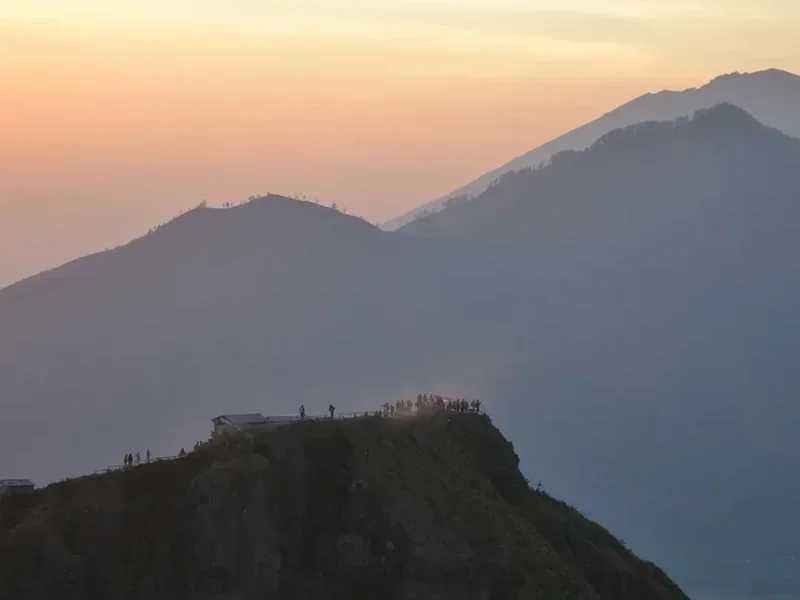
Entry to the Bromo Tengger Semeru National Park is strictly regulated, and permits must be booked and paid for online in advance. There is no longer an option to purchase permits at the physical entrance gate for most visitors. The booking system was implemented to manage visitor numbers and ensure the sustainability of the park.
Booking Process:
- Visit the official booking website (Booking Online Bromo).
- Select the date of your visit and the specific entrance point (Cemoro Lawang is the most common for walkers).
- Enter your personal details, including passport number for international visitors.
- Pay the fee via the integrated payment gateway (usually via bank transfer or specific Indonesian payment apps).
- Download or print the QR code provided; this will be scanned at the entrance checkpoint in Cemoro Lawang.
Permit Costs (Subject to change):
- International Visitors: Approximately IDR 220,000 (weekdays) and IDR 320,000 (weekends and public holidays).
- Domestic Visitors: Approximately IDR 29,000 (weekdays) and IDR 34,000 (weekends).
- Note: These fees include basic insurance but do not include the cost of transport or guides.
Important Restrictions:
- The park has a daily quota. During peak season (July–August) and holidays, permits can sell out weeks in advance.
- Visitors must adhere to the safety instructions provided by the park rangers, especially regarding volcanic activity levels.
- Drones are generally prohibited unless a special permit is obtained in advance from the national park office.
Other Activities in the Area
While the Bromo sunrise is the main draw, the surrounding region offers several other spectacular natural and cultural attractions:
- Madakaripura Waterfall: Located about an hour from Probolinggo, this is one of the tallest waterfalls in Indonesia. It is set within a deep, circular canyon and is associated with the legendary Prime Minister Gajah Mada of the Majapahit Empire. Visitors must walk through a curtain of water to reach the main falls, making it a refreshing post-hike activity.
- Mount Penanjakan Viewpoints: For the classic "birds-eye" view of the entire Tengger caldera, you can hike or take a Jeep to King Kong Hill, Seruni Point, or the main Penanjakan 1 viewpoint. These offer a higher perspective than the Bromo crater rim.
- Mount Semeru Trekking: For experienced hikers, the multi-day trek to the summit of Mount Semeru (3,676 m) is the ultimate challenge in the park. Note that this requires a separate permit and is frequently closed due to volcanic activity.
- Ranu Kumbolo: A stunning high-altitude lake on the route to Mount Semeru, often used as a base camp for hikers. The mist over the lake at sunrise is legendary.
- Malang City: A few hours away, this colonial-era city offers a cooler climate, excellent food, and the colourful "Jodipan" rainbow village.
Safety and Conditions
Volcanic Hazards: Mount Bromo is an active volcano. Before starting your walk, check the current alert level issued by the PVMBG. If the volcano is at Level II (Waspada) or Level III (Siaga), access to the crater rim is usually prohibited. Never ignore safety barriers or ranger instructions. Sulphur fumes can be intense; if you feel dizzy or have difficulty breathing, descend immediately.
Environmental Conditions: The combination of cold, wind, and altitude can lead to hypothermia if you are not properly dressed. The "Sea of Sand" can be disorienting in the dark or in thick fog; stay on the main tracks and use a GPS-enabled map on your phone. The volcanic ash is very fine and can cause eye irritation; wearing sunglasses or clear goggles can help on windy days.
Physical Safety: The descent into the caldera and the climb up the stairs are the most likely places for slips and falls. Ensure your footwear has adequate tread. Be wary of the horses in the Sea of Sand; they are often moving quickly in the dark and can be startled by head torches. Give them a wide berth.
Health Precautions: The dust is a significant respiratory irritant. If you have asthma or other chronic lung conditions, consult a doctor before visiting. Ensure you are well-hydrated, as the dry air and altitude can lead to rapid dehydration.
Side Trips and Points of Interest
King Kong Hill (Bukit Kedaluh): This is arguably the best viewpoint for watching the sunrise over the entire caldera. It is higher than the crater rim and provides a panoramic view that includes Bromo, Batok, and Semeru. It is accessible via a steep hike from Cemoro Lawang or by Jeep. It is less crowded than the main Penanjakan 1 viewpoint but still popular.
Seruni Point: A more accessible viewpoint located at the end of the paved road above Cemoro Lawang. It features a large viewing platform with "Great Wall of China" style stairs. It is a great option for those who want a high-angle view without the long trek to King Kong Hill.
The Whispering Sands (Pasir Berbisik): Located on the eastern side of the Sea of Sand, this area is known for the sound the wind makes as it blows across the dunes. It was made famous by a 2001 Indonesian film of the same name. The textures of the sand here are particularly beautiful for photography.
Teletubbies Hill (Bukit Teletubbies): On the southern edge of the caldera, the landscape shifts from grey ash to lush green rolling hills that resemble the setting of the children's TV show. This area is best visited in the late morning after the sunrise crowds have dispersed.
Leave No Trace
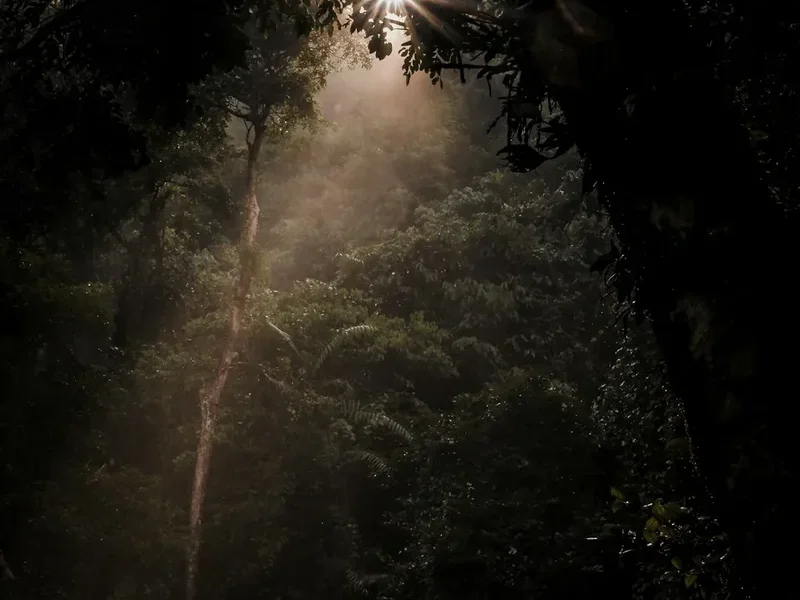
The Bromo Tengger Semeru National Park is a fragile ecosystem under immense pressure from tourism. As a walker, you have a responsibility to minimise your impact on this sacred and unique landscape.
Guidelines for Responsible Trekking:
- Pack it in, pack it out: There are very few rubbish bins within the Sea of Sand or on the crater rim. Carry all your trash, including cigarette butts and food wrappers, back to Cemoro Lawang.
- Respect Sacred Sites: The Pura Luhur Poten temple and the Bromo crater are sacred to the Tenggerese. Do not enter the temple unless invited, and behave respectfully at the crater rim. Do not throw rubbish into the volcano.
- Stay on the Path: While the Sea of Sand is vast, try to follow existing tracks to prevent unnecessary erosion of the caldera walls and to avoid disturbing the sparse vegetation.
- Do Not Feed Wildlife: While you may see occasional birds or small mammals, do not offer them food, as this disrupts their natural diet and behaviour.
- Minimise Noise: The pre-dawn hours are a time of quiet reflection for many. Avoid loud music or shouting, allowing everyone to enjoy the natural sounds of the volcano.