
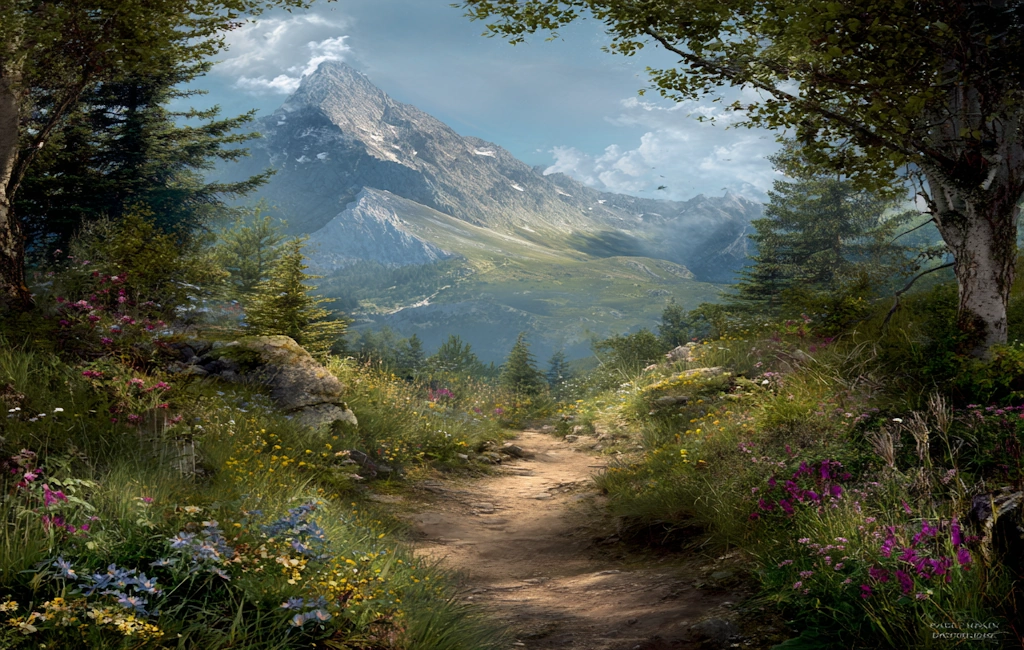
Mount Bogong Loop
The Mount Bogong Loop is a challenging multi-day walk in Victoria's High Country, offering a true wilderness experience amidst rugged alpine terrain. This circuit typically takes 2 to 3 days to complete, traversing diverse landscapes from dense subalpine forests to exposed, windswept ridgelines. The loop provides a comprehensive immersion into the unique flora and fauna of the Australian Alps, with opportunities to witness spectacular panoramic views, particularly from the summit of Mount Bogong, Victoria's second-highest peak.
- Distance: 35.0 km
- Elevation Gain: 1700 m
- Duration: 2-3 days
- Difficulty: Challenging
- Best Time: October to April (avoiding extreme heat)
- Closest City: Mount Beauty
- Trailhead Access: Nearest airport: Albury (ABX). Drive from Albury via Mount Beauty. Road sealed. Driving time approx. 2 hours. Parking available at Mountain Creek Trailhead. No permits needed, but registration at trailhead is recommended. GPS: -36.8842, 147.2615.
- Coordinates: -36.9167, 147.2833
Overview
The Mount Bogong Loop is a demanding yet incredibly rewarding trek that showcases the raw beauty of Victoria's alpine region. The trail ascends through varied vegetation zones, starting in the lower forested slopes and gradually climbing towards the treeline, where the landscape opens up to alpine meadows and rocky outcrops. The highlight of the loop is undoubtedly the ascent to the summit of Mount Bogong (1,842 m), offering breathtaking 360-degree views across the surrounding mountain ranges, including the Kiewa Valley and the distant peaks of the Victorian Alps.
The loop is typically undertaken in a clockwise direction, starting from the Mountain Creek Trailhead. The initial stages involve a steady climb through eucalypt forests, gradually transitioning into denser stands of snow gum and then into the more open alpine heathland. The trail is well-marked for the most part, but the exposed nature of the higher sections means that navigation can become challenging in poor visibility. The descent often follows different routes, providing new perspectives and varied terrain.
This walk is best suited for experienced hikers with a good level of fitness and the ability to navigate in potentially challenging conditions. The alpine environment can be unpredictable, with weather capable of changing rapidly. The loop offers a genuine sense of remoteness and a chance to disconnect from the everyday, surrounded by the vastness of the Australian bush.
History and Cultural Context
The Mount Bogong region has a rich history, deeply intertwined with the Indigenous peoples of the area, particularly the Dhudhuroa and Waywurru peoples, who have a connection to this land spanning thousands of years. These mountains were part of their traditional country, used for seasonal hunting and gathering, and hold significant cultural and spiritual importance. Evidence of their presence can be found in the landscape, though often subtle and requiring careful observation.
European settlement in the late 19th and early 20th centuries brought pastoralists and miners to the High Country. Mount Bogong, with its imposing presence, became a landmark for these early explorers and settlers. The area was also a significant site for cattle grazing, with numerous cattlemen's huts dotted throughout the ranges, some of which still stand today, offering a glimpse into the hardy lifestyle of those who worked the land.
The establishment of national parks and conservation areas in the mid-20th century helped to preserve the natural and cultural heritage of Mount Bogong. Today, it is a popular destination for bushwalkers, climbers, and nature enthusiasts, who come to experience its wild beauty and challenging terrain. The trails themselves often follow old stock routes or mining tracks, bearing the imprint of the human history that has shaped this landscape.
Seasonal Highlights and Weather Reality
The Mount Bogong Loop is best experienced during the warmer months, from October to April. During this period, the weather is generally more stable, and the trails are free of snow and ice, making for safer and more enjoyable hiking.
Spring (October–November): This is a beautiful time to visit, as the alpine wildflowers begin to bloom, painting the meadows with vibrant colours. The weather can still be unpredictable, with occasional late snowfalls possible at higher elevations, but generally, days are mild and pleasant. The streams are usually flowing well, and the landscape is lush and green.
Summer (December–February): Summer offers the warmest temperatures and longest daylight hours, ideal for extended hikes. However, this is also the period when the risk of bushfires is highest. Hikers should always check fire danger ratings and total fire ban status before setting out. While generally warm, alpine weather can still change rapidly, with thunderstorms a possibility, especially in the afternoons.
Autumn (March–April): Autumn is a spectacular season on Mount Bogong, with the snow gums and other deciduous trees turning golden and red. The air is crisp and clear, offering excellent visibility for panoramic views. The insect activity, particularly sandflies, is usually lower than in summer. However, temperatures can drop significantly, especially at night, and early snowfalls are possible towards the end of April.
Winter (May–September): Winter transforms Mount Bogong into a serious alpine environment. Snowfall is common, and the trails can be completely covered, requiring advanced snow-walking and navigation skills, as well as appropriate equipment such as snowshoes, ice axes, and crampons. The huts are often snowed in, and conditions can be extremely hazardous. This season is generally not recommended for casual hikers.
Weather Considerations: Regardless of the season, always be prepared for rapidly changing weather conditions. The alpine environment is exposed, and temperatures can drop significantly, especially at higher altitudes. Wind, rain, and even snow can occur at any time of year. It is crucial to check the forecast before and during your trip and to carry appropriate gear for all conditions.
Recommended Itinerary
2-Day Mount Bogong Loop Itinerary
Day 1: Mountain Creek Trailhead to Federation Hut
- Distance: 15.0 km
- Elevation Gain: 1100 m
- Time: 6–8 hours
- Start at Mountain Creek Trailhead (near Mount Beauty)
- Follow the well-marked track ascending through eucalypt forest
- The trail gradually steepens, passing through sections of snow gum woodland
- Reach the treeline and enter the alpine zone
- Continue towards Federation Hut, a key shelter on the Bogong High Plains
- Set up camp near Federation Hut or utilise the basic facilities if available
- Enjoy expansive views as the sun begins to set over the mountains
Day 2: Federation Hut to Mountain Creek Trailhead via Mount Bogong Summit
- Distance: 20.0 km
- Elevation Gain: 600 m (to summit), 1700 m (descent)
- Time: 7–9 hours
- Early start from Federation Hut
- Ascend to the summit of Mount Bogong (1,842 m) via the Staircase Spur or similar route
- Experience breathtaking 360-degree views from the summit
- Descend from the summit, rejoining the main loop track
- Continue the descent through alpine heath and forest
- The trail eventually leads back to the Mountain Creek Trailhead
- This is a long and challenging day, requiring good stamina and navigation skills
3-Day Mount Bogong Loop Itinerary (More Relaxed Pace)
Day 1: Mountain Creek Trailhead to Bivouac Hut
- Distance: 12.0 km
- Elevation Gain: 900 m
- Time: 5–7 hours
- Start at Mountain Creek Trailhead
- A more gradual ascent than the 2-day option, allowing for more time to appreciate the scenery
- Reach Bivouac Hut, a smaller, more rustic shelter, offering a good stopping point
- Set up camp or utilise the hut facilities
Day 2: Bivouac Hut to Federation Hut via Mount Bogong Summit
- Distance: 18.0 km
- Elevation Gain: 800 m (to summit), 500 m (descent)
- Time: 7–9 hours
- Ascend from Bivouac Hut towards the summit of Mount Bogong
- Take time to explore the summit area and enjoy the views
- Descend towards Federation Hut, a larger and more established shelter
- Spend the night at Federation Hut, enjoying the high plains environment
Day 3: Federation Hut to Mountain Creek Trailhead
- Distance: 15.0 km
- Elevation Gain: 0 m (mostly descent)
- Time: 4–6 hours
- A more relaxed final day, descending from Federation Hut back to the Mountain Creek Trailhead
- Enjoy the changing scenery as you return to the lower elevations
Important Notes:
- Hut accommodation is basic and often limited; camping is a common and recommended option.
- Water sources can be seasonal; always carry sufficient water or a reliable treatment method.
- Weather can change rapidly; be prepared for all conditions.
- Registration at the trailhead is recommended for safety.
- Navigation skills are essential, especially in poor visibility.
- Carry a map, compass, and GPS device.
Planning and Bookings
Book Your Trip
Everything you need to plan your journey
Accommodation
Find places to stay near Mount Beauty
Flights
Search flights to Mount Beauty
Essential Preparation
The Mount Bogong Loop is a challenging multi-day hike that requires thorough preparation. Before embarking on this trek, it is crucial to assess your fitness level and ensure you are adequately prepared for sustained ascents and descents over rugged terrain. The closest town to the trailhead is Mount Beauty, which offers essential services such as accommodation, food supplies, and outdoor gear shops. Albury Airport (ABX) is the nearest major airport, approximately a two-hour drive from Mount Beauty. Ensure your vehicle is suitable for the access road, which is generally sealed but can be rough in sections. Informing someone of your itinerary and expected return time is a vital safety measure, as mobile phone reception is unreliable in the alpine region.
Trail Accommodation
Accommodation on the Mount Bogong Loop is primarily in the form of basic alpine huts or camping. There are no formal lodges or campsites with amenities. Hikers should be prepared to camp or utilise the rustic huts.
Federation Hut: A popular and relatively large hut located on the Bogong High Plains. It offers basic shelter, including bunks and a fireplace. It is a common stopping point for multi-day walks in the area. Camping is permitted around the hut.
Bivouac Hut: A smaller, more basic hut, often used as a stopover point. It provides rudimentary shelter and is surrounded by camping areas.
Camping: Camping is permitted in designated areas near the huts or in suitable locations along the trail, provided you follow Leave No Trace principles. Ensure you camp at least 100 metres from water sources and established tracks.
Booking Requirements: No bookings are required for huts or camping on the Mount Bogong Loop. However, it is highly recommended to register your intentions at the Mountain Creek Trailhead or with Parks Victoria. This is a self-sufficient walk, and you must carry all your own food, water treatment, and camping gear.
Facilities Provided: Basic shelter (bunks, fireplace in some huts), rainwater tanks (seasonal and not always reliable). Huts are unserviced and unheated.
What's NOT Provided: All food, cooking equipment, sleeping bags, mattresses, fuel, water treatment, lighting, and any other personal comfort items. Huts are not maintained with amenities like toilets or rubbish disposal; you must carry out all waste.
Seasonal Availability: Huts and camping are available year-round, but winter conditions can make access and camping extremely difficult and dangerous due to snow and ice.
Costs: There are no fees for using the huts or camping on the Mount Bogong Loop. However, Parks Victoria may charge entry fees for the broader Alpine National Park region, though typically not for day-use trailheads like Mountain Creek.
Required Gear
- Sturdy hiking boots: Waterproof, well-broken-in boots with good ankle support are essential for the rugged terrain.
- Backpack: A comfortable and well-fitting backpack (50-70 litres) with a rain cover.
- Tent: A lightweight, durable tent suitable for alpine conditions, with a good waterproof rating.
- Sleeping bag: A warm sleeping bag rated for sub-zero temperatures (e.g., -5°C to 0°C comfort rating), as nights can be cold even in summer.
- Sleeping mat: For insulation and comfort.
- Waterproof jacket and overtrousers: Essential for protection against rain and wind.
- Warm layers: Thermal base layers (merino wool or synthetic), fleece or down mid-layers, and a warm hat and gloves.
- Navigation tools: Topographic map of the area, compass, and a GPS device or smartphone with offline maps. Ensure you know how to use them.
- First-aid kit: Comprehensive kit including blister treatment, pain relievers, bandages, antiseptic wipes, and any personal medications.
- Head torch: With spare batteries, for use in huts or for early morning/late evening hiking.
- Sun protection: High SPF sunscreen, sunglasses, and a wide-brimmed hat. The sun at altitude can be intense.
- Insect repellent: Especially for sandflies, which can be prevalent in warmer months.
What to Bring
- Food: Sufficient non-perishable food for the duration of your trip, including breakfast, lunch, dinner, and snacks. Plan for at least one extra day's supply in case of delays.
- Water bottles or hydration reservoir: Carry at least 2-3 litres of water capacity per person.
- Water treatment: Water filter, purification tablets, or a UV steriliser. While streams are present, water should always be treated.
- Cooking equipment: Lightweight camping stove, fuel, pot, utensils, mug, and plate/bowl.
- Toiletries: Biodegradable soap, toothbrush, toothpaste, toilet paper, trowel (for burying human waste at least 100m from water and tracks), hand sanitiser.
- Rubbish bags: To pack out all waste, including food scraps and packaging.
- Trekking poles: Highly recommended for stability and reducing strain on knees during ascents and descents.
- Emergency communication device: A personal locator beacon (PLB) or satellite phone is strongly recommended for remote areas with no mobile reception.
- Repair kit: Duct tape, cordage, needle and thread for gear repairs.
- Small towel: Quick-drying.
Permits
No specific permits are required for hiking the Mount Bogong Loop or for camping in the Alpine National Park. However, it is strongly recommended that you register your trip intentions with Parks Victoria or at the trailhead. This is a crucial safety measure that allows authorities to know who is in the area in case of an emergency.
Registration:
- Trailhead Registration: A logbook is usually available at the Mountain Creek Trailhead. Sign in with your name, contact details, intended route, and expected return date. Sign out upon your return.
- Parks Victoria: You can also register your trip online or by phone with Parks Victoria. This provides an additional layer of safety and ensures your plans are recorded.
Fees: There are no fees associated with hiking or camping on the Mount Bogong Loop. However, if you are entering other sections of the Alpine National Park that have designated entry points or visitor centres, there might be associated fees for vehicle entry or specific facilities, though this is uncommon for the Mount Bogong area.
Important Considerations:
- Fire Restrictions: Always check current fire restrictions and total fire ban status before your trip. Campfires may be prohibited during certain periods or in specific areas. If campfires are permitted, ensure you use existing fire rings and completely extinguish them before leaving.
- Vehicle Access: The road to the Mountain Creek Trailhead is generally sealed but can be rough in places. Ensure your vehicle is suitable for unsealed roads.
- Park Regulations: Familiarise yourself with the general regulations for the Alpine National Park, including rules regarding waste disposal, wildlife interaction, and camping locations.
Other Activities in the Area
The region surrounding Mount Bogong offers a variety of activities for visitors:
- Mount Beauty: Explore the charming town of Mount Beauty, known for its relaxed atmosphere and stunning mountain backdrop. Enjoy local cafes, restaurants, and shops.
- Kiewa Valley: Drive through the picturesque Kiewa Valley, renowned for its dairy farming and scenic beauty.
- Lake Hume: A large reservoir offering opportunities for water sports, fishing, and camping. It's a popular destination for a day trip or extended stay.
- Mount Hotham and Falls Creek: These well-known ski resorts are accessible from the region and offer activities such as mountain biking in summer and scenic drives.
- High Country Huts: Explore other historic cattlemen's huts in the wider Alpine National Park, many of which are accessible via walking tracks or 4WD routes.
- Fishing: The Kiewa River and its tributaries offer opportunities for trout fishing for licensed anglers.
- Scenic Drives: The roads around Mount Beauty and through the Kiewa Valley provide spectacular views of the surrounding mountains and countryside.
Safety and Conditions
Weather: The most significant safety concern on the Mount Bogong Loop is the unpredictable alpine weather. Conditions can change rapidly, with sudden drops in temperature, strong winds, heavy rain, fog, and even snow possible at any time of year. Always check the Bureau of Meteorology (BOM) forecast for the Mount Bogong area before and during your trip. Be prepared for cold conditions, even in summer, especially at higher elevations.
Navigation: While the main tracks are generally well-marked, visibility can be severely reduced in fog or snow. It is essential to carry a map, compass, and GPS device and to be proficient in their use. Informing someone of your itinerary and expected return time is critical.
Water: Water sources can be seasonal, particularly in drier periods. Always carry sufficient water and a reliable water treatment method (filter, tablets, or UV steriliser). Treat all water from streams and tanks before drinking.
Bushfires: Mount Bogong is located in a bushfire-prone area. Always check the Country Fire Authority (CFA) website for fire danger ratings and total fire bans before your trip. If a fire is active in the region, do not proceed with your hike. Be aware of your surroundings and have an escape plan.
Wildlife: While encounters with dangerous wildlife are rare, be aware of snakes during warmer months. Keep a safe distance from all wildlife, and never feed animals.
Physical Fitness: This is a challenging hike requiring a good level of fitness. Ensure you are adequately prepared for sustained ascents and descents over multiple days. Carry a well-stocked first-aid kit and know how to use it.
Communication: Mobile phone reception is extremely limited or non-existent in most areas of the Mount Bogong Loop. Consider carrying a Personal Locator Beacon (PLB) or satellite phone for emergencies.
Hut Safety: Huts are basic and unserviced. Be aware of potential hazards such as uneven floors, open fireplaces, and wildlife. If using a fireplace, ensure it is properly extinguished before leaving.
Side Trips and Points of Interest
Mount Bogong Summit (1,842 m): The highest point on the loop and Victoria's second-highest mountain. The summit offers unparalleled 360-degree views of the surrounding High Country, including the Kiewa Valley, Mount Hotham, and the distant peaks of the Victorian Alps. Allow ample time to enjoy the panoramic vistas.
Staircase Spur: A prominent spur leading towards the summit of Mount Bogong. This route is often part of the ascent or descent, offering a direct and challenging climb with rewarding views.
Bogong High Plains: The expansive alpine plateau where Federation Hut is located. This area is characterised by rolling grasslands, heathlands, and scattered snow gums, offering a different landscape to the forested lower slopes.
Historic Cattlemen's Huts: Scattered throughout the High Country, including near the Mount Bogong Loop, are remnants of the region's pastoral history. While not all are easily accessible from the main loop, they offer a glimpse into the lives of early settlers.
Alpine Flora and Fauna: Keep an eye out for the unique plant life of the alpine region, including wildflowers in spring and summer, and the hardy snow gums. Birdlife is also abundant, with opportunities to spot various native species.
Leave No Trace
The Mount Bogong Loop traverses a sensitive alpine environment. Adhering to Leave No Trace principles is paramount to preserving its natural beauty and ecological integrity for future generations. As a walker, you are a custodian of this wilderness.
- Plan Ahead and Prepare: Research the trail, understand the conditions, and pack appropriately. Know the fire restrictions and weather forecasts.
- Travel and Camp on Durable Surfaces: Stick to marked trails to avoid damaging fragile vegetation. Camp in designated areas or on durable surfaces like rock or dry grass, at least 100 metres from water sources and tracks.
- Dispose of Waste Properly: Pack out everything you pack in, including all food scraps, packaging, and toilet paper. Use a trowel to bury human waste at least 100 metres from water sources and tracks, and disguise the cathole.
- Leave What You Find: Do not remove or disturb natural objects, plants, or cultural artefacts. Take only photographs and memories.
- Minimise Campfire Impacts: Use a lightweight stove for cooking. If campfires are permitted and necessary, use existing fire rings and ensure they are completely extinguished before leaving.
- Respect Wildlife: Observe wildlife from a distance. Never feed animals, as this can disrupt their natural behaviours and diets.
- Be Considerate of Other Visitors: Keep noise levels down and yield to other hikers. Respect the solitude and natural quiet of the area.
By following these principles, you help ensure that the Mount Bogong Loop remains a pristine and enjoyable experience for everyone.
 Australia