
Mount Apo Climb - The Philippines' Highest Peak
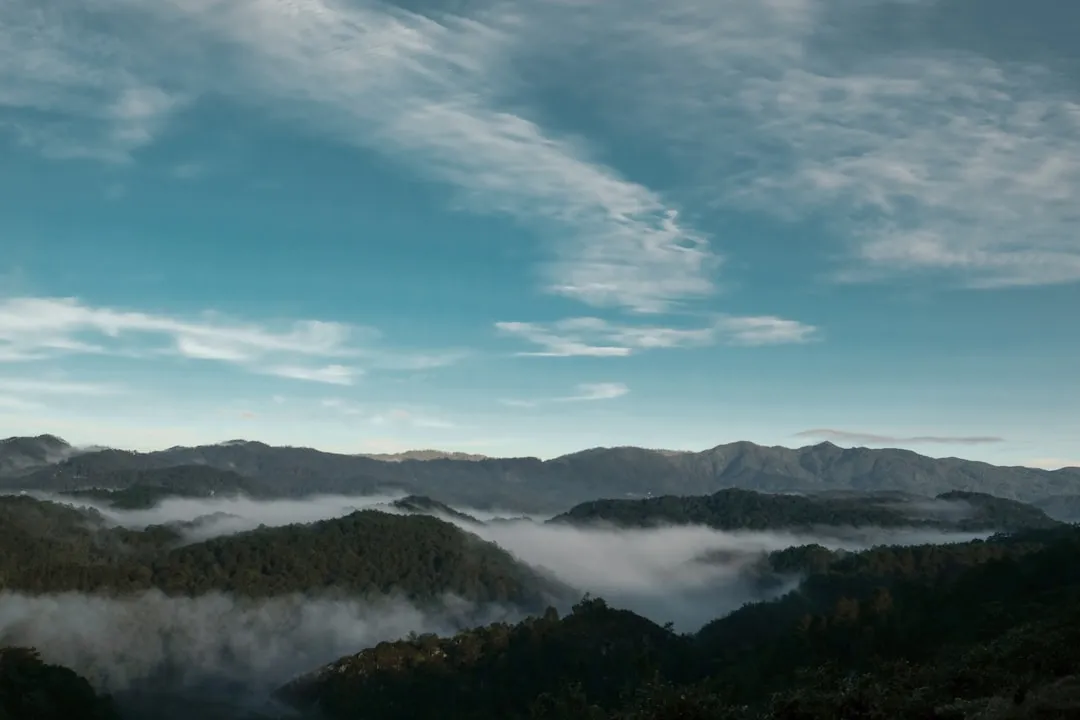
Mount Apo, standing at 2,954 metres, is the highest mountain in the Philippines and a dormant volcano revered by indigenous communities. This challenging trek offers a profound immersion into a unique biodiversity hotspot, traversing diverse ecosystems from lush lowland rainforests to the stark, windswept alpine terrain of its summit caldera. The climb is a multi-day adventure, typically spanning three to four days, demanding significant physical fitness and mental fortitude. It's a journey that rewards with breathtaking panoramic views, encounters with rare flora and fauna, and a deep connection to the natural and cultural heritage of Mindanao. Access is managed through specific jump-off points, requiring permits and guides, ensuring a controlled and respectful exploration of this iconic natural landmark.
- Distance: Approximately 70.0 km (round trip, depending on route)
- Duration: 3-4 days
- Season: March to May (dry season is preferred for clearer skies and less challenging conditions)
- Huts/Campsites: Basic campsites and shelters available along popular routes
- Highest point: 2,954 m
- Daily walkers: Limited by permit system
- Direction: Various routes available, typically starting from Kidapawan City or Santa Cruz, Davao del Sur
Overview
The ascent of Mount Apo is a significant undertaking, often considered one of the most rewarding and challenging treks in the Philippines. The mountain's sheer scale and the dramatic shift in ecosystems encountered during the climb are its defining characteristics. Starting from the humid, dense rainforests at the base, hikers gradually ascend through montane forests, cloud forests, and eventually into the sub-alpine and alpine zones near the summit. This transition is marked by a spectacular array of plant life, including giant ferns, orchids, and the endemic pitcher plants, as well as a rich diversity of birdlife, such as the Philippine Eagle, though sightings are rare.
The climb is not merely a physical test; it is a journey through a living laboratory of biodiversity. The summit caldera, a vast, open expanse, offers a stark contrast to the dense forests below. Here, volcanic activity is evident in steaming vents and sulphur deposits, a constant reminder of the mountain's geological power. The panoramic views from the summit, particularly during sunrise, are legendary, often stretching across the entire island of Mindanao on clear days. However, Apo's weather is notoriously fickle. Sudden mists, heavy rainfall, and strong winds can descend rapidly, transforming the landscape and demanding constant vigilance and preparedness from hikers.
The cultural significance of Mount Apo cannot be overstated. It is considered a sacred mountain by the indigenous Bagobo, Manobo, and other local tribes, who believe it to be the dwelling place of spirits and deities. Respect for these traditions and the natural environment is paramount for anyone undertaking the climb. The organised nature of the climb, with mandatory guides and permits, helps to preserve the mountain's pristine condition and ensure a safe, respectful experience for all visitors.
History and Cultural Context
Mount Apo holds deep historical and cultural significance for the indigenous peoples of Mindanao, particularly the Bagobo, Manobo, and Kalagan tribes. For centuries, these communities have considered Apo a sacred ancestral domain, the home of their gods and spirits. The mountain's name itself is believed to derive from the Bagobo word "apo," meaning "master" or "grandfather," reflecting its revered status. Traditional ceremonies and rituals are performed to appease the mountain spirits and ensure safe passage for those who venture onto its slopes.
The first recorded ascent by a European was by American botanist Dr. Joseph B. Steere in 1880. His expedition, which included local guides, marked a turning point in the mountain's exploration by the outside world. Over the following decades, various expeditions, often driven by scientific curiosity and the desire to document the region's unique flora and fauna, further explored its trails. The establishment of Mount Apo National Park in 1936, and its subsequent designation as a UNESCO World Heritage Site in 2008, underscored its global importance as a centre of biodiversity and a natural wonder.
The mountain has also been a site of historical events and cultural exchange. During periods of conflict and settlement, its remote location offered refuge, and its resources were vital for local communities. Today, Mount Apo continues to be a symbol of national pride and a testament to the rich natural and cultural heritage of the Philippines. The ongoing efforts to balance tourism with conservation reflect a growing understanding of the need to protect this sacred landscape for future generations, while respecting the traditions and rights of the indigenous peoples who are its ancestral custodians.
Seasonal Highlights and Weather Reality
The best time to climb Mount Apo is during the dry season, which typically runs from March to May. This period offers the highest probability of clear skies, allowing for spectacular views from the summit and making the trails less treacherous. The temperatures during these months are generally more moderate, though still can be cool at higher elevations.
Dry Season (March - May): This is the peak climbing season. Days are generally sunny, and rainfall is minimal. However, even during the dry season, weather can change rapidly. Expect cooler temperatures, especially at night and at higher altitudes. The trails are drier, making ascents and descents more manageable. This is the ideal time for those seeking the best chance of clear summit views and less challenging trail conditions.
Transition Months (February, June): These months can offer a mix of dry and wet conditions. While still generally favourable, there's a higher chance of encountering rain showers compared to the peak dry season. These months might offer fewer crowds.
Wet Season (July - February): This period is characterised by frequent and heavy rainfall, typhoons, and increased humidity. Trails can become muddy, slippery, and prone to landslides. River crossings can become dangerous, and visibility at higher elevations is often severely reduced by fog and clouds. While climbing is still possible, it requires significantly more experience, robust gear, and a higher tolerance for challenging conditions. Many organised climbs and expeditions avoid this period due to the increased risks.
Temperature: Temperatures at the summit can drop to as low as 10-15 degrees Celsius, especially at night and during the wet season. At lower elevations, temperatures can be much warmer, often exceeding 30 degrees Celsius.
Recommended Itinerary
3-Day Mount Apo Itinerary (via Kidapawan City - Mandangan Trail)
Day 1: Kidapawan City to Camp 1 (Mandangan)
- Distance: Approximately 10-12 km
- Elevation gain: Significant, starting from around 1,000 m to 1,800 m
- Time: 6-8 hours
- Morning arrival in Kidapawan City, final preparations, and registration at DENR
- Travel to the Mandangan jump-off point (Barangay Perez)
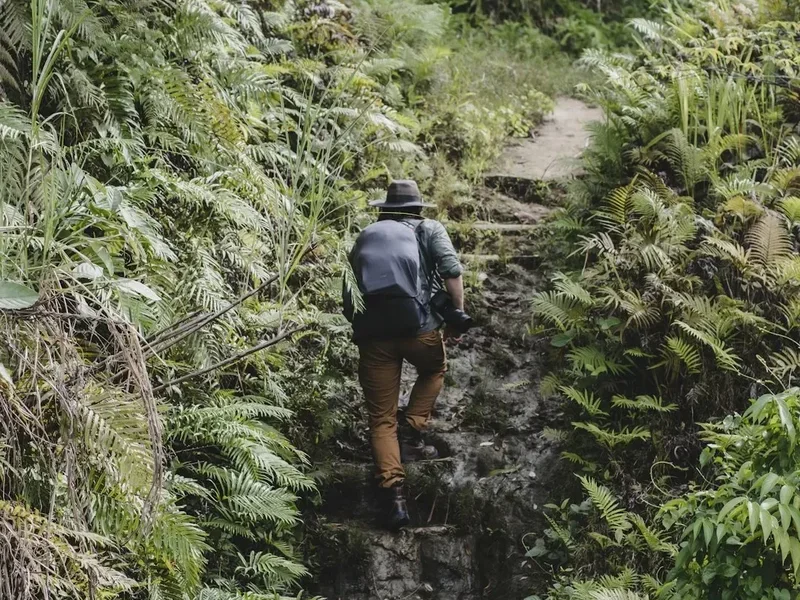
- Begin trek through dense lowland rainforest
- Pass through agricultural lands before entering the primary forest
- Trail is often muddy and can be steep in sections
- Arrive at Camp 1 (Mandangan), a basic campsite with potential shelter
- Set up camp, prepare dinner, and rest
- This day focuses on acclimatisation and entering the mountain's diverse forest ecosystem
Day 2: Camp 1 (Mandangan) to Summit Camp / Lake Agko
- Distance: Approximately 10-12 km
- Elevation gain: Significant, from 1,800 m to around 2,700 m
- Time: 7-9 hours
- Early morning start after breakfast
- Continue ascent through montane and cloud forests
- Pass through areas with unique flora, including pitcher plants and orchids
- Potential for sightings of endemic birds
- The trail becomes more challenging with steeper ascents and rocky sections
- Reach the summit area, often camping near the crater lake (Lake Agko) or designated summit camps
- Experience the dramatic change in vegetation as you approach the alpine zone
- Prepare for the summit push the following morning
Day 3: Summit Push and Descent to Kidapawan City
- Distance: Approximately 20-25 km (summit push and descent)
- Elevation: Summit at 2,954 m, then descent to jump-off
- Time: 10-14 hours (including summit time and descent)
- Very early morning start (e.g., 2:00 AM) for the summit push
- Trek across the caldera to the highest point of Mount Apo
- Witness the sunrise from the summit (weather permitting) - a truly spectacular experience
- Explore the summit area, including steaming vents and sulphur deposits
- Begin the descent, which can be challenging and requires careful footing
- Descend via a different trail if possible (e.g., Kapatagan Trail, depending on logistics and permits) or retrace steps
- Reach the jump-off point in the late afternoon or early evening
- Transfer back to Kidapawan City for rest and celebration
- This is the most demanding day, combining a pre-dawn summit ascent with a long descent
Important Notes:
- This itinerary is a sample; routes and timings can vary significantly based on chosen trails, guide recommendations, and weather conditions.
- Permits and guides are mandatory and must be arranged in advance.
- Accommodation is primarily camping; basic shelters may be available at designated camps.
- Water sources can be scarce at higher elevations; carry sufficient water or purification methods.
- The summit push is strenuous and requires good physical condition.
- Always follow the instructions of your guide.
Planning and Bookings
Book Your Trip
Everything you need to plan your journey
Accommodation
Find places to stay near Davao City
Flights
Search flights to Davao City
Essential Preparation
Climbing Mount Apo requires meticulous planning due to its remote location, challenging terrain, and strict regulations. The primary jump-off points are typically Kidapawan City (North Cotabato) or Santa Cruz (Davao del Sur). Kidapawan City is often preferred for its accessibility and established trails like the Mandangan Trail. Davao City is the nearest major airport, from which you can take a bus or van to Kidapawan City (approximately 2-3 hours).
Logistics:
- Guides: Hiring a local guide is mandatory. Guides are essential for navigation, safety, and understanding the mountain's ecology and cultural significance. They can be arranged through local tourism offices or trekking agencies.
- Permits: Permits are required for all climbers and must be secured in advance from the DENR (Department of Environment and Natural Resources) office or the local tourism office at the jump-off point. This includes a climbing fee and potentially an environmental fee.
- Base Town: Kidapawan City offers a range of accommodation options, from budget guesthouses to mid-range hotels. It's also where you can finalise permits, hire guides, and purchase last-minute supplies.
- Transportation: From Davao City, take a bus or van to Kidapawan City. From Kidapawan City, hire a tricycle or motorcycle taxi to the specific jump-off point (e.g., Barangay Perez for Mandangan Trail).
- Fitness: Mount Apo is a challenging climb. A high level of cardiovascular fitness, leg strength, and endurance is essential. Train with regular hiking, running, and strength exercises for several months prior to your climb.
Trail Accommodation
Mount Apo does not have established lodges or hotels on the trail. Accommodation is primarily through camping at designated campsites or basic shelters.
- Campsites: Designated campsites are available at various points along the popular trails, such as Camp 1 (Mandangan), Camp 2, and near the summit caldera (e.g., Lake Agko area). These are typically cleared areas suitable for pitching tents.
- Shelters: Basic, open-sided shelters may be present at some campsites, offering minimal protection from the elements. They are not enclosed rooms and do not provide amenities.
- Booking Requirements: While campsites themselves don't require advance booking in the same way as commercial lodges, your climbing permit will specify your intended itinerary and camping locations. It's advisable to discuss your camping plans with your guide and the local tourism office.
- Facilities Provided: Generally, no facilities are provided at campsites beyond a cleared area for tents. Water sources (streams, springs) are usually available but require treatment.
- What's NOT Provided: All camping equipment (tents, sleeping bags, mats), cooking gear, food, water treatment, and sanitation facilities.
- Seasonal Availability: Campsites are generally accessible year-round, but conditions are significantly better and safer during the dry season (March-May).
- Costs: Camping itself is usually covered by the environmental fee included in your permit.
Required Gear
- Hiking Boots: Sturdy, waterproof, broken-in hiking boots with good ankle support are essential.
- Backpack: A comfortable, well-fitting backpack (50-70 litres) with a rain cover.
- Tent: A durable, waterproof, and wind-resistant tent suitable for mountain conditions.
- Sleeping Bag: A warm sleeping bag rated for temperatures as low as 5-10°C, as summit nights can be cold.
- Sleeping Mat: For insulation and comfort.
- Waterproof Jacket and Trousers: High-quality, breathable waterproofs are crucial due to unpredictable weather.
- Warm Layers: Fleece jackets, thermal base layers (merino wool or synthetic), and a warm hat and gloves.
- Headlamp/Torch: With spare batteries, essential for early morning summit pushes and navigating in the dark.
- First-Aid Kit: Comprehensive kit including blister treatment, pain relievers, antiseptic wipes, bandages, and any personal medications.
- Navigation Tools: Map of the area, compass, and a GPS device or reliable navigation app on your phone (download offline maps). Your guide will have these, but it's good to have backups.
- Trekking Poles: Highly recommended for stability on steep ascents and descents, and to reduce strain on knees.
- Sun Protection: High SPF sunscreen, sunglasses, and a wide-brimmed hat.
What to Bring
- Food: Sufficient high-energy, non-perishable food for 3-4 days (breakfasts, lunches, dinners, snacks). Consider dehydrated meals for lighter weight.
- Water Bottles/Hydration Reservoir: Capacity for at least 2-3 litres per person.
- Water Purification: Water filter, purification tablets, or UV steriliser. Do not drink untreated water.
- Cooking Gear: Lightweight camping stove, fuel, cooking pot, utensils, mug, plate/bowl.
- Toiletries: Biodegradable soap, toothbrush, toothpaste, toilet paper, hand sanitiser, wet wipes.
- Personal Items: Camera, power bank for electronics, insect repellent (especially for lower elevations), small towel.
- Trash Bags: Pack out everything you pack in, including all waste.
- Identification: Valid ID for registration and permits.
- Cash: For transport, permits, guide fees, and any purchases in town.
Permits
Securing the necessary permits is a critical step in planning your Mount Apo climb. These permits are typically issued by the Department of Environment and Natural Resources (DENR) and the local tourism offices at the designated jump-off points. The permit system is in place to manage visitor numbers, ensure safety, and collect fees that contribute to the conservation of the mountain and its surrounding environment.
Types of Permits and Fees:
- Climbing Permit: This is the primary permit required for all individuals intending to climb Mount Apo. It authorises your entry onto the mountain and often specifies the trail you will use and your intended duration of stay.
- Environmental Fee: A fee collected to support conservation efforts, trail maintenance, and waste management within Mount Apo National Park.
- Guide Fee: While not a permit in itself, hiring a registered local guide is mandatory. The cost of the guide is separate from permit fees and is usually paid directly to the guide or arranged through a trekking operator.
How to Obtain Permits:
- Advance Booking: It is highly recommended to arrange your permits and guide well in advance of your planned climbing dates, especially if you are travelling during peak season (March-May). Contact the local DENR office or the Mount Apo Tourism Council in Kidapawan City or Santa Cruz.
- On-Site Registration: Permits can also be secured upon arrival at the jump-off point's registration centre. However, this carries the risk of permits being unavailable, especially during busy periods.
- Trekking Agencies: Many local trekking agencies can assist with the entire process, including securing permits, arranging guides, and providing logistical support. This is often the easiest option for international travellers.
Important Considerations:
- Mandatory Guides: All climbers must be accompanied by a registered local guide.
- Trail Restrictions: Permits may specify the approved trail for your ascent and descent.
- Group Size Limits: There may be limits on the number of climbers allowed per day or per group to minimise environmental impact.
- Documentation: Always carry your permit and identification with you throughout the climb.
The exact cost of permits and fees can vary, so it is best to confirm the current rates with the relevant authorities or your chosen trekking agency closer to your travel date.
Other Activities in the Area
While the climb to Mount Apo is the primary draw, the surrounding regions offer a variety of other activities and attractions:
- Lake Agko: Located near the summit, this crater lake is a significant landmark. While not always accessible or safe for swimming due to its volcanic nature, it is a beautiful and serene spot for contemplation and photography.
- Natural Hot Springs: In the foothills of Mount Apo, particularly around Kidapawan City, natural hot springs offer a relaxing way to soothe tired muscles after a trek. These are often developed into local resorts.
- Philippine Eagle Sanctuary: While sightings on the mountain are rare, dedicated sanctuaries and conservation centres in Mindanao aim to protect the endangered Philippine Eagle. Visiting these centres can provide insights into the conservation efforts for this magnificent bird.
- Local Indigenous Culture: Engage with the local Bagobo and Manobo communities. Learn about their traditions, crafts, and way of life. Respectful visits can be arranged through local tourism initiatives.
- Waterfalls: The lush rainforests surrounding Mount Apo are home to numerous waterfalls. Some, like the Asik-Asik Falls (though not directly on Apo's trails), are spectacular natural attractions accessible from nearby towns.
- Agricultural Tourism: Kidapawan City is known as the "Fruit Basket of the Philippines." During fruit seasons (especially durian and mangosteen), visiting local farms and markets can be a delightful experience.
- Exploring Davao City: As the nearest major city, Davao offers urban attractions, including markets, museums, parks, and a vibrant culinary scene, before or after your mountain adventure.
Safety and Conditions
Pre-Climb Briefing: Attend any mandatory pre-climb briefings conducted by the DENR or your trekking agency. These sessions provide crucial information on trail conditions, weather forecasts, and safety protocols.
Weather: Mount Apo's weather is highly unpredictable. Be prepared for rapid changes, including sudden downpours, thick fog, strong winds, and temperature drops, especially at higher altitudes. Always check the weather forecast before and during your climb, but be ready for conditions to differ significantly.
Trail Conditions: Trails can be extremely muddy, slippery, and steep, particularly during and after rainfall. Sections may involve scrambling over rocks or navigating through dense vegetation. Proper footwear and trekking poles are essential for stability.
Water Sources: While water sources are generally available along the trails, they can be unreliable during the dry season. Always treat water from streams or springs using a filter, purification tablets, or by boiling. Carry sufficient water capacity.
Altitude Sickness: While Mount Apo is not extremely high, prolonged exertion at altitude can still lead to symptoms of altitude sickness. Ascend gradually, stay hydrated, and listen to your body. If symptoms develop, descend if possible.
Wildlife: While encounters with dangerous wildlife are rare, be aware of your surroundings. The Philippine Eagle is a protected species, and sightings should be reported to authorities. Avoid disturbing any wildlife.
Communication: Mobile phone signal is often non-existent on most parts of the mountain. Consider carrying a satellite phone or personal locator beacon (PLB) for emergencies, especially if climbing independently or in small groups.
Emergency Procedures: Familiarise yourself with emergency procedures and the location of the nearest medical facilities. Your guide will be trained in basic first aid and emergency response.
Respect Indigenous Beliefs: Mount Apo is a sacred mountain. Be respectful of local customs, traditions, and any sacred sites you may encounter. Follow your guide's advice regarding cultural etiquette.
Leave No Trace: Adhere strictly to Leave No Trace principles to minimise your impact on the environment.
Side Trips and Points of Interest
Summit Caldera and Steaming Vents: The vast caldera at the summit of Mount Apo is a unique geological feature. Within the caldera, you can find active steaming vents and sulphur deposits, a testament to the mountain's volcanic origins. Exploring this area offers a stark, almost lunar landscape that contrasts sharply with the lush forests below. The highest point is often marked by a simple marker or cairn.
Lake Agko: This picturesque crater lake, often found near the summit area, is a significant landmark. Its clear waters reflect the surrounding sky and terrain, offering a moment of tranquility amidst the rugged landscape. Depending on the route and conditions, it can be a camping spot or a point of interest on the way to the summit.
Various Trails and Routes: Mount Apo can be climbed via several routes, each offering a different experience. Popular trails include the Mandangan Trail (Kidapawan City), the Kapatagan Trail (Digos City), and the Sibulan Trail (Santa Cruz, Davao del Sur). Each route traverses distinct ecosystems and presents unique challenges. Some itineraries may involve ascending via one trail and descending via another, offering a more comprehensive exploration of the mountain's diverse environments.
Unique Flora and Fauna: The mountain is a biodiversity hotspot. Keep an eye out for endemic species of orchids, pitcher plants (Nepenthes), giant ferns, and various mosses and lichens. Birdwatchers may hope to spot endemic species, though the elusive Philippine Eagle is rarely seen on the trails.
Indigenous Villages: Depending on the chosen route and logistical arrangements, it may be possible to pass through or visit small indigenous villages in the lower slopes. These offer a glimpse into the traditional lifestyle of the Bagobo and Manobo communities who consider Mount Apo their ancestral home.
Leave No Trace
Mount Apo is a treasure of biodiversity and cultural heritage, designated as a UNESCO World Heritage Site. Its delicate ecosystems are vulnerable to human impact. Practising Leave No Trace (LNT) principles is not just a guideline; it is a fundamental responsibility for every climber to ensure the mountain's preservation for future generations.
Your responsibilities on Mount Apo:
- Plan Ahead and Prepare: Research your route, understand the regulations, and pack appropriately to minimise waste and avoid unexpected needs.
- Travel and Camp on Durable Surfaces: Stick to established trails to avoid damaging vegetation. Camp in designated areas or on bare ground, away from water sources.
- Dispose of Waste Properly: Pack out everything you pack in, including all food scraps, wrappers, and toilet paper. Use designated toilets where available, or dig catholes at least 60 metres away from water, trails, and campsites.
- Leave What You Find: Do not take any natural or cultural objects from the mountain. Leave rocks, plants, and artefacts in place.
- Minimise Campfire Impacts: Campfires are generally discouraged or prohibited on Mount Apo due to the risk of wildfires and damage to vegetation. Use a portable stove for cooking.
- Respect Wildlife: Observe wildlife from a distance. Never feed animals, as it can disrupt their natural behaviours and diets.
- Be Considerate of Other Visitors: Keep noise levels down, yield to other hikers on narrow trails, and maintain a respectful attitude towards local communities and their sacred sites.
By adhering to these principles, you help protect the unique natural beauty and cultural significance of Mount Apo, ensuring that its majesty can be experienced by those who follow.