
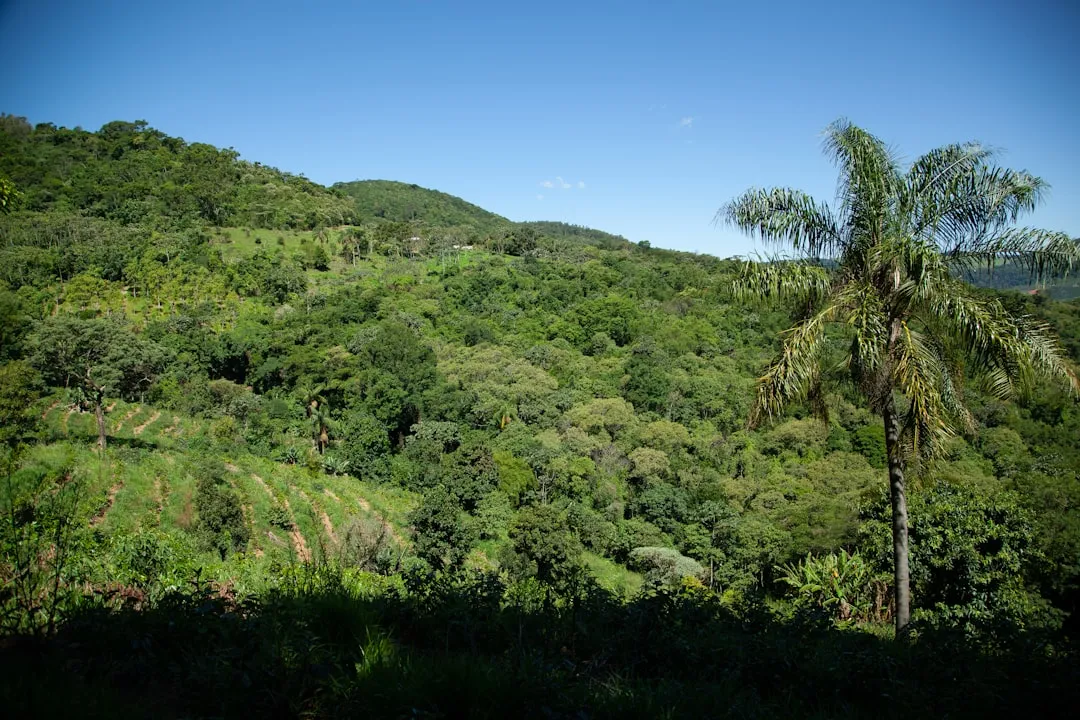
Morro Dois Irmãos Trail - Rio de Janeiro's Iconic Hike
The Morro Dois Irmãos Trail, translating to "Two Brothers Hill," is a quintessential Rio de Janeiro day hike offering unparalleled panoramic views of the city's most famous landmarks. This relatively short but steep ascent culminates at the twin peaks, providing a breathtaking 360-degree vista encompassing Ipanema, Leblon, Copacabana, Sugarloaf Mountain, Christ the Redeemer, and the vast expanse of the Atlantic Ocean. The trail begins within the vibrant Vidigal Favela, offering a unique cultural immersion before the physical challenge begins. It's a journey that combines urban exploration with natural beauty, rewarding hikers with one of the most iconic and memorable viewpoints in Brazil.
- Distance: 2.5 km (one-way)
- Elevation Gain: 230 m
- Duration: 1–2 hours (one-way ascent)
- Difficulty: Moderate
- Best Time: Year-round, but best during the dry season (April to October) for clearer skies
- Closest City: Rio de Janeiro
- Trailhead Access: Vidigal Favela entrance, Rio de Janeiro
- Permits: Not required
Overview
The Morro Dois Irmãos hike is a popular choice for both locals and tourists seeking an active way to experience Rio's stunning geography. The trail's unique starting point within the Vidigal Favela adds a layer of cultural richness to the experience. As you ascend, the urban sprawl gradually gives way to more natural vegetation, with the path becoming increasingly rugged and steep. The final push to the summit involves some scrambling over rocks, but the effort is amply rewarded. The twin peaks, standing sentinel over the city, offer a truly spectacular vantage point. On a clear day, the views are simply magnificent, stretching from the golden beaches of the Zona Sul to the lush green mountains that cradle the city. The feeling of accomplishment upon reaching the summit, coupled with the sheer beauty of the panorama, makes this hike an unforgettable experience.
The trail is well-trodden, indicating its popularity, but it's important to be aware of the conditions. The ascent can be hot and humid, especially during the summer months, so carrying plenty of water and starting early is advisable. The path is primarily a dirt track with rocky sections and some steps carved into the hillside. While not technically demanding, the consistent elevation gain requires a reasonable level of fitness. The presence of local guides within the favela can enhance the experience, providing insights into the community and ensuring a safe passage through the initial stages of the hike.
History and Cultural Context
The Morro Dois Irmãos and its surrounding landscape have a long history intertwined with the development of Rio de Janeiro. The hills themselves are geological formations that have witnessed centuries of human activity, from indigenous settlements to the rapid urbanisation of the modern era. The area's transformation is particularly evident in the Vidigal Favela, which began to grow in the 1940s and 1950s. Like many favelas in Rio, Vidigal's development is a complex story of migration, informal settlement, and community resilience.
The trail itself has likely been used by local residents for generations, serving as a pathway for accessing higher ground or simply for recreation. In recent years, with improved security and community initiatives, the Vidigal Favela has become more accessible to visitors, and the Morro Dois Irmãos hike has gained significant international recognition. This has brought both economic opportunities through tourism and challenges related to managing visitor impact on the community and the environment. The hike offers a unique perspective on Rio, bridging the gap between the city's famous tourist attractions and its vibrant, often misunderstood, favela communities.
Seasonal Highlights and Weather Reality
Rio de Janeiro experiences a tropical climate, with distinct wet and dry seasons. The Morro Dois Irmãos trail is accessible year-round, but certain times offer a more pleasant hiking experience.
Dry Season (April to October): This period generally offers the most favourable conditions for hiking. Temperatures are milder, and rainfall is significantly lower, leading to clearer skies and better visibility for the panoramic views. The humidity is also less intense, making the ascent more comfortable. This is the ideal time to visit if you want to maximise your chances of a spectacular, unobstructed vista from the summit.
Wet Season (November to March): This is Rio's summer, characterised by higher temperatures, increased humidity, and frequent, often heavy, thunderstorms. While the rain can be intense, it often passes quickly, leaving behind a refreshed landscape. The humidity can make the climb feel more strenuous, and cloud cover can obscure the views. However, the lushness of the vegetation after rain can be beautiful, and the dramatic skies can offer a different kind of photographic opportunity. Starting very early in the morning is highly recommended during this season to avoid the midday heat and potential afternoon storms.
Year-Round Considerations: Regardless of the season, starting the hike early in the morning is always a good strategy. This allows you to avoid the peak heat of the day, experience the city waking up from a unique vantage point, and often encounter fewer crowds. The trail can be busy, especially on weekends and holidays, so an early start can provide a more serene experience.
Recommended Itinerary
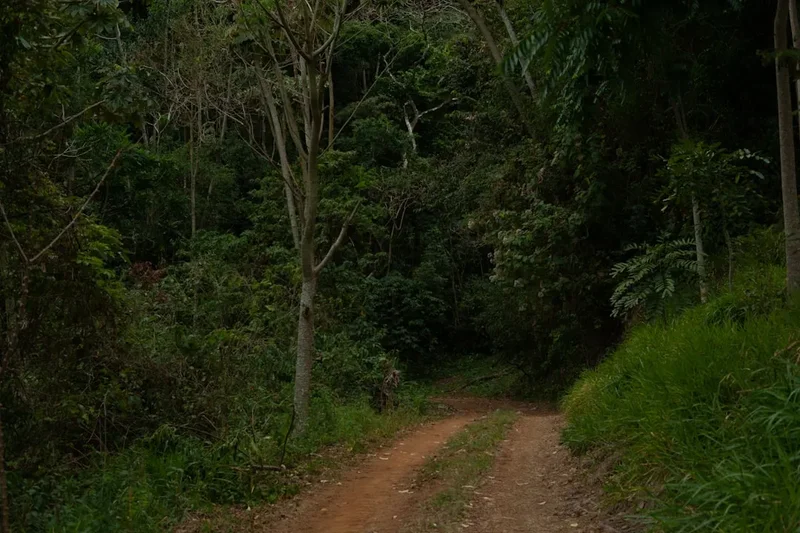
Morro Dois Irmãos Day Hike Itinerary
Early Morning (Approx. 7:00 AM): Arrival at Vidigal Favela Entrance
- Travel from your accommodation in Rio de Janeiro (e.g., Ipanema, Copacabana) via taxi or ride-sharing service to the base of Vidigal Favela.
- The entrance is easily identifiable and often has moto-taxis waiting.
- Brief yourself on the route and consider hiring a local guide for a more informed and secure experience.
Morning (Approx. 7:30 AM - 8:30 AM): Ascent via Moto-Taxi or Walking
- Option 1 (Recommended for ease and time-saving): Take a moto-taxi up the steep, winding roads into the heart of Vidigal. This is a thrilling experience in itself.
- Option 2 (For the more adventurous): Walk up the paved road. This is a significant climb and will add considerable time and effort to your day.
- The moto-taxi will drop you at a point where the paved road ends and the hiking trail begins.
Morning (Approx. 8:30 AM - 10:00 AM): Trail Ascent to the Summit
- Begin the hike on the well-defined dirt path.
- The trail is steep and can be uneven, with rocky sections and some natural steps.
- You will pass through areas with dense vegetation, offering glimpses of local flora and fauna.
- The gradient is consistent, requiring a steady pace and regular hydration breaks.
- As you gain altitude, the views of the surrounding favela and the coastline begin to open up.
Midday (Approx. 10:00 AM - 11:00 AM): Summit Views and Exploration
- Reach the twin peaks of Morro Dois Irmãos.
- Spend time taking in the breathtaking 360-degree panoramic views.
- Identify key landmarks: Ipanema Beach, Leblon Beach, Copacabana Beach, Sugarloaf Mountain, Christ the Redeemer statue, and the vast Atlantic Ocean.
- Take photographs and enjoy the sense of accomplishment.
- Be mindful of other hikers and share the summit space respectfully.
Late Morning/Early Afternoon (Approx. 11:00 AM - 12:30 PM): Descent to Vidigal Base
- Begin your descent back down the trail.
- The descent can be as challenging as the ascent, requiring careful footing.
- Take your time to avoid slips and falls.
- Upon reaching the point where the trail meets the road, you can either walk down or take a moto-taxi back to the base of the favela.
Afternoon (Approx. 12:30 PM onwards): Post-Hike Relaxation and Exploration
- Enjoy a well-deserved rest and refreshment at a local café or restaurant near the Vidigal entrance or in nearby Ipanema/Leblon.
- Consider a relaxing afternoon on Ipanema or Leblon beach.
- Reflect on the incredible views and the unique cultural experience of hiking through Vidigal.
Important Notes:
- Start early to avoid the heat and crowds.
- Carry at least 1.5-2 litres of water per person.
- Wear sturdy, closed-toe shoes with good grip.
- Sunscreen, a hat, and sunglasses are essential.
- Consider hiring a local guide for safety and cultural insights.
- Be respectful of the local community within the favela.
Planning and Bookings
Book Your Trip
Everything you need to plan your journey
Accommodation
Find places to stay near Rio de Janeiro
Flights
Search flights to Rio de Janeiro
Essential Preparation
The Morro Dois Irmãos trail is a day hike, meaning no overnight accommodation is required. The primary logistical consideration is getting to the trailhead at the Vidigal Favela. This is best achieved via taxi or ride-sharing services like Uber, which can drop you at the main entrance. Public transport options exist, involving buses to the area, but may require more walking or local transfers. Parking near the trailhead is extremely limited and not recommended. Given the steepness of the initial ascent into Vidigal, many visitors opt to take a moto-taxi from the base to the point where the hiking trail truly begins. This saves significant time and energy, allowing you to focus on the hike itself. It's advisable to have some Brazilian Reais (BRL) in cash for moto-taxi fares and any small purchases within the favela, as card facilities may not be universally available.
Trail Accommodation
This is a day hike requiring no overnight accommodation.
Required Gear
- Sturdy hiking shoes or trainers: With good grip for uneven and rocky terrain.
- Comfortable hiking attire: Lightweight, breathable clothing suitable for warm and humid conditions.
- Sun protection: A wide-brimmed hat or cap, sunglasses, and high SPF sunscreen are essential.
- Backpack: A small daypack to carry essentials like water, snacks, and a camera.
- Camera/Smartphone: For capturing the incredible views.
- Personal First-Aid Kit: Including plasters, antiseptic wipes, and any personal medications.
What to Bring
- Water: At least 1.5 to 2 litres per person. Hydration is crucial, especially during warmer months.
- Snacks: Energy bars, fruit, or nuts to keep you fuelled during the ascent and descent.
- Insect Repellent: Especially important during the wet season or if hiking in the late afternoon.
- Hand Sanitiser: For hygiene, particularly before eating.
- Cash (Brazilian Reais): For moto-taxi fares, potential guide fees, and any local refreshments.
- Identification: A copy of your passport or ID.
Permits
No permits are required to hike the Morro Dois Irmãos trail. Access to the trail is generally open to the public. However, it is important to note that the trail begins within the Vidigal Favela. While the community is generally welcoming to tourists, especially those who engage with local guides or businesses, it is always advisable to be respectful of the residents and their privacy. Hiring a local guide is often recommended, not only for navigation but also to ensure a positive and safe interaction with the community. Guides can facilitate the use of moto-taxis and provide valuable cultural context.
Other Activities in the Area
The Morro Dois Irmãos hike is often combined with other popular Rio de Janeiro attractions, particularly those located in the Zona Sul:
- Ipanema Beach: Famous for its vibrant atmosphere, beautiful sands, and iconic song, Ipanema is perfect for sunbathing, swimming, or people-watching.
- Leblon Beach: Adjacent to Ipanema, Leblon offers a slightly more upscale and family-friendly beach experience.
- Copacabana Beach: One of the world's most famous beaches, known for its lively promenade, historic Copacabana Palace, and bustling energy.
- Sugarloaf Mountain (Pão de Açúcar): Accessible via cable car, Sugarloaf offers spectacular views of the city, Guanabara Bay, and Christ the Redeemer.
- Christ the Redeemer (Cristo Redentor): The iconic Art Deco statue atop Corcovado Mountain, offering another breathtaking perspective of Rio.
- Botanical Garden (Jardim Botânico): A tranquil oasis featuring diverse plant collections, imperial palms, and a peaceful atmosphere.
- Santa Teresa neighbourhood: A charming, bohemian district known for its cobblestone streets, art studios, and the famous Selarón Steps.
Safety and Conditions
General Safety: While the Morro Dois Irmãos trail is popular and generally safe, it's important to exercise caution, especially when hiking through the Vidigal Favela. It is highly recommended to hike with a local guide who is familiar with the community and the trail. This can help prevent misunderstandings and ensure your safety. Avoid displaying expensive jewellery or large amounts of cash. Stick to the main paths and avoid venturing into unmarked or secluded areas.
Trail Conditions: The trail is primarily a dirt path with rocky sections and some natural steps. It can be steep and uneven, requiring careful footing. During the wet season, the path can become muddy and slippery. Wear appropriate footwear with good grip. The heat and humidity can be intense, particularly during the summer months. Start your hike early in the morning to avoid the midday sun and carry plenty of water.
Weather: Rio de Janeiro experiences a tropical climate. Be prepared for high temperatures and humidity, especially from November to March. Thunderstorms can occur, often in the afternoon, and can make the trail slippery and visibility poor. Check the weather forecast before you go and be prepared to postpone your hike if severe weather is expected.
Hydration and Sun Protection: This cannot be stressed enough. Carry ample water (at least 1.5-2 litres per person) and drink regularly. Use high SPF sunscreen, wear a hat, and sunglasses to protect yourself from the strong tropical sun.
Respect for the Community: Remember that you are hiking through a residential area. Be respectful of the residents, their homes, and their privacy. Ask for permission before taking photographs of people. Engaging with local guides not only enhances your experience but also supports the local economy.
Side Trips and Points of Interest
Vidigal Favela Cultural Immersion: The hike itself is a significant cultural experience. As you ascend, you'll witness the vibrant daily life of the favela, from local businesses and street art to the unique architecture. Engaging with a local guide can provide deeper insights into the community's history, challenges, and resilience. Many guides offer tours that include the hike, providing a comprehensive cultural and scenic experience.
Local Art and Murals: Keep an eye out for the colourful street art and murals that adorn many of the buildings within Vidigal. These artworks often reflect the community's spirit, history, and aspirations, adding an artistic dimension to your journey.
Panoramic Views from Lower Elevations: Even before reaching the summit, the trail offers increasingly impressive views of the surrounding favela and the coastline. Pausing at various points along the ascent can provide excellent photographic opportunities and a sense of the scale of the landscape.
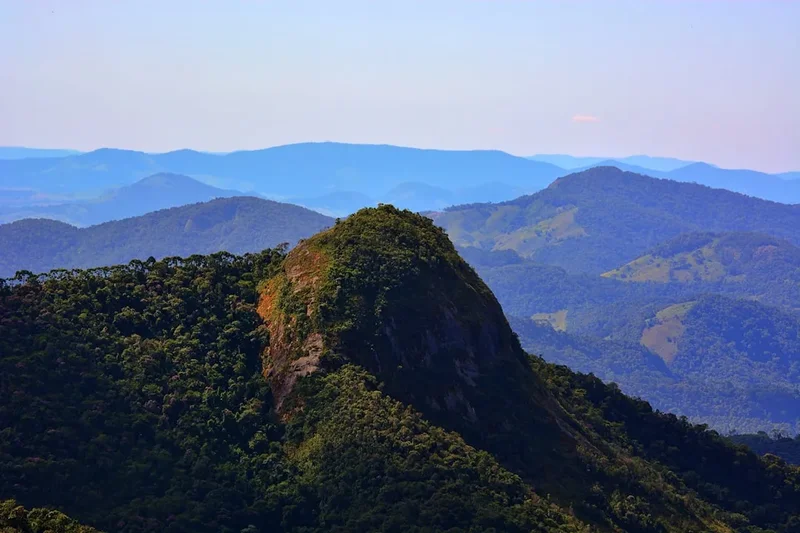
The Twin Peaks: The summit itself is comprised of two distinct rocky outcrops, the "Two Brothers." While the hike is to the saddle between them or the slightly higher of the two, the distinct formation is a key landmark. The views from the summit are the primary reward, offering an unparalleled perspective of Rio's iconic geography.
Leave No Trace
The Morro Dois Irmãos trail, while popular, passes through a residential community and a natural environment that deserves respect. Adhering to Leave No Trace principles is crucial for preserving both the natural beauty and the community's well-being.
- Pack It In, Pack It Out: Carry out all litter, including food wrappers, plastic bottles, and any other waste you generate. Do not leave anything behind on the trail or within the favela.
- Stay on the Trail: Stick to the designated paths to avoid damaging vegetation and causing erosion. Venturing off-trail can disturb the local flora and fauna and may lead you into unsafe areas.
- Respect Wildlife: Observe any local wildlife from a distance and do not feed them.
- Dispose of Waste Properly: Use designated bins where available, or carry your waste until you can dispose of it responsibly.
- Be Considerate of Others: Keep noise levels down, especially within the favela, and be mindful of local residents.
- Respect Cultural Norms: When hiking through Vidigal, be aware that you are in a residential area. Dress modestly, ask permission before taking photos of people, and be polite and courteous.
- Minimise Impact: Avoid picking plants or disturbing natural features.
By following these principles, you help ensure that the Morro Dois Irmãos trail remains a beautiful and accessible experience for everyone, while also showing respect for the Vidigal community.