
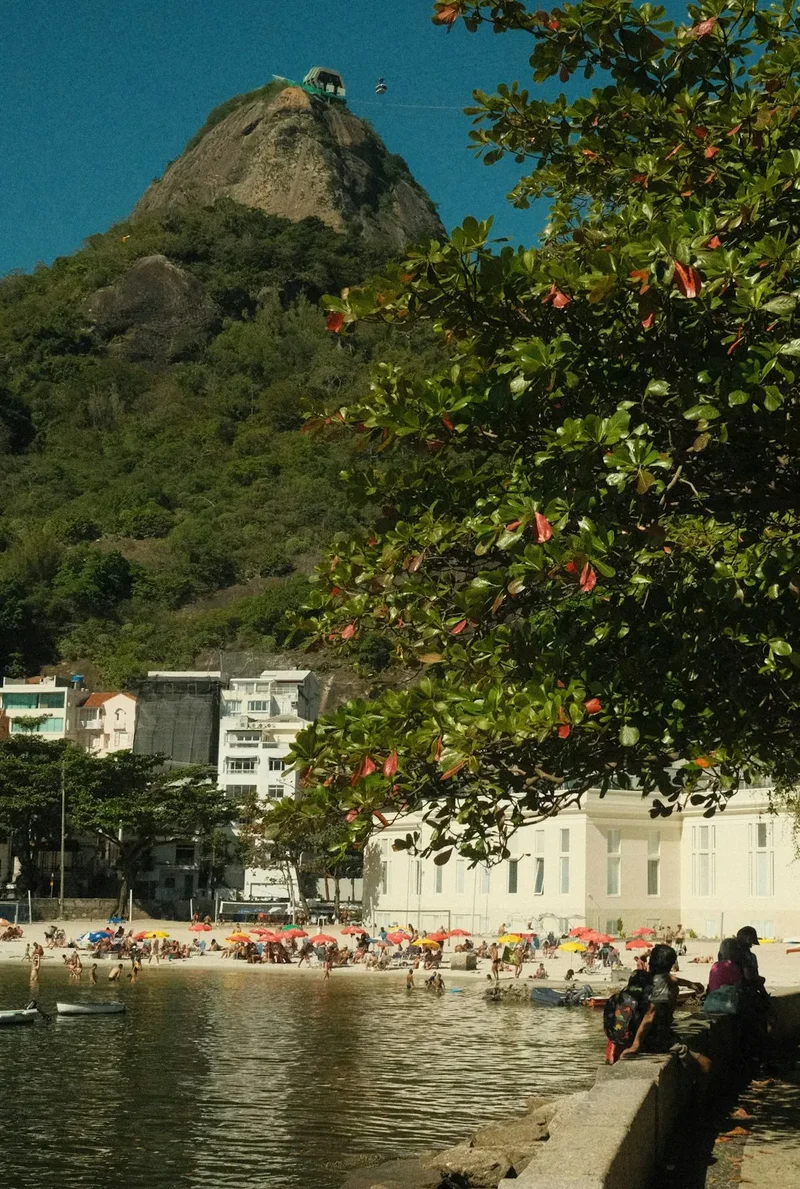
Trilha do Morro do Couto: A Gateway to Serra dos Órgãos' Majesty
The Trilha do Morro do Couto, nestled within the breathtaking Parque Nacional da Serra dos Órgãos in Brazil, offers a rewarding day hike that provides a spectacular introduction to the region's dramatic granite peaks and lush Atlantic rainforest. This trail, while relatively short in distance, presents a significant elevation gain, culminating in panoramic vistas that stretch across the iconic Dedo de Deus (Finger of God) and surrounding mountain ranges. It's a journey that balances physical exertion with immense natural beauty, making it a must-do for hikers visiting the Petrópolis area.
- Distance: 6.0 km (round trip)
- Elevation Gain: 350 m
- Duration: 3-4 hours
- Difficulty: Moderate
- Best Time: April to September (dry season)
- Closest City: Petrópolis
- Trailhead Access: From Rio de Janeiro (GIG/SDU), take a bus to Petrópolis (approx. 1.5-2 hours). From Petrópolis, take a taxi or local bus towards Parque Nacional da Serra dos Órgãos entrance near Vila Serrana. Road is paved. Limited parking available. No permits usually needed, but check park website.
- Coordinates: -22.4243, -43.1853
Overview
The Trilha do Morro do Couto is a testament to the raw, untamed beauty of the Serra dos Órgãos. This national park is renowned for its dramatic, jagged peaks, sculpted by millennia of erosion, and its incredibly biodiverse Atlantic rainforest. The trail itself is a well-trodden path that ascends steadily through dense vegetation, offering glimpses of the vibrant flora and fauna that call this region home. As you climb, the forest canopy begins to thin, revealing increasingly expansive views of the surrounding mountains. The summit of Morro do Couto, while not the highest peak in the park, provides an unparalleled vantage point, particularly for observing the famous Dedo de Deus, a towering rock formation that resembles a giant finger pointing towards the sky.
The trail's moderate difficulty stems from its consistent uphill gradient and the rocky, sometimes uneven terrain. However, the effort is amply rewarded. The air is crisp and clean, carrying the scent of damp earth and tropical foliage. Birdsong fills the air, and if you're lucky, you might spot monkeys or other small mammals in the undergrowth. The journey is as much about the immersion in nature as it is about reaching the summit. The transition from the dense, humid forest floor to the exposed, windswept summit offers a dynamic hiking experience.
This trail is an excellent option for those seeking a substantial day hike without the commitment of an overnight trek. It’s accessible from the major city of Rio de Janeiro, making it a popular excursion for tourists and locals alike. The park's commitment to conservation ensures that the natural environment remains pristine, offering a genuine escape into wilderness.
History and Cultural Context
The Parque Nacional da Serra dos Órgãos has a rich history intertwined with the exploration and settlement of Brazil. The region was historically inhabited by indigenous peoples who utilized the abundant natural resources of the Atlantic Forest. European colonisation in the 16th century led to the development of agricultural activities, particularly coffee plantations, in the fertile valleys surrounding the mountains. Petrópolis, the "Imperial City," was founded in the mid-19th century by Emperor Pedro II and quickly became a summer retreat for the Brazilian aristocracy, drawn by the cooler climate and stunning scenery of the Serra dos Órgãos.
The dramatic geological formations of the Serra dos Órgãos have long captured the imagination. The iconic Dedo de Deus, in particular, has become a symbol of the region and a challenge for rock climbers. The establishment of the Parque Nacional da Serra dos Órgãos in 1939 was a crucial step in preserving this unique ecosystem, which was under threat from deforestation and agricultural expansion. The park was one of the first national parks established in Brazil, reflecting a growing awareness of the need for conservation.
The Trilha do Morro do Couto, while a natural path, has been shaped and maintained over time by park authorities and local communities. Its existence as a designated hiking trail facilitates access to the park's natural wonders, allowing visitors to appreciate the geological marvels and biodiversity that have been protected for generations. The trail serves as a modern-day conduit to the historical significance of the region, connecting visitors to the natural heritage that has defined this part of Brazil.
Seasonal Highlights and Weather Reality
The Trilha do Morro do Couto is best enjoyed during the dry season, which typically runs from April to September. During these months, rainfall is significantly lower, leading to clearer skies and more stable weather conditions, ideal for hiking and enjoying panoramic views. The temperatures are generally pleasant, ranging from 15°C to 25°C, making for comfortable trekking conditions.
The dry season offers the highest probability of clear days, allowing for unobstructed views of the surrounding mountain ranges, including the prominent Dedo de Deus. The Atlantic rainforest, while always lush, can appear even more vibrant against a backdrop of clear blue skies. The reduced humidity also makes the climb more comfortable, with less oppressive heat and a lower risk of encountering dense fog that can sometimes obscure the higher elevations.
Conversely, the wet season, from October to March, brings frequent and heavy rainfall. While the rainforest is at its most verdant during this period, hiking can be challenging due to slippery trails, reduced visibility, and the risk of flash floods. Temperatures can also be higher and more humid, making the ascent more strenuous. For these reasons, the dry season is strongly recommended for anyone planning to hike the Trilha do Morro do Couto.
Recommended Itinerary
Trilha do Morro do Couto: Day Hike Itinerary
Early Morning (Approx. 7:00 AM - 8:00 AM): Departure from Petrópolis
- Depart from your accommodation in Petrópolis.
- Travel by taxi or local transport towards the Parque Nacional da Serra dos Órgãos entrance near Vila Serrana.
- The drive offers scenic views as you ascend towards the park.
Morning (Approx. 8:00 AM - 9:00 AM): Arrival at Trailhead and Preparation
- Arrive at the designated trailhead for Trilha do Morro do Couto.
- Park your vehicle (if applicable) or disembark from your transport.
- Take a moment to prepare your gear, hydrate, and use restroom facilities if available.
- Briefly review the trail map and conditions with your hiking companions.
Morning to Midday (Approx. 9:00 AM - 12:00 PM): Ascent to Morro do Couto Summit
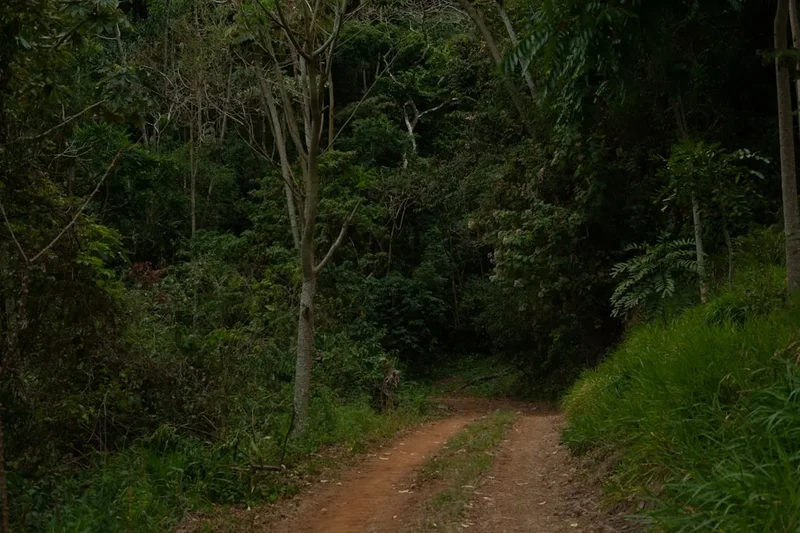
- Begin the hike. The trail starts with a gradual incline through dense Atlantic rainforest.
- The path is well-defined but can be rocky and uneven in places.
- As you gain elevation, the forest canopy begins to open up, offering occasional glimpses of the surrounding peaks.
- Key Waypoints:
- Initial forest section with rich biodiversity.
- Steeper ascents with switchbacks.
- Emerging viewpoints offering expansive vistas.
- The climb is consistent, requiring a moderate level of fitness.
- The total ascent to the summit is approximately 350 metres.
Midday (Approx. 12:00 PM - 1:00 PM): Summit Exploration and Lunch
- Reach the summit of Morro do Couto.
- Spend time admiring the 360-degree panoramic views.
- Key sights include:
- The iconic Dedo de Deus (Finger of God) formation.
- The vast expanse of the Serra dos Órgãos mountain range.
- Distant views of Petrópolis and the surrounding valleys.
- Enjoy a packed lunch and rehydrate while soaking in the scenery.
- Take photographs to capture the memorable views.
Afternoon (Approx. 1:00 PM - 3:00 PM): Descent and Return to Trailhead
- Begin the descent back to the trailhead.
- The descent can be as challenging as the ascent, requiring careful footing on the rocky terrain.
- Take your time to ensure safety and avoid slips.
- Continue through the rainforest, enjoying the changing perspective as you descend.
- Arrive back at the trailhead.
Late Afternoon (Approx. 3:00 PM onwards): Departure from Park
- Depart from the Parque Nacional da Serra dos Órgãos.
- Return to Petrópolis or your next destination.
Important Notes:
- This is a day hike; no overnight accommodation is required.
- Carry sufficient water and snacks for the entire duration of the hike.
- Wear appropriate hiking footwear and clothing.
- Check weather conditions before you go; trails can become hazardous in rain.
- Be aware of the park's operating hours and any specific regulations.
Planning and Bookings
Book Your Trip
Everything you need to plan your journey
Accommodation
Find places to stay near Petrópolis
Flights
Search flights to Petrópolis
Essential Preparation
The Trilha do Morro do Couto is a day hike, meaning overnight accommodation is not a concern. However, thorough preparation is still crucial for a safe and enjoyable experience. The closest major city and logistical hub is Petrópolis, which offers a wide range of accommodation options, from budget-friendly hostels to more upscale hotels. Petrópolis is easily accessible by bus from Rio de Janeiro's main airports (GIG and SDU), with journey times typically ranging from 1.5 to 2 hours. From Petrópolis, you will need to arrange transport to the Parque Nacional da Serra dos Órgãos entrance near Vila Serrana. Taxis or ride-sharing services are readily available, and local buses may also serve the area, though schedules can be less frequent. It is advisable to confirm transport options in advance, especially if travelling during peak times or on weekends.
Before embarking on the hike, ensure you have checked the weather forecast for the Serra dos Órgãos region. Conditions can change rapidly in mountainous areas, and heavy rain can make the trail slippery and dangerous. It is also wise to confirm the park's opening hours and any specific entry requirements, although permits are generally not required for this specific trail, it's always best to verify with the park authorities.
Trail Accommodation
This is a day hike requiring no overnight accommodation.
Required Gear
- Hiking Boots: Sturdy, waterproof hiking boots with good ankle support are essential. The trail can be rocky and uneven, and good grip is vital for both ascent and descent. Ensure they are well broken-in to prevent blisters.
- Waterproof Jacket: A lightweight, breathable waterproof jacket is highly recommended, even during the dry season, as mountain weather can be unpredictable.
- Backpack: A comfortable daypack (20-30 litres) to carry your essentials, including water, snacks, first-aid kit, and extra layers.
- Navigation: While the trail is generally well-marked, a map of the park and a compass or GPS device are advisable, especially if you plan to explore any side routes or if visibility is poor. A charged mobile phone with offline maps downloaded is also a good backup.
- Safety Gear: A basic first-aid kit including blister treatment, pain relievers, antiseptic wipes, and any personal medications. A head torch with spare batteries is useful in case of unexpected delays.
- Sun Protection: Sunscreen (SPF 30+), sunglasses, and a wide-brimmed hat are important, as the sun can be intense at higher altitudes, even on cloudy days.
What to Bring
- Food: Pack plenty of high-energy snacks such as trail mix, energy bars, fruit, and sandwiches for a satisfying lunch at the summit.
- Water: Carry at least 1.5 to 2 litres of water per person. There are no reliable water sources on the trail for refilling.
- Toiletries: Biodegradable wet wipes, hand sanitiser, and any personal hygiene items. Pack out all rubbish.
- Insect Repellent: While less of an issue in the dry season, it's wise to carry insect repellent, especially for the lower, more forested sections of the trail.
- Camera: To capture the stunning scenery and memorable moments.
- Cash: For potential transport costs, park entry fees (if applicable), or souvenirs.
- Layers: Even in warmer months, temperatures can drop at higher elevations. Bring a light fleece or insulating layer to wear over your base layer.
Permits
For the Trilha do Morro do Couto, typically no specific permit is required for day hikers. However, it is always advisable to check the official website of the Parque Nacional da Serra dos Órgãos or contact their visitor centre for the most up-to-date information regarding park entry fees, regulations, and any potential changes to access policies. National parks in Brazil can sometimes implement entry fees or require registration, especially during peak seasons or for specific trails. It is recommended to arrive early, particularly on weekends or public holidays, as parking at the trailhead can be limited.
Park Entry: While specific permits for this trail are uncommon, there may be a general park entrance fee. It is best to confirm this with park authorities prior to your visit. Information can usually be found on the official ICMBio (Instituto Chico Mendes de Conservação da Biodiversidade) website, which manages Brazil's national parks.
Best Time to Visit: The dry season, from April to September, is the most recommended period for hiking in the Serra dos Órgãos. This period offers the best weather conditions with less rainfall and clearer skies, providing optimal visibility for the panoramic views from Morro do Couto.
Park Hours: Confirm the park's operating hours in advance, as these can vary seasonally. Arriving early in the morning is recommended to allow ample time for the hike and to secure parking.
Other Activities in the Area
The Parque Nacional da Serra dos Órgãos and its surroundings offer a wealth of activities for nature enthusiasts and adventurers:
- Hiking other trails: The park boasts numerous other trails catering to various fitness levels, including the challenging ascent to Pedra do Sino (Bell Rock), the park's highest point, and the scenic hike to Cachoeira Véu da Noiva (Bride's Veil Waterfall).
- Rock Climbing: The Serra dos Órgãos is a world-renowned destination for rock climbing, with iconic routes on peaks like Dedo de Deus and Pedra do Sino. Experienced climbers will find numerous challenging ascents.
- Birdwatching: The Atlantic Forest is a biodiversity hotspot, and the park is home to a vast array of bird species. Bring binoculars and a field guide to spot toucans, hummingbirds, tanagers, and many other colourful avian inhabitants.
- Exploring Petrópolis: Known as the "Imperial City," Petrópolis offers historical and cultural attractions, including the Imperial Museum (Museu Imperial), the Crystal Palace (Palácio de Cristal), and the charming cobblestone streets of the city centre.
- Visiting nearby waterfalls: Beyond the park's boundaries, the region is dotted with beautiful waterfalls accessible via short walks or drives, offering opportunities for a refreshing dip.
- Scenic Drives: The roads leading to and around the park offer stunning vistas of the mountainous landscape, making for enjoyable scenic drives.
Safety and Conditions
Weather Awareness: The most critical safety aspect for hiking in the Serra dos Órgãos is being aware of the weather. Mountain weather can change rapidly. Always check the forecast before you go and be prepared for sudden shifts, including rain, fog, and temperature drops. If severe weather is predicted, it is best to postpone your hike.
Trail Conditions: The Trilha do Morro do Couto is generally well-maintained, but sections can be rocky, uneven, and slippery, especially after rain. Wear appropriate footwear with good grip. Be mindful of your footing at all times, particularly during the descent.
Hydration and Nutrition: Carry more water than you think you will need, as dehydration can occur quickly, especially during strenuous climbs. Pack energy-rich snacks to maintain your stamina. There are no facilities for purchasing food or water on the trail.
Wildlife: While encounters with large dangerous animals are rare, be aware of your surroundings. Observe wildlife from a distance and never feed animals, as this can disrupt their natural behaviour and pose risks to both them and you. Small insects, including mosquitoes and biting flies, can be present, so insect repellent is advisable.
Communication: Mobile phone signal can be unreliable in mountainous areas. Inform someone of your hiking plans, including your intended route and expected return time. Consider carrying a personal locator beacon (PLB) for remote areas, although for this day hike, it may be considered optional.
First Aid: Carry a comprehensive first-aid kit and know how to use its contents. Be prepared to treat common hiking injuries such as blisters, sprains, and minor cuts.
Park Regulations: Familiarise yourself with and adhere to all park regulations. This includes staying on marked trails, not littering, and respecting the natural environment.
Side Trips and Points of Interest
Dedo de Deus (Finger of God): While not directly accessible from the Trilha do Morro do Couto without specialised climbing gear, the summit offers unparalleled views of this iconic rock formation. This granite spire, rising dramatically from the surrounding landscape, is a symbol of the Serra dos Órgãos and a magnet for climbers worldwide. Observing it from the vantage point of Morro do Couto is a highlight of the hike.
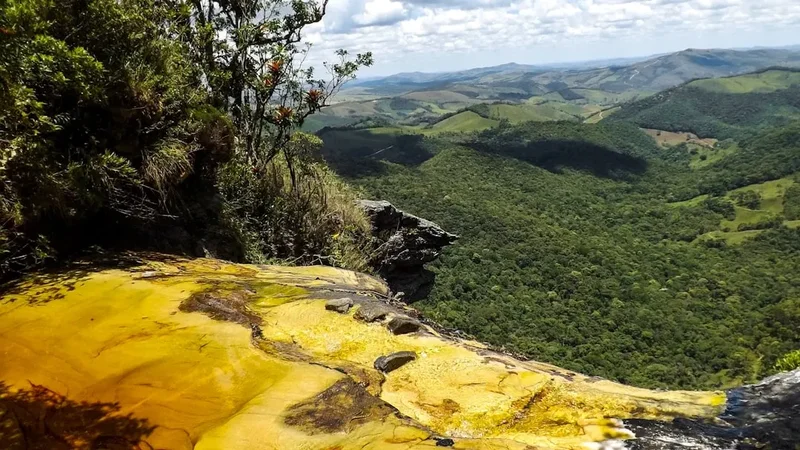
Panoramic Vistas: The summit of Morro do Couto provides a breathtaking 360-degree panorama. On a clear day, you can see for miles, taking in the jagged peaks of the Serra dos Órgãos, the lush green valleys, and the distant urban sprawl. The changing light throughout the day offers different perspectives and photographic opportunities.
Atlantic Rainforest Flora and Fauna: The trail itself is a point of interest, showcasing the rich biodiversity of the Atlantic Forest biome. Keep an eye out for diverse plant life, including bromeliads, orchids, and towering trees draped in moss and epiphytes. Birdsong is a constant companion, and with luck, you might spot monkeys or other small mammals.
Geological Formations: Beyond Dedo de Deus, the entire landscape is a testament to powerful geological forces. The sculpted granite peaks, sheer cliffs, and deep valleys are a fascinating study in erosion and uplift, offering a visual narrative of the region's ancient past.
Leave No Trace
The Parque Nacional da Serra dos Órgãos is a precious natural resource, and it is imperative that all visitors practice Leave No Trace principles to preserve its beauty and ecological integrity for future generations. As you hike the Trilha do Morro do Couto, remember that you are a guest in this environment.
Your responsibility as a hiker:
- Pack It In, Pack It Out: Carry out everything you carry in. This includes all food wrappers, fruit peels, and any other waste. Do not bury or burn trash.
- Stay on Marked Trails: Stick to the designated path to avoid damaging fragile vegetation and to prevent erosion. Venturing off-trail can disturb wildlife and lead to habitat destruction.
- Respect Wildlife: Observe animals from a distance and never feed them. Feeding wildlife can alter their natural behaviours, make them dependent on human food, and potentially expose them to diseases.
- Dispose of Waste Properly: Use designated toilets where available. If no facilities are present, dig a cathole at least 60 metres (60 m) away from water sources, trails, and campsites. Pack out all toilet paper.
- Leave What You Find: Do not take any natural objects, such as rocks, plants, or flowers, from the park. Leave them for others to enjoy and for the ecosystem to thrive.
- Minimise Campfire Impacts: Campfires are generally not permitted on day hikes and should be avoided in natural areas. If permitted for overnight stays in designated areas, use existing fire rings and ensure fires are completely extinguished.
- Be Considerate of Other Visitors: Keep noise levels down and yield to other hikers on the trail. Respect the peace and tranquility of the natural environment.
By adhering to these principles, you help ensure that the Trilha do Morro do Couto and the Parque Nacional da Serra dos Órgãos remain a pristine and enjoyable destination for everyone.