
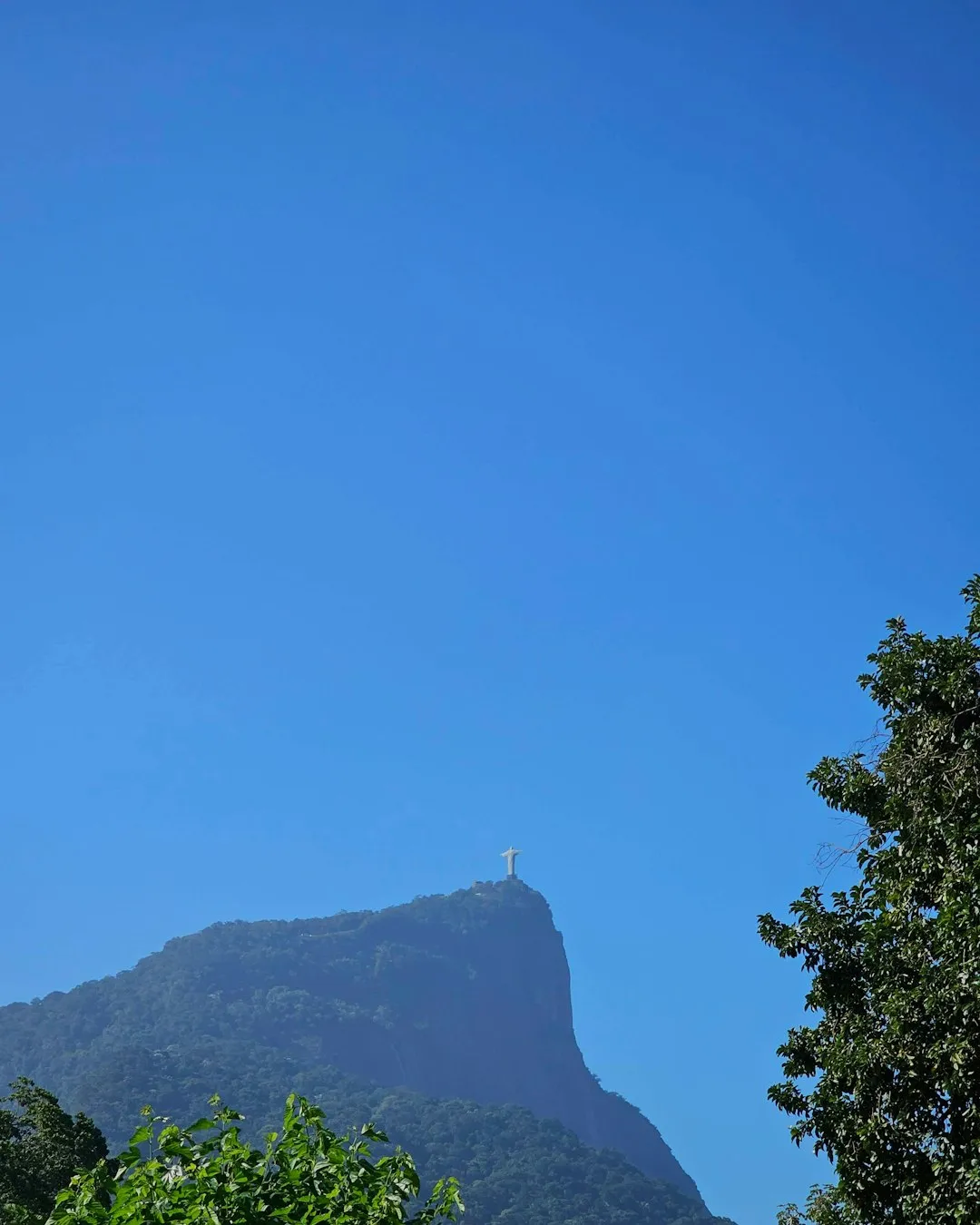
Trilha do Morro do Chapéu - A Glimpse of Rio's Wild Heart
The Trilha do Morro do Chapéu, or "Hat Hill Trail," offers a captivating day hike within the expansive Parque Nacional da Tijuca, one of the world's largest urban rainforests. Located in the heart of Rio de Janeiro, this trail provides a refreshing escape from the city's vibrant energy, immersing visitors in lush Atlantic Forest scenery, diverse flora and fauna, and culminating in breathtaking panoramic views. While not as globally renowned as some of the world's multi-day treks, Morro do Chapéu presents a rewarding and accessible adventure for those seeking natural beauty and a sense of accomplishment within the city limits.
- Distance: 8.0 km one-way
- Elevation gain: 350 m
- Duration: 3-4 hours
- Difficulty: Moderate
- Best Time: April to September (dry season)
- Huts: None (day hike)
- Highest point: Summit of Morro do Chapéu
- Daily walkers: Variable, but generally less crowded than more popular city attractions
- Direction: Out-and-back
Overview
The Trilha do Morro do Chapéu is a moderate day hike that ascends through the dense, verdant embrace of the Tijuca National Park. The trail is characterised by its well-maintained path, which winds through a rich tapestry of Atlantic Forest vegetation. As you climb, the sounds of the city gradually fade, replaced by the symphony of the rainforest – the calls of exotic birds, the rustling of leaves, and the gentle murmur of unseen streams. The ascent is steady, offering a good physical challenge without being overly strenuous, making it suitable for most reasonably fit individuals.
The journey is as much about the experience of the forest as it is about the destination. Along the way, you'll encounter a diverse array of plant life, including towering trees, vibrant bromeliads, and delicate orchids. Keep an eye out for the park's abundant wildlife; the Tijuca Forest is home to numerous bird species, monkeys, and other small mammals, though sightings can be elusive. The trail's progression is marked by changing vegetation and increasingly impressive glimpses of the surrounding landscape through breaks in the canopy.
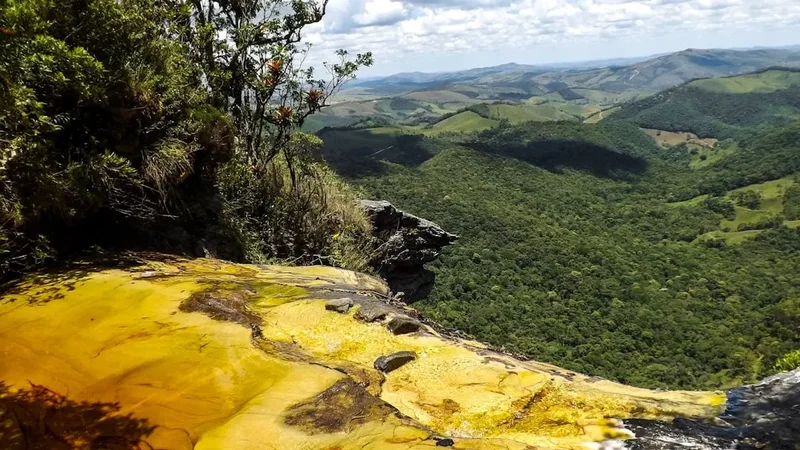
The ultimate reward for your efforts is the summit of Morro do Chapéu. From this vantage point, you are treated to spectacular 360-degree views that encompass much of Rio de Janeiro. The iconic Sugarloaf Mountain, Christ the Redeemer statue atop Corcovado, the sprawling city below, and the vast expanse of the Atlantic Ocean all come into view. The contrast between the wild, green expanse of the rainforest and the urban sprawl of one of the world's most famous cities is truly striking. The descent offers a different perspective, allowing you to appreciate the forest's details you might have missed on the way up.
History and Cultural Context
The Parque Nacional da Tijuca, within which the Trilha do Morro do Chapéu is situated, has a rich and fascinating history deeply intertwined with the development of Rio de Janeiro itself. Originally a vast coffee plantation in the 19th century, the area suffered severe deforestation due to intensive agricultural practices. By the mid-1800s, the landscape was dramatically altered, leading to water shortages in the city.
In response to this environmental crisis, Emperor Dom Pedro II ordered the reforestation of the area in 1861. This ambitious project, led by Major Manuel Gomes Archer, involved the planting of thousands of native trees, effectively creating the foundation for the urban rainforest we see today. The reforestation efforts were crucial not only for restoring the ecological balance but also for securing the city's water supply. Over time, the area was designated as a national park, preserving its natural beauty and ecological significance.
The Trilha do Morro do Chapéu, while not having a specific historical narrative tied to a single explorer or event like some famous international trails, is part of this larger story of environmental restoration and conservation. The trails within the park were developed to allow access for scientific study, recreation, and to facilitate the ongoing management of the forest. The existence of such a significant natural area so close to a major metropolis is a testament to foresight and dedication to preserving natural heritage. The trail itself represents a path through a landscape that was once scarred by human activity but has been painstakingly brought back to life, offering a powerful symbol of ecological resilience.
Seasonal Highlights and Weather Reality
The Trilha do Morro do Chapéu is accessible year-round, but the experience can vary significantly depending on the season. Rio de Janeiro experiences a tropical climate, with distinct wet and dry periods.
Dry Season (April to September): This is generally considered the best time to hike the trail. The weather is typically drier, with lower humidity and more comfortable temperatures, averaging around 20-25° Celsius. The skies are often clearer, offering the best chances for unobstructed panoramic views from the summit. The reduced rainfall also means the trail is less likely to be muddy or slippery, making the ascent and descent safer and more enjoyable. This period is ideal for photography and for enjoying the forest in its most serene state.
Wet Season (October to March): This period is characterised by higher temperatures, increased humidity, and frequent, often heavy, rainfall. While the rainforest is at its most vibrant and lush during these months, the trail can become muddy and challenging. Afternoon thunderstorms are common, so starting your hike early in the morning is highly recommended to avoid the heaviest downpours and potential lightning. Despite the rain, the forest is incredibly alive, with waterfalls and streams at their most impressive. The humidity can make the hike feel more strenuous, and visibility from the summit may be reduced due to cloud cover.
Important Considerations: Regardless of the season, always be prepared for sudden weather changes. Even during the dry season, brief showers can occur. The tropical sun can be intense, so sun protection is essential year-round. The park is a natural environment, and while generally safe, it's wise to be aware of your surroundings and stick to the marked trail.
Recommended Itinerary
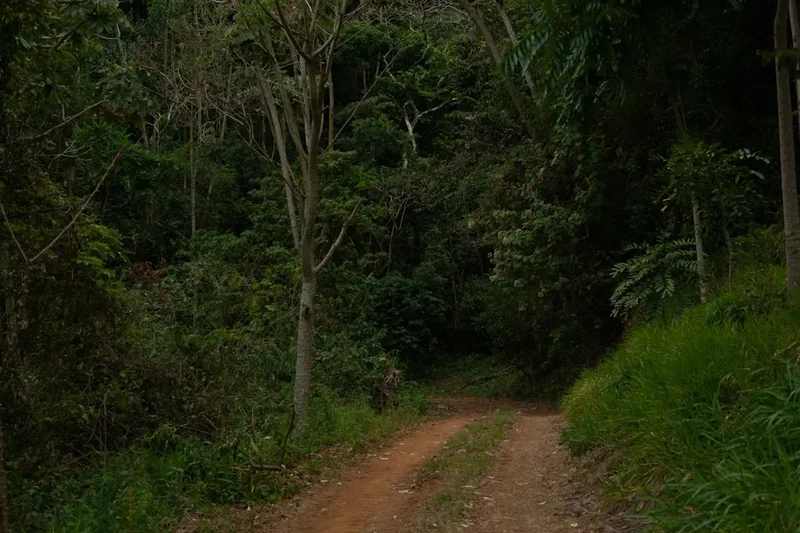
Day Hike: Trilha do Morro do Chapéu
Early Morning (7:00 AM - 8:00 AM): Arrival and Trailhead Preparation
- Arrive at the Parque Nacional da Tijuca, specifically the Bom Retiro entrance area.
- Locate the trailhead for Morro do Chapéu. Parking is available but can be limited, especially on weekends.
- Ensure you have water, snacks, and any necessary gear.
- Briefly check trail conditions if any information is available at the park entrance.
Morning (8:00 AM - 10:00 AM): Ascent Through the Rainforest
- Begin the hike. The initial section is relatively gentle, allowing you to acclimatise to the forest environment.
- The trail gradually begins to ascend, becoming steeper in sections.
- Observe the diverse flora and fauna of the Atlantic Forest. Listen for bird calls and look for monkeys.
- The path is well-defined, but wear appropriate footwear as some sections can be uneven or slippery, especially after rain.
- Enjoy the cool, shaded environment of the rainforest.
Midday (10:00 AM - 11:00 AM): Reaching the Summit
- Continue the ascent, with the gradient becoming more pronounced as you approach the summit.
- The final push to the top offers increasingly rewarding views through the trees.
- Arrive at the summit of Morro do Chapéu.
- Spend time taking in the spectacular 360-degree panoramic views of Rio de Janeiro, including Sugarloaf Mountain, Christ the Redeemer, the city skyline, and the Atlantic Ocean.
- Take photographs and enjoy a well-deserved rest.
Afternoon (11:00 AM - 1:00 PM): Descent and Departure
- Begin the descent back down the trail.
- The descent can be as challenging as the ascent, so take care with your footing.
- Appreciate the forest from a different perspective on the way down.
- Return to the trailhead near Bom Retiro.
- Depart from the Parque Nacional da Tijuca.
Important Notes:
- This is a day hike; no overnight accommodation is required.
- Start early to avoid the midday heat and potential afternoon rain.
- Carry sufficient water (at least 1.5-2 litres per person).
- Wear sturdy, closed-toe hiking shoes or boots.
- Bring insect repellent, especially during the wet season.
- Sunscreen, a hat, and sunglasses are recommended even in the forest due to sun penetration.
- Check the park's opening hours and any specific regulations before your visit.
Planning and Bookings
Book Your Trip
Everything you need to plan your journey
Accommodation
Find places to stay near Rio de Janeiro
Flights
Search flights to Rio de Janeiro
Essential Preparation
The Trilha do Morro do Chapéu is located within the Parque Nacional da Tijuca, a protected area managed by the Brazilian Institute of Environment and Renewable Natural Resources (IBAMA). While no specific booking is required for the trail itself, it's essential to plan your visit to the national park. The closest major city is Rio de Janeiro, which is well-served by international and domestic airports (Galeão International Airport - GIG and Santos Dumont Airport - SDU).
Logistics: From Rio de Janeiro, you can reach the park via taxi, ride-sharing services (like Uber or 99), or public bus. The journey to the Bom Retiro entrance, the common starting point for the Morro do Chapéu trail, typically takes 30-60 minutes depending on traffic. It is advisable to use a navigation app to guide your driver directly to the Bom Retiro sector of the park. Limited parking is available at the trailhead, so arriving early, especially on weekends or holidays, is recommended.
Base Town/City Information: Rio de Janeiro offers a vast range of accommodation options, from luxury hotels in Copacabana and Ipanema to budget-friendly hostels in Lapa and Santa Teresa. It's advisable to stay in a well-connected area of the city to facilitate your travel to the park. Ensure you have local currency (Brazilian Real - BRL) for any small purchases or transport not covered by card.
Trail Accommodation
This is a day hike requiring no overnight accommodation.
Required Gear
- Hiking Boots/Shoes: Sturdy, closed-toe footwear with good grip is essential. Trails can be uneven and slippery, especially after rain.
- Backpack: A small to medium-sized daypack (20-30 litres) to carry essentials.
- Waterproof Jacket: Lightweight and breathable, suitable for sudden tropical downpours.
- Navigation: While the trail is generally well-marked, a map of the park or a reliable GPS device/app on your phone is recommended. Ensure your phone is fully charged.
- First Aid Kit: A basic kit including plasters, antiseptic wipes, pain relievers, and any personal medications.
- Headlamp/Torch: Essential if you plan to start very early or finish late, though not typically required for a standard day hike during daylight hours.
What to Bring
- Water: Carry at least 1.5 to 2 litres of water per person. Refill points are not available on the trail.
- Food: High-energy snacks such as trail mix, energy bars, fruit, and sandwiches.
- Sun Protection: High SPF sunscreen, a wide-brimmed hat, and sunglasses. The sun can be intense, even when under the forest canopy.
- Insect Repellent: Especially important during the wet season to protect against mosquitoes and other biting insects.
- Toiletries: Hand sanitiser, tissues. There are no facilities on the trail itself.
- Camera: To capture the stunning views and rainforest scenery.
- Cash: Small amounts of Brazilian Real (BRL) for potential parking fees or local vendors near the park entrance.
Permits
No specific permits are required to hike the Trilha do Morro do Chapéu or to enter the Parque Nacional da Tijuca for day use. The park is generally open to the public for recreational activities.
Park Entrance Fees: While many areas of the Parque Nacional da Tijuca are free to access, there might be nominal entrance fees or charges for specific sectors or facilities, particularly for vehicles. It is advisable to check the official IBAMA website or local park information for the most up-to-date details on any potential fees before your visit. These fees, if applicable, are typically modest and contribute to the park's maintenance and conservation efforts.
Opening Hours: The park has specific opening and closing times. It is crucial to verify these hours before your visit, as they can vary. Generally, the park is open during daylight hours, but it's best to confirm the exact times to ensure you have ample time for your hike and descent before closing. Starting your hike early in the morning is highly recommended to make the most of the cooler temperatures and to avoid potential crowds or afternoon weather changes.
Group Size: There are no restrictions on the size of hiking groups for day use on this trail. However, for larger groups, it's always considerate to be mindful of other visitors and the environment.
Safety Guidelines: While no permits are needed, adhering to park regulations and safety guidelines is mandatory. This includes staying on marked trails, not feeding wildlife, and packing out all rubbish. The park rangers are present to ensure the safety and preservation of the environment.
Other Activities in the Area
The Parque Nacional da Tijuca offers a wealth of other attractions and activities beyond the Trilha do Morro do Chapéu, making it a destination in itself:
- Vista Chinesa: A picturesque Chinese-style gazebo offering stunning panoramic views of Rio de Janeiro, including the coastline, Lagoa Rodrigo de Freitas, and Christ the Redeemer. It's a popular spot for photos.
- Cascatinha Taunay: A beautiful waterfall located within the park, accessible via a short walk. It's one of the park's most iconic natural features.
- Capela Mayrink: A historic chapel nestled within the forest, dating back to the 19th century, offering a glimpse into the area's past.
- Pico da Tijuca: The highest point in the park, offering even more expansive views. The hike to Pico da Tijuca is more challenging than Morro do Chapéu but equally rewarding.
- Horto Florestal (Botanical Garden): While technically a separate entity, the Botanical Garden is adjacent to the park and showcases an incredible diversity of plant species, including many native to the Atlantic Forest.
- Picnic Areas: Several designated areas within the park are perfect for enjoying a packed lunch amidst nature.
- Wildlife Spotting: The park is a haven for biodiversity. Keep an eye out for various bird species, monkeys (like the common marmoset), and other small mammals.
- Other Trails: The park features numerous other hiking trails of varying difficulty, allowing for extensive exploration of the rainforest.
Safety and Conditions
Pre-Hike Checks:
- Weather Forecast: Always check the weather forecast for Rio de Janeiro before heading to the park. Tropical downpours can occur suddenly, especially in the afternoon during the wet season.
- Park Status: While generally always open, it's wise to check for any temporary closures or advisories on the IBAMA website or local park information sources, though this is rare for day-use areas.
- Trail Conditions: Be aware that trails can become muddy and slippery after rain.
Trail Hazards:
- Slippery Surfaces: The primary hazard is the trail surface, which can be uneven, rocky, and very slippery, particularly after rainfall. Wear appropriate footwear with good traction.
- Steep Sections: The trail has moderate gradients with some steeper sections, requiring careful footing.
- Insects: Mosquitoes and other biting insects are present, especially during the wet season. Use insect repellent.
- Sun Exposure: Even within the forest, sun can penetrate the canopy. Use sunscreen, a hat, and sunglasses.
- Wildlife: While most wildlife is harmless, maintain a respectful distance. Do not feed any animals.
General Safety:
- Stay on Marked Trails: Venturing off-trail can lead to getting lost, damaging fragile vegetation, and encountering unforeseen hazards.
- Carry Sufficient Water: Dehydration is a risk, especially in the tropical climate.
- Inform Someone: Let a friend or family member know your hiking plans, including your intended route and estimated return time.
- Mobile Phone Signal: Signal can be intermittent within the park. Ensure your phone is fully charged.
- Emergency Contacts: Have local emergency numbers readily available. In Brazil, the general emergency number is 190 for police and 193 for fire/rescue.
Park Rangers: Park rangers are present in the national park and can provide assistance or information if needed. Do not hesitate to approach them if you have concerns.
Side Trips and Points of Interest
While the Trilha do Morro do Chapéu is a rewarding hike in itself, the Parque Nacional da Tijuca offers several other points of interest that can be incorporated into your visit or explored on separate occasions:
Vista Chinesa: This iconic viewpoint, a charming Chinese-style pavilion, offers arguably one of the most breathtaking panoramas of Rio de Janeiro. From here, you can see Sugarloaf Mountain, Christ the Redeemer, the beaches of Ipanema and Copacabana, and the Lagoa Rodrigo de Freitas. It's a popular spot for photography and a must-visit if you're in the park.
Cascatinha Taunay: This impressive waterfall is one of the park's most famous natural landmarks. It's easily accessible via a short, well-maintained path from the main road within the park. The sight and sound of the water cascading down the rocks are truly captivating, especially after periods of rain.
Pico da Tijuca: For those seeking a more challenging hike, the ascent to Pico da Tijuca, the highest peak in the park, is an excellent option. The trail is steeper and longer than Morro do Chapéu, but the summit provides an unparalleled 360-degree view of the entire city and surrounding region. It's a significant undertaking but offers an incredible sense of accomplishment.
Horto Florestal (Botanical Garden): Located at the edge of the park, the Botanical Garden is a treasure trove of biodiversity. It features a vast collection of native and exotic plants, including impressive avenues of imperial palms, orchidariums, and medicinal plant gardens. It's a peaceful and educational place to spend a few hours.
Trails within the Park: Beyond Morro do Chapéu and Pico da Tijuca, the park is crisscrossed with numerous other trails, ranging from short, easy walks to more demanding routes. Exploring these can lead you to hidden waterfalls, unique rock formations, and secluded picnic spots.
Leave No Trace
The Parque Nacional da Tijuca is a vital ecological sanctuary and a precious natural resource for Rio de Janeiro. Practising Leave No Trace principles is paramount to preserving its beauty and biodiversity for future generations. As a visitor, your actions have a direct impact on this delicate ecosystem.
Your responsibility as a walker:
- Pack It In, Pack It Out: Carry out all that you carry in. This includes all food wrappers, fruit peels, and any other waste. Do not bury or burn rubbish.
- Stay on Marked Trails: Stick to the designated paths to avoid trampling fragile vegetation, preventing erosion, and minimising disturbance to wildlife habitats.
- Respect Wildlife: Observe animals from a distance and never feed them. Feeding wildlife can alter their natural behaviour, diet, and health, and can make them dependent on humans.
- Leave What You Find: Do not take any natural objects such as rocks, plants, or flowers. Leave them for others to enjoy and for the ecosystem to thrive.
- Minimise Campfire Impacts: Campfires are generally not permitted within the park for day hikes. If you are on a longer expedition where fires are allowed, use designated fire rings and ensure they are completely extinguished.
- Be Considerate of Other Visitors: Keep noise levels down, especially in natural settings. Allow others to enjoy the peace and quiet of the rainforest.
- Dispose of Waste Properly: Use designated bins if available, or carry all waste out with you. If you need to use the toilet away from facilities, dig a cathole at least 60 metres (60 m) away from water sources, trails, and campsites.
By adhering to these principles, you help ensure that the Trilha do Morro do Chapéu and the entire Parque Nacional da Tijuca remain a pristine and enjoyable natural environment for everyone.