
Morialta Falls Trail - Adelaide Hills Gem
The Morialta Falls Trail, nestled within the Morialta Conservation Park just a short drive from Adelaide's city centre, offers a refreshing and accessible natural escape. This popular day walk is renowned for its stunning waterfalls, diverse flora, and the opportunity to experience the beauty of the Adelaide Hills without a lengthy commitment. The trail is well-maintained and suitable for a wide range of fitness levels, making it an ideal destination for families, casual walkers, and nature enthusiasts alike. Its proximity to the city ensures it's a convenient option for a quick dose of wilderness, providing a stark contrast to the urban environment.
- Distance: 7.5 km loop
- Duration: 2-3 hours
- Season: Autumn to Spring (March-November)
- Elevation Gain: 250 m
- Difficulty: Moderate
- Closest City: Adelaide
- Trailhead Access: Morialta Conservation Park, via Gorge Road. Ample parking available. Public transport (Bus Route 173) accessible.
- No permits required.
Overview
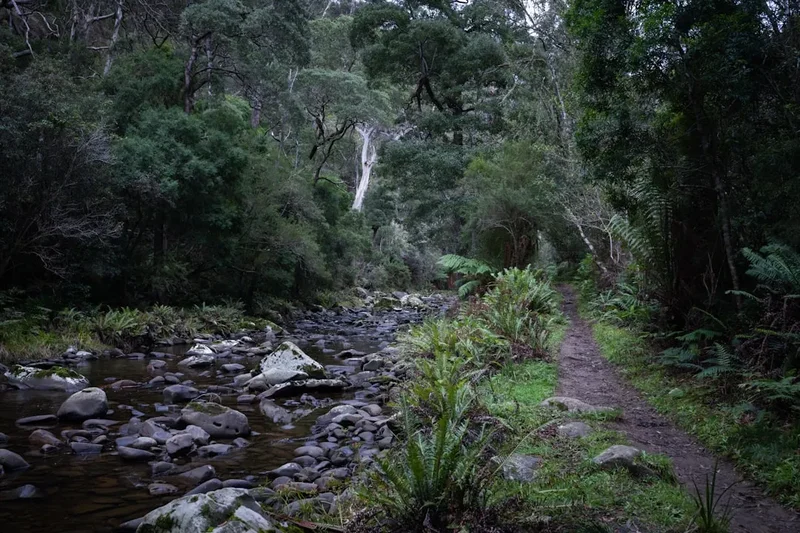
The Morialta Falls Trail is a captivating circuit that showcases the natural beauty of the Adelaide Hills. The walk is primarily known for its three significant waterfalls: Morialta Falls (First Falls), Morialta Falls (Second Falls), and Morialta Falls (Third Falls). The trail meanders through native eucalyptus forests, offering glimpses of local wildlife such as kangaroos and various bird species. The path itself is a mix of well-formed gravel tracks, some rocky sections, and a few steeper ascents and descents, contributing to its moderate difficulty rating.
The park's landscape is characterised by steep gullies and rocky outcrops, carved by the Morialta Creek. The vegetation is typical of the Mount Lofty Ranges, featuring a variety of gum trees, wattles, and native shrubs. During autumn and winter, the waterfalls are at their most impressive, fed by consistent rainfall. Spring brings a burst of wildflowers, adding colour to the forest floor. Even in drier months, the falls often retain some flow, and the surrounding bushland remains a pleasant environment for walking.
The trail is popular year-round, especially on weekends and during school holidays. Its accessibility from Adelaide makes it a go-to destination for a few hours of outdoor activity. The moderate elevation gain means that while there are some challenging sections, the overall experience is rewarding rather than exhausting. The loop structure allows for a varied experience, with different perspectives of the falls and the surrounding landscape on the ascent and descent.
History and Cultural Context
The Morialta Conservation Park, and the land on which the Morialta Falls Trail is situated, holds significant cultural heritage for the Kaurna people, the traditional custodians of the Adelaide Plains and surrounding regions. The area was a vital part of their ancestral lands, providing resources and spiritual connection for millennia. The Kaurna people have a deep and enduring relationship with this country, understanding its seasons, its flora and fauna, and its sacred sites.
European settlement in the Adelaide Hills began in the mid-19th century. The area was recognised for its natural beauty and potential for recreation. Morialta Gorge was eventually set aside as a reserve to protect its unique landscape and waterfalls. The establishment of Morialta Conservation Park in 1972 was a crucial step in preserving this natural asset for public enjoyment and conservation. Over the years, walking tracks have been developed and maintained to allow visitors to explore the gorge and its waterfalls safely.
The name "Morialta" is believed to be derived from an Indigenous word, possibly related to "place of the eagle" or "place of the flowing water," reflecting the natural features of the gorge. The development of the walking trails has been a collaborative effort, balancing the need for public access with the imperative to protect the sensitive environment and respect its cultural significance. The park continues to be a cherished destination, offering a tangible link to both the natural and cultural history of the region.
Seasonal Highlights and Weather Reality
The Morialta Falls Trail is a year-round destination, but each season offers a distinct experience:
Autumn (March-May): This is often considered one of the best times to visit. The weather is typically mild and pleasant, with cooler temperatures ideal for walking. The eucalyptus trees may display subtle autumn colours, and the waterfalls are usually flowing well due to increased rainfall. The park is less crowded than during the peak summer months.
Winter (June-August): Winter is the prime season for experiencing the full power of Morialta Falls. The creek is at its fullest, and the waterfalls are spectacular, often thundering down the rock faces. The air is crisp, and the surrounding bushland is lush and green. However, visitors should be prepared for rain and cooler temperatures, and the track can be slippery in places.
Spring (September-November): Spring brings a vibrant display of wildflowers to the park, adding splashes of colour to the undergrowth. The weather is generally mild, though occasional rain showers are still common. The waterfalls may be less powerful than in winter but still offer a beautiful spectacle. The park is a popular choice for families during school holidays.
Summer (December-February): While summer can be hot in Adelaide, the shaded gullies of Morialta Conservation Park offer some respite. However, the waterfalls may be reduced to a trickle or completely dry during prolonged dry spells. The heat can make the walk more challenging, and visitors should carry plenty of water and start early in the day to avoid the midday sun. Despite the potential for dry falls, the walking tracks and forest environment remain enjoyable.
Weather Reality: The Adelaide Hills can experience microclimates. Even on a warm day in Adelaide, it can be cooler and more humid within the gorge. Conversely, during hot summer days, the gorge can still feel very warm. Always check the local weather forecast before your visit and be prepared for changing conditions, especially rain and wind.
Recommended Itinerary
Morialta Falls Trail - Day Walk Itinerary
Early Morning (Approx. 8:00 AM - 9:00 AM): Arrival and First Falls
- Drive to Morialta Conservation Park, following Gorge Road.
- Park at the main carpark near the park entrance.
- Begin the walk from the carpark, following the signs towards Morialta Falls (First Falls).
- The initial section is a relatively gentle, well-formed path leading to the base of the First Falls.
- Spend time admiring the First Falls, taking photos, and enjoying the immediate surroundings.
- This section is accessible and offers a good introduction to the park's scenery.
Morning (Approx. 9:00 AM - 10:30 AM): Ascent to Second Falls
- Continue on the trail, which begins to ascend more noticeably as you head towards the Second Falls.
- The path becomes a mix of gravel and rocky sections, with some steeper parts.
- Enjoy the views of the gorge and the surrounding bushland as you climb.
- Reach the viewing area for the Second Falls, which is often more impressive and powerful than the First Falls, especially after rain.
- Take a break, rehydrate, and appreciate the scale of the gorge.
Midday (Approx. 10:30 AM - 12:00 PM): Towards Third Falls and Loop Completion
- The trail continues its ascent, leading towards the Third Falls. This section can be the most challenging, with steeper gradients and potentially rougher terrain.
- The path may involve some scrambling over rocks or navigating narrow sections.
- Reach the Third Falls, which is the highest of the three and often requires a bit more effort to access fully.
- From the Third Falls, the trail begins to loop back towards the carpark.
- The descent offers different perspectives of the gorge and the creek bed.
- Follow the signs for the loop track, which will guide you back towards the main park entrance and carpark.
Afternoon (Approx. 12:00 PM onwards): Return and Departure
- Complete the loop, returning to the main carpark.
- Allow time for reflection, perhaps a picnic lunch at one of the designated picnic areas within the park.
- Depart from Morialta Conservation Park.
Alternative/Extended Options:
- Picnic: The park has several picnic areas with tables and barbecue facilities, ideal for a longer visit.
- Wildlife spotting: Keep an eye out for kangaroos, koalas (though less common), and a variety of native birds.
- Extended exploration: For those seeking a longer walk, consider exploring other interconnected trails within the park or adjacent reserves, though these may be less clearly marked.
Planning and Bookings
Book Your Trip
Everything you need to plan your journey
Accommodation
Find places to stay near Adelaide
Flights
Search flights to Adelaide
Essential Preparation
The Morialta Falls Trail is a day walk, meaning no overnight accommodation is required. Preparation primarily focuses on ensuring you have the right gear for a moderate hike and are aware of the park's conditions. The closest city is Adelaide, which provides all necessary amenities, including outdoor gear shops, supermarkets, and accommodation options if you wish to stay nearby before or after your walk. Public transport is available via Bus Route 173, which stops near the park entrance, making it accessible without a car. However, driving offers the most flexibility, with ample parking available at the main trailhead.
Trail Accommodation
This is a day hike requiring no overnight accommodation.
Required Gear
- Sturdy walking shoes or hiking boots: Essential for navigating uneven and potentially slippery terrain, especially around the waterfalls.
- Comfortable clothing: Layers are recommended, as temperatures can vary. A light jacket or fleece is advisable, even in warmer months, due to the shaded gorge environment.
- Rain protection: A waterproof jacket is highly recommended, particularly during autumn and winter, as rain is common and can make the track slippery.
- Sun protection: A hat, sunglasses, and sunscreen are important, especially for the sections of the trail exposed to the sun.
- Backpack: A small daypack to carry essentials like water, snacks, and a first-aid kit.
- Navigation: While the main trail is well-marked, a map of the park or a reliable navigation app on your phone can be useful, especially if you plan to explore less-used paths.
What to Bring
- Water: Carry at least 1-2 litres of water per person, especially during warmer months. There are no water refill stations on the trail.
- Food/Snacks: Pack energy-boosting snacks such as fruit, nuts, or muesli bars. There are picnic areas available if you wish to have a longer break.
- First-aid kit: A basic kit with plasters, antiseptic wipes, pain relievers, and any personal medications.
- Insect repellent: While not as prevalent as in some other Australian regions, mosquitoes and other biting insects can be present, particularly in damper areas or during warmer months.
- Camera: To capture the stunning scenery and waterfalls.
- Trekking poles (optional): Can be helpful for stability on steeper ascents and descents, particularly if you have knee issues.
Permits
No permits are required to access Morialta Conservation Park or to walk the Morialta Falls Trail. The park is managed by the South Australian Department for Environment and Water, and entry is free for all visitors. This makes it an easily accessible and cost-effective destination for a day out in nature.
While no permits are needed, it is always advisable to check the official SA Government website or the Morialta Conservation Park page for any alerts regarding track closures, fire bans, or other important information before your visit. These are typically put in place for safety reasons and are communicated well in advance.
Other Activities in the Area
Morialta Conservation Park and its surroundings offer a variety of activities for visitors:
- Picnicking and Barbecues: The park features several well-equipped picnic areas with tables and barbecues, making it an ideal spot for a family outing or a relaxed lunch amidst nature.
- Wildlife Spotting: Morialta is home to a variety of native Australian fauna. Keep an eye out for kangaroos, wallabies, koalas (though sightings are less common), and numerous bird species, including kookaburras and various parrots. Early morning and late afternoon are often the best times for wildlife viewing.
- Photography: The dramatic waterfalls, lush vegetation, and scenic gorge provide ample opportunities for photographers of all levels. The changing light throughout the day offers different moods and perspectives.
- Nature Observation: The park's diverse flora, including native eucalyptus trees, ferns, and wildflowers (especially in spring), offers a rich environment for nature lovers and botanists.
- Connecting Trails: Morialta Conservation Park connects to other walking trails within the Adelaide Hills, allowing for longer hikes or exploration of adjacent reserves if you wish to extend your visit.
- Adelaide Hills Exploration: The park is situated within the broader Adelaide Hills region, which is renowned for its charming towns (like Hahndorf and Stirling), wineries, artisan producers, and scenic drives. A visit to Morialta can easily be combined with exploring these other attractions.
Safety and Conditions
Track Conditions: The Morialta Falls Trail is generally well-maintained, but sections can be steep, rocky, and slippery, especially after rain. Wear appropriate footwear and take your time on descents. Be aware of loose rocks and uneven surfaces.
Weather: The Adelaide Hills can experience variable weather. Always check the forecast before you go. Be prepared for heat during summer, and for rain and cooler temperatures during autumn and winter. In case of heavy rain, waterfalls can become powerful, and creek crossings may be hazardous. If severe weather is forecast, it is advisable to postpone your visit.
Water: Carry sufficient water, as there are no water sources available on the trail. Dehydration can be a risk, particularly on warmer days.
Wildlife: While generally docile, kangaroos can be encountered. Maintain a safe distance and do not attempt to feed them. Be aware of snakes, especially during warmer months; stay on marked paths and watch where you step.
Communication: Mobile phone reception can be patchy within the gorge. Inform someone of your plans, including your expected return time.
First Aid: Carry a basic first-aid kit for minor injuries. In case of a serious emergency, contact emergency services immediately.
Park Hours: Morialta Conservation Park is generally open from dawn to dusk. Always check official park hours before your visit.
Side Trips and Points of Interest
Morialta Falls (First Falls): The most accessible of the three waterfalls, located a short walk from the main carpark. It's a beautiful cascade that tumbles over a rocky ledge, surrounded by native bushland. This is a great spot for initial photos and a gentle introduction to the park's natural beauty.
Morialta Falls (Second Falls): A more substantial waterfall, requiring a moderate climb to reach. The viewing platform offers excellent perspectives of the water plunging into the gorge below. This is often the most impressive of the falls, particularly after significant rainfall.
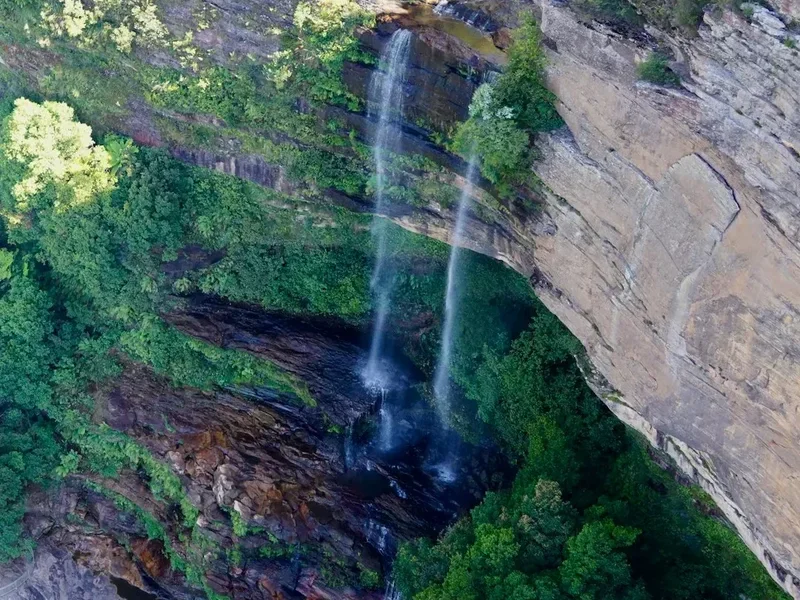
Morialta Falls (Third Falls): The highest and most remote of the three falls. Reaching it involves a steeper and more challenging section of the trail, often involving some rock scrambling. The effort is rewarded with a dramatic display of water cascading down a sheer rock face, offering a sense of accomplishment and a more secluded experience.
Morialta Gorge Lookout: Along the loop trail, particularly on the higher sections, there are several points that offer panoramic views over the gorge and the surrounding Adelaide Hills. These lookouts provide a broader perspective of the landscape and the scale of the conservation park.
Native Flora and Fauna: The entire trail is an opportunity to observe the diverse plant life of the Adelaide Hills, including various eucalyptus species, native grasses, and wildflowers that bloom in spring. Keep an eye out for kangaroos grazing in clearings, particularly in the early morning or late afternoon, and listen for the calls of native birds.
Leave No Trace
Morialta Conservation Park is a precious natural environment that requires careful stewardship. Adhering to Leave No Trace principles ensures that the park remains beautiful and healthy for future generations of visitors and for the native wildlife that calls it home.
Plan Ahead and Prepare: Familiarise yourself with the park's layout, check weather forecasts, and pack appropriate gear. This minimises the need for unexpected actions that could impact the environment.
Travel and Camp on Durable Surfaces: Stick to the marked trails. The vegetation in the gorge is sensitive, and straying off-path can cause erosion and damage delicate plant life. The main trails are designed to withstand foot traffic.
Dispose of Waste Properly: Pack out everything you pack in. This includes all food scraps, wrappers, and any other litter. Use the bins provided at the picnic areas, but if they are full, take your rubbish home with you. Do not bury or burn waste.
Leave What You Find: Do not take any natural souvenirs, such as rocks, flowers, or plants. Leave them for others to enjoy and for the ecosystem to benefit from.
Minimise Campfire Impacts: Campfires are generally not permitted on the trails or in most areas of the park. If using designated barbecue facilities, ensure they are properly extinguished and cleaned.
Respect Wildlife: Observe wildlife from a distance. Never feed animals, as this can disrupt their natural diet, behaviour, and health. Secure your food to prevent attracting pests.
Be Considerate of Other Visitors: Keep noise levels down, especially in quieter sections of the trail. Yield to other walkers, particularly on narrow paths. Respect the peaceful nature of the park.
 Australia