
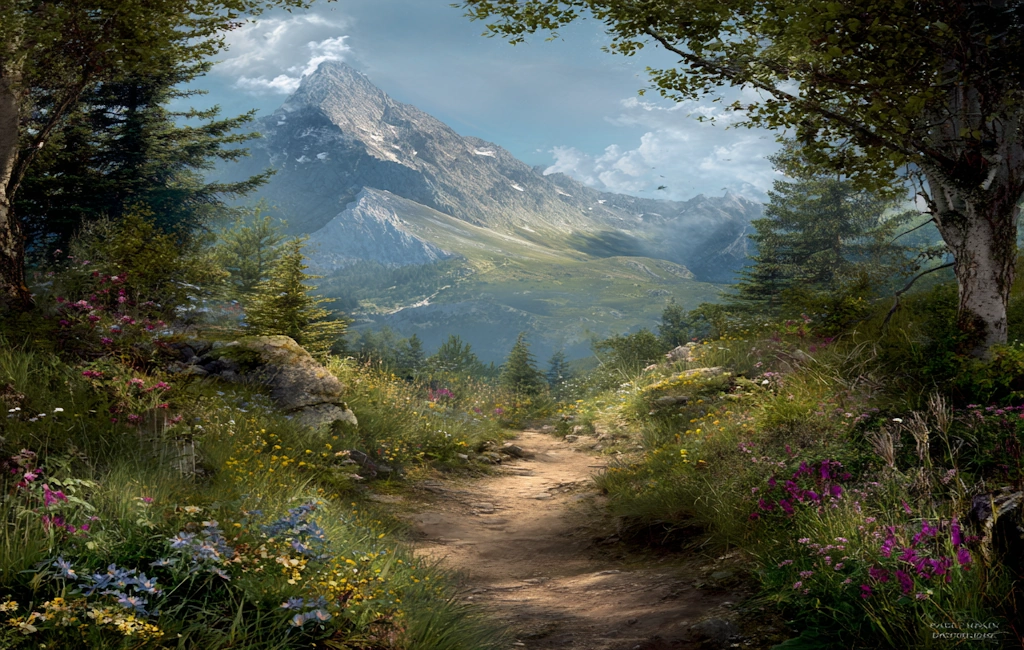
Montseny Natural Park Loop
The Montseny Natural Park Loop is a captivating day walk nestled in the heart of Catalonia, Spain, offering a refreshing escape from the bustling city of Barcelona. This moderate trail winds through the diverse landscapes of the Montseny Massif, a UNESCO Biosphere Reserve renowned for its rich biodiversity and stunning natural beauty. The loop presents a rewarding challenge, combining ascents through ancient forests with panoramic vistas from its higher reaches. It's an ideal excursion for those seeking a blend of physical activity, natural exploration, and scenic beauty, all within easy reach of a major urban centre.
- Distance: 15.0 km
- Elevation Gain: 700 m
- Duration: 5–7 hours
- Difficulty: Moderate
- Best Time: Spring and Autumn
- Closest City: Barcelona
- Trailhead Access: Public transport and driving options available
- Permit: Not required
Overview
The Montseny Natural Park Loop is a journey through a landscape that feels both ancient and vibrantly alive. Starting from a designated trailhead, the path immediately immerses you in the park's characteristic Mediterranean forest, a mix of holm oak, cork oak, and pine trees. As you ascend, the vegetation gradually shifts, giving way to more temperate species like beech and chestnut, particularly in the higher, more humid zones. The trail is well-marked, guiding you through a varied terrain that includes rocky sections, forest paths, and open meadows.
The moderate difficulty is primarily due to the significant elevation gain of 700 metres packed into a 15 km route. This means sustained uphill sections that require a reasonable level of fitness. However, the rewards are plentiful. Along the way, you'll encounter numerous points of interest, from small streams and natural springs to ancient ruins and striking rock formations. The higher elevations offer breathtaking panoramic views that stretch across the Catalan countryside, and on clear days, you can even glimpse the Mediterranean Sea and the distant Pyrenees mountains.
The loop is designed to provide a comprehensive experience of the Montseny Massif's ecological and geological diversity. It’s a walk that encourages you to slow down, breathe in the fresh mountain air, and appreciate the intricate web of life that thrives within this protected natural park. The changing light filtering through the canopy, the scent of pine and damp earth, and the distant calls of birds all contribute to a deeply immersive outdoor experience.
History and Cultural Context
The Montseny Natural Park has a long and rich history, deeply intertwined with human settlement and cultural practices. For millennia, this mountain range has been a source of resources and a place of spiritual significance for the people of Catalonia. Archaeological evidence suggests human presence dating back to prehistoric times, with numerous Iberian and Roman settlements found within and around the park's boundaries.
Historically, the Montseny was a vital area for agriculture, forestry, and pastoralism. Its fertile slopes provided timber for shipbuilding and construction, while its pastures supported livestock. The traditional Catalan way of life, deeply connected to the land, shaped the landscape through centuries of farming and resource management. Many of the trails you walk today may have originated as ancient shepherd paths or routes used by local communities to access resources.
The designation of Montseny as a Natural Park in 1978, and subsequently as a UNESCO Biosphere Reserve in 1979, marked a significant shift towards conservation. This recognition highlighted the unique ecological value of the area, including its exceptional biodiversity and the coexistence of Mediterranean and European flora. The park now serves as a crucial sanctuary for numerous plant and animal species, while also offering opportunities for education, recreation, and sustainable tourism.
The cultural heritage of Montseny is also evident in its numerous hermitages, chapels, and rural farmhouses (masies) scattered throughout the landscape. These structures stand as testaments to the enduring human connection with this mountainous region, often situated in strategic locations offering commanding views or access to water sources. Walking through Montseny is, therefore, not just a physical journey but also a step back in time, connecting with the natural and cultural history of Catalonia.
Seasonal Highlights and Weather Reality
The Montseny Natural Park Loop offers distinct experiences throughout the year, each with its own charm and challenges. Understanding the seasonal variations is key to planning a successful and enjoyable hike.
Spring (March–May): This is arguably the most beautiful time to visit. The landscape bursts into life with vibrant green foliage, wildflowers carpet the meadows, and the air is fresh and mild. Temperatures are pleasant, making for comfortable hiking conditions. The streams and waterfalls are often at their fullest due to melting snow and spring rains. However, spring can also bring unpredictable weather, with occasional rain showers and cooler temperatures at higher elevations.
Summer (June–August): Summers in Montseny can be warm to hot, especially at lower altitudes. While the higher parts of the park offer some respite, it's essential to carry plenty of water and start your hike early in the morning to avoid the midday heat. The forests provide welcome shade, and the higher elevations can still be breezy. Wildfire risk is a concern during dry summer months, so it's crucial to be aware of any fire restrictions.
Autumn (September–November): Autumn is another prime season for hiking in Montseny. The forests transform into a spectacular display of autumnal colours, with leaves turning shades of gold, red, and orange. The weather is typically stable and mild, with crisp air and clear skies, offering excellent visibility for the panoramic views. This season is ideal for photography and enjoying the serene beauty of the park.
Winter (December–February): Winters in Montseny are generally cool and can be cold at higher elevations. Snowfall is possible, particularly on the highest peaks, which can transform the landscape into a winter wonderland. While the trails are usually passable, icy conditions can occur, and appropriate footwear and gear are essential. The park is quieter during winter, offering a more solitary experience for those who don't mind the chill.
Weather Considerations: Montseny's weather can change rapidly, especially at higher altitudes. It's always advisable to check the local weather forecast before you set out and be prepared for a range of conditions, including rain, wind, and temperature fluctuations, regardless of the season.
Recommended Itinerary
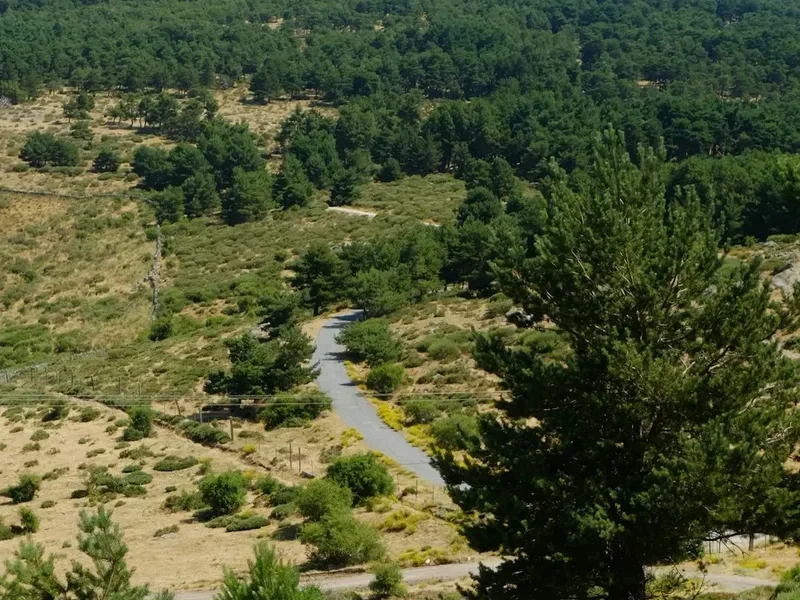
Montseny Natural Park Loop - Day Walk Itinerary
Early Morning (Approx. 8:00 AM): Departure from Barcelona
- Travel from Barcelona to the Montseny Natural Park trailhead.
- Options include public transport (bus to Sant Celoni, then taxi) or driving (approx. 1.5 hours).
- Ensure you have sufficient time for travel and parking.
Morning (Approx. 9:30 AM - 10:00 AM): Trailhead Arrival and Start
- Arrive at the designated trailhead.
- Final gear check and preparation.
- Begin the ascent into the park's forests.
- Initial section involves a steady climb through mixed woodland.
Late Morning (Approx. 11:00 AM - 1:00 PM): Forest Exploration and Ascent
- Continue ascending through dense forests of oak and beech.
- The trail may become steeper and more rugged in places.
- Enjoy the sounds and scents of the forest.
- Look out for diverse flora and fauna.
Midday (Approx. 1:00 PM - 2:00 PM): Summit Approach and Lunch Break
- Reach higher elevations where the forest may thin out, offering glimpses of the surrounding landscape.
- Find a suitable spot for a picnic lunch, perhaps with a scenic view.
- Rest and rehydrate before the next stage of the walk.
Afternoon (Approx. 2:00 PM - 4:00 PM): Summit Views and Descent Initiation
- Continue towards the highest points of the loop.
- Experience panoramic views from open ridges or viewpoints.
- Begin the descent, which may involve steeper, rockier sections.
- The path will guide you through different forest types as you lose elevation.
Late Afternoon (Approx. 4:00 PM - 5:30 PM): Return to Trailhead
- The final section of the loop typically leads back towards the starting point.
- The terrain may become gentler as you approach the trailhead.
- Reflect on the day's journey and the natural beauty experienced.
- Arrive back at the trailhead.
Evening (Approx. 5:30 PM onwards): Return to Barcelona
- Begin your journey back to Barcelona.
- Consider stopping for a meal in Sant Celoni or another local town if time permits.
Important Notes:
- This is a flexible itinerary; adjust timings based on your pace and preferences.
- Carry sufficient water and snacks, as facilities are limited within the park.
- Wear appropriate hiking footwear and clothing for varied terrain and potential weather changes.
- Always follow marked trails to ensure safety and minimise environmental impact.
Planning and Bookings
Book Your Trip
Everything you need to plan your journey
Accommodation
Find places to stay near Barcelona
Flights
Search flights to Barcelona
Essential Preparation
The Montseny Natural Park Loop is a day hike, meaning no overnight accommodation is required. However, thorough preparation is still essential for a safe and enjoyable experience. The closest major city is Barcelona, which serves as the primary gateway for most visitors. Access to the park can be achieved via public transport or by private vehicle.
Public Transport: From Barcelona, you can take a train to Sant Celoni. From Sant Celoni, local buses may operate to villages closer to the park entrances, or you may need to arrange a taxi for the final leg to the trailhead. Researching specific bus routes and schedules in advance is highly recommended, as public transport frequency can vary.
Driving: Driving from Barcelona typically takes around 1.5 hours via the C-33 and C-35 motorways. The roads leading to the park are generally well-maintained. There is usually parking available at or near the main trailheads, though it may be limited during peak seasons or weekends. Ensure your vehicle is suitable for potentially narrow or winding access roads.
Logistics: Before departing Barcelona, ensure you have all necessary gear, food, and water. Familiarise yourself with the trail route using a map or GPS device. Inform someone of your hiking plans, including your intended route and estimated return time.
Trail Accommodation
This is a day hike requiring no overnight accommodation.
Required Gear
- Sturdy hiking boots: Waterproof and with good ankle support are recommended due to varied terrain, including rocky and potentially muddy sections.
- Waterproof and windproof jacket: Essential for protection against sudden weather changes, especially at higher elevations.
- Layered clothing: Advise wearing moisture-wicking base layers, an insulating mid-layer (fleece or down), and an outer shell.
- Navigation tools: A detailed map of the Montseny Natural Park, a compass, and a GPS device or smartphone with offline maps are crucial.
- First-aid kit: Including bandages, antiseptic wipes, pain relievers, blister treatment, and any personal medications.
- Sun protection: Sunscreen (SPF 30+), sunglasses, and a wide-brimmed hat are important, even on cloudy days, due to altitude and potential exposure.
- Head torch: With spare batteries, in case your hike extends longer than anticipated or for navigating darker forest sections.
What to Bring
- Food: Plenty of high-energy snacks (nuts, dried fruit, energy bars) and a packed lunch. There are no food services along the trail.
- Water: At least 2-3 litres of water per person. Water sources may be available but should be treated before consumption.
- Water treatment: A water filter or purification tablets are recommended if you plan to refill from natural sources.
- Toiletries: Biodegradable soap, toothbrush, toothpaste, hand sanitiser, and toilet paper. Pack out all waste.
- Personal items: Mobile phone (fully charged), power bank, camera, insect repellent (especially during warmer months).
- Trekking poles: Optional but can be beneficial for stability on ascents and descents, reducing strain on knees.
- Small backpack: To carry all your essentials comfortably.
Permits
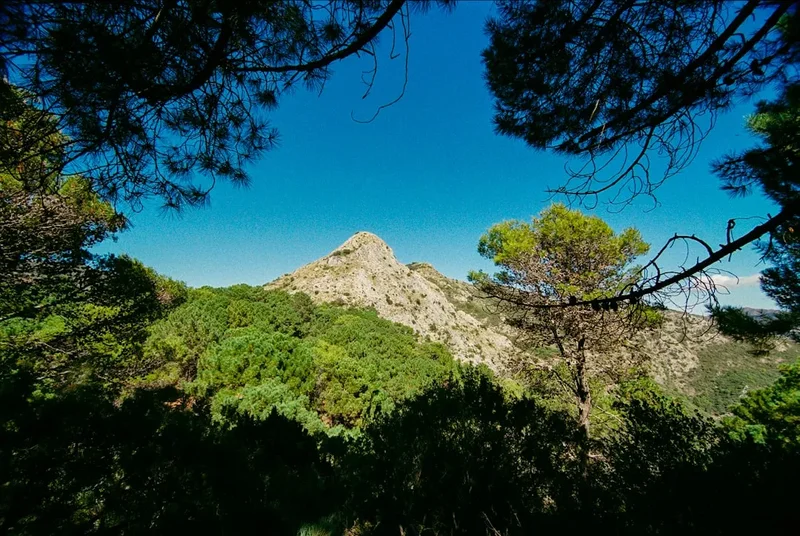
No specific permits are required to hike the Montseny Natural Park Loop. The park is open to the public for recreational activities, and the trails are generally well-maintained and accessible without prior booking or fees for day hikers.
However, it is always advisable to check the official website of the Montseny Natural Park or the Catalan government's environmental agency for any temporary restrictions, closures, or specific regulations that may be in place. These can sometimes be implemented due to fire risk, conservation efforts, or maintenance work.
Important Considerations:
- Access: While no permit is needed, ensure you are aware of park opening and closing times if applicable, especially if accessing by car.
- Group Size: For very large groups, it might be prudent to contact the park authorities to inform them of your plans, although this is typically not a requirement for standard day hikes.
- Respect Regulations: Always adhere to the park's rules, such as staying on marked trails, not disturbing wildlife, and not lighting fires outside designated areas (if any exist).
Other Activities in the Area
Beyond the Montseny Natural Park Loop, the surrounding region offers a variety of activities to complement your visit:
- Exploring Sant Celoni: This charming town near the park entrance offers historical sites, local markets, and traditional Catalan cuisine.
- Visiting other Montseny peaks: The park features several other notable summits, such as Turó de l'Home (1,707 m) and Les Agudes (1,706 m), which can be explored via different hiking routes.
- Nature observation and birdwatching: Montseny is a haven for biodiversity, making it an excellent location for observing various bird species, insects, and other wildlife in their natural habitat.
- Cycling: The park's roads and some designated tracks are suitable for cycling, offering a different perspective on the landscape.
- Gastronomy: The region is known for its excellent local produce and traditional Catalan dishes. Enjoying a meal at a rural restaurant (masia) is a highly recommended experience.
- Cultural sites: Explore nearby villages and towns that boast historical churches, hermitages, and local festivals, providing insight into the region's cultural heritage.
Safety and Conditions
Trail Conditions: The Montseny Natural Park Loop is generally well-marked, but conditions can vary. Sections may be rocky, uneven, or muddy, especially after rain. Higher elevations can be exposed to wind and cooler temperatures. Always check the weather forecast before you depart and be prepared for rapid changes.
Weather: Montseny's weather can be unpredictable. Be prepared for sunshine, rain, and wind, even on the same day. Temperatures can fluctuate significantly with altitude. It is advisable to carry layers of clothing and waterproof gear.
Navigation: While the main trails are marked, it is essential to carry a map and compass or a GPS device. Do not rely solely on mobile phone signal, as it can be unreliable in mountainous areas. Inform someone of your hiking plans, including your route and expected return time.
Water: Carry sufficient water for the entire hike, as water sources on the trail may be scarce or require purification. Do not drink untreated water from streams or springs.
Wildlife: Montseny is home to various wildlife, including wild boar and various bird species. Maintain a safe distance and do not feed any animals. Be aware of potential hazards like snakes, though encounters are rare.
Emergency: In case of an emergency, call the local emergency number (112 in Spain). Ensure your mobile phone is fully charged and consider carrying a power bank. Familiarise yourself with the park's emergency contact information if available.
Fitness: The hike involves a significant elevation gain of 700 metres, making it a moderate to challenging day walk. Ensure you have an adequate level of fitness for sustained uphill and downhill sections.
Side Trips and Points of Interest
Turó de l'Home: While not directly on the main loop, the summit of Turó de l'Home (1,707 m) is the highest point in Montseny and offers spectacular 360-degree views. It can be accessed via a detour from the main trail, adding significant time and elevation but providing an unparalleled panoramic experience. On a clear day, you can see as far as the Pyrenees and the Mediterranean coast.
Les Agudes: Another prominent peak in the Montseny range, Les Agudes (1,706 m) is often visited in conjunction with Turó de l'Home. Its summit offers a different perspective on the surrounding landscape and is a popular spot for hikers.
Font de Passavets: A natural spring often found along the hiking routes, providing a refreshing spot to rest and refill water (treatment recommended). These springs are vital to the park's ecosystem.
Ancient Forests: The loop passes through areas of old-growth forest, particularly beech and oak woodlands. These sections are characterised by their mature trees, moss-covered trunks, and rich undergrowth, offering a sense of walking through a primeval landscape.
Rock Formations: Montseny features interesting geological formations, including large boulders and rock outcrops that add to the visual interest of the trail. Some may have local legends or names associated with them.
Hermitages and Ruins: Scattered throughout the park are remnants of past human activity, such as old hermitages or stone ruins. These provide glimpses into the historical and cultural significance of the area.
Leave No Trace
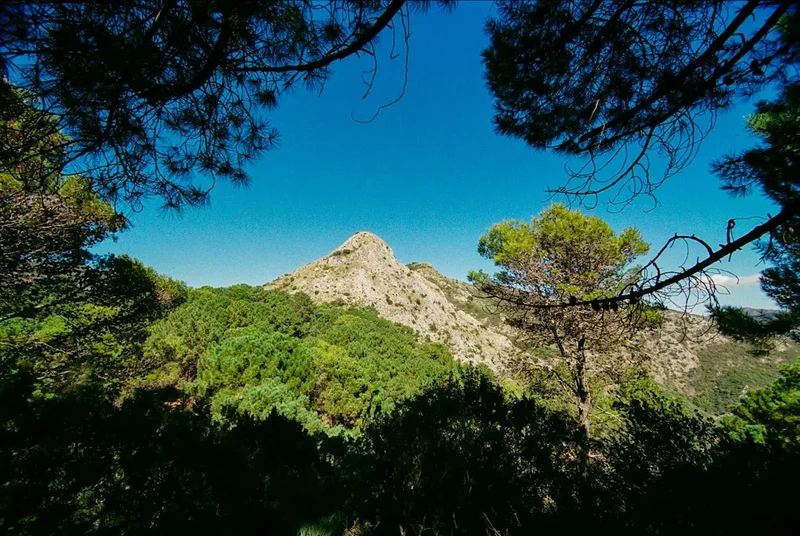
The Montseny Natural Park is a precious ecosystem, designated as a UNESCO Biosphere Reserve. To preserve its natural beauty and ecological integrity for future generations, it is crucial to practice Leave No Trace principles during your hike.
Plan Ahead and Prepare: Familiarise yourself with park regulations, check weather forecasts, and pack appropriately. Know your route and carry a map and compass.
Travel and Camp on Durable Surfaces: Stick to marked trails to avoid damaging fragile vegetation and soil. Avoid shortcuts, as they can lead to erosion.
Dispose of Waste Properly: Pack out everything you pack in, including all food scraps, wrappers, and any other litter. Use designated toilet facilities where available, or dig catholes at least 60 metres away from water sources, trails, and campsites. Pack out used toilet paper.
Leave What You Find: Do not remove or disturb natural objects such as rocks, plants, or historical artefacts. Take only photographs and memories.
Minimise Campfire Impacts: Campfires are generally not permitted on day hikes and are highly discouraged in natural parks due to fire risk. If permitted in specific areas (unlikely for this day hike), use established fire rings and keep fires small.
Respect Wildlife: Observe wildlife from a distance. Never feed animals, as it can disrupt their natural behaviours and diets. Store food securely.
Be Considerate of Other Visitors: Keep noise levels down, yield to other hikers on narrow trails, and maintain a respectful attitude towards fellow visitors and the natural environment.
 Spain
Spain