
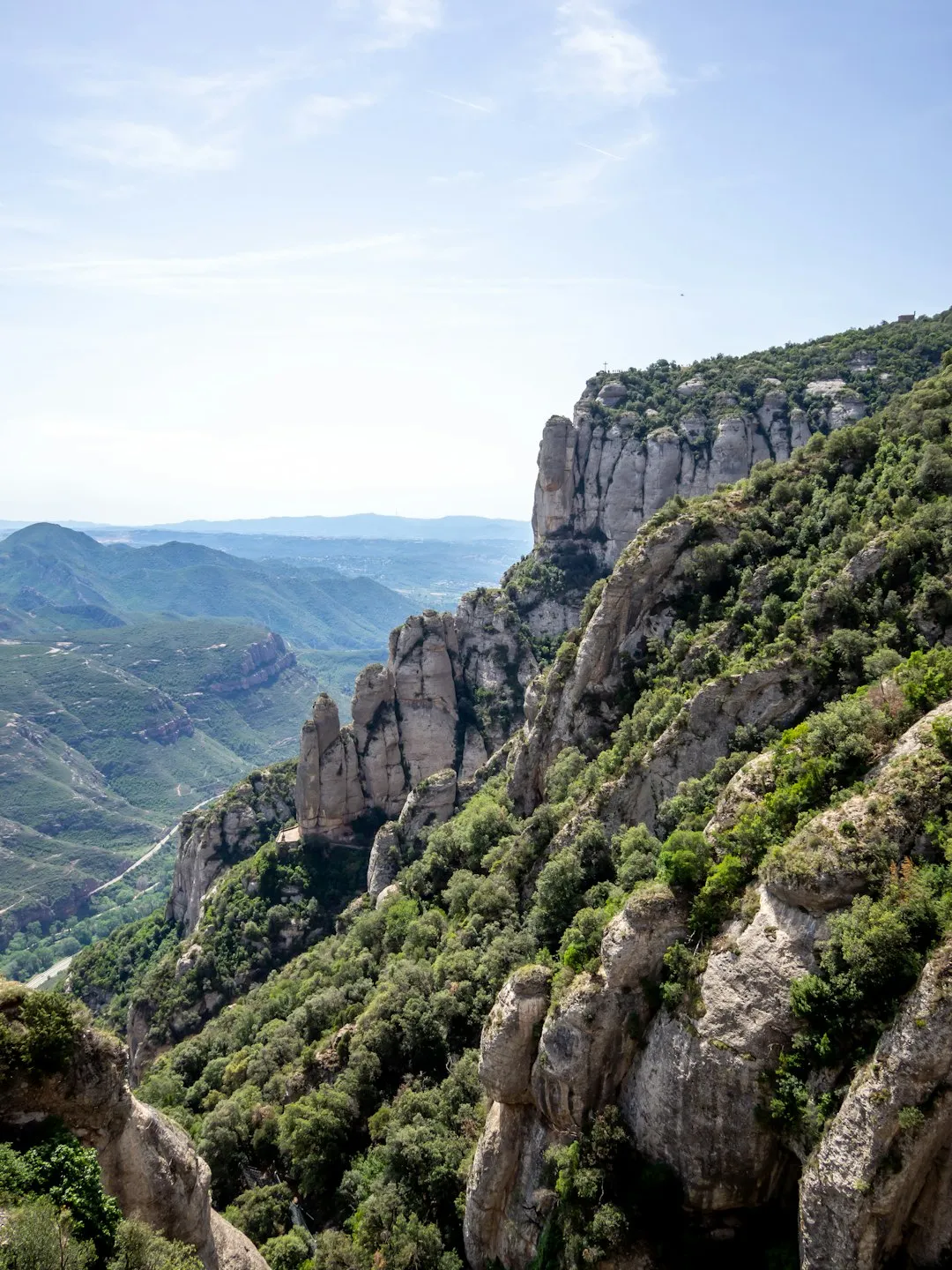
Montnegre i Corredor Trails
The Montnegre i Corredor Natural Park, nestled between the bustling cities of Barcelona and Girona in Catalonia, Spain, offers a refreshing escape into a landscape of rolling hills, dense Mediterranean forests, and ancient cultural heritage. This protected area, a haven for biodiversity and a popular recreational spot for locals, features a network of well-maintained trails suitable for walkers of all levels. The park is characterised by its diverse ecosystems, ranging from cork oak and holm oak forests to pine woodlands, interspersed with vineyards, olive groves, and remnants of past human activity, such as old farmhouses and hermitages. It provides a tranquil counterpoint to the urban energy of nearby cities, allowing for a peaceful immersion in nature.
- Category: Day Walk
- Distance: 15.0 km
- Elevation Gain: 450 m
- Duration: 5-6 hours
- Difficulty: Moderate
- Best Time: Spring and Autumn
- Closest City: Barcelona
- Trailhead Access: Nearest city: Barcelona. Drive NE on C-32 towards Mataró, then follow signs to Sant Celoni and the Montnegre i el Corredor Natural Park. Road is paved. Driving time ~1 hour. Parking available at the trailhead. Coordinates are approximate: 41.6000, 2.5000. No permits required.
Overview
The Montnegre i Corredor Natural Park is a gem for day hikers seeking a blend of natural beauty and cultural exploration. The park's topography is characterised by gentle, rounded hills, which, while not presenting extreme challenges, do offer a consistent, moderate climb over the course of a typical route. The elevation gain of around 450 metres for a 15 km walk indicates a steady ascent and descent, making it a good workout without being overly strenuous. The trails wind through a rich tapestry of Mediterranean flora, with the dominant scents of pine and wild herbs filling the air, especially on warmer days. In spring, the landscape bursts with wildflowers, while autumn brings a palette of warm colours to the deciduous trees, alongside the ripening of wild fruits.
The park's historical significance is evident in the numerous ruins and restored hermitages scattered throughout. These sites offer glimpses into the region's past, from medieval agricultural practices to religious devotion. Walking here is not just about physical exertion; it's also a journey through time, with each turn in the path potentially revealing a new historical curiosity. The moderate difficulty level means that most individuals with a reasonable level of fitness can enjoy the full circuit, taking their time to appreciate the surroundings and the historical context. The proximity to Barcelona makes it an accessible destination for a day trip, providing a much-needed respite from urban life and an opportunity to connect with the natural and cultural heritage of Catalonia.
History and Cultural Context
The Montnegre i Corredor Natural Park is steeped in a rich history that stretches back millennia. Archaeological evidence suggests human presence in the area since prehistoric times, with settlements and agricultural activities dating back to the Iberian and Roman periods. The landscape itself bears the marks of centuries of human interaction, particularly in its agricultural terraces, ancient pathways, and the remnants of rural settlements.
During the Middle Ages, the area was crucial for agriculture and forestry. The dense forests provided timber for shipbuilding and fuel, while the hillsides were cleared for vineyards and olive groves, many of which still exist today, albeit often in a less cultivated state. The presence of numerous hermitages and chapels, such as the Sant Pere del Montnegre and Sant Martí del Montnegre, speaks to the region's historical religious significance. These sites served as places of spiritual retreat and worship for local communities and travellers alike, often built in remote, scenic locations that enhanced their contemplative atmosphere.
In more recent centuries, the park's rural character persisted, with small farming communities living off the land. Many of the old farmhouses, or "masies," that dot the landscape are now abandoned or have been restored as private residences or rural tourism establishments. The establishment of the Montnegre i Corredor Natural Park in 1989 was a significant step in preserving this unique cultural and natural heritage, protecting it from urban sprawl and ensuring its continued accessibility for future generations to explore and appreciate.
Seasonal Highlights and Weather Reality
The Montnegre i Corredor Natural Park is a year-round destination, but certain seasons offer distinct advantages for walkers.
Spring (March to May): This is arguably the most beautiful time to visit. The landscape awakens from winter dormancy, with wildflowers carpeting the meadows and the forests displaying vibrant shades of green. The weather is typically mild and pleasant, with average temperatures ranging from 10°C to 20°C. Rainfall is moderate, and the air is fresh. It's an ideal season for photography and enjoying the full bloom of Mediterranean flora.
Summer (June to August): Summers in this region can be hot and dry, with temperatures often exceeding 30°C. While the park remains accessible, hiking during the midday heat is not recommended. Early mornings and late afternoons are the best times to explore. The forests offer welcome shade, but water sources can be scarce, so carrying ample water is essential. The scent of pine is particularly strong during this season.
Autumn (September to November): Autumn brings a welcome respite from the summer heat, with temperatures cooling to a comfortable range of 15°C to 25°C. The deciduous trees in the park turn to beautiful shades of yellow, orange, and red, creating a stunning visual spectacle. This is also the season for foraging wild mushrooms and enjoying the rich colours of the landscape. Rainfall increases towards the end of autumn.
Winter (December to February): Winters are generally mild, with average temperatures between 5°C and 15°C. Frost can occur, especially at higher elevations, and occasional light snow is possible but rarely accumulates for long. The landscape takes on a more subdued, serene beauty. The forests are less dense, offering clearer views of the surrounding countryside. This season is perfect for those who prefer cooler temperatures and fewer crowds.
Weather Considerations: While generally pleasant, weather can change. Always check the local forecast before your visit. The Mediterranean climate means that while summers are hot, spring and autumn can bring rain showers. The park's elevation means temperatures can be a few degrees cooler than on the coast.
Recommended Itinerary
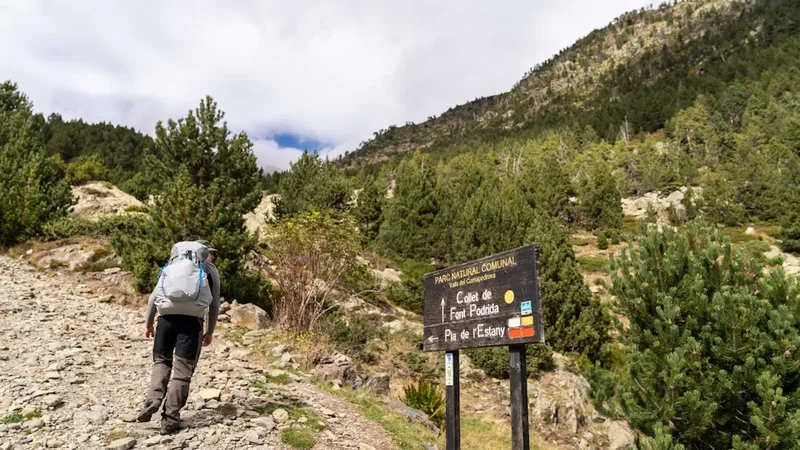
Montnegre i Corredor Day Walk Itinerary
Morning (9:00 AM): Departure from Barcelona
- Begin your journey from Barcelona.
- Drive NE on the C-32 motorway towards Mataró.
- Continue following signs for Sant Celoni and the Montnegre i el Corredor Natural Park.
- The drive takes approximately 1 hour, depending on traffic.
- The road leading to the park is paved and well-maintained.
Late Morning (10:00 AM): Arrival and Trailhead Preparation
- Arrive at the designated trailhead parking area. Approximate coordinates: 41.6000, 2.5000.
- Ensure you have all necessary gear, water, and snacks.
- Familiarise yourself with the trail map and the day's route.
Midday (10:30 AM): Start of the Hike
- Begin your 15.0 km moderate walk.
- The initial section will likely involve a gentle ascent through pine and oak forests.
- Enjoy the fresh air and the sounds of nature.
- Key waypoints may include ancient pathways and forest clearings.
Afternoon (1:00 PM - 2:00 PM): Mid-Hike Break and Exploration
- Reach a scenic viewpoint or a historical site for a break.
- This could be a good opportunity to have lunch and rehydrate.
- Explore any nearby hermitages or ruins, such as Sant Pere del Montnegre or Sant Martí del Montnegre, if they are on your chosen route.
- The elevation gain will be noticeable, but the moderate terrain should make it manageable.
Late Afternoon (3:00 PM - 4:00 PM): Descent and Return Leg
- Begin the descent, which may offer different perspectives of the landscape.
- The trail might lead through open fields or along the edges of vineyards.
- Continue to follow the marked trails back towards the starting point.
Early Evening (5:00 PM - 5:30 PM): Completion of the Hike
- Arrive back at the trailhead parking area.
- Total hiking time: 5-6 hours, including breaks.
- Total elevation gain: Approximately 450 metres.
Evening (5:30 PM onwards): Return to Barcelona
- Begin your drive back to Barcelona.
- Reflect on the day's adventure in the natural park.
Important Notes:
- This is a suggested itinerary; actual timings may vary based on pace and stops.
- Always carry sufficient water (at least 2 litres per person) and snacks.
- Wear appropriate footwear and clothing for hiking.
- Check weather conditions before you depart.
- Trail markings can vary; a map and compass or GPS device are recommended.
Planning and Bookings
Book Your Trip
Everything you need to plan your journey
Accommodation
Find places to stay near Barcelona
Flights
Search flights to Barcelona
Essential Preparation
The Montnegre i Corredor Natural Park is easily accessible from Barcelona, making it an ideal destination for a day trip. The primary logistical consideration is transportation. Driving is the most convenient method, offering flexibility in terms of departure and arrival times, and direct access to trailheads. Public transport options exist but may require more planning and potentially longer travel times, involving trains to towns like Sant Celoni followed by local buses or taxis to park entrances. It is advisable to check public transport schedules in advance if this is your chosen method.
Before setting out, it's crucial to check the weather forecast for the specific area of the park, as conditions can differ from those in Barcelona. Ensure you have a reliable map of the park's trail network, as mobile phone signal can be intermittent in some areas. The park is popular with locals, especially on weekends, so if you prefer a quieter experience, consider visiting on a weekday.
Trail Accommodation
This is a day hike requiring no overnight accommodation.
Required Gear
- Footwear: Sturdy hiking boots or trail running shoes with good grip are essential. Ensure they are comfortable and broken in to prevent blisters.
- Clothing: Wear layers suitable for the expected weather. Moisture-wicking base layers, an insulating mid-layer (fleece or down jacket), and a waterproof and windproof outer shell are recommended.
- Navigation: A detailed map of the Montnegre i Corredor Natural Park trails, a compass, and/or a GPS device or smartphone with offline maps downloaded.
- Safety Gear: A basic first-aid kit including plasters, antiseptic wipes, pain relievers, and any personal medications. A whistle for emergencies.
- Sun Protection: Sunscreen (SPF 30 or higher), a wide-brimmed hat, and sunglasses, especially important during spring, summer, and autumn.
What to Bring
- Food: Pack enough food for the duration of your hike, including high-energy snacks like nuts, dried fruit, energy bars, and sandwiches.
- Water: Carry at least 2 litres of water per person. Refill points are scarce within the park, so plan accordingly.
- Toiletries: Biodegradable toilet paper, hand sanitiser, and any personal hygiene items. Pack out all waste.
- Backpack: A comfortable daypack (20-30 litres) to carry your essentials.
- Optional Items: Trekking poles can be beneficial for ascents and descents, especially on uneven terrain. A camera to capture the scenery. Insect repellent, particularly for warmer months.
Permits
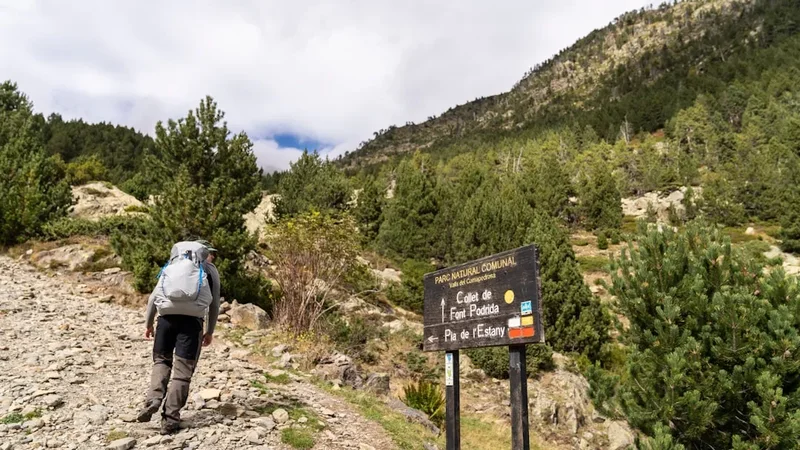
No specific permits are required to access or hike within the Montnegre i Corredor Natural Park. The park is open to the public for recreational use, and its trails are free to explore. However, it is important to adhere to the park's regulations, which are in place to protect its natural environment and cultural heritage. These typically include rules regarding waste disposal, campfires (usually prohibited), and respecting historical sites.
While no booking is necessary for day hiking, it is always advisable to check the official website of the Montnegre i Corredor Natural Park or the Catalan Environmental Agency for any temporary closures, access restrictions, or specific advisories that may be in effect due to weather conditions, maintenance work, or special events. This ensures a smooth and enjoyable visit.
Other Activities in the Area
Beyond the hiking trails, the Montnegre i Corredor Natural Park and its surroundings offer a variety of activities for visitors:
- Cycling: The park's network of tracks and quiet country roads makes it a popular destination for mountain biking and road cycling.
- Birdwatching: The diverse habitats within the park support a rich variety of bird species, making it an excellent location for birdwatching enthusiasts.
- Picnicking: Designated picnic areas are available within the park, offering scenic spots to enjoy a meal amidst nature.
- Visiting Hermitages and Ruins: Explore the historical hermitages like Sant Pere del Montnegre and Sant Martí del Montnegre, and discover ancient ruins that tell the story of the region's past.
- Gastronomy: The nearby towns and villages offer opportunities to sample local Catalan cuisine. Look for restaurants serving traditional dishes and local wines.
- Exploring Coastal Towns: The park is relatively close to the Mediterranean coast. Towns like Calella, Pineda de Mar, and Sant Pol de Mar offer beaches and seaside charm.
- Wine Tasting: The region is known for its vineyards, particularly the DO Alella wine region, which is not far from the park. Wine tasting tours can be arranged.
Safety and Conditions
Trail Conditions: The trails in Montnegre i Corredor are generally well-maintained, but can be uneven, rocky, or muddy, especially after rain. Wear appropriate footwear to prevent slips and falls. Some sections may be steep, requiring careful footing.
Weather: Weather can change rapidly. Always check the forecast before you go. Be prepared for sun, wind, and potential rain. In summer, heatstroke is a risk; carry plenty of water and seek shade during the hottest parts of the day.
Navigation: While trails are marked, it is advisable to carry a map and compass or use a GPS device. Mobile phone signal can be unreliable in some parts of the park. Inform someone of your hiking plans, including your intended route and estimated return time.
Wildlife: The park is home to various wildlife, including wild boar and snakes. While encounters are rare, it's wise to be aware of your surroundings and avoid disturbing animals. Do not feed any wildlife.
Water: Carry sufficient water for your entire hike, as reliable water sources are limited within the park. Do not drink untreated water from streams.
Emergency Contacts: In case of emergency, dial 112 (the European emergency number). Ensure your mobile phone is fully charged.
Fire Safety: During dry periods, especially in summer, fire risks are high. Campfires are strictly prohibited. Be mindful of any fire warnings issued by park authorities.
Side Trips and Points of Interest
Sant Pere del Montnegre: This ancient hermitage, dating back to the 10th century, is a significant historical landmark within the park. It offers a glimpse into the region's medieval past and provides a peaceful spot for reflection. The surrounding area often features beautiful viewpoints.
Sant Martí del Montnegre: Another historical hermitage, Sant Martí is also a point of interest for its architectural significance and its tranquil setting. It's often integrated into longer hiking routes, offering a cultural interlude amidst the natural landscape.
Ruins of Old Farmhouses (Masiés): Scattered throughout the park are the remnants of old farmhouses, some partially restored, others in ruins. These offer a tangible connection to the agricultural history of the region and the lives of its former inhabitants.
Cork Oak Forests: Montnegre i Corredor is known for its extensive cork oak forests. Observing the unique bark of these trees and understanding their ecological and economic importance can be a fascinating aspect of the walk.
Panoramic Viewpoints: Various points along the trails offer stunning panoramic views of the surrounding countryside, the Mediterranean Sea in the distance, and the rolling hills of the park. These are ideal spots for photography and appreciating the vastness of the landscape.
Local Flora and Fauna: The park is rich in biodiversity. Keep an eye out for native plant species, including various types of Mediterranean shrubs, wildflowers (especially in spring), and diverse birdlife. The scent of pine and wild herbs is a constant companion.
Leave No Trace
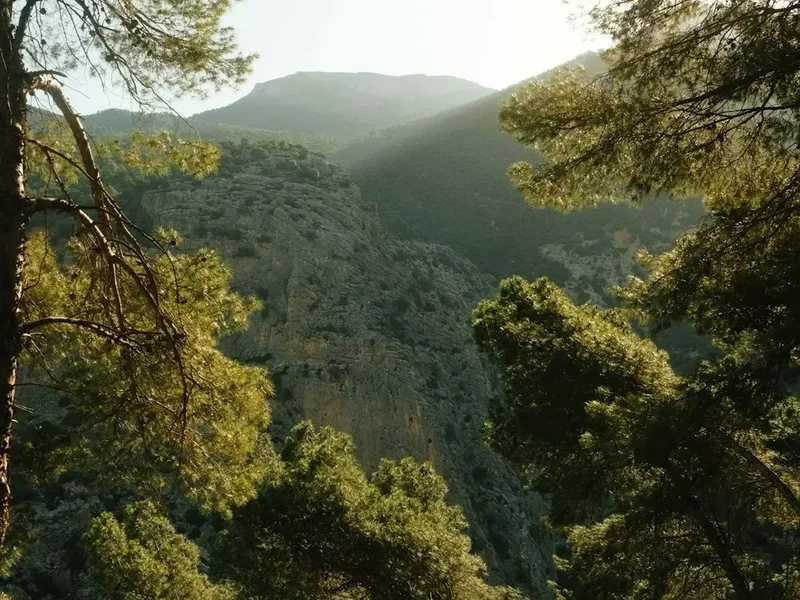
The Montnegre i Corredor Natural Park is a precious natural and cultural resource that requires responsible stewardship. Adhering to Leave No Trace principles ensures that the park remains beautiful and healthy for future visitors and for the ecosystem itself.
- Plan Ahead and Prepare: Familiarise yourself with park regulations, check weather forecasts, and pack appropriately. Know your route and carry a map.
- Travel and Camp on Durable Surfaces: Stick to marked trails to avoid damaging fragile vegetation and soil. Avoid creating new paths.
- Dispose of Waste Properly: Pack out everything you pack in, including all food scraps, wrappers, and any other litter. Use designated bins where available, but be prepared to carry waste out if bins are full or absent.
- Leave What You Find: Do not take any natural objects (rocks, plants, flowers) or historical artefacts. Leave them for others to enjoy and for the ecosystem to maintain.
- Minimise Campfire Impacts: Campfires are generally prohibited in natural parks. If permitted in specific designated areas (which is unlikely for day hikes), use existing fire rings and ensure fires are completely extinguished.
- Respect Wildlife: Observe wildlife from a distance. Never feed animals, as this can disrupt their natural behaviours and diets, and can be harmful to their health.
- Be Considerate of Other Visitors: Keep noise levels down, yield to other hikers on narrow trails, and be mindful of the impact your presence has on others' enjoyment of the park.
By following these principles, you contribute to the preservation of the Montnegre i Corredor Natural Park's natural beauty and cultural heritage.
 Spain
Spain