
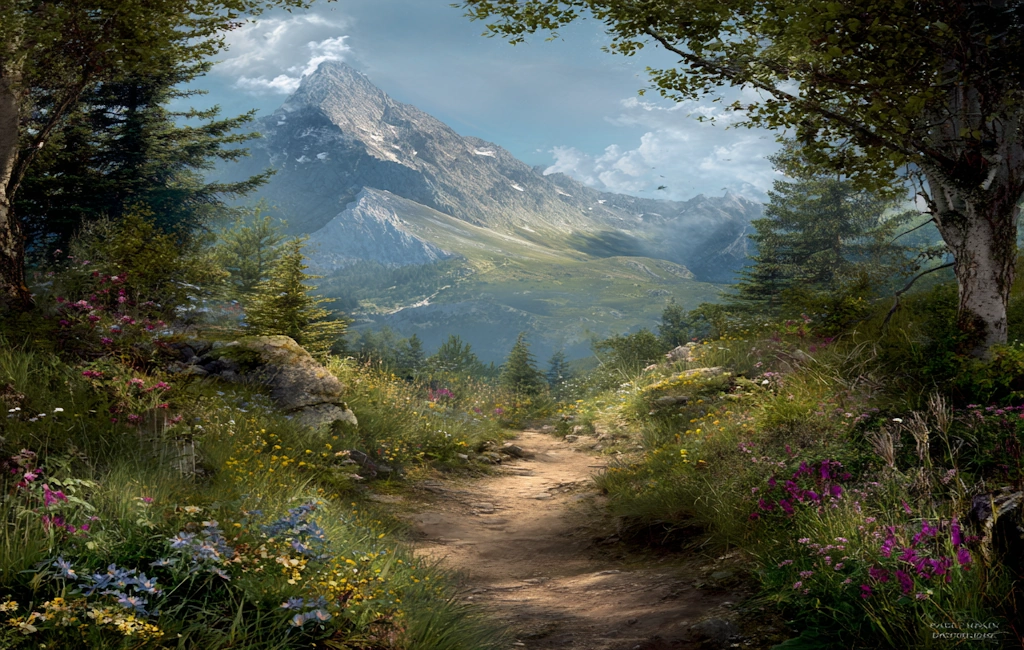
Monte Subasio Loop: A Tuscan Hillside Pilgrimage
The Monte Subasio Loop is a captivating day walk that winds its way through the heart of Umbria, Italy, offering a rich tapestry of history, culture, and natural beauty. This moderate trail, best experienced during the gentle embrace of spring or the crisp air of autumn, encircles the sacred mountain of Monte Subasio, a place deeply intertwined with the life and legacy of Saint Francis of Assisi. The loop begins and ends near the historic town of Assisi, providing a convenient base for exploration and a perfect starting point for this spiritual and scenic journey. As you traverse the path, you'll encounter ancient hermitages, breathtaking panoramic views of the Umbrian countryside, olive groves, and dense oak forests, all while walking in the footsteps of one of history's most revered figures. This walk is not merely a physical exertion but a contemplative experience, inviting reflection on faith, nature, and the enduring spirit of this remarkable region.
- Distance: 24.1 km
- Elevation Gain: 850 m
- Duration: 6–8 hours
- Difficulty: Moderate
- Best Time: Spring (April–May) and Autumn (September–October) for mild temperatures and vibrant colours
- Closest City: Assisi
- Trailhead Access: Nearest airport: Perugia (PEG). From Perugia, take a bus or taxi to Assisi. From Assisi, local bus or taxi to trail start near Vetta Pianello. Road to trailhead is paved but narrow in sections. Parking available. No permits required.
- Coordinates: 43.0694, 12.6222
Overview
The Monte Subasio Loop is a circular route that offers a comprehensive immersion into the Umbrian landscape and its profound spiritual heritage. The trail is designed to be walked in a single day, making it accessible for a wide range of hikers, though its moderate difficulty and significant elevation gain require a reasonable level of fitness. The path meanders through diverse terrains, from the cultivated slopes surrounding Assisi, dotted with olive groves and vineyards, to the wilder, more rugged higher reaches of Monte Subasio, cloaked in ancient forests of oak and holm oak.
A significant portion of the loop follows ancient pathways and mule tracks, many of which have been trodden for centuries by pilgrims, hermits, and local villagers. The trail's spiritual resonance is palpable, particularly as it passes by or near sites associated with Saint Francis and his followers, such as the Eremo delle Carceri (Hermitage of the Prisons), a place of profound peace and contemplation where Saint Francis and his early companions sought solitude. The views from Monte Subasio are simply spectacular, offering sweeping vistas across the Umbrian plain, encompassing towns like Assisi, Spello, and Perugia, and on clear days, stretching as far as the Apennine Mountains. The changing seasons paint the landscape in different hues: spring brings a riot of wildflowers and fresh green foliage, while autumn offers a symphony of golden and russet tones, accompanied by the scent of ripening grapes and fallen leaves.
The loop is well-marked for the most part, though hikers should always carry a map and compass or GPS device, especially in the higher, more remote sections. The trail's moderate difficulty stems from its sustained ascents and descents, which can be demanding on the legs and cardiovascular system. However, the rewards—the breathtaking scenery, the historical depth, and the tranquil atmosphere—far outweigh the physical challenge. It is a journey that connects the walker to the land, its history, and its spiritual heart, offering a unique perspective on the enduring allure of Umbria.
History and Cultural Context
Monte Subasio and its surroundings are steeped in history, most notably as the spiritual homeland of Saint Francis of Assisi, one of Christianity's most beloved saints. Born in Assisi in 1181, Francis renounced his wealthy upbringing to embrace a life of poverty, humility, and service to the poor and the natural world. Monte Subasio, with its caves and secluded spots, provided a sanctuary for Francis and his early followers, offering a place for prayer, meditation, and communion with nature. The Eremo delle Carceri, perched on the mountainside, is a testament to this period, a place where Francis is said to have received divine inspiration and where his profound connection to all creation was nurtured.
The trails that crisscross Monte Subasio are ancient pathways, predating even the time of Saint Francis. These routes were vital for communication and trade between the towns and villages of the Umbrian valley. Roman roads once traversed this region, and later, medieval pilgrims followed these same routes to reach Assisi, a significant pilgrimage destination. The Benedictine monks also established monasteries and hermitages in the area, contributing to its rich spiritual landscape.
The olive groves and vineyards that adorn the lower slopes of Monte Subasio are also part of a long agricultural tradition. For centuries, the fertile soil and favourable climate have supported the cultivation of olives and grapes, producing some of Italy's finest olive oil and wines. The dry-stone walls that delineate these fields, meticulously constructed over generations, are a testament to the enduring relationship between the people of Umbria and their land.
The Monte Subasio Loop, therefore, is more than just a hike; it is a journey through layers of history, from ancient Roman times to the medieval era of Saint Francis, and through a living agricultural heritage. Each step on this path is a connection to the past, a walk through a landscape shaped by faith, labour, and the passage of time.
Seasonal Highlights and Weather Reality
The Monte Subasio Loop is a year-round destination, but its appeal varies significantly with the seasons. The best times to undertake this walk are during spring and autumn, when the weather is most conducive to hiking.
Spring (April–May): This is arguably the most beautiful time to walk the Monte Subasio Loop. The landscape bursts into vibrant life, with wildflowers carpeting the meadows and the forests displaying fresh, verdant foliage. Temperatures are mild and pleasant, typically ranging from 10°C to 20°C, making for comfortable hiking conditions. The air is clean and invigorating, and the light is soft and beautiful, ideal for photography. However, spring can also bring occasional rain showers, so waterproof gear is advisable.
Summer (June–August): Summers in Umbria can be hot, with temperatures frequently exceeding 30°C, especially in July and August. While the higher elevations of Monte Subasio offer some respite from the heat, hiking during the midday sun can be challenging and potentially dangerous. If hiking in summer, it is essential to start very early in the morning, carry ample water, and seek shade whenever possible. The landscape can appear drier during these months.
Autumn (September–October): Autumn offers another excellent window for hiking the Monte Subasio Loop. The intense heat of summer subsides, and temperatures become pleasantly mild, typically between 15°C and 25°C. The forests transform into a spectacular display of autumnal colours, with leaves turning shades of gold, red, and brown. The air is crisp, and the light is often golden and atmospheric. This season is also harvest time for olives and grapes, adding a cultural dimension to the experience.
Winter (November–March): Winter on Monte Subasio is generally mild compared to more northerly European regions, but it can be cold, damp, and occasionally experience frost or light snow at higher elevations. Daytime temperatures typically range from 5°C to 12°C. While the landscape takes on a stark, quiet beauty, the shorter daylight hours and potentially wet conditions make it a less ideal time for a full-day hike. However, for those prepared for cooler weather, a winter walk can offer a sense of solitude and introspection.
Weather Considerations: While the loop is generally considered moderate, weather can change rapidly, especially at higher altitudes. Always check the local weather forecast before setting out and be prepared for variations in temperature, wind, and precipitation, regardless of the season.
Recommended Itinerary
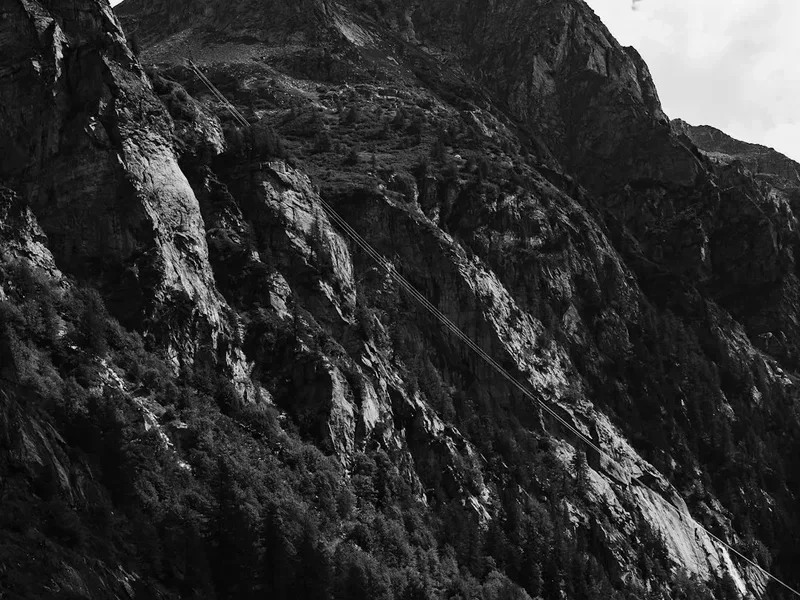
Monte Subasio Loop: A Day of Discovery
This itinerary is structured for a single day of hiking, focusing on a progression through varied landscapes and historical sites.
Early Morning (Approx. 8:00 AM): Departure from Assisi
- Begin your journey from Assisi, ideally from a point near Vetta Pianello, which offers convenient access to the trailhead.
- Ensure you have ample water and snacks for the day.
- The initial section of the trail may involve walking on paved or gravel paths as you leave the immediate vicinity of Assisi and ascend towards the mountain slopes.
Morning (Approx. 9:00 AM - 12:00 PM): Ascent through Olive Groves and Forests
- The trail begins a steady ascent, winding through picturesque olive groves and vineyards that characterise the lower slopes of Monte Subasio.
- As you gain elevation, the landscape transitions into dense oak and holm oak forests.
- Enjoy the increasing panoramic views of Assisi and the surrounding Umbrian plain.
- Key waypoints might include ancient stone farmhouses and small chapels.
- The path is generally well-defined, often following old mule tracks.
Midday (Approx. 12:00 PM - 2:00 PM): Eremo delle Carceri and Summit Area
- Reach the vicinity of the Eremo delle Carceri (Hermitage of the Prisons). This is a significant historical and spiritual site, offering a place for quiet reflection. Allow time to explore the hermitage and its serene surroundings.
- Continue towards the higher reaches of Monte Subasio. While the loop doesn't necessarily require reaching the absolute summit, you will traverse areas with expansive views.
- Find a suitable spot for a picnic lunch, taking in the breathtaking 360-degree vistas of the Umbrian countryside.
- The terrain here can be more rugged, with rocky outcrops and steeper sections.
Afternoon (Approx. 2:00 PM - 5:00 PM): Descent and Return to Assisi
- Begin the descent from the higher elevations. The route will likely take you along different paths than the ascent, offering new perspectives.
- You may pass through more open meadows or different forest types as you descend.
- The trail will gradually lead you back towards the outskirts of Assisi.
- The final section might involve walking on quieter country roads or well-trodden paths leading back to your starting point.
- The total elevation gain of 850 metres will be distributed across the ascent and descent, making for a challenging but rewarding day.
Late Afternoon (Approx. 5:00 PM onwards): Arrival back in Assisi
- Complete the loop, returning to Assisi.
- Reflect on the day's journey, the stunning scenery, and the historical and spiritual significance of Monte Subasio.
Important Notes:
- This is a demanding day hike requiring good physical condition.
- Carry sufficient water (at least 2-3 litres per person) and high-energy snacks.
- Wear sturdy hiking boots with good ankle support.
- Be prepared for changing weather conditions; pack layers and waterproofs.
- A physical map and compass or GPS device are recommended, as mobile signal can be intermittent.
- Respect the Eremo delle Carceri and other religious sites; dress modestly and maintain a quiet demeanour.
Planning and Bookings
Book Your Trip
Everything you need to plan your journey
Accommodation
Find places to stay near Assisi
Flights
Search flights to Assisi
Essential Preparation
The Monte Subasio Loop is a day hike, meaning no overnight accommodation is required. However, thorough preparation is key to a safe and enjoyable experience. Your primary base will be the historic town of Assisi, which offers a wide range of accommodation options, from charming bed and breakfasts and boutique hotels to more budget-friendly guesthouses. Assisi is well-connected by public transport. The nearest major airport is Perugia (PEG), approximately 20 kilometres away. From Perugia, you can take a bus or a taxi to Assisi. If arriving by train, the Assisi train station is located in the valley below the town, requiring a local bus or taxi to reach the historic centre. For those driving, parking is available in designated areas around Assisi, though access to the historic centre is restricted.
The trailhead for the Monte Subasio Loop is typically accessed from the vicinity of Vetta Pianello, a point on the mountain accessible by road from Assisi. Local buses may operate to certain points on the mountain, or a taxi can be hired for direct access to the trailhead. It is advisable to confirm local transport options and road conditions in advance, as some mountain roads can be narrow and winding.
Trail Accommodation
This is a day hike requiring no overnight accommodation.
Required Gear
- Sturdy Hiking Boots: Waterproof and with good ankle support are essential for navigating varied terrain, including rocky paths and ascents/descents.
- Backpack: A comfortable daypack (20-30 litres) to carry essentials.
- Weather-Appropriate Clothing: Layers are recommended. Include moisture-wicking base layers, an insulating mid-layer (fleece or down jacket), and a waterproof and windproof outer shell.
- Headwear: A sun hat for protection and a warm hat for cooler conditions.
- Gloves: Lightweight gloves can be useful for cooler mornings or higher elevations.
- Navigation Tools: A detailed map of the Monte Subasio area, a compass, and/or a GPS device or smartphone with offline maps. Mobile signal can be unreliable in some areas.
- First-Aid Kit: Comprehensive kit including blister treatment, pain relievers, antiseptic wipes, bandages, and any personal medications.
- Sun Protection: High SPF sunscreen, sunglasses.
- Head Torch: With spare batteries, in case of unexpected delays or early starts/late finishes.
What to Bring
- Food: Plenty of high-energy snacks (nuts, dried fruit, energy bars) and a substantial packed lunch. There are no facilities for purchasing food on the trail.
- Water: At least 2-3 litres of water per person. Water sources on the mountain are unreliable and should not be considered safe for drinking without treatment.
- Water Treatment: Water filter or purification tablets if you plan to refill from natural sources (not recommended).
- Toiletries: Biodegradable toilet paper, hand sanitiser, any personal hygiene items.
- Trekking Poles: Highly recommended for assisting with ascents and providing stability on descents, reducing strain on knees.
- Camera: To capture the stunning scenery.
- Small Binoculars: For wildlife spotting or enjoying distant views.
- Emergency Whistle: For signalling in an emergency.
- Cash: For local transport or unexpected needs in Assisi.
Permits
No specific permits are required to hike the Monte Subasio Loop. The trails are part of the public domain and are freely accessible to all. However, it is important to note that the Eremo delle Carceri, a significant site along the route, is a religious hermitage and operates under specific visiting hours and guidelines. Visitors are expected to maintain a respectful demeanour and adhere to any posted rules. Access to the hermitage itself may be restricted during certain times or for specific religious observances.
While no formal booking is necessary for the trail, it is always advisable to check local conditions and any advisories issued by the regional park authorities or the Assisi municipality, particularly regarding fire risk during dry summer months or any temporary trail closures due to maintenance or events.
Other Activities in the Area
Assisi and the surrounding Umbrian region offer a wealth of activities to complement your Monte Subasio hike:
- Explore Assisi: Immerse yourself in the medieval charm of Assisi. Visit the magnificent Basilica of Saint Francis, a UNESCO World Heritage site, with its breathtaking frescoes by Giotto. Explore the Rocca Maggiore, a formidable medieval fortress offering panoramic views. Wander through the narrow, winding streets, discover hidden piazzas, and visit other significant churches like the Basilica of Santa Chiara and the Duomo di San Rufino.
- Visit Spello: A short bus or car ride from Assisi, Spello is another stunning medieval hill town renowned for its flower-filled streets (especially during the Infiorata festival) and Roman remains.
- Wine and Olive Oil Tasting: Umbria is a renowned region for its wines (Sagrantino di Montefalco, Orvieto Classico) and exceptional olive oil. Many local agriturismos and wineries offer tours and tastings.
- Cooking Classes: Learn to prepare traditional Umbrian dishes, from handmade pasta to regional specialities.
- Cycling: The rolling hills and quiet country roads of Umbria are ideal for cycling. Bike rentals are available in Assisi and surrounding towns.
- Day trips to other Umbrian towns: Explore nearby gems such as Perugia (the regional capital), Gubbio, Spoleto, or Orvieto, each offering its unique history, art, and culinary delights.
- Relaxation: Enjoy the slower pace of life in Umbria. Savour local cuisine in traditional trattorias, enjoy an aperitivo in a piazza, or simply soak in the atmosphere of this beautiful region.
Safety and Conditions
Pre-Departure Checks:
- Weather Forecast: Always check the local weather forecast for Assisi and Monte Subasio before you depart. MetService or similar reliable weather services for Italy will provide crucial information on temperature, precipitation, and wind.
- Trail Conditions: While the Monte Subasio Loop is generally well-maintained, heavy rain can make some sections slippery. Inquire locally in Assisi about any specific trail advisories or closures, especially during or after periods of adverse weather.
- Fire Risk: During dry summer months, there can be a significant fire risk in the forested areas of Monte Subasio. Be extremely cautious with any potential ignition sources and adhere to any fire bans in place.
Trail Hazards:
- Terrain: The trail involves significant elevation gain and loss, with sections that can be steep, rocky, and uneven. Sturdy hiking boots are essential to prevent ankle injuries.
- Slippery Surfaces: After rain or in damp conditions, sections of the trail, particularly those with exposed rock or packed earth, can become very slippery. Exercise caution and use trekking poles for added stability.
- Sun Exposure: While the trail passes through forested areas, there are also open sections, especially at higher elevations and around the Eremo delle Carceri. Sun protection is vital, particularly during warmer months.
- Navigation: Although the main loop is generally well-marked, it is possible to take wrong turns, especially in less frequented sections or if visibility is poor. Always carry and know how to use a map and compass or GPS device.
- Wildlife: While large dangerous wildlife is uncommon in this region, be aware of smaller creatures and insects. Ticks can be present in grassy and wooded areas, so check yourself for ticks after your hike.
Emergency Preparedness:
- Mobile Phone: Ensure your mobile phone is fully charged. While signal can be intermittent on the mountain, it is your primary means of communication in an emergency. Save local emergency numbers (e.g., 112 in Italy).
- Inform Someone: Let your accommodation provider or a friend know your hiking plans, including your intended route and estimated return time.
- First-Aid: Carry a comprehensive first-aid kit and know how to use its contents.
- Hydration and Nutrition: Dehydration and fatigue can impair judgment and increase the risk of accidents. Carry more water and food than you think you will need.
Respect for Sites: The Eremo delle Carceri is a place of spiritual significance. Visitors should maintain a quiet and respectful demeanour, dress modestly, and adhere to any posted rules or visiting hours.
Side Trips and Points of Interest
Eremo delle Carceri (Hermitage of the Prisons): This is the most significant point of interest along the Monte Subasio Loop. Perched high on the mountainside, this ancient hermitage is deeply connected to Saint Francis. It comprises a series of small chapels, cells, and a central church, all built into the natural caves and rock formations. The atmosphere is one of profound peace and spiritual resonance. Visitors can explore the cells where Saint Francis and his companions meditated and prayed, and the cave where he is said to have received divine visions. The surrounding natural beauty, with its ancient trees and secluded grottos, enhances the contemplative experience. Allow ample time to absorb the tranquility and historical significance of this sacred site.
Panoramic Viewpoints: Throughout the loop, particularly as you ascend and traverse the higher sections of Monte Subasio, numerous viewpoints offer breathtaking vistas. These spots provide sweeping panoramas of the Umbrian valley, stretching from Assisi and Spello to the distant Apennine Mountains. On a clear day, the views are expansive and awe-inspiring, offering a perfect opportunity for photography and quiet contemplation of the landscape.
Ancient Olive Groves and Vineyards: The lower slopes of Monte Subasio are dotted with centuries-old olive groves and vineyards. The gnarled trunks of the olive trees, some dating back hundreds of years, are a testament to the enduring agricultural heritage of the region. Walking through these cultivated landscapes offers a glimpse into the traditional way of life in Umbria and the deep connection between its people and the land.
Forest Trails: The higher sections of the loop wind through dense forests of oak and holm oak. These trails offer a different kind of beauty, with dappled sunlight filtering through the canopy, the scent of damp earth and pine needles, and the sounds of nature. These sections provide a sense of immersion in the wilder, more natural aspect of Monte Subasio.
Medieval Stone Structures: Along the route, you may encounter remnants of old stone farmhouses, shepherd's huts, and dry-stone walls. These structures are silent witnesses to the historical human presence on Monte Subasio, reflecting the agricultural practices and rural life of past centuries.
Leave No Trace
The Monte Subasio Loop traverses a landscape of immense natural and cultural value. As a visitor, you play a crucial role in preserving its beauty and integrity for future generations. Adhering to Leave No Trace principles ensures that the environment remains pristine and that the historical and spiritual significance of the area is respected.
Your responsibility as a walker:
- Pack It In, Pack It Out: Carry out all that you carry in. This includes all litter, food scraps, wrappers, and any other waste. Do not bury or burn trash.
- Stay on the Trail: Stick to marked paths to prevent erosion and protect fragile vegetation. Venturing off-trail can damage delicate ecosystems and disturb wildlife habitats.
- Respect Wildlife: Observe wildlife from a distance and never feed animals. Feeding wild animals can alter their natural behaviour and diet, and can be harmful to their health.
- Dispose of Waste Properly: Use designated toilet facilities where available. If no facilities are present, dig a cathole at least 60 metres (60 m) away from water sources, trails, and campsites. Pack out all toilet paper.
- Leave What You Find: Do not take rocks, plants, or any other natural objects. Leave them for others to enjoy and for the ecosystem to thrive.
- Minimise Campfire Impacts: Campfires are generally not permitted on this day hike, and are often restricted in natural parks. If permitted in specific designated areas (which is unlikely for this loop), use established fire rings and ensure fires are completely extinguished.
- Be Considerate of Other Visitors: Respect the peace and tranquility of the natural environment. Avoid loud noises, music, or disruptive behaviour. Allow others to enjoy their experience.
- Respect Cultural and Historical Sites: The Eremo delle Carceri and other historical remnants are part of the cultural heritage. Treat them with respect, do not deface them, and adhere to any specific rules for visiting these sites.
By following these principles, you help to ensure that the Monte Subasio Loop remains a beautiful and inspiring place for everyone to experience.
 Italy
Italy