
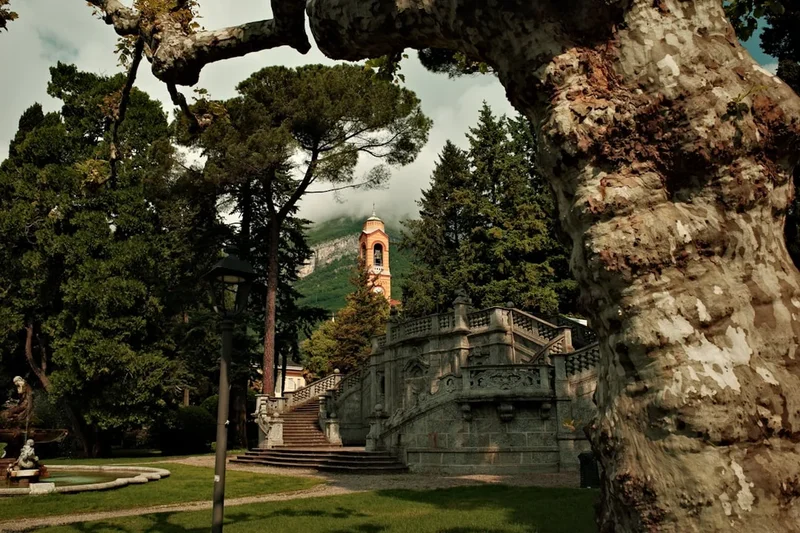
Monte Sant'Angelo Pilgrimage - The Sacred Path of the Archangel
The Monte Sant'Angelo Pilgrimage is one of Europe's most ancient and spiritually significant long-distance trails, traversing 150 kilometres of the rugged and sun-drenched landscape of Puglia, Italy. This journey is not merely a hike; it is a modern revival of the "Via Michaelica," a route that has drawn emperors, saints, and humble seekers for over 1,500 years. Starting from the historic city of Foggia and culminating at the UNESCO World Heritage Sanctuary of San Michele Arcangelo, the trail weaves through the Tavoliere delle Puglie—Italy's second-largest plain—before ascending into the limestone heart of the Gargano National Park. Walkers encounter a landscape defined by ancient olive groves, medieval hilltop towns, and the profound silence of the Foresta Umbra. The destination, a grotto carved into the mountain where the Archangel Michael is said to have appeared in 490 AD, remains one of the few sites in the world consecrated not by human hands, but by celestial presence. This pilgrimage offers a rare intersection of physical endurance, Mediterranean beauty, and deep historical resonance.
- Distance: 150.0 km
- Duration: 7–10 days
- Elevation Gain: 6,000 m (cumulative)
- Difficulty: Moderate (requires stamina for sustained climbs and heat management)
- Best Time: April–June and September–October
- Closest City: Foggia, Puglia
- Key Landmark: Sanctuary of San Michele Arcangelo (UNESCO World Heritage Site)
- Terrain: Agricultural plains, limestone ridges, ancient beech forests, and coastal cliffs
Overview
The Monte Sant'Angelo Pilgrimage is a journey of dramatic geographical and sensory contrasts. It begins in the vast, shimmering heat of the Tavoliere plain, often referred to as the "granary of Italy." Here, the path is flat and expansive, flanked by golden wheat fields and silver-green olive trees that have stood for centuries. As the trail progresses, the horizon is dominated by the rising silhouette of the Gargano Promontory—the "spur" of the Italian boot. The transition from the plains to the mountains marks a significant shift in both difficulty and scenery. The ascent into the Gargano National Park introduces walkers to a rugged karst landscape, where white limestone outcrops pierce the Mediterranean scrub and deep canyons (known locally as "valloni") hide hermitages and ancient shepherd huts.
The physical challenge of the trail lies in its cumulative elevation gain of 6,000 metres. While no single peak is exceptionally high, the route is characterised by constant undulations as it follows the ridges of the Gargano. The path takes pilgrims through the Foresta Umbra (the "Shadowy Forest"), a rare remnant of ancient European beech forests that provides a cool, emerald canopy even in the height of summer. This section of the trail is a biodiversity hotspot, home to rare orchids, roe deer, and centuries-old trees. The final approach to Monte Sant'Angelo is a spectacular climb along the southern slopes of the promontory, offering panoramic views of the Gulf of Manfredonia and the Adriatic Sea.
Culturally, the pilgrimage is a deep dive into the soul of Southern Italy. Unlike the more commercialised Camino de Santiago, the path to Monte Sant'Angelo remains a quiet, introspective experience. You will walk through towns like San Giovanni Rotondo, the home of Padre Pio, where modern devotion meets ancient tradition. The hospitality found along the way is authentically Pugliese—warm, generous, and deeply connected to the land. Whether you are motivated by faith, history, or a love for wild landscapes, this 150-kilometre odyssey provides a profound sense of arrival as you descend the stone steps into the Archangel’s grotto, joining a lineage of travellers that stretches back to the dawn of the Middle Ages.
History and Cultural Context
The history of the Monte Sant'Angelo Pilgrimage is inextricably linked to the cult of St. Michael the Archangel, which flourished in the late 5th century. According to tradition, the Archangel appeared four times to the Bishop of Siponto between 490 and 493 AD, requesting that the natural cave on the mountain be dedicated to Christian worship. This "Sacra Grotta" became the first Michaelic sanctuary in Western Europe and served as the blueprint for Mont Saint-Michel in France. During the Middle Ages, the sanctuary became a mandatory stop for Crusaders departing from the ports of Puglia for the Holy Land. They sought the protection of the "Prince of the Celestial Host" before embarking on their perilous journeys across the sea.
The trail was also a vital artery for the Lombards, who adopted St. Michael as their national patron. Their influence is still visible in the architecture of the sanctuary’s upper levels and the numerous inscriptions left by pilgrims in the rock walls. Over the centuries, the route was trodden by figures such as St. Francis of Assisi, who, feeling unworthy to enter the grotto, knelt at the entrance and carved a cross into the stone. The town of Monte Sant'Angelo itself grew around the sanctuary, its white-washed houses and narrow alleys reflecting a defensive medieval layout designed to protect the sacred site from Saracen raids.
In 2011, the Sanctuary of San Michele Arcangelo was inscribed on the UNESCO World Heritage List as part of the "Longobards in Italy: Places of Power" site. This recognition highlights the sanctuary's role as a cultural crossroads where Germanic, Byzantine, and Roman influences merged. Today, the pilgrimage is experiencing a renaissance, as modern walkers seek to reconnect with the "Michaelic Line"—a mysterious geographical alignment of sanctuaries dedicated to St. Michael that stretches from Ireland to Israel. Walking this trail is an act of historical immersion, where every stone and shrine tells a story of human endurance and spiritual longing.
Want more background? Read extended notes on history and cultural context → Learn more
Seasonal Highlights and Weather Reality
The climate of Puglia and the Gargano Peninsula dictates the timing of this pilgrimage. Because much of the trail is exposed and the elevation varies significantly, choosing the right window is crucial for safety and comfort.
Spring (April to June): This is arguably the best time to walk. The Tavoliere plain is a vibrant green, and the Gargano is carpeted in wildflowers, including over 80 species of wild orchids. Temperatures are mild, ranging from 15°C to 25°C, making the long climbs manageable. The Foresta Umbra is particularly beautiful during this time as the beech trees regain their leaves.
Autumn (September to October): The "second spring" of Puglia. The intense heat of summer fades, and the landscape takes on golden, earthy tones. This is the season of the olive and grape harvests, and walkers will often see local families working in the groves. The air is crisp, and the visibility from the mountain ridges across the Adriatic is often at its peak. Temperatures remain pleasant, usually between 18°C and 24°C.
Summer (July to August): Walking during these months is not recommended for most. Temperatures on the Tavoliere can exceed 40°C, and there is very little shade. The risk of heatstroke and dehydration is high. However, if you must travel in summer, it is essential to start walking at dawn and finish by midday, spending the hottest hours in the shade of the Foresta Umbra or within the thick stone walls of a village church.
Winter (November to March): While the plains remain mild, the Gargano mountains can experience surprisingly harsh conditions. Snow is common on the higher ridges and in Monte Sant'Angelo (843 m). Many pilgrim hostels and rural B&Bs close during this period. However, for the experienced hiker, a winter pilgrimage offers total solitude and a stark, dramatic beauty, provided they are equipped for cold winds and potential ice.
Recommended Itinerary
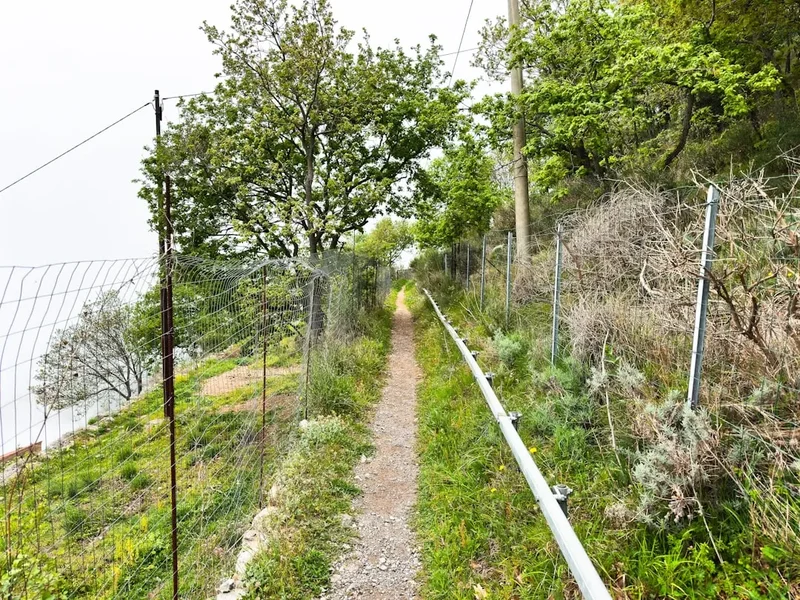
8-Day Monte Sant'Angelo Pilgrimage Itinerary
Day 1: Foggia to Lucera
- Distance: 20 km
- Elevation gain: 150 m
- Time: 5–6 hours
- Start at the Cathedral of Foggia, a historic hub for pilgrims
- Walk across the flat agricultural heart of the Tavoliere
- Arrive in Lucera, home to a magnificent Roman amphitheatre and a Swabian-Angevin fortress
- The terrain is easy, allowing for a gentle introduction to the Pugliese sun
Day 2: Lucera to San Severo
- Distance: 25 km
- Elevation gain: 100 m
- Time: 6–7 hours
- Continue through the vast wheat fields and vineyards
- Pass through rural hamlets where traditional farming methods are still visible
- Arrive in San Severo, known for its Baroque architecture and historic wine cellars
- This is a long day on flat ground; foot care and hydration are priorities
Day 3: San Severo to Stignano
- Distance: 22 km
- Elevation gain: 400 m
- Time: 6 hours
- The trail begins to approach the foothills of the Gargano
- The first significant ascent leads to the Sanctuary of Santa Maria di Stignano
- This sanctuary has served as the "gateway to the Gargano" for centuries
- Stay overnight in the pilgrim accommodation attached to the monastery
Day 4: Stignano to San Marco in Lamis
- Distance: 10 km
- Elevation gain: 350 m
- Time: 3–4 hours
- A shorter, steeper day as you enter the mountainous terrain
- Walk through limestone valleys and Mediterranean macchia (scrub)
- Arrive at the Convent of San Matteo, a massive stone complex with a world-renowned library
- Explore the medieval centre of San Marco in Lamis
Day 5: San Marco in Lamis to San Giovanni Rotondo
- Distance: 18 km
- Elevation gain: 450 m
- Time: 5–6 hours
- Follow the "Sentiero dei Pellegrini" (Pilgrim's Path) along the ridge
- Spectacular views of the plains below and the mountains ahead
- Arrive in San Giovanni Rotondo, the site of the Sanctuary of Saint Pio of Pietrelcina
- The town is a major pilgrimage hub with extensive facilities
Day 6: San Giovanni Rotondo to Monte Sant'Angelo
- Distance: 25 km
- Elevation gain: 700 m
- Time: 7–8 hours
- The most challenging and rewarding day of the pilgrimage
- Cross the high plateaus of the Gargano, entering the edges of the Foresta Umbra
- Final steep ascent into the white city of Monte Sant'Angelo
- Arrive at the Sanctuary of San Michele Arcangelo to conclude the primary journey
Day 7: Monte Sant'Angelo and the Abbey of Pulsano
- Distance: 15 km (round trip)
- Elevation gain: 300 m
- Time: 4–5 hours
- A day dedicated to the spiritual and historical sites of the mountain
- Walk to the Abbey of Santa Maria di Pulsano, perched on a dramatic cliff edge
- Explore the "Eremi di Pulsano"—hermitages carved into the canyon walls
- Return to Monte Sant'Angelo for a celebratory dinner
Day 8: Descent to Manfredonia
- Distance: 15 km
- Elevation loss: 800 m
- Time: 4 hours
- Follow the ancient mule tracks (Scannamugliera) down the mountain
- The path offers breathtaking views of the Adriatic Sea
- Finish the journey at the coast in Manfredonia, the ancient Siponto
- Depart via bus or train back to Foggia or Bari
Planning and Bookings
Book Your Trip
Everything you need to plan your journey
Accommodation
Find places to stay near Foggia
Flights
Search flights to Foggia
Essential Preparation
The Monte Sant'Angelo Pilgrimage requires a moderate level of physical fitness. While the first few days are flat, the heat can be draining, and the latter half of the trail involves significant climbing on rocky, uneven terrain. It is essential to train with a weighted pack and to break in your footwear well in advance. Logistics should be organised around Foggia, which is the primary transport hub. From Foggia, you can easily reach the trailhead and return from Manfredonia at the end of the walk. Booking accommodation in advance is highly recommended, especially during religious festivals (such as the Feast of St. Michael on September 29th) or the peak spring walking season.
Trail Accommodation
Accommodation along the route is a mix of religious institutions, small hotels, and private Bed & Breakfasts. The experience of staying in a monastery or convent is a highlight for many pilgrims.
Types of Accommodation:
- Monasteries and Convents: Places like the Sanctuary of Stignano and the Convent of San Matteo offer "accoglienza pellegrina" (pilgrim hospitality). These are often basic but clean, with shared or private rooms. A donation or a fixed low fee (usually €20–€40) is expected.
- B&Bs and Agriturismi: In towns like Lucera and San Giovanni Rotondo, private B&Bs provide more comfort. Agriturismi (farm stays) are common in the rural sections and offer excellent local food.
- Refuges: Within the Gargano National Park, there are a few basic mountain huts, though these are less common than on alpine trails.
Facilities and Costs:
- Most accommodation provides linens and towels, but a lightweight sleeping bag liner is useful for religious hostels.
- Breakfast is usually included, often consisting of coffee and pastries.
- Costs range from €25 per night in a convent to €60–€80 for a mid-range B&B.
- Booking: Use email or phone for monasteries; booking platforms work well for B&Bs in larger towns.
Required Gear
- Footwear: Sturdy trekking shoes or mid-cut boots with good grip. The limestone paths in the Gargano are sharp and can be slippery when wet.
- Backpack: A 35–45 litre pack is sufficient if you are staying in accommodation. Ensure it has a good hip belt and a rain cover.
- Clothing: Lightweight, moisture-wicking layers. A wide-brimmed hat is non-negotiable for protection against the Pugliese sun.
- Outerwear: A lightweight waterproof jacket and a fleece or down vest for the cooler evenings in the mountains.
- Navigation: A GPS-enabled smartphone with offline maps (such as Gaia GPS or AllTrails) and a physical map of the Gargano National Park.
- Trekking Poles: Highly recommended for the steep descents on rocky mule tracks, particularly on the final day to Manfredonia.
What to Bring
- Pilgrim Credential: The "Credenziale del Pellegrino" is essential for staying in religious accommodation and for receiving the "Testimonium" (certificate of completion) at the sanctuary.
- Water Treatment: While tap water in towns is safe, a reusable bottle with a filter is useful for rural stretches. Aim to carry at least 2–3 litres daily.
- Sun Protection: High-factor sunscreen (SPF 50+), lip balm with SPF, and quality sunglasses.
- First Aid: Blister plasters (Compeed), antiseptic cream, rehydration salts, and any personal medications.
- Supplies: High-energy snacks like nuts, dried fruit, and local "taralli" (savoury biscuits). Most towns have small supermarkets (alimentari) for daily lunch supplies.
- Power Bank: To keep your phone charged for navigation, as some older hostels have limited power outlets.
Permits
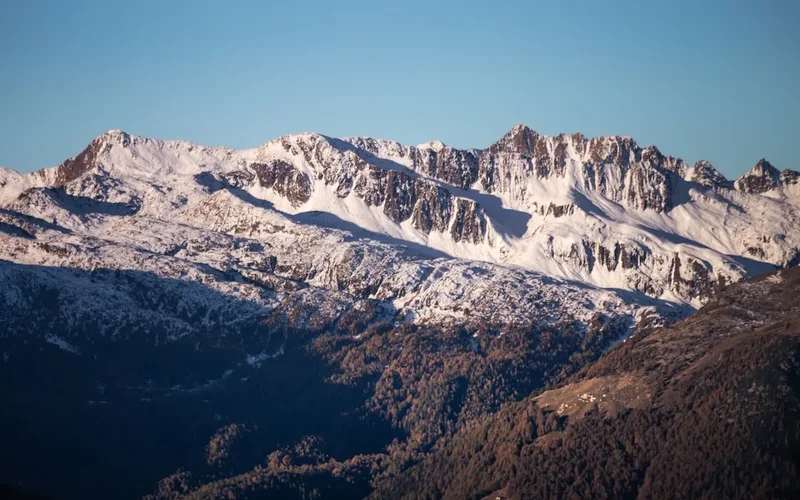
There are no formal permits required to walk the Monte Sant'Angelo Pilgrimage or to enter the Gargano National Park. The trail is open to all. However, there are administrative and traditional "permits" that enhance the experience and are necessary for certain logistics.
The Pilgrim Credential (Credenziale): This is the most important document for any walker. It serves as a "passport" that you stamp at churches, hostels, and shops along the way. It proves your status as a pilgrim, allowing you access to discounted rates in religious accommodation. You can obtain a credential from the Cathedral in Foggia or by contacting the "Associazione Via Francigena" or local Michaelic pilgrim groups online before you depart.
The Testimonium: Upon reaching the Sanctuary of San Michele Arcangelo in Monte Sant'Angelo, you can present your stamped credential to the sanctuary office to receive the Testimonium. This is a formal document, often written in Latin, certifying that you have completed the pilgrimage. There is usually a small administrative fee (approx. €5) for the parchment.
Group Access: If you are travelling in a large organised group (more than 15 people), it is a matter of courtesy and practical necessity to notify the larger sanctuaries (Stignano, San Matteo, and San Michele) at least a month in advance. This ensures they can accommodate your group for services or tours without disrupting the daily flow of individual visitors.
National Park Regulations: While no permit is needed to enter the Gargano National Park, walkers must adhere to park rules: no wild camping, no lighting of fires, and no picking of wild flowers (especially the rare orchids). During periods of extreme fire risk in summer, certain forested sections of the trail may be temporarily closed by the Forestale (Forestry Service).
Other Activities in the Area
The Gargano Peninsula is one of Italy's most diverse regions. Consider adding a few days to your trip to explore these nearby attractions:
- Foresta Umbra Exploration: Spend a day hiking the deeper trails of this UNESCO-protected beech forest. It is significantly cooler than the coast and offers a completely different ecosystem.
- Vieste and the Coastal Caves: Visit the stunning white town of Vieste, famous for the "Pizzomunno" sea stack. Take a boat tour to explore the sea caves and hidden coves along the limestone coast.
- Tremiti Islands: Take a ferry from Vieste or Rodi Garganico to this small archipelago. The islands offer crystal-clear waters perfect for snorkelling and diving, as well as the historic fortress-abbey on San Nicola.
- Peschici: Another iconic "white town" perched on a cliff. It is famous for its "trabucchi"—ancient wooden fishing structures that are still in use and often house excellent seafood restaurants.
- Wine Tasting in San Severo: The region is famous for its "Bombino Bianco" and "Nero di Troia" wines. Many historic cellars offer tours and tastings.
- Salt Pans of Margherita di Savoia: Located south of Manfredonia, these are the largest salt pans in Europe and a vital habitat for pink flamingos.
Safety and Conditions
Heat and Hydration: The primary safety concern in Puglia is the sun. Heat exhaustion can occur quickly, especially on the exposed plains of the Tavoliere. Always carry more water than you think you need, wear a hat, and apply sunscreen frequently. Avoid walking between 12:00 and 16:00 during the warmer months.
Terrain and Footing: The paths in the Gargano National Park are often rocky and uneven. Limestone becomes exceptionally slippery when wet. Ensure your footwear has sufficient grip and consider using trekking poles to maintain balance on steep descents. Watch out for loose stones on the ancient mule tracks.
Pastoral Dogs: In the rural sections of the Gargano, you may encounter Maremma sheepdogs guarding livestock. These dogs are working animals and can be protective. If you encounter a flock, give it a wide berth. Do not try to pet the dogs. If a dog approaches you barking, stay calm, keep moving slowly away, and do not make eye contact or run.
Navigation: While the main pilgrim routes are generally well-marked with yellow paint or Michaelic symbols, some sections can be confusing, especially where multiple trails intersect. Always have a reliable GPS map and a backup power source. Mobile signal can be spotty in the deep canyons and the Foresta Umbra.
Emergency Services: The universal emergency number in Italy is 112. For mountain rescue, you can also call 118. It is highly recommended to have travel insurance that specifically covers hiking and mountain rescue.
Side Trips and Points of Interest
The Hermitages of Pulsano: Located just 8 kilometres from Monte Sant'Angelo, the Valley of Pulsano contains over 20 hermitages carved into the vertical rock faces. Some are accessible via steep, narrow paths and offer a haunting glimpse into the lives of the monks who sought total isolation here. The Abbey of Santa Maria di Pulsano itself is a masterpiece of Romanesque architecture.
The Tomb of Rothari: In Monte Sant'Angelo, near the Church of Santa Maria Maggiore, lies a unique baptistery known as the Tomb of Rothari. Despite its name, it was likely a 12th-century baptistery. Its architecture and stone carvings are among the finest examples of the "Gargano Romanesque" style.
The Castle of Monte Sant'Angelo: This fortress shows layers of history from the Lombards to the Normans, Swabians, and Angevins. The "Hall of the Treasure" and the panoramic views from the bastions are well worth the entry fee.
Sanctuary of San Matteo: Even if you are not staying overnight, the library of this convent is a must-see. It holds thousands of ancient manuscripts and provides a quiet, scholarly atmosphere that contrasts with the more visited sites in San Giovanni Rotondo.
Leave No Trace
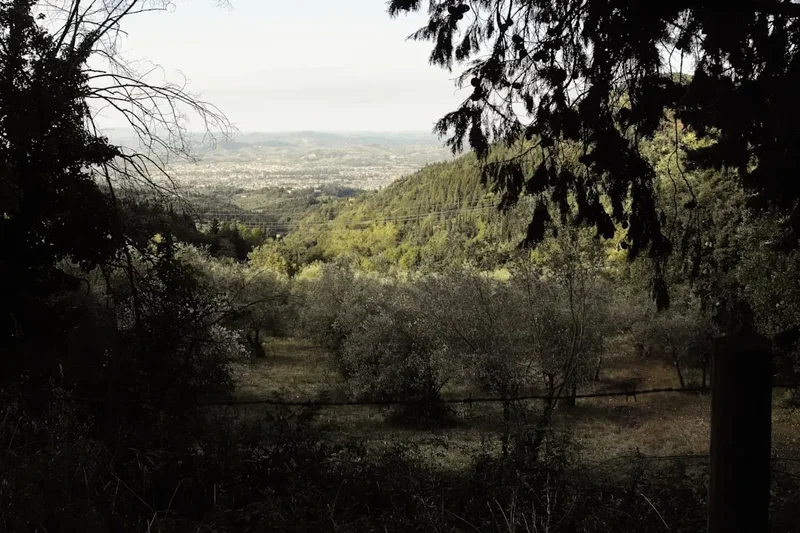
The Gargano National Park is a fragile ecosystem with high levels of endemism. As a pilgrim and a hiker, you have a responsibility to protect this landscape for those who follow.
- Waste Management: Pack out all trash, including organic waste like fruit peels, which can take a long time to decompose in the arid climate and can disrupt local wildlife diets.
- Respect the Silence: Many sections of the trail pass near active monasteries and hermitages. Maintain a quiet demeanour to respect the spiritual atmosphere of these sites.
- Stay on the Path: To protect the rare orchids and prevent soil erosion on the limestone slopes, always stick to the marked trails.
- Water Conservation: Water is a precious resource in Puglia. Use it sparingly in hostels and never wash clothes directly in natural springs or troughs used by livestock.
- Fire Safety: The risk of wildfire is extreme in Southern Italy. Never light fires and ensure that any smoking materials are fully extinguished and packed out.
 Italy
Italy