
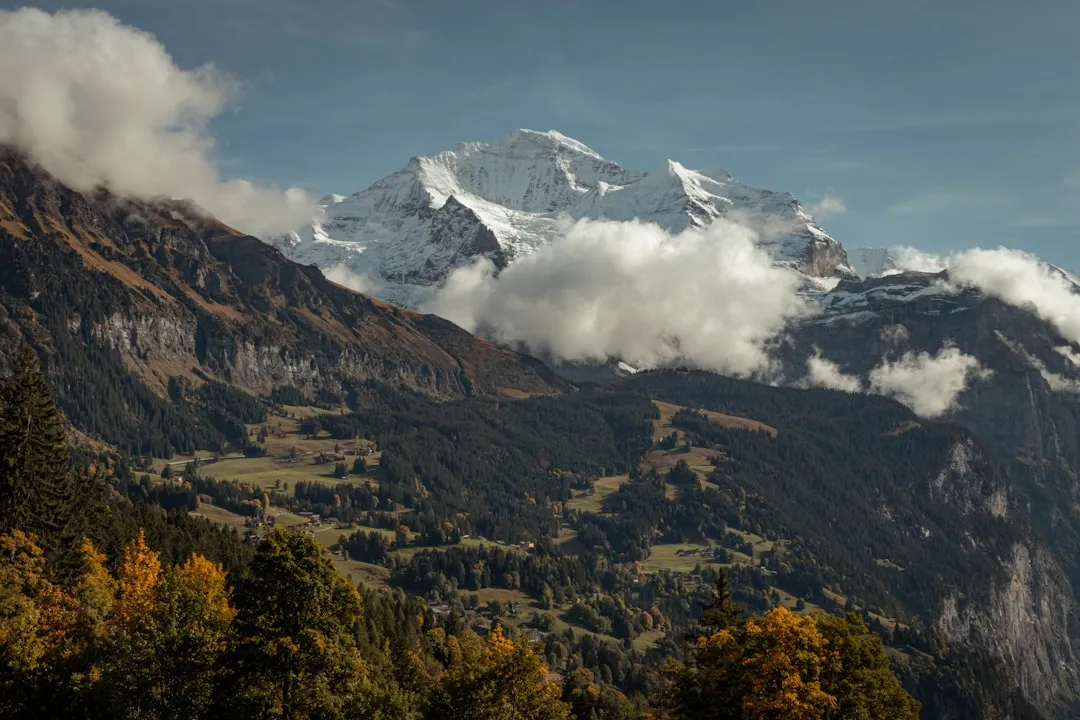
Monte San Giorgio Trail
Monte San Giorgio, a UNESCO World Heritage site, is a mountain of global significance for its exceptionally well-preserved Triassic fossil record. The Monte San Giorgio Trail offers a unique opportunity to hike through a landscape rich in geological history, culminating in panoramic views over the southern Swiss Alps and the Italian lakes. This trail is not just a physical journey but a descent into deep time, revealing the ancient marine life that once thrived in this region millions of years ago. It's a moderate day walk suitable for those with a keen interest in paleontology, geology, and stunning natural scenery.
- Distance: 9.9 km
- Elevation gain: 617 m
- Duration: 3-4 hours
- Difficulty: Moderate
- Best Time: Spring to Autumn
- Closest City: Meride
- Trailhead Access: Nearest city: Lugano. From Lugano, take bus 431 to Meride. Driving: Follow signs to Meride. Road is paved. Parking available in Meride (limited). GPS: 45.8867, 8.9064. No permits required.
Overview
The Monte San Giorgio Trail is a captivating day walk that blends natural beauty with profound scientific importance. Situated on the border between Switzerland and Italy, Monte San Giorgio is renowned worldwide for its rich fossil deposits dating back to the Middle Triassic period (approximately 240 million years ago). The trail itself winds through a varied landscape, starting from the charming village of Meride and ascending through woodlands and open pastures. As you climb, the geological narrative of the mountain unfolds, with interpretive signs detailing the ancient marine ecosystem that once covered this area. The summit offers breathtaking vistas, providing a stark contrast to the ancient world preserved beneath your feet.
The hike is characterised by a steady, moderate ascent, making it accessible to most walkers with a reasonable level of fitness. The path is generally well-maintained, though some sections can be steep and rocky. Along the way, you'll encounter diverse flora and fauna, typical of the pre-alpine environment. The true highlight, however, is the connection to the past. Monte San Giorgio's fossils include an astonishing array of marine reptiles, fish, and invertebrates, offering an unparalleled glimpse into a lost world. The mountain's unique geological structure and the exceptional preservation of its fossils led to its designation as a UNESCO World Heritage site, shared with the Italian fossil sites of Monte San Giorgio.
This trail is ideal for a day trip from Lugano or the surrounding areas. It offers a rewarding experience for families, geology enthusiasts, and anyone seeking a hike with a unique educational dimension. The combination of physical activity, spectacular views, and the chance to connect with millions of years of Earth's history makes the Monte San Giorgio Trail a truly memorable excursion.
History and Geological Significance
Monte San Giorgio's fame rests on its extraordinary paleontological heritage. For centuries, local inhabitants and visiting scholars have discovered fossils on its slopes, hinting at the mountain's ancient past. The systematic exploration and scientific study of Monte San Giorgio's fossil beds began in the late 19th and early 20th centuries, spearheaded by paleontologists like Bernhard Peyer and Emil Kuhn-Schnyder. Their meticulous work unearthed a treasure trove of fossils, revealing a remarkably diverse and well-preserved marine ecosystem from the Anisian stage of the Middle Triassic period.
The fossils found here represent a unique snapshot of life in a shallow, tropical sea that once covered this region. They include a wide variety of marine reptiles, such as the placodonts (armoured, herbivorous marine reptiles) and nothosaurs (long-necked, predatory marine reptiles), alongside numerous species of fish, ammonites, bivalves, and other invertebrates. The exceptional preservation quality, often including soft tissues and stomach contents, provides invaluable insights into the biology, behaviour, and environment of these ancient creatures.
In recognition of its outstanding universal value, Monte San Giorgio was inscribed as a UNESCO World Heritage site in 2003, a designation extended to the Italian side of the mountain in 2010. This status underscores the global importance of its fossil record for understanding the evolution of life on Earth. The trail itself is designed to guide visitors through this geological wonderland, with interpretive panels explaining the fossil discoveries and the ancient environment. The mountain's history is not just about fossils; it's also about the human endeavour to understand and preserve this natural legacy, making the trail a journey through both natural and scientific history.
Seasonal Highlights and Weather Considerations
The Monte San Giorgio Trail is best enjoyed from spring through autumn, offering distinct experiences throughout the hiking season.
Spring (April to May): The landscape awakens with vibrant green foliage and wildflowers. Temperatures are mild, making for pleasant hiking conditions. The mountain streams are often full from snowmelt, and the air is fresh. However, higher sections might still hold lingering snow in early spring, and rain is common.
Summer (June to August): This is the most popular time to visit, with warm to hot temperatures and long daylight hours. The woodlands provide welcome shade, and the summit views are often spectacular on clear days. However, summer can also bring thunderstorms, particularly in the afternoons, so starting early is advisable. The trails can be busier during this period.
Autumn (September to October): Autumn offers a spectacular display of fall colours as the deciduous trees turn shades of gold and red. The air is crisp, and the crowds thin out. This season provides excellent visibility for panoramic views. Temperatures are cooler, and while rain is still possible, it's generally less frequent than in spring or summer. Snowfall can begin in late October at higher elevations.
Winter (November to March): While technically possible to hike in winter, it is generally not recommended for this trail. Snow and ice can make the paths treacherous, especially on the steeper ascents and descents. Many of the interpretive signs may be obscured by snow, and the views might be limited by cloud cover. The local museum may also have reduced opening hours.
Weather: The weather in the pre-alpine region can change rapidly. Always check the local forecast before setting out. Be prepared for cooler temperatures at higher elevations and potential rain, even on sunny days. Layers are essential, and waterproof outer gear is highly recommended.
Recommended Itinerary
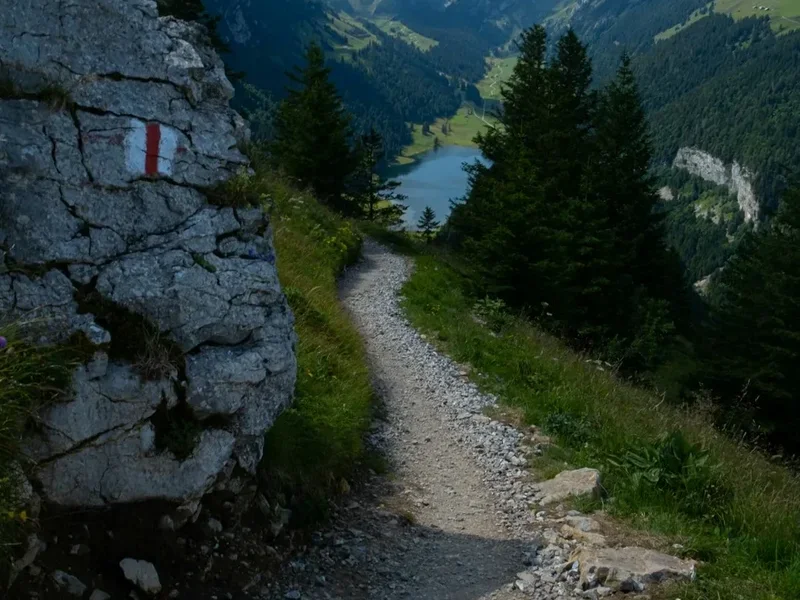
Monte San Giorgio Day Walk Itinerary
Early Morning: Arrival in Meride
- Travel to Meride, the charming village at the foot of Monte San Giorgio.
- If arriving by public transport, take bus 431 from Lugano to Meride.
- If driving, follow signs to Meride; parking is available but can be limited, especially during peak season.
- Begin your hike from the village centre, following trail markers for Monte San Giorgio.
Morning: Ascent through Woodlands
- The trail begins with a moderate climb through dense woodlands.
- Follow well-marked paths, often featuring interpretive signs detailing the local flora, fauna, and the geological history of the mountain.
- The path gradually gains elevation, offering glimpses of the surrounding landscape through breaks in the trees.
- Approximate distance covered: 3-4 km.
- Approximate time taken: 1.5-2 hours.
Midday: Reaching the Summit Area and Fossil Sites
- As you ascend, the forest thins, and the terrain becomes more open, with rocky outcrops and pastures.
- You will pass key fossil discovery sites, often marked with informative panels explaining the significance of the finds.
- The trail may become steeper and more rugged in sections.
- Reach the summit area, which offers several viewpoints and the Monte San Giorgio Fossil Museum (Museo dei Fossili).
- Approximate distance covered: 5-6 km.
- Approximate time taken: 2.5-3 hours.
Afternoon: Summit Views and Descent
- Enjoy the panoramic views from the summit. On a clear day, you can see across Lake Lugano, towards the Italian Alps, and the surrounding pre-alpine landscape.
- Consider visiting the Museo dei Fossili in Meride (check opening hours in advance) to see some of the incredible fossils unearthed from the mountain.
- Begin your descent back to Meride, retracing your steps or taking a slightly different variant if available and clearly marked.
- The descent is generally quicker but requires careful footing on steeper sections.
- Approximate distance covered: 9.9 km (total).
- Approximate time taken: 3-4 hours (total hike time).
Late Afternoon: Return to Meride
- Arrive back in Meride.
- Enjoy a well-deserved rest and perhaps a local refreshment at one of the village's eateries.
- If time permits, explore the historic centre of Meride.
Planning and Bookings
Book Your Trip
Everything you need to plan your journey
Accommodation
Find places to stay near Meride
Flights
Search flights to Meride
Essential Preparation
The Monte San Giorgio Trail is a day walk, meaning no overnight accommodation is required. Preparation focuses on ensuring a comfortable and safe hiking experience. The closest major city is Lugano, which offers a wide range of accommodation options, from budget hostels to luxury hotels. Meride itself is a small village with limited facilities, so it's best to plan your logistics from Lugano or a nearby town.
Logistics:
- Getting to Meride: From Lugano, the most convenient public transport option is bus 431. The journey takes approximately 30-40 minutes. If driving, follow signs towards Meride. Parking in Meride is available but can be scarce, especially on weekends and during peak season. Arrive early to secure a spot.
- Trail Information: While the trail is generally well-marked, it's advisable to have a map or a reliable offline navigation app. The local tourist information office in Lugano or the Museo dei Fossili in Meride can provide additional details.
- Fitness: The trail is rated as moderate due to the 617 metres of elevation gain over 9.9 km. A reasonable level of cardiovascular fitness and leg strength is required.
Trail Accommodation
This is a day hike requiring no overnight accommodation.
Required Gear
- Hiking Boots: Sturdy, broken-in hiking boots with good ankle support are essential for navigating the varied terrain, which includes rocky and potentially slippery sections.
- Waterproof Jacket: Weather in the mountains can change quickly. A waterproof and windproof jacket is crucial to protect against rain and wind.
- Backpack: A comfortable daypack (20-30 litres) to carry essentials like water, snacks, extra clothing, and a first-aid kit.
- Navigation Tools: A map of the area, a compass, or a GPS device/smartphone with offline maps. While the trail is marked, it's always wise to have backup navigation.
- First-Aid Kit: A basic kit including plasters, antiseptic wipes, pain relievers, blister treatment, and any personal medications.
- Sun Protection: Sunscreen (SPF 30+), sunglasses, and a wide-brimmed hat are important, especially during summer months, as exposed sections offer little shade.
What to Bring
- Food and Water: Carry sufficient water (at least 1.5-2 litres per person) as there are no reliable water sources along the trail. Pack energy-rich snacks and a packed lunch to enjoy at the summit or designated rest spots.
- Clothing Layers: Wear moisture-wicking base layers, an insulating mid-layer (fleece or down jacket), and your waterproof outer layer. This layering system allows you to adapt to changing temperatures.
- Trekking Poles: Optional, but highly recommended for the ascent and descent, especially on steeper sections, to reduce strain on knees and improve stability.
- Insect Repellent: Depending on the season, insects like mosquitoes or flies can be present.
- Camera: To capture the stunning views and geological features.
- Binoculars: For enhanced wildlife spotting and appreciating distant vistas.
Permits
No specific permits are required to hike the Monte San Giorgio Trail. Access to the mountain and its trails is generally open to the public. However, it is important to note that Monte San Giorgio is a UNESCO World Heritage site, and visitors are expected to adhere to responsible tourism practices and respect the natural and geological environment.
Visitor Etiquette:
- Stay on Marked Trails: To protect the fragile fossil beds and the surrounding ecosystem, always stay on the designated paths.
- Do Not Remove Fossils: It is strictly forbidden to collect or remove any fossils or geological samples from the mountain. This is a protected site, and such actions carry severe penalties.
- Respect the Environment: Pack out all litter, avoid disturbing wildlife, and minimise your impact on the natural surroundings.
Museo dei Fossili: While the trail itself does not require a permit, visiting the Museo dei Fossili in Meride may involve an entrance fee. It is advisable to check the museum's opening hours and admission fees in advance, as these can vary seasonally.
Other Activities in the Area
The region surrounding Monte San Giorgio offers a variety of activities for visitors:
- Museo dei Fossili (Fossil Museum) in Meride: A must-visit for anyone interested in the paleontology of Monte San Giorgio. The museum houses an impressive collection of fossils discovered on the mountain, providing detailed context to the geological significance of the area. Check opening hours before your visit.
- Explore Meride: Wander through the picturesque village of Meride, known for its historic architecture and tranquil atmosphere. It's a perfect place to relax after your hike.
- Lake Lugano: The beautiful Lake Lugano is nearby, offering opportunities for boat trips, swimming (in designated areas during summer), and enjoying lakeside promenades. The city of Lugano itself provides a vibrant cultural scene, shopping, and dining.
- Monte Generoso: Another prominent mountain in the region, Monte Generoso, can be reached by a cogwheel railway from Capolago. It offers spectacular panoramic views and hiking trails.
- Swissminiatur: Located in Melide, this open-air museum showcases Switzerland in miniature, featuring replicas of famous buildings and landmarks.
- Italian Lakes: The proximity to the Italian border means you can easily visit charming Italian towns and lakes, such as Como and Varese, for a day trip.
Safety and Conditions
Trail Conditions: The Monte San Giorgio Trail is generally well-maintained and marked. However, sections can be steep and rocky, requiring careful footing. After rain, certain parts of the trail may become slippery.
Weather: Mountain weather can be unpredictable. Always check the local forecast before you depart. Be prepared for sudden changes, including rain, wind, and cooler temperatures at higher elevations. Hypothermia is a risk if you are caught unprepared in adverse weather.
Navigation: While the trail is marked, it is advisable to carry a map and compass or use a reliable GPS device/app with offline maps. Familiarise yourself with the route beforehand.
Fitness: The trail is rated moderate due to the elevation gain. Ensure you have adequate fitness for a sustained climb and descent. If you are not accustomed to hiking, consider a shorter, less strenuous route.
Water and Food: Carry sufficient water and high-energy snacks. There are no facilities for purchasing food or water along the trail itself. Refill your water bottles in Meride before you start.
Emergency: In case of an emergency, dial the European emergency number 112. Ensure your mobile phone is fully charged and has reception. Inform someone of your hiking plans, including your intended route and estimated return time.
Wildlife: While large wildlife is uncommon on this trail, be aware of your surroundings. Respect any wildlife you encounter and maintain a safe distance.
Footwear: Proper hiking footwear is crucial. Avoid trainers or casual shoes, as they offer insufficient support and grip on uneven terrain.
Side Trips and Points of Interest
Summit Viewpoints: The summit area of Monte San Giorgio offers several excellent viewpoints. Take time to soak in the expansive panoramas of the surrounding lakes, valleys, and the distant Alps. These spots are ideal for a picnic lunch and for appreciating the geological context of the mountain.
Fossil Discovery Sites: Along the trail, you will encounter numerous interpretive panels that highlight specific locations where significant fossils have been found. These panels provide fascinating details about the ancient marine life and the geological processes that led to their preservation. Pay close attention to the descriptions to understand the scientific importance of the mountain.
The Monte San Giorgio Fossil Museum (Museo dei Fossili): Although technically located in the village of Meride at the base of the mountain, a visit to the museum is an essential part of the Monte San Giorgio experience. It houses a remarkable collection of fossils unearthed from the mountain, including complete skeletons of marine reptiles and fish. The museum offers a comprehensive understanding of the Triassic ecosystem and the scientific efforts to study it. It's highly recommended to visit the museum either before or after your hike.
The Village of Meride: The starting and ending point of the hike, Meride, is a charming historic village. Take a stroll through its narrow streets, admire the traditional Ticinese architecture, and enjoy the peaceful atmosphere. It provides a pleasant contrast to the wilder nature of the mountain.
Leave No Trace
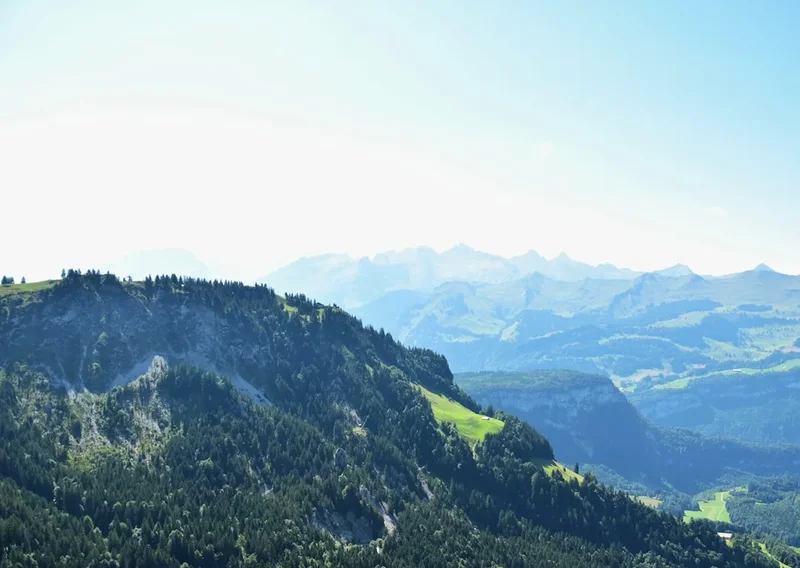
Monte San Giorgio is a UNESCO World Heritage site, recognised for its exceptional paleontological value. As a visitor, you play a crucial role in preserving this unique natural and scientific treasure for future generations. Adhering to Leave No Trace principles is paramount.
Plan Ahead and Prepare: Familiarise yourself with the trail, weather conditions, and any specific regulations before your visit. Pack appropriately for the conditions.
Travel and Camp on Durable Surfaces: Stick to marked trails. Avoid walking on fragile vegetation or stepping on exposed rock formations that may contain fossils. The designated paths are designed to minimise impact.
Dispose of Waste Properly: Pack out everything you pack in. This includes all food scraps, wrappers, and any other litter. Use the bins provided in Meride if necessary. Never leave waste behind on the trail or at viewpoints.
Leave What You Find: This is particularly critical on Monte San Giorgio. Do not collect any fossils, rocks, plants, or other natural objects. The scientific value of these items lies in their context within the mountain. Removing them damages the site and is illegal.
Minimise Campfire Impacts: Not applicable for this day hike, as camping is not permitted on the trail.
Respect Wildlife: Observe wildlife from a distance. Do not feed animals, as this can disrupt their natural behaviours and diets.
Be Considerate of Other Visitors: Keep noise levels down, especially in quiet areas. Yield to other hikers where appropriate. The goal is to ensure everyone can enjoy the natural beauty and scientific significance of Monte San Giorgio.
 Switzerland