
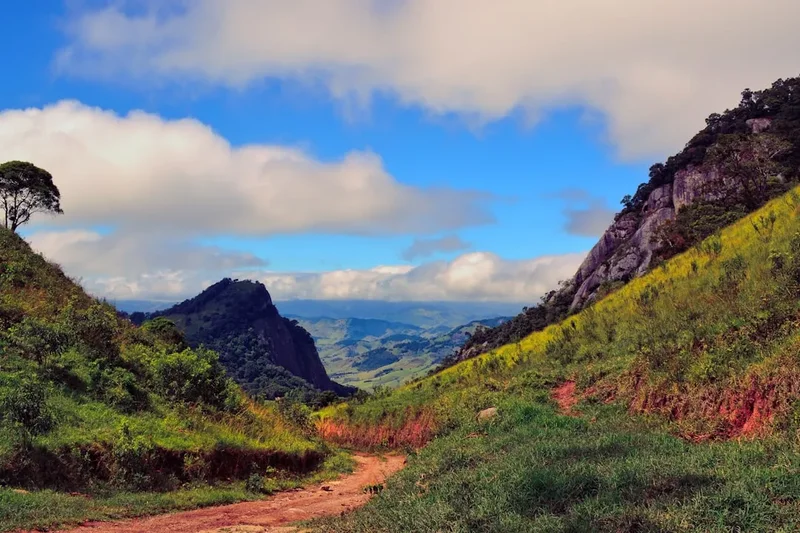
Monte Roraima Trek - The Tabletop Mountain Expedition
The Monte Roraima Trek is an extraordinary expedition to the summit of one of Earth's most ancient and awe-inspiring geological formations. This iconic tepui, a tabletop mountain, straddles the borders of Venezuela, Brazil, and Guyana, and its summit plateau is a world unto itself—a surreal landscape of unique rock formations, endemic flora, and dramatic vistas. The trek is a challenging multi-day adventure that takes you from the savannah lowlands into the cloud forest and finally to the summit of this geological marvel. It's a journey that offers a profound sense of discovery, a connection to a primordial landscape, and an unforgettable experience for those seeking a truly unique trekking adventure.
- Distance: Approximately 60 km round trip
- Duration: 6-8 days
- Season: December to April (drier season)
- Difficulty: Challenging
- Highest point: Summit plateau (approx. 2,810 m)
- Base town: Santa Elena de Uairén, Venezuela
- Access: Fly to Boa Vista, Brazil, then transfer to Santa Elena de Uairén
- Mandatory: Local guides and porters
Overview
Monte Roraima is more than just a mountain; it's a living museum of natural history. Rising abruptly from the surrounding savannah, its sheer sandstone cliffs have isolated its summit for millions of years, allowing unique species of plants and animals to evolve. The trek to the summit is a gradual ascent, beginning in the vast, open plains of the Gran Sabana, where the iconic tabletop mountain looms on the horizon. As you approach, the landscape transforms, leading you through lush cloud forests and along challenging river crossings before the final, steep ascent to the summit plateau.
The summit itself is a labyrinth of bizarre rock formations, crystal-clear pools, and endemic flora found nowhere else on Earth. Exploring the plateau is like stepping onto another planet. You'll encounter giant bromeliads, carnivorous plants, and ancient rock formations sculpted by wind and rain over millennia. The sheer scale of the plateau, combined with the dramatic drop-offs and the ever-present mist, creates an atmosphere of profound mystery and wonder.
This trek is not for the faint-hearted. It requires a good level of physical fitness, resilience to varying weather conditions (including rain and mist), and a spirit of adventure. The rewards, however, are immense: unparalleled views, a deep connection with nature, and the satisfaction of conquering one of South America's most iconic natural wonders. The journey is as much about the cultural immersion with the indigenous Pemon people, who have lived in the shadow of Roraima for centuries, as it is about the physical challenge and geological spectacle.
History and Cultural Context
Monte Roraima holds deep spiritual and cultural significance for the indigenous Pemon people, who consider it a sacred place and the "mother of all waters." For centuries, they have navigated its challenging terrain and revered its unique ecosystem. Their knowledge of the land, its plants, and its weather patterns is invaluable to any expedition. The Pemon people are integral to the trekking experience, often serving as guides and porters, sharing their ancestral connection to the tepui.
The first European to document Monte Roraima was Sir Walter Raleigh in 1596, who described it as a "great high mountain with steep cliffs on all sides." However, it was the expeditions of the late 19th and early 20th centuries that truly brought the tepui to the attention of the wider world. Explorers like Everard Im Thurn, who made the first documented ascent in 1884, marvelled at its unique flora and fauna, sparking scientific interest in this isolated ecosystem.
The geological history of Monte Roraima dates back over a billion years, making it one of the oldest rock formations on the planet. Its distinctive tabletop shape is a result of erosion, with the harder sandstone cap protecting the softer underlying rock. This isolation has led to the evolution of a unique biodiversity, with many species found only on Roraima and other tepuis in the Guiana Highlands.
The border region where Roraima stands has also been a site of historical significance, with various claims and explorations by different nations. Today, the area is a testament to the enduring power of nature and the rich cultural heritage of the indigenous communities who call it home.
Seasonal Highlights and Weather Reality
The best time to trek Monte Roraima is during the dry season, which typically runs from December to April. During these months, rainfall is significantly reduced, making the trails more accessible and the summit plateau clearer for exploration. The savannah is also greener and more vibrant during this period.
December to April (Dry Season): This is the peak trekking season. Days are generally sunny, though afternoon showers can still occur. The trails are less muddy, and river crossings are usually easier. Visibility on the summit is often better, allowing for spectacular views. However, this is also the busiest period, so booking in advance is essential.
May to November (Wet Season): This period sees much higher rainfall. Trails can become extremely muddy and challenging, and river crossings can be dangerous or impassable. The summit plateau is frequently shrouded in mist, which can be atmospheric but limits visibility. While less crowded, the wet season presents significant logistical and safety challenges, and many operators may suspend tours during the heaviest months.
Temperature: Temperatures in the lowlands and savannah can be warm, often exceeding 30°C. As you ascend, temperatures decrease, especially on the summit plateau, where it can become quite cool, particularly at night, dropping to around 10-15°C. The combination of altitude, wind, and frequent mist means that even during the dry season, it's essential to be prepared for cooler conditions on the summit.
Recommended Itinerary
6-Day Monte Roraima Trek Itinerary
Day 1: Arrival in Santa Elena de Uairén & Preparation
- Arrive in Santa Elena de Uairén, Venezuela.
- Meet your guide and trekking team.
- Final gear check and briefing.
- Purchase any last-minute supplies.
- Overnight in a local guesthouse or hotel in Santa Elena.
- This day is crucial for acclimatisation and logistical arrangements.
Day 2: Santa Elena to Paraitepuy & Camp 1
- Morning transfer by 4x4 vehicle from Santa Elena to Paraitepuy (approx. 4-6 hours).
- The road is unpaved and can be rough, offering glimpses of the Gran Sabana.
- Register at the INPARQUES (National Parks Institute) office in Paraitepuy.
- Begin trekking from Paraitepuy towards the first campsite.
- Distance: Approx. 10-12 km
- Terrain: Open savannah, relatively flat with some undulations.
- Camp near the Tek River or a similar designated spot.
- This is a relatively easy day to ease into the trek.
Day 3: Camp 1 to Camp 2 (Base of Roraima)
- Trek across the savannah towards the base of Monte Roraima.
- Cross the Tek River and potentially other smaller streams.
- The imposing massif of Roraima will dominate the horizon.
- Distance: Approx. 15-18 km
- Terrain: Continues through savannah, with increasing vegetation as you approach the mountain.
- Arrive at the campsite located at the base of the mountain, often near the start of the ascent path.
- Prepare for the steep climb the following day.
Day 4: Ascent to the Summit Plateau
- The most challenging day of the trek.
- Begin the steep ascent via the "La Rampa" (The Ramp), a natural pathway up the side of the tepui.
- This section involves scrambling over rocks and navigating steep, sometimes slippery, terrain.
- Distance: Approx. 5-7 km (highly variable due to terrain)
- Elevation gain: Significant, reaching the summit plateau.
- Time: 6-9 hours, depending on group pace and conditions.
- Upon reaching the summit, you will enter a completely different world of unique rock formations and endemic flora.
- Set up camp on the summit plateau in a designated area, often sheltered by rock formations.
- Explore immediate surroundings if time and energy permit.
Day 5: Summit Exploration
- Full day dedicated to exploring the summit plateau of Monte Roraima.
- Visit key points of interest such as:
- - El Fosso (The Pit)
- - Valle de Cristales (Valley of Crystals)
- - Punto Triple (Triple Point - border marker)
- - La Ventana (The Window)
- Distance: Variable, depending on exploration routes.
- Terrain: Rocky, uneven, with potential for mist and wind.
- This day is about immersing yourself in the surreal landscape and discovering its unique geological and biological wonders.
- Return to your summit camp for the night.
Day 6: Descent to Paraitepuy & Transfer to Santa Elena
- Begin the descent from the summit plateau back down "La Rampa."
- Retrace your steps across the savannah towards Paraitepuy.
- Distance: Approx. 20-25 km
- Terrain: Steep descent followed by savannah trekking.
- Arrive back in Paraitepuy, where your 4x4 vehicle will be waiting.
- Transfer back to Santa Elena de Uairén.
- Celebratory dinner and overnight in Santa Elena.
Optional Extension (Days 7-8): An extra day or two can be added for more in-depth exploration of the summit or to allow for weather delays. Some itineraries may also include a visit to the Quebrada de Jaspe (Jasper Falls) on the return journey.
Important Notes:
- This itinerary is a guideline and can be adjusted based on weather, group fitness, and guide recommendations.
- A local Pemon guide is mandatory for all treks to Roraima.
- Porters are highly recommended to carry group equipment and personal gear, making the trek more enjoyable.
- Accommodation on the trail is in tents.
- Water sources are generally available but should be treated.
Planning and Bookings
Book Your Trip
Everything you need to plan your journey
Accommodation
Find places to stay near Santa Elena de Uairén
Flights
Search flights to Santa Elena de Uairén
Essential Preparation
Planning a trek to Monte Roraima requires careful coordination, especially regarding logistics and permits. The primary gateway town is Santa Elena de Uairén in Venezuela, which is typically accessed via Boa Vista, Brazil. Flights to Boa Vista (BVB) are the most common starting point. From Boa Vista, you will need to arrange a transfer to Santa Elena de Uairén. This journey takes approximately 4-6 hours by 4x4 vehicle, as the road is largely unpaved and can be challenging, especially during the wet season.
In Santa Elena de Uairén, you will meet your local Pemon guide and trekking team. It is crucial to book your expedition through a reputable tour operator who works closely with the local guides and porters. They will handle the necessary permits, arrange transportation, and ensure you have the required equipment and supplies. A mandatory registration at the INPARQUES office in Paraitepuy must be completed before commencing the trek.
Fitness is paramount. The trek involves long days of walking, significant elevation gain on the final ascent, and navigating uneven terrain. A good level of cardiovascular fitness and leg strength is essential. Training should include hiking with a backpack, hill walking, and endurance exercises.
Trail Accommodation
Accommodation on the Monte Roraima trek is primarily camping. There are no permanent structures or huts along the route. You will be camping in designated areas, usually near rivers or at the base of the mountain.
Campsite Facilities:
- Designated camping areas.
- Access to natural water sources (stream water).
- Basic toilet facilities may be available at the trailhead (Paraitepuy) and sometimes at the base camp, but generally, you will be using "leave no trace" methods for waste disposal.
What's NOT Provided:
- Tents, sleeping bags, or sleeping mats (these are usually provided by the tour operator or can be rented).
- Cooking equipment (stoves, pots, utensils) – typically provided by the operator.
- Food and water treatment supplies – typically provided by the operator, but personal snacks are recommended.
- Toiletries or personal hygiene facilities beyond what you carry.
Seasonal Availability: Camping is available year-round, but the dry season (December to April) offers more comfortable conditions due to reduced rainfall and less muddy terrain.
Costs: The cost of accommodation is typically included within the overall tour package price, which covers guides, porters, food, and camping equipment. Individual campsite fees are generally not charged in the same way as established national park huts.
This is a multi-day trek requiring overnight camping.
Required Gear
- Sturdy Hiking Boots: Waterproof, broken-in boots with good ankle support are essential for navigating varied terrain, including rocky paths and potentially muddy sections.
- Waterproof Jacket and Trousers: Essential for protection against rain and mist, which are common even in the dry season. Look for breathable, waterproof materials.
- Warm Layers: Fleece jacket, thermal base layers (merino wool or synthetic), and a warm hat are necessary, especially for the summit plateau where temperatures can drop significantly, particularly at night.
- Backpack: A comfortable trekking backpack (50-70 litres) with a rain cover to carry your personal gear, water, snacks, and extra clothing.
- Sleeping Bag: A 3-season sleeping bag rated for temperatures around 0-10°C is recommended for comfort on the summit.
- Sleeping Mat: For insulation and comfort during camping.
- Head Torch: With spare batteries, essential for navigating camp at night and for early morning starts.
- First-Aid Kit: Including personal medications, blister treatment, pain relievers, antiseptic wipes, and bandages.
- Sun Protection: High SPF sunscreen, sunglasses, and a wide-brimmed hat for protection against strong sun, especially in the savannah.
- Insect Repellent: Effective repellent for mosquitoes and other biting insects, particularly in the lower altitudes.
- Water Bottles or Hydration Reservoir: Capacity for at least 2-3 litres.
- Trekking Poles: Highly recommended for stability on ascents and descents, and for river crossings.
What to Bring
- Food: While tour operators provide main meals, bring high-energy snacks such as nuts, dried fruit, energy bars, and chocolate for personal consumption during the day.
- Water Treatment: Water purification tablets or a personal water filter are recommended as a backup, even if water sources appear clean.
- Toiletries: Biodegradable soap, toothbrush, toothpaste, hand sanitiser, and any personal hygiene items. Pack out all used toilet paper.
- Quick-Dry Towel: Lightweight and fast-drying.
- Camera and Spare Batteries/Power Bank: To capture the incredible scenery.
- Personal Medications: Any prescription or over-the-counter medications you regularly use.
- Small Daypack: For summit exploration days, to carry water, snacks, camera, and a light jacket.
- Cash: For tips for guides and porters, and for any personal purchases in Santa Elena.
- Passport and Visa: Ensure all necessary travel documents are in order.
- Book or Journal: For downtime in the evenings.
Permits
To trek Monte Roraima, you must obtain permits and register with the relevant authorities. The primary requirement is to register with INPARQUES (Instituto Nacional de Parques) at the office in Paraitepuy, the last village before the trek begins. This registration confirms that you are undertaking the trek with a registered guide and have the necessary arrangements in place.
INPARQUES Registration:
- Location: Paraitepuy village.
- Requirement: Mandatory for all trekkers.
- Process: Your guide will typically handle this process. You will need to provide your personal details and confirm your trekking plans.
- Cost: There may be a small registration fee, usually nominal.
Guide and Porter Requirements:
- It is mandatory to trek with a registered local Pemon guide.
- Hiring porters is highly recommended to carry group gear and personal equipment, making the trek more manageable and supporting the local economy.
Tour Operator Role: Reputable tour operators will manage the permit acquisition and registration process as part of their service. They will ensure that your guide is officially registered and that all necessary paperwork is completed before you begin your trek.
Booking in Advance: While specific permits for the trail itself are not usually booked months in advance like some other international treks, it is crucial to book your overall expedition with a tour operator well in advance, especially if you plan to travel during the peak dry season (December to April). This ensures availability of guides, porters, and transport, and allows for proper logistical planning.
Other Activities in the Area
While Monte Roraima is the main draw, the surrounding region of La Gran Sabana offers several other attractions and activities:
- Quebrada de Jaspe (Jasper Falls): Located along the road between Santa Elena and Paraitepuy, these stunning waterfalls cascade over vibrant red jasper rocks, creating a unique and colourful spectacle. It's a popular spot for swimming and photography.
- Salto Kama Merú and Salto Aponwao: These are two of the most impressive waterfalls in La Gran Sabana, offering breathtaking views and opportunities for adventure. Salto Kama Merú is a powerful cascade, while Salto Aponwao features a series of drops and pools.
- Exploring La Gran Sabana: The vast savannah itself is a landscape of immense beauty, dotted with smaller tepuis, unique flora, and diverse wildlife. Guided excursions can explore the savannah's remote corners.
- Indigenous Pemon Culture: Spending time in Santa Elena de Uairén or Paraitepuy offers a chance to learn about the rich culture and traditions of the Pemon people. Visiting local craft markets or engaging with community members can be a rewarding experience.
- Canaima National Park (Further Afield): For those with more time, a trip to Canaima National Park to see Angel Falls, the world's tallest waterfall, is a spectacular extension. This requires a separate flight from Canaima camp.
- Rock Climbing and Rappelling: For experienced adventurers, some areas around the base of Roraima and other tepuis may offer opportunities for specialized climbing activities, though these require expert local knowledge and equipment.
Safety and Conditions
Pre-Trek Briefing: Your guide will provide a comprehensive briefing on safety procedures, potential hazards, and emergency protocols before you begin the trek. Pay close attention to all instructions.
Weather: Weather on Monte Roraima can change rapidly. Expect sunshine, heavy rain, mist, and strong winds, sometimes all within the same day. Be prepared for all conditions, especially on the summit plateau where exposure is high.
Altitude: While not extremely high, the summit plateau is around 2,810 metres. Acclimatisation is important, and some individuals may experience mild altitude sickness. Listen to your body and communicate any symptoms to your guide.
Terrain: The trek involves walking on uneven savannah, crossing rivers, and a steep, rocky ascent and descent of the tepui. Sturdy footwear, trekking poles, and careful footing are essential to prevent injuries like sprains and falls.
River Crossings: During the wet season, rivers can become swollen and dangerous. Your guide will assess conditions and may alter the route or wait for water levels to recede. Never attempt to cross a fast-flowing river alone.
Summit Plateau: The summit is a complex environment with many hidden crevices, slippery surfaces, and sheer drops. Always stay with your guide, follow marked paths where they exist, and be aware of your surroundings. The mist can reduce visibility to mere metres, making it easy to get disoriented.
Wildlife: While large dangerous animals are rare, be aware of snakes and insects. Your guide will advise on how to avoid encounters. The endemic flora is also delicate; avoid touching or disturbing plants.
Health and Hygiene: Drink only treated or bottled water. Practice good hand hygiene to prevent gastrointestinal issues. Ensure your vaccinations are up to date, and consider malaria prophylaxis if recommended for the region.
Emergency Procedures: In case of a serious emergency, your guide will initiate evacuation procedures. This may involve contacting local authorities or arranging for a helicopter evacuation if possible (which is expensive and weather-dependent). Ensure you have adequate travel insurance that covers emergency evacuation and medical expenses.
Side Trips and Points of Interest
The summit plateau of Monte Roraima is a vast and fascinating area, offering numerous points of interest for exploration during your dedicated summit day:
La Rampa (The Ramp): This is the natural, albeit steep and challenging, pathway that serves as the primary route for ascending and descending the tepui. It's a natural ramp of scree and rock, offering a dramatic introduction to the summit environment.
El Fosso (The Pit): A deep, natural sinkhole on the summit plateau. Its sheer walls and the unique microclimate within create an environment where specific plant species thrive. It's a stark reminder of the geological forces that shaped Roraima.
Valle de Cristales (Valley of Crystals): This area is renowned for its abundance of quartz crystals, some of which are exceptionally large and clear. The landscape here is otherworldly, with crystal formations emerging from the rocky terrain.
Punto Triple (Triple Point): This is the geographical point where the borders of Venezuela, Brazil, and Guyana meet. A small monument marks this significant location, offering a unique photo opportunity and a sense of being at the crossroads of three nations.
La Ventana (The Window): A natural archway or opening in the rock formations that offers a framed view of the surrounding landscape. It's a popular spot for photography and provides a dramatic perspective of the tepui's scale.
Unique Flora and Fauna: Throughout the summit, keep an eye out for the endemic plant life, including carnivorous pitcher plants, bromeliads, and unique orchids. The isolation of the tepui has led to a high degree of endemism, making it a botanist's paradise.
Other Rock Formations: The summit is dotted with countless other fascinating rock formations, sculpted by millennia of erosion. These often resemble abstract sculptures or natural monuments, each with its own character and story.
Leave No Trace
The Monte Roraima trek traverses a fragile and unique ecosystem. Adhering to Leave No Trace principles is paramount to preserving this extraordinary environment for future generations and respecting the cultural significance of the tepui to the Pemon people.
Plan Ahead and Prepare: Understand the conditions, book with reputable operators who employ local guides and porters, and pack appropriately to minimise waste. Ensure your tour operator has a strong commitment to LNT principles.
Travel and Camp on Durable Surfaces: Stick to established trails and designated campsites. Avoid trampling vegetation, especially on the summit plateau where plant life is scarce and slow-growing. Camp at least 70 metres away from water sources.
Dispose of Waste Properly: Pack out everything you pack in, including all food scraps, wrappers, and any other refuse. Use designated toilet facilities where available. If not, dig catholes at least 15 cm deep and 70 metres away from water, camp, and trails. Pack out all toilet paper.
Leave What You Find: Do not remove any natural objects, such as rocks, crystals, or plants. These are integral to the ecosystem and the geological history of the tepui. Take only photographs, leave only footprints.
Minimise Campfire Impacts: Campfires are generally not permitted on Monte Roraima due to the fragile environment and the availability of portable stoves. Use a lightweight stove for cooking.
Respect Wildlife: Observe wildlife from a distance. Do not feed any animals, as this can disrupt their natural behaviours and diets. Be aware of your surroundings and avoid disturbing any creatures you encounter.
Be Considerate of Other Visitors: Keep noise levels down, especially in campsites and on the trail. Respect the cultural heritage of the Pemon people and their connection to Monte Roraima.