
Monte Ortobene Hike - Sardinia's Spiritual Heart
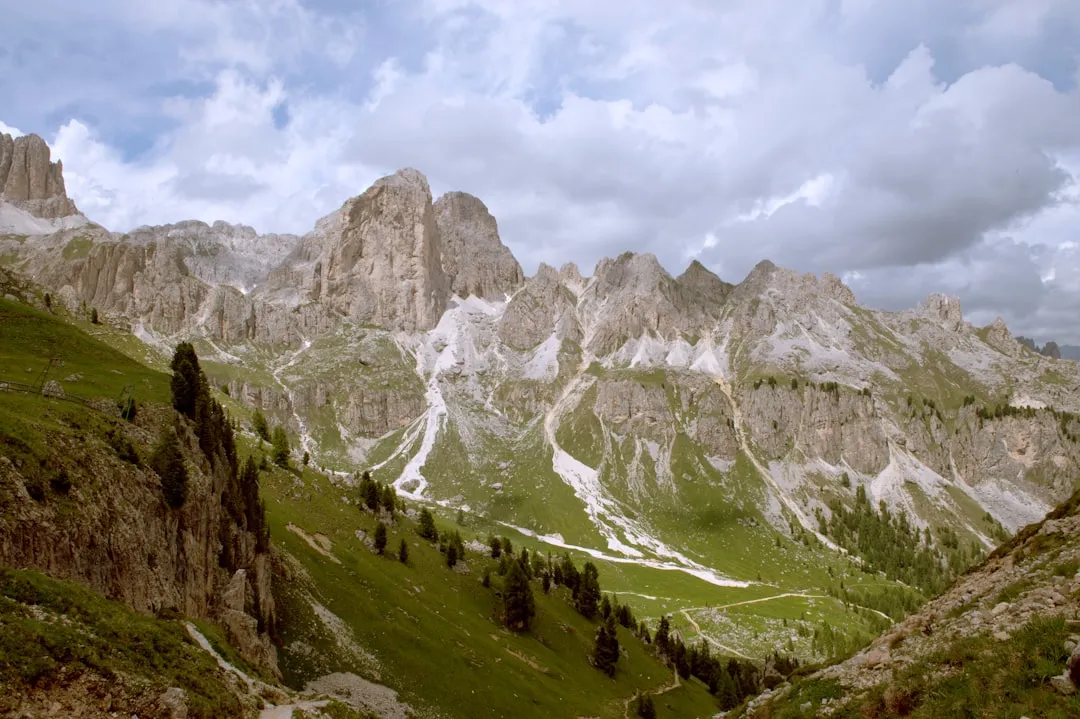
The Monte Ortobene Hike is a captivating day walk located in the heart of Sardinia, Italy, offering a blend of natural beauty, cultural significance, and panoramic vistas. This moderate trail ascends Monte Ortobene, a prominent peak overlooking the city of Nuoro, providing hikers with a rewarding experience that combines physical exertion with a deep connection to the island's heritage. The route winds through diverse landscapes, from rugged Mediterranean scrub to ancient oak forests, culminating in breathtaking views from the summit. It is a journey that not only showcases the natural splendour of the region but also delves into the spiritual and historical essence of Sardinia, making it a must-do for those seeking an authentic Italian mountain experience.
- Distance: 12.5 km one-way
- Duration: 4–5 hours
- Elevation gain: 600 m
- Difficulty: Moderate
- Best Time: Spring (April–May) and Autumn (September–October)
- Closest City: Nuoro
- Trailhead Access: Nearest city: Nuoro. By car: From Nuoro, follow signs for Monte Ortobene. Road is paved. Driving time: ~15 minutes. Parking available at the trailhead (Viale Ciusa Romagna). GPS: 40.3167, 9.2333. No permits needed.
Overview
The Monte Ortobene Hike is a journey into the soul of Sardinia, a moderate ascent that rewards the intrepid with unparalleled views and a profound sense of place. The trail begins its climb from the outskirts of Nuoro, a city steeped in Sardinian tradition and known as the cultural capital of the Barbagia region. As you ascend, the urban landscape gradually gives way to the wilder beauty of the Mediterranean maquis, a fragrant tapestry of aromatic shrubs, holm oaks, and juniper. The path is well-defined for the most part, though sections can be steep and rocky, demanding a steady pace and sure footing.
The elevation gain of 600 metres is significant but spread over 12.5 kilometres, making it a manageable challenge for most reasonably fit hikers. The trail meanders through varied terrain, offering glimpses of the rugged Sardinian interior. You'll pass by ancient cork oak trees, their bark harvested for centuries, and perhaps encounter the island's unique flora and fauna. The air is often perfumed with the scent of wild herbs, a testament to the Mediterranean climate.
The true highlight of the Monte Ortobene Hike is the summit. Here, a colossal statue of Christ the King stands sentinel, a powerful symbol of faith and a beacon for pilgrims and hikers alike. The panoramic views from this vantage point are simply spectacular. On a clear day, you can see for miles across the rolling hills of Sardinia, the shimmering Tyrrhenian Sea in the distance, and the city of Nuoro spread out below like a miniature model. The sense of accomplishment upon reaching the summit, coupled with the breathtaking scenery, makes this hike an unforgettable experience. It’s a walk that connects you not just to the landscape but also to the deep-rooted spirituality and enduring culture of Sardinia.
History and Cultural Context
Monte Ortobene has been a significant landmark and a place of spiritual importance for centuries, deeply intertwined with the history and culture of Nuoro and the wider Barbagia region. The name "Ortobene" itself is believed to derive from Latin, possibly meaning "good garden" or "blessed place," hinting at its long-held reverence.
Historically, the mountain has served as a natural defence and a place of refuge. Its strategic position offered commanding views over the surrounding territory, making it a valuable vantage point for early inhabitants. Evidence of ancient Nuragic settlements, the unique Bronze Age civilisation of Sardinia, can be found in the vicinity, suggesting human presence and activity on and around the mountain dating back thousands of years. These ancient peoples, known for their distinctive stone towers (nuraghi), left an indelible mark on the Sardinian landscape, and their connection to elevated sites like Monte Ortobene is well-documented.
The most prominent historical and cultural feature of Monte Ortobene is the colossal statue of Christ the King (Cristo Redentore). Erected in the mid-20th century, this imposing monument was conceived as a symbol of faith and a pilgrimage destination. Its construction involved significant effort, with large blocks of granite quarried locally and transported up the mountain. The statue, standing at over 30 metres tall, has become an iconic symbol of Nuoro and a focal point for religious festivals and celebrations. It draws visitors from across Sardinia and beyond, seeking spiritual solace or simply to admire its grandeur and the panoramic views it commands.
Beyond the statue, the mountain's slopes have been shaped by generations of shepherds and farmers who have utilized its pastures and woodlands. The traditional way of life in Barbagia, characterised by pastoralism and a strong sense of community, is reflected in the enduring relationship between the people and their land. The Monte Ortobene Hike offers a tangible connection to this rich history, allowing walkers to tread paths that have been used for centuries, passing through landscapes that have sustained life and culture for millennia.
Seasonal Highlights and Weather Reality
The Monte Ortobene Hike is best enjoyed during the shoulder seasons of spring and autumn. These periods offer a more temperate climate, ideal for hiking, and a vibrant natural environment.
Spring (April–May): This is a particularly beautiful time to undertake the hike. The Sardinian landscape bursts into bloom, with wildflowers carpeting the hillsides in a riot of colour. The air is fresh, and the temperatures are pleasantly mild, typically ranging from 15°C to 25°C. The vegetation is lush and green after the winter rains, and the scent of wild herbs is at its most potent. The summit views are often clear, offering excellent visibility across the region.
Summer (June–August): While the hike is possible during summer, it is generally not recommended due to the intense heat. Daytime temperatures can soar above 30°C, making the ascent strenuous and potentially uncomfortable. If attempting the hike in summer, it is crucial to start very early in the morning, carry ample water, and wear sun protection. The landscape can appear drier and more parched during these months.
Autumn (September–October): Autumn offers another excellent window for hiking Monte Ortobene. The extreme heat of summer subsides, and temperatures become more moderate, usually between 18°C and 28°C. The colours of the landscape begin to change, with the foliage taking on warmer hues. The sea air can still be warm, and the light is often soft and beautiful, making for excellent photographic opportunities. The risk of rain increases slightly towards the end of autumn.
Winter (November–March): Winter can bring cooler temperatures, with daytime highs typically ranging from 10°C to 18°C. While generally mild compared to continental Europe, there is a higher chance of rain and occasional strong winds. Snowfall on Monte Ortobene is rare but possible at higher elevations. The landscape is often dramatic and moody, and the fewer crowds can offer a more solitary experience. However, some of the Mediterranean scrub may appear less vibrant.
Weather Considerations: Regardless of the season, it is always advisable to check the local weather forecast before setting out. The summit of Monte Ortobene can be exposed to winds, and conditions can change rapidly. Carrying layers of clothing is recommended, even in warmer months, to account for temperature fluctuations and potential wind chill at higher altitudes.
Recommended Itinerary
Monte Ortobene Hike - Day Walk Itinerary
Early Morning (Approx. 8:00 AM): Departure from Nuoro
- Begin your journey from Nuoro towards the Monte Ortobene trailhead.
- Drive or take local transport to the designated parking area at Viale Ciusa Romagna (GPS: 40.3167, 9.2333).
- Ensure you have all necessary gear, water, and snacks for the hike.
Morning (Approx. 8:30 AM - 11:30 AM): Ascent through Mediterranean Scrub
- Start the hike from the trailhead. The initial section may involve paved or well-trodden paths before transitioning to more rugged terrain.
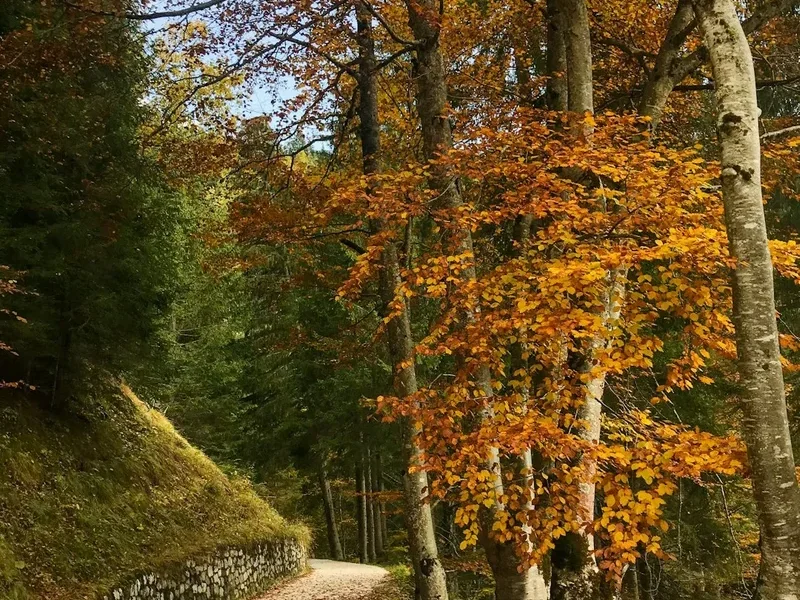
- The trail begins to climb steadily, winding through characteristic Mediterranean vegetation such as holm oaks, juniper, and aromatic shrubs like rosemary and myrtle.
- Enjoy the changing scents and sounds of the natural environment.
- Keep an eye out for local wildlife, which may include various bird species and small mammals.
- The path can be steep in places, requiring a moderate level of fitness.
Midday (Approx. 11:30 AM - 1:00 PM): Reaching the Summit and Christ the King Statue
- Continue the ascent, with the imposing statue of Christ the King becoming increasingly visible as you approach the summit.
- Arrive at the summit of Monte Ortobene (approx. 955 metres).
- Spend time exploring the area around the statue. Take in the magnificent 360-degree panoramic views of Nuoro, the surrounding valleys, the Gennargentu Mountains, and the distant sea.
- This is an ideal spot for a picnic lunch and to rest, reflecting on the journey and the stunning vistas.
Afternoon (Approx. 1:00 PM - 3:30 PM): Descent and Return to Nuoro
- Begin the descent back towards the trailhead. The descent can be as challenging as the ascent, so take care with your footing.
- Follow the same route or explore alternative paths if available and clearly marked.
- The changing light conditions on the descent offer a different perspective on the landscape.
- Arrive back at the trailhead and your vehicle.
- Return to Nuoro, perhaps to enjoy a well-deserved meal or explore the city's cultural attractions.
Important Notes:
- This is a day hike; no overnight accommodation is required.
- The trail is generally well-marked, but carrying a map or GPS device is recommended.
- Wear sturdy hiking boots and appropriate clothing for the season.
- Carry sufficient water (at least 2 litres per person) and snacks.
- Sun protection (hat, sunscreen, sunglasses) is essential, especially during warmer months.
- Be aware of potential hazards such as uneven terrain and changing weather conditions.
Planning and Bookings
Book Your Trip
Everything you need to plan your journey
Accommodation
Find places to stay near Nuoro
Flights
Search flights to Nuoro
Essential Preparation
The Monte Ortobene Hike is a day walk, meaning it requires less complex logistical planning than multi-day treks. However, preparation is still key to ensuring a safe and enjoyable experience. The closest major city is Nuoro, which serves as the primary base for accessing the trailhead. Nuoro offers a range of accommodation options, from budget-friendly guesthouses to more comfortable hotels. It also provides essential services such as supermarkets for stocking up on supplies, pharmacies, and outdoor gear shops for any last-minute purchases.
Access to the trailhead is straightforward. From Nuoro, follow signs directing you towards Monte Ortobene. The road is paved and well-maintained, making the drive to the parking area at Viale Ciusa Romagna relatively quick and easy, typically around 15 minutes. For those relying on public transport, local buses may serve the area, but checking schedules in advance is crucial, as services can be infrequent. It is advisable to confirm the exact location of the trailhead and parking facilities using GPS coordinates (40.3167, 9.2333) before your departure.
Given that this is a day hike, no specific booking coordination for accommodation or transport is required in the same way as for multi-day treks. However, it is wise to book your accommodation in Nuoro in advance, especially during peak tourist seasons. Familiarise yourself with the trail conditions and weather forecast for the day of your hike. The moderate difficulty means that while no extreme fitness is required, a reasonable level of cardiovascular health and leg strength will enhance your enjoyment of the ascent and descent.
Trail Accommodation
This is a day hike requiring no overnight accommodation.
Required Gear
- Hiking Boots: Sturdy, broken-in hiking boots with good ankle support are essential for navigating the varied and sometimes rocky terrain.
- Waterproof Jacket: A lightweight, waterproof and windproof jacket is advisable, as weather conditions can change, especially at higher elevations.
- Backpack: A comfortable daypack (20-30 litres) to carry essentials like water, food, first-aid kit, and extra layers.
- Navigation Tools: While the trail is generally well-marked, a map of the area, a compass, or a GPS device/smartphone with offline maps is recommended for safety.
- First-Aid Kit: A basic kit including plasters, antiseptic wipes, pain relievers, and any personal medications.
- Sun Protection: A wide-brimmed hat, sunglasses, and high-SPF sunscreen are crucial, as the Sardinian sun can be intense, particularly at the summit.
- Head Torch: A small head torch with spare batteries is a good safety precaution, especially if you plan to start early or finish late.
What to Bring
- Food: Plenty of high-energy snacks such as nuts, dried fruit, energy bars, and sandwiches for lunch.
- Water: Carry at least 2 litres of water per person. Refill points are not available on the trail.
- Toiletries: Hand sanitiser, biodegradable wet wipes, and any personal hygiene items.
- Personal Items: Mobile phone (fully charged), portable power bank, camera, and identification.
- Insect Repellent: While not usually a major issue, it can be useful during certain times of the year.
- Walking Poles: Optional, but can be beneficial for stability and reducing strain on knees during the ascent and descent.
- Cash: A small amount of cash for any unexpected expenses or local purchases in Nuoro.
Permits
No permits are required to hike Monte Ortobene. The trail is open to the public, and access to the trailhead and summit is free. This makes it an accessible and straightforward destination for day hikers and cultural explorers alike.
While no formal permits are needed, it is always good practice to be aware of any local regulations or advisories that may be in place, particularly concerning fire safety during dry periods or any temporary access restrictions due to events or maintenance. Information on such matters can usually be obtained from the local tourist information office in Nuoro.
The absence of permit requirements simplifies the planning process significantly, allowing visitors to focus on enjoying the natural beauty and cultural significance of Monte Ortobene without administrative hurdles.
Other Activities in the Area
Beyond the Monte Ortobene Hike itself, the region around Nuoro offers a wealth of cultural and natural attractions:
- Explore Nuoro: Visit the city's historic centre, wander through its narrow streets, and discover its rich cultural heritage. Key sites include the Museo della Vita e delle Tradizioni Popolari Sarde (Museum of Sardinian Life and Traditions), which offers deep insights into the island's unique customs, and the Casa Natale di Grazia Deledda, the birthplace of the Nobel Prize-winning author Grazia Deledda.
- Nuragic Sites: Sardinia is dotted with ancient Nuragic ruins. While not directly on Monte Ortobene, nearby sites like the Nuraghe Mannu near Cala Gonone (a scenic drive from Nuoro) offer a glimpse into the island's prehistoric past.
- Gola di Gorropu: For the more adventurous, the Gola di Gorropu is one of Europe's deepest canyons, offering challenging trekking and spectacular geological formations. It's located a drive away, typically accessed from the Dorgali or Baunei area.
- Cala Gonone and the Gulf of Orosei: A coastal town offering boat trips to stunning coves and beaches like Cala Luna, Cala Mariolu, and Cala Goloritzé. The turquoise waters and dramatic cliffs are a stark contrast to the mountainous interior.
- Sardinian Cuisine: Indulge in the local gastronomy. Nuoro and its surrounding villages are known for traditional dishes such as porceddu (roast suckling pig), malloreddus (Sardinian gnocchi), and pecorino cheese.
- Local Festivals: Depending on the time of year, you might be able to experience one of Sardinia's vibrant local festivals, often featuring traditional costumes, music, and dancing. The Sagra del Redentore in Nuoro, held on the last Sunday of August, is a major event.
Safety and Conditions
Trail Conditions: The Monte Ortobene trail is generally well-maintained, but sections can be steep, rocky, and uneven. Wear appropriate footwear to prevent slips and ankle injuries. The path can become slippery if wet.
Weather: Sardinian weather can be unpredictable. While summers are hot and dry, spring and autumn can bring rain and wind. The summit of Monte Ortobene is exposed, so be prepared for cooler temperatures and stronger winds at higher elevations, even on warm days. Always check the weather forecast before you go.
Hydration and Nutrition: Carry ample water, especially during warmer months, as there are no water sources along the trail. High-energy snacks are recommended to maintain energy levels throughout the hike. Dehydration can occur quickly in the Mediterranean climate.
Sun Protection: The sun's intensity in Sardinia is significant. Use high-SPF sunscreen, wear a hat with a brim, and sunglasses to protect yourself from sunburn and heatstroke. Consider starting your hike early in the morning to avoid the midday sun.
Navigation: While the main trail to the summit is usually clear, it's wise to carry a map or use a GPS device, especially if you plan to explore any side paths. Familiarise yourself with the route before you set off.
Emergency Preparedness: Inform someone of your hiking plans, including your intended route and estimated return time. Carry a fully charged mobile phone. In case of emergency, the local emergency number in Italy is 112.
Wildlife: While large dangerous wildlife is not a concern on Monte Ortobene, be aware of smaller creatures. Respect the natural environment and avoid disturbing any animals you may encounter.
Respect the Site: The statue of Christ the King is a place of religious significance. Visitors are expected to behave respectfully. Littering is prohibited; pack out everything you pack in.
Side Trips and Points of Interest
Christ the King Statue (Cristo Redentore): The undisputed focal point of the hike. This colossal statue, standing over 30 metres tall, is a powerful symbol of faith and a testament to human endeavour. Its granite construction and commanding presence make it an awe-inspiring sight. Take time to walk around its base and appreciate the intricate details and the sheer scale of the monument.
Panoramic Viewpoints: The summit of Monte Ortobene offers truly spectacular 360-degree views. From this vantage point, you can see:
- Nuoro City: The urban sprawl of Nuoro stretches out below, providing a fascinating perspective on the city's layout and its relationship with the surrounding landscape.
- The Barbagia Region: The rolling hills and rugged mountains of the Barbagia interior unfold in a breathtaking panorama. This is the heartland of traditional Sardinian culture.
- Gennargentu Mountains: On clear days, the majestic peaks of the Gennargentu range, Sardinia's highest mountain massif, are visible in the distance, offering a glimpse of the island's wilder, more remote interior.
- The Tyrrhenian Sea: On exceptionally clear days, the shimmering expanse of the Tyrrhenian Sea can be seen on the horizon, adding another dimension to the expansive views.
Mediterranean Flora: The hiking trail itself is a point of interest, showcasing the unique and resilient Mediterranean scrubland. Look out for:
- Holm Oaks (Quercus ilex): These evergreen trees are characteristic of the Mediterranean landscape, providing shade and a sense of ancient wilderness.
- Juniper (Juniperus spp.): Various species of juniper are common, often with a distinctive aromatic scent.
- Aromatic Herbs: The air is frequently perfumed with wild rosemary, myrtle, lavender, and other fragrant herbs that thrive in the Sardinian climate.
- Wildflowers: Particularly in spring, the hillsides are adorned with a vibrant array of wildflowers, adding colour and beauty to the hike.
Shepherd's Paths: While not always clearly marked as distinct points, the trails on Monte Ortobene have historically been used by shepherds. You may notice signs of traditional land use, such as old stone walls or grazing areas, offering a subtle connection to the mountain's pastoral heritage.
Leave No Trace
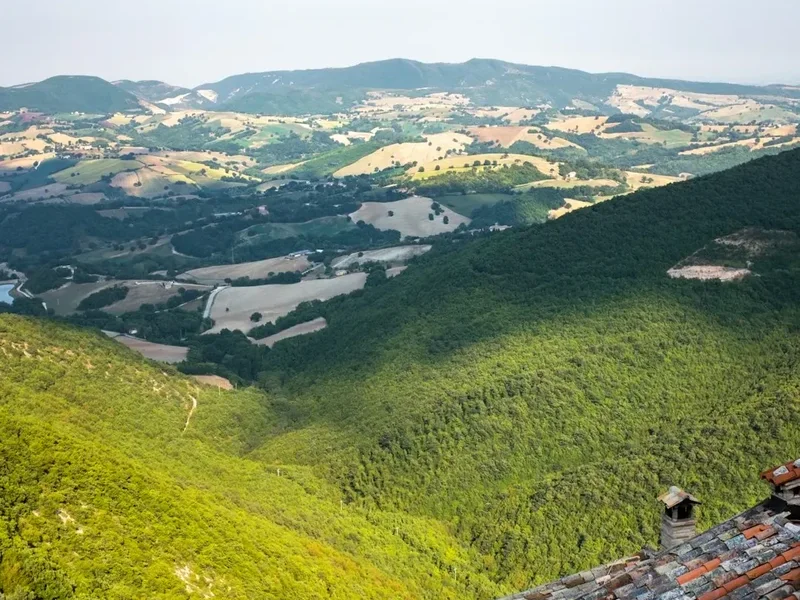
The Monte Ortobene Hike traverses a beautiful and culturally significant landscape. To ensure its preservation for future visitors and to respect the local environment and heritage, it is essential to practice Leave No Trace principles:
- Plan Ahead and Prepare: Familiarise yourself with the trail, weather conditions, and local regulations before your hike. Pack appropriately for the conditions.
- Travel and Camp on Durable Surfaces: Stick to the marked trails to avoid damaging fragile vegetation. The paths on Monte Ortobene are generally well-defined, but avoid creating new routes or shortcuts.
- Dispose of Waste Properly: Pack out everything you pack in. This includes all food scraps, wrappers, and any other litter. There are no bins on the trail or at the summit. Use the designated waste disposal facilities in Nuoro.
- Leave What You Find: Do not remove any natural items such as rocks, plants, or flowers. Take only photographs and memories.
- Minimise Campfire Impacts: Campfires are not permitted on this day hike, and are generally discouraged in natural areas to prevent wildfires.
- Respect Wildlife: Observe wildlife from a distance and never feed them. Feeding wild animals can disrupt their natural behaviours and diets.
- Be Considerate of Other Visitors: Keep noise levels down, especially near the summit and the statue. Allow others to enjoy the peace and beauty of the mountain. Yield to uphill hikers where appropriate.
By adhering to these principles, you help protect the natural beauty and cultural integrity of Monte Ortobene, ensuring it remains a cherished destination for generations to come.
Useful Links
- Sardegna Turismo - Nuoro and Barbagia
- Nuoro Tourism Information
- <a href="https://www.regione.sardegna.it/j/v/25?v=2&c=1&t=4&s=1000&id=10000000000000000000000000000000000000000000000000000000000000000000000000000000000000000000000000000000000000000000000000000000000000000000000000000000000000000000000000000000000000000000000000000000000000000000000000000000000000000000000000000000000000000000000000000000000000000000000000000000000000000000000000000000000000000000000000000000000000000000000000000000000000000000000000000000000000000000000000000000000000000000000000000000000000000000000000000000000000000000000000000000000000000000000000000000000000000000000000000000000000000000000000000000000000000000000000000000000000000000000000000000000000000000000000000000000000000000000000000000000000000000000000000000000000000000000000000000000000000000000000000000000000000000000000000000000000000000000000000000000000000000000000000000000000000000000000000000000000000000000000000000000000000000000000000000000000000000000000000000000000000000000000000000000000000000000000000000000000000000000000000000000000000000000000000000000000000000000000000000000000000000000000000000000000000000000000000000000000000000000000000000000000000000000000000000000000000000000000000000000000000000000000000000000000000000000000000000000000000000000000000000000000000000000000000000000000000000000000000000000000000000000000000000000000000000000000000000000000000000000000000000000000000000000000000000000000000000000000000000000000000000000000000000000000000000000000000000000000000000000000000000000000000000000000000000000000000000000000000000000000000000000000000000000000000000000000000000000000000000000000000000000000000000000000000000000000000000000000000000000000000000000000000000000000000000000000000000000000000000000000000000000000000000000000000000000000000000000000000000000000000000000000000000000000000000000000000000000000000000000000000000000000000000000000000000000000000000000000000000000000000000000000000000000000000000000000000000000000000000000000000000000000000000000000000000000000000000000000000000000000000000000000000000000000000000000000000000000000000000000000000000000000000000000000000000000000000000000000000000000000000000000000000000000000000000000000000000000000000000000000000000000000000000000000000000000000000000000000000000000000000000000000000000000000000000000000000000000000000000000000000000000000000000000000000000000000000000000000000000000000000000000000000000000000000000000000000000000000000000000000000000000000000000000000000000000000000000000000000000000000000000000000000000000000000000000000000000000000000000000000000000000000000000000000000000000000000000000000000000000000000000000000000000000000000000000000000000000000000000000000000000000000000000000000000000000000000000000000000000000000000000000000000000000000000000000000000000000000000000000000000000000000000000000000000000000000000000000000000000000000000000000000000000000000000000000000000000000000000000000000000000000000000000000000000000000000000000000000000000000000000000000000000000000000000000000000000000000000000000000000000000000000000000000000000000000000000000000000000000000000000000000000000000000000000000000000000000000000000000000000000000000000000000000000000000000000000000000000000000000000000000000000000000000000000000000000000000000000000000000000000000000000000000000000000000000000000000000000000000000000000000000000000000000000000000000000000000000000000000000000000000000000000000000000000000000000000000000000000000000000000000000000000000000000000000000000000000000000000000000000000000000000000000000000000000000000000000000000000000000000000000000000000000000000000000000000000000000000000000000000000000000000000000000000000000000000000000000000000000000000000000000000000000000000000000000000000000000000000000000000000000000000000000000000000000000000000000000000000000000000000000000000000000000000000000000000000000000000000000000000000000000000000000000000000000000000000000000000000000000000000000000000000000000000000000000000000000000000000000000000000000000000000000000000000000000000000000000000000000000000000000000000000000000000000000000000000000000000000000000000000000000000000000000000000000000000000000000000000000000000000000000000000000000000000000000000000000000000000000000000000000000000000000000000000000000000000000000000000000000000000000000000000000000000000000000000000000000000000000000000000000000000000000000000000000000000000000000000000000000000000000000000000000000000000000000000000000000000000000000000000000000000000000000000000000000000000000000000000000000000000000000000000000000000000000000000000000000000000000000000000000000000000000000000000000000000000000000000000000000000000000000000000000000000000000000000000000000000000000000000000000000000000000000000000000000000000000000000000000000000000000000000000000000000000000000000000000000000000000000000000000000000000000000000000000000000000000000000000000000000000000000000000000000000000000000000000000000000000000000000000000000000000000000000000000000000000000000000000000000000000000000000000000000000000000000000000000000000000000000000000000000000000000000000000000000000000000000000000000000000000000000000000000000000000000000000000000000000000000000000000000000000000000000000000000000000000000000000000000000000000000000000000000000000000000000000000000000000000000000000000000000000000000000000000000000000000000000000000000000000000000000000000000000000000000000000000000000000000000000000000000000000000000000000000000000000000000000000000000000000000000000000000000000000000000000000000000000000000000000000000000000000000000000000000000000000000000000000000000000000000000000000000000000000000000000000000000000000000000000000000000000000000000000000000000000000000000000000000000000000000000000000000000000000000000000000000000000000000000000000000000000000000000000000000000000000000000000000000000000000000000000000000000000000000000000000000000000000000000000000000000000000000000000000000000000000000000000000000000000000000000000000000000000000000000000000000000000000000000000000000000000000000000000000000000000000000000000000000000000000000000000000000000000000000000000000000000000000000000000000000000000000000000000000000000000000000000000000000000000000000000000000000000000000000000000000000000000000000000000000000000000000000000000000000000000000000000000000000000000000000000000000000000000000000000000000000000000000000000000000000000000000000000000000000000000000000000000000000000000000000000000000000000000000000000000000000000000000000000000000000000000000000000000000000000000000000000000000000000000000000000000000000000000000000000000000000000000000000000000000000000000000000000000000000000000000000000000000000000000000000000000000000000000000000000000000000000000000000000000000000000000000000000000000000000000000000000000000000000000000000000000000000000000000000000000000000000000000000000000000000000000000000000000000000000000000000000000000000000000000000000000000000000000000000000000000000000000000000000000000000000000000000000000000000000000000000000000000000000000000000000000000000000000000000000000000000000000000000000000000000000000000000000000000000000000000000000000000000000000000000000000000000000000000000000000000000000000000000000000000000000000000000000000000000000000000000000000000000000000000000000000000000000000000000000000000000000000000000000000000000000000000000000000000000000000000000000000000000000000000000000000000000000000000000000000000000000000000000000000000000000000000000000000000000000000000000000000000000000000000000000000000000000000000000000000000000000000000000000000000000000000000000000000000000000000000000000000000000000000000000000000000000000000000000000000000000000000000000000000000000000000000000000000000000000000000000000000000000000000000000000000000000000000000000000000000000000000000000000000000000000000000000000000000000000000000000000000000000000000000000000000000000000000000000000000000000000000000000000000000000000000000000000000000000000000000000000000000000000000000000000000000000000000000000000000000000000000000000000000000000000000000000000000000000000000000000000000000000000000000000000000000000000000000000000000000000000000000000000000000000000000000000000000000000000000000000000000000000000000000000000000000000000000000000000000000000000000000000000000000000000000000000000000000000000000000000000000000000000000000000000000000000000000000000000000000000000000000000000000000000000000000000000000000000000000000000000000000000000000000000000000000000000000000000000000000000000000000000000000000000000000000000000000000000000000000000000000000000000000000000000000000000000000000000000000000000000000000000000000000000000000000000000000000000000000000000000000000000000000000000000000000000000000000000000000000000000000000000000000000000000000000000000000000000000000000000000000000000000000000000000000000000000000000000000000000000000000000000000000000000000000000000000000000000000000000000000000000000000000000000000000000000000000000000000000000000000000000000000000000000000000000000000000000000000000000000000000000000000000000000000000000000000000000000000000000000000000000000000000000000000000000000000000000000000000000000000000000000000000000000000000000000000000000000000000000000000000000000000000000000000000000000000000000000000000000000000000000000000000000000000000000000000000000000000000000000000000000000000000000000000000000000000000000000000000000000000000000000000000000000000000000000000000000000000000000000000000000000000000000000000000000000000000000000000000000000000000000000000000000000000000000000000000000000000000000000000000000000000000000000000000000000000000000000000000000000000000000000000000000000000000000000000000000000000000000000000000000000000000000000000000000000000000000000000000000000000000000000000000000000000000000000000000000000000000000000000000000000000000000000000000000000000000000000000000000000000000000000000000000000000000000000000000000000000000000000000000000000000000000000000000000000000000000000000000000000000000000000000000000000000000000000000000000000000000000000000000000000000000000000000000000000000000000000000000000000000000000000000000000000000000000000000000000000000000000000000000000000000000000000000000000000000000000000000000000000000000000000000000000000000000000000000000000000000000000000000000000000000000000000000000000000000000000000000000000000000000000000000000000000000000000000000000000000000000000000000000000000000000000000000000000000000000000000000000000000000000000000000000000000000000000000000000000000000000000000