
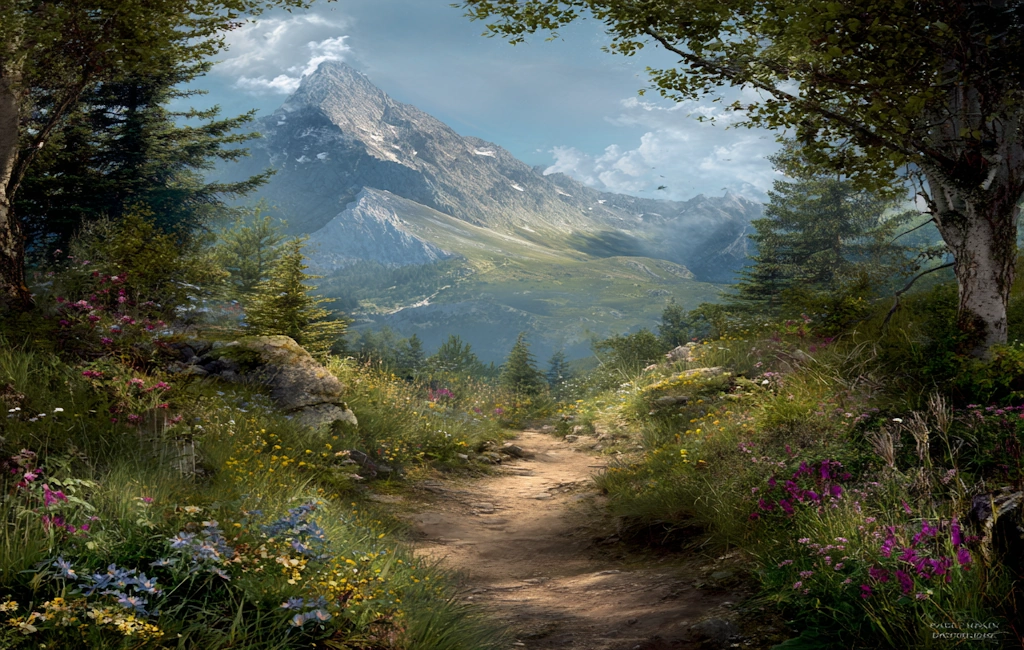
Monte Legnone Trail - The Queen of Lake Como
The Monte Legnone Trail is a challenging yet immensely rewarding day hike offering unparalleled panoramic views of Lake Como and the surrounding Lombardy Alps. This ascent is not for the faint of heart, demanding significant physical exertion and a good level of fitness due to its steep gradients and substantial elevation gain. However, for those who conquer its summit, the reward is a breathtaking vista that stretches across the shimmering waters of Lake Como, the rugged peaks of the Grigna massif, and the distant plains of Lombardy. The trail winds through varied terrain, from dense chestnut forests and alpine meadows to rocky scree slopes, providing a diverse and engaging hiking experience. Monte Legnone, standing at 2,609 metres, is the highest peak in the Grigna group and a prominent landmark visible from many points around the lake, making its summit a coveted destination for experienced hikers.
- Distance: 14.5 km (round trip)
- Elevation Gain: 1500 m
- Duration: 6-8 hours (round trip)
- Difficulty: Challenging
- Best Time: June to September
- Closest City: Lecco
- Trailhead Access: Alpe Campo de Boi (parking available)
- Permits: Not required
Overview
The Monte Legnone Trail is a classic alpine ascent that begins in the lower foothills and steadily climbs towards the rugged summit. The journey starts from Alpe Campo de Boi, a picturesque alpine pasture accessible by a winding road from the shores of Lake Como. Initially, the path meanders through dense chestnut and beech forests, offering welcome shade and a sense of immersion in nature. As the elevation increases, the forest canopy gradually thins, giving way to open alpine meadows dotted with wildflowers during the summer months. The terrain becomes progressively steeper and more rugged, transitioning into rocky paths and scree fields as the summit approaches. The final section of the climb often involves navigating rocky outcrops and exposed ridges, requiring surefootedness and a head for heights.
The defining feature of Monte Legnone is its spectacular summit panorama. From the top, walkers are treated to an awe-inspiring 360-degree view. To the south, the vast expanse of Lake Como unfolds, its deep blue waters contrasting with the verdant hillsides and charming lakeside villages. The Grigna massif, with its distinctive jagged peaks, dominates the western skyline. To the north and east, the rolling hills of Lombardy stretch towards the horizon, and on exceptionally clear days, the distant peaks of the Swiss Alps can be glimpsed. The summit area itself is relatively broad, often featuring a small cross or monument, providing a perfect spot to rest, refuel, and soak in the magnificent scenery.
This hike is a true test of endurance, with a significant elevation gain of 1500 metres packed into a relatively short distance. The trail is well-marked for the most part, but its challenging nature means it is best suited for experienced hikers who are comfortable with steep ascents, rocky terrain, and potentially exposed sections. The descent can be as demanding as the ascent, particularly on the knees, so proper preparation and sturdy footwear are essential.
History and Cultural Context
Monte Legnone, like many prominent peaks in the Italian Alps, has a history intertwined with human activity, from ancient pastoralism to more recent mountaineering endeavours. The lower slopes have long been used for grazing livestock, with alpine pastures like Alpe Campo de Boi serving as seasonal homes for shepherds and their flocks. The trails themselves often follow ancient routes that were once used for transhumance, connecting the valleys with the high mountain pastures.
The summit of Monte Legnone has been a goal for mountaineers and hikers for centuries. Its commanding position overlooking Lake Como made it a natural point of interest for exploration and observation. Early ascents were likely undertaken by local hunters, shepherds, and perhaps military scouts seeking strategic vantage points. As mountaineering gained popularity in the late 19th and early 20th centuries, Monte Legnone became a recognised peak for amateur climbers and hikers seeking a challenging alpine experience without the extreme technical difficulties of higher peaks.
The presence of mountain huts, such as the Rifugio Alpe Campo de Boi (though not directly on the summit path, it's a key access point) and potentially smaller bivouacs or shelters higher up, speaks to the historical use of the mountain. These structures provided refuge for those spending extended periods in the mountains, whether for pastoral work, scientific observation, or early mountaineering expeditions. The trail itself, while often rugged, reflects a history of human passage and interaction with this formidable mountain landscape.
Seasonal Highlights and Weather Reality
The best time to tackle the Monte Legnone Trail is during the warmer months, typically from June to September. During this period, the weather is generally more stable, and the trails are free from snow and ice, making the ascent safer and more enjoyable.
Spring (April-May): While the lower sections might be accessible, higher elevations can still hold snow, making the trail treacherous or impassable. Wildflowers begin to bloom in the lower meadows, offering beautiful scenery, but caution is advised due to unpredictable weather and potential snow patches.
Summer (June-August): This is the prime season for Monte Legnone. The days are long, and the weather is usually warm and sunny, perfect for enjoying the panoramic views from the summit. Alpine meadows are in full bloom, creating a vibrant tapestry of colours. However, summer can also bring thunderstorms, particularly in the afternoons. It is crucial to start early to avoid the heat and the risk of afternoon storms. Sandflies are generally not a significant issue in this region, unlike in some other alpine areas.
Autumn (September-October): Autumn offers crisp air, clear skies, and stunning autumnal colours in the forests. The crowds of summer begin to thin, making for a more peaceful hiking experience. The temperatures are cooler, which can be pleasant for the strenuous climb. However, the days are shorter, and the possibility of early snow increases as the season progresses.
Winter (November-March): Monte Legnone is generally inaccessible for hiking during winter due to heavy snowfall and avalanche risk. The trails are covered in snow, and the conditions require advanced winter mountaineering skills and equipment. This period is strictly for experienced winter alpinists.
Weather Considerations: Mountain weather can change rapidly. Always check the forecast before setting out. Be prepared for cooler temperatures at higher altitudes, even in summer. Wind can be a significant factor on the exposed summit ridge.
Recommended Itinerary
Monte Legnone Day Hike Itinerary
Early Morning (Approx. 7:00 AM): Departure from Lecco
- Drive from Lecco towards the northern end of Lake Como, following signs for Colico and then towards the village of Tremalzo.
- Continue on the SP67 road, which becomes increasingly narrow and winding as it ascends towards Alpe Campo de Boi.
- Allow approximately 1 hour to 1 hour 30 minutes for the drive, depending on road conditions and traffic.
- GPS coordinates for Alpe Campo de Boi: 46.067178, 9.381372.
Morning (Approx. 8:30 AM): Arrival at Alpe Campo de Boi and Start of Hike
- Park your vehicle at the designated parking area at Alpe Campo de Boi.
- Begin the hike from the alpeggio (alpine pasture). The trail is generally well-marked, often indicated by red and white painted blazes or cairns.
- The initial section of the trail winds through dense chestnut and beech forests.
- Distance covered: Approximately 4-5 km.
- Elevation gain: Approximately 500-600 metres.
- Estimated time: 2-3 hours.
Midday (Approx. 11:00 AM - 1:00 PM): Ascent through Alpine Meadows
- The forest begins to thin, and the trail opens up into alpine meadows.
- The gradient becomes steeper, and the path may become rockier.
- Enjoy views of the surrounding valleys and Lake Como as you gain altitude.
- Pass any visible landmarks or junctions that indicate the route towards the summit.
- Distance covered: Approximately 3-4 km.
- Elevation gain: Approximately 600-700 metres.
- Estimated time: 2-3 hours.
Afternoon (Approx. 1:00 PM - 3:00 PM): Summit Push and Lunch
- The final section of the ascent involves navigating rocky terrain, scree slopes, and potentially exposed ridges.
- Exercise caution and ensure you have good grip and balance.
- Reach the summit of Monte Legnone (2,609 m).
- Take time to enjoy the spectacular 360-degree panoramic views.
- Have your packed lunch and rehydrate.
- Distance covered: Approximately 2-3 km.
- Elevation gain: Approximately 200-300 metres.
- Estimated time: 1-2 hours (including summit time).
Late Afternoon (Approx. 3:00 PM onwards): Descent and Return to Alpe Campo de Boi
- Begin the descent, which can be hard on the knees. Take your time and maintain a controlled pace.
- Retrace your steps back through the alpine meadows and forests.
- Arrive back at Alpe Campo de Boi.
- Distance covered: Approximately 7-8 km.
- Elevation loss: Approximately 1500 metres.
- Estimated time: 3-4 hours.
Evening: Drive back to Lecco
- Return to your vehicle and drive back to Lecco.
Important Notes:
- This is a challenging hike; ensure you are physically prepared.
- Start early to maximise daylight and avoid afternoon heat and potential thunderstorms.
- Carry ample water and high-energy food.
- Wear sturdy hiking boots with good ankle support.
- Check the weather forecast before you leave.
- The road to Alpe Campo de Boi can be narrow and winding; drive with caution.
Planning and Bookings
Book Your Trip
Everything you need to plan your journey
Accommodation
Find places to stay near Lecco
Flights
Search flights to Lecco
Essential Preparation
The Monte Legnone Trail is a demanding day hike that requires careful planning. Given its challenging nature and significant elevation gain, physical fitness is paramount. Ensure you have a good level of cardiovascular endurance and leg strength. Familiarise yourself with the route using maps and GPS devices, as while the trail is generally marked, conditions can vary. The closest major city providing comprehensive services is Lecco. From Lecco, you will need to drive to the trailhead at Alpe Campo de Boi. The road to Alpe Campo de Boi is narrow and winding, so allow ample time for the journey and drive cautiously. Parking is available at Alpe Campo de Boi, but it can be limited during peak season, so arriving early is advisable.
Trail Accommodation
This is a day hike requiring no overnight accommodation.
Required Gear
- Sturdy Hiking Boots: Waterproof and with good ankle support are essential for navigating the rocky and uneven terrain.
- Backpack: A comfortable daypack (25-35 litres) to carry essentials.
- Waterproof Jacket: A reliable waterproof and windproof jacket is crucial, as mountain weather can change rapidly.
- Warm Layers: Even in summer, temperatures can be significantly cooler at higher altitudes. Bring a fleece or insulating jacket.
- Headwear: A sun hat for protection from the sun and a warm hat for cooler conditions.
- Gloves: Lightweight gloves can be useful for cooler mornings or windy conditions.
- Navigation Tools: A map of the area, a compass, and a GPS device or smartphone with offline maps are highly recommended.
- First-Aid Kit: A comprehensive kit including blister treatment, pain relievers, bandages, antiseptic wipes, and any personal medications.
- Sun Protection: High SPF sunscreen, sunglasses, and lip balm.
- Head Torch: With spare batteries, in case of an early start or late finish.
What to Bring
- Food: High-energy snacks (nuts, dried fruit, energy bars) and a packed lunch. Ensure you have enough for the entire day.
- Water: Carry at least 2-3 litres of water per person. Water sources may be available lower down but should be treated before consumption.
- Water Treatment: Water filter or purification tablets as a backup.
- Toiletries: Biodegradable toilet paper, hand sanitiser, and any personal hygiene items.
- Trekking Poles: Highly recommended to reduce strain on knees during the ascent and descent.
- Mobile Phone: Fully charged, for emergencies. Signal may be intermittent.
- Camera: To capture the stunning scenery.
- Small amount of cash: For any unexpected needs or local purchases.
Permits
No specific permits are required to hike the Monte Legnone Trail. The trail is located within public access areas, and no special permissions are needed for day hiking. However, it is always good practice to check for any local advisories or temporary restrictions that might be in place due to weather conditions or maintenance work, although these are rare for this particular trail.
Other Activities in the Area
The region around Lake Como offers a wealth of activities for visitors:
- Explore Lake Como: Take a ferry or boat trip to visit charming lakeside towns such as Bellagio, Varenna, and Menaggio. Enjoy the picturesque promenades, historic villas, and beautiful gardens.
- Visit Villas: Discover the grandeur of historic villas like Villa del Balbianello (famous for its appearance in Star Wars and James Bond films) or Villa Carlotta with its botanical gardens.
- Water Sports: Enjoy swimming, kayaking, paddleboarding, or sailing on Lake Como during the warmer months.
- Cycling: The roads around Lake Como offer scenic cycling routes, though some can be challenging with steep climbs.
- Gastronomy: Indulge in the local Lombard cuisine, featuring fresh pasta, lake fish, and regional wines. Enjoy meals at trattorias and restaurants with stunning lake views.
- Hiking in the Grigna Massif: For those who enjoyed Monte Legnone, explore other trails in the Grigna range, such as the ascent of Grigna Meridionale (Southern Grigna) or Grigna Settentrionale (Northern Grigna), which offer different perspectives and challenges.
- Visit Lecco: Explore the city of Lecco itself, with its historic centre, promenade along the lake, and the Ponte Azzone Visconti, a medieval bridge.
Safety and Conditions
Pre-Hike Checks:
- Weather Forecast: Always check the mountain weather forecast for the Monte Legnone area before you depart. Websites like MeteoLombardia or national meteorological services can provide detailed forecasts. Be aware of potential thunderstorms, especially in the afternoon during summer.
- Trail Conditions: While generally well-maintained, conditions can change. Check local forums or hiking groups for recent reports if possible, though official alerts are rare for this trail.
- Road Conditions: The road to Alpe Campo de Boi can be narrow and winding. Ensure your vehicle is in good condition and drive with caution.
On the Trail:
- Physical Fitness: This is a strenuous hike with significant elevation gain. Ensure you are adequately fit and prepared for a long day of exertion.
- Hydration and Nutrition: Carry sufficient water (at least 2-3 litres per person) and high-energy food. Dehydration and fatigue can lead to poor decision-making.
- Navigation: Stay on marked trails. If you are unsure of the route, consult your map and compass or GPS. Do not attempt to take shortcuts, especially on steep or scree-covered sections.
- Terrain: Be prepared for varied terrain, including forest paths, rocky sections, and scree. Wear appropriate footwear with good grip.
- Altitude: While not extremely high, the altitude can affect some individuals. Ascend gradually and be aware of any symptoms of altitude sickness.
- Sun Exposure: The summit and upper slopes are exposed. Use sun protection liberally.
- Emergency: In case of an emergency, call the local emergency number (112 in Italy). Ensure your mobile phone is fully charged and has signal. Consider carrying a personal locator beacon (PLB) for remote areas.
- Respect the Environment: Follow Leave No Trace principles.
Specific Hazards:
- Afternoon Thunderstorms: Common in summer. Start your hike early to be off the summit and descending before the afternoon. If caught in a storm, descend immediately and avoid exposed ridges and isolated trees.
- Scree Slopes: Can be unstable. Descend carefully, using trekking poles for balance.
- Narrow and Steep Sections: Exercise caution and maintain good footing.
Side Trips and Points of Interest
While Monte Legnone itself is the primary objective, the journey offers several points of interest:
Alpe Campo de Boi: The starting point of the hike, this alpine pasture is a charming area with traditional stone buildings and grazing animals. It offers a peaceful introduction to the mountain environment and a pleasant spot for a final check of gear before ascending.
Forest Sections: The initial part of the trail winds through dense chestnut and beech forests. These sections provide shade and a sense of immersion in nature. Look for the varied flora and fauna characteristic of these woodlands.
Alpine Meadows: As you ascend, the landscape opens up into beautiful alpine meadows. During the spring and summer months, these meadows are often carpeted with wildflowers, offering a vibrant display of colours and a pleasant contrast to the rocky summit. These areas are ideal for short breaks and enjoying the expansive views.
Panoramic Viewpoints: Throughout the ascent, there are numerous natural viewpoints offering increasingly impressive vistas of Lake Como, the surrounding valleys, and the Grigna massif. These spots are perfect for pausing to appreciate the scale of the landscape and capture photographs.
Summit Cross/Monument: The summit of Monte Legnone is typically marked by a cross or a small monument. This is the focal point of the hike and the place to celebrate your achievement and take in the unparalleled 360-degree views.
Leave No Trace
The Monte Legnone Trail traverses a beautiful natural environment, and it is essential to practice Leave No Trace principles to preserve its beauty for future visitors.
- Plan Ahead and Prepare: Know the trail, weather conditions, and your own capabilities. Pack appropriately and carry sufficient food and water.
- Travel and Camp on Durable Surfaces: Stick to the marked trail. Avoid walking on fragile vegetation, especially in the alpine meadows.
- Dispose of Waste Properly: Pack out everything you pack in, including all food scraps, wrappers, and any other litter. Use designated toilet facilities where available, or if not, bury human waste at least 10 metres away from water sources and trails, and pack out toilet paper.
- Leave What You Find: Do not remove plants, rocks, or any other natural objects.
- Minimize Campfire Impacts: Campfires are not permitted on this day hike.
- Respect Wildlife: Observe wildlife from a distance and never feed animals.
- Be Considerate of Other Visitors: Keep noise levels down and yield to other hikers on the trail.
By adhering to these principles, you help ensure that the Monte Legnone Trail remains a pristine and enjoyable experience for everyone.
 Italy
Italy