
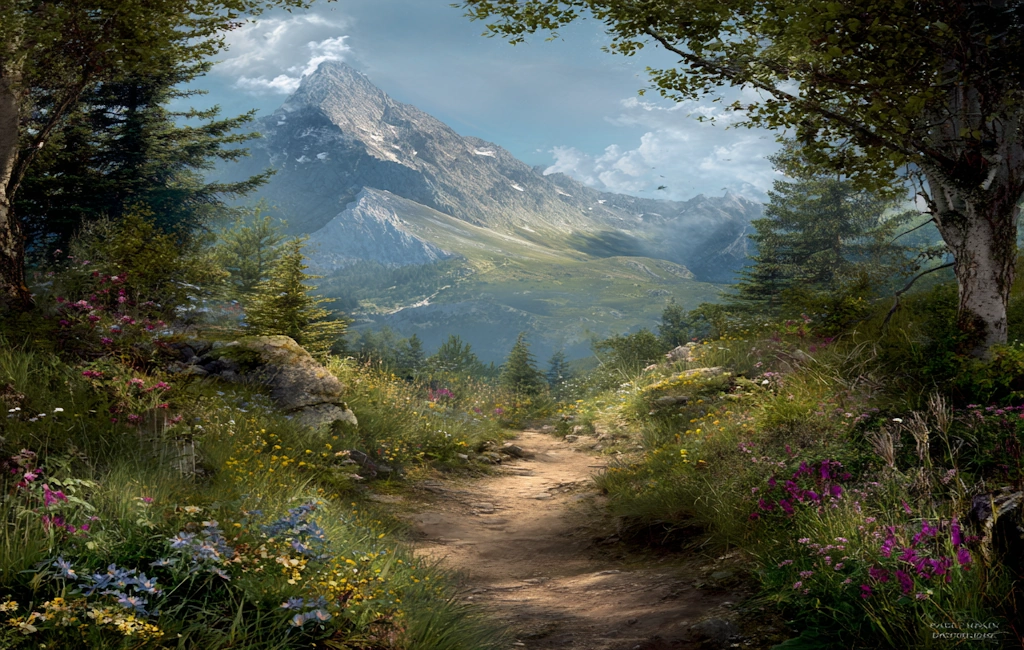
Monte Conero Trail - The Emerald Gem of the Adriatic
The Monte Conero Trail, nestled on the Adriatic coast of Italy, offers a captivating day walk that combines breathtaking coastal vistas with lush Mediterranean maquis and ancient woodlands. This 15.0 km route, with an elevation gain of 577 metres, winds its way up the Monte Conero massif, the only significant promontory along the Marche coastline. The trail provides a refreshing escape from the coastal plains, leading walkers through a diverse landscape of holm oaks, junipers, and aromatic herbs, culminating in panoramic views that stretch across the shimmering Adriatic Sea and inland towards the Apennine Mountains. It's a journey that appeals to nature lovers, photographers, and those seeking a moderate physical challenge with significant scenic rewards.
- Distance: 15.0 km one-way
- Duration: 5–6 hours
- Elevation gain: 577 m
- Difficulty: Moderate
- Best Time: Spring (April–June) and Autumn (September–October)
- Closest City: Ancona
- Trailhead Access: Nearest city: Ancona. From Ancona, take bus 94 to Sirolo. From Sirolo, walk or taxi to the trailhead near the Conero Regional Park visitor centre. Road conditions are good. Parking available at the visitor centre. No permits required.
- Coordinates: 43.5459, 13.5709
Overview
The Monte Conero Trail is a quintessential day walk that showcases the unique natural beauty of the Conero Regional Park. Unlike the flat coastal paths often found in Italy, this trail ascends the Monte Conero, a striking limestone massif that plunges dramatically into the Adriatic Sea. The route is a circular or point-to-point option depending on the chosen path, but the core experience involves a steady climb through varied terrain. Early sections might traverse coastal scrub and olive groves, offering glimpses of the sea through the foliage. As the ascent continues, the vegetation transitions to dense Mediterranean woodland, dominated by holm oaks (Quercus ilex) and Aleppo pines, providing welcome shade during warmer months.
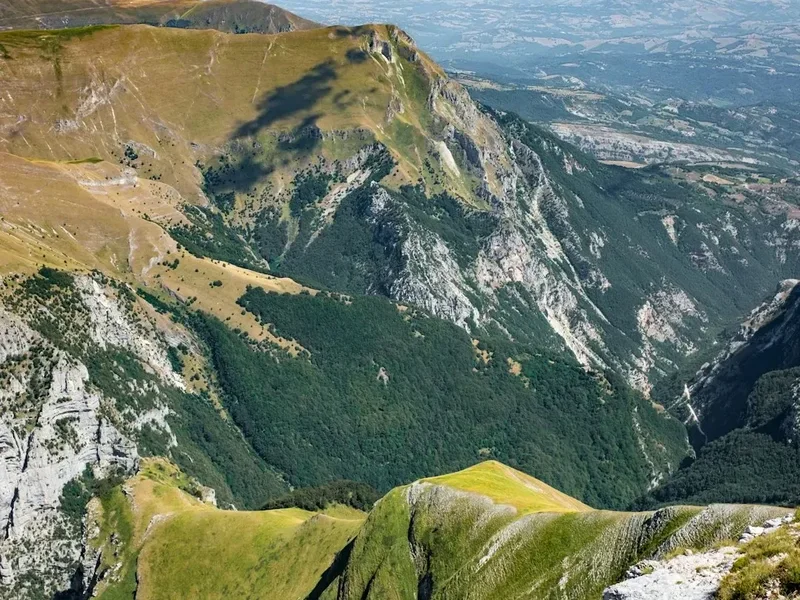
The trail is well-maintained but can be steep and rocky in places, demanding a moderate level of fitness. The reward for the effort is immense. At various points, particularly from the higher elevations and designated viewpoints, walkers are treated to spectacular vistas. To the north, the port city of Ancona and its bay are visible, while to the south, the coastline stretches towards the Conero Riviera's charming towns like Sirolo and Numana. On exceptionally clear days, the view can extend to the Croatian coast across the Adriatic. The summit area offers a sense of accomplishment, with opportunities to explore smaller paths and enjoy the expansive scenery. The descent often follows a different, though equally scenic, path, allowing for a varied experience of the massif's diverse microclimates and geological features.
The Monte Conero is also a significant geological and ecological area. Its limestone cliffs are home to diverse flora and fauna, including various bird species. The scent of wild rosemary, thyme, and other aromatic herbs fills the air, especially on warm days. The trail is popular with locals and tourists alike, particularly during spring and autumn when the weather is most favourable for hiking. It offers a perfect blend of natural beauty, moderate physical exertion, and stunning coastal panoramas, making it a must-do for anyone visiting the Marche region.
History and Cultural Context
Monte Conero has a long and rich history, deeply intertwined with the maritime traditions and agricultural practices of the Marche region. The massif's strategic location overlooking the Adriatic Sea made it a significant landmark for ancient mariners and a defensive position throughout various historical periods. Archaeological findings suggest human presence in the area dating back to prehistoric times, with evidence of settlements and burial sites.
The name "Conero" is believed to derive from the Greek word "kómiros," meaning "headland" or "promontory," reflecting its prominent geographical feature. Over centuries, the slopes of Monte Conero were cultivated, with terraces carved into the hillsides for olive groves and vineyards. The dense woodlands provided timber and fuel, while the caves and natural shelters offered refuge. The Benedictine monks established a significant presence in the area, with the Abbey of San Pietro al Conero, founded in the 11th century, being a notable historical and architectural landmark situated on the slopes.
During the Renaissance and later periods, the area around Monte Conero, including the nearby towns of Sirolo and Numana, flourished as centres of trade and culture. The massif itself was often a subject of artistic inspiration, its dramatic silhouette a recurring motif in local paintings and literature. The establishment of the Conero Regional Park in 1987 aimed to preserve this unique natural and historical heritage, protecting its biodiversity, landscapes, and cultural sites from unchecked development. Today, the Monte Conero Trail is not just a hiking path but a journey through a landscape shaped by millennia of human interaction and natural forces.
Seasonal Highlights and Weather Reality
The Monte Conero Trail is a year-round destination, but its appeal varies significantly with the seasons. The best times to visit are during the shoulder seasons, spring and autumn, when the weather is most conducive to hiking.
Spring (April–June): This is arguably the most beautiful time to walk the Monte Conero Trail. The Mediterranean vegetation bursts into life, with wildflowers carpeting the hillsides and the air filled with the scent of blooming herbs. Temperatures are mild and pleasant, ideal for hiking, and the sea is beginning to warm up. The light is often soft and clear, offering excellent photographic opportunities. The park is vibrant with bird activity.
Summer (July–August): While the trail is accessible, summer can be very hot and humid, with temperatures often exceeding 30°C. Hiking during the midday sun can be strenuous and potentially dangerous. If visiting in summer, it is highly recommended to start very early in the morning or hike in the late afternoon/early evening. The woodlands offer some shade, but exposed sections can be challenging. The sea is perfect for swimming after a hike in the nearby coastal towns.
Autumn (September–October): Similar to spring, autumn offers excellent hiking conditions. The heat of summer subsides, and the temperatures become mild and comfortable. The colours of the landscape begin to change, with the foliage taking on warmer hues. The sea is still warm enough for swimming in early autumn. This season is also ideal for enjoying the local produce, such as grapes and olives, which are harvested during this period.
Winter (November–March): Winter on Monte Conero is generally mild compared to inland areas, with average temperatures around 8–12°C. However, it can be wet and windy, with occasional frost at higher elevations. The trails are usually clear of snow, making it possible to hike, but waterproof gear is essential. The landscape takes on a more subdued beauty, and the trails are much quieter, offering a more solitary experience. The sea views can be dramatic under stormy skies.
Recommended Itinerary
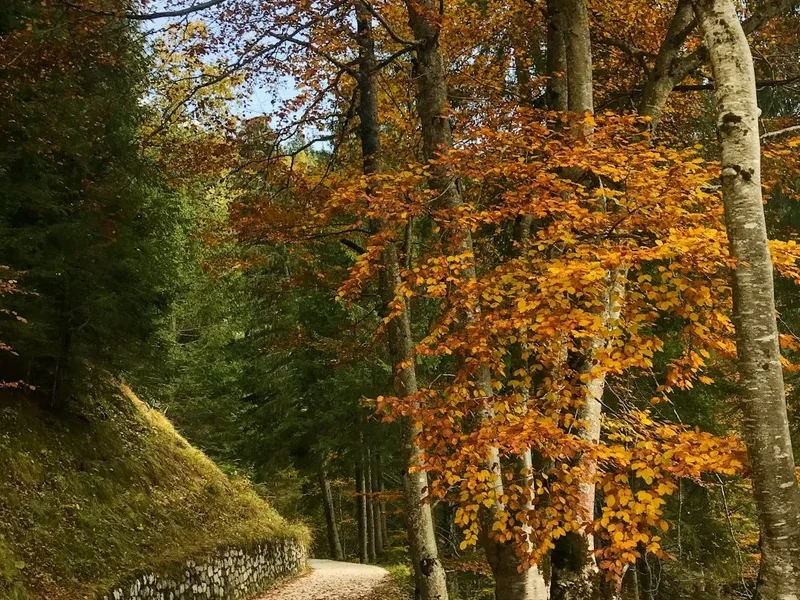
Monte Conero Trail - Day Walk Itinerary
Early Morning (Approx. 8:00 AM): Arrival and Trailhead Preparation
- Arrive at the Monte Conero Regional Park visitor centre near Sirolo.
- Utilise the parking facilities available.
- Final gear check and hydration.
- Consult park maps and information boards for current trail conditions.
Morning (Approx. 8:30 AM - 12:00 PM): Ascent through Woodland and Scrub
- Begin the hike from the visitor centre area, following marked trails towards the summit.
- The initial section may involve walking through open scrubland and olive groves, offering early glimpses of the Adriatic Sea.
- Ascend gradually, with some steeper, rocky sections.
- Enter the dense holm oak and pine forests, providing shade and a cooler environment.
- Listen for the sounds of birds and the rustling of leaves.
- Pass by smaller viewpoints offering expanding vistas as you gain elevation.
Midday (Approx. 12:00 PM - 1:30 PM): Summit Area and Lunch Break
- Reach the higher elevations of Monte Conero.
- Explore the summit area, which may include designated viewpoints or small clearings.
- Enjoy a packed lunch at a scenic spot, taking in the panoramic views.
- Possible viewpoints include areas offering vistas towards Ancona to the north and the Conero Riviera towns (Sirolo, Numana) to the south.
- Observe the dramatic drop of the limestone cliffs to the sea.
Afternoon (Approx. 1:30 PM - 4:00 PM): Descent and Exploration
- Begin the descent, potentially via a different route to experience varied scenery.
- The descent may involve navigating steeper, sometimes uneven terrain.
- Consider a short detour to points of interest such as the Abbey of San Pietro al Conero (if accessible via the chosen route).
- Continue through the woodlands and scrub, enjoying the changing light.
- The trail may lead back towards the visitor centre or a designated exit point near Sirolo.
Late Afternoon (Approx. 4:00 PM onwards): Completion and Relaxation
- Arrive back at the trailhead or your chosen exit point.
- Option to visit the charming town of Sirolo for refreshments or a gelato.
- Reflect on the day's hike and the stunning coastal scenery.
Important Notes:
- This is a day hike; no overnight accommodation is required.
- Carry sufficient water, especially during warmer months.
- Wear sturdy hiking boots with good ankle support.
- Sun protection (hat, sunscreen) is essential, even on cloudy days.
- Check weather forecasts before you go; conditions can change.
- Trail markings are generally good, but a map or GPS device is recommended.
Planning and Bookings
Book Your Trip
Everything you need to plan your journey
Accommodation
Find places to stay near Ancona
Flights
Search flights to Ancona
Essential Preparation
The Monte Conero Trail is a day walk, meaning no complex multi-day booking coordination is required. However, essential preparation focuses on understanding the local access, transport options, and the best timing for your visit. The closest major city is Ancona, which serves as the primary gateway for travellers. From Ancona, public transport is readily available to reach the charming coastal towns at the base of Monte Conero, such as Sirolo and Numana. Bus route 94 is a frequent and reliable service connecting Ancona to these towns.
Sirolo is often the preferred starting point for accessing the main trailheads, particularly those near the Conero Regional Park visitor centre. From Sirolo town centre, it's a short walk or a quick taxi ride to the park entrance and parking areas. Road conditions leading to the park are generally good, and ample parking is available, though it can become busy during peak tourist seasons. It's advisable to arrive early, especially on weekends or during summer, to secure a parking spot. For those arriving by car, ensure you are aware of any local parking regulations or fees.
Trail Accommodation
This is a day hike requiring no overnight accommodation.
Required Gear
- Hiking boots: Sturdy, broken-in hiking boots with good ankle support are essential due to the rocky and uneven terrain.
- Daypack: A comfortable daypack (20-30 litres) to carry essentials.
- Weather-appropriate clothing: Layers are recommended. A moisture-wicking base layer, an insulating mid-layer (fleece or light jacket), and a waterproof and windproof outer shell are advisable, as weather can change.
- Sun protection: A wide-brimmed hat, sunglasses, and high-SPF sunscreen are crucial, especially during spring and summer, as many sections of the trail are exposed.
- Navigation: While trails are generally well-marked, a trail map of Monte Conero Regional Park or a reliable GPS device/app is recommended for orientation and exploring alternative routes.
- First-aid kit: A basic first-aid kit including plasters, antiseptic wipes, pain relievers, and any personal medications.
- Trekking poles (optional): Can be beneficial for stability on steep ascents and descents, particularly on rocky sections.
What to Bring
- Water: Carry at least 1.5–2 litres of water per person, more if hiking during warmer months. Refill points are scarce on the trail itself.
- Food: Packed lunch, snacks (energy bars, fruit, nuts) to sustain you throughout the 5–6 hour hike.
- Toiletries: Hand sanitiser, tissues.
- Camera: To capture the stunning coastal and inland panoramas.
- Mobile phone: Fully charged, for emergencies and photos. Consider a portable power bank.
- Cash: For parking fees, local bus tickets, or purchases in Sirolo.
Permits
No specific permits are required to hike the Monte Conero Trail. The Monte Conero Regional Park is accessible to the public without the need for advance booking or special permits for day hiking. Access to the park and its trail network is generally free of charge.
However, it is always advisable to check the official website of the Parco Regionale del Conero for any temporary closures, specific regulations, or advisories that may be in place. These could be due to weather conditions, maintenance work, or seasonal restrictions. While no permits are needed, respecting the park's rules and guidelines is paramount to preserving its natural beauty and ensuring a safe experience for all visitors.
Parking: While the trail itself is free, parking at the visitor centre or designated areas near Sirolo may incur a fee, especially during peak season. It is recommended to have some cash available for parking charges.
Other Activities in the Area
The Conero Riviera and its surroundings offer a wealth of activities beyond the Monte Conero Trail:
- Beach Exploration: Visit the picturesque coastal towns of Sirolo and Numana, known for their beautiful beaches and crystal-clear waters. Spiaggia delle Due Sorelle (Beach of the Two Sisters) and Spiaggia di San Michele are particularly famous and accessible by boat or organised excursions.
- Kayaking and Boat Tours: Explore the coastline from the sea. Kayak rentals are available in Sirolo and Numana, allowing you to discover hidden coves and sea caves. Boat tours offer a convenient way to visit the most scenic beaches and admire Monte Conero from a different perspective.
- Exploring Sirolo and Numana: Wander through the charming historic centres of these medieval towns. Sirolo, perched on the cliffside, offers stunning views and a lively atmosphere, while Numana boasts a picturesque harbour and a more traditional fishing village feel.
- Gastronomy: Indulge in the local Marche cuisine. Seafood is a speciality, with dishes like brodetto (fish stew) and fresh grilled fish being highly recommended. Enjoy local wines such as Verdicchio dei Castelli di Jesi.
- Cycling: The roads and some trails around Monte Conero are popular with cyclists, offering challenging climbs and scenic routes.
- Birdwatching: Monte Conero is a significant stopover point for migratory birds. The park is a haven for various species, especially during spring and autumn.
- Visiting Ancona: Explore the historic port city of Ancona, with its Roman amphitheatre, Duomo di San Ciriaco, and the National Archaeological Museum of the Marche.
Safety and Conditions
Trail Conditions: The Monte Conero Trail is generally well-maintained, but sections can be steep, rocky, and uneven. Loose gravel is common on descents, so sturdy footwear is essential to prevent slips and ankle injuries. The trail can become slippery after rain.
Weather: While the region enjoys a Mediterranean climate, weather can change rapidly, especially on the coast and at higher elevations. Be prepared for strong winds, particularly near the cliffs. In summer, heatstroke and dehydration are significant risks; always carry ample water and wear sun protection. In winter, rain and wind can make conditions challenging.
Navigation: Trails are marked with coloured blazes, but it is wise to carry a map or use a GPS device, especially if you plan to explore less common routes or detours. Familiarise yourself with the main trail options before setting out.
Wildlife: While large dangerous wildlife is not a concern, be aware of snakes (though encounters are rare) and insects, particularly mosquitoes and ticks, especially in wooded areas during warmer months. Sandflies can be present near the coast.
Emergency: The emergency number in Italy is 112. Ensure your mobile phone is fully charged. Inform someone of your hiking plans, including your intended route and estimated return time.
Physical Fitness: The trail is rated as moderate due to the elevation gain and uneven terrain. Ensure you have a reasonable level of fitness before undertaking the hike. If you have any pre-existing medical conditions, consult your doctor before hiking.
Respect the Environment: Stay on marked trails to avoid damaging fragile vegetation and to prevent erosion. Do not disturb wildlife or remove plants. Pack out all litter.
Side Trips and Points of Interest
Abbey of San Pietro al Conero: Located on the southern side of Monte Conero, this ancient Benedictine abbey offers a glimpse into the region's rich religious and architectural history. Founded in the 11th century, it boasts Romanesque architecture and stunning views over the Adriatic. It's often accessible via a detour from the main trail, adding a cultural dimension to the hike.
Belvedere viewpoint: Several viewpoints offer spectacular vistas. The "Belvedere" near the summit provides panoramic views stretching across the Adriatic Sea, the coastline, and inland towards the Apennine Mountains. These spots are ideal for photography and appreciating the scale of the landscape.
Grotta Azzurra (Blue Grotto): While not directly on the main hiking trail, this sea cave is accessible by boat tours from Numana or Sirolo. Its name comes from the intense blue light that illuminates the water inside, creating a magical effect. It's a popular excursion for those wanting to explore the coastline's natural wonders.
Spiaggia delle Due Sorelle: This iconic beach, named after two rock stacks rising from the sea, is one of the most photographed spots on the Conero Riviera. It's inaccessible by road and typically reached by boat, but its beauty can be admired from various viewpoints on Monte Conero.
The "Passo del Lupo" (Wolf's Pass): A scenic path that offers dramatic views of the coastline and the sea stacks. It's a popular spot for photographers and offers a sense of wildness and exposure to the elements.
Leave No Trace
The Monte Conero Trail, situated within a protected regional park, requires visitors to adhere to Leave No Trace principles to preserve its natural beauty and ecological integrity. As a popular day hike, the cumulative impact of visitors can be significant if not managed responsibly.
Plan Ahead and Prepare: Understand the trail conditions, weather forecasts, and any park regulations before your visit. Pack appropriately for the conditions and carry sufficient water and food to avoid needing to forage or leave waste.
Travel and Camp on Durable Surfaces: Stick to marked trails. Avoid walking on vegetation, especially in sensitive areas, to prevent erosion and damage to plant life. The trails are designed to withstand foot traffic; straying from them can cause irreparable harm.
Dispose of Waste Properly: Pack it in, pack it out. This includes all food scraps, wrappers, and any other litter. Use designated bins where available, but be prepared to carry everything back with you if bins are full or unavailable. Avoid burying waste, as it can be dug up by animals or washed away.
Leave What You Find: Do not take any natural objects, such as rocks, plants, or flowers, from the park. These are part of the ecosystem and should be left for others to enjoy and for the environment to sustain.
Minimise Campfire Impacts: Not applicable for this day hike, as campfires are prohibited in the park.
Respect Wildlife: Observe wildlife from a distance and never feed them. Feeding animals can alter their natural behaviour, diet, and health, and can make them dependent on humans or aggressive.
Be Considerate of Other Visitors: Keep noise levels down, yield to other hikers on narrow trails, and maintain a respectful attitude towards fellow visitors. The goal is to ensure everyone can enjoy the peace and beauty of Monte Conero.
 Italy
Italy