
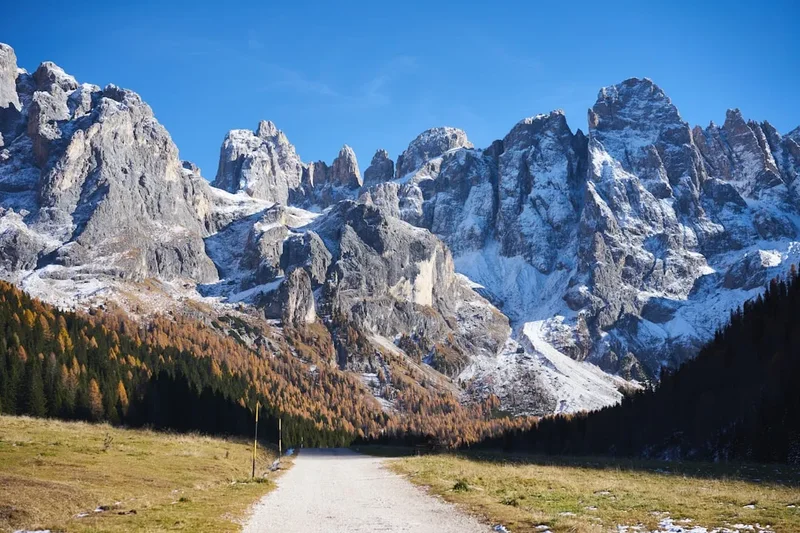
Monte Cimone Ascent: A Tuscan Mountain Challenge
The Monte Cimone Ascent is a rewarding day walk offering spectacular panoramic views from the highest peak in the Tuscan-Emilian Apennines. This route provides a moderate challenge, suitable for hikers with a reasonable level of fitness, leading to a summit that on clear days reveals vistas stretching across much of northern Italy, from the Alps to the Ligurian Sea and even Corsica. The journey takes you through diverse mountain landscapes, from alpine meadows to rocky outcrops, culminating in a sense of accomplishment upon reaching the 300-year-old meteorological observatory at the summit. It's a perfect escape into nature, easily accessible from nearby towns and offering a taste of high-altitude trekking without the need for overnight stays.
- Distance: 14.5 km (return)
- Elevation Gain: 800 m
- Duration: 5–7 hours
- Difficulty: Moderate
- Best Time: June to September
- Closest Town: Sestola
- Access: Road access to Sestola, then local transport or car to trailhead
- Permits: None required
Overview
The ascent of Monte Cimone is a classic Italian mountain experience, blending natural beauty with a touch of history. The trail begins in the charming mountain town of Sestola, a popular tourist destination known for its medieval fortress and ski resorts. From Sestola, the route gradually gains elevation, winding through forests of beech and fir trees before emerging into open alpine pastures. The higher you climb, the more expansive the views become, with the rugged Apennine landscape unfolding around you.
The path is generally well-maintained, though it can be steep and rocky in sections, particularly as you approach the summit ridge. The final push to the peak is a testament to the hiker's endurance, rewarded by the breathtaking 360-degree panorama. At the summit, the imposing structure of the Monte Cimone Observatory stands as a landmark, a reminder of the peak's scientific importance. This observatory, established in 1939, is one of the oldest and highest meteorological stations in Italy, contributing vital data to weather forecasting and climate research.
The flora and fauna of the region are also noteworthy. In spring and summer, the alpine meadows are carpeted with wildflowers, attracting various insect species. Birdlife is abundant, and with luck, you might spot chamois or marmots in the higher rocky areas. The air is crisp and clean, a welcome change from the lower altitudes, and the sense of peace and solitude at the summit is profound, even with the presence of the observatory.
History and Cultural Context
Monte Cimone, standing at 2,165 metres, has been a significant natural landmark for centuries. Its strategic position has long made it a point of interest, both for its commanding views and its potential for observation. The area surrounding Monte Cimone has a rich history tied to pastoralism and early forms of scientific inquiry.
The most prominent historical feature at the summit is the Monte Cimone Observatory. While the current structure dates from the mid-20th century, meteorological observations in the area began much earlier. The first permanent meteorological station was established in 1939, making it one of the oldest high-altitude observatories in Italy. Its location was chosen for its exceptional atmospheric clarity and its position above much of the atmospheric pollution found at lower elevations. Over the decades, the observatory has played a crucial role in understanding weather patterns, climate change, and atmospheric physics.
The town of Sestola itself boasts a history dating back to the Middle Ages. Its Rocca (fortress), which dominates the skyline, was built in the 14th century and has served various purposes, from a defensive stronghold to a residence for local nobility. The presence of such historical sites in the vicinity adds a layer of cultural depth to the natural beauty of the Monte Cimone region, offering hikers a glimpse into the past as well as the present.
Seasonal Highlights and Weather Reality
The best time to undertake the Monte Cimone Ascent is from June to September. During these months, the weather is generally more stable, and the trails are typically free of snow, making for safer and more enjoyable hiking conditions.
Spring (April-May): While the lower slopes may begin to show signs of life with blooming wildflowers, the higher reaches of Monte Cimone can still be covered in snow. Snowmelt can also make some sections of the trail muddy and challenging. This period is generally not recommended for the full ascent unless you have winter hiking experience and appropriate gear.
Summer (June-August): This is the peak season. The weather is usually warm and sunny, with long daylight hours. Alpine meadows are in full bloom, creating a vibrant and colourful landscape. However, summer can also bring afternoon thunderstorms, which can develop rapidly at high altitudes. It is crucial to start your hike early in the morning to avoid these storms and to always check the weather forecast before setting out.
Autumn (September-October): The autumn months offer crisp, clear air and stunning autumnal colours in the forests as the leaves change. The crowds of summer begin to thin, offering a more tranquil experience. However, temperatures start to drop, and the possibility of early snowfall increases, especially towards the end of October. The days also become shorter, requiring careful planning of your hiking time.
Winter (November-March): Monte Cimone is a popular destination for skiing and snowboarding during winter. The trails are covered in deep snow, and the summit is inaccessible without specialised winter mountaineering equipment, including skis, snowshoes, ice axe, and crampons. The observatory is operational, but access for hikers is not feasible or safe.
Weather Considerations: Mountain weather is notoriously unpredictable. Even in summer, temperatures at the summit can be significantly colder than in Sestola, and strong winds can make it feel much colder. Always be prepared for a range of conditions, including rain, wind, and sudden temperature drops, regardless of the season.
Recommended Itinerary
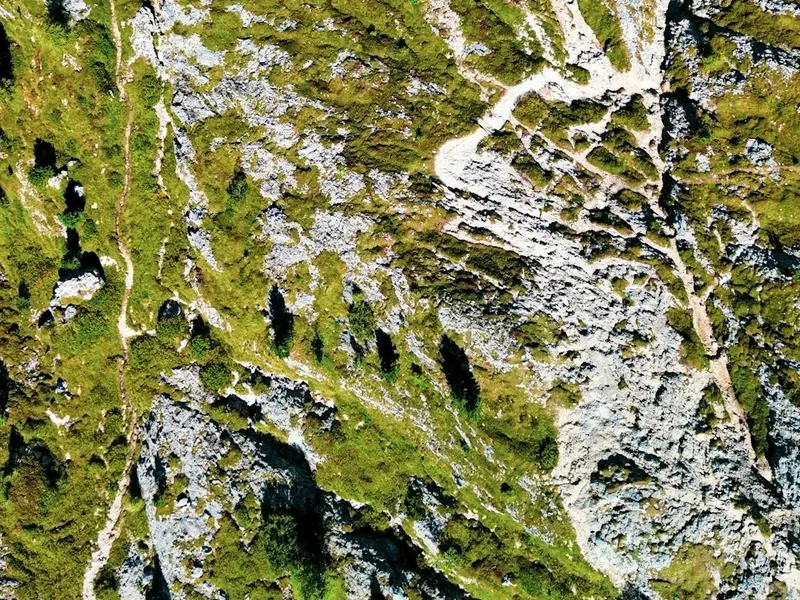
Monte Cimone Ascent: Day Walk Itinerary
Early Morning (Approx. 7:00 AM - 8:00 AM): Arrival and Preparation in Sestola
- Arrive in Sestola, the charming mountain town serving as the primary gateway to Monte Cimone.
- Park your vehicle in designated parking areas. If arriving by public transport, confirm bus schedules from Modena or other nearby cities.
- Visit a local café for a final Italian breakfast (cornetto and cappuccino) and to check the latest weather forecast.
- Ensure you have all your gear organised and ready for the hike.
- Confirm the trailhead location and the initial path leading out of Sestola.
Morning (Approx. 8:00 AM - 12:00 PM): Ascent through Forests and Meadows
- Begin the hike from Sestola, following marked trails (often indicated by red and white blazes or specific trail numbers).
- The initial section of the trail winds through dense beech and fir forests. Enjoy the shade and the scent of pine.
- The gradient is moderate to steep, gradually increasing as you gain altitude.
- As you ascend, the forest begins to thin, giving way to open alpine meadows.
- Look out for wildflowers, particularly in late spring and early summer.
- Keep an eye on trail markers to ensure you stay on the correct path.
- Pass by smaller streams and rocky outcrops.
Midday (Approx. 12:00 PM - 1:30 PM): Summit Ridge and Lunch Break
- Reach the higher sections of the mountain, where the terrain becomes more exposed and rocky.
- The trail may become steeper and more challenging, requiring careful footing.
- Arrive at the summit ridge, offering increasingly dramatic panoramic views.
- Find a sheltered spot to take a well-deserved lunch break. Enjoy the expansive vistas stretching out before you.
- This is an excellent point to appreciate the scale of the Apennine range and the distant plains.
Afternoon (Approx. 1:30 PM - 4:00 PM): Summit and Descent Preparation
- Continue the final push to the summit of Monte Cimone (2,165 m).
- Reach the Monte Cimone Observatory, a significant landmark at the peak.
- Spend time at the summit, taking photographs and soaking in the unparalleled 360-degree views. On a clear day, you can see the Alps, the Adriatic Sea, and the Tyrrhenian Sea.
- Begin your descent, retracing your steps back down the mountain.
- Be mindful of your footing on the descent, as loose scree and steep sections can be treacherous.
Late Afternoon (Approx. 4:00 PM - 6:00 PM): Return to Sestola
- Continue descending through the meadows and forests.
- The descent is generally faster than the ascent but requires concentration.
- Arrive back in Sestola, tired but accomplished.
- Consider a refreshing drink or meal at a local trattoria to celebrate your successful ascent.
Important Notes:
- This is a strenuous day hike; ensure you are adequately fit.
- Carry sufficient water and high-energy snacks.
- Always check the weather forecast before and during your hike.
- Wear sturdy hiking boots and dress in layers.
- Sun protection (hat, sunglasses, sunscreen) is essential, even on cloudy days.
- Mobile phone signal may be intermittent at higher altitudes.
Planning and Bookings
Book Your Trip
Everything you need to plan your journey
Accommodation
Find places to stay near Sestola
Flights
Search flights to Sestola
Essential Preparation
The Monte Cimone Ascent is a day hike, meaning no overnight accommodation is required on the trail itself. However, thorough preparation is still essential for a safe and enjoyable experience. The closest significant town and logistical hub is Sestola. Visitors travelling from further afield will likely fly into Bologna Guglielmo Marconi Airport (BLQ). From Bologna, the most convenient way to reach Sestola is by car, which offers the most flexibility for exploring the region and accessing trailheads. The drive takes approximately 2 hours via the A1 motorway towards Modena, then following the SS12 towards the mountains. Alternatively, public transport is available: take a train from Bologna to Modena, then a bus service that connects Modena to Sestola. It is advisable to check bus schedules in advance, as they can be infrequent, especially on weekends or during off-peak seasons. Parking is generally available in Sestola, though it may be limited during peak tourist or ski seasons. Ensure your vehicle is in good condition for mountain roads, which are typically well-maintained but can be winding.
Trail Accommodation
This is a day hike requiring no overnight accommodation.
Required Gear
- Hiking Boots: Sturdy, waterproof hiking boots with good ankle support are essential. Ensure they are well broken-in to prevent blisters.
- Waterproof Jacket: A breathable, waterproof jacket (e.g., Gore-Tex) is crucial, as mountain weather can change rapidly, bringing rain or strong winds.
- Waterproof Overtrousers: Recommended for protection against rain and wind, especially during shoulder seasons or if the forecast is uncertain.
- Layers of Clothing: Dress in layers to adapt to changing temperatures. Include a moisture-wicking base layer, an insulating mid-layer (fleece or down jacket), and an outer shell.
- Hat and Gloves: A warm hat and gloves are advisable, even in summer, as temperatures at the summit can be significantly lower and winds can be strong.
- Navigation Tools: A map of the area, a compass, and a GPS device or smartphone with offline maps are recommended. While trails are generally marked, it's wise to have backup navigation.
- Head Torch: Essential in case of unexpected delays or if you start very early or finish late. Ensure it has fresh batteries.
- First Aid Kit: A comprehensive kit including blister treatment, bandages, antiseptic wipes, pain relievers, and any personal medications.
- Sun Protection: High SPF sunscreen, sunglasses, and a wide-brimmed hat are vital, as the sun's intensity increases with altitude.
What to Bring
- Food: Pack plenty of high-energy snacks such as nuts, dried fruit, energy bars, and sandwiches. A substantial lunch is recommended.
- Water: Carry at least 2-3 litres of water per person. Refill opportunities may be limited, so start with ample supply. Consider a water filter or purification tablets as a backup.
- Backpack: A comfortable daypack (20-30 litres) to carry your gear, food, and water. Ensure it has a rain cover.
- Toiletries: Biodegradable soap, toothbrush, toothpaste, hand sanitiser, and toilet paper. Pack out all waste.
- Trekking Poles: Highly recommended for both the ascent and descent, as they reduce strain on knees and improve stability on uneven terrain.
- Camera: To capture the stunning scenery.
- Mobile Phone: Fully charged, with a portable power bank if possible.
- Cash: For any purchases in Sestola or for emergency use.
Permits
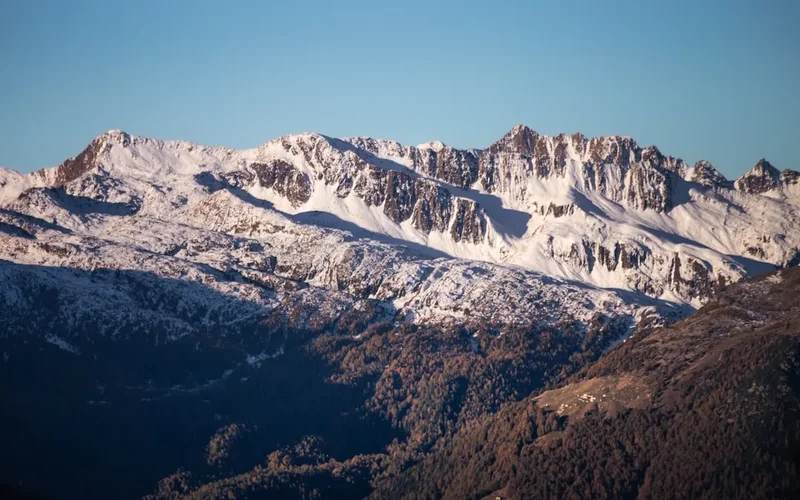
No specific permits are required to hike Monte Cimone. The trails are part of the public domain and accessible to all. However, it is always advisable to check for any local regulations or temporary restrictions that might be in place, especially during specific events or for conservation purposes. Information can usually be obtained from the local tourist information office in Sestola or the regional park authorities.
Other Activities in the Area
The region around Monte Cimone and Sestola offers a variety of activities for visitors:
- Skiing and Snowboarding: During winter months, the Monte Cimone ski area is a popular destination, offering numerous pistes for all skill levels.
- Mountain Biking: Numerous trails cater to mountain bikers, with routes ranging from gentle forest tracks to challenging downhill descents.
- Exploring Sestola: Visit the Rocca di Sestola, a well-preserved medieval fortress offering historical insights and panoramic views. Wander through the charming streets of the town, browse local craft shops, and enjoy traditional Emilian cuisine.
- Paragliding and Hang Gliding: The elevated terrain and favourable wind conditions make this area popular for paragliding and hang gliding enthusiasts.
- Visiting nearby lakes: The region features several picturesque lakes, such as Lago Santo Modenese, which offer opportunities for leisurely walks, fishing, and picnicking.
- Culinary Tourism: Emilia-Romagna is renowned for its gastronomy. Enjoy local specialities like Parmigiano Reggiano, Prosciutto di Parma, balsamic vinegar, and fresh pasta dishes in the numerous trattorias and restaurants.
Safety and Conditions
Weather: Mountain weather is highly variable. Always check the forecast from a reliable source (e.g., MetService, local meteorological services) before and during your hike. Be prepared for sudden changes, including rain, strong winds, fog, and temperature drops, even in summer. Afternoon thunderstorms are common in summer and can be dangerous at high altitudes.
Trail Conditions: The trails are generally well-marked, but can be steep, rocky, and uneven. Loose scree can be present, especially on the descent. Ensure you have appropriate footwear and trekking poles for stability.
Altitude: Monte Cimone is 2,165 metres high. While not extremely high, some individuals may experience mild altitude sickness. Ascend gradually, stay hydrated, and avoid strenuous activity if you feel unwell.
Water: Carry sufficient water, as reliable water sources may be scarce on the upper parts of the trail. Treat any water from natural sources before drinking.
Navigation: While trails are marked, it is essential to carry a map and compass or GPS device. Fog can reduce visibility to near zero, making navigation difficult.
Wildlife: Be aware of local wildlife. While large predators are rare, you might encounter chamois or marmots. Keep a safe distance and do not feed them.
Emergency: In case of emergency, call the national emergency number (112 in Italy). Ensure your mobile phone is fully charged. Inform someone of your hiking plans, including your intended route and expected return time.
Personal Locator Beacon (PLB): For added safety, consider carrying a PLB, especially if hiking alone or in remote areas.
Side Trips and Points of Interest
Monte Cimone Observatory: The primary point of interest at the summit. While access inside the observatory may be restricted, its presence signifies the achievement of reaching the highest point. The building itself is an impressive feat of engineering, perched at such an altitude.
Panoramic Viewpoints: The entire summit ridge offers exceptional viewpoints. As you ascend, take time to pause and absorb the vastness of the landscape. On a clear day, the views can extend for hundreds of kilometres, encompassing the Alps to the north, the Adriatic Sea to the east, and the Tyrrhenian Sea to the west. You may even be able to spot the island of Corsica on exceptionally clear days.
Alpine Flora: During the summer months, the alpine meadows surrounding the upper trail are rich with diverse wildflowers. Keep an eye out for species adapted to the harsh mountain environment, such as alpine roses, gentians, and various types of saxifrage.
Geological Formations: The rocky outcrops and scree slopes provide insights into the geological history of the Apennines. Observe the different rock types and formations as you hike.
Sestola's Rocca: While not directly on the hiking trail, a visit to the Rocca di Sestola before or after your hike is highly recommended. This medieval fortress offers a historical perspective on the region and provides excellent views over Sestola and the surrounding valleys.
Leave No Trace
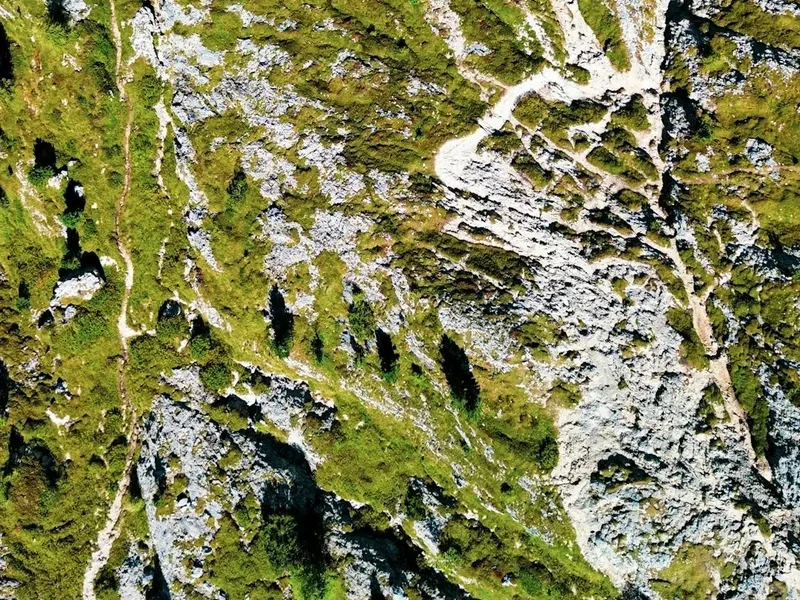
The Monte Cimone region is a precious natural environment, and it is crucial for all visitors to practice Leave No Trace principles to preserve its beauty and ecological integrity for future generations.
- Plan Ahead and Prepare: Familiarise yourself with trail conditions, weather forecasts, and any local regulations before your hike. Pack appropriately for the conditions.
- Travel and Camp on Durable Surfaces: Stick to marked trails to avoid damaging fragile vegetation. Avoid creating new paths or shortcuts.
- Dispose of Waste Properly: Pack out everything you pack in, including all food scraps, wrappers, and any other litter. Use designated toilet facilities where available, or dig catholes at least 60 metres away from water sources, trails, and campsites.
- Leave What You Find: Do not remove or disturb natural objects such as rocks, plants, or flowers. Take only photographs and memories.
- Minimise Campfire Impacts: Campfires are generally not permitted on day hikes. If camping overnight in designated areas (not applicable for this hike), use established fire rings and keep fires small.
- Respect Wildlife: Observe wildlife from a distance. Never feed animals, as it can disrupt their natural behaviours and diets.
- Be Considerate of Other Visitors: Keep noise levels down, yield to other hikers on narrow trails, and be courteous to fellow visitors.
By adhering to these principles, you help ensure that the Monte Cimone Ascent remains a pristine and enjoyable experience for everyone.
 Italy
Italy