
Monte Capanne Trek - Elba's Highest Peak
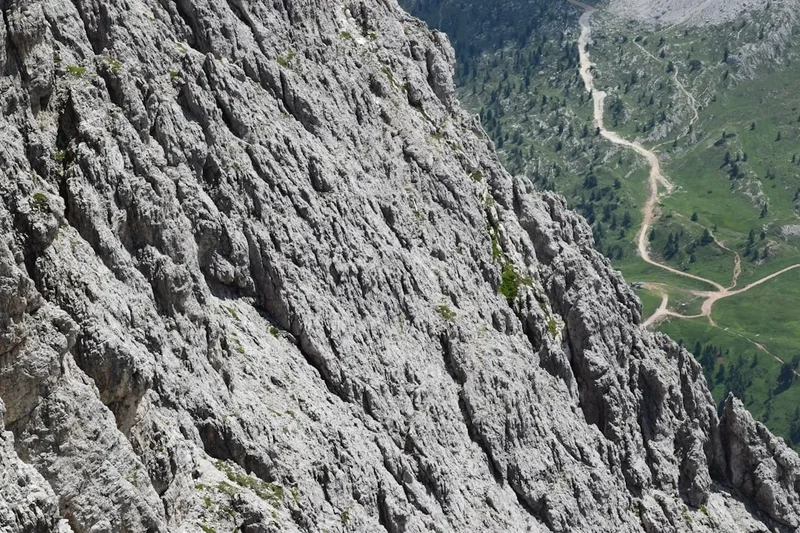
The Monte Capanne Trek is a rewarding day walk on the island of Elba, Italy, leading to the summit of Monte Capanne, the island's highest point. This trail offers breathtaking panoramic views that stretch across the Tuscan Archipelago, the Italian mainland, and on exceptionally clear days, even to Corsica. The ascent winds through varied landscapes, from Mediterranean scrubland to more rugged, rocky terrain as you gain altitude. It's a journey that combines natural beauty with a sense of accomplishment, accessible to those with a moderate level of fitness.
- Distance: 8.5 km one-way
- Elevation gain: 600 m
- Duration: 4-5 hours (round trip)
- Season: Spring and Autumn
- Difficulty: Moderate
- Highest point: Monte Capanne (1,019 m)
- Closest City: Portoferraio
- Trailhead Access: Marciana
- No permits required
Overview
The Monte Capanne Trek is a quintessential Tuscan island experience, offering a tangible connection to the natural beauty and history of Elba. Starting from the charming village of Marciana, the trail gradually ascends through fragrant Mediterranean maquis, a dense shrubland characterised by aromatic herbs like rosemary, myrtle, and juniper. As you climb, the vegetation transitions, and the views begin to open up, revealing the azure waters of the Tyrrhenian Sea and the surrounding islands. The path is well-trodden but can be steep and rocky in places, requiring sturdy footwear and a reasonable level of fitness.
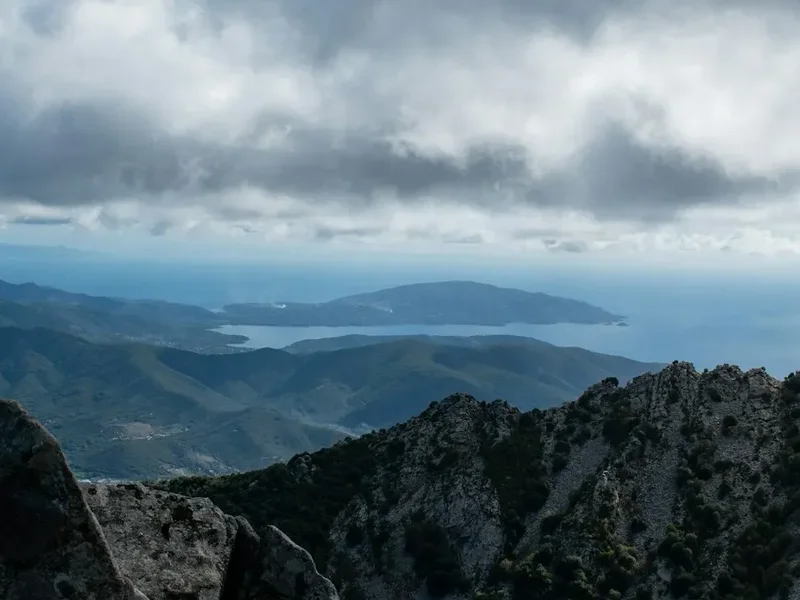
The summit of Monte Capanne, at 1,019 metres, is a dramatic rocky outcrop. Here, a small, functional refuge and a panoramic viewing platform provide a well-deserved reward for your efforts. The 360-degree vista from the summit is truly spectacular. On a clear day, you can see the entire island of Elba laid out below, the neighbouring islands of Pianosa, Giglio, and Montecristo, the coastline of Tuscany, and the distant Apennine Mountains. The summit area is often windswept, adding to the wild, exposed feeling of being on Elba's highest point. The descent offers a different perspective, allowing you to appreciate the details of the flora and the changing light on the landscape.
This trek is particularly popular during the spring and autumn months when the weather is milder, and the landscape is at its most vibrant. Spring brings a profusion of wildflowers, while autumn offers pleasant temperatures for hiking and fewer crowds. While it can be undertaken year-round, summer can be very hot, making the ascent challenging, and winter can bring unpredictable weather, including strong winds and rain.
History and Cultural Context
The summit of Monte Capanne has been a significant landmark for millennia. Archaeological evidence suggests that the area was inhabited and utilised by ancient peoples, likely for its strategic vantage point and access to resources. The Romans, who colonised Elba, would have certainly used the high ground for observation and possibly for signalling. The island's history is rich with tales of pirates, smugglers, and military fortifications, and from the summit of Monte Capanne, one can imagine ancient mariners scanning the horizon for approaching ships.
In more recent history, the summit area has been a place of pilgrimage and a natural observatory. The small refuge at the top has served hikers and locals for many years, offering a place of rest and shelter. The trail itself has likely been used in various forms for centuries, evolving from ancient footpaths to the more defined route seen today. The presence of the cable car, which also ascends to near the summit from the village of Marciana, highlights the enduring appeal of Monte Capanne as a destination, offering an alternative, albeit less strenuous, way to experience its magnificent views.
Seasonal Highlights and Weather Reality
The Monte Capanne Trek is best enjoyed during the shoulder seasons of spring (April to June) and autumn (September to October). During these periods, the weather is typically mild and pleasant, with average temperatures ranging from 15°C to 25°C. The Mediterranean scrubland bursts into bloom in spring, with a riot of colours from wildflowers, making the lower sections of the trail particularly beautiful. Autumn offers crisp air, clear skies, and a comfortable warmth for hiking, with the added bonus of fewer visitors.
Summer (July to August) can be very hot, with temperatures frequently exceeding 30°C. While the summit can be cooler due to altitude and wind, the ascent can be arduous and potentially dangerous due to heat exhaustion. If hiking in summer, an early morning start is essential, and carrying ample water is paramount. The landscape can appear drier and more parched during these months.
Winter (November to March) on Elba is generally mild compared to mainland Europe, with average temperatures around 10°C to 15°C. However, the weather can be unpredictable, with periods of heavy rain and strong winds. The summit can be exposed to significant gales, and visibility can be poor due to cloud cover. While the trail remains accessible, it is advisable to check weather forecasts carefully before setting out. Snowfall is rare but not impossible at higher elevations.
Recommended Itinerary
Monte Capanne Trek - Day Walk Itinerary
Early Morning: Arrival in Marciana
- Arrive in the picturesque village of Marciana, located on the northwestern side of Elba.
- Park your vehicle or arrive by local bus.
- Take some time to explore the charming narrow streets of Marciana, perhaps enjoying a coffee and pastry at a local bar.
- Locate the trailhead for Monte Capanne, which is well-signposted from the village centre.
Morning: Ascent through Mediterranean Scrub
- Begin the trek from Marciana. The initial section of the trail is often paved or a well-maintained dirt path, winding through dense Mediterranean scrubland (macchia).
- Enjoy the fragrant aromas of rosemary, myrtle, and juniper.
- The path begins to gain elevation steadily.
- Keep an eye out for local flora and fauna; lizards are common, and various bird species inhabit the scrub.
- Approximate distance covered: 3-4 km.
- Approximate time taken: 1.5-2 hours.
Midday: Rocky Terrain and Panoramic Views
- As you ascend, the vegetation begins to change, becoming more sparse and rocky.
- The trail may become steeper and more rugged, with loose stones and uneven surfaces.
- The views start to open up significantly, offering glimpses of the coastline and the sea.
- You will pass by distinctive rock formations.
- Consider a short break to rehydrate and enjoy the expanding vistas.
- Approximate distance covered: 2-3 km.
- Approximate time taken: 1-1.5 hours.
Afternoon: Summit and Descent
- Reach the summit of Monte Capanne (1,019 m).
- Take time to explore the summit area, including the small refuge and panoramic viewpoints.
- Enjoy the unparalleled 360-degree views across the Tuscan Archipelago.
- Have a packed lunch or a snack at the summit.
- Begin your descent back towards Marciana, retracing your steps. The descent can be quicker but requires careful footing on the rocky sections.
- Approximate distance covered: 3-4 km (descent).
- Approximate time taken: 1.5-2 hours (descent).
Late Afternoon: Return to Marciana
- Arrive back in Marciana.
- You may wish to visit the historic centre of Marciana, including its castle, or enjoy a well-deserved meal or drink at a local trattoria.
Important Notes:
- This is a day hike; no overnight accommodation is required.
- Carry sufficient water, especially during warmer months.
- Wear sturdy hiking boots with good ankle support.
- Sun protection (hat, sunscreen, sunglasses) is essential.
- Check the weather forecast before you depart.
- The cable car from Marciana offers an alternative ascent/descent option for part of the route.
Planning and Bookings
Book Your Trip
Everything you need to plan your journey
Accommodation
Find places to stay near Portoferraio
Flights
Search flights to Portoferraio
Essential Preparation
The Monte Capanne Trek is a day walk, meaning no complex multi-day booking coordination is required. However, essential preparation focuses on logistics, fitness, and understanding the trail conditions. The closest major city and port of entry to Elba is Piombino on the Italian mainland. From Piombino, regular ferry services operate to Portoferraio, Elba's main town. Upon arrival in Portoferraio, you can rent a car or use local bus services to reach Marciana, the starting point for the trek. If you do not have a car, check the local bus schedules in advance, as services can be less frequent outside of peak tourist season.
Marciana itself is a charming village with amenities such as restaurants, bars, and small shops where you can purchase last-minute supplies. It's advisable to base yourself in or near Marciana or the neighbouring village of Poggio for easy access to the trailhead. Ensure you are physically prepared for a moderate ascent with significant elevation gain over a relatively short distance. Sturdy hiking boots are crucial due to the rocky and uneven terrain.
Trail Accommodation
This is a day hike requiring no overnight accommodation.
Required Gear
- Hiking boots: Sturdy, waterproof hiking boots with good ankle support are essential for navigating the rocky and uneven terrain.
- Daypack: A comfortable daypack (20-30 litres) to carry essentials.
- Waterproof jacket: A lightweight, breathable waterproof jacket is advisable, as weather can change quickly in mountain environments.
- Sun protection: A wide-brimmed hat, sunglasses, and high SPF sunscreen are crucial, especially during warmer months.
- Navigation: While the trail is generally well-marked, a map of the area or a reliable GPS device/app is recommended.
- First-aid kit: A basic first-aid kit including blister treatment, antiseptic wipes, bandages, and any personal medications.
What to Bring
- Water: Carry at least 1.5-2 litres of water per person, more if hiking during hot weather. There are no reliable water sources on the trail until the summit refuge.
- Food: Pack a substantial lunch, snacks (energy bars, fruit, nuts), and perhaps some electrolyte drinks.
- Toiletries: Hand sanitiser, tissues.
- Camera: To capture the stunning panoramic views from the summit.
- Walking poles (optional): Can be helpful for stability on steep ascents and descents, particularly on rocky sections.
- Cash: For potential purchases at the summit refuge or for local transport/refreshments in Marciana.
Permits
No permits are required to hike the Monte Capanne trail. Access to the trail and the summit is free and open to the public. The trail is part of the natural landscape of Elba and is managed by local authorities and national park regulations, which do not impose entry fees or require special permissions for day hikers.
While no permits are needed, it is always good practice to be aware of any local regulations or advisories that may be in place, particularly concerning fire safety during dry periods. The summit refuge may have its own operating hours and policies, but access to the peak itself is unrestricted.
Other Activities in the Area
Beyond the Monte Capanne trek, the area around Marciana and the island of Elba offer a wealth of activities:
- Explore Marciana: Wander through the ancient cobblestone streets of Marciana, visit the medieval castle (Rocca Pisana) for historical insights and more elevated views, and discover the local artisan shops.
- Visit Poggio: The neighbouring village of Poggio is equally charming, with narrow alleys and a relaxed atmosphere.
- Cable Car to Monte Capanne: For a less strenuous experience of the summit views, take the cable car (funivia) from Marciana. It's a scenic ride offering a different perspective of the ascent.
- Elba's Beaches: Elba boasts numerous beautiful beaches. The closest to Marciana include the Spiaggia di Marciana Marina and the more secluded Cala del Porto.
- Archaeological Museum of Marciana: Learn about the island's rich history, from prehistoric times through the Etruscan and Roman periods.
- Hiking and Biking Trails: Elba is crisscrossed with numerous trails catering to various fitness levels, offering opportunities to explore its diverse landscapes, from coastal paths to forest tracks.
- Water Sports: Enjoy swimming, snorkelling, diving, or kayaking in the clear waters of the Tyrrhenian Sea.
- Wine Tasting: Elba produces its own distinctive wines, particularly the sweet Aleatico. Visit local vineyards for a tasting experience.
Safety and Conditions
Trail Conditions: The Monte Capanne trail is generally well-maintained but can be steep and rocky, especially in the upper sections. Loose scree and uneven surfaces are common, requiring careful footing. The path is exposed in many areas, so sun protection is vital.
Weather: Mountain weather can change rapidly. While the summit is at just over 1,000 metres, it can be significantly cooler and windier than the coast. Always check the local weather forecast before you set out. Be prepared for strong winds, especially at the summit, and potential rain, even outside of the winter months.
Hydration and Nutrition: Carry ample water, as there are no reliable water sources on the trail until the summit refuge. Dehydration can be a serious risk, particularly during warmer periods. Pack energy-rich snacks to maintain your stamina.
Footwear: Sturdy hiking boots with good ankle support are essential. Trainers or casual shoes are not recommended due to the uneven and rocky terrain, which can increase the risk of sprains or falls.
Sun Protection: The sun's rays are intense at higher altitudes, even on cloudy days. Wear a hat, sunglasses, and apply high-factor sunscreen liberally and frequently.
Signage: The trail is generally well-signposted, but it is always wise to carry a map or use a GPS device as a backup, especially if you are unfamiliar with the area.
Emergency Contacts: In case of an emergency, the general emergency number in Italy is 112. Ensure your mobile phone is fully charged.
Summit Refuge: The small refuge at the summit often serves refreshments and can offer assistance in emergencies, but its operating hours can vary, especially outside the peak season.
Side Trips and Points of Interest
Summit Refuge (Rifugio): Located at the very top of Monte Capanne, this small, rustic refuge offers a welcome spot for a rest and refreshments. It's a place where hikers can buy drinks, snacks, and sometimes simple meals. The refuge also provides a basic shelter in case of sudden weather changes. It’s a focal point for visitors to the summit, offering a communal atmosphere among fellow trekkers.
Panoramic Viewpoints: The entire upper section of the trail and the summit itself are dotted with natural viewpoints. As you ascend, take advantage of these spots to pause and absorb the increasingly expansive vistas. The 360-degree panorama from the summit is the ultimate reward, encompassing the entire island of Elba, the surrounding islands of the Tuscan Archipelago (Pianosa, Giglio, Montecristo, Capraia), the mainland Italian coast, and on exceptionally clear days, even Corsica.
Marciana Castle (Rocca Pisana): While not directly on the hiking trail, the medieval castle in Marciana is a significant historical point of interest. Visiting the castle before or after your hike provides context to the region's history and offers elevated views over the village and the coastline, complementing the natural panoramas from Monte Capanne.
The Cable Car Route: Even if you hike up, observing the path of the cable car (funivia) can be interesting. It offers a different perspective on the mountain's contours and the engineering required to access such a remote peak. The cable car station itself is a point of interest in Marciana.
Leave No Trace
The Monte Capanne Trek traverses a beautiful natural environment that is part of the Tuscan Archipelago National Park. To preserve its beauty and ecological integrity for future visitors, it is essential to practice Leave No Trace principles:
- Pack it in, Pack it out: Carry out all litter, including food scraps, wrappers, and any other waste you generate. Do not leave anything behind on the trail or at the summit.
- Stay on the Trail: Stick to the marked path to avoid damaging fragile vegetation and to prevent erosion. Venturing off-trail can disturb wildlife habitats and lead to the degradation of the landscape.
- Respect Wildlife: Observe wildlife from a distance and never feed the animals. Feeding can alter their natural behaviour and diet, potentially causing harm.
- minimise campfire impacts: Campfires are generally not permitted on this day hike, and even if they were, they should only be made in designated areas and with extreme caution. Ensure any fire is completely extinguished.
- Dispose of Waste Properly: Use designated bins where available, or carry all waste back to Marciana or your accommodation for disposal.
- Leave what you find: Do not take rocks, plants, or any other natural objects from the environment.
- Be Considerate of Other Visitors: Keep noise levels down, especially at the summit, to allow everyone to enjoy the peace and natural sounds of the mountain.
By adhering to these principles, you help ensure that the Monte Capanne Trek remains a pristine and enjoyable experience for all.
 Italy
Italy