
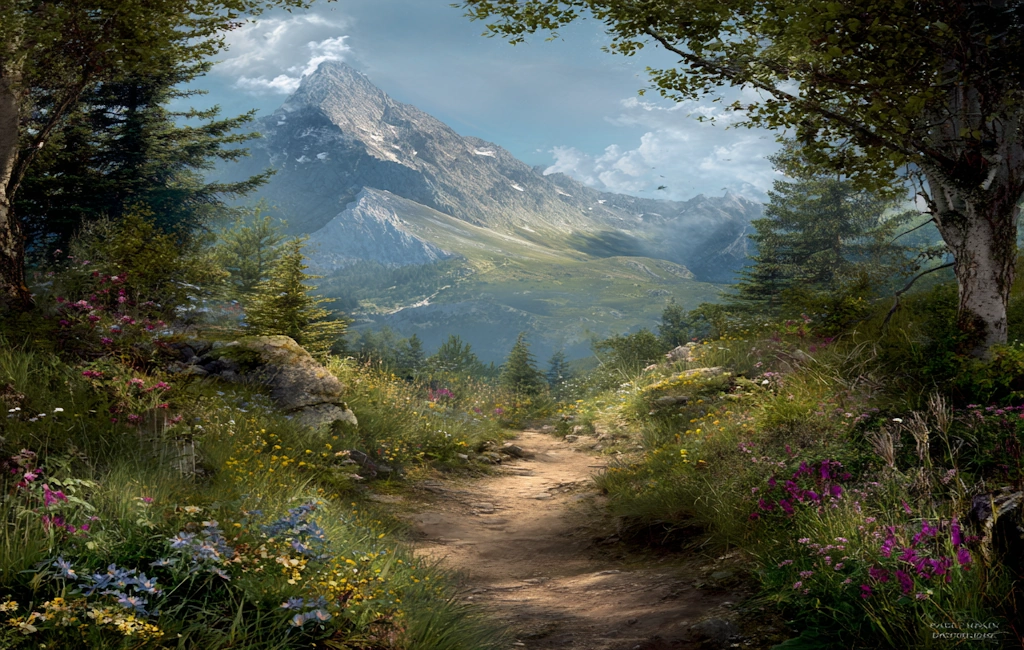
Monte Baldo Ridge Walk
The Monte Baldo Ridge Walk is a spectacular day hike in the Italian Alps, offering breathtaking panoramic views of Lake Garda and the surrounding mountain ranges. This trail is renowned for its dramatic scenery, accessible via a scenic cable car ride from Malcesine. It's a moderately challenging walk that rewards hikers with unparalleled vistas, diverse flora, and a sense of alpine grandeur. While not as demanding as some high-altitude treks, it requires a good level of fitness and preparation to fully appreciate its beauty. The ridge itself provides a natural dividing line between the Veneto and Trentino-Alto Adige regions, offering a unique geographical experience.
- Distance: 15.0 km
- Elevation Gain: 700 m
- Duration: 5-7 hours
- Season: June to September
- Difficulty: Moderate
- Closest City: Verona
- Trailhead Access: Nearest airport: Verona (VRN). Take bus 164 to Verona, then bus 484 to Malcesine. From Malcesine, take the cable car to Tratto Spino (near Rifugio Telegrafo). Driving time from Verona: ~1.5 hours. Parking available at the Malcesine cable car station (paid). No permits needed.
- Coordinates: 45.7234, 10.8412
Overview
The Monte Baldo Ridge Walk is a quintessential alpine day hike, celebrated for its accessibility and the sheer magnificence of its views. Starting from the upper cable car station at Tratto Spino, the trail meanders along the crest of Monte Baldo, often referred to as the "Garden of Europe" due to its rich and diverse botanical life, particularly in spring and early summer. The path is generally well-maintained, though it can be rocky and uneven in places, demanding sturdy footwear.
The walk is characterised by its constant, sweeping panoramas. To the west, the vast expanse of Lake Garda shimmers, its deep blue waters contrasting with the rugged mountain slopes. The lake's unique microclimate supports a surprising array of vegetation, from Mediterranean olive groves on its shores to alpine meadows higher up. To the east, the Dolomites and the Lessini Mountains form a majestic backdrop, their peaks often snow-capped even into the early summer months. The trail offers numerous vantage points, each revealing a slightly different perspective of this stunning landscape.
The route is not a simple out-and-back; it traverses the ridge, offering a dynamic hiking experience. Hikers can choose to extend their journey or shorten it depending on their energy levels and time constraints, with several rifugi (mountain huts) offering refreshments and rest stops. The highest point of the walk is typically around the summit of Monte Baldo, offering truly 360-degree views. The descent can be managed via the cable car or by continuing on foot, depending on the chosen itinerary and available time.
This walk is particularly popular during the summer months when the weather is generally stable, and the cable car provides easy access. However, even in summer, mountain weather can change rapidly, so preparedness is key. The combination of accessible alpine terrain, stunning natural beauty, and the convenience of the cable car makes the Monte Baldo Ridge Walk a highly recommended experience for anyone visiting the Lake Garda region.
History and Cultural Context
Monte Baldo has a long and varied history, deeply intertwined with human settlement and military strategy in the Lake Garda region. For centuries, its slopes have been used for grazing livestock, and its strategic position overlooking the lake made it a significant location during various conflicts, particularly the Italian Wars of Independence.
The area around Malcesine, the gateway town to Monte Baldo, boasts a rich history dating back to Roman times. The Scaliger Castle in Malcesine, a prominent landmark, stands as a testament to the region's medieval past. The development of the cable car system in the latter half of the 20th century revolutionised access to the ridge, transforming it from a challenging trek for experienced mountaineers into a popular destination for day-trippers and hikers of all abilities.
The "Garden of Europe" moniker for Monte Baldo's flora is not merely poetic. The mountain's unique microclimate and varied altitudes support an exceptional diversity of plant species, including many endemic varieties. Botanists have studied Monte Baldo for centuries, drawn by its rich biodiversity, which includes over 2,000 different plant species. This botanical heritage adds another layer of fascination to the ridge walk, offering a glimpse into a unique alpine ecosystem.
The presence of rifugi along the ridge also speaks to the tradition of mountain hospitality in the Alps. These refuges have historically provided shelter and sustenance to travellers, shepherds, and soldiers, and today they continue to serve hikers and visitors, offering a taste of local cuisine and a warm welcome.
Seasonal Highlights and Weather Reality
The Monte Baldo Ridge Walk is best enjoyed during the warmer months, typically from June to September. During this period, the weather is generally more stable, and the cable car operates reliably.
Spring (May-June): This is an excellent time for botanists and nature lovers. The alpine meadows burst into bloom with a spectacular array of wildflowers, earning Monte Baldo its reputation as the "Garden of Europe." The temperatures are pleasant, though higher sections may still have lingering snow in early May. The crowds are generally smaller than in peak summer.
Summer (July-August): This is the peak season. The weather is usually warm and sunny, offering the best chances for clear, expansive views. The cable car is busy, and the trails can be crowded, especially on weekends. Evenings can be cool at altitude, so layers are essential. Thunderstorms can develop quickly in the afternoons, so starting early is advisable.
Autumn (September-October): The autumn colours can be stunning, with the landscape taking on golden and russet hues. The crowds thin out, and the air is crisp and clear. The weather can be more unpredictable, with a higher chance of rain and cooler temperatures. The cable car may reduce its operating hours towards the end of October.
Winter (November-April): The ridge walk is generally not feasible during winter due to heavy snow, ice, and strong winds. The cable car typically closes for maintenance during parts of the off-season and may operate on a reduced schedule. While experienced winter mountaineers might attempt certain routes, the ridge walk as described is a summer/autumn activity.
Weather Considerations: Mountain weather is notoriously changeable. Even on a clear summer day, conditions at the summit can be significantly different from those at lake level. Be prepared for strong winds, sudden temperature drops, and the possibility of rain or fog. Always check the local weather forecast before you go.
Recommended Itinerary
Monte Baldo Ridge Walk - Day Hike Itinerary
Early Morning: Travel to Malcesine and Cable Car Ascent
- Depart from your accommodation in the Lake Garda region (e.g., Verona, Riva del Garda, Sirmione).
- Drive or take public transport to Malcesine.
- Park at the designated paid parking area near the Malcesine cable car station.
- Purchase your cable car tickets (round trip recommended for ease).
- Board the cable car (Funivia Monte Baldo). The journey is in two stages: Malcesine to San Michele, then San Michele to Tratto Spino.
- Enjoy the increasingly spectacular views of Lake Garda as you ascend.
- Estimated time: 1.5–2 hours (including travel and cable car queues).
Morning: Tratto Spino to Rifugio Telegrafo
- Arrive at Tratto Spino (1,760 m). Take a moment to acclimatise and admire the initial panoramic views.
- Begin the walk by heading towards Rifugio Telegrafo. The path is generally well-marked and follows the ridge line.
- The terrain is a mix of gravel paths and rocky sections.
- Pass through alpine meadows dotted with wildflowers (in season).
- Distance: Approximately 4.5 km.
- Elevation gain: Approximately 300 m.
- Estimated time: 1.5–2 hours.
- Rifugio Telegrafo (2,147 m) offers a good opportunity for a break, refreshments, and stunning views.
Midday: Rifugio Telegrafo to Monte Baldo Summit (Cima Valdritta) and Return
- From Rifugio Telegrafo, continue along the ridge towards the summit area.
- The path becomes more rugged and exposed in places.
- Reach the summit area, which may involve a short scramble or a well-trodden path to the highest point (Cima Valdritta, 2,218 m).
- Enjoy the 360-degree panoramic views encompassing Lake Garda, the Dolomites, and the surrounding Italian Alps.
- This is an ideal spot for a packed lunch.
- Distance: Approximately 1.5 km from Rifugio Telegrafo to the summit.
- Elevation gain: Approximately 70 m.
- Estimated time: 1 hour (round trip from Rifugio Telegrafo).
Afternoon: Descent and Return Journey
- Begin your descent back towards Tratto Spino. You can retrace your steps or explore slightly different paths if available and well-marked.
- Alternatively, if time and energy permit, you could descend further on foot towards San Michele or even Malcesine, though this significantly extends the hike and requires careful planning regarding transport. The cable car is the most common and convenient way to descend.
- Take the cable car from Tratto Spino back down to Malcesine.
- Explore the charming town of Malcesine, visit the Scaliger Castle, or enjoy a gelato by the lake.
- Estimated time: 2–3 hours (including descent and return travel).
Important Notes:
- The cable car operates seasonally and has specific hours; check the official website for current schedules and prices.
- Wear sturdy hiking boots with good ankle support.
- Carry plenty of water and snacks, as services can be limited between rifugi.
- Sun protection (hat, sunglasses, sunscreen) is essential due to the high altitude and exposure.
- Be prepared for changing weather conditions; bring layers of clothing.
- The trail can be busy, especially during peak season.
Planning and Bookings
Book Your Trip
Everything you need to plan your journey
Accommodation
Find places to stay near Verona
Flights
Search flights to Verona
Essential Preparation
The Monte Baldo Ridge Walk is a day hike, meaning no overnight accommodation is required. However, thorough preparation is still crucial for a safe and enjoyable experience. The primary logistical consideration is accessing the trailhead via the Malcesine-Monte Baldo cable car. It is highly recommended to purchase round-trip tickets to ensure your return journey. Check the cable car's operating hours and days in advance, as they can vary seasonally and are subject to weather conditions. If driving, be aware that parking in Malcesine can be challenging and is often paid. Public transport options are available from major towns around Lake Garda, but these may require more time and transfers. Familiarise yourself with the route using a map or GPS device, and be aware of the weather forecast for the mountain summit, which can differ significantly from conditions at lake level.
Trail Accommodation
This is a day hike requiring no overnight accommodation.
Required Gear
- Hiking Boots: Sturdy, waterproof hiking boots with good ankle support are essential due to the rocky and uneven terrain.
- Backpack: A comfortable daypack (20-30 litres) to carry essentials.
- Waterproof Jacket: A lightweight, breathable waterproof jacket is crucial as mountain weather can change rapidly.
- Warm Layers: A fleece or insulating jacket, and a hat and gloves, as temperatures can be significantly cooler at altitude, even in summer.
- Sun Protection: High SPF sunscreen, sunglasses, and a wide-brimmed hat are vital due to the strong sun exposure at higher elevations.
- Navigation: A map of the area, compass, or a GPS device/smartphone with offline maps downloaded. Mobile signal can be unreliable.
- First Aid Kit: A basic kit including plasters, antiseptic wipes, pain relievers, and any personal medications.
- Head Torch: Useful in case of unexpected delays or if starting very early/finishing late.
What to Bring
- Water: Carry at least 1.5-2 litres of water per person. Refill opportunities may be available at rifugi, but it's best to start with ample supply.
- Food: Packed lunch, snacks (energy bars, fruit, nuts) to sustain you throughout the hike.
- Toiletries: Hand sanitiser, tissues.
- Camera: To capture the incredible views.
- Walking Poles: Optional, but can be helpful for stability on descents and ascents.
- Cash: For purchases at rifugi or for parking, as card facilities may not always be available.
Permits
No specific permits are required for hiking the Monte Baldo Ridge Walk. Access to the trails is free. However, the use of the Malcesine-Monte Baldo cable car is mandatory for most hikers to reach the upper trailhead at Tratto Spino. Tickets for the cable car must be purchased separately and are subject to their own pricing structure and operating conditions. It is advisable to check the official cable car website for the most up-to-date information on ticket prices, operating hours, and any potential closures due to weather or maintenance. Booking cable car tickets in advance, especially during peak season, might be possible and could save time queuing.
Other Activities in the Area
The region around Monte Baldo and Lake Garda offers a wealth of activities to complement your ridge walk:
- Explore Malcesine: Wander through the charming medieval streets of Malcesine, visit the impressive Scaliger Castle perched on the lakefront, and enjoy the local cuisine at one of its many restaurants and cafes.
- Lake Garda Boat Trips: Take a ferry or boat tour to explore other picturesque towns around Lake Garda, such as Limone sul Garda, Riva del Garda, or Sirmione with its Roman ruins and thermal baths.
- Watersports: Lake Garda is a popular destination for windsurfing, kitesurfing, sailing, and paddleboarding, particularly in the northern parts of the lake.
- Vineyard Tours: The surrounding region is known for its wine production, particularly Bardolino and Lugana. Many vineyards offer tours and tastings.
- Gardaland: For families or those seeking theme park thrills, Gardaland is one of Italy's largest amusement parks, located near Peschiera del Garda.
- Cycling: Numerous cycling routes exist around Lake Garda, ranging from gentle lakeside paths to more challenging mountain biking trails in the hills surrounding the lake.
- Paragliding and Hang Gliding: The thermals generated by Monte Baldo make it a popular spot for paragliding and hang gliding, offering a unique aerial perspective of the lake and mountains.
Safety and Conditions
Weather: Mountain weather is unpredictable. Always check the forecast before you go and be prepared for rapid changes. Conditions at the summit can be significantly different from those at lake level. Fog, strong winds, and sudden rain showers are possible even in summer.
Terrain: The trail is generally well-maintained but can be rocky, uneven, and exposed in sections. Sturdy hiking boots with good ankle support are essential. Poles can be beneficial for stability.
Altitude: While this is a day hike, reaching over 2,000 metres can affect some individuals. Ascend gradually and listen to your body. Stay hydrated.
Sun Exposure: The sun's rays are stronger at higher altitudes. Use high SPF sunscreen, wear a hat and sunglasses, and stay hydrated.
Navigation: While the main ridge path is usually clear, it's wise to carry a map and compass or use a GPS device with offline maps. Mobile phone signal can be intermittent.
Emergency: In case of emergency, dial 112 (the European emergency number). Be prepared to give your exact location. Consider carrying a whistle and a personal locator beacon (PLB) if venturing onto less-travelled paths.
Rifugi: Mountain huts (rifugi) along the route offer food, drink, and rest stops. However, they may have limited opening hours or be closed outside the main season. It's advisable to carry sufficient food and water.
Cable Car: The cable car is the primary means of access and descent for most hikers. Ensure you are aware of its operating hours and any potential closures due to weather or maintenance. If the cable car is closed, descending on foot is a much longer and more strenuous undertaking.
Side Trips and Points of Interest
Rifugio Telegrafo: Located at 2,147 metres, this mountain hut is a key waypoint and a popular spot for a break. It offers refreshments, meals, and spectacular views. It's a good place to pause, rehydrate, and enjoy the alpine atmosphere before continuing towards the summit or beginning your descent.
Cima Valdritta (Summit): The highest point of Monte Baldo, reaching 2,218 metres. The final approach to the summit may involve a short, easy scramble or a well-trodden path. The 360-degree panoramic views from here are the highlight of the walk, offering an unparalleled vista of Lake Garda, the surrounding mountain ranges, and the distant plains.
Botanical Diversity: Monte Baldo is renowned for its rich flora. Keep an eye out for a wide variety of wildflowers, alpine plants, and unique species, especially during spring and early summer. The area is often referred to as the "Garden of Europe" for good reason.
Panoramic Viewpoints: The entire ridge walk is dotted with numerous natural viewpoints. Take your time to stop at various points along the trail to soak in the ever-changing perspectives of Lake Garda and the mountain landscape. Each turn can reveal a new, breathtaking scene.
San Michele Station: The intermediate station of the cable car at 1,760 metres. While not a specific "point of interest" for hiking, it's a significant landmark and offers its own set of views and facilities. Some hikers may choose to start or end their walk here, depending on their fitness and time.
Leave No Trace
The Monte Baldo Ridge Walk traverses a beautiful and ecologically sensitive alpine environment. Practising Leave No Trace principles ensures that this natural wonder remains pristine for future visitors and for the health of the ecosystem.
- Plan Ahead and Prepare: Familiarise yourself with the trail, weather conditions, and any specific regulations. Pack appropriately for the conditions.
- Travel and Camp on Durable Surfaces: Stick to marked trails to avoid damaging fragile alpine vegetation. The paths are designed to withstand foot traffic, but off-trail travel can cause erosion and harm plant life.
- Dispose of Waste Properly: Pack out everything you pack in, including all food scraps, wrappers, and any other litter. There are no bins on the mountain. Use designated toilet facilities at rifugi or carry a trowel to bury human waste at least 70 metres away from water sources, trails, and campsites (though camping is not permitted on this day hike).
- Leave What You Find: Do not pick wildflowers or remove any natural objects. Appreciate the beauty of the area without disturbing it.
- Minimise Campfire Impacts: Campfires are not permitted on this day hike.
- Respect Wildlife: Observe wildlife from a distance and never feed animals. They have specific dietary needs, and human food can be harmful.
- Be Considerate of Other Visitors: Keep noise levels down, yield to other hikers on narrow sections of the trail, and be mindful of others enjoying the natural environment.
By adhering to these principles, you help preserve the natural beauty and ecological integrity of Monte Baldo for everyone.
 Italy
Italy