
Montana de Siete Colores - The Rainbow Mountain
The Montana de Siete Colores, or Vinicunca, is a world-renowned natural wonder located in the Peruvian Andes, approximately 100 kilometres southeast of Cusco. This striking geological formation, also known as the "Rainbow Mountain," boasts a vibrant palette of colours due to the diverse mineral composition of its soil, layered over millions of years. The trek to reach its summit offers a challenging yet immensely rewarding experience, taking hikers through high-altitude Andean landscapes, past traditional Quechua communities, and culminating in breathtaking panoramic views of the surrounding snow-capped peaks, including the majestic Ausangate.
- Distance: 10.0 km (round trip)
- Elevation gain: 760 m
- Duration: 4-6 hours
- Difficulty: Challenging (due to altitude and steepness)
- Best Time: May to September (dry season)
- Closest City: Cusco
- Trailhead Access: From Cusco, travel to Pitumarca, then hire local transport to the trailhead at Quesiuno.
- Permits: Entrance fee collected at trailhead. No specific hiking permits required for independent trekkers.
- Highest point: Approximately 5,200 metres (summit viewpoint)
Overview
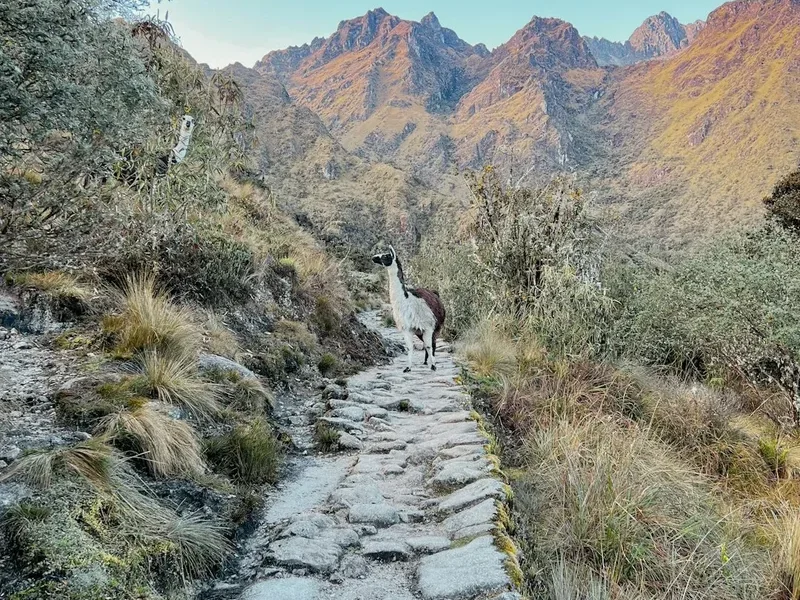
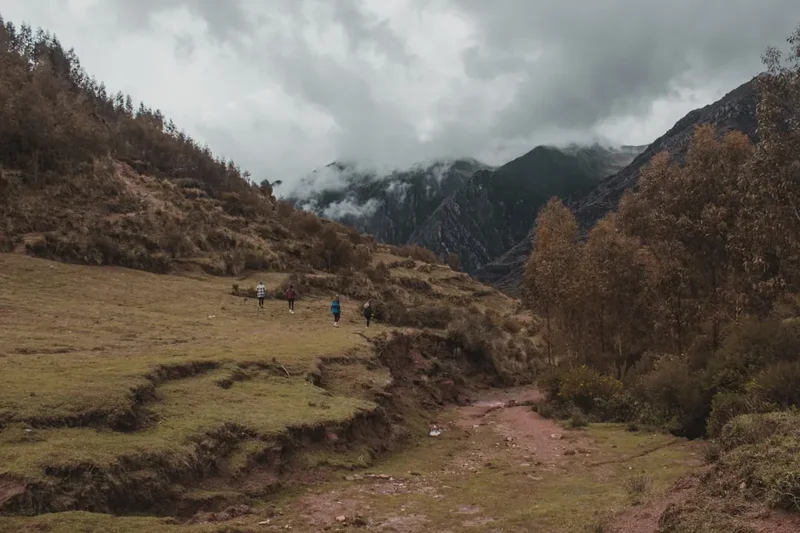
The journey to Montana de Siete Colores is an immersion into the stark beauty and raw power of the high Andes. The trail begins at an elevation of around 4,400 metres, immediately presenting a significant acclimatisation challenge. The path is predominantly unpaved, winding through arid, high-altitude terrain that is home to llamas and alpacas grazing on sparse vegetation. The air is thin, and the sun is intense, requiring careful preparation and a steady pace.
As you ascend, the landscape gradually transforms. The initial stages are relatively gentle, but the gradient steepens considerably as you approach the summit viewpoint. The true spectacle unfolds as you gain altitude: the layers of sediment, rich in iron oxides, copper, and other minerals, begin to reveal their extraordinary colours. Reds, yellows, purples, greens, and blues paint the mountainside in a surreal, almost otherworldly display. The sheer scale of the mountain and the vibrant hues create a visual feast that is both humbling and awe-inspiring.
The trek is often undertaken as a day trip from Cusco, but its challenging nature means it's not to be underestimated. The altitude is the primary factor, with symptoms of altitude sickness being a common concern for those not properly acclimatised. The dry season, from May to September, offers the best conditions, with clear skies and minimal rainfall, allowing for unobstructed views of the colourful strata. Even during this period, however, temperatures can drop significantly, especially in the early morning and late afternoon.
Beyond the visual spectacle, the trek offers a glimpse into the traditional life of the Quechua people who inhabit these remote regions. You'll likely encounter local guides and porters, often accompanied by their herds of llamas and alpacas, who have a deep connection to this sacred land. The experience is not just about the destination but also the journey through this unique and culturally rich environment.
History and Cultural Context
The Montana de Siete Colores, or Vinicunca, has been a sacred site for the indigenous Quechua people for centuries. Its vibrant colours are not merely a geological curiosity but are imbued with deep spiritual significance. The mountain is believed to be a powerful Apus (mountain spirit) and a place of reverence, often visited by local communities for ceremonies and offerings, particularly during important festivals like Inti Raymi (Festival of the Sun).
For generations, the local communities have lived in harmony with this harsh yet beautiful environment, relying on traditional agricultural practices and the herding of llamas and alpacas. The vibrant mineral layers are a testament to the geological processes that have shaped the Andes over millions of years. The red hues are attributed to iron oxide (rust), the yellows to sulphur compounds, the purples to manganese, and the greens to chlorite, among other minerals. These colours are most vividly displayed when the soil is dry, which is why the dry season offers the most spectacular views.
The mountain remained largely unknown to the outside world until relatively recently. Its dramatic appearance and accessibility through organised tours have led to a surge in popularity, transforming it into one of Peru's most sought-after tourist destinations. This increased tourism brings economic benefits to the local communities, but also presents challenges in managing visitor impact and preserving the delicate ecosystem and cultural heritage of the region.
The name "Vinicunca" itself is derived from the Quechua words "vinic" (meaning mountain) and "cunca" (meaning neck), referring to its shape. The Spanish translation, "Montana de Siete Colores," directly describes its most striking feature – the seven colours that adorn its slopes.
Seasonal Highlights and Weather Reality
The best time to visit Montana de Siete Colores is during the dry season, which typically runs from May to September. During these months, the skies are generally clear, offering excellent visibility and allowing the vibrant colours of the mountain to be seen in their full glory. The weather is cooler, with daytime temperatures often ranging from 5°C to 15°C, but can drop significantly below freezing at night and in the early morning. Snowfall is rare during this period, but frost is common.
Dry Season (May - September):
- Pros: Clear skies, excellent visibility, vibrant colours, minimal rainfall, easier trekking conditions.
- Cons: Colder temperatures, especially at higher altitudes and during early mornings/late afternoons. Can be very windy.
The wet season, from October to April, presents a different experience. While the mountain can still be visited, the chances of encountering rain, fog, and even snow are much higher. Heavy rainfall can obscure the colours, making the mountain appear duller, and can also make the trails muddy and slippery, increasing the difficulty and risk of the trek. During the peak of the wet season (January-March), the mountain may be completely covered in snow, rendering the colours invisible.
Wet Season (October - April):
- Pros: Fewer crowds, potentially greener surrounding landscapes.
- Cons: High chance of rain, fog, and snow; colours may be obscured; trails can be muddy and slippery; higher risk of altitude sickness due to dampness and cold.
Regardless of the season, the high altitude (the summit viewpoint is around 5,200 metres) means that weather can change rapidly. It is essential to be prepared for all conditions, including sudden temperature drops, strong winds, and unexpected precipitation, even during the dry season.
Recommended Itinerary
Day Trip to Montana de Siete Colores from Cusco
Early Morning (4:00 AM - 5:00 AM): Pick-up from Cusco
- Your tour operator will pick you up from your accommodation in Cusco.
- The journey to the trailhead takes approximately 3-4 hours by road, passing through picturesque Andean villages and landscapes.
- Breakfast is often included at a local restaurant en route, providing an opportunity to acclimatise slightly and fuel up.
Morning (8:00 AM - 9:00 AM): Arrival at Trailhead and Briefing
- Arrive at the Quesiuno trailhead (approx. 4,400 metres).
- Receive a briefing from your guide about the trek, safety precautions, and acclimatisation tips.
- You'll have time to prepare your gear, use the facilities (basic restrooms available), and potentially hire walking sticks or a horse for part of the ascent.
Late Morning to Midday (9:00 AM - 1:00 PM): The Ascent to the Rainbow Mountain
- Begin the trek. The initial part of the trail is relatively flat or gently sloping, allowing you to get used to the altitude.
- You will pass through traditional Quechua villages and see herds of llamas and alpacas.
- The trail gradually becomes steeper and more challenging as you gain altitude.
- The final push to the summit viewpoint is a steep climb, often requiring significant effort due to the thin air.
- The total ascent takes approximately 1.5 to 2.5 hours, depending on your fitness level and acclimatisation.
Midday (1:00 PM - 2:00 PM): Summit Viewpoint and Exploration
- Reach the summit viewpoint (approx. 5,200 metres).
- Spend time admiring the breathtaking panoramic views of the Montana de Siete Colores and the surrounding snow-capped mountains, including Ausangate.
- Take photographs and soak in the incredible scenery.
- Note: The viewpoint area can be crowded, especially during peak season.
Afternoon (2:00 PM - 4:00 PM): Descent and Return to Trailhead
- Begin the descent back to the Quesiuno trailhead. The descent is generally faster and less strenuous than the ascent, but care should be taken on the steep and sometimes loose terrain.
- The walk down typically takes 1 to 1.5 hours.
- Optional: You can opt to ride a horse for the descent from a certain point, which can be arranged at the trailhead.
Late Afternoon (4:00 PM - 7:00 PM): Return Journey to Cusco
- Board your transport back to Cusco.
- A late lunch or early dinner is usually provided at a local restaurant on the way back.
- Arrive back in Cusco in the early evening, where you will be dropped off at your accommodation.
Important Notes:
- Acclimatisation in Cusco for at least 1-2 days prior to this trek is highly recommended.
- Carry plenty of water and snacks.
- Wear layers of clothing, as temperatures can fluctuate significantly.
- Sun protection (hat, sunglasses, sunscreen) is crucial due to the high altitude and intense sun.
- Be prepared for cold temperatures, especially at the summit.
Planning and Bookings
Book Your Trip
Everything you need to plan your journey
Accommodation
Find places to stay near Cusco
Flights
Search flights to Cusco
Essential Preparation
The most crucial aspect of preparing for Montana de Siete Colores is acclimatisation to the high altitude. Cusco sits at approximately 3,400 metres, and the trek reaches over 5,200 metres. It is strongly advised to spend at least 1-2 full days in Cusco before undertaking this trek to allow your body to adjust. During this time, engage in light activities, avoid alcohol and heavy meals, and drink plenty of water and coca tea (a traditional remedy for altitude sickness).
Logistics primarily involve booking a tour from Cusco. While it's possible to arrange transport and guides independently, most visitors opt for organised tours due to the remote location and the need for acclimatisation advice and support. These tours typically include transport from Cusco, a guide, meals (breakfast and lunch), and sometimes entrance fees. Ensure your chosen tour operator is reputable and provides adequate safety measures.
The closest town to the trailhead is Pitumarca, which is a common stop for tours. From Pitumarca, local transport (often 4x4 vehicles) is hired to reach the actual trailhead at Quesiuno. The road to the trailhead is unpaved and can be rough, especially during the wet season. Limited parking is available at the trailhead, primarily used by tour operators.
Trail Accommodation
This is a day hike requiring no overnight accommodation. The trek to Montana de Siete Colores is typically completed within a single day, starting and ending in Cusco. There are no designated campsites or huts along the trail itself. Basic restroom facilities are available at the trailhead in Quesiuno, but these are rudimentary.
Required Gear
- Hiking Boots: Sturdy, waterproof hiking boots with good ankle support are essential. Ensure they are well broken-in to prevent blisters.
- Waterproof Jacket: A lightweight, waterproof and windproof jacket is crucial, as weather can change rapidly at high altitudes.
- Warm Layers: Several layers of clothing are recommended. This includes a thermal base layer, a fleece or down mid-layer, and an outer shell. Temperatures can fluctuate significantly throughout the day.
- Hat: A warm hat (beanie) to protect against the cold and a sun hat or cap to shield from the intense high-altitude sun.
- Gloves: Warm gloves are essential, especially for the early morning start and the summit.
- Backpack: A small to medium-sized daypack (20-30 litres) to carry essentials like water, snacks, extra layers, and camera.
- Sun Protection: High SPF sunscreen (SPF 50+), sunglasses with UV protection, and lip balm with SPF.
- Headlamp or Torch: Essential for the early morning start, especially if your pick-up is before sunrise.
- Trekking Poles: Highly recommended, especially for the steep ascents and descents, to reduce strain on knees and improve stability. These can often be rented at the trailhead or through your tour operator.
What to Bring
- Water: At least 1.5 to 2 litres of water per person. Hydration is critical at high altitudes.
- Snacks: High-energy snacks such as nuts, dried fruit, energy bars, and chocolate. These will help maintain energy levels during the trek.
- Food: Most tours include breakfast and lunch. However, it's wise to bring extra snacks.
- Personal First-Aid Kit: Include any personal medications, blister treatment, pain relievers (e.g., ibuprofen), and antiseptic wipes.
- Camera: To capture the stunning scenery. Ensure you have spare batteries or a power bank, as cold can drain batteries quickly.
- Cash: Small denominations of Peruvian Soles (PEN) for any optional purchases, tips for guides or drivers, or to rent walking sticks/horses at the trailhead.
- Toilet Paper: While basic facilities may be available, it's always wise to carry your own supply.
- Hand Sanitiser: For hygiene, especially before eating.
- Altitude Sickness Medication: Consult your doctor about prescription medication for altitude sickness (e.g., Diamox) if you are prone to it.
Permits
For independent trekkers or those on organised tours, specific hiking permits are generally not required for the Montana de Siete Colores itself. However, an entrance fee is collected at the trailhead in Quesiuno. This fee contributes to the maintenance of the trails and the local community.
Entrance Fee:
- The exact fee can vary, but it is typically around 10-15 Peruvian Soles (PEN) for foreign visitors.
- This fee is usually collected by local authorities or community representatives at the start of the trail.
- Tour operators typically include this entrance fee in their package price, but it's advisable to confirm this when booking.
- If travelling independently, ensure you have sufficient cash (Peruvian Soles) to pay the entrance fee.
Booking Tours:
- While not a permit, booking your tour in advance is highly recommended, especially during the peak tourist season (May to September).
- Numerous tour operators in Cusco offer day trips to Montana de Siete Colores. Compare prices, inclusions, and reviews before making a decision.
- Booking online or through a reputable agency in Cusco is the standard method.
Altitude Acclimatisation: This is not a permit but a critical requirement. Ensure you have spent adequate time acclimatising in Cusco (at least 1-2 days) before attempting this high-altitude trek. Failure to do so can lead to severe altitude sickness.
Other Activities in the Area
The region surrounding Montana de Siete Colores offers a wealth of cultural and natural attractions, making it worthwhile to extend your stay in the area:
- Ausangate Trek: For experienced trekkers seeking a more immersive Andean experience, the Ausangate circuit is a multi-day trek that circumnavigates the sacred Ausangate mountain. It offers stunning glacial landscapes, turquoise lakes, and remote communities, with fewer crowds than Vinicunca.
- Palccoyo Rainbow Mountains: A less crowded alternative to Vinicunca, Palccoyo offers three distinct rainbow mountains with similar colourful strata. The trek is shorter and less strenuous, making it a good option for those concerned about altitude.
- Traditional Quechua Villages: Explore the local communities around Pitumarca and Checacupe to gain insight into the traditional way of life, agricultural practices, and local crafts. You might witness traditional weaving or farming techniques.
- Llama and Alpaca Farms: Visit local farms to learn about the importance of these animals to the Andean economy and culture. You can often see them up close and learn about their wool.
- Cusco City Exploration: Spend time exploring the historic city of Cusco, a UNESCO World Heritage site. Visit the Plaza de Armas, the Cathedral, Qorikancha (Temple of the Sun), and the Inca ruins of Sacsayhuamán, Q'enqo, Puka Pukara, and Tambomachay.
- Sacred Valley Tour: Explore the picturesque Sacred Valley of the Incas, visiting sites like Pisac (with its famous market and ruins), Ollantaytambo (an impressive Inca fortress and town), and Chinchero (known for its traditional weaving and colonial church).
- Machu Picchu: While a separate journey, no trip to the Cusco region is complete without visiting the iconic Inca citadel of Machu Picchu. This can be combined with a Sacred Valley tour.
Safety and Conditions
Altitude Sickness (Soroche): This is the primary safety concern. Symptoms can include headache, nausea, dizziness, fatigue, and shortness of breath. To mitigate risk:
- Acclimatise in Cusco for at least 1-2 days before the trek.
- Drink plenty of water and coca tea.
- Avoid alcohol and heavy meals.
- Ascend slowly and take breaks.
- If symptoms are severe, descend immediately. Consult your doctor about preventative medication (e.g., Acetazolamide/Diamox).
Trail Conditions:
- The trail is unpaved, rocky, and can be steep, especially the final ascent.
- During the wet season (October-April), the trail can become muddy and slippery, increasing the risk of falls.
- The dry season (May-September) offers firmer ground but can be dusty.
- The high altitude means the sun is very intense, even on cloudy days.
Weather:
- Weather at high altitudes is unpredictable and can change rapidly.
- Expect strong winds, especially at the summit.
- Temperatures can drop significantly, particularly in the early morning and late afternoon.
- Even in the dry season, brief rain showers or hail are possible.
Physical Fitness: The trek requires a moderate level of fitness due to the altitude and steepness. While not technically difficult, the thin air makes every step more challenging. If you have pre-existing heart or respiratory conditions, consult your doctor before attempting this trek.
Guides and Support: It is highly recommended to trek with a guide, especially if you are not accustomed to high altitudes or navigating in remote areas. Reputable tour operators provide experienced guides who are trained in first aid and can assist with acclimatisation and safety.
Emergency Procedures: Ensure your tour operator has a clear emergency plan. Carry a fully charged mobile phone, although signal coverage is unreliable in the area. Know the location of the nearest medical facilities (in Cusco).
Hydration and Nutrition: Carry sufficient water and high-energy snacks. Dehydration can exacerbate altitude sickness. Regular small sips of water are more effective than drinking large amounts infrequently.
Side Trips and Points of Interest
Quesiuno Trailhead Area: Before beginning the main ascent, take a moment to appreciate the immediate surroundings. This high-altitude puna landscape is dotted with hardy ichu grass and is often frequented by herds of llamas and alpacas, providing excellent photographic opportunities and a glimpse into the traditional pastoral life of the region.
Llama and Alpaca Herds: Throughout the trek, you will encounter numerous herds of llamas and alpacas, often accompanied by their herders. These animals are integral to the local culture and economy. They are generally accustomed to humans, allowing for close observation and photography, but always maintain a respectful distance and avoid disturbing them.
Traditional Quechua Villages: As you walk towards the mountain, you will pass through small, traditional Quechua villages. These settlements offer a fascinating insight into the rural Andean lifestyle. You might see women in traditional dress, children playing, and houses built from local materials. While respectful observation is encouraged, remember these are people's homes, and always ask permission before taking photographs of individuals.
Panoramic Views of Ausangate: The trek offers increasingly spectacular views of the sacred Ausangate mountain, one of the most important deities in Inca mythology. Its snow-capped peaks dominate the horizon, providing a dramatic backdrop to the colourful mountain. The higher you ascend, the more expansive the views become, offering a 360-degree panorama of the surrounding Andean range.
The "Red Valley" (Valle Rojo): While the main attraction is the "Rainbow Mountain," some tours may offer an optional detour to the nearby "Red Valley." This area features striking red-hued hills and rock formations, offering a different but equally impressive geological spectacle. This detour adds time to the trek but provides an alternative perspective on the region's mineral diversity.
Leave No Trace
The Montana de Siete Colores is a fragile ecosystem and a culturally significant site. Practising Leave No Trace principles is paramount to preserving its beauty and integrity for future generations and respecting the local communities.
Plan Ahead and Prepare:
- Acclimatise properly to prevent altitude sickness, which can lead to poor decision-making and increased risk.
- Book tours with reputable operators who adhere to LNT principles.
- Pack out everything you pack in, including all food wrappers, fruit peels, and any other waste.
Travel and Camp on Durable Surfaces:
- Stay on the marked trails at all times. The vegetation at this altitude is sparse and slow-growing; straying off-trail can cause significant damage.
- The trail itself is the designated durable surface. Avoid walking on the colourful mineral layers.
Dispose of Waste Properly:
- Pack it in, pack it out. This includes all food scraps, tissues, and any other refuse.
- Use the basic toilet facilities at the trailhead if available. If not, be prepared to carry out all human waste or use designated cathole methods far from water sources (though this is less applicable for a day hike with trailhead facilities).
Leave What You Find:
- Do not take any rocks, minerals, or plants from the site. The beauty of the mountain lies in its natural state.
- Respect the cultural significance of the area; do not disturb any cairns or offerings.
Minimize Campfire Impacts:
- Campfires are not permitted on this day hike.
Respect Wildlife:
- Observe llamas and alpacas from a distance. Do not feed them, as human food can be harmful to their digestive systems.
- Do not disturb any other wildlife you may encounter.
Be Considerate of Other Visitors:
- Keep noise levels down. The natural sounds of the Andes are part of the experience.
- Allow faster hikers to pass.
- Be patient, especially at the summit viewpoint, which can get crowded.
By following these principles, you help ensure that the Montana de Siete Colores remains a vibrant and awe-inspiring destination for years to come.