
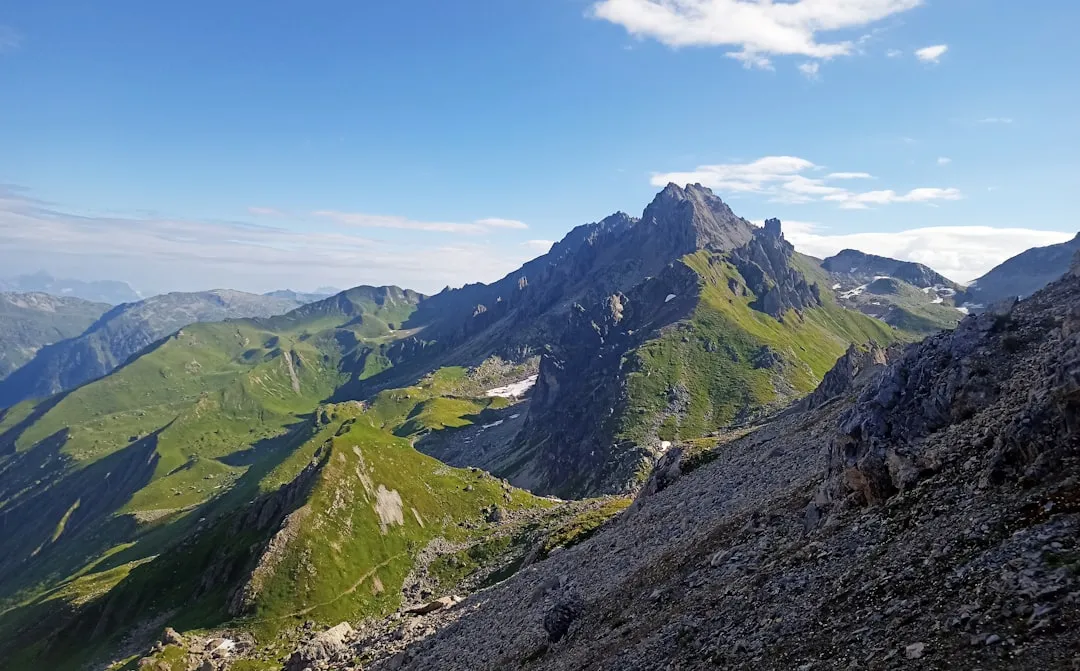
Mont Puget Hike
The Mont Puget Hike is a rewarding day walk located within the stunning Calanques National Park, near Marseille, France. This trail offers a challenging yet accessible ascent to the summit of Mont Puget, providing breathtaking panoramic views of the Mediterranean Sea, the surrounding calanques (rocky inlets), and the city of Marseille itself. It's a journey through a unique Mediterranean landscape characterised by dramatic limestone cliffs, fragrant garrigue vegetation, and crystal-clear turquoise waters. The hike is suitable for those with a good level of fitness, offering a true taste of the wild beauty of the French Riviera.
- Distance: 9.5 km one-way
- Elevation gain: 565 m
- Duration: 4–5 hours
- Difficulty: Challenging
- Best Time: Spring (April–May) and Autumn (September–October)
- Category: Day Walk
- Closest City: Marseille
- Trailhead Access: Luminy (via bus from Marseille)
- Permits: No permit required for general access
Overview
The Mont Puget Hike is a classic day walk that encapsulates the rugged beauty of the Calanques National Park. Starting from the Luminy campus, the trail quickly ascends into a wild, Mediterranean landscape. The path is often rocky and steep, demanding good footwear and a steady pace. As you climb, the views begin to open up, revealing the intricate coastline and the vast expanse of the Mediterranean. The air is filled with the scent of wild herbs like rosemary and thyme, and you might spot various Mediterranean flora and fauna adapted to this arid environment.
The ascent to Mont Puget is a significant climb, with over 565 metres of elevation gain packed into a relatively short distance. This makes it a physically demanding hike, but the rewards are immense. From the summit, the 360-degree panorama is spectacular. To the south and west, you can see the iconic calanques of Sormiou, Morgiou, and En-Vau, their deep blue waters contrasting with the white limestone cliffs. To the north, the city of Marseille sprawls along the coast, with the Frioul Islands and If Castle visible in the distance. The feeling of accomplishment upon reaching the summit, coupled with the unparalleled views, makes this hike a memorable experience.
The trail is well-marked for the most part, but the terrain can be challenging, with loose scree and uneven surfaces. It's essential to be prepared for the conditions, especially during warmer months when the sun can be intense and water sources are scarce. The descent offers a different perspective, allowing you to appreciate the scale of the cliffs and the natural beauty of the park from a new angle. This hike is a perfect blend of physical challenge and natural wonder, offering a true escape into the wild heart of Provence.
History and Cultural Context
The Calanques National Park, where Mont Puget is located, has a rich history stretching back to prehistoric times. Archaeological evidence suggests human habitation in the caves and shelters within the calanques dating back thousands of years. These natural harbours provided shelter and resources for early inhabitants, and evidence of their presence can still be found today.
Historically, the area was a vital resource for local communities. Fishermen used the sheltered coves for their boats, and shepherds grazed their flocks on the sparse vegetation of the hillsides. The limestone cliffs themselves have been a source of building materials for centuries, with stone quarried from the region used in the construction of Marseille and other coastal towns. The rugged terrain also played a role in local defence and smuggling activities throughout history, with hidden coves and difficult-to-access routes offering strategic advantages.
Mont Puget, while not a historically significant landmark in the same way as a castle or ancient ruin, represents the enduring natural heritage of the region. Its name likely derives from the Provençal word for "peak" or "summit." The area's designation as a National Park in 2012 was a crucial step in preserving its unique biodiversity and geological formations for future generations. The park protects not only the terrestrial environment but also the marine ecosystems within the calanques, ensuring the continued health of this fragile Mediterranean landscape.
Seasonal Highlights and Weather Reality
The Mont Puget Hike is best enjoyed during the spring and autumn months. During these seasons, the weather is typically mild and pleasant, with temperatures ranging from 15°C to 25°C. The Mediterranean sun is less intense, making the ascent more comfortable, and the landscape is often at its most vibrant. In spring, wildflowers bloom profusely, adding splashes of colour to the rocky terrain. In autumn, the air is crisp, and the light is often soft and beautiful, perfect for photography.
Summer (June to August) can be extremely hot, with temperatures frequently exceeding 30°C. The sun is relentless, and there is very little shade on the trail. Hiking during the midday heat in summer is strongly discouraged due to the risk of heatstroke and dehydration. If you choose to hike in summer, it is essential to start very early in the morning, carry ample water, and wear protective clothing.
Winter (November to March) can bring cooler temperatures, with highs around 10°C to 15°C. While generally mild, winter can also bring rain and strong winds, which can make the exposed summit of Mont Puget uncomfortable and potentially hazardous. However, winter hiking can offer a sense of solitude and a different, starker beauty to the landscape. Snow is rare at these altitudes but not impossible.
Regardless of the season, always check the weather forecast before you go. The Mediterranean climate can be unpredictable, and conditions can change rapidly, especially at higher elevations. The park can also experience periods of high fire risk, particularly in summer, which may lead to temporary closures of certain trails.
Recommended Itinerary
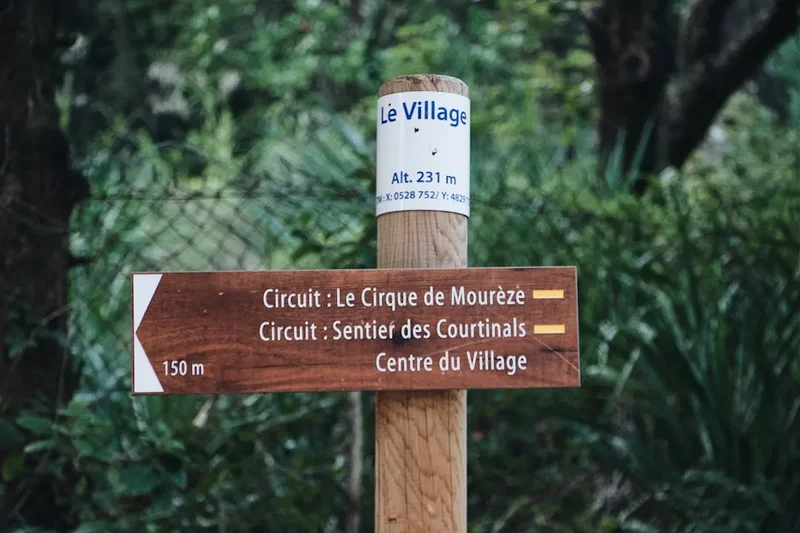
Mont Puget Day Hike Itinerary
Early Morning (Approx. 8:00 AM): Start from Luminy
- Arrive at the Luminy campus (University of Aix-Marseille). Park your vehicle or alight from the bus.
- Locate the trailhead signs for Mont Puget and the GR 98 (Grande Randonnée 98) path.
- Ensure you have sufficient water, snacks, and your essential gear.
- Begin the ascent, following the well-marked path.
Morning (Approx. 8:30 AM - 11:00 AM): Ascent to the Ridge
- The initial part of the trail involves a steady climb through Mediterranean scrubland (garrigue).
- The path is rocky and can be uneven, requiring careful footing.
- Enjoy the emerging views of the coastline and the surrounding calanques as you gain altitude.
- You will pass through areas with fragrant wild herbs and possibly see various bird species.
- The trail gradually steepens as you approach the main ridge.
Midday (Approx. 11:00 AM - 1:00 PM): Summit of Mont Puget
- Reach the summit of Mont Puget (563 m).
- Take ample time to enjoy the spectacular 360-degree panoramic views.
- Identify key landmarks: Marseille, the Frioul Islands, If Castle, and the various calanques (Sormiou, Morgiou, En-Vau).
- Have your lunch and snacks at the summit, soaking in the scenery.
- This is an excellent spot for photography.
Afternoon (Approx. 1:00 PM - 3:00 PM): Descent and Return
- Begin your descent back towards Luminy.
- The descent can be as challenging as the ascent, with loose scree and steep sections.
- Take your time and maintain a steady pace to avoid slips and falls.
- Re-trace your steps along the marked path.
- As you descend, the views of the calanques will change, offering new perspectives.
- Arrive back at the Luminy campus, completing your hike.
Important Notes:
- This is a challenging day hike; ensure you are physically prepared.
- Carry at least 2 litres of water per person, especially during warmer months.
- Wear sturdy hiking boots with good ankle support.
- Sun protection (hat, sunscreen, sunglasses) is essential year-round.
- The trail can be very exposed; avoid hiking during the hottest part of the day in summer.
- Check weather conditions before you depart.
Planning and Bookings
Book Your Trip
Everything you need to plan your journey
Accommodation
Find places to stay near Marseille
Flights
Search flights to Marseille
Essential Preparation
The Mont Puget hike is a day walk, meaning no overnight accommodation is required. However, thorough preparation is crucial for a safe and enjoyable experience. The closest major city is Marseille, which serves as the primary gateway for accessing the Calanques National Park. Marseille Provence Airport (MRS) is the nearest international airport. From the airport, you can take a shuttle bus or taxi to Marseille city centre, and then connect to local public transport.
To reach the trailhead at Luminy, take bus line 21 from Marseille city centre (e.g., from the Belsunce-Longchamp station). The bus journey takes approximately 30-40 minutes. Luminy is a university campus, and there are clear signs directing hikers towards the Calanques National Park and the trails leading to Mont Puget. Parking is available at Luminy, but it can be limited, especially during peak times, so arriving early is recommended. Driving time from Marseille city centre to Luminy is around 20-30 minutes, depending on traffic.
It is advisable to check the official website of the Calanques National Park for any alerts or temporary closures, especially during periods of high fire risk in the summer months. Familiarise yourself with the trail route using a map or GPS device, as mobile signal can be intermittent within the park.
Trail Accommodation
This is a day hike requiring no overnight accommodation.
Required Gear
- Sturdy hiking boots: Waterproof and with good ankle support are essential due to the rocky and uneven terrain.
- Backpack: A comfortable daypack (20-30 litres) to carry essentials.
- Navigation: A map of the Calanques National Park, a compass, or a GPS device with the route pre-loaded. A smartphone with offline maps is also useful.
- Sun protection: A wide-brimmed hat, sunglasses, and high SPF sunscreen are vital, as much of the trail is exposed.
- First-aid kit: Including blister treatment, antiseptic wipes, bandages, pain relievers, and any personal medications.
- Head torch: With spare batteries, in case of unexpected delays or if you start very early/finish late.
- Whistle: For emergency signalling.
What to Bring
- Water: At least 2 litres per person. There are no reliable water sources on the trail.
- Food: High-energy snacks and a packed lunch.
- Clothing: Wear moisture-wicking layers. A lightweight, waterproof and windproof jacket is advisable, as weather can change. Long trousers are recommended for protection against scratches and sun.
- Toiletries: Hand sanitiser, toilet paper (pack it out), and any personal hygiene items.
- Mobile phone: Fully charged, with emergency numbers saved.
- Camera: To capture the stunning views.
- Trekking poles: Optional, but can be helpful for stability on steep ascents and descents.
Permits
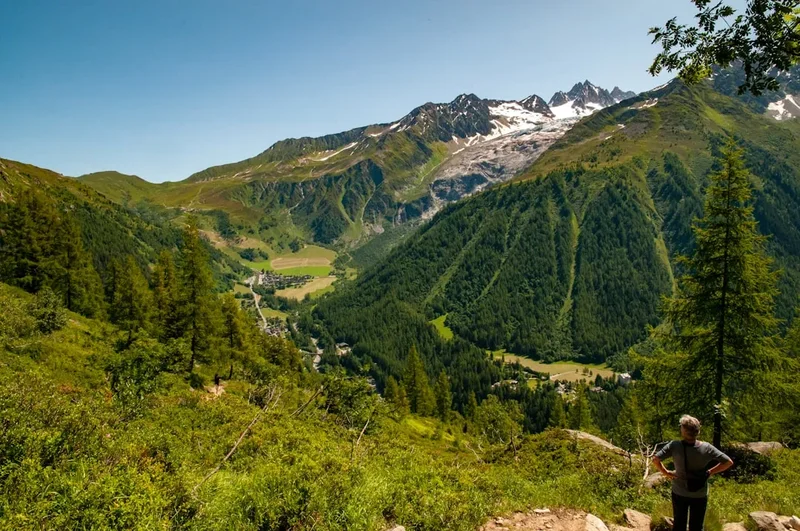
Access to the Mont Puget hike and the Calanques National Park is generally free and does not require a specific permit for day hikers. However, it is crucial to be aware of any seasonal restrictions or access limitations that may be imposed by the park authorities.
Fire Risk and Access Restrictions: During the summer months (typically June to September), the risk of wildfires in the Mediterranean scrubland is very high. In response, authorities may implement strict access restrictions to the park, including temporary closures of certain trails or the entire park, especially during periods of high heat and wind. It is imperative to check the official Calanques National Park website or local information points for the most up-to-date access regulations before your visit.
Parking: While there is no permit required for hiking, parking at the Luminy campus can be subject to university regulations or fees. It is advisable to check local signage or inquire about parking conditions upon arrival.
Group Size: For larger organised groups, there might be specific regulations or requirements, but for typical day hikers, no special permits are needed.
Other Activities in the Area
The Calanques National Park and its surroundings offer a wealth of activities for visitors:
- Calanque Swimming and Snorkelling: The crystal-clear waters of the calanques are perfect for a refreshing swim or snorkelling. Popular calanques like Sormiou and Morgiou are accessible by foot or boat and offer beautiful spots to cool off.
- Kayaking and Paddleboarding: Explore the coastline and hidden coves at your own pace by renting a kayak or paddleboard. This allows for an intimate experience of the dramatic cliffs and sea caves.
- Boat Tours: Several companies offer boat tours from Marseille or Cassis that visit the most spectacular calanques. This is a great way to see the park from a different perspective, especially if you are not able to hike to all locations.
- Rock Climbing: The limestone cliffs of the Calanques are a world-renowned destination for rock climbers, offering routes for all levels of experience.
- Visiting Marseille: Explore the vibrant city of Marseille, with its historic Old Port (Vieux Port), Notre-Dame de la Garde basilica offering panoramic city views, and the MuCEM (Museum of European and Mediterranean Civilisations).
- Hiking in other Calanques: The park offers numerous other hiking trails, such as the routes to Calanque d'En-Vau, Calanque de Morgiou, and Calanque de Sormiou, each offering unique scenery and challenges.
- Cassis: A charming fishing port town east of Marseille, known for its beautiful calanques and local white wine.
Safety and Conditions
Trail Conditions: The Mont Puget trail is generally well-maintained but can be steep, rocky, and uneven. Loose scree is common, especially on the descent, so sturdy footwear is essential. The path is exposed to the elements, with little to no shade, making sun protection and hydration critical.
Weather: The Mediterranean climate can be unpredictable. Summers are very hot and dry, with a high risk of heatstroke and dehydration. Winters are milder but can bring rain and strong winds. Always check the weather forecast before you go. In case of high winds, especially at the summit, exercise caution.
Fire Risk: During dry periods, particularly in summer, the risk of wildfires is extremely high. Access to the Calanques National Park may be restricted or prohibited during these times. Always check for current fire risk levels and access regulations before your hike. Never light fires or discard cigarettes.
Water: There are no reliable water sources on the trail. Carry sufficient water for the entire hike (at least 2 litres per person). Dehydration is a serious risk, especially in warm weather.
Navigation: While the main trail to Mont Puget is generally well-marked, it's easy to stray onto less-used paths. Carry a map and compass or use a GPS device. Mobile phone signal can be unreliable in some parts of the park.
Wildlife: Be aware of potential wildlife, such as snakes or scorpions, though encounters are rare. Do not disturb any animals you see.
Emergency: In case of an emergency, call the European emergency number 112. Be prepared to give your exact location. It is advisable to hike with a companion and inform someone of your hiking plans and expected return time.
Side Trips and Points of Interest
Summit Views: The primary point of interest is the summit of Mont Puget itself. The 360-degree panoramic views are the main reward for the challenging ascent. From the top, you can identify the distinct shapes of the calanques, the urban sprawl of Marseille, and the distant islands.
Calanque de Sormiou: While not directly on the Mont Puget trail, the path to Mont Puget offers glimpses and access routes towards the Calanque de Sormiou. This is one of the largest and most popular calanques, known for its beautiful beach and a few traditional restaurants (reservations often required). A detour to Sormiou would add significant time and distance to your hike.
Calanque de Morgiou: Similar to Sormiou, Morgiou is another stunning calanque accessible from the hiking network. It features a small harbour and a restaurant, offering a picturesque spot to rest and refuel.
The GR 98 Trail: The Mont Puget hike often follows sections of the GR 98, a long-distance hiking trail that traverses the entire Calanques coastline. Following this trail offers opportunities to explore further into the park.
Mediterranean Flora: The trail passes through typical Mediterranean garrigue vegetation. Keep an eye out for aromatic plants like rosemary, thyme, and lavender, as well as various species of wildflowers, especially in spring. The hardy Aleppo pines and Holm oaks provide some limited shade.
Leave No Trace
The Calanques National Park is a fragile ecosystem that requires careful stewardship. Adhering to Leave No Trace principles is essential to preserve its natural beauty and ecological integrity for future visitors.
- Plan Ahead and Prepare: Research the trail, understand the conditions, and be prepared for the weather. Know the park's regulations regarding fires and access.
- Travel and Camp on Durable Surfaces: Stick to marked trails to avoid damaging vegetation and causing erosion. The Mont Puget trail is well-defined, so stay on it.
- Dispose of Waste Properly: Pack out everything you pack in, including all food scraps, wrappers, and toilet paper. There are no bins on the trail.
- Leave What You Find: Do not take rocks, plants, or any natural objects from the park.
- Minimise Campfire Impacts: Campfires are generally prohibited in the Calanques National Park due to the high fire risk. If permitted in specific areas (which is rare for day hikes), use established fire rings and ensure fires are completely extinguished.
- Respect Wildlife: Observe wildlife from a distance and never feed animals.
- Be Considerate of Other Visitors: Keep noise levels down and yield to other hikers on narrow sections of the trail.
By following these principles, you help ensure that the Mont Puget hike remains a pristine and enjoyable experience for everyone.
 France