
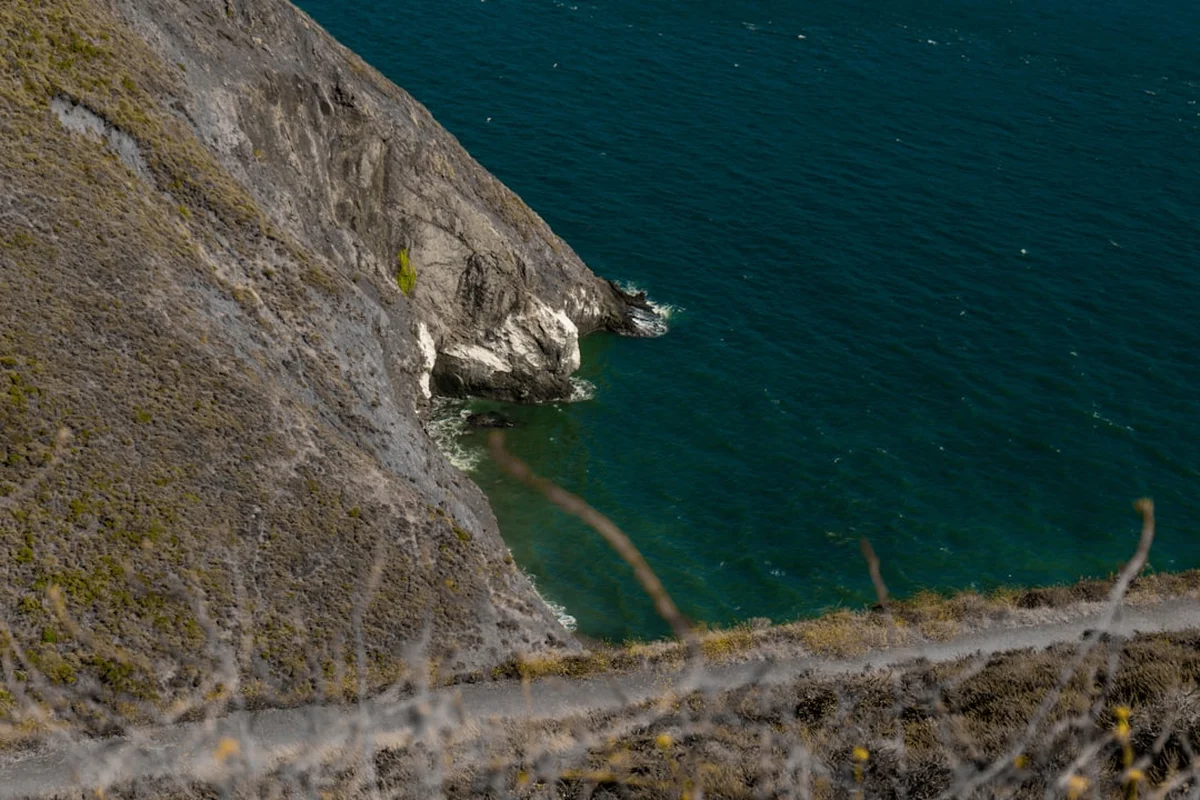
Molokai Cliff Trail - A Descent into Hawaii’s Sacred History
The Molokai Cliff Trail is one of the most visually arresting and emotionally resonant day walks in the Hawaiian archipelago. Located on the northern coastline of Molokai, the "Friendly Isle", this 8.0-kilometre return journey traverses the highest sea cliffs in the world, plunging from the emerald heights of Pala’au State Park down to the isolated Kalaupapa Peninsula. This is not merely a hike; it is a pilgrimage through a landscape defined by staggering verticality and a profound human narrative. The trail consists of 26 steep switchbacks carved into the basaltic cliff face, descending 305 metres through a dense canopy of ironwood trees and tropical ferns. At every turn, the vast expanse of the Pacific Ocean stretches toward the horizon, its deep cobalt hues contrasting with the vibrant greens of the precipitous slopes. For those seeking a challenge that combines physical rigour with deep cultural immersion, the Molokai Cliff Trail offers an experience that is as humbling as it is beautiful.
- Distance: 8.0 km return
- Duration: 4–6 hours
- Elevation Gain: 305 m
- Difficulty: Challenging (steep gradients and uneven terrain)
- Best Time: Year-round, ideally during the dry season (April–October)
- Closest City: Kaunakakai, Molokai
- Trailhead: Pala’au State Park, end of Highway 470
- Terrain: Steep switchbacks, dirt paths, rocky sections, and forest floor
Overview
The Molokai Cliff Trail is a masterclass in geological drama. The northern coast of Molokai is home to the world's tallest sea cliffs, some rising over 1,000 metres straight from the churning surf of the Pacific. This trail provides a rare opportunity to navigate these giants, offering a controlled descent into a world that was, for over a century, one of the most isolated places on Earth. The walk begins in the cool, mist-shrouded heights of the Molokai forest, where the air is scented with damp earth and pine. As you begin the descent, the environment shifts rapidly from the sheltered forest to the exposed cliff face, where the trade winds provide a refreshing, if sometimes forceful, accompaniment to your journey.
The physical nature of the trail is defined by its 26 switchbacks. These are not modern, graded paths but rather a rugged route that demands constant attention to footwork. The surface can be slippery when wet, and the presence of loose basalt rocks requires a steady gait. However, the reward for this exertion is unparalleled. Each switchback acts as a viewing platform, offering shifting perspectives of the Kalaupapa Peninsula—a flat, volcanic tongue of land jutting out into the sea, created by a secondary volcanic eruption long after the main shield volcano of East Molokai had collapsed into the ocean.
Walking this trail is an exercise in sensory immersion. You will hear the rhythmic thrum of the ocean growing louder as you descend, the calls of native birds echoing through the ravines, and the rustle of ironwood needles underfoot. The scale of the landscape is difficult to comprehend until you see the tiny white lines of the surf breaking against the peninsula far below. It is a place of immense silence and power, where the natural world asserts its dominance with every vertical metre. Whether you are an experienced hiker looking for a technical challenge or a traveller seeking to understand the deeper soul of Hawaii, the Molokai Cliff Trail delivers a profound sense of place that lingers long after the climb back to the top is completed.
History and Cultural Context
The history of the Molokai Cliff Trail is inextricably linked to the Kalaupapa Peninsula and its legacy as a place of forced isolation. In 1866, King Kamehameha V approved the "Act to Prevent the Spread of Leprosy," which resulted in the mandatory exile of individuals suspected of having Hansen’s disease (leprosy) to this remote peninsula. Because the peninsula is guarded by the world’s highest sea cliffs on one side and the treacherous Pacific on the other, it served as a natural prison. For decades, the only way to reach the settlement was by boat or by navigating the perilous cliff paths that preceded the modern trail.
The trail we walk today follows the general route used by residents, workers, and the famous mules that have transported supplies and visitors for generations. The cultural significance of this path cannot be overstated; it represents the bridge between the isolated community below and the rest of the world. It was on these slopes that Saint Damien de Veuster and Saint Marianne Cope laboured, providing care, dignity, and spiritual solace to those cast out by society. Their legacy is woven into the very fabric of the landscape, and hikers are encouraged to approach the trail with the reverence it deserves.
Geologically, the cliffs themselves tell a story of cataclysmic proportions. Approximately 1.4 million years ago, a massive portion of the East Molokai Volcano collapsed into the sea in a giant landslide, creating the sheer vertical faces seen today. The peninsula below was formed much later, around 230,000 years ago, by the Kauhako Crater. This unique combination of ancient cliff and younger volcanic plain creates a landscape that is a living textbook of Hawaiian volcanology. Today, the area is managed as part of the Kalaupapa National Historical Park, ensuring that both the natural beauty and the poignant human history are preserved for future generations.
Want more background? Read extended notes on history and cultural context → Learn more
Seasonal Highlights and Weather Reality
Molokai enjoys a tropical climate, but the weather on the cliff face can be significantly different from the coastal plains of Kaunakakai. The trail is accessible year-round, but the experience varies greatly depending on the season. The dry season, running from April to October, is generally considered the best time to hike. During these months, the trail is less likely to be muddy, and the skies are often clear, providing the best visibility of the peninsula and the surrounding ocean. However, this is also the warmest time of year, and the humidity can make the 305-metre ascent feel considerably more taxing.
The wet season, from November to March, brings frequent rain showers, particularly in the afternoons. While the rain turns the cliffs into a lush, vibrant green and can trigger temporary waterfalls, it also makes the trail treacherous. The red volcanic soil becomes incredibly slick, and the switchbacks can become muddy chutes. If you choose to hike during this period, early morning starts are essential to avoid the most common rain windows. Additionally, winter swells in the Pacific are much larger, creating a spectacular display of power as massive waves crash against the peninsula's northern shore.
Temperature-wise, expect conditions between 20°C and 28°C. The trailhead at Pala’au State Park is at a higher elevation and is often shrouded in mist or "kipu’upu’u" rain, making it feel cooler than the bottom of the trail. Trade winds are a constant factor; they provide a welcome cooling effect but can be gusty on exposed sections of the cliff. Always check the local forecast before heading out, as tropical storms can develop quickly, bringing heavy rain and high winds that make the trail unsafe.
Recommended Itinerary
Molokai Cliff Trail Day Hike Itinerary
Early Morning: Arrival and Preparation
- 07:30 – Arrive at Pala’au State Park car park. This early start ensures you beat the midday heat and the potential afternoon clouds that can obscure the views.
- 07:45 – Visit the Kalaupapa Lookout near the trailhead. This provides a stunning panoramic view of the peninsula from 500 metres above, allowing you to visualise the route you are about to take.
- 08:00 – Begin the descent. The first section winds through a dense forest of ironwood trees. The ground is covered in a soft carpet of needles, and the air is cool.
- 08:30 – Reach the first major switchbacks. The forest thins, and the first clear views of the sea cliffs appear. Take a moment to adjust your pace; the descent is steep and can be hard on the knees.
Mid-Morning: The Descent
- 09:00 – Navigate the middle section of the 26 switchbacks. This is the most scenic part of the trail. You will pass through various micro-climates, from dry scrub to lush fern pockets.
- 09:30 – The sound of the ocean becomes a constant roar. You may see the famous Molokai mules passing by if tours are operating; always yield to the mules by standing on the uphill side of the trail.
- 10:00 – Arrive at the base of the cliffs. The trail levels out as it approaches the beach. The transition from the vertical world to the horizontal plain of the peninsula is dramatic.
- 10:15 – Reach the end of the trail at the beach area. Note: Access to the Kalaupapa settlement itself is strictly regulated and requires a pre-arranged tour and permit. Without these, you must remain in the designated beach and trail-end areas.
Midday: Rest and Reflection
- 10:30 – Find a shaded spot near the shore to rest and refuel. The black sands and volcanic rocks provide a stark, beautiful backdrop.
- 11:00 – Explore the immediate coastal area. Observe the unique salt-tolerant vegetation and the powerful Pacific surf. This is a place for quiet reflection on the history of the individuals who lived here.
- 11:30 – Prepare for the ascent. The climb back up is the most physically demanding part of the day. Ensure you have finished your water and are feeling energised.
Afternoon: The Ascent and Return
- 12:00 – Begin the climb. Take it slow and steady. The 305-metre gain over 4 kilometres of switchbacks is a significant workout in the tropical humidity.
- 13:00 – Reach the halfway point of the ascent. Use the switchback turns as natural resting points to catch your breath and take final photos of the view.
- 14:00 – Re-enter the ironwood forest. The shade provides a welcome relief from the sun. The gradient begins to level out as you approach the trailhead.
- 14:30 – Return to the car park at Pala’au State Park. Take a final look at the lookout to appreciate the distance you have covered.
Important Notes:
- The trail is 4 km each way (8 km total).
- The 26 switchbacks are numbered, which helps track your progress.
- Mules have the right of way; always follow the guide's instructions.
- There are no facilities (water or toilets) once you leave the trailhead.
- The trail can be closed without notice due to landslides or extreme weather.
Planning and Bookings
Book Your Trip
Everything you need to plan your journey
Accommodation
Find places to stay near Kaunakakai
Flights
Search flights to Kaunakakai
Essential Preparation
Planning for the Molokai Cliff Trail requires more than just physical readiness; it requires logistical coordination. Molokai is the least developed of the main Hawaiian Islands, and services are limited. You should base yourself in or near Kaunakakai, the island's main town, which is approximately a 15-minute drive from the trailhead at Pala’au State Park. Rental cars are essential on Molokai as there is no public transport system. It is highly recommended to book your vehicle well in advance, as the island's fleet is small and often sells out during peak periods.
Fitness is a key consideration. While 8 kilometres may seem short, the 305-metre vertical gain on the return journey is concentrated into a series of steep switchbacks. Hikers should have good cardiovascular health and stable ankles. If you have knee issues, trekking poles are strongly advised for the descent. Before leaving your accommodation, ensure you have checked the local weather and trail conditions. There is no mobile signal on much of the trail, so inform someone of your plans and expected return time.
Trail Accommodation
This is a day hike requiring no overnight accommodation on the trail itself. Camping is strictly prohibited within Pala’au State Park and on the Kalaupapa Peninsula. Visitors must stay in authorised accommodation in other parts of Molokai.
Accommodation Options on Molokai:
- Hotel Molokai: Located just east of Kaunakakai, this is the island's primary hotel, offering traditional Polynesian-style bungalows and a restaurant.
- Vacation Rentals: Numerous condos and private homes are available in the Kaunakakai and Maunaloa areas. These often provide kitchen facilities, which are useful given the limited dining options on the island.
- Pala’au State Park Camping: While not on the trail, there is a small, basic campsite near the trailhead. This requires a permit from the Hawaii Department of Land and Natural Resources (DLNR). Facilities are minimal, consisting of picnic tables and pit toilets. No potable water is available.
Required Gear
- Footwear: Sturdy hiking boots or high-quality trail shoes with aggressive tread. The volcanic rock is sharp, and the mud is slippery. Do not attempt this in flip-flops or casual sneakers.
- Trekking Poles: Highly recommended to reduce impact on knees during the descent and provide stability on the steep ascent.
- Backpack: A 15–25 litre daypack with a rain cover.
- Clothing: Lightweight, moisture-wicking fabrics. A light rain shell is essential, even in the dry season, as the trailhead is often misty.
- Sun Protection: A wide-brimmed hat and high-quality sunglasses. The sun is intense on the exposed cliff sections.
- Navigation: While the trail is well-defined, a physical map or a downloaded offline GPS map is recommended.
What to Bring
- Water: Minimum of 3 litres per person. There is no potable water at the trailhead or on the trail. Dehydration is a significant risk in the humid tropical climate.
- Food: High-energy snacks (nuts, dried fruit, energy bars) and a substantial lunch. There are no food outlets near the trail.
- Electrolytes: Powdered electrolyte mix to add to your water to prevent cramping during the steep climb.
- First Aid Kit: Including blister plasters, antiseptic wipes, and any personal medications.
- Sunscreen: SPF 50+ (reef-safe is preferred to protect the local ecosystem).
- Insect Repellent: Mosquitoes can be prevalent in the forested sections and near the base of the cliffs.
- Camera: With extra batteries or a power bank, as the views are some of the best in Hawaii.
Permits
For the Molokai Cliff Trail itself (the descent and ascent), no permits are currently required for independent hikers to access the trailhead at Pala’au State Park. However, there are critical regulations regarding the destination at the bottom of the cliffs that every hiker must understand and respect.
Kalaupapa Peninsula Access:
- The Kalaupapa Peninsula is a National Historical Park and a sensitive community. Access to the settlement of Kalaupapa is strictly controlled by the Hawaii Department of Health.
- To enter the settlement, you MUST be part of an authorised tour. These tours must be booked well in advance.
- Independent hikers who descend the trail without a tour booking are legally required to stay within the designated beach area at the bottom of the trail. Crossing the boundary into the settlement without a permit is a violation of state law and a sign of disrespect to the residents.
- Children under the age of 16 are not permitted on the peninsula or the trail leading to it, per Department of Health regulations.
Tour Bookings:
- If you wish to visit the settlement, you must coordinate your hike with a licensed tour operator. They will provide the necessary permits as part of the tour package.
- The most famous way to experience the trail is via the Molokai Mule Ride, which includes the trail transit and a guided tour of the settlement. This must be booked months in advance.
- Check the official National Park Service (NPS) website for the most current list of authorised tour operators, as availability can change.
State Park Regulations:
- While the trail is free to access, Pala’au State Park has specific hours (generally daylight hours). Overnight parking is not permitted unless you have a camping permit for the designated park campsite.
Other Activities in the Area
Molokai is known as "the island of outdoor adventure and quiet contemplation." After completing the Cliff Trail, consider these other local experiences:
- Halawa Valley: Located at the eastern end of the island, this lush valley is one of the oldest inhabited sites in Hawaii. Guided hikes to Mo’oula Falls offer a deep dive into cultural history and tropical botany.
- Papohaku Beach: One of the largest white-sand beaches in Hawaii, located on the west end. It is perfect for long walks and watching the sunset, though the currents are often too strong for swimming.
- Post-a-Nut: Visit the Ho’olehua Post Office to "mail" a coconut to friends or family. They provide the coconuts and markers; you just pay the postage.
- Purdy’s Macadamia Nut Farm: A family-run farm where you can learn about macadamia nut cultivation and sample fresh nuts.
- Plumeria Farms: Walk through fragrant groves of plumeria trees and learn how traditional Hawaiian leis are made.
- Kaunakakai Wharf: The heart of the island's maritime activity. It is a great spot for fishing or simply watching the boats come in against the backdrop of Lanai and Maui.
Safety and Conditions
Physical Hazards: The primary danger on the Molokai Cliff Trail is the terrain. The 26 switchbacks are steep and often uneven. Loose rocks can cause slips, and the red clay soil becomes exceptionally slick after rain. Always maintain three points of contact if necessary on steeper sections and keep a slow, steady pace. The descent can be particularly taxing on the quadriceps and knees; take frequent breaks to prevent muscle fatigue.
Heat and Hydration: Molokai’s tropical sun is intense. Much of the trail is exposed to direct sunlight, especially during the middle of the day. Heat exhaustion and heatstroke are genuine risks. Carry more water than you think you need and drink regularly, even if you do not feel thirsty. Wear a hat and apply sunscreen frequently. If you begin to feel dizzy, nauseated, or stop sweating, find shade immediately and rest.
Mule Encounters: The trail is shared with mule trains. These animals are sure-footed and well-trained, but they are large and have the right of way. If you encounter a mule train, move to the "uphill" side of the trail (the side against the cliff face). Stand still and follow the instructions of the mule guide. Never attempt to pet or feed the mules, as this can startle them and create a dangerous situation on the narrow path.
Flash Flooding and Landslides: The cliffs are geologically active. Heavy rain can trigger landslides or rockfalls. If it has been raining heavily, it is best to avoid the trail. During the hike, be aware of your surroundings and listen for the sound of falling debris. If a storm begins while you are on the trail, move steadily but carefully to the nearest safe area (either the top or the bottom) and avoid standing directly under steep, unstable overhangs.
Emergency Services: Mobile phone reception is non-existent on most of the trail. In the event of an emergency, you may need to send someone to the trailhead or the settlement for help. Emergency services on Molokai are limited, and a rescue from the cliff face would likely involve a helicopter, which is both time-consuming and expensive. Always hike with a partner and carry a basic first aid kit.
Side Trips and Points of Interest
Kalae Phallic Rock (Kauleonanahoa): Located a short walk from the Pala’au State Park car park, this ancient site is steeped in Hawaiian legend. The large, naturally shaped stone was traditionally visited by women seeking fertility. It is a powerful cultural site surrounded by a quiet grove of trees, offering a peaceful place for contemplation before or after your hike.
Kalaupapa Lookout: Even if you do not intend to hike the full trail, the lookout is a mandatory stop. It provides the most famous view on the island, looking down 500 metres to the peninsula. Interpretive signs explain the history of the settlement and the geology of the cliffs. It is particularly beautiful at sunrise when the light hits the vertical faces of the cliffs.
Ironwood Forests: The upper section of the trail passes through an extensive forest of Ironwood (Casuarina) trees. These trees are not native to Hawaii but have become a characteristic part of the Molokai uplands. The sound of the wind whistling through their needle-like leaves is hauntingly beautiful and creates a unique acoustic environment that is distinct from the tropical rainforests found elsewhere in the islands.
The 26 Switchbacks: Each switchback is a point of interest in itself. Many hikers enjoy counting them down (or up) as a way of measuring progress. Some of the turns offer small, flat areas where you can step off the path to allow others to pass and take in the changing angles of the coastline. Look for the small numbered markers that track your journey.
Leave No Trace
The Molokai Cliff Trail passes through a landscape that is both ecologically fragile and culturally sacred. Adhering to Leave No Trace principles is essential to preserving the integrity of this unique environment. The "Aina" (land) is central to Hawaiian culture, and hikers are guests in this ancestral space.
Your responsibility as a walker:
- Pack it in, pack it out: Carry all rubbish back to the trailhead. This includes organic waste like banana peels or orange skins, which do not decompose quickly in this environment and can attract invasive species.
- Stay on the trail: Cutting switchbacks causes severe erosion on the steep cliff faces and destroys native vegetation. The red volcanic soil is easily displaced, and "social trails" can lead to dangerous washouts.
- Respect the silence: Kalaupapa is a place of solemn history. Avoid loud music or shouting. Let the sounds of the wind and the ocean dominate the experience.
- Do not remove rocks or plants: Every stone and plant is part of the ecosystem and the cultural landscape. Taking "souvenirs" is disrespectful and, in many cases, illegal.
- Respect the residents: If you are on a tour of the settlement, remember that people still live there. Respect their privacy, do not take photos of residents without permission, and follow all instructions from your guide.
- Clean your gear: Before and after the hike, clean your boots to prevent the spread of Rapid Ohia Death (ROD), a fungal disease that is killing Hawaii’s most important native tree. Use a 70% isopropyl alcohol spray on your boot soles if available.
 USA
USA