
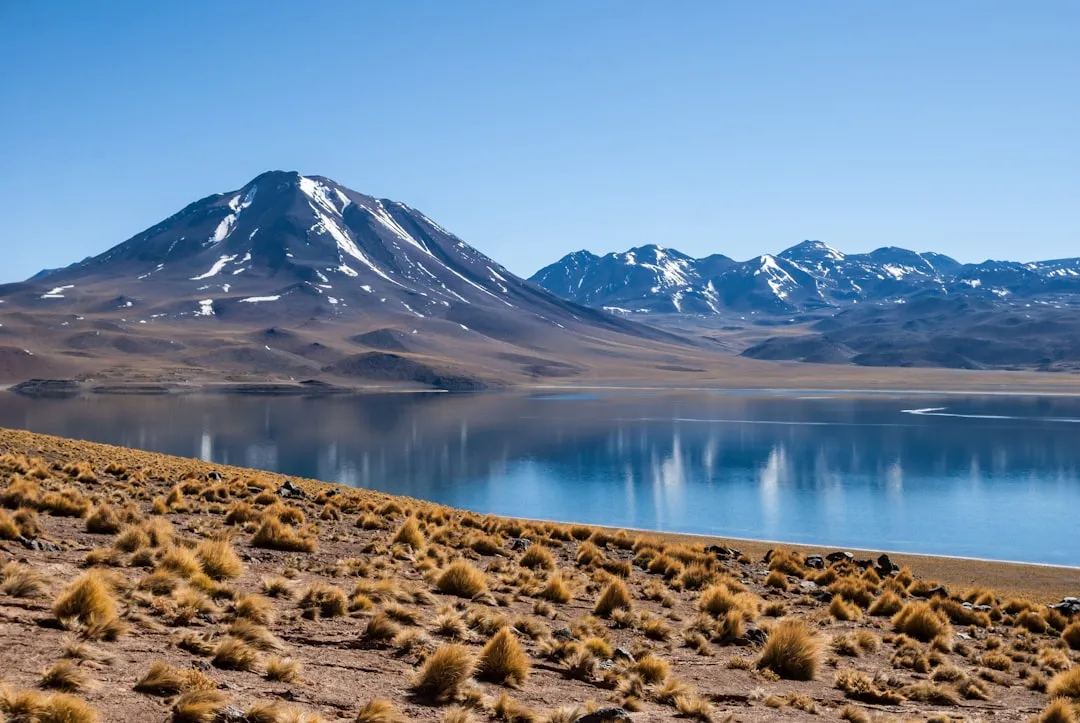
Mirador Las Torres - The Iconic View of Torres del Paine
The Mirador Las Torres hike is the quintessential day walk within Torres del Paine National Park, Chile, offering an unparalleled reward for a challenging ascent. This trek leads to the base of the park's most famous granite spires – the Torres del Paine – a breathtaking spectacle of sheer rock faces rising dramatically from a glacial lake. The trail winds through diverse Patagonian landscapes, from open grasslands and beech forests to rugged moraines, culminating in a steep, rocky climb to the iconic viewpoint. It is a journey that tests endurance but delivers an unforgettable visual payoff, making it a must-do for any visitor to this UNESCO World Biosphere Reserve.
- Distance: 19.6 km return
- Duration: 8–10 hours
- Season: October to April (best weather, but can be unpredictable)
- Trailhead: Hotel Las Torres / Estancia Cerro Paine
- Highest point: Approximately 870 m (at the viewpoint)
- Elevation gain: 928 m
- Difficulty: Challenging
- Access: Requires park entrance fee and transport to trailhead
Overview
The Mirador Las Torres trail is a demanding yet immensely rewarding day hike that forms the heart of many visitors' experiences in Torres del Paine National Park. This route is renowned for its direct approach to the base of the park's namesake granite towers, the "Torres del Paine." The journey begins at the Estancia Cerro Paine, near Hotel Las Torres, and follows a path that gradually ascends through varied terrain. Initially, the trail meanders through rolling grasslands and alongside the Rio Ascencio, offering glimpses of the surrounding mountains and the vast Patagonian steppe. As the elevation increases, the landscape transitions into dense, ancient lenga (southern beech) forests, providing welcome shade and a sense of immersion in the wild Patagonian ecosystem. The air here is often crisp, carrying the scent of damp earth and pine.
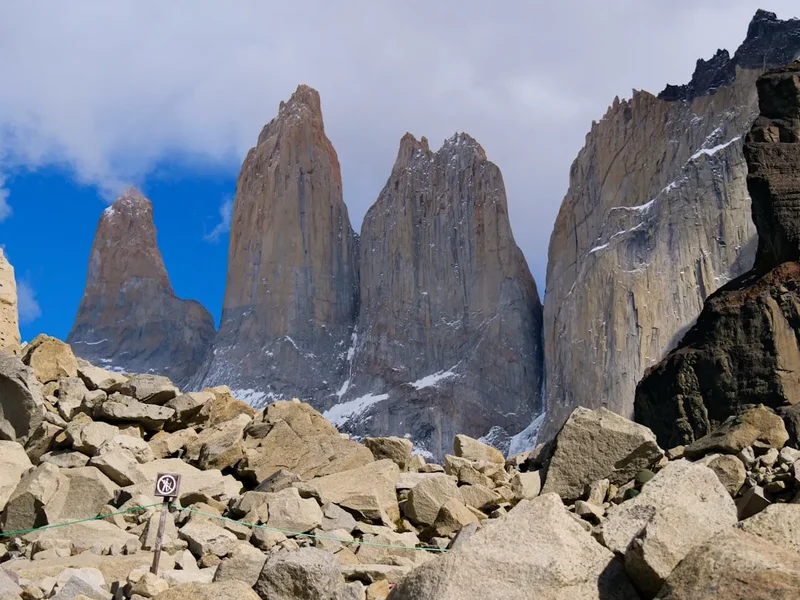
The most challenging section of the hike is the final ascent. After traversing a glacial moraine, the path becomes a steep, rocky scramble. This final push requires careful footing and considerable effort, but the anticipation of the view ahead fuels the determination. Upon reaching the Mirador, the reward is immediate and profound: the three colossal granite spires of the Torres del Paine—Torre Sur (2,800 m), Torre Central (2,700 m), and Torre Norte (2,600 m)—stand sentinel against the sky. Below them lies the turquoise, ice-strewn Laguna de los Tres, a glacial lake that perfectly mirrors the imposing peaks on calm days. The sheer scale and raw beauty of this natural amphitheatre are awe-inspiring, offering a powerful connection to the wild forces that shaped this landscape.
The weather in Torres del Paine is notoriously fickle, and the Mirador Las Torres hike is no exception. Visitors can experience all four seasons in a single day, from brilliant sunshine and calm winds to driving rain, sleet, and gale-force winds. This unpredictability adds to the adventure but also underscores the importance of thorough preparation and respect for the elements. Despite the challenges, the Mirador Las Torres hike remains one of the most iconic and sought-after trekking experiences in South America, a true testament to the grandeur of Patagonia.
History and Cultural Context
The region now known as Torres del Paine National Park has a rich history stretching back millennia. Archaeological evidence suggests human presence in the area dating back at least 10,000 years, with indigenous peoples, including the Aonikenk (Tehuelche), utilising the land for hunting and gathering. These nomadic groups traversed the vast Patagonian plains and mountains, their lives intrinsically linked to the natural cycles of the land and its wildlife.
The dramatic granite spires that give the park its name were first documented by European explorers in the late 19th century. The name "Torres del Paine" translates to "Towers of Paine," with "Paine" believed to derive from a Tehuelche word meaning "blue" or "celestial." The first recorded ascent of any of the towers was by Italian mountaineer Guido Monzino in 1958, who successfully summited Torre Central. Other peaks were conquered in subsequent decades by intrepid climbers drawn to the challenge of these formidable rock formations.
The establishment of the park itself was a significant step in preserving this unique environment. In 1959, the area was designated as a national park, initially named Parque Nacional de Turismo Lago Grey. It was later expanded and renamed Parque Nacional Torres del Paine in 1970. The park's creation was driven by a desire to protect its exceptional natural beauty, unique ecosystems, and the geological wonders that attract visitors from around the globe. The Estancia Cerro Paine, the starting point for the Mirador Las Torres hike, has a history tied to the region's sheep farming past, with the land having been a working estancia before its integration into the national park system. Today, the park is a UNESCO World Biosphere Reserve, acknowledging its global importance for conservation and sustainable tourism.
Seasonal Highlights and Weather Reality
The hiking season in Torres del Paine National Park generally runs from October to April, coinciding with the Southern Hemisphere's spring, summer, and autumn. This period offers the most favourable weather conditions, though "favourable" in Patagonia is a relative term.
Spring (October–November): This is a time of renewal. Wildflowers begin to bloom, and the landscape awakens after winter. The weather can be highly variable, with a mix of sunny days, strong winds, and occasional snow showers. The park is less crowded than in peak summer, offering a more tranquil experience. Temperatures typically range from 5°C to 15°C.
Summer (December–February): This is the peak tourist season. Days are longer, and there is a higher chance of clearer skies and calmer conditions, though strong winds are still a constant feature. Temperatures can reach up to 20°C on pleasant days, but can also drop significantly, especially at higher elevations or during inclement weather. Sandflies can be present, particularly in sheltered, damp areas, though they are generally less of an issue on exposed, windy trails like the Mirador Las Torres.
Autumn (March–April): The park transforms into a spectacle of colour as the lenga forests turn vibrant shades of red, orange, and yellow. The crowds begin to thin, and the air becomes crisp and cool. While the weather can be more unpredictable, with a higher chance of rain and early snow, the autumn colours offer a unique photographic opportunity. Temperatures range from 5°C to 12°C.
Winter (May–September): The park experiences harsh winter conditions with heavy snowfall, freezing temperatures, and strong winds. Many facilities, including some trails and accommodations, may be closed. While experienced winter mountaineers might attempt certain routes, the Mirador Las Torres hike is generally not recommended or accessible during this period due to extreme weather and snow cover. Temperatures can drop well below freezing.
Regardless of the season, visitors should always be prepared for rapid weather changes. The "Patagonian wind" is a significant factor, capable of reaching gale-force speeds and significantly impacting hiking conditions and safety.
Recommended Itinerary
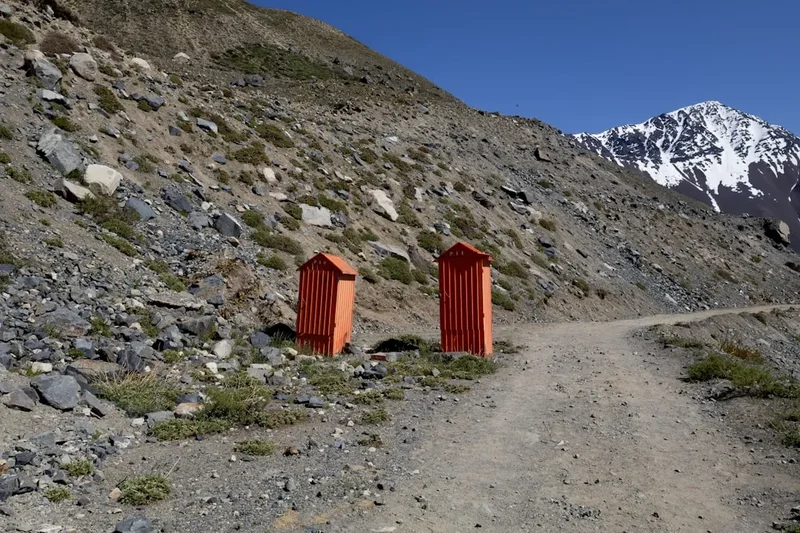
Mirador Las Torres Day Hike Itinerary
Early Morning (Approx. 7:00 AM - 8:00 AM): Departure from Puerto Natales / Accommodation
- Begin your journey from Puerto Natales or your accommodation within the park.
- If travelling from Puerto Natales, this involves a bus journey of approximately 2 hours to the park entrance (Laguna Amarga).
- From Laguna Amarga, a shuttle bus or taxi is required to reach the trailhead at Hotel Las Torres / Estancia Cerro Paine.
- Ensure you have purchased your park entrance ticket online in advance.
Morning (Approx. 9:00 AM - 12:00 PM): Trailhead to Refugio Chileno
- Start the hike from the Estancia Cerro Paine area, near Hotel Las Torres.
- The initial section follows a well-maintained path through open grasslands and alongside the Rio Ascencio.
- The trail gradually ascends, offering expansive views of the surrounding valleys and mountains.
- Enter the lenga (southern beech) forest, which provides shade and a change in scenery.
- The path becomes steeper as you approach Refugio Chileno, a common stopping point for lunch or a short break.
- Distance covered: Approximately 7 km.
- Elevation gain: Approximately 400 m.
- Estimated time: 2.5–3 hours.
Midday (Approx. 12:00 PM - 2:00 PM): Refugio Chileno to the Moraine
- Continue the ascent from Refugio Chileno.
- The terrain becomes more rugged and challenging, transitioning into a rocky moraine field.
- This section requires careful footing and is the most physically demanding part of the hike.
- The path is less defined in places, following cairns and the general direction of the ascent.
- Distance covered: Approximately 2.8 km.
- Elevation gain: Approximately 300 m.
- Estimated time: 1.5–2 hours.
Afternoon (Approx. 2:00 PM - 3:00 PM): Arrival at Mirador Las Torres
- Reach the final viewpoint overlooking Laguna de los Tres and the iconic Torres del Paine.
- Spend time admiring the spectacular granite spires and the glacial lake.
- Take photographs and enjoy the immense scale of the landscape.
- Be prepared for strong winds and potentially cold temperatures, even on a sunny day.
- Distance covered: Approximately 0.8 km.
- Elevation gain: Approximately 170 m.
- Estimated time: 1 hour (for viewing and rest).
Late Afternoon (Approx. 3:00 PM - 6:00 PM): Descent to Refugio Chileno
- Begin the descent back down the moraine and through the lenga forest.
- The descent can be as challenging as the ascent, requiring concentration to avoid slips.
- Return to Refugio Chileno for a brief rest or snack.
- Distance covered: Approximately 10.6 km.
- Elevation loss: Approximately 700 m.
- Estimated time: 2.5–3 hours.
Evening (Approx. 6:00 PM - 8:00 PM): Refugio Chileno to Trailhead / Return Transport
- Complete the final section of the hike back to the trailhead at Hotel Las Torres / Estancia Cerro Paine.
- Catch your pre-arranged shuttle bus or taxi back to Laguna Amarga.
- From Laguna Amarga, take your bus back to Puerto Natales or your accommodation.
- Distance covered: Approximately 7 km.
- Elevation loss: Approximately 400 m.
- Estimated time: 1.5–2 hours.
Important Notes:
- This is a challenging day hike requiring good physical fitness.
- Start early to allow ample time and avoid hiking in the dark.
- Carry plenty of water and high-energy snacks.
- Weather can change rapidly; be prepared for all conditions.
- Wear sturdy, broken-in hiking boots.
- Trekking poles are highly recommended for the steep ascents and descents.
Planning and Bookings
Book Your Trip
Everything you need to plan your journey
Accommodation
Find places to stay near Puerto Natales
Flights
Search flights to Puerto Natales
Essential Preparation
The Mirador Las Torres hike, while a day walk, requires significant planning to ensure a safe and enjoyable experience. The primary logistical challenge is accessing the trailhead and managing your time effectively within the park. Puerto Natales is the main gateway city, offering a range of accommodation, gear rental, and tour operators. From Puerto Natales, you will need to arrange transport to Torres del Paine National Park. This typically involves a bus journey to the park entrance at Laguna Amarga, followed by a shuttle or taxi to the trailhead near Hotel Las Torres. It is crucial to book park entrance tickets and any necessary transport in advance, especially during peak season. Consider staying at least one night in Puerto Natales before and after your hike to acclimatise and allow for flexibility in case of weather delays. Within the park, accommodation options range from hotels and refugios (mountain huts) to campsites, but for this day hike, your base will likely be outside the immediate trailhead area.
Trail Accommodation
This is a day hike requiring no overnight accommodation on the trail itself. However, there are facilities available for hikers:
- Refugio Chileno: Located approximately halfway to the Mirador Las Torres, this refugio offers basic accommodation (dormitory-style bunks) and a restaurant. It is an excellent place to stop for lunch or a break. Booking is essential if you plan to stay overnight or eat there.
- Camping: Campsites are available near Refugio Chileno and at the trailhead (near Hotel Las Torres). These require advance booking.
- Hotels: Hotel Las Torres is located at the trailhead and offers more comfortable, albeit expensive, accommodation.
For the Mirador Las Torres day hike, you will not require overnight accommodation on the trail. However, booking a meal or a break at Refugio Chileno in advance is advisable if you plan to use its services.
Required Gear
- Hiking Boots: Sturdy, waterproof, and well-broken-in hiking boots with good ankle support are essential for navigating the varied and often uneven terrain, especially the rocky moraine.
- Waterproof Jacket: A high-quality, waterproof and windproof jacket (e.g., Gore-Tex) is non-negotiable. Patagonian weather can change in an instant, bringing rain, sleet, and strong winds.
- Waterproof Overtrousers: Essential for staying dry and comfortable during rain showers.
- Warm Layers: Multiple layers of synthetic or merino wool clothing are recommended. Include a fleece or insulated jacket as a mid-layer and a thermal base layer.
- Hat and Gloves: A warm hat (beanie) and gloves are crucial, as temperatures can drop significantly, especially at higher elevations and in windy conditions.
- Backpack: A comfortable daypack (25-35 litres) to carry your essentials, including water, food, extra layers, and safety equipment. A rain cover for the pack is also recommended.
- Sun Protection: Sunglasses, sunscreen (SPF 30+), and a wide-brimmed hat are important, as the sun can be intense, especially at altitude and reflected off snow or ice.
- Head Torch: With spare batteries, in case of unexpected delays or if you start before dawn or finish after dusk.
- First-Aid Kit: Including blister treatment, pain relievers, antiseptic wipes, bandages, and any personal medications.
What to Bring
- Food: High-energy snacks such as nuts, dried fruit, energy bars, and sandwiches. Pack more than you think you'll need, as this is a long and demanding hike.
- Water: Carry at least 2-3 litres of water per person. There are streams along the route, but it is advisable to treat water from natural sources using a filter or purification tablets, or to carry all your water from the start.
- Trekking Poles: Highly recommended for stability on the steep, rocky sections, both for ascent and descent. They help reduce strain on your knees.
- Navigation: While the trail is generally well-marked, a map of the park and a compass or GPS device are advisable, especially if weather conditions reduce visibility. A downloaded offline map on your phone is also useful.
- Camera: To capture the stunning scenery. Ensure it is protected from the elements.
- Toilet Paper and Hand Sanitiser: For use in emergencies, as facilities are limited.
- Small Bin Bag: To pack out all your rubbish.
- Identification and Park Pass: Keep your identification and park entrance ticket readily accessible.
- Cash: Some vendors or shuttle services may prefer cash.
Permits
To hike the Mirador Las Torres trail, you must obtain a Torres del Paine National Park entrance ticket. This ticket is mandatory for all visitors and must be purchased online in advance of your visit. The park operates on a system of timed entry and capacity limits to manage visitor numbers and protect the environment. It is highly recommended to book your park entrance ticket several weeks, or even months, in advance, especially if you plan to visit during the peak season (December to February).
Booking Process:
- Visit the official CONAF (Corporación Nacional Forestal) website or the designated ticketing platform for Torres del Paine National Park.
- Select your desired entry date and the sector you intend to visit (e.g., Laguna Amarga entrance for the Mirador Las Torres trailhead).
- Choose the number of visitors and complete the payment.
- You will receive an electronic confirmation that serves as your entry ticket. Print a copy or have it accessible on your mobile device.
Park Entrance Fees:
- Fees vary depending on nationality and age. As of recent information, fees for international adults are approximately CLP 35,000 (Chilean Pesos) for a single day entry.
- It is essential to check the official CONAF website for the most up-to-date fee structure and booking procedures.
Additional Bookings:
- If you plan to stay at Refugio Chileno or any of the campsites, these also require separate advance bookings through the respective concessionaire (e.g., Fantástico Sur or Vertice Patagonia, depending on the location).
- Shuttle services from Laguna Amarga to the trailhead also often require advance booking, especially during peak times.
Important Considerations:
- Do not attempt to enter the park without a pre-booked ticket.
- Be aware of the park's opening and closing times.
- Familiarise yourself with the park's regulations regarding waste disposal, fire safety, and wildlife interaction.
Other Activities in the Area
Torres del Paine National Park and its surroundings offer a wealth of activities for visitors:
- W Trek: The famous multi-day trek that covers the park's most iconic highlights, including the Mirador Las Torres, Valle del Francés, and Grey Glacier. This requires multiple days and overnight stays in refugios or campsites.
- O Circuit: A longer, more challenging trek that circumnavigates the entire Paine Massif, including the backside of the park.
- Valle del Francés Hike: A spectacular day hike offering panoramic views of the Paine Massif and the French Valley. It can be combined with other sections of the W Trek.
- Grey Glacier Excursion: Boat trips or kayaking tours to witness the immense Grey Glacier, a massive ice flow calving into Lago Grey.
- Laguna Azul: A beautiful, less-visited lake on the eastern side of the park, offering stunning views of the Torres and opportunities for wildlife spotting, including guanacos and diverse birdlife.
- Wildlife Spotting: The park is home to a variety of wildlife, including guanacos, rheas, condors, foxes, and if you are very fortunate, the elusive puma.
- Horseback Riding: Estancias surrounding the park offer horseback riding tours, providing a traditional Patagonian experience and a different perspective on the landscape.
- Kayaking and Boat Tours: Explore the park's lakes and fjords, such as Lago Grey or Lago Pehoé, for unique views of glaciers and mountains.
- Photography Tours: Guided tours focused on capturing the dramatic landscapes and wildlife of Torres del Paine.
Safety and Conditions
Weather Preparedness: The most significant safety concern in Torres del Paine is the unpredictable and often extreme weather. Always check the weather forecast before setting out and be prepared for rapid changes. This includes carrying waterproof and windproof gear, warm layers, and sun protection. The Patagonian wind can be incredibly strong, making exposed sections of the trail hazardous. Hypothermia is a risk, even in summer, if you become wet and cold.
Trail Conditions: The Mirador Las Torres trail is generally well-maintained, but the final ascent is a steep, rocky scramble over a moraine. This section requires careful footing, and there is a risk of slips and falls. Trekking poles are highly recommended to aid stability and reduce impact on your knees during the descent.
Physical Fitness: This is a challenging hike with significant elevation gain. Ensure you have a good level of physical fitness and are accustomed to hiking for extended periods (8-10 hours) over difficult terrain. Start early to allow ample time to complete the hike before dark.
Water and Food: Carry sufficient water and high-energy food. While streams are present, it is advisable to treat water from natural sources. Dehydration and lack of energy can significantly impair judgment and physical performance.
Navigation: While the main trail is usually clear, visibility can be severely reduced in fog or bad weather. Carry a map and compass, or a GPS device, and know how to use them. Inform someone of your hiking plans, including your intended route and expected return time.
Wildlife: Maintain a safe distance from all wildlife. Do not feed animals, as this can harm their health and alter their natural behaviour. Be aware of potential encounters with pumas, though sightings are rare and they generally avoid humans.
Emergency Contacts: Know the emergency contact numbers for the park rangers and local authorities. Consider carrying a personal locator beacon (PLB) for remote areas, although mobile phone signal is often available in parts of the park.
Park Regulations: Adhere to all park regulations, including staying on marked trails, proper waste disposal, and fire restrictions. These are in place for your safety and the preservation of the park's environment.
Side Trips and Points of Interest
Laguna de los Tres: The primary destination of this hike, the glacial lake at the base of the Torres del Paine. Its vibrant turquoise colour, often dotted with icebergs calved from unseen glaciers, provides a stunning foreground to the granite spires. The sheer scale of the lake and the towering peaks creates a dramatic and unforgettable vista.
Torres del Paine Spires: The iconic granite towers themselves are the main attraction. These colossal rock formations, sculpted by glacial erosion and tectonic uplift, rise dramatically from the surrounding landscape. Their sheer faces and jagged peaks are a testament to the raw power of nature.
Refugio Chileno: While a functional stop, the area around Refugio Chileno offers beautiful views of the Ascencio Valley and the surrounding lenga forests. It's a good place to pause and appreciate the transition in landscape as you gain elevation.
Lenga Forests: The ancient lenga (southern beech) forests encountered on the trail are a significant point of interest. In autumn, these forests transform into a riot of colour, offering spectacular photographic opportunities. The dense canopy and moss-covered trees create a unique, almost primeval atmosphere.
Moraine Field: The final ascent involves traversing a steep moraine—a jumble of rocks and debris left by a retreating glacier. This rugged terrain is a direct reminder of the powerful glacial forces that shaped the park and offers a challenging but rewarding final push to the viewpoint.
Ascencio Valley: The valley through which the trail ascends offers continuous, evolving views of the Patagonian landscape. From open grasslands to dense forest, the valley provides a diverse and scenic approach to the higher reaches of the park.
Leave No Trace
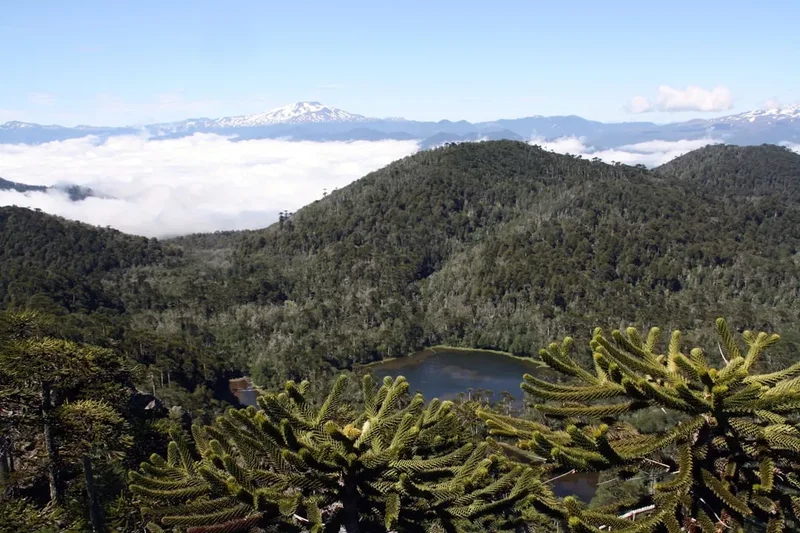
The Mirador Las Torres hike, like all trails within Torres del Paine National Park, is a fragile environment that requires visitors to practice Leave No Trace principles. The park's popularity means that even well-trodden paths can suffer from overuse if not managed responsibly. By adhering to these guidelines, you help preserve the natural beauty and ecological integrity of this World Biosphere Reserve for future generations.
Plan Ahead and Prepare: Research the trail, weather conditions, and park regulations before your visit. Pack appropriately for all possible weather scenarios. Ensure you have purchased your park entrance ticket and any necessary transport or accommodation bookings in advance.
Travel and Camp on Durable Surfaces: Stick to marked trails at all times. The vegetation, especially mosses and small plants, is delicate and can take years to recover if trampled. The moraine section is a natural durable surface, but avoid straying from the established path.
Dispose of Waste Properly: Pack out everything you pack in. This includes all food scraps, wrappers, and any other litter. There are no bins on the trail; you must carry all your rubbish back with you to be disposed of responsibly. Use designated toilet facilities where available, and if caught short, dig a cathole at least 60 metres away from water sources, trails, and campsites.
Leave What You Find: Do not remove any natural objects, such as rocks, plants, or flowers. Take only photographs and memories.
Minimize Campfire Impacts: Campfires are generally prohibited in Torres del Paine National Park. Use a portable stove for cooking. If fires are permitted in specific designated areas (check park regulations), use existing fire rings and ensure fires are completely extinguished before leaving.
Respect Wildlife: Observe wildlife from a distance. Never feed animals, as this can disrupt their natural behaviours and diets, and can be harmful to their health. Store food securely to prevent attracting animals.
Be Considerate of Other Visitors: Keep noise levels down, especially in natural settings. Yield to other hikers on narrow trails. Allow others to enjoy the peace and solitude of the park.
Useful Links
- Torres del Paine National Park - Mirador Las Torres (ASP)
- CONAF - Torres del Paine National Park (Official Information)
- Torres del Paine Park Entrance Tickets
- Fantástico Sur (Refugios and Campsites)
- Vertice Patagonia (Refugios and Campsites)
- MeteoChile - Regional Weather Forecast
- Ruta de los Parques - Torres del Paine
 Chile
Chile