
Mirador Cuernos Hike
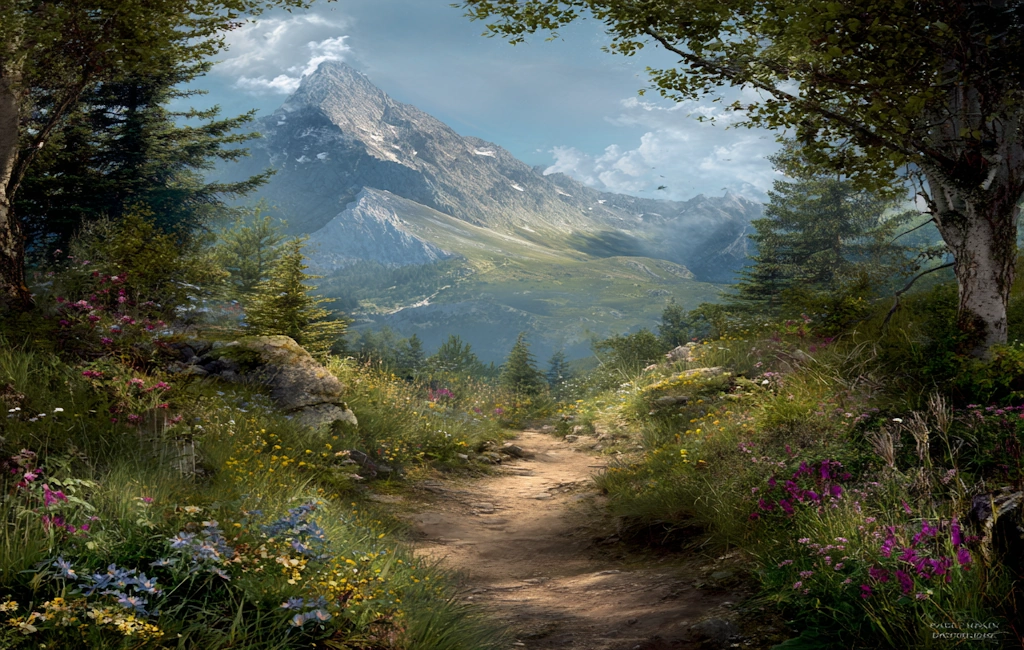
The Mirador Cuernos Hike is a spectacular day walk located within Chile's iconic Torres del Paine National Park. This trail offers unparalleled views of the park's most famous landmarks: the dramatic granite spires of Los Cuernos (The Horns) and the vibrant turquoise waters of Lake Nordenskjöld. It's a moderately challenging route that rewards hikers with breathtaking vistas, making it a must-do for any visitor to Patagonia. The hike is renowned for its accessibility, allowing day visitors to experience the raw beauty of the Paine Massif without the commitment of multi-day trekking.
- Category: Day Walk
- Distance: 11.0 km (return)
- Elevation Gain: 600 m
- Duration: 5-6 hours
- Difficulty: Moderate
- Best Time: October to April (Spring to Autumn)
- Closest City: Puerto Natales
- Trailhead Access: Nearest airport: Puerto Natales (PNT). From Puerto Natales, take a bus to Pudeto (2.5 hours). Then, take the catamaran across Pehoé Lake to the trailhead (30 min). Road conditions are good to Pudeto. Check catamaran schedule. Park fees apply. No registration at trailhead.
- Coordinates: -50.9667, -72.9667
Overview
The Mirador Cuernos Hike is a quintessential Patagonian experience, offering a concentrated dose of the dramatic landscapes that define Torres del Paine National Park. The trail begins near the Salto Grande waterfall, a powerful cascade where the waters of Lake Nordenskjöld plunge into the Skottsberg River. From here, the path ascends steadily, gradually revealing increasingly spectacular panoramas of the Paine Massif. The most prominent features are Los Cuernos, a trio of imposing granite peaks that dominate the skyline, their jagged silhouettes a photographer's dream. The trail winds through a diverse environment, from open, windswept plains dotted with hardy Patagonian shrubs to more sheltered sections of Lenga forest, which provide welcome shade and a different ecological perspective.
As you climb, the views open up to encompass the vast expanse of Lake Nordenskjöld, its glacial waters a striking shade of turquoise that contrasts sharply with the surrounding grey rock and green vegetation. The trail is well-maintained but can be steep and rocky in places, requiring sturdy footwear and a reasonable level of fitness. The summit viewpoint, known as Mirador Cuernos, provides an unobstructed, awe-inspiring perspective of Los Cuernos, the lake, and the surrounding valleys. It's a place where the sheer scale and raw beauty of the Patagonian wilderness truly sink in. The return journey offers a different light on the landscape, often providing new photographic opportunities as the sun shifts across the peaks.
This hike is popular due to its relatively short duration and the immense visual reward. It’s an ideal option for those who have limited time in the park or prefer day hikes over multi-day treks. The accessibility via the Pudeto catamaran further enhances its appeal, making it a feasible excursion for many visitors. However, it's crucial to be prepared for Patagonian weather, which can change with extreme rapidity, bringing sunshine, rain, wind, and even snow within a single day.
History and Cultural Context
The region encompassing Torres del Paine National Park has a rich history, shaped by indigenous peoples, early explorers, and later, by conservation efforts. For centuries, the area was inhabited by nomadic indigenous groups, including the Aonikenk (Southern Tehuelche), who traversed these lands hunting guanacos and rheas. Their presence is a testament to the resilience and adaptability of human life in this challenging environment.
European exploration of Patagonia began in earnest in the 16th century, but the remote and rugged terrain of Torres del Paine remained largely uncharted for centuries. It wasn't until the late 19th and early 20th centuries that explorers and settlers began to venture into the area more systematically. The dramatic granite peaks, which give the park its name, were first scaled by European mountaineers in the mid-20th century, solidifying their status as iconic natural landmarks.
The establishment of the park itself is a story of conservation. Initially, the land was part of a large estancia (ranch). In 1959, the Chilean government declared the area a national park to protect its unique flora and fauna and its spectacular geological formations. The park has since grown significantly and is now a UNESCO Biosphere Reserve, recognised for its outstanding natural beauty and ecological importance. The Mirador Cuernos trail, like many in the park, follows routes that were likely used by early inhabitants and later by ranchers, now formalised and maintained for public access. The trail's development reflects a balance between preserving the wilderness and allowing visitors to experience its grandeur.
Seasonal Highlights and Weather Reality
The best time to undertake the Mirador Cuernos Hike is during the Patagonian spring, summer, and early autumn, which runs from October to April. This period offers the most favourable weather conditions, with longer daylight hours and generally milder temperatures.
Spring (October–November): The landscape begins to awaken after winter. Wildflowers start to bloom, adding splashes of colour to the steppe. Temperatures are cool, and there's a higher chance of rain and wind. Snow can still be present at higher elevations, though the main trail is usually clear. Wildlife, including guanacos and condors, becomes more active.
Summer (December–February): This is the peak tourist season. Days are longest, and temperatures are at their warmest, typically ranging from 10°C to 20°C. However, summer also brings the strongest winds, which are a defining characteristic of Patagonia. Sandflies can be present, especially near water sources, though they are generally less of a nuisance than in some other Patagonian locations. The park is busiest during these months, so expect more fellow hikers on the trail.
Autumn (March–April): The park transforms into a spectacle of autumnal colours, with the Lenga forests turning vibrant shades of red, orange, and yellow. The crowds begin to thin, and the winds may lessen slightly. Temperatures start to drop, and frost becomes more common, especially in the mornings and evenings. The light is often softer and more dramatic, making it a favourite time for photographers.
Winter (May–September): While the park remains open, the Mirador Cuernos trail is generally not recommended for casual day hikers during winter. Many services, including the catamaran, operate on a reduced schedule or are closed. Snowfall can make the trail impassable, and extreme cold, high winds, and short daylight hours pose significant safety risks. Only experienced winter hikers with appropriate gear and knowledge should consider attempting this hike during the winter months.
Regardless of the season, always be prepared for rapidly changing weather. Patagonian conditions are notoriously unpredictable, and it's not uncommon to experience all four seasons in a single day.
Recommended Itinerary
Mirador Cuernos Hike - Day Walk Itinerary
Early Morning: Travel to Pudeto
- Depart from Puerto Natales by bus (approx. 2.5 hours).
- Ensure you have checked the catamaran schedule in advance and plan your bus departure accordingly.
- The bus journey offers initial glimpses of the Patagonian steppe and distant mountains.
Morning: Catamaran to Trailhead
- Arrive at Pudeto, the main entry point for the western side of the park.
- Board the catamaran for a scenic 30-minute crossing of Lake Pehoé.
- Enjoy stunning views of the Paine Massif from the water as you approach the Paine Grande sector.
- Disembark at the Paine Grande dock or the closest stop to the Salto Grande waterfall access point.
Late Morning: Start of the Hike (Salto Grande to Mirador Cuernos)
- From the catamaran drop-off point, follow signs towards Salto Grande waterfall.
- Spend a few minutes admiring the powerful cascade and the turquoise waters of Lake Nordenskjöld.
- Begin the ascent towards Mirador Cuernos. The trail starts relatively flat but soon begins to climb.
- The path is well-marked, but can be rocky and uneven in sections.
- Pass through open terrain with views of the surrounding steppe and distant mountains.
- As you gain elevation, the iconic peaks of Los Cuernos become increasingly prominent.
Midday: Reaching Mirador Cuernos
- Arrive at Mirador Cuernos, the primary viewpoint.
- Spend ample time here to soak in the panoramic views of Los Cuernos, Lake Nordenskjöld, and the surrounding valleys.
- This is an excellent spot for lunch and photography. Be mindful of the wind, which can be strong at this exposed location.
- Observe the changing light on the granite spires and the vibrant colours of the lake.
Afternoon: Descent and Return
- Begin the descent back towards the Salto Grande area.
- The descent can be as challenging as the ascent, so take care with your footing.
- Enjoy the changing perspectives of the landscape as you retrace your steps.
- Once back near Salto Grande, allow time for a final look at the waterfall.
- Proceed back to the catamaran departure point at Pudeto.
- Board the catamaran for the return journey across Lake Pehoé to Pudeto.
- From Pudeto, catch your pre-booked bus back to Puerto Natales.
Important Notes:
- Check the catamaran schedule in advance and book your return trip.
- Park entrance fees are required.
- Carry sufficient water and snacks, as there are no facilities on the trail.
- Be prepared for all types of weather.
- Wear sturdy, broken-in hiking boots.
Planning and Bookings
Book Your Trip
Everything you need to plan your journey
Accommodation
Find places to stay near Puerto Natales
Flights
Search flights to Puerto Natales
Essential Preparation
Planning your visit to Torres del Paine National Park, including the Mirador Cuernos Hike, requires attention to detail, especially regarding transport and park entry. The closest major city and logistical hub is Puerto Natales. From Puerto Natales, the primary access to the park is via bus. Buses run regularly to the park entrance and to various points within the park, including Pudeto, which is the departure point for the catamaran to the trailhead.
Transport Logistics:
- Airport: The nearest airport is Puerto Natales (PNT), which has limited flights, primarily from Santiago. Alternatively, fly into Punta Arenas (PUQ) and take a bus to Puerto Natales (approx. 3 hours).
- Bus to Pudeto: Buses from Puerto Natales to Pudeto take approximately 2.5 hours. It is essential to book these bus tickets in advance, especially during peak season.
- Catamaran: The catamaran service across Lake Pehoé from Pudeto to Paine Grande (or vice versa) is crucial for accessing the Mirador Cuernos trailhead. Check the operating schedule and book your tickets in advance, as capacity is limited. The crossing takes about 30 minutes and offers stunning views.
- Park Entrance Fees: A national park entrance fee is required for all visitors. This can often be purchased online in advance or at designated entry points.
Accommodation: While the Mirador Cuernos is a day hike, if you are staying in the park or in Puerto Natales, book accommodation well in advance. Options range from campsites and refugios within the park to hotels and hostels in Puerto Natales.
Fitness: The hike is rated as moderate. It involves a significant elevation gain of 600 metres over a relatively short distance. A good level of cardiovascular fitness and leg strength is recommended. Practice walking on uneven terrain and inclines before your trip.
Trail Accommodation
This is a day hike requiring no overnight accommodation.
Required Gear
- Hiking Boots: Sturdy, waterproof, and well-broken-in hiking boots with good ankle support are essential for navigating the rocky and uneven terrain.
- Waterproof Jacket and Trousers: Patagonia's weather is notoriously unpredictable. A high-quality waterproof and windproof jacket and trousers are non-negotiable.
- Layered Clothing: Pack synthetic or merino wool base layers, an insulating mid-layer (fleece or down jacket), and an outer shell. Avoid cotton, as it retains moisture and can lead to hypothermia.
- Hat and Gloves: A warm hat and gloves are necessary, even in summer, due to strong winds and potential temperature drops.
- Backpack: A comfortable daypack (20-30 litres) to carry essentials, including water, snacks, extra layers, and safety equipment.
- Navigation: While the trail is generally well-marked, a map of the park and a compass or GPS device are recommended, especially if visibility is poor. A downloaded offline map on your phone is also useful.
- Sun Protection: Sunglasses, sunscreen (SPF 30+), and a wide-brimmed hat are important, as the sun can be intense, especially at higher altitudes and with the reflection off snow or water.
- First-Aid Kit: A basic first-aid kit including blister treatment, pain relievers, antiseptic wipes, and any personal medications.
What to Bring
- Water: Carry at least 1.5-2 litres of water per person. There are no reliable water sources on the trail for refilling, and stream water should be treated.
- Food: Pack plenty of high-energy snacks and a packed lunch. Options include sandwiches, trail mix, energy bars, fruit, and nuts.
- Water Treatment: A water filter or purification tablets are recommended if you plan to refill from streams, though it's safer to carry all your water for this day hike.
- Toiletries: Biodegradable toilet paper and a small trowel for emergencies (pack out all used toilet paper), hand sanitiser.
- Camera: To capture the incredible scenery.
- Binoculars: For spotting wildlife and distant features.
- Trekking Poles: Highly recommended for the steep ascents and descents, they can significantly reduce strain on your knees.
- Headlamp: Essential in case of unexpected delays, as daylight hours can be short outside of peak summer.
- Cash: For any small purchases or in case card facilities are unavailable (e.g., some souvenir shops or smaller vendors).
Permits
For the Mirador Cuernos Hike, the primary "permit" requirement is the Torres del Paine National Park entrance fee. This fee grants access to the park for a specified period (usually one or multiple days). It is highly recommended to purchase your park entrance fee online in advance through the CONAF (Corporación Nacional Forestal) website or the official park ticketing platform. This saves time upon arrival and guarantees entry, especially during peak season when queues can be long.
Park Entrance Fees (subject to change):
- Foreign Visitors: Approximately CLP 35,000 for a 3-day pass or CLP 45,000 for a 7-day pass.
- Chilean Residents: Lower rates apply.
- Children: Reduced rates are often available for children.
It is crucial to check the official CONAF website for the most up-to-date information on fees, purchasing methods, and any specific booking requirements for the park entrance.
Catamaran Tickets: While not a permit, booking your catamaran tickets across Lake Pehoé in advance is essential. These tickets are sold separately by the operating company (e.g., Las Torres Patagonia or similar). Availability can be limited, particularly during peak season, and missing the catamaran can significantly disrupt your plans.
No Registration at Trailhead: Unlike some multi-day treks, the Mirador Cuernos Hike does not require specific registration at the trailhead itself. Your park entrance fee covers your access. However, it is always wise to inform someone of your hiking plans, including your intended route and expected return time.
Other Activities in the Area
Torres del Paine National Park offers a wealth of activities beyond the Mirador Cuernos Hike, catering to various interests and fitness levels:
- Base of the Towers Trek (Mirador Las Torres): The park's most famous hike, a challenging full-day trek to the iconic granite towers. This is a strenuous 18-20 km round trip with significant elevation gain.
- French Valley Trek (Valle Francés): A spectacular hike through a glacial valley, offering incredible views of hanging glaciers, granite walls, and the Paine Grande massif. This can be done as a day trip or as part of a multi-day circuit.
- Grey Glacier Viewpoint: Accessible via a boat trip on Lake Grey or a hike from Paine Grande, this viewpoint offers stunning vistas of the massive Grey Glacier, with icebergs often floating in the lake.
- Shorter Walks: Numerous shorter, easier walks are available, such as the walk to Salto Grande waterfall itself, or trails around Lake Pehoé and Lake Sarmiento.
- Wildlife Spotting: The park is home to a diverse range of wildlife, including guanacos, rheas, condors, foxes, and if you're very lucky, pumas. Early morning and late afternoon are often the best times for sightings.
- Horseback Riding: Several estancias and tour operators offer guided horseback riding tours, providing a unique way to experience the Patagonian landscape.
- Kayaking: Opportunities exist for kayaking on Lake Grey or other calmer sections of water, offering a different perspective of the glaciers and mountains.
- Photography Tours: Dedicated photography tours can help you capture the best light and angles of the park's dramatic scenery.
Safety and Conditions
Weather Preparedness: The most significant safety consideration in Torres del Paine is the unpredictable and often extreme weather. Winds can reach hurricane force, and conditions can change from sunny to blizzard-like in a matter of minutes. Always check the weather forecast before you set out and be prepared for the worst. Carry adequate layers, including waterproof and windproof outer shells, a warm hat, and gloves.
Trail Conditions: The Mirador Cuernos trail is generally well-maintained but can be steep, rocky, and exposed. Wear sturdy hiking boots with good ankle support. Be cautious on descents, as loose scree can make footing treacherous. In wet or icy conditions, the trail can become slippery.
Navigation: While the trail is usually clearly marked, visibility can be severely reduced by fog or heavy rain. Carry a map and compass, and know how to use them. A GPS device or a reliable offline map app on your smartphone is also highly recommended.
Water: While there are streams and lakes in the park, it is advisable to treat all water before drinking, as it may be contaminated by animal waste. Carrying sufficient water for the entire hike is the safest option.
Wildlife: Maintain a safe distance from all wildlife. Guanacos are generally docile, but wild animals can be unpredictable. Never feed the animals, as this can harm their health and alter their natural behaviour.
Communication: Mobile phone reception is unreliable within the park, especially in remote areas. Consider carrying a personal locator beacon (PLB) or satellite phone for emergencies, particularly if hiking alone or on more remote trails.
Emergency Procedures: Familiarise yourself with emergency contact numbers for park rangers and emergency services. In case of an emergency, stay calm, assess the situation, and seek assistance if possible. If you are injured, stay put and signal for help.
Park Rules: Adhere to all park rules and regulations, including staying on marked trails, not feeding wildlife, and properly disposing of waste. These rules are in place to protect both visitors and the fragile environment.
Side Trips and Points of Interest
Salto Grande Waterfall: Located at the start of the Mirador Cuernos hike, Salto Grande is a powerful and impressive waterfall where the turquoise waters of Lake Nordenskjöld cascade into the Skottsberg River. It's a worthwhile stop even if you're not doing the full hike, offering a dramatic display of nature's force and a beautiful viewpoint.
Lake Nordenskjöld: The vibrant, milky-turquoise colour of Lake Nordenskjöld is a constant companion on this hike. Its striking hue is due to glacial silt suspended in the water. The lake's shores offer numerous small viewpoints and resting spots, perfect for a brief pause to admire the scenery.
Los Cuernos Viewpoints: Beyond the main Mirador Cuernos, the trail offers several other vantage points where the iconic granite spires of Los Cuernos are visible. These smaller, less crowded spots can provide unique photographic angles and a sense of solitude.
Patagonian Steppe Flora: As you ascend, observe the hardy vegetation adapted to the harsh Patagonian climate. Look for low-lying shrubs, grasses, and in spring and summer, small wildflowers that manage to bloom in this challenging environment.
Paine Grande Massif: While Los Cuernos are the primary focus, the broader Paine Grande massif, including the imposing Paine Grande peak itself, forms a dramatic backdrop to the hike. Its sheer scale and ruggedness are awe-inspiring.
Leave No Trace
The Mirador Cuernos Hike, like all trails in Torres del Paine National Park, traverses a fragile ecosystem that requires careful stewardship. Adhering to Leave No Trace principles is paramount to preserving the park's natural beauty and ecological integrity for future generations.
Plan Ahead and Prepare: Research the trail, weather conditions, and park regulations before your visit. Pack appropriate gear and sufficient supplies to avoid needing to forage or rely on the environment. Inform someone of your hiking plans.
Travel and Camp on Durable Surfaces: Stick to marked trails. The vegetation in Patagonia is slow-growing and easily damaged. Avoid creating new paths or walking on fragile plants. For this day hike, the focus is on staying on the established trail.
Dispose of Waste Properly: Pack out everything you pack in. This includes all food scraps, wrappers, and any other litter. Use designated bins where available, but be prepared to carry all waste back with you. Use toilet facilities where provided; if caught short in an emergency, dig a cathole at least 70 metres away from water sources, trails, and campsites, and bury human waste.
Leave What You Find: Do not remove any natural objects, such as rocks, plants, or flowers. Take only photographs and memories.
Minimise Campfire Impacts: Campfires are generally prohibited in Torres del Paine National Park. Use a portable stove for cooking. If fires are permitted in specific designated areas (which is rare for day hike zones), ensure they are contained and fully extinguished.
Respect Wildlife: Observe wildlife from a distance. Never feed animals, as this can disrupt their natural behaviours and diets, and can be harmful to their health. Secure your food properly to prevent attracting animals.
Be Considerate of Other Visitors: Keep noise levels down and yield to other hikers on the trail. Allow others to enjoy the peace and solitude of the natural environment.
 Chile
Chile