
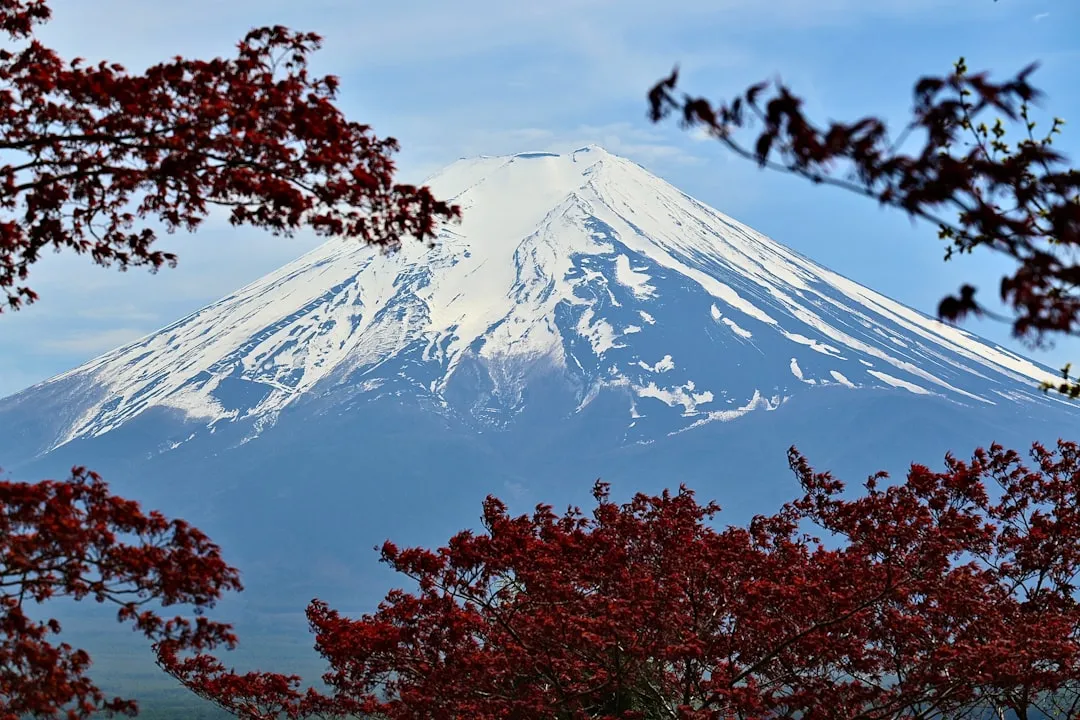
Meiji no Mori Trail
The Meiji no Mori Trail, located within the Meiji no Mori Minō Quasi-National Park, offers a refreshing natural escape just a stone's throw from the bustling metropolis of Osaka. This relatively short but rewarding day walk takes you through a verdant landscape of mature forests, alongside a picturesque river, and culminates at a beautiful waterfall. It's an ideal destination for those seeking a moderate hike with accessible natural beauty, historical significance, and a chance to experience Japan's rich forest culture.
- Distance: 9.0 km one-way
- Duration: 3-4 hours
- Season: Spring and Autumn (April-May, October-November)
- Elevation gain: 400 m
- Difficulty: Moderate
- Closest City: Osaka
- Trailhead Access: Nearest airport: Osaka International (ITM). From Osaka, take the JR Tokaido Line to Takatsuki Station, then a bus to Meiji no Mori Minō Quasi-National Park. Road access available with parking.
- Coordinates: 34.8655, 135.6268
Overview
The Meiji no Mori Trail is a well-maintained path that winds its way through the Minō Quasi-National Park, a protected area renowned for its natural beauty and historical connections. The trail primarily follows the Minō River, a clear, babbling waterway that cascades over a series of rocks and small rapids, creating a soothing natural soundtrack to your walk. The path itself is a mix of paved sections, gravel paths, and some natural forest floor, making it accessible for most fitness levels, though the elevation gain means it's classified as moderate.
As you ascend, the dense canopy of deciduous trees provides ample shade, particularly welcome during warmer months. The park is famous for its vibrant autumn foliage, when the leaves turn brilliant shades of red, orange, and yellow, transforming the landscape into a breathtaking spectacle. Spring also offers a beautiful display of new growth and blooming flowers. The air is crisp and clean, a welcome contrast to the urban environment of Osaka.
The trail's destination is the impressive Minō Waterfall, a 33-metre-high cascade that plunges into a clear pool below. The area around the waterfall is a popular spot for visitors to relax, take photographs, and enjoy the natural scenery. The park also boasts a small museum dedicated to the history and natural environment of the area, adding an educational element to your visit.
This trail is a perfect example of how urban centres in Japan often preserve significant natural areas, allowing residents and visitors alike to easily access and appreciate the country's diverse ecosystems. It's a journey that balances physical activity with sensory enjoyment, offering a peaceful retreat into nature.
History and Cultural Context
The Meiji no Mori Minō Quasi-National Park holds a special place in Japanese history, particularly in relation to the Meiji era (1868–1912). The park was established in 1967, but its designation as a protected area and its name are deeply rooted in the early Meiji period. The name "Meiji no Mori" translates to "Meiji's Forest," honouring Emperor Meiji and his era, a time of significant modernisation and Westernisation in Japan.
During the Meiji period, there was a growing appreciation for nature and the outdoors, and efforts were made to preserve significant natural landscapes. The Minō area, with its scenic beauty and the prominent waterfall, was recognised as a valuable natural asset. The establishment of the park reflects a broader national movement to protect and promote natural environments for public enjoyment and conservation.
Historically, the Minō Waterfall area has been a popular destination for local residents and travellers for centuries. It was a place of natural beauty that inspired poets and artists. The development of the trail and the surrounding park facilities in the 20th century aimed to make this natural wonder more accessible to a wider audience, while still maintaining its pristine character.
The park also has a connection to the development of Japan's railway system. The Hankyu Railway, which still serves the area, played a significant role in making Minō accessible to the public, transforming it from a remote natural spot into a popular day-trip destination from Osaka. This historical context adds another layer of appreciation to the Meiji no Mori Trail, as it represents a harmonious blend of natural preservation, historical significance, and modern accessibility.
Seasonal Highlights and Weather Reality
The Meiji no Mori Trail is a year-round destination, but it truly shines during specific seasons, offering distinct experiences for visitors.
Spring (April-May): This is a beautiful time to visit. The forest awakens with new life, and the trees are adorned with fresh green leaves. Cherry blossoms may still be in bloom in early spring, and various wildflowers begin to appear along the trail. The weather is generally mild and pleasant, making for comfortable hiking conditions. The Minō Waterfall is often at its most powerful due to melting snow and spring rains.
Summer (June-August): Summer in this region can be hot and humid, with a risk of heavy rainfall and typhoons. The dense forest canopy provides good shade, making the trail manageable, but it's essential to stay hydrated and be prepared for rain. The lush greenery is at its peak, and the sound of the river is a constant companion. However, insect activity, including mosquitoes and sandflies, can be high during this period.
Autumn (October-November): This is arguably the most spectacular season for the Meiji no Mori Trail. The deciduous trees transform into a riot of colour, with vibrant reds, oranges, and yellows painting the landscape. The crisp autumn air is perfect for hiking, and the views of the foliage against the backdrop of the waterfall are breathtaking. This is a very popular time for visitors, so expect larger crowds, especially on weekends.
Winter (December-March): Winter offers a quieter, more serene experience. The trees are bare, revealing the underlying structure of the forest and offering different perspectives of the landscape. While colder, the weather is often clear and crisp. Snowfall is possible, though usually not heavy enough to impede the trail significantly. The waterfall may partially freeze, creating unique ice formations. It's a good time for those seeking solitude and a peaceful walk.
Weather Reality: While the seasons offer distinct beauty, it's crucial to be prepared for variable weather. Rainfall is common throughout the year, and temperatures can fluctuate. Always check the local weather forecast before your visit and pack accordingly, including waterproof layers and appropriate footwear.
Recommended Itinerary
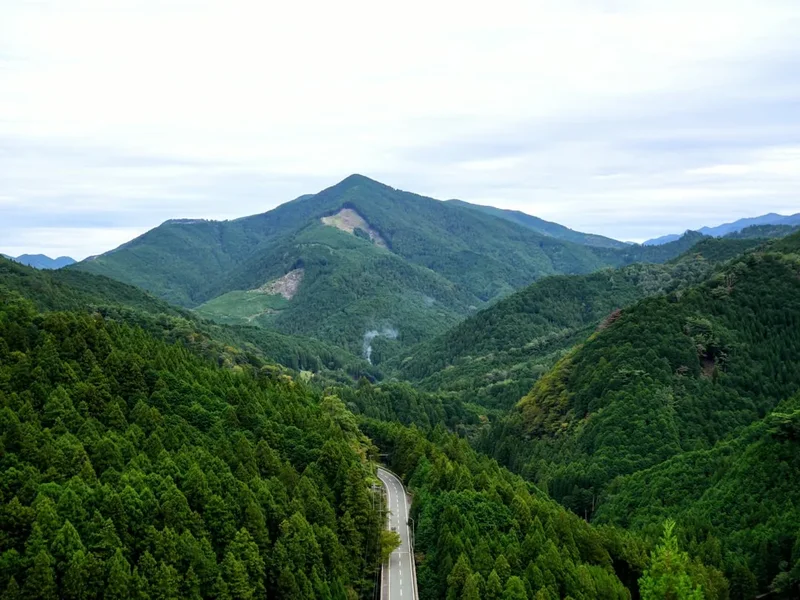
Meiji no Mori Trail Day Walk Itinerary
Early Morning (Approx. 8:00 AM - 9:00 AM): Arrival and Trailhead Start
- Travel from Osaka to Takatsuki Station via JR Tokaido Line (approx. 20-30 minutes).
- From Takatsuki Station, take a local bus (e.g., Hankyu Bus route 19 or 20) towards Meiji no Mori Minō Quasi-National Park. The bus ride takes approximately 30-40 minutes.
- Alight at the "Meiji no Mori Minō" bus stop.
- Begin the walk from the park entrance, following signs towards the Minō River and the waterfall.
- The initial section of the trail is often paved and well-maintained, passing through park facilities and picnic areas.
Morning (Approx. 9:00 AM - 11:00 AM): Ascent along the Minō River
- The trail follows the Minō River upstream.
- Enjoy the sights and sounds of the river, with its clear water, small rapids, and rocky bed.
- Pass by several smaller cascades and scenic viewpoints.
- The path transitions from paved to gravel and natural forest floor.
- Observe the changing vegetation as you gain elevation, with mature trees forming a dense canopy.
- Look out for the small museum and information centre located within the park.
Midday (Approx. 11:00 AM - 12:00 PM): Arrival at Minō Waterfall
- Reach the main attraction: Minō Waterfall (Minō-no-taki).
- Admire the 33-metre-high cascade plunging into the pool below.
- Take photographs and soak in the natural atmosphere.
- There are viewing platforms and resting areas around the waterfall.
- Consider a brief stop at the small shrine located near the waterfall.
Afternoon (Approx. 12:00 PM - 2:00 PM): Return Journey and Departure
- Begin the descent back towards the park entrance.
- The return journey offers a different perspective of the forest and river.
- Option to stop at one of the local restaurants or tea houses near the park entrance for a snack or light meal (e.g., try the local specialty, Momiji Tempura - maple leaf tempura).
- Walk back to the "Meiji no Mori Minō" bus stop.
- Take the bus back to Takatsuki Station.
- From Takatsuki Station, take the JR Tokaido Line back to Osaka.
Important Notes:
- This is a day hike; no overnight accommodation is required.
- The trail is well-marked and generally easy to follow.
- Wear comfortable walking shoes with good grip.
- Carry water and snacks, although facilities are available near the trailhead and waterfall.
- Be prepared for crowds, especially during peak seasons (spring and autumn weekends).
- Check bus schedules in advance for return journeys.
Planning and Bookings
Book Your Trip
Everything you need to plan your journey
Accommodation
Find places to stay near Osaka
Flights
Search flights to Osaka
Essential Preparation
The Meiji no Mori Trail is a popular day hike, making preparation straightforward. The primary logistical consideration is transportation to and from the trailhead. The closest major city is Osaka, which offers excellent public transport links. From Osaka, you will need to take a train to Takatsuki Station, followed by a bus to the park entrance. It is advisable to check train and bus schedules in advance, especially for the return journey, to ensure you don't miss the last services.
The park itself has facilities such as restrooms and some vending machines. There are also restaurants and souvenir shops near the trailhead and the waterfall, offering local snacks and meals. For those driving, there is parking available at the park, though it can fill up quickly during peak times.
Given it's a day walk, no specific accommodation bookings are required. However, if you are visiting from outside Osaka, you will need to arrange accommodation in the city. Osaka offers a wide range of options, from budget hostels to luxury hotels, catering to all types of travellers.
Trail Accommodation
This is a day hike requiring no overnight accommodation.
Required Gear
- Comfortable walking shoes: Sturdy trainers or hiking shoes with good grip are recommended, as the trail can be uneven in places and may be slippery when wet.
- Weather-appropriate clothing: Layers are key. Bring a light jacket or fleece for cooler temperatures, especially in spring and autumn. A waterproof jacket is essential, as rain can occur at any time of year.
- Sun protection: A hat and sunglasses are advisable, even on cloudy days, as the sun can be strong, especially in summer.
- Backpack: A small daypack to carry essentials like water, snacks, a camera, and a first-aid kit.
- Navigation: While the trail is well-marked, a basic map or a navigation app on your phone can be helpful.
- Insect repellent: Particularly important during the summer months to ward off mosquitoes and other biting insects.
What to Bring
- Water: Carry at least 1 litre of water per person, especially during warmer months. Refill stations may be available, but it's best to be prepared.
- Snacks: Energy bars, fruit, or other portable snacks to keep you fuelled during the hike.
- Camera: To capture the beautiful scenery, especially the autumn colours and the waterfall.
- First-aid kit: A basic kit with plasters, antiseptic wipes, pain relievers, and any personal medications.
- Cash: For bus fares, entrance fees (if any), food, and souvenirs, as not all vendors may accept cards.
- Hand sanitiser: Useful for maintaining hygiene, especially before eating.
Permits
No specific permits are required to access the Meiji no Mori Trail or the Meiji no Mori Minō Quasi-National Park. The park is open to the public, and entry is generally free. However, there may be parking fees if you choose to drive to the park.
Important Considerations:
- Opening Hours: While the park is generally accessible, specific facilities like the museum or restrooms might have operating hours. It's advisable to check these if you plan to use them.
- Peak Season: During peak seasons, particularly autumn for the fall foliage, the park can become very crowded. Arriving early in the morning is recommended to avoid the largest crowds and secure parking if driving.
- Respect Park Regulations: Always adhere to park rules and regulations, such as staying on marked trails, not feeding wildlife, and disposing of litter properly.
Other Activities in the Area
The Meiji no Mori Minō Quasi-National Park and its surroundings offer several other attractions and activities for visitors:
- Minō Park Museum: Located within the park, this small museum provides insights into the natural history, geology, and cultural heritage of the Minō area. It's a good place to learn more about the local flora and fauna.
- Momiji Tempura: A unique local delicacy, Momiji Tempura (maple leaf tempura) is a must-try when visiting Minō, especially during autumn. The leaves are candied and then deep-fried, offering a sweet and slightly savoury snack. Several shops near the park entrance sell this specialty.
- Shopping and Dining: The area around the park entrance features several souvenir shops and restaurants. You can find local crafts, snacks, and enjoy a meal with views of the surrounding nature.
- Exploring the Minō River: Beyond the main waterfall, the river offers numerous smaller cascades and pools. You can spend time exploring the riverbanks, enjoying the peaceful atmosphere, and taking photographs of the water features.
- Seasonal Events: Depending on the time of year, the park may host seasonal events or illuminations, particularly during the autumn foliage season, to highlight the beauty of the changing leaves. Check local event listings for any special happenings during your visit.
- Further Hiking: For those seeking more extensive hiking, there are other trails within the broader Minō Quasi-National Park that branch off from the main route, offering different perspectives and levels of challenge.
Safety and Conditions
The Meiji no Mori Trail is generally considered safe for day hikers, but it's always wise to be prepared:
Trail Conditions:
- The trail is well-maintained, with paved and gravel sections. However, after rain, some areas can become slippery.
- Wear appropriate footwear with good grip.
- Be aware of uneven surfaces and exposed tree roots, especially on natural forest floor sections.
Weather:
- Weather can change rapidly. Always check the forecast before you go.
- Carry a waterproof jacket, even on sunny days.
- Temperatures can be cooler in the forest and at higher elevations, so bring layers.
Wildlife:
- While large wildlife is uncommon, you may encounter insects such as mosquitoes and sandflies, especially during warmer months. Use insect repellent.
- Do not feed any wild animals you encounter.
Crowds:
- The trail is very popular, particularly during spring and autumn weekends. Be prepared for crowds and potential delays.
- If you prefer a quieter experience, consider visiting on a weekday or during the off-peak seasons (winter or early spring/late autumn).
Emergency:
- Mobile phone reception is generally available along the main trail, but can be spotty in denser forest areas.
- Familiarise yourself with the location of park facilities, including restrooms and any information points.
- In case of an emergency, contact local authorities or park rangers if available. The nearest major hospital would be in Osaka or Takatsuki.
Side Trips and Points of Interest
Minō Waterfall (Minō-no-taki): The primary destination of the trail, this impressive 33-metre-high waterfall is a spectacular sight. The sheer volume of water cascading down the rocks, especially after rainfall, is captivating. The area around the waterfall is a popular spot for picnics and relaxation. The sound of the falling water and the mist in the air create a refreshing atmosphere.
Minō Park Museum: Situated within the park, this museum offers a deeper understanding of the local environment. It showcases exhibits on the region's natural history, including its geology, flora, and fauna. It's a valuable stop for those interested in learning more about the ecosystem they are walking through.
Momiji Tempura Shops: Located near the park entrance and the waterfall, these shops are famous for selling Momiji Tempura, a unique local delicacy made from candied and deep-fried maple leaves. It's a sweet and crispy treat that is a must-try when visiting Minō, especially during the autumn foliage season.
River Walk Sections: Beyond the main paved path, there are numerous smaller trails and viewpoints along the Minō River. Exploring these can lead to discovering hidden cascades, interesting rock formations, and quieter spots to enjoy the natural beauty of the park.
Small Shrines: You may encounter small, local shrines dotted along the trail or near points of interest, such as the Minō Waterfall. These offer a glimpse into the spiritual and cultural landscape of the area.
Leave No Trace
The Meiji no Mori Trail, like all natural areas, benefits greatly from visitors practising Leave No Trace principles. These guidelines help preserve the beauty and ecological integrity of the park for everyone to enjoy.
Plan Ahead and Prepare:
- Check weather forecasts and trail conditions before your visit.
- Pack appropriately for the conditions and the duration of your hike.
- Familiarise yourself with the park's regulations.
Travel and Camp on Durable Surfaces:
- Stay on marked trails to avoid damaging vegetation and soil. The paths are designed to guide visitors safely and minimise impact.
- Avoid creating new paths or shortcuts.
Dispose of Waste Properly:
- Pack out everything you pack in, including all food scraps, wrappers, and any other litter.
- Use designated bins where available, but be prepared to carry your rubbish out if bins are full or unavailable.
- Dispose of human waste in designated restrooms.
Leave What You Find:
- Do not pick flowers, collect rocks, or disturb natural features. Let others enjoy the natural beauty as you found it.
- Take only photographs and memories.
Minimise Campfire Impacts:
- Campfires are generally not permitted within national parks like this, and are not relevant for a day hike.
Respect Wildlife:
- Observe wildlife from a distance and never feed them. Feeding animals can disrupt their natural behaviours and diets, and can make them dependent on humans.
Be Considerate of Other Visitors:
- Keep noise levels down to allow everyone to enjoy the natural environment.
- Yield to other hikers, especially on narrower sections of the trail.
- Be mindful of the park's popularity and the potential for crowds.
 Japan
Japan