
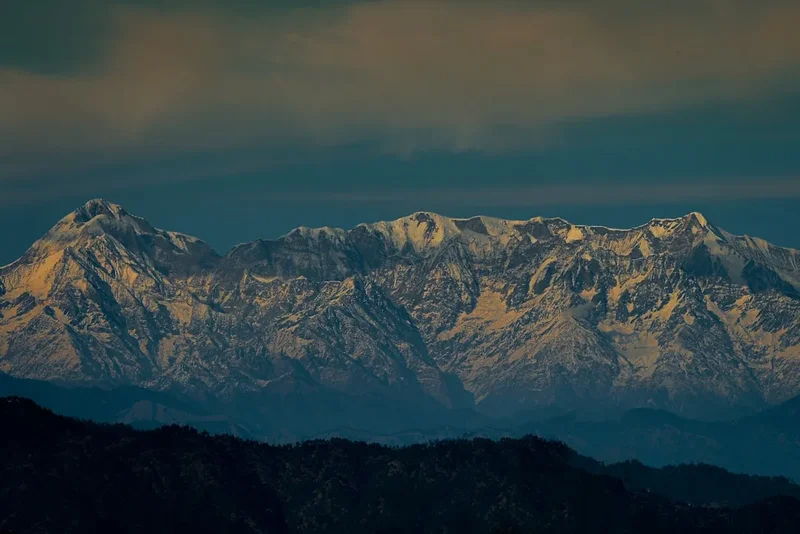
Meesapulimala Trek - The Emerald Crown of the Western Ghats
The Meesapulimala Trek is a breathtaking journey through the high-altitude grasslands and shola forests of the Western Ghats in Kerala, India. Standing at an elevation of 2,637 metres, Meesapulimala is the second-highest peak in the Western Ghats and offers unparalleled panoramic views of the surrounding hills, valleys, and tea plantations. This trek is renowned for its dramatic landscapes, diverse flora and fauna, and the serene beauty of its rolling meadows, often shrouded in mist. It's a relatively moderate trek, making it accessible to a wide range of hikers, yet challenging enough to provide a rewarding adventure. The trail winds through protected forest areas, requiring necessary permits and often guided expeditions, ensuring a well-managed and environmentally conscious experience. The journey is a sensory delight, from the crisp mountain air to the vibrant greens of the grasslands and the occasional sightings of endemic wildlife. Meesapulimala is not just a trek; it's an immersion into a pristine natural world, a chance to disconnect and reconnect with the raw beauty of the Indian subcontinent.
- Distance: 16.0 km one-way
- Duration: 1-2 days
- Season: September to May (avoid monsoon season)
- Difficulty: Moderate
- Highest point: Meesapulimala Peak (2,637 m)
- Base Camp: Suryanelli
- Closest City: Munnar
- Permits: Required from Forest Department
Overview
The Meesapulimala Trek is a captivating expedition that takes you through some of the most stunning landscapes in the Western Ghats. The trail begins from the base camp at Suryanelli, near Munnar, and gradually ascends through a mosaic of rolling grasslands, dense shola forests, and open meadows. The name "Meesapulimala" translates to "Tiger's moustache hill," a name derived from the distinctive shape of the peak's ridges that resemble a moustache. As you climb higher, the vegetation changes, with the grasslands giving way to the unique shola-grassland ecosystem, characterised by patches of evergreen forests interspersed with vast expanses of high-altitude meadows.
The trek is typically undertaken over one or two days, with an overnight stay at a campsite or a basic forest lodge. The moderate difficulty level means that while it requires a reasonable level of fitness, it is achievable for most trekkers. The trail is well-defined in most sections, but the remoteness and the ever-changing weather conditions, especially the mist that frequently rolls in, add an element of adventure. The summit of Meesapulimala offers a truly spectacular reward: a 360-degree vista of the surrounding Western Ghats, including the neighbouring peaks of Kolukkumalai, Kottagudi, and the vast expanse of tea estates that carpet the lower hills. The feeling of standing atop this majestic peak, surrounded by clouds and an endless sea of green, is an experience that stays with you long after the trek concludes.
The biodiversity of the region is another highlight. The shola forests are home to a variety of endemic plant species, while the grasslands provide habitat for numerous birds, insects, and small mammals. While sightings of larger animals like tigers are rare, the presence of their tracks and the overall pristine nature of the environment suggest a healthy ecosystem. The trek is managed by the Kerala Forest Development Corporation (KFDC) and local guides are mandatory, ensuring safety and adherence to conservation guidelines. The journey is a perfect blend of physical exertion, natural beauty, and a deep sense of tranquility, making it a must-do for any nature enthusiast visiting Kerala.
History and Cultural Context
The region surrounding Meesapulimala has a rich history intertwined with the colonial era's tea plantations and the indigenous communities who have inhabited these hills for centuries. Munnar, the closest town, was developed as a major tea-growing centre by the British in the late 19th century. The vast tea estates that dominate the lower slopes of Meesapulimala are a testament to this colonial legacy, transforming the landscape into a patchwork of manicured green carpets.
The indigenous communities, such as the Mannan tribe, have traditionally lived in and around these forests, possessing deep knowledge of the local flora and fauna. Their ancestral lands often overlapped with the areas now designated for trekking and tourism. While the specific history of Meesapulimala as a trekking destination is more recent, the surrounding hills have been traversed by local communities for generations for hunting, gathering, and as part of their seasonal movements.
The development of Meesapulimala as a popular trekking spot gained momentum in the early 21st century, driven by the growing interest in eco-tourism and adventure travel in Kerala. The Kerala Forest Development Corporation (KFDC) recognised the potential of the area and began organising guided treks, establishing basic facilities, and implementing permit systems to manage visitor numbers and protect the fragile ecosystem. The trek route itself often follows ancient paths or service tracks used by plantation workers and forest rangers.
The cultural significance of the region also extends to its spiritual aspects. Many of the hills and natural formations in the Western Ghats hold sacred value for local communities, often associated with deities and ancient traditions. While Meesapulimala itself may not have specific historical temples or shrines directly on the summit trail, the surrounding landscape is imbued with a sense of reverence and natural spirituality that resonates with visitors.
Seasonal Highlights and Weather Reality
The Meesapulimala Trek is best enjoyed during specific seasons, each offering a unique experience of the Western Ghats' dynamic climate.
Post-Monsoon (September to November): This is arguably the most beautiful time to trek. The monsoon rains have subsided, leaving the landscape lush, vibrant, and incredibly green. The air is fresh, and the streams and waterfalls are full. Mist is common, especially in the mornings and evenings, adding a mystical charm to the rolling hills. The weather is generally pleasant, with daytime temperatures ranging from 15°C to 25°C. This period is ideal for photography and enjoying the full bloom of the region's flora.
Winter (December to February): These months offer the coolest and driest weather. Daytime temperatures are comfortable, typically between 10°C and 20°C, while nights can drop to around 5°C to 10°C, especially at higher altitudes. The skies are often clear, providing excellent visibility for panoramic views from the summit. However, early mornings can be quite chilly, and mist can still be prevalent, particularly in the valleys. This is a popular time for trekkers due to the stable weather conditions.
Summer (March to May): As the summer progresses, temperatures begin to rise, with daytime highs reaching 25°C to 30°C. The landscape can become drier, and the lush green may fade slightly. However, the higher altitudes still retain their charm, and the cooler mornings and evenings offer respite. This season can be more challenging due to the heat, and it's crucial to stay hydrated. Towards the end of May, pre-monsoon showers may begin, signalling the transition to the next season.
Monsoon (June to August): This period is generally not recommended for trekking Meesapulimala. Heavy rainfall can make the trails slippery, treacherous, and prone to landslides. Visibility is severely reduced due to persistent fog and mist, obscuring the stunning views. The risk of flash floods in streams and valleys increases significantly. While the landscape is at its most verdant during the monsoon, the safety hazards outweigh the aesthetic benefits for most trekkers. The KFDC typically advises against trekking during these months.
Recommended Itinerary
1-Day Meesapulimala Trek (Intensive)
Early Morning (6:00 AM - 7:00 AM): Arrival at Suryanelli Base Camp
- Reach Suryanelli, the starting point for the trek.
- Complete registration formalities and meet your guide.
- Briefing on the trek, safety guidelines, and weather conditions.
- Arrange for jeep transfer to the trek starting point (Rhodo Valley or similar).
Morning (7:00 AM - 12:00 PM): Ascent through Grasslands and Shola Forests
- Begin the trek from the designated starting point.
- The initial part of the trail is a jeep track, gradually transitioning into a foot trail.
- Walk through vast, rolling grasslands, often covered in dew or mist.
- Enter the unique shola forests, characterised by dense evergreen trees and a thick undergrowth of ferns and mosses.
- The ascent is steady, offering glimpses of the surrounding valleys and tea estates.
- Key Waypoints: Rhodo Valley, Forest Check Post, various viewpoints.
Midday (12:00 PM - 2:00 PM): Summit of Meesapulimala
- Reach the summit of Meesapulimala (2,637 m).
- Spend time soaking in the panoramic 360-degree views of the Western Ghats.
- Observe the neighbouring peaks like Kolukkumalai and the sprawling tea plantations below.
- Enjoy a packed lunch amidst the clouds and serene mountain air.
- This is the highest point of the trek, offering unparalleled photographic opportunities.
Afternoon (2:00 PM - 5:00 PM): Descent and Return to Suryanelli
- Begin the descent back towards the starting point.
- The descent can be quicker but requires careful footing, especially on steeper sections.
- Revisit some of the scenic spots from the ascent.
- Reach the jeep pick-up point.
- Jeep transfer back to Suryanelli Base Camp.
- Conclude the trek.
2-Day Meesapulimala Trek (Leisurely with Camping)
Day 1: Suryanelli to Campsite
- Morning: Arrive at Suryanelli, complete registration, and meet guide.
- Jeep transfer to the trek starting point.
- Trek through grasslands and shola forests, enjoying the changing landscapes.
- Reach the designated campsite (often near the base of the final ascent to Meesapulimala).
- Set up camp, relax, and enjoy the evening in the serene mountain environment.
- Dinner at the campsite.
- Overnight stay in tents.
Day 2: Campsite to Meesapulimala Summit and Return
- Early Morning: Wake up for sunrise views from the campsite.
- After breakfast, begin the final ascent to Meesapulimala summit.
- Spend ample time at the summit, enjoying the views and taking photographs.
- Descend back to the campsite.
- Pack up camp and begin the trek back towards the jeep pick-up point.
- Jeep transfer back to Suryanelli Base Camp.
- Conclude the trek.
Important Notes:
- The 1-day trek is strenuous and requires good physical fitness.
- The 2-day trek allows for a more relaxed pace and an immersive camping experience.
- All treks require prior booking and permits from the Kerala Forest Development Corporation (KFDC).
- Guides are mandatory for all treks.
- Weather can change rapidly; be prepared for mist, rain, and strong winds.
- Carry sufficient water and snacks.
Planning and Bookings
Book Your Trip
Everything you need to plan your journey
Accommodation
Find places to stay near Munnar
Flights
Search flights to Munnar
Essential Preparation
Planning your Meesapulimala trek involves understanding the logistics, booking requirements, and preparing yourself physically and mentally. The closest major town and logistical hub is Munnar, a popular hill station known for its tea plantations. From Munnar, you can hire a taxi or take a local bus to Suryanelli, which is the primary base camp for the trek. The journey from Munnar to Suryanelli takes approximately 1 to 1.5 hours and involves winding mountain roads.
It is crucial to book your trek in advance, especially if you plan to visit during peak season (September to May). Bookings are typically managed by the Kerala Forest Development Corporation (KFDC) or authorised local tour operators. These bookings usually include permits, guide fees, and sometimes camping equipment or food for overnight treks. Confirm the inclusions of your package to avoid last-minute surprises. Ensure you have adequate fitness for a moderate trek, which involves sustained uphill walking for several hours. Carrying a small backpack with essentials is recommended.
Trail Accommodation
Accommodation options for the Meesapulimala Trek are limited and primarily managed by the KFDC or their authorised partners.
- Campsites: For the 2-day trek, overnight camping is the standard option. The KFDC provides tents, sleeping bags, and basic camping facilities at designated campsites. These sites are usually located at strategic points along the trail, offering a serene environment amidst nature. Facilities are basic, typically including portable toilets and a common area for dining.
- Forest Lodges/Guest Houses: In some cases, basic forest lodges or guest houses might be available near the base camp or at intermediate points, managed by the KFDC. These offer more structured accommodation than tents but are still very rustic.
- Day Hike Accommodation: For the 1-day trek, no overnight accommodation is required on the trail itself. Trekkers typically stay in Munnar or nearby guesthouses before and after the trek.
Booking Requirements: All accommodation, especially for overnight treks, must be booked in advance through the KFDC or their authorised agents. Availability can be limited, particularly during peak seasons.
Facilities Provided: Tents, sleeping bags, mats, basic meals (dinner and breakfast for overnight treks), and guide services are usually included in package bookings.
What's NOT Provided: Personal toiletries, sleeping bag liners, extra blankets (though usually provided), personal medications, and any specific dietary requirements not communicated in advance.
Seasonal Availability: Accommodation is generally available throughout the trekking season (September to May). During the monsoon (June to August), trekking and camping are usually suspended due to safety concerns.
Costs: Package costs vary depending on the operator and inclusions but typically range from ₹3,000 to ₹6,000 per person for a 2-day trek, covering permits, guide, camping, and meals. Day trek packages are less expensive.
Required Gear
- Trekking Boots: Sturdy, waterproof trekking boots with good ankle support are essential. Ensure they are well broken-in to prevent blisters.
- Backpack: A comfortable daypack (20-30 litres) for the 1-day trek, or a slightly larger backpack (30-40 litres) if carrying overnight gear. A rain cover for the backpack is highly recommended.
- Waterproof Jacket: A lightweight, breathable waterproof jacket is crucial, as weather can change rapidly, and mist or rain is common.
- Warm Layers: Evenings and early mornings can be cool, especially at higher altitudes. Carry a fleece jacket or a warm sweater.
- Headlamp/Torch: Essential for early morning starts or if camping overnight. Carry spare batteries.
- First-Aid Kit: A basic kit including bandages, antiseptic wipes, pain relievers, blister treatment, and any personal medications.
- Navigation: While guides are mandatory, carrying a map and compass or a GPS device/app can be useful for self-reliance.
- Sun Protection: Sunscreen (SPF 30+), sunglasses, and a wide-brimmed hat are important, as the sun can be intense at higher altitudes.
What to Bring
- Food and Water: Carry at least 2 litres of water per person. While some operators provide meals, it's wise to carry energy bars, nuts, dried fruits, and other high-energy snacks.
- Water Treatment: Water purification tablets or a portable filter are recommended if you plan to refill water from natural sources.
- Toiletries: Biodegradable soap, toothbrush, toothpaste, hand sanitiser, and toilet paper.
- Personal Items: Camera, power bank for charging devices, insect repellent (especially for evenings), and any personal comfort items.
- Clothing: Quick-drying trekking trousers (avoid jeans), comfortable t-shirts (preferably moisture-wicking), and extra socks. For overnight treks, carry a change of clothes.
- Sleeping Bag Liner: If using provided sleeping bags, a liner can add warmth and hygiene.
- Trekking Poles: Optional, but can be helpful for stability on ascents and descents.
Permits
Trekking to Meesapulimala requires mandatory permits from the Kerala Forest Development Corporation (KFDC) or authorised local tour operators. These permits are essential for accessing the protected forest areas and ensure that the trek is conducted in an organised and environmentally responsible manner. The KFDC manages the number of trekkers allowed per day to minimise the impact on the fragile ecosystem.
Booking Process:
- Advance Booking: It is highly recommended to book your trek permits and associated services (guide, camping, transport) well in advance, especially if you plan to trek during the peak season (September to May) or on weekends and public holidays.
- Online/Offline Booking: Bookings can often be made through the official KFDC website or by contacting authorised tour operators in Munnar. Some operators may also facilitate on-the-spot bookings if availability permits, but this is not guaranteed.
- Package Deals: Most bookings are made as part of a package that includes permits, guide fees, transportation from Suryanelli to the trek start point, and accommodation (for overnight treks).
Permit Fees: The permit fees are typically included in the overall package cost. If booked separately, they are usually nominal, covering entry into the forest reserve. The package cost generally reflects the services provided, such as guide remuneration, vehicle hire, and camping arrangements.
Mandatory Guide: A registered forest guide is mandatory for all trekkers. Guides are knowledgeable about the terrain, weather patterns, local flora and fauna, and safety protocols. They ensure that trekkers adhere to the rules and regulations of the forest department.
Restrictions: Visitors are not permitted to trek without a guide or to venture off the designated trails. Camping is only allowed at designated campsites as part of an organised overnight trek. Littering, smoking, and making excessive noise are strictly prohibited.
Contacting KFDC: For the most up-to-date information on booking procedures, permit costs, and availability, it is advisable to contact the Kerala Forest Development Corporation directly or their authorised representatives in Munnar.
Other Activities in the Area
The region around Meesapulimala and Munnar offers a variety of activities for nature lovers and adventure seekers:
- Munnar Tea Plantations Tour: Explore the sprawling tea gardens that Munnar is famous for. Visit a tea museum to learn about the history and process of tea making, and enjoy a freshly brewed cup.
- Kolukkumalai Tea Estate: This is one of the highest organic tea estates in the world, accessible via a rugged jeep track. The views from Kolukkumalai are spectacular, and it's a popular spot for sunrise.
- Mattupetty Dam and Lake: Enjoy boating on the serene Mattupetty Lake, surrounded by hills and forests. The dam itself is an impressive structure.
- Echo Point: Known for its natural echo phenomenon, this spot offers beautiful views and a chance to experience the unique acoustics of the hills.
- Eravikulam National Park: Home to the endangered Nilgiri Tahr, this park offers a chance to see unique flora and fauna, including the Neelakurinji flower that blooms once every twelve years.
- Anamudi Peak: The highest peak in South India, Anamudi is located within the Eravikulam National Park. While climbing Anamudi is restricted, its majestic presence can be admired from various viewpoints.
- Chinnar Wildlife Sanctuary: Located on the eastern side of the Western Ghats, this sanctuary is known for its dry deciduous forests, riverine forests, and the endangered Grizzled Giant Squirrel.
- Marayoor Sandalwood Forest: Famous for its natural sandalwood trees and ancient dolmens, Marayoor offers a glimpse into the region's natural and historical heritage.
Safety and Conditions
Pre-Trek Checks:
- Weather Forecast: Always check the local weather forecast for Munnar and the Western Ghats before your trek. Be prepared for sudden changes, including mist, rain, and wind, even during the dry season.
- Trail Conditions: Inquire about current trail conditions from your guide or the KFDC. Heavy rains can make certain sections slippery and potentially hazardous.
- Health: Ensure you are in good physical condition. Consult a doctor if you have any pre-existing health conditions. Carry a personal first-aid kit.
On-Trek Safety:
- Stay with Your Guide: Never stray from the designated trail or wander off alone. Your guide is essential for navigation and safety.
- Hydration and Nutrition: Drink plenty of water throughout the trek and consume energy-rich snacks to maintain stamina.
- Footwear: Wear sturdy, well-fitting trekking boots to prevent slips and ankle injuries.
- Weather Preparedness: Always carry your waterproof jacket and warm layers, as temperatures can drop significantly, and mist can reduce visibility rapidly.
- Wildlife: While Meesapulimala is not known for dangerous wildlife encounters, be aware of your surroundings. Do not feed any animals.
- Emergency Contacts: Keep a list of emergency contact numbers, including the KFDC and local authorities. Ensure your mobile phone is fully charged and consider carrying a power bank.
Specific Hazards:
- Slippery Trails: Especially after rain or in misty conditions, the trails can become very slippery. Use trekking poles for added stability.
- Altitude: While not extremely high, the altitude can affect some individuals. Ascend gradually and listen to your body.
- Mist: Dense mist can reduce visibility to a few metres, making navigation difficult. Rely on your guide and stay on the marked path.
- Monsoon Risks: During the monsoon season (June-August), landslides and flash floods are significant risks. Trekking is generally not advised during this period.
Travel Insurance: It is advisable to have travel insurance that covers trekking and emergency medical evacuation.
Side Trips and Points of Interest
Rhodo Valley: Often the starting point for the trek, Rhodo Valley is known for its rhododendron blooms during certain seasons, adding a splash of colour to the landscape. It's a picturesque area that marks the transition from the lower hills to the higher altitudes.
Shola Forests: These unique evergreen forests, interspersed with grasslands, are a defining feature of the Western Ghats. The dense canopy, moss-covered trees, and rich undergrowth create a distinct microclimate and are home to a variety of endemic plant and animal species. Walking through these forests feels like stepping into another world.
Grasslands: The vast, rolling grasslands are the dominant feature of the upper reaches of Meesapulimala. These meadows are often covered in mist, creating a surreal and ethereal atmosphere. They provide a stark contrast to the dense shola forests and offer expansive views.
Viewpoints along the Trail: Numerous natural viewpoints offer stunning vistas of the surrounding valleys, tea plantations, and distant peaks. These spots are perfect for short breaks, photography, and appreciating the scale of the landscape.
Kolukkumalai Tea Estate: Although not directly on the Meesapulimala trek route, Kolukkumalai is a significant nearby attraction. Accessible via a challenging jeep track, it offers some of the most breathtaking sunrise views over the Western Ghats and is home to a historic tea factory.
Meesapulimala Summit Views: The summit itself is the ultimate point of interest, offering unparalleled 360-degree panoramic views. On a clear day, you can see the vast expanse of tea estates, neighbouring peaks like Kottagudi and Palani Hills, and the plains stretching out below. The experience of standing above the clouds is truly unforgettable.
Leave No Trace
The Meesapulimala region is a pristine natural environment, and it is crucial for all visitors to practice Leave No Trace principles to preserve its beauty and ecological integrity for future generations. The fragile shola-grassland ecosystem is particularly vulnerable to human impact.
Your responsibility as a trekker:
- Pack It In, Pack It Out: Carry out all your trash, including food wrappers, plastic bottles, and any other waste. Do not bury or burn trash.
- Stay on the Trail: Stick to the marked trails to avoid damaging vegetation, preventing soil erosion, and protecting sensitive habitats. Venturing off-trail can disturb wildlife and damage delicate plant life.
- Respect Wildlife: Observe wildlife from a distance and never feed them. Feeding animals can alter their natural behaviour and diet, making them dependent on humans and potentially aggressive.
- Dispose of Waste Properly: Use designated toilets or dig catholes at least 70 metres away from water sources, trails, and campsites. Pack out all toilet paper.
- Minimise Campfire Impacts: If camping, use established fire rings where permitted and keep fires small. Ensure fires are completely extinguished before leaving. Better yet, avoid campfires altogether and use a portable stove for cooking.
- Leave What You Find: Do not take any natural objects (rocks, plants, flowers) from the environment. Leave them for others to enjoy.
- Be Considerate of Other Visitors: Keep noise levels down and respect the tranquility of the natural environment.
By adhering to these principles, you help ensure that the Meesapulimala Trek remains a beautiful and sustainable experience for everyone.