
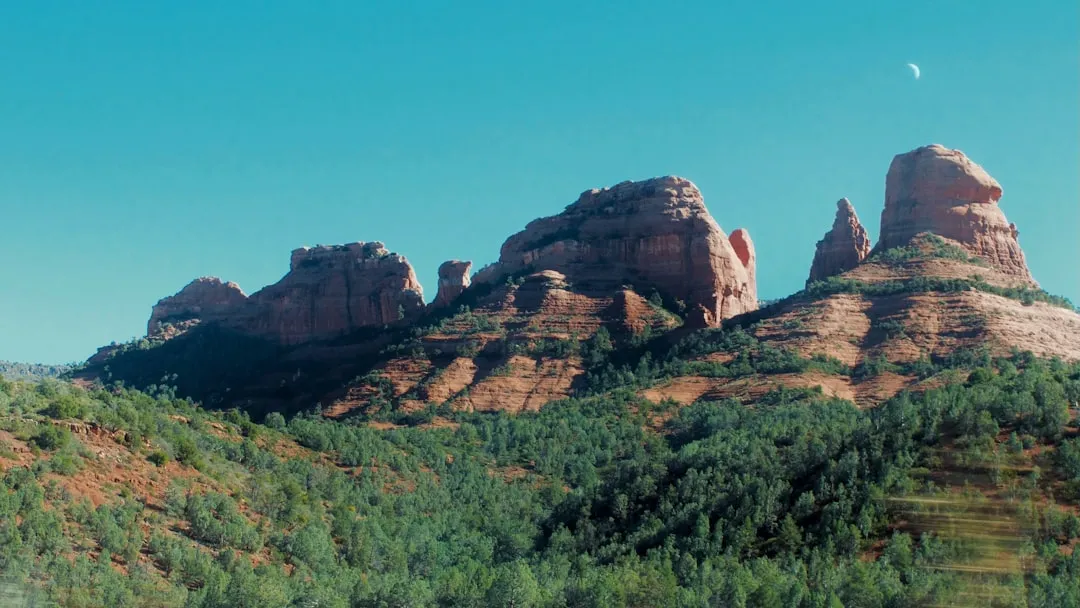
McKittrick Canyon Trail
McKittrick Canyon, a jewel within Guadalupe Mountains National Park, offers a captivating desert oasis experience, a stark contrast to the arid landscapes that dominate much of West Texas. This trail is renowned for its lush riparian environment, a vibrant ribbon of life sustained by springs and seeps, supporting a diverse array of plant and animal species. Unlike the rugged, exposed trails often found in mountainous regions, McKittrick Canyon provides a shaded, verdant sanctuary, particularly enchanting during the autumn months when the canyon's deciduous trees transform into a spectacle of fiery colours. The trail itself is a relatively moderate day hike, making it accessible to a wide range of visitors seeking a unique natural encounter.
- Distance: 12.1 km (return)
- Elevation Gain: 426 m
- Duration: 4–6 hours
- Difficulty: Moderate
- Best Time: October to April
- Closest City: El Paso, TX
- Trailhead Access: McKittrick Canyon Visitor centre
- Park Entrance Fee: Required
Overview
The McKittrick Canyon Trail is a testament to the resilience of life in the desert. What appears as a dry, rugged landscape from a distance belies the hidden vitality within the canyon. As you begin your hike, the environment gradually shifts. The initial stages might feel like a typical desert walk, but soon, the presence of water becomes apparent, nurturing a unique ecosystem. The trail meanders through the canyon, offering glimpses of the springs and seeps that are the lifeblood of this area. The vegetation changes dramatically, from hardy desert scrub to a more diverse array of trees, shrubs, and wildflowers, especially noticeable in the spring and autumn.
The trail's moderate difficulty stems from its steady elevation gain as it ascends into the canyon. While not technically challenging, the 426 metres of elevation gain over 12.1 kilometres requires a reasonable level of fitness. The path is generally well-maintained, but can be rocky and uneven in places, necessitating sturdy footwear. The true magic of McKittrick Canyon often unfolds during the autumn (October and November) when the canyon's bigtooth maples and other deciduous trees turn brilliant shades of red, orange, and yellow, creating a breathtaking display against the backdrop of the desert mountains. This seasonal transformation draws significant crowds, so visiting during weekdays or the shoulder seasons of late winter and early spring can offer a more serene experience.
The canyon's unique microclimate supports species not typically found in the surrounding Chihuahuan Desert. Birdwatchers will find this area particularly rewarding, with opportunities to spot various species that are attracted to the water and vegetation. The sound of trickling water, the rustling of leaves, and the calls of birds create a symphony of nature that is a welcome respite from the silence of the broader desert landscape. The trail culminates at a point where the canyon's features are most pronounced, offering a sense of accomplishment and a deep appreciation for this hidden desert oasis.
History and Cultural Context
McKittrick Canyon has a rich history, intertwined with the natural resources it holds and the people who have sought them. For centuries, indigenous peoples, including the Apache and Mescalero tribes, likely utilized the canyon's water sources and the game that frequented the area. The presence of water in this arid region would have made it a vital stop for travellers and a place of sustenance.
In the late 19th and early 20th centuries, the area saw exploration and exploitation by prospectors and ranchers. The canyon's relative accessibility and the presence of water made it an attractive location for those seeking to establish a foothold in the rugged West Texas landscape. However, the harsh environment and the remoteness of the region meant that permanent settlements were scarce. The canyon's name is believed to be derived from early settlers or explorers, though specific origins are often debated and lost to time.
The establishment of Guadalupe Mountains National Park in 1972 brought a new era to McKittrick Canyon. The park's creation aimed to preserve the unique geological formations, diverse ecosystems, and historical significance of the region. McKittrick Canyon, with its exceptional biodiversity and scenic beauty, was identified as a key area for protection and public access. Today, the trail serves as a primary means for visitors to experience the canyon's natural wonders, offering a glimpse into its past while ensuring its future preservation.
Seasonal Highlights and Weather Reality
McKittrick Canyon offers distinct experiences throughout its open season, which typically runs from October to April. Each period presents its own unique beauty and challenges.
Autumn (October–November): This is arguably the most popular time to visit McKittrick Canyon. The canyon's bigtooth maples and other deciduous trees put on a spectacular display of fall colours, transforming the canyon into a vibrant tapestry of reds, oranges, and yellows. The weather is generally pleasant, with cooler temperatures and lower humidity, making for comfortable hiking conditions. However, this popularity means the trail can be quite crowded, especially on weekends.
Winter (December–February): Winter in McKittrick Canyon offers a quieter, more serene experience. The fall colours have faded, but the stark beauty of the desert landscape, often dusted with frost or even a light snow, has its own appeal. Temperatures can be cool to cold, with daytime highs often in the 10-15°C range and nighttime lows dropping below freezing. The trail is generally clear of snow, but icy patches can occur, especially in shaded areas. This season is ideal for those seeking solitude and a peaceful immersion in nature.
Spring (March–April): As winter recedes, McKittrick Canyon awakens with a burst of life. Wildflowers begin to bloom, adding splashes of colour to the canyon floor and slopes. The weather becomes warmer, with daytime temperatures gradually increasing. This is a fantastic time for photography and for observing wildlife, as many animals become more active. However, spring can also bring unpredictable weather, including occasional strong winds and dust storms. The latter part of April can start to feel quite warm, approaching summer temperatures.
Weather Considerations: While the open season is October to April, visitors should always be prepared for variable weather. Temperatures can fluctuate significantly between day and night, and even within a single day. Always check the weather forecast before your visit and pack layers accordingly. While McKittrick Canyon is a relatively sheltered environment, wind can be a factor, especially at higher elevations within the canyon. Flash floods are a rare but serious concern during periods of heavy rain, though less common during the typical open season.
Recommended Itinerary
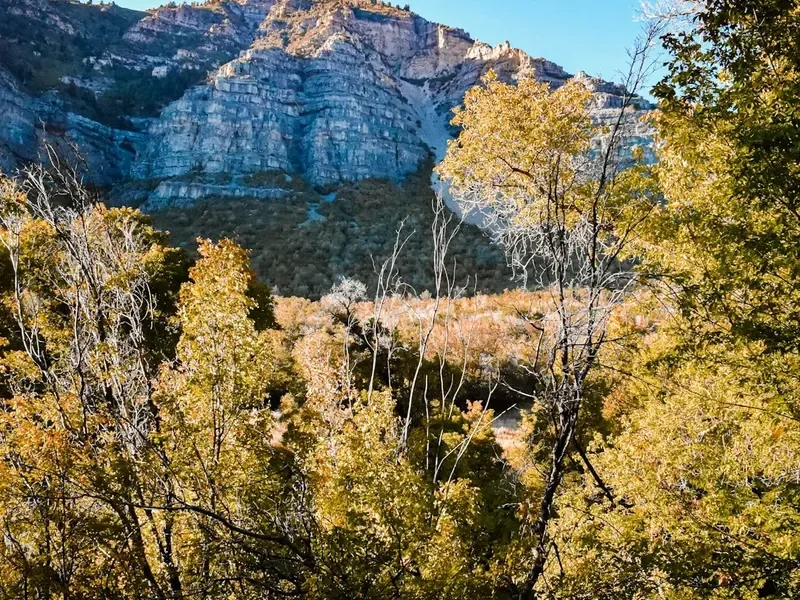
McKittrick Canyon Day Hike Itinerary
Early Morning (Approx. 8:00 AM - 9:00 AM): Arrival and Trailhead Start
- Arrive at McKittrick Canyon Visitor centre.
- Complete any necessary check-ins or obtain information from park rangers.
- Begin the hike from the McKittrick Canyon Trailhead.
- Initial section of the trail is relatively flat, following the canyon floor.
- Observe the transition from desert scrub to more riparian vegetation.
Morning (Approx. 9:00 AM - 11:00 AM): Ascending into the Canyon
- The trail begins a steady ascent, gaining elevation as you move deeper into the canyon.
- Pass through areas with more dense tree cover, including the famous bigtooth maples.
- Note the changing plant life, including ferns and mosses in damper areas.
- Keep an eye out for birdlife and other small mammals.
- The path can be rocky and uneven; watch your footing.
Midday (Approx. 11:00 AM - 1:00 PM): Reaching Key Points and Lunch Break
- Continue ascending towards the upper reaches of the main trail.
- Potential to reach areas with more pronounced springs or seeps, supporting lush vegetation.
- Find a suitable spot for a rest and a packed lunch, enjoying the canyon's atmosphere.
- Consider the various spurs or short detours that may lead to points of interest (e.g., Grotto, McKittrick Cabin).
- The highest point of the main trail offers expansive views back down the canyon.
Afternoon (Approx. 1:00 PM - 3:00 PM): Exploration and Return Journey
- Explore any accessible side areas or points of interest.
- Begin the descent back towards the trailhead.
- The return journey offers a different perspective on the canyon's features.
- Take your time to appreciate the details you may have missed on the way up.
- Be mindful of footing on the descent, especially on rocky or uneven sections.
Late Afternoon (Approx. 3:00 PM - 4:00 PM): Trail End and Departure
- Arrive back at the McKittrick Canyon Trailhead.
- Allow time for reflection and to visit the visitor centre if desired.
- Depart from Guadalupe Mountains National Park.
Important Notes:
- This is a day hike; no overnight accommodation is required or permitted on the trail.
- Carry sufficient water (at least 2-3 litres per person) as water sources within the canyon are not potable and may be seasonal.
- Wear sturdy hiking boots with good ankle support.
- Sun protection (hat, sunscreen) is essential, even in cooler months.
- Be aware of potential wildlife encounters; maintain a safe distance.
- Check park conditions and weather forecasts before your visit.
Planning and Bookings
Book Your Trip
Everything you need to plan your journey
Accommodation
Find places to stay near El Paso
Flights
Search flights to El Paso
Essential Preparation
McKittrick Canyon is located within Guadalupe Mountains National Park, which requires a park entrance fee or a valid park pass. The closest major city is El Paso, Texas, approximately a two-hour drive northeast via US-62/US-180. Visitors should plan their travel to the park and ensure they have adequate time to reach the McKittrick Canyon trailhead before starting their hike. The road leading to the McKittrick Canyon Visitor centre is paved and generally well-maintained. Parking is available at the visitor centre, but it can fill up quickly, especially during peak season (autumn colours and spring blooms). It is advisable to arrive early in the day, particularly on weekends, to secure parking. Ensure you have sufficient fuel for your vehicle, as services are limited within the park. Mobile phone reception can be spotty to non-existent within the canyon and in many parts of the park, so download any necessary maps or information beforehand.
Trail Accommodation
This is a day hike requiring no overnight accommodation.
Required Gear
- Sturdy Hiking Boots: Essential for navigating the rocky and uneven terrain. Ensure they are broken in to prevent blisters.
- Waterproof Jacket: While the region is arid, weather can change, and the canyon can be cooler and damper than surrounding areas. A light, waterproof layer is advisable.
- Backpack: A comfortable daypack (20-30 litres) to carry essentials.
- Navigation: A map of Guadalupe Mountains National Park and the McKittrick Canyon Trail is recommended. While the trail is generally well-marked, having a map can be useful for understanding the route and identifying points of interest. GPS devices or smartphone apps with downloaded offline maps are also beneficial.
- Safety Gear: A basic first-aid kit including blister treatment, pain relievers, antiseptic wipes, and any personal medications. A whistle for emergencies.
- Headlamp or Flashlight: Although a day hike, it's prudent to carry one in case of unexpected delays or if you plan to start very early or finish later than anticipated.
What to Bring
- Food: Pack plenty of high-energy snacks and a substantial lunch. There are no food services within McKittrick Canyon.
- Water: Crucially important. Carry at least 2-3 litres of water per person. Water sources within the canyon are not potable and may be seasonal. Do not rely on finding drinkable water.
- Sun Protection: High SPF sunscreen, a wide-brimmed hat, and sunglasses are essential due to the intense desert sun.
- Insect Repellent: While not typically a major issue, it's wise to have some on hand, especially during warmer months.
- Toiletries: Hand sanitiser, toilet paper (for emergencies, though restrooms are available at the visitor centre).
- Camera: To capture the stunning scenery, especially during the autumn colour season.
- Binoculars: For wildlife viewing and appreciating distant geological features.
- Trekking Poles (Optional): Can be helpful for stability on the rocky ascents and descents.
Permits
No specific permits are required for hiking the McKittrick Canyon Trail itself, beyond the standard Guadalupe Mountains National Park entrance fee. Visitors must pay the park entrance fee upon arrival or present a valid park pass. The park entrance fee is per vehicle and is valid for seven days. Fees are subject to change, so it is advisable to check the official Guadalupe Mountains National Park website for the most current information regarding entrance fees and any potential changes to park regulations.
Park Entrance Fees (as of recent information, subject to change):
- Per Vehicle: Typically around $30 USD for a 7-day pass.
- Per Person (if arriving by other means): Around $15 USD for a 7-day pass.
- Annual Pass: For frequent visitors to national parks, an America the Beautiful Pass may be a more economical option.
Important Considerations:
- Visitor centre: The McKittrick Canyon Visitor centre is the primary point of contact for information, maps, and fee payment. It is advisable to stop here first upon arrival.
- Peak Season: During the popular autumn colour season (typically October and November), the McKittrick Canyon road may be closed to private vehicles at certain times due to high visitor numbers and limited parking. In such cases, a shuttle service may be provided. Check the park's official website or contact the visitor centre for the most up-to-date information on road access and shuttle services.
- Backcountry Permits: While McKittrick Canyon is primarily a day-use area, if you plan any overnight backcountry camping elsewhere in Guadalupe Mountains National Park, separate backcountry permits are required and must be obtained in advance. These are not applicable to the McKittrick Canyon Trail itself.
Other Activities in the Area
Guadalupe Mountains National Park offers a variety of activities beyond the McKittrick Canyon Trail, allowing visitors to further explore the diverse landscapes and natural wonders of the region:
- Guadalupe Peak Trail: For those seeking a more strenuous challenge and panoramic views, the hike to Guadalupe Peak, the highest point in Texas (2,667 m), is a must. This is a demanding 13.7 km round trip with significant elevation gain.
- Devil's Hall Trail: A unique hike that takes you through a narrow, slot-like canyon with impressive rock formations and stream crossings. This trail is approximately 5.6 km round trip and can be challenging due to uneven terrain and water.
- Pinery Trail: A shorter, easier trail (6.4 km round trip) that leads to the ruins of an old Butterfield Stagecoach Station, offering a glimpse into the area's historical past.
- Salt Basin Overlook: A scenic drive that leads to an overlook offering expansive views of the Salt Basin, a vast, ancient lakebed.
- Pine Springs Campground and Visitor centre: The park's main visitor centre and campground, offering amenities and access to several other trailheads.
- El Capitan: A prominent limestone cliff that is a significant geological feature of the park. While not directly accessible by a trail for summiting, it is visible from various points within the park and along US-180.
- Dark Sky Viewing: Guadalupe Mountains National Park is designated as an International Dark Sky Park, offering exceptional opportunities for stargazing due to its remote location and minimal light pollution.
Safety and Conditions
Pre-Trip Planning:
- Check Park Alerts: Always visit the official Guadalupe Mountains National Park website (nps.gov/gumo) before your trip for current alerts, trail closures, weather advisories, and any temporary restrictions.
- Weather Forecast: Monitor the weather forecast for the Guadalupe Mountains region. Temperatures can fluctuate dramatically, and conditions can change rapidly. Be prepared for heat, cold, wind, and potential rain.
- Trail Conditions: While McKittrick Canyon Trail is generally well-maintained, sections can be rocky, uneven, and steep. Wear appropriate footwear.
On the Trail:
- Hydration: Carry ample water. Dehydration is a serious risk in desert environments, even in cooler months. Do not drink from natural water sources without proper treatment, and it is generally advised not to rely on them at all within McKittrick Canyon.
- Sun Protection: The desert sun is intense. Use sunscreen, wear a hat, and sunglasses.
- Wildlife: Maintain a safe distance from all wildlife. Do not feed animals, as this can harm them and make them aggressive. Common wildlife includes deer, javelina, various reptiles, and numerous bird species.
- Navigation: Stay on marked trails. Wandering off-trail can lead to getting lost, damaging fragile vegetation, and encountering hazards.
- Communication: Mobile phone service is unreliable to non-existent in much of the park, including within McKittrick Canyon. Inform someone of your hiking plans and expected return time. Consider carrying a personal locator beacon (PLB) or satellite messenger for emergencies.
- Flash Floods: While less common in McKittrick Canyon during its open season, be aware of the potential for flash floods if heavy rain occurs. If you hear thunder or see rain falling upstream, seek higher ground immediately.
- Heat Exhaustion/Stroke: Be aware of the symptoms and take breaks in shaded areas, drink water, and cool down if you feel overheated.
Emergency Contacts: In case of an emergency, dial 911. For park-specific assistance, contact the Guadalupe Mountains National Park Ranger Station at (915) 828-3251.
Side Trips and Points of Interest
McKittrick Cabin: Located approximately 3.2 km into the canyon, the historic McKittrick Cabin is a popular destination. This rustic structure offers a glimpse into the lives of early settlers and prospectors who utilized the canyon's resources. It's a good turnaround point for those seeking a shorter hike, or a waypoint for those continuing further into the canyon.
The Grotto: Further up the trail from the cabin, The Grotto is a particularly lush and shaded area where water seeps from the canyon walls, supporting a dense growth of ferns and mosses. This spot exemplifies the unique microclimate of McKittrick Canyon and is a favourite for photographers, especially during the autumn colour season.
Upper Canyon Exploration: For those with more time and energy, the trail continues beyond The Grotto, ascending further into the canyon. The landscape becomes more rugged, and the vegetation may change. The trail eventually reaches a point where it becomes less defined, and the elevation gain becomes more significant. This upper section offers a more remote and challenging experience, with potential for solitude and a deeper immersion in the canyon's natural beauty.
Autumn Foliage: While not a specific point, the seasonal display of autumn colours is the primary draw for many visitors. The bigtooth maples, Gambel oaks, and other deciduous trees create a breathtaking spectacle of reds, oranges, and yellows. The best viewing times are typically mid-October through November, but this can vary annually based on weather conditions.
Birdwatching Opportunities: The riparian environment of McKittrick Canyon attracts a variety of bird species that are not commonly found in the surrounding desert. Keep an eye and ear out for canyon wrens, varied thrushes, and other migratory or resident birds, particularly during spring and autumn migration periods.
Leave No Trace
Practicing Leave No Trace principles is crucial for preserving the delicate desert ecosystem of McKittrick Canyon and Guadalupe Mountains National Park. These principles help minimize human impact and ensure the natural beauty and ecological integrity of the area are maintained for future generations.
Plan Ahead and Prepare: Research the trail, understand its conditions, and be prepared for the environment. Know the park's regulations and any specific guidelines for McKittrick Canyon.
Travel and Camp on Durable Surfaces: Stay on the marked trail at all times. The vegetation in desert canyons is fragile and can take years to recover from damage. Avoid creating new paths or shortcuts.
Dispose of Waste Properly: Pack it in, pack it out. This includes all food scraps, wrappers, and any other trash you generate. Use the restrooms at the visitor centre before and after your hike. Do not bury or burn trash.
Leave What You Find: Do not take any natural objects, such as rocks, plants, or historical artifacts. Leave them for others to enjoy and for the ecosystem to maintain.
Minimize Campfire Impacts: Campfires are not permitted on the McKittrick Canyon Trail, as it is a day-use area. If camping elsewhere in the park, use established fire rings and follow all fire restrictions.
Respect Wildlife: Observe wildlife from a distance. Never feed animals, as this can disrupt their natural behaviours and diets, and can lead to dangerous encounters.
Be Considerate of Other Visitors: Keep noise levels down, yield to uphill hikers, and be mindful of others' experience. McKittrick Canyon can be popular, especially during peak seasons.
 USA
USA