
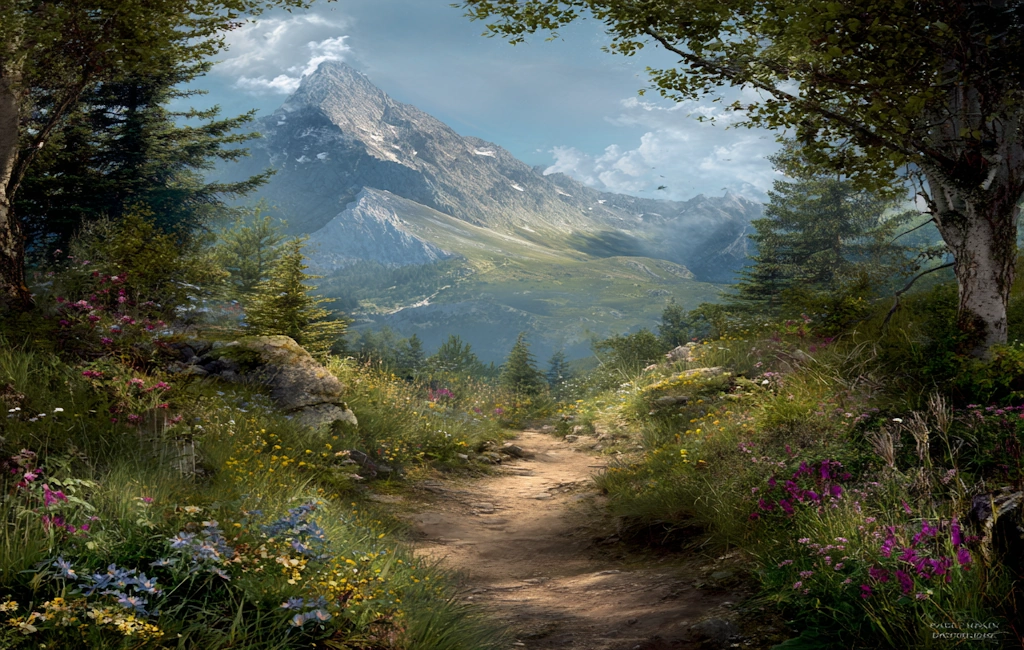
Maroon Bells Scenic Loop - The Icon of the American Rockies
The Maroon Bells Scenic Loop is arguably the most photographed mountain vista in North America, and for good reason. Located just 16 kilometres southwest of the world-renowned mountain town of Aspen, Colorado, this 10.3-kilometre circuit offers an immersive journey into the heart of the White River National Forest. The trail circumnavigates the base of two of the most striking peaks in the Elk Mountains: Maroon Peak (4,315 metres) and North Maroon Peak (4,273 metres). These "Fourteeners" (peaks exceeding 4,267 m) are famous for their distinct bell-like shape and their deep, haematite-rich maroon colour, which contrasts vividly against the emerald-green alpine meadows and the brilliant white of the winter snowpack.
Unlike many high-altitude treks that require technical mountaineering skills, the Scenic Loop is designed to be accessible yet rewarding, providing a moderate challenge that introduces walkers to the raw beauty of the Colorado high country. The route weaves through ancient groves of aspen trees, crosses crystal-clear glacial streams, and skirts the shores of two breathtaking alpine lakes: Maroon Lake and Crater Lake. Whether you are visiting during the vibrant wildflower explosion of July or the golden "aspen glow" of late September, the Maroon Bells Scenic Loop delivers a sensory experience that defines the majesty of the Rocky Mountains. This is a landscape where geology, ecology, and human history converge in a spectacular display of natural grandeur.
- Distance: 10.3 km loop
- Duration: 3–5 hours
- Elevation Gain: 396 m
- Difficulty: Moderate
- Highest Point: 3,072 m (at Crater Lake)
- Best Time: Late June to early October
- Closest City: Aspen, Colorado
- Trailhead: Maroon Lake Trailhead
Overview
The Maroon Bells Scenic Loop is more than just a walking track; it is a pilgrimage into one of the most geologically unique areas of the United States. While most of the Rocky Mountains are composed of hard granite and metamorphic rock, the Maroon Bells are formed from sedimentary mudstone. Over millions of years, this mudstone has been uplifted and weathered into the jagged, layered pyramids we see today. This geological composition is responsible for the peaks' signature maroon hue, as the iron-bearing minerals in the rock oxidise upon exposure to the elements. However, this same mudstone makes the peaks notoriously unstable and dangerous for climbers—earning them the nickname "The Deadly Bells." For the walker on the Scenic Loop, this means you can enjoy the dramatic verticality of the peaks from the safety of the valley floor, where the terrain is much more forgiving.
The trail begins at an elevation of approximately 2,895 metres, which means the air is noticeably thinner than at sea level. The loop typically combines the Maroon Lake Trail, the Crater Lake Trail, and the Maroon Creek Trail to create a comprehensive circuit. The first half of the journey involves a steady ascent toward Crater Lake, a stunning body of water that sits directly beneath the towering face of North Maroon Peak. The return leg of the loop meanders through dense forests and open meadows, offering frequent opportunities to spot local wildlife. The area is a haven for mule deer, elk, and the occasional black bear, while the high-altitude scree slopes are home to pikas and yellow-bellied marmots, whose distinctive whistles often echo across the valley.
One of the defining characteristics of this hike is the reflection. On a calm morning, Maroon Lake acts as a perfect liquid mirror, duplicating the symmetrical peaks and the surrounding forest in its still waters. This phenomenon has made the area a magnet for landscape photographers from around the globe. As you move further along the loop, the perspective shifts, revealing the massive glacial cirques and U-shaped valleys that were carved out during the last ice age. The scale of the landscape is humbling, yet the well-maintained nature of the trail ensures that the experience remains intimate and manageable for those with a reasonable level of fitness.
History and Cultural Context
The history of the Maroon Bells region is a tapestry of indigenous heritage, silver-mining fever, and pioneering conservation efforts. Long before European settlers arrived in the 19th century, the area was the ancestral home of the Ute people, specifically the Paviogwash (White River) and Akanaquint (Uncompahgre) bands. To the Ute, these mountains were not merely landmarks but sacred spaces, rich in resources and spiritual significance. They moved through these valleys seasonally, following the migration patterns of elk and deer, and gathering medicinal plants from the alpine meadows. The Ute name for the region reflected its abundance and beauty, though much of this specific nomenclature was lost during the forced removals of the 1880s.
The late 1800s brought a dramatic shift as the Colorado Silver Boom transformed the nearby settlement of Aspen from a quiet valley into a bustling mining mecca. Prospectors swarmed the Elk Mountains, driven by the promise of vast subterranean wealth. While the Maroon Bells themselves did not yield the same silver riches as the mines in Aspen or Ashcroft, the surrounding forests were heavily impacted by the demand for timber to support mine shafts and provide fuel for the growing population. It was during this era that the peaks received their English names, inspired by their distinctive colour and shape. The ruggedness of the terrain, however, prevented large-scale industrial development within the immediate vicinity of the Bells, inadvertently preserving the core of the wilderness.
By the early 20th century, the focus shifted from extraction to preservation. The White River National Forest was established in 1891, making it one of the oldest national forests in the United States. In 1964, the passage of the Wilderness Act led to the creation of the Maroon Bells-Snowmass Wilderness, a designation that provides the highest level of federal protection to the land. This ensures that no motorised vehicles, permanent structures, or commercial enterprises can encroach upon the 181,000 acres of pristine backcountry. Today, the Maroon Bells Scenic Loop stands as a testament to the success of the American conservation movement, balancing the pressures of high-volume tourism with the absolute necessity of ecological preservation.
Want more background? Read extended notes on history and cultural context → Learn more
Seasonal Highlights and Weather Reality
The Maroon Bells Scenic Loop is a seasonal destination, with the primary hiking window dictated by the heavy snowpack of the Colorado Rockies. The road to the trailhead, Maroon Creek Road, is typically closed to vehicles from mid-November until mid-May, and even after the road opens, the higher sections of the trail may remain under snow until late June.
Summer (Late June to August): This is the peak season for wildflowers. The meadows surrounding Crater Lake erupt in a kaleidoscope of colour, featuring Columbine (the Colorado state flower), Indian Paintbrush, and Larkspur. Daytime temperatures are generally pleasant, ranging from 15°C to 25°C, but the high altitude means the sun is exceptionally intense. Afternoon thunderstorms are a near-daily occurrence in July and August. These "monsoons" can arrive with startling speed, bringing heavy rain, hail, and dangerous lightning. Walkers should aim to be off the higher, exposed sections of the trail by midday.
Autumn (September to early October): Many consider this the finest time to walk the loop. The aspen trees, which dominate the lower slopes, turn a brilliant, shimmering gold. This "aspen glow" usually peaks in the last two weeks of September, though the exact timing varies based on temperature and moisture levels. The air is crisp and dry, with daytime temperatures between 10°C and 18°C, though overnight frosts are common. This is also the busiest time of year, requiring advanced planning for transport and permits.
Winter and Spring (November to May): During the winter months, the area is transformed into a silent, frozen wilderness. The Scenic Loop becomes the domain of cross-country skiers and snowshoers. Access requires a 20-kilometre round-trip journey from the winter closure gate, making it an arduous undertaking. Avalanche risk is a significant concern on the slopes surrounding the Bells, and only those with proper winter backcountry training and equipment should venture beyond the base area during these months.
Recommended Itinerary
Maroon Bells Scenic Loop Route Progression
Stage 1: Maroon Lake and the Reflection Point
- Distance: 0.5 km
- Elevation: Minimal
- Time: 15–30 minutes
- Start at the Maroon Lake bus drop-off point and follow the paved path toward the lake shore.
- This is the classic "postcard" view. In the early morning, the water is often perfectly still, reflecting the Bells.
- The path is flat and accessible, making it a popular spot for photographers and casual visitors.
- Take a moment to read the interpretive signs regarding the geology of the Elk Mountains.
Stage 2: The Ascent to Crater Lake
- Distance: 2.8 km (one way)
- Elevation gain: 150 m
- Time: 1–1.5 hours
- From the north shore of Maroon Lake, follow the signs for the Crater Lake Trail.
- The terrain changes from a smooth path to a rocky, steady climb through an ancient aspen grove.
- You will pass through several "scree fields"—slopes of fallen rock. Watch your footing here, as the stones can be loose.
- As you gain elevation, the views of the Maroon Creek Valley open up behind you.
- Arrive at Crater Lake, which sits at the very foot of the Bells. Note that in late summer, this lake can dry up significantly, becoming a "crater" of stones.
Stage 3: The Scenic Loop Return
- Distance: 4.5 km
- Elevation: Gradual descent
- Time: 1.5–2 hours
- Instead of returning the way you came, follow the junction for the Scenic Loop/Maroon Creek Trail.
- This section takes you away from the main crowds and into the heart of the forest.
- The trail meanders through stands of subalpine fir and Engelmann spruce.
- Cross several small footbridges over Maroon Creek, where you might see American Dippers (birds that "walk" underwater).
- The trail eventually levels out and follows the creek back toward the lower end of Maroon Lake.
Stage 4: The Meadow Stroll and Completion
- Distance: 2.5 km
- Elevation: Flat
- Time: 45 minutes
- The final leg of the loop passes through wide-open meadows that are prime habitat for mule deer.
- Keep an eye on the willow thickets along the water's edge, as moose are frequently sighted in this area.
- The trail rejoins the main paved area near the bus stop.
- Before leaving, visit the wilderness information station to learn about the local ecology and the "Leave No Trace" initiatives.
Important Notes:
- The total loop distance is approximately 10.3 km when combining these sections.
- Altitude is the biggest factor; take frequent breaks and drink more water than usual.
- The trail is well-marked, but carrying a basic map is always recommended.
- Stay on the designated path to protect the fragile alpine tundra.
Planning and Bookings
Book Your Trip
Everything you need to plan your journey
Accommodation
Find places to stay near Aspen
Flights
Search flights to Aspen
Essential Preparation
The most critical aspect of planning a trip to the Maroon Bells is understanding the access restrictions. Due to the extreme popularity of the site, the US Forest Service and the Roaring Fork Transportation Authority (RFTA) implement a mandatory shuttle system and reservation requirement during the peak season (typically mid-May to late October). You cannot simply drive to the trailhead during the day; you must either book a seat on the shuttle or secure a rare vehicle parking permit for early morning or late evening access.
Physical preparation is also vital. The trail starts at nearly 2,900 metres. If you are travelling from sea level, it is highly recommended that you spend at least two nights in Aspen (2,400 m) or a similar altitude before attempting the hike. This allows your body to produce more red blood cells, reducing the risk of Acute Mountain Sickness (AMS). Symptoms of AMS include headaches, nausea, and dizziness; if these occur, the only cure is to descend to a lower elevation immediately.
Trail Accommodation
This is a day hike requiring no overnight accommodation on the trail itself. Camping is strictly prohibited within the immediate vicinity of Maroon Lake and the Scenic Loop to protect the watershed and prevent human-wildlife conflicts.
Nearby Options:
- Silver Bell, Silver Bar, and Silver Queen Campsites: Located along Maroon Creek Road. These must be booked months in advance via recreation.gov. They offer basic facilities like vault toilets and bear-proof food lockers.
- Aspen and Snowmass Village: These nearby towns offer a full range of accommodation, from luxury hotels to more modest lodges. During the peak summer and autumn seasons, prices are high and availability is limited.
- Backcountry Camping: For those wishing to extend their hike into the Maroon Bells-Snowmass Wilderness (e.g., the Four Pass Loop), a permit is required, and strict regulations regarding bear canisters and campsite locations apply.
Required Gear
- Sturdy Walking Shoes or Boots: The trail to Crater Lake is very rocky. Ankle support and a "lugged" sole for grip are essential.
- Layered Clothing: Weather changes rapidly. Bring a moisture-wicking base layer, an insulating mid-layer (fleece or light down), and a waterproof outer shell.
- Sun Protection: At 3,000 metres, the UV radiation is significantly stronger. Bring a wide-brimmed hat, high-SPF sunscreen, and UV-rated sunglasses.
- Day Pack: A 15–25 litre pack with a comfortable hip belt to carry your gear and water.
- Navigation: While the trail is marked, a downloaded offline map (such as AllTrails or Gaia GPS) is highly useful.
- Emergency Whistle: Often built into the chest strap of modern backpacks.
What to Bring
- Water: At least 2–3 litres per person. The dry mountain air and physical exertion lead to rapid dehydration.
- Water Treatment: If you plan to refill from streams, you must use a filter or chemical treatment to protect against Giardia and other waterborne pathogens.
- High-Energy Snacks: Trail mix, energy bars, and fruit. Maintaining blood sugar levels helps with altitude adjustment.
- First Aid Kit: Include blister plasters (moleskin), antiseptic wipes, and ibuprofen for altitude-related headaches.
- Rain Gear: A lightweight, packable waterproof jacket is non-negotiable, even if the sky is clear when you start.
- Trash Bag: To carry out all waste, including fruit peels and nut shells.
Permits
Access to the Maroon Bells is managed through a reservation system hosted on recreation.gov. This system was introduced to mitigate the environmental impact of over-tourism and to ensure a high-quality experience for visitors. There are two primary types of reservations: Shuttle Reservations and Parking Reservations.
Shuttle Reservations:
- Required for most visitors between 8:00 AM and 5:00 PM from late May to late October.
- The shuttle departs from Aspen Highlands Ski Area. You must pay for parking at Aspen Highlands separately or take a free local bus from downtown Aspen.
- Tickets usually go on sale in early spring (March or April) and sell out quickly for peak dates, especially weekends in September.
- Cost: Approximately US$16 per adult (subject to change).
Parking Reservations:
- Required for those wishing to drive their personal vehicle to the trailhead.
- Available for "Midnight to Midnight" (full day), "Evening" (after 5:00 PM), or "Morning" (arriving before 8:00 AM).
- These are extremely limited and often sell out within minutes of being released.
- Cost: Approximately US$10 per vehicle.
Pro Tip: If reservations are sold out, check the website frequently for cancellations. Additionally, you can access the area by bicycle without a permit, though the 13-kilometre uphill ride from Aspen is a significant physical challenge in itself. E-bikes are a popular and permitted alternative for reaching the trailhead.
Other Activities in the Area
The Roaring Fork Valley offers a wealth of activities for those looking to extend their stay in the Aspen area:
- The Four Pass Loop: For experienced backpackers, this 45-kilometre trek circles the Maroon Bells, crossing four alpine passes over 3,600 metres. It is considered one of the premier multi-day hikes in the world.
- Independence Pass: Drive the scenic Highway 82 to the Continental Divide (3,687 m). The views are spectacular, and there are numerous short walks and bouldering areas along the route.
- Aspen Mountain Gondola: Take a ride to the top of Ajax Mountain for panoramic views of the Elk Mountains and high-altitude disc golf or yoga in the summer.
- Fly Fishing: The Roaring Fork and Fryingpan Rivers are "Gold Medal" trout waters, offering some of the best fly fishing in the United States.
- Ashcroft Ghost Town: Visit the remains of a 19th-century silver mining camp located in the Castle Creek Valley, offering a haunting glimpse into Colorado's frontier past.
- John Denver Sanctuary: A peaceful park in downtown Aspen featuring stone-etched lyrics of the singer's most famous songs, located alongside the Roaring Fork River.
Safety and Conditions
Altitude Sickness: This is the most common safety issue. The trailhead is higher than many mountain summits in other parts of the world. Stay hydrated, avoid alcohol the night before your hike, and listen to your body. If you experience a persistent headache, extreme fatigue, or shortness of breath while resting, you must descend.
Weather Hazards: Lightning is a significant threat in the Colorado high country. The "rule of thumb" is to be below the treeline by 1:00 PM during the summer months. If you see clouds building vertically (cumulonimbus), it is time to head back. If you are caught in a storm, avoid standing near isolated trees or on open ridges.
Wildlife Encounters:
- Black Bears: They are common in the area. Never leave food unattended and keep a clean camp if you are at the nearby campsites. If you see a bear, do not run; stand your ground, make yourself look large, and speak in a firm, calm voice.
- Moose: While they look docile, moose are unpredictable and can be more dangerous than bears if they feel cornered or if a mother is protecting her calf. Maintain a distance of at least 25 metres. If a moose charges, run and put a large object (like a tree) between you and the animal.
- Mountain Lions: Though rarely seen, they inhabit the forest. If you encounter one, do not turn your back. Maintain eye contact and back away slowly.
Terrain: The trail to Crater Lake is composed of loose volcanic rock. It is easy to twist an ankle or slip. Take your time on the descents, and consider using trekking poles to reduce the impact on your knees and improve stability.
Side Trips and Points of Interest
Crater Lake: While part of the standard loop, Crater Lake deserves special mention. It is a "pro-glacial" lake, meaning it was formed by a moraine (a pile of glacial debris) acting as a natural dam. The water level fluctuates wildly; in June, it is a deep turquoise, while by October, it may be a small pond surrounded by a vast field of grey stones. The silence at Crater Lake, tucked directly under the massive face of the Bells, is profound.
The Deadly Bells Viewpoint: Along the Maroon Creek Trail, there are several clearings that offer a direct view of the "Stairway to Heaven" couloir on North Maroon Peak. This is a famous (and dangerous) climbing route. Looking up at the sheer verticality of the rock face provides a deep appreciation for the forces of erosion and uplift that created this landscape.
Aspen Groves: The Scenic Loop passes through some of the largest "clonal colonies" of aspen trees in the region. Aspens are unique because an entire grove is often a single organism, connected by a massive underground root system. In the autumn, you can see this clearly as entire sections of the forest turn the exact same shade of gold at the exact same time.
Maroon Creek: The creek itself is a highlight, especially in early summer when it is swollen with snowmelt. The sound of the rushing water provides a constant soundtrack to the lower half of the loop. Look for "beaver dams" in the slower sections of the creek; these industrious rodents play a vital role in maintaining the local wetland ecosystem.
Leave No Trace
The Maroon Bells-Snowmass Wilderness is one of the most visited wilderness areas in the United States. To preserve its beauty, all visitors must strictly adhere to the seven principles of Leave No Trace:
- Plan Ahead and Prepare: Ensure you have your reservations and understand the weather forecast.
- Travel on Durable Surfaces: Stay on the designated trail. The alpine tundra is incredibly fragile; a single footstep can kill plants that have taken years to grow.
- Dispose of Waste Properly: Pack out all trash. This includes "organic" waste like orange peels or apple cores, which do not decompose quickly at high altitudes and can attract wildlife to the trail.
- Leave What You Find: Do not pick wildflowers or remove rocks. Leave the landscape as you found it for others to enjoy.
- Minimise Campfire Impacts: Fires are strictly prohibited in the Maroon Bells Scenic Area. Use a lightweight stove if you are at a designated campsite.
- Respect Wildlife: Observe animals from a distance. Never feed wildlife, as this habituates them to humans and often leads to the animal having to be euthanised by rangers.
- Be Considerate of Other Visitors: Keep noise levels down. Let the sounds of nature prevail. Yield to uphill hikers on narrow sections of the trail.
 USA
USA