
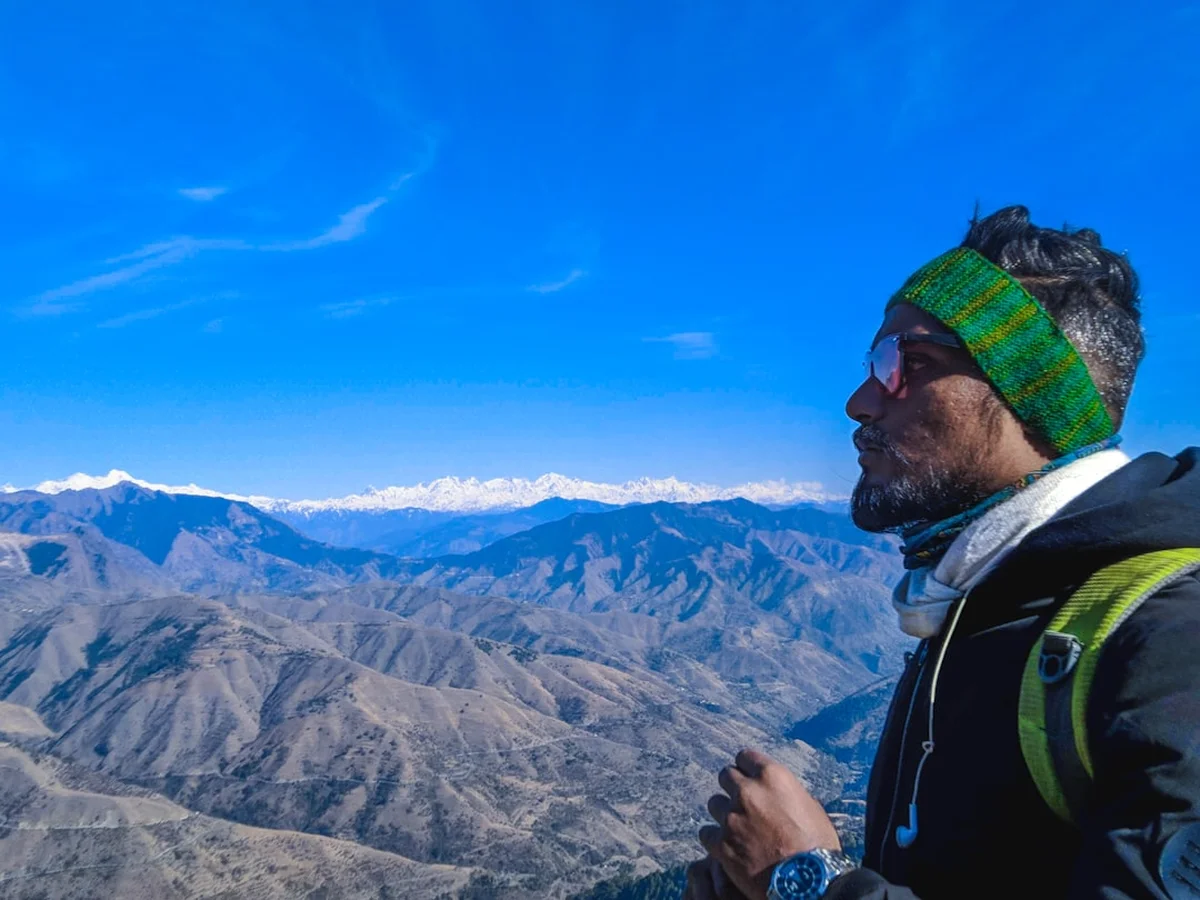
Markha Valley Trek - The Heart of Little Tibet
The Markha Valley Trek is arguably the most celebrated high-altitude journey in the Ladakh region of northern India. Spanning approximately 65 kilometres through the rugged, rain-shadow landscape of the Hemis National Park, this trek offers a profound immersion into the "Little Tibet" of the Himalayas. Unlike many other Himalayan routes that focus solely on peak bagging or glacial traverses, the Markha Valley provides a unique synthesis of dramatic geological formations, ancient Buddhist culture, and high-altitude challenge. The route winds through deep canyons, crosses two formidable passes exceeding 4,900 metres, and follows the life-giving Markha River as it sustains emerald-green oases amidst a vast, arid mountain desert. It is a journey that demands physical resilience and mental fortitude, rewarded by the sight of the 6,400-metre Kang Yatse peaks and the warm hospitality of Ladakhi homestays.
- Distance: 65.0 km point-to-point
- Duration: 6–8 days
- Season: June to October (summer months)
- Accommodation: Village homestays or tented camps
- Highest point: Kongmaru La (5,260 m)
- Difficulty: Challenging (due to altitude and river crossings)
- Closest City: Leh, Ladakh
- Direction: Typically West to East (Spituk/Chilling to Shang Sumdo)
Overview
The Markha Valley Trek is a masterclass in Himalayan contrast. Located in the Union Territory of Ladakh, the trail exists within a high-altitude desert environment where the air is thin, the sun is fierce, and the landscape is dominated by the jagged, multi-hued peaks of the Zanskar and Ladakh ranges. The trek is often referred to as a "tea house trek" because of the established network of village homestays, yet it retains a raw, wilderness character that distinguishes it from the more commercialised routes in Nepal. The journey begins in the parched valleys near the Indus River and ascends into the heart of Hemis National Park, India's largest national park and a sanctuary for the elusive snow leopard.
The landscape pacing of the Markha Valley is exceptional. The first few days involve navigating narrow gorges where the rock walls display vibrant shades of purple, green, and ochre—a result of complex tectonic activity and mineral deposits. As the trail progresses, the valley opens into wide alpine pastures where nomadic herders graze their yaks and dzo (a cross between a yak and a cow). The trek reaches its emotional and physical crescendo at the Nimaling plateau, a high-altitude meadow situated beneath the towering, snow-clad pyramid of Kang Yatse. Here, the scale of the Himalayas becomes truly humbling, with the 5,260-metre Kongmaru La pass standing as the final, breathless hurdle before descending back toward civilisation.
Culturally, the trek is a living museum. Every village along the route—Skiu, Markha, Hankar—is anchored by ancient mani walls (stones inscribed with Buddhist mantras), white-washed chortens (stupas), and prayer flags that flutter incessantly in the mountain wind. The presence of the Techa Monastery, perched precariously on a cliffside above the valley floor, serves as a reminder of the deep spiritual roots that have sustained these isolated communities for centuries. For the modern trekker, the Markha Valley is not just a physical test; it is an invitation to slow down, breathe the thin, crisp air, and witness a way of life that remains intimately connected to the rhythms of the mountains.
History and Cultural Context
The history of the Markha Valley is inextricably linked to the ancient trade routes that once connected India with Tibet and Central Asia. For centuries, these valleys served as secondary arteries of the Silk Road, where caravans carrying salt, wool, and precious stones navigated the high passes. The villages along the Markha River were vital staging posts, providing water and fodder for pack animals in an otherwise inhospitable terrain. The architectural heritage of the valley, particularly the ruins of the Hankar Fort, suggests a period when these routes required protection from territorial disputes between the various petty kingdoms of Ladakh and Zanskar.
The cultural fabric of the region is predominantly Tibetan Buddhist. The people of the Markha Valley are of Indo-Aryan and Tibetan descent, having adapted over a millennium to the rigours of living at altitudes above 3,500 metres. Their agricultural practices—utilising intricate irrigation channels to divert glacial meltwater—are a testament to human ingenuity in a desert. The establishment of Hemis National Park in 1981 added a layer of conservation history to the region. Named after the famous Hemis Monastery, the park was created to protect the unique flora and fauna of the Trans-Himalaya, including the Tibetan wolf, the blue sheep (bharal), and the snow leopard. Today, the trek represents a successful model of community-based ecotourism, where the income from trekkers helps sustain remote villages that might otherwise face depopulation.
The spiritual significance of the land is palpable. The "Om Mani Padme Hum" mantra is carved into thousands of stones along the trail, placed there by travellers seeking merit and protection. To walk the Markha Valley is to follow in the footsteps of monks, traders, and nomads, moving through a landscape that is considered by locals to be inhabited by various mountain deities and spirits. This cultural depth ensures that the trek is as much a journey inward as it is a traverse across the earth.
Want more background? Read extended notes on history and cultural context → Learn more
Seasonal Highlights and Weather Reality
The Markha Valley Trek is strictly a summer and early autumn adventure. Because Ladakh lies in the rain shadow of the Great Himalayan Range, it escapes the heavy monsoon rains that drench the rest of India from June to August. This makes it the premier destination for trekking when other parts of the Himalayas are inaccessible due to mud and clouds.
Summer (June to August): This is the peak trekking season. Days are characterised by brilliant blue skies and intense solar radiation. Temperatures in the valleys can reach 25°C to 30°C, making the lower sections of the trek quite hot. However, the heat is dry, and as soon as the sun sets, temperatures drop rapidly. This is also the time when the glacial melt is at its highest, meaning river crossings—particularly the Markha River—can be challenging and require careful timing (usually early morning before the flow peaks).
Autumn (September to early October): Many experienced trekkers consider this the best time to visit. The air becomes exceptionally clear, providing the sharpest views of the surrounding peaks. The summer heat dissipates, replaced by crisp, cool days and freezing nights. The willow and poplar trees in the villages turn a vibrant gold, contrasting beautifully with the blue sky and brown mountains. By mid-October, the high passes like Kongmaru La begin to receive significant snowfall, and the homestays start to close for the winter.
Winter (November to May): During these months, the Markha Valley is effectively cut off by heavy snow on the passes. The temperatures plummet to -20°C or lower. While the "Chadar Trek" (walking on the frozen Zanskar River) takes place nearby in January and February, the Markha Valley Trek itself is not feasible for standard trekking during this period. The passes become treacherous, and the risk of frostbite and altitude sickness increases exponentially in the extreme cold.
Recommended Itinerary
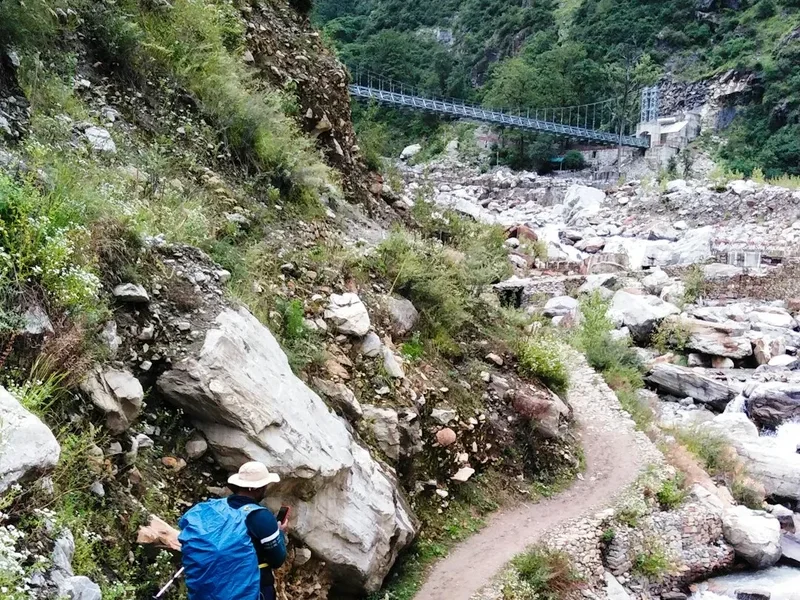
7-Day Markha Valley Itinerary
Day 1: Leh to Zingchen to Yurutse
- Distance: 12 km
- Elevation gain: 750 m
- Time: 4–5 hours
- Short drive from Leh to the trailhead at Zingchen
- Enter Hemis National Park, following the Rumbak Nala stream
- Gradual ascent through a narrow gorge where blue sheep are often spotted
- Pass through the small settlement of Rumbak
- Arrive at Yurutse (4,150 m), a tiny hamlet with a single large farmhouse
- First night at altitude; essential to stay hydrated and move slowly
Day 2: Yurutse to Skiu via Ganda La
- Distance: 15 km
- Elevation: 720 m gain, 1,470 m descent
- Time: 6–7 hours
- Steep climb to the summit of Ganda La (4,870 m)
- Panoramic views of the Zanskar Range and the distant peaks of the Karakoram
- Long, steady descent into the Shingo Valley
- The landscape changes from high alpine to arid desert canyons
- Arrive at Skiu (3,400 m) at the confluence of the Shingo and Markha rivers
- Skiu features an ancient monastery and pleasant homestays
Day 3: Skiu to Markha
- Distance: 20 km
- Elevation gain: 400 m
- Time: 6–7 hours
- A long but relatively flat day following the Markha River upstream
- Multiple river crossings depending on the season and bridge status
- Pass through lush thickets of sea buckthorn and willow
- View the ruins of old forts and abandoned settlements on the cliffs
- Arrive at Markha Village (3,800 m), the largest settlement in the valley
- Explore the local monastery and the village's intricate irrigation systems
Day 4: Markha to Hankar
- Distance: 11 km
- Elevation gain: 200 m
- Time: 4–5 hours
- Continue along the river, passing the Techa Monastery perched high on a cliff
- The valley begins to narrow as you approach the upper reaches
- Pass through Umlung village before the final climb to Hankar
- Arrive at Hankar (4,000 m), the highest permanent village in the valley
- The Hankar Fort ruins offer a spectacular sunset viewpoint over the valley
Day 5: Hankar to Nimaling
- Distance: 10 km
- Elevation gain: 700 m
- Time: 4–5 hours
- The trail leaves the main valley floor and climbs toward the high plateaus
- Pass the Thochuntse campsite before a steep ascent to a ridge
- Spectacular views of Kang Yatse I (6,401 m) and Kang Yatse II (6,250 m)
- Arrive at the Nimaling Plateau (4,700 m), a vast grazing ground
- Stay in fixed tented camps; this is the coldest and highest night of the trek
- Watch hundreds of sheep, goats, and yaks being herded at dusk
Day 6: Nimaling to Shang Sumdo via Kongmaru La
- Distance: 16 km
- Elevation: 560 m gain, 1,600 m descent
- Time: 7–8 hours
- Early morning start for the steep climb to Kongmaru La (5,260 m)
- The highest point of the trek, marked by thousands of prayer flags
- Views extend to the Indus Valley and the Tibetan plateau
- Extremely steep and rocky descent into a spectacular narrow gorge
- The "Martian" landscape features incredible red and purple rock formations
- Arrive at Shang Sumdo (3,660 m) for the final night
Day 7: Shang Sumdo to Hemis and Leh
- Distance: 6 km (walking)
- Elevation loss: 100 m
- Time: 2 hours
- Easy walk along the road-head to the village of Martselang
- Pick up by vehicle for the short drive to Hemis Monastery
- Visit the largest and wealthiest monastery in Ladakh
- Drive back to Leh (approx. 2 hours)
- Celebrate the completion of the trek with a hot shower and a meal in Leh
Planning and Bookings
Book Your Trip
Everything you need to plan your journey
Accommodation
Find places to stay near Leh
Flights
Search flights to Leh
Essential Preparation
The single most critical factor for a successful Markha Valley Trek is acclimatisation. Leh sits at 3,500 metres, and arriving from sea level puts immediate stress on the body. It is mandatory to spend at least three full days in Leh before starting the trek. During this time, walkers should engage in light activity, stay hydrated, and avoid alcohol. Physical fitness is also paramount; while the trail is well-defined, the combination of high altitude and long days (up to 20 km) requires good cardiovascular health and leg strength.
Logistically, Leh is the base for all operations. The city has numerous trekking agencies, gear shops, and supermarkets. Most trekkers fly into Leh from Delhi, a flight that offers spectacular views but results in a rapid altitude gain. It is highly recommended to book your Leh accommodation in advance, especially during the peak months of July and August.
Trail Accommodation
The Markha Valley is famous for its homestay network, which allows for a "light" trekking style without the need for heavy camping gear. These homestays are managed by local families and provide a unique window into Ladakhi life.
Homestay Facilities:
- Private or shared rooms with traditional floor bedding (thick rugs and blankets)
- Common dining area where meals are served around a central wood-burning stove
- Traditional Ladakhi dry toilets (composting pits)
- Simple vegetarian meals (typically dal bhat, ladakhi pasta, or bread)
- Boiled water for drinking is usually provided
- Cost: Approximately 1,200 to 1,500 Indian Rupees per night (includes dinner, breakfast, and a packed lunch)
What Homestays Don't Provide:
- Showers or hot running water (a bucket of warm water may be available for a small fee)
- Electricity for charging devices (some have solar power, but it is unreliable)
- WiFi or mobile signal
- Luxury bedding (a lightweight sleeping bag liner is recommended for hygiene)
Nimaling Tented Camp: At the Nimaling plateau, there are no permanent houses. Instead, large fixed tents with mattresses are available for trekkers. These are basic and can be very cold at night.
Required Gear
- Trekking boots - Sturdy, waterproof, and well broken-in. Ankle support is vital for the rocky descent from Kongmaru La.
- Down jacket - Essential for evenings and mornings, especially at Nimaling where temperatures drop below freezing.
- Hard-shell waterproof jacket - To protect against the biting wind on the passes and occasional mountain showers.
- Trekking trousers - Lightweight, quick-drying, and ideally wind-resistant.
- Base layers - Merino wool or synthetic wicking layers (top and bottom).
- Trekking poles - Highly recommended for the steep descents and river crossings.
- Backpack - 35-45L if staying in homestays; 60-70L if carrying camping gear.
- Sleeping bag - Rated to at least -10°C if camping or staying at Nimaling.
- Head torch - Essential for homestays and early morning pass crossings.
What to Bring
- Water purification - UV filters (like SteriPEN) or purification tablets. Avoid buying plastic bottles in the valley.
- Sun protection - High SPF sunscreen, lip balm with SPF, and a wide-brimmed hat. The UV radiation at 5,000 m is extreme.
- Personal first aid kit - Including Diamox (for altitude), rehydration salts, blister pads, and broad-spectrum antibiotics.
- Snacks - Energy bars, nuts, and dried fruit. The homestay lunches are filling but simple.
- Power bank - Solar chargers are effective in the high-altitude sun.
- Toiletries - Biodegradable soap, wet wipes (for "dry showers"), and hand sanitiser.
- Cash - Sufficient Indian Rupees for homestays and tips, as there are no ATMs on the trail.
- Sandals or water shoes - Essential for river crossings to protect feet from sharp stones.
Permits
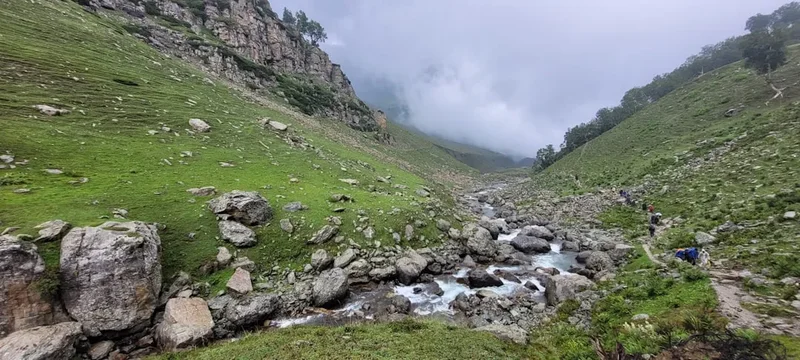
Navigating the permit requirements for Ladakh is a necessary part of the planning process. Because the Markha Valley Trek lies within the Hemis National Park and near sensitive border areas, specific permissions are required for both Indian and foreign nationals.
Wildlife Fee: All trekkers must pay a Wildlife Department fee to enter Hemis National Park. This is typically around 20 Indian Rupees per day for Indians and 100 Indian Rupees per day for foreigners. This can be paid at the check posts in Zingchen or Skiu, or arranged via an agency in Leh.
Inner Line Permit (ILP): While the Markha Valley itself does not always require a formal ILP for Indian citizens, foreign nationals must obtain a Protected Area Permit (PAP). This permit is usually issued for a group of two or more people and is valid for a specific duration. It can be applied for online or through a registered travel agent in Leh. You will need to provide copies of your passport and visa.
Booking Strategy:
- Allow at least one business day in Leh to process permits.
- Carry multiple photocopies of your permits and ID, as you will need to submit them at various check posts along the trail.
- If trekking independently, ensure you have the latest information on which areas are open, as regulations can change due to security concerns.
- The cost of the PAP for foreigners is approximately 600-800 Indian Rupees, including environmental fees and Red Cross donations.
Other Activities in the Area
Ladakh offers a wealth of experiences that complement the Markha Valley Trek. Consider these options for before or after your journey:
- Leh Palace and Shanti Stupa: Perfect for acclimatisation days, these sites offer panoramic views of the Leh valley and the Indus River.
- Monastery Circuit: Visit the spectacular monasteries of Thiksey, Hemis, and Shey. Thiksey is often compared to the Potala Palace in Lhasa.
- Pangong Tso: A high-altitude lake famous for its changing colours, located about 5 hours' drive from Leh. It requires a separate permit.
- Nubra Valley: Cross the Khardung La (one of the world's highest motorable passes) to see the sand dunes of Hunder and the double-humped Bactrian camels.
- Rafting on the Zanskar: For an adrenaline rush, take a day trip to raft the confluence of the Indus and Zanskar rivers near Nimmu.
- Stok Kangri Base Camp: For those wanting more altitude without a full summit attempt, the hike to the base camp of Ladakh's most famous peak is a great extension.
Safety and Conditions
Acute Mountain Sickness (AMS): This is the primary safety concern. The trek crosses two passes near 5,000 metres. Symptoms include headache, nausea, dizziness, and loss of appetite. The golden rule is: if symptoms persist or worsen, descend immediately. Carry Diamox but only use it after consulting a doctor. High Altitude Pulmonary Oedema (HAPE) and Cerebral Oedema (HACE) are life-threatening conditions that require emergency evacuation.
River Crossings: The Markha River can be treacherous. During peak summer, the water is glacial melt, meaning it is highest in the afternoon. Always cross in the morning if possible. Use trekking poles for stability and unbuckle your backpack's waist belt so you can jettison it if you fall. Never attempt to cross a river that is above mid-thigh depth.
Weather Extremes: Even in summer, a sudden storm can bring snow to the passes and drop temperatures to well below freezing. Hypothermia is a risk if you get wet and the wind picks up. Always carry your waterproofs and an extra warm layer in your daypack.
Dehydration and Sun: The dry air and high altitude lead to rapid fluid loss. Aim to drink 4–5 litres of water per day. The sun is incredibly strong; heatstroke and severe sunburn can occur even on cloudy days.
Communication: There is no mobile signal in the Markha Valley. Some villages may have a satellite phone for emergencies, but they are often out of order. If trekking independently, consider carrying a satellite messenger device, though be aware of Indian regulations regarding satellite phones.
Side Trips and Points of Interest
Techa Monastery: Located between Markha and Hankar, this small but ancient monastery is perched on a dramatic cliffside. The climb up takes about 30–45 minutes but offers incredible views of the valley. The monastery houses ancient thangkas (Buddhist paintings) and is often looked after by a single monk. It is a place of profound peace and silence.
Hankar Fort: The ruins of this fort sit atop a hill overlooking the village of Hankar. It provides a strategic view of the valley and is a perfect spot for photography. The architecture reflects the medieval history of Ladakh when local chieftains controlled the trade routes.
Kang Yatse Base Camp: From Nimaling, a side trip to the base camp of Kang Yatse (approx. 5,000 m) is possible for those with extra energy. It brings you closer to the glaciers and the sheer face of this 6,400-metre giant. It is a popular spot for those preparing for a summit attempt on Kang Yatse II.
The Gorges of Kongmaru La: The descent from the pass toward Shang Sumdo is a geological wonder. The trail winds through narrow canyons where the rock has been twisted and folded into surreal shapes. The colours range from deep burgundy to bright green, creating a landscape that feels entirely alien.
Leave No Trace
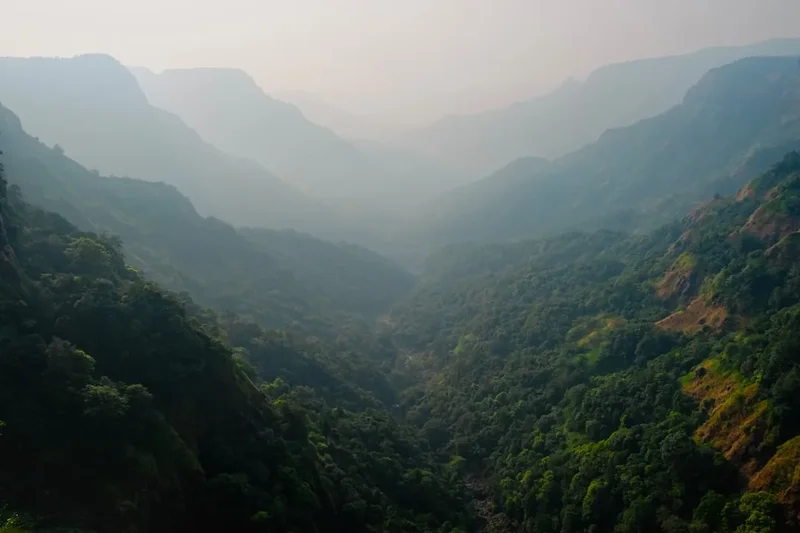
The ecosystem of Ladakh is extremely fragile. The high-altitude desert has a very slow rate of decomposition, meaning trash left behind can remain for decades. As tourism increases, the pressure on the Markha Valley's environment has become a serious concern.
Your responsibility as a walker:
- Zero Plastic: Do not buy plastic water bottles. Use a reusable bottle and treat the water provided by homestays or from streams.
- Waste Management: Pack out all non-biodegradable waste, including chocolate wrappers, cigarette butts, and feminine hygiene products. There is no waste disposal system in the valley.
- Respect the Water: Do not use soap or detergent directly in the rivers or streams. Wash at least 30 metres away from water sources.
- Stay on the Path: Avoid creating new trails, especially on the fragile alpine meadows of Nimaling, to prevent soil erosion.
- Cultural Respect: Always walk to the left of mani walls and chortens (clockwise). Ask for permission before taking photos of locals or inside monasteries.
- Wildlife: Do not feed or disturb the wildlife. If you are lucky enough to see a snow leopard or wolf, keep your distance and use binoculars.