
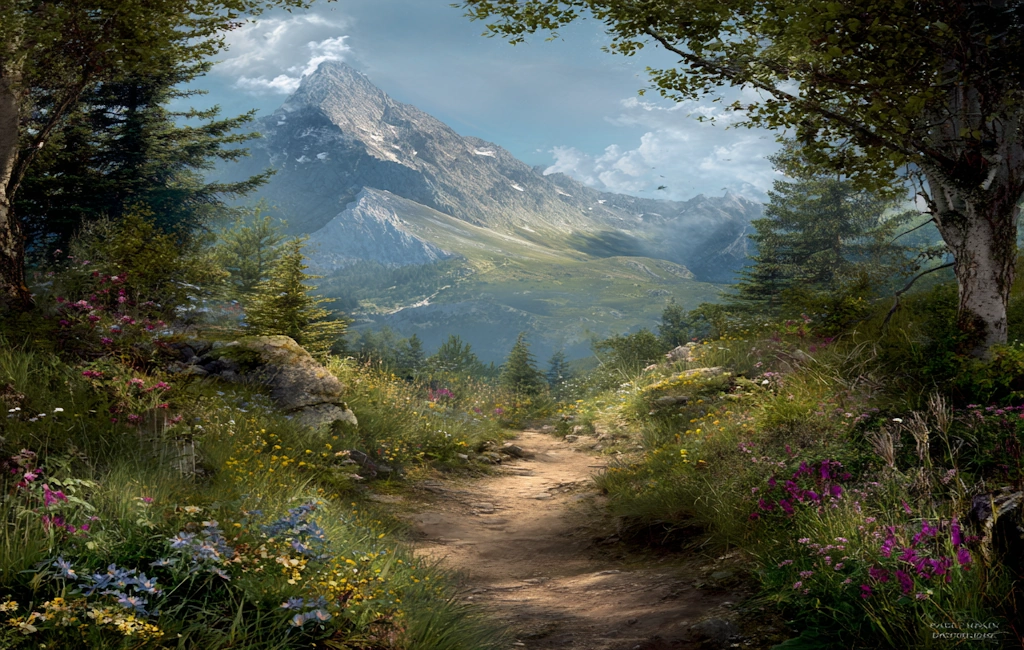
Mare a Mare Nord - A Trans-Corsican Odyssey
The Mare a Mare Nord (Sea to Sea North) is one of Corsica's most profound long-distance walking experiences, offering a 120-kilometre traverse that bisects the northern half of the "Island of Beauty." Stretching from the shimmering Tyrrhenian Sea at Moriani-Plage on the east coast to the turquoise Mediterranean waters of Cargèse on the west, this 10 to 12-day journey provides an intimate encounter with the soul of Corsica. Unlike the high-alpine, rock-strewn intensity of the GR20, the Mare a Mare Nord weaves through the "middle mountain" landscapes, connecting ancient granite villages, deep chestnut forests, and historic pastoral routes. It is a trail of transitions: from the humid coastal plains through the rugged, mountainous heart of the island at Corte, and finally descending through dramatic limestone gorges to the sun-drenched western cliffs. This is a walk for those who seek to understand the cultural fabric of Corsica—its history of resistance, its pastoral traditions, and its staggering botanical diversity—all while navigating a terrain that remains physically demanding and visually spectacular.
- Distance: 120.0 km
- Duration: 10–12 days
- Elevation Gain: Approximately 6,000 m
- Difficulty: Moderate (requires good fitness and mountain experience)
- Best Time: May to June and September to October
- Closest City: Corte (central hub) / Bastia (nearest airport)
- Trailhead: Moriani-Plage (East) or Cargèse (West)
- Accommodation: Gîtes d'étape (mountain lodges) and small village hotels
Overview
The Mare a Mare Nord is frequently described as the "cultural alternative" to the GR20, but this description should not imply a lack of physical challenge. While the trail avoids the jagged, technical ridgelines of the high peaks, it compensates with significant cumulative elevation gain and loss as it crosses the island's central spine. The route is a masterclass in Mediterranean ecology, taking walkers through the "maquis"—the dense, aromatic scrubland of myrtle, arbutus, and heather that defines the Corsican wilderness—before ascending into cool, cathedral-like forests of Laricio pine and ancient chestnut trees. These chestnut forests, known as the "Castagniccia," were once the breadbasket of the island, and the trail passes through silent, stone-built hamlets where the history of the "tree of life" is still palpable in the architecture and the local cuisine.
The journey is structured around the historic capital of Corte, a fortress city perched on a rocky outcrop that serves as the psychological and geographical midpoint of the trek. To the east of Corte, the landscape is dominated by the rolling hills and deep valleys of the interior, where the trail follows paths used for centuries by shepherds moving their flocks between seasonal pastures. To the west, the scenery becomes more dramatic and mineral, featuring the deep incisions of the Gorges de la Restonica and the Spelunca Gorge, where the path is often carved directly into the granite or follows meticulously laid Genoese stone pavements. The final stages offer a breathtaking descent toward the Gulf of Sagone, where the scent of the sea begins to mingle with the fragrance of the maquis, culminating in the white-washed, Greek-influenced village of Cargèse.
Walking the Mare a Mare Nord is as much a culinary journey as it is a physical one. The network of gîtes d'étape (waypoint lodges) provides an opportunity to sample authentic Corsican "terroir." After a day of climbing 800 metres through the heat, walkers are rewarded with "demi-pension" meals featuring wild boar civet, chestnut flour polenta, and the island's famous charcuterie—lonzu, coppa, and figatellu—sourced from the semi-wild pigs that roam the very forests the trail traverses. This connection between the land, the people, and the path makes the Mare a Mare Nord a deeply rewarding experience for those who value solitude, heritage, and the slow rhythm of mountain life.
History and Cultural Context
The Mare a Mare Nord follows the "sentiers de transhumance"—the ancient tracks used by Corsican shepherds for millennia. Historically, the island's economy was built on the movement of livestock. In the summer, shepherds drove their sheep and goats to the high "alpages" (alpine pastures) to escape the coastal heat; in the winter, they returned to the milder lowlands. These paths were the lifelines of the island, connecting isolated mountain communities and providing the only means of trade and communication before the construction of modern roads. Walking this trail today is an act of following in the footsteps of generations of "Bergers" (shepherds) whose presence is still felt in the "bergeries" (stone huts) and dry-stone walls that line the route.
The trail also passes through the heart of Corsican resistance and identity. Corte, the midpoint of the trek, was the capital of the independent Corsican Republic between 1755 and 1769 under the leadership of Pasquale Paoli, the "Father of the Fatherland." The city's citadel and its university remain symbols of a fierce desire for autonomy. Further east, the Castagniccia region was the site of numerous revolts against Genoese and later French rule. The architecture of the villages along the trail—tall, narrow stone houses with slate roofs—was designed for defence, reflecting a history of maritime raids and internal feuds. The Genoese bridges encountered in the western sections, such as those in the Spelunca Gorge, are architectural marvels from the 15th to 18th centuries, built to facilitate the transport of olive oil and timber to the coast.
Today, the Mare a Mare Nord is managed by the Parc Naturel Régional de Corse (PNRC). Established in 1972, the park covers nearly 40% of the island and was created to protect the unique biodiversity and cultural heritage of the interior. The development of the "Mare a Mare" and "Mare e Monti" routes was a deliberate effort to revitalise the rural economy by encouraging sustainable tourism in villages that were facing depopulation. By staying in village gîtes and purchasing local products, walkers contribute directly to the preservation of this ancient way of life.
Want more background? Read extended notes on history and cultural context → Learn more
Seasonal Highlights and Weather Reality
The Mare a Mare Nord is best experienced during the shoulder seasons of late spring and early autumn. Unlike the high-altitude GR20, which can remain snow-bound until late June, the Mare a Mare Nord is generally accessible from May through October. However, each season brings a distinct character and set of challenges to the trail.
Spring (May to June): This is arguably the most beautiful time to walk. The "maquis" is in full bloom, carpeted in white cistus flowers and yellow broom, and the air is heavy with the scent of wild herbs. Waterfalls are at their most powerful as the snow melts from the higher peaks, and the temperatures are ideal for climbing—typically ranging from 15°C to 22°C. However, late spring can bring afternoon thunderstorms, particularly in the central mountains around Corte and Calacuccia.
Summer (July to August): Walking in mid-summer is not recommended for most. Temperatures on the lower sections and coastal approaches can soar above 30°C, and the humidity in the chestnut forests can be stifling. Water sources may dry up, and the risk of forest fires is at its peak, sometimes leading to temporary trail closures by the authorities. If you must walk in summer, start your days at dawn and ensure you carry at least 3 litres of water.
Autumn (September to October): September offers stable weather and warm seas for the final swim in Cargèse. The crowds of summer have dissipated, and the light takes on a golden, crystalline quality. October brings the harvest season in the Castagniccia; the chestnut forests turn vibrant shades of orange and bronze, and the smell of roasting chestnuts fills the villages. While the days are shorter and the evenings cooler (dropping to 5°C–10°C in the mountains), the walking conditions are often perfect. Be aware that some gîtes begin to close in late October.
Winter (November to April): The trail is not maintained during winter. While the coastal sections may remain snow-free, the central passes (such as the Col de Vergio at 1,477 m) will be covered in snow and ice. Most accommodation is closed, and the risk of severe weather makes the traverse dangerous for anyone without advanced winter mountaineering and navigation skills.
Recommended Itinerary
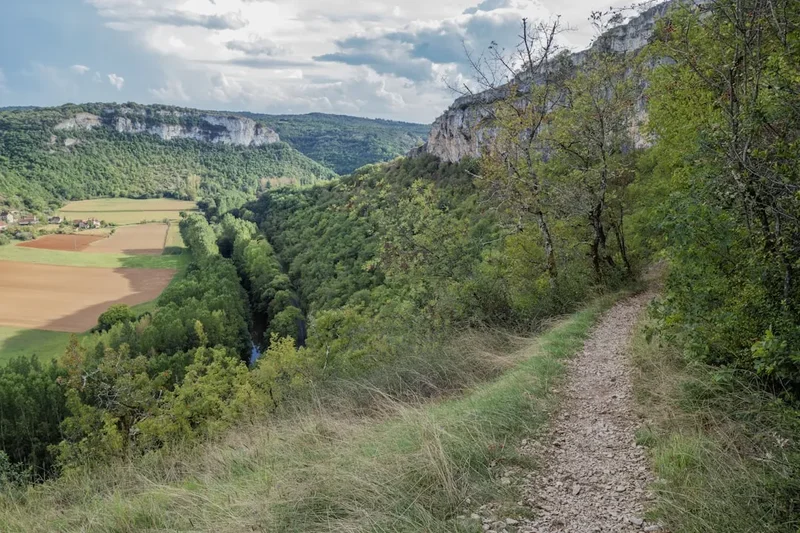
10-Day Mare a Mare Nord Itinerary
Day 1: Moriani-Plage to I Penti
- Distance: 11 km
- Elevation: 750 m gain
- Time: 4–5 hours
- Start at the Tyrrhenian coast and begin a steady ascent into the Castagniccia
- Pass through the village of San Nicolao with its beautiful baroque church
- Enter the dense chestnut forests that define the eastern interior
- Arrive at the hamlet of I Penti, offering the first views back toward the sea
- Stay at the local gîte d'étape for a traditional Corsican welcome
Day 2: I Penti to Pianellu
- Distance: 13 km
- Elevation: 800 m gain, 450 m loss
- Time: 5–6 hours
- Cross the Arcarota Pass (820 m), a historic crossroads for the region
- Traverse through several "perched" villages including Valle-d'Alesani
- The terrain is a mix of forest tracks and ancient stone paths
- Pianellu is a classic granite village with narrow alleys and stunning valley views
- Excellent opportunities to sample local Alesani honey and charcuterie
Day 3: Pianellu to Sermano
- Distance: 17 km
- Elevation: 700 m gain, 650 m loss
- Time: 6–7 hours
- A longer day crossing the Bozio region, known for its austerity and silence
- Pass the Chapel of San Nicolao, a Romanesque gem with 15th-century frescoes
- The landscape shifts from forest to more open, rocky maquis
- Sermano is famous for its traditional polyphonic singing (Paghjella)
- The descent into the village offers views of the high central peaks in the distance
Day 4: Sermano to Corte
- Distance: 16 km
- Elevation: 600 m gain, 850 m loss
- Time: 5–6 hours
- Descend toward the Tavignano River, one of the island's most beautiful waterways
- The trail follows the "Rossolino" path, an ancient mule track carved into the cliffs
- Enter Corte via the old bridge beneath the Citadel
- Corte is the cultural heart of Corsica; spend the evening exploring the "Haute Ville"
- Numerous accommodation options from gîtes to boutique hotels
Day 5: Corte to Aiti
- Distance: 15 km
- Elevation: 850 m gain, 400 m loss
- Time: 6 hours
- Leave the city and climb toward the Col de Prato
- The trail offers spectacular views of the Monte Rotondo massif
- Pass through the Golo Valley, the longest river system in Corsica
- Aiti is a quiet, remote village where the pace of life has changed little in decades
- The gîte here is known for its hospitality and home-cooked mountain fare
Day 6: Aiti to Calacuccia
- Distance: 16 km
- Elevation: 700 m gain, 600 m loss
- Time: 6 hours
- Enter the Niolo Valley, the historic centre of Corsican shepherding
- Cross the Scala di Santa Regina, a dramatic granite gorge with a path built by Genoese engineers
- The terrain is rugged and mineral, showcasing the island's "mountain" character
- Arrive in Calacuccia, situated on the shores of a large reservoir lake
- Views of Monte Cinto (2,706 m), the highest point in Corsica, dominate the skyline
Day 7: Calacuccia to Castel di Vergio
- Distance: 14 km
- Elevation: 600 m gain, 200 m loss
- Time: 5 hours
- A steady climb through the Valdu Niellu forest, home to ancient Laricio pines
- The trail intersects with the GR20 near the Col de Vergio
- This is the highest point of the Mare a Mare Nord (1,477 m)
- Stay at the Castel di Vergio, a historic hotel and gîte serving both trails
- Expect cooler temperatures and alpine conditions at this altitude
Day 8: Castel di Vergio to Evisa
- Distance: 12 km
- Elevation: 200 m gain, 1,000 m loss
- Time: 5 hours
- A magnificent descent through the Aïtone forest, famous for its giant pines and rock pools
- Stop for a swim in the natural pools of the Aïtone River
- The path follows an old forest track with gentle gradients
- Evisa is known as the "pearl of the mountains," surrounded by chestnut groves
- The village offers the first glimpses of the sea on the western horizon
Day 9: Evisa to Marignana
- Distance: 11 km
- Elevation: 400 m gain, 650 m loss
- Time: 4–5 hours
- Descend into the Spelunca Gorge, a masterpiece of Genoese bridge-building
- Cross the Zaglia Bridge, a scheduled historic monument from 1712
- The path is a "calade"—a meticulously paved stone track
- Climb out of the gorge to the village of Marignana
- The landscape becomes more Mediterranean, with olive trees and prickly pears appearing
Day 10: Marignana to Cargèse
- Distance: 15 km
- Elevation: 500 m gain, 1,100 m loss
- Time: 6 hours
- The final push toward the Mediterranean coast
- Traverse the Revinda plateau with expansive views of the Gulf of Sagone
- Descend through the fragrant maquis toward the white cliffs of the west
- Finish in Cargèse, the "Greek village," famous for its two facing churches (Latin and Orthodox)
- Celebrate the completion of the traverse with a swim at Pero Beach
Planning and Bookings
Book Your Trip
Everything you need to plan your journey
Accommodation
Find places to stay near Corte
Flights
Search flights to Corte
Essential Preparation
The Mare a Mare Nord requires a moderate level of physical fitness. While the paths are generally well-marked with orange blazes, the cumulative elevation gain (6,000 m) over 10 days is significant. Walkers should be comfortable with 6-hour days in potentially hot conditions. Navigation is straightforward, but carrying a topographic map (IGN 1:25,000) or a reliable GPS track is essential, as the maquis can quickly reclaim lesser-used paths.
Logistically, the trail is best accessed via Bastia. From Bastia Poretta Airport, you can take a train or bus to Casamozza and then a local bus to Moriani-Plage. If finishing in Cargèse, there are regular bus connections back to Ajaccio, which has its own airport and ferry terminal. Booking accommodation in advance is highly recommended, especially during the peak months of June and September, as the gîtes d'étape have limited capacity (often 12–20 bunks).
Trail Accommodation
Accommodation on the Mare a Mare Nord primarily consists of "Gîtes d'étape." These are simple, dormitory-style lodges located in the villages along the route. They are designed specifically for hikers and offer a communal atmosphere.
Gîte Facilities:
- Dormitory rooms with bunk beds (usually 4 to 10 people per room)
- Shared bathroom facilities with hot showers (though hot water can be limited)
- Common dining area where "demi-pension" (dinner and breakfast) is served
- Basic kitchen facilities for those who prefer to self-cater (not available in all gîtes)
- Blankets are usually provided, but a lightweight sleeping bag liner (silk or cotton) is mandatory for hygiene
What Gîtes Don't Provide:
- Towels and toiletries
- Private rooms (though some villages have small hotels as alternatives)
- WiFi (signal is often weak or non-existent in mountain villages)
- Laundry machines (hand-washing in sinks is the norm)
Booking and Costs:
- Expect to pay €45–€55 per person for demi-pension (bed, dinner, and breakfast)
- Bed only is typically €15–€20
- Bookings should be made via phone or email directly with the gîte owners (basic French is helpful)
- Camping is generally prohibited along the trail except in designated areas near certain gîtes
Required Gear
- Hiking boots - Mid-cut with good grip (Vibram soles recommended) for rocky and uneven terrain
- Backpack - 35–45 litres is sufficient if staying in gîtes; ensure it has a rain cover
- Trekking poles - Highly recommended for the long descents (especially Day 8 and Day 10)
- Clothing - Lightweight, moisture-wicking layers; include a fleece or light down jacket for mountain evenings
- Rain gear - A high-quality waterproof jacket (Gore-Tex or similar) for afternoon storms
- Sun protection - Wide-brimmed hat, high-SPF sunscreen, and quality sunglasses
- Navigation - IGN maps (Top 25) or a GPS device with offline maps
- First aid kit - Focus on blister care (Compeed), antiseptic, and rehydration salts
What to Bring
- Water storage - Minimum 2-litre capacity (3 litres in summer); hydration bladders or sturdy bottles
- Water treatment - Chlorine tablets or a lightweight filter (Sawyer Squeeze) for stream water
- Sleeping bag liner - Silk or cotton; blankets are provided in gîtes but liners are required
- Cash - Essential. Many gîtes and village shops do not accept credit cards
- Snacks - Energy bars, nuts, and dried fruit; local shops are available but can be expensive
- Toiletries - Biodegradable soap/shampoo, travel towel, and earplugs (for dormitories)
- Head torch - For moving around gîtes at night or early starts
- Power bank - To keep phones and GPS charged, as outlets in gîtes can be scarce
Permits
One of the appeals of the Mare a Mare Nord is its accessibility; no formal permits or entry fees are required to walk the trail. The path is open to the public and managed by the Parc Naturel Régional de Corse (PNRC). However, walkers must adhere to the regulations of the Regional Park to ensure the protection of the environment and the respect of local communities.
Key Regulations:
- Wild Camping: Strictly prohibited ("Bivouac" is only allowed in designated areas near gîtes). This is enforced to prevent forest fires and protect fragile ecosystems.
- Fire: Lighting fires is strictly forbidden at all times. Corsica is extremely susceptible to wildfires, which can be catastrophic.
- Waste: All rubbish must be carried out. There are no bins on the trail between villages.
- Livestock: Always close gates behind you. The trail passes through active grazing lands for sheep, goats, and pigs.
Logistical Bookings: While no trail permit is needed, your "permit" to sleep is your gîte reservation. During the peak season (May, June, September), showing up without a booking is risky and may result in having to find alternative transport to a larger town. It is customary to call the gîte 24 hours in advance to confirm your arrival time, especially if you have booked dinner.
Other Activities in the Area
Corsica offers a wealth of experiences beyond the trail. Consider adding a few days to your itinerary to explore these highlights:
- Corte Citadel and Museum: Spend an extra day in Corte to visit the Musée de la Corse, which provides deep insights into the island's anthropology and history. The walk up to the "Point de Vue" offers the best perspective of the city's unique geography.
- Restonica Valley: From Corte, take the shuttle bus up the Gorges de la Restonica to hike to Lac de Melo and Lac de Capitello, two stunning glacial lakes surrounded by jagged peaks.
- Scuba Diving in Cargèse: The crystal-clear waters of the Gulf of Sagone are perfect for diving or snorkelling. Several centres in Cargèse offer introductory dives and excursions to the nearby Scandola Nature Reserve (a UNESCO World Heritage site).
- Calanches de Piana: Located just north of Cargèse, these dramatic red porphyry rock formations are a must-see. You can explore them via boat tour or by walking the shorter "Sentier des Muletiers."
- River Swimming: The Tavignano and Aïtone rivers offer some of the best wild swimming in Europe. Look for the "piscines naturelles" (natural pools) near the Genoese bridges.
- Wine Tasting: The region around Cargèse and the western coast produces excellent Vermentino (white) and Sciaccarello (red) wines. Visit a local "domaine" for a tasting session.
Safety and Conditions
Weather Awareness: The primary safety concern on the Mare a Mare Nord is the weather. Afternoon thunderstorms are common in the central mountains, even in summer. These storms can bring heavy rain, lightning, and a rapid drop in temperature. If you see dark clouds building over the peaks, aim to be off high ridges and away from exposed areas by early afternoon. The "Libeccio" (a strong south-westerly wind) can also make walking difficult on exposed sections.
Heat and Hydration: Heatstroke and dehydration are genuine risks, particularly on the eastern and western coastal approaches. The "maquis" provides very little shade. Always carry more water than you think you need, and use a hat and sunscreen. If you feel dizzy or nauseous, find shade immediately and rest.
Terrain and Navigation: The trail is generally well-maintained, but some sections are rocky and can be slippery when wet. The orange blazes are usually frequent, but in the dense maquis, it is easy to miss a turn. If you haven't seen a blaze for 10 minutes, backtrack to the last known marker. Do not attempt to "shortcut" through the maquis; the vegetation is often impenetrable and contains thorny shrubs.
Wildlife: You will frequently encounter semi-wild pigs, cows, and goats. While generally harmless, they can be protective of their young. Do not attempt to feed the pigs; they can become aggressive if they associate hikers with food. Ticks can be present in long grass and ferns, so check your legs at the end of each day.
Emergency Services: The universal emergency number in France is 112. Mobile phone coverage is generally good in villages but can be non-existent in deep valleys or gorges. It is advisable to inform your gîte host of your intended route for the day.
Side Trips and Points of Interest
The Scala di Santa Regina: This is one of the most spectacular sections of the trail. The "Stairway of the Holy Queen" is an ancient path carved into the sheer granite walls of the Golo Gorge. It was the primary route for the Niolo shepherds for centuries. The engineering of the dry-stone walls and the dramatic views into the abyss make this a highlight of Day 6.
Genoese Bridges of the Spelunca: On Day 9, the trail crosses several historic bridges, including the Ponte di Zaglia and the Ponte Vecchiu. These elegant stone arches were built to withstand the violent autumn floods of the Porto River. They are perfect spots for photography and a mid-morning break.
The Chestnut Forests of Castagniccia: The first two days of the trail immerse you in a landscape that was once the most densely populated part of Corsica. Look for the "séchoirs à châtaignes" (chestnut drying sheds) and the massive, ancient trees that have fed the islanders for over 500 years. The shade here is a welcome relief from the Mediterranean sun.
Cargèse's Two Churches: The finish line in Cargèse offers a unique cultural curiosity. Facing each other across a small valley are an 18th-century Roman Catholic church and a Greek Orthodox church. This reflects the village's history as a refuge for Greeks fleeing Ottoman rule in the 17th century. Both are worth a visit for their distinct architectural styles and interior icons.
Leave No Trace
Corsica's interior is a fragile environment that faces increasing pressure from tourism and climate change. As a walker, you have a responsibility to minimise your impact on this unique landscape. The "Leave No Trace" principles are essential for preserving the Mare a Mare Nord for future generations.
Environmental Responsibility:
- Fire Prevention: This is the most critical rule in Corsica. Never light a fire and be extremely careful with camping stoves. Dispose of cigarette butts responsibly (or better yet, don't smoke on the trail).
- Water Protection: Do not use soap or detergent directly in rivers or natural pools. Even biodegradable soap can harm aquatic life. Carry water 30 metres away from the source for washing.
- Stay on the Path: The maquis and alpine meadows are easily eroded. Stick to the marked orange blazes to prevent the creation of "social trails" that damage vegetation.
- Respect the Silence: Corsican mountain villages value their peace. Avoid loud music or shouting, especially when passing through residential areas or staying in gîtes.
- Pack It Out: Carry all your rubbish to the next village. This includes organic waste like orange peels or banana skins, which decompose slowly in the dry Mediterranean climate and can attract pests.
- Wildlife: Observe animals from a distance. Do not feed the wild pigs or leave food scraps near gîtes, as this disrupts their natural foraging behaviour.
By walking with respect and humility, you help ensure that the "sentiers de transhumance" remain a living part of Corsican culture rather than just a tourist commodity.
 France