
Mardi Himal Trek - A Hidden Gem in the Annapurna Region
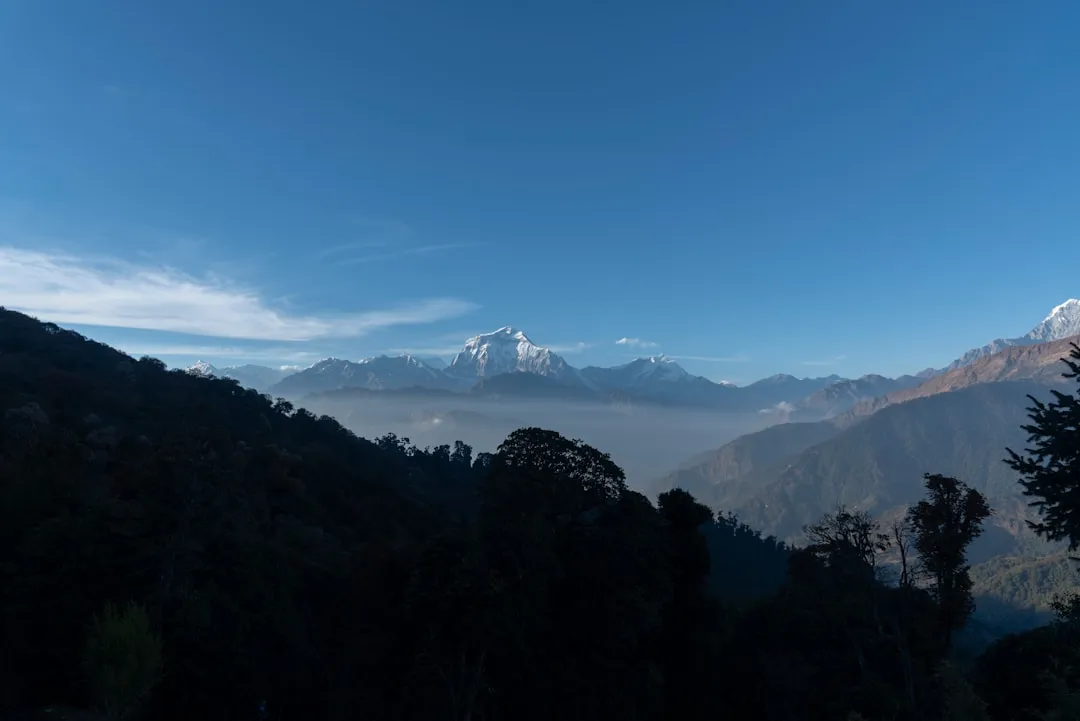
The Mardi Himal Trek is a relatively new and increasingly popular trekking route in Nepal's Annapurna region, offering a more secluded and less crowded alternative to the classic Annapurna Base Camp or Annapurna Circuit treks. This 35 km journey takes you through diverse landscapes, from lush rhododendron and oak forests to alpine meadows and high-altitude ridges, culminating in breathtaking close-up views of Machhapuchhre (Fishtail Mountain), Mardi Himal, and the Annapurna South massif. Unlike many other treks in the region, Mardi Himal is known for its stunning ridge-top walking and its proximity to the sacred Machhapuchhre, providing unparalleled panoramic vistas.
- Distance: 35.0 km one-way
- Duration: 4-5 days
- Season: March-May (spring) and September-November (autumn)
- Huts: Basic teahouses and lodges along the route
- Highest point: Mardi Himal Base Camp (4,500 m)
- Daily walkers: Variable, but significantly fewer than more established routes
- Direction: Typically starts from Kande and ends at Ghandruk or Phedi
- Difficulty: Moderate
Overview
The Mardi Himal Trek is a captivating journey that offers a unique perspective on the Annapurna range. It's an ideal choice for trekkers seeking a less commercialised experience with spectacular mountain scenery. The trek begins with a scenic drive from Pokhara to Kande, followed by a walk through charming Gurung villages and dense forests. As you ascend, the vegetation changes, and the majestic peaks of Machhapuchhre, Mardi Himal, and Annapurna South begin to dominate the skyline. The highlight of the trek is the walk along the Mardi Himal ridge, offering continuous, awe-inspiring views of the Himalayas. The trail is well-maintained but can be steep in places, requiring a moderate level of fitness.
The trek's charm lies in its relative remoteness and the intimate connection it fosters with the mountains. You'll pass through traditional villages where you can experience local culture and hospitality. The forests are alive with birdsong, and in spring, the rhododendrons bloom in vibrant colours. The higher you climb, the more dramatic the landscape becomes, with rocky terrain and sparse vegetation leading to the Mardi Himal Base Camp, a vantage point offering an almost 360-degree view of the surrounding giants. This trek is a testament to the raw beauty and spiritual aura of the Nepalese Himalayas, providing an unforgettable adventure for those who venture off the beaten path.
The trek is typically completed in 4 to 5 days, allowing ample time to acclimatise and soak in the scenery. The accommodation consists of basic teahouses and lodges, offering a warm bed and simple meals, which adds to the authentic trekking experience. The Mardi Himal Base Camp itself is situated at an altitude of 4,500 metres, making it one of the highest base camps accessible on a moderate trek in Nepal.
History and Cultural Context
The Mardi Himal region, while now a popular trekking destination, has a history deeply intertwined with the local Gurung and Magar communities. These ethnic groups have inhabited the lower slopes of the Annapurna range for centuries, their lives and culture shaped by the imposing presence of the Himalayas. Traditional farming practices, unique architectural styles, and vibrant festivals are all part of the cultural tapestry that trekkers encounter on their journey.
The Mardi Himal itself, a subsidiary peak of Machhapuchhre, remained largely unexplored by trekkers until the late 1960s. Its remote location and challenging terrain meant it was not part of the early trekking routes that focused on reaching Annapurna Base Camp or traversing the Annapurna Circuit. The development of the Mardi Himal trek as a distinct route is a more recent phenomenon, gaining traction in the early 2000s as trekkers sought out less crowded alternatives. The establishment of teahouses and trails has made it more accessible, but it still retains a sense of wildness and discovery.
The spiritual significance of Machhapuchhre (Fishtail Mountain) cannot be overstated. Considered sacred by the local people, it is believed to be the abode of deities. Climbing Machhapuchhre is forbidden, preserving its pristine, iconic silhouette. Mardi Himal, lying in its shadow, also carries a certain mystique. The trek offers a chance to witness not only the grandeur of these mountains but also the enduring cultural heritage of the communities who call this region home, a heritage that has been passed down through generations.
Seasonal Highlights and Weather Reality
The Mardi Himal Trek is best enjoyed during two primary seasons, each offering distinct advantages:
Spring (March to May): This is a prime trekking season. The weather is generally stable with clear skies, offering excellent mountain views. Temperatures are pleasant, ranging from around 10-20°C in the lower altitudes and dropping to 0-10°C at higher elevations. The rhododendron forests burst into bloom during this period, painting the hillsides with vibrant reds, pinks, and whites, creating a truly magical spectacle. However, spring can also bring occasional dust from the plains and increasing sandfly activity at lower elevations.
Autumn (September to November): Another ideal season for trekking. The monsoon rains have subsided, leaving the air clean and the skies crystal clear. Mountain views are exceptionally sharp and dramatic. Temperatures are cool and comfortable, typically ranging from 5-15°C in the lower regions and -5-5°C at higher altitudes. This season is known for its stable weather patterns, making it reliable for trekking. The landscape is drier, and sandfly issues are minimal.
Monsoon (June to August): This season is characterised by heavy rainfall, particularly in the lower altitudes. While the higher reaches might experience less rain, the trails can become muddy, slippery, and prone to landslides. Mountain views are often obscured by clouds. However, the forests are lush and green, and the waterfalls are at their most impressive. Trekkers during this season should be prepared for challenging conditions and limited visibility.
Winter (December to February): Winter offers cold temperatures and the possibility of snow, especially at higher elevations. The Mardi Himal Base Camp can be covered in snow, making the trek more challenging and requiring winter trekking gear and experience. However, if you are prepared for the cold, winter can offer stunning, snow-capped mountain vistas and fewer crowds. Daytime temperatures can hover around 0-5°C, with nighttime temperatures dropping well below freezing.
Recommended Itinerary
4-Day Mardi Himal Trek Itinerary
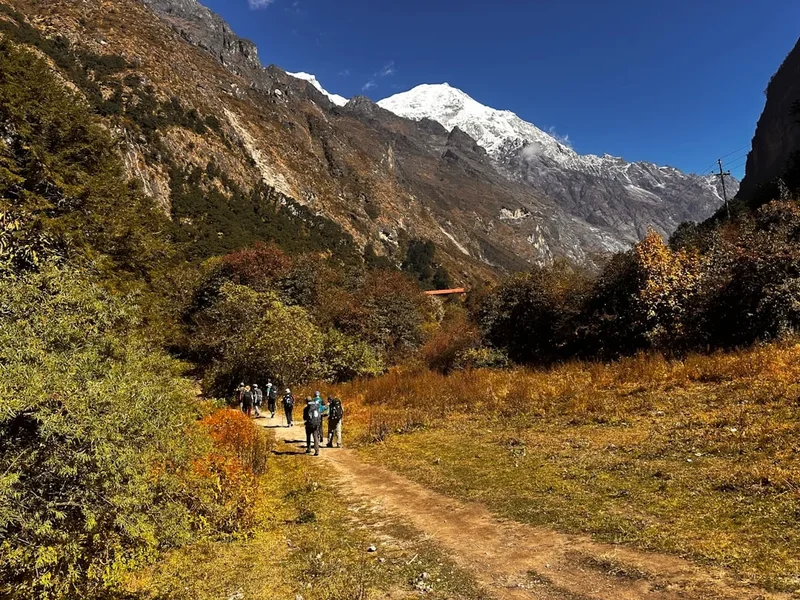
Day 1: Kande to Forest Camp (Kokar)
- Distance: Approximately 8 km
- Elevation gain: Approximately 1,000 m
- Time: 5–6 hours
- Start from Kande (1,770 m) after a scenic drive from Pokhara
- Ascend through terraced fields and small villages
- Enter rhododendron and oak forests
- The trail gradually climbs, offering glimpses of Annapurna South and Machhapuchhre
- Arrive at Forest Camp (2,550 m), a charming settlement nestled in the forest
- Overnight stay in a teahouse
Day 2: Forest Camp to Low Camp
- Distance: Approximately 5 km
- Elevation gain: Approximately 400 m
- Time: 3–4 hours
- Continue through dense rhododendron forests
- The trail becomes more open, with increasing views of Machhapuchhre
- Arrive at Low Camp (2,990 m), a beautiful spot with excellent mountain vistas
- Enjoy panoramic views of Machhapuchhre and Mardi Himal
- Overnight stay in a teahouse
Day 3: Low Camp to High Camp
- Distance: Approximately 4 km
- Elevation gain: Approximately 600 m
- Time: 3–4 hours
- The most scenic day, walking along the Mardi Himal ridge
- The trail offers continuous, spectacular views of Mardi Himal, Machhapuchhre, and Annapurna South
- Pass through alpine meadows and rocky terrain
- Arrive at High Camp (3,580 m), situated on the ridge with unparalleled mountain panoramas
- Optional short hike towards Mardi Himal Base Camp for acclimatisation
- Overnight stay in a teahouse
Day 4: High Camp to Mardi Himal Base Camp and return to High Camp/Sidhing
- Distance: Approximately 4 km return to Base Camp from High Camp
- Elevation gain: Approximately 920 m to Base Camp
- Time: 4–5 hours return to High Camp
- Early morning start for sunrise views from High Camp
- Trek to Mardi Himal Base Camp (4,500 m)
- Experience close-up views of Mardi Himal, Machhapuchhre, Annapurna South, and Hiunchuli
- Spend time at the base camp, soaking in the magnificent scenery
- Descend back to High Camp
- Option 1: Descend further to Sidhing village (approx. 4-5 hours from High Camp) for a different exit route.
- Option 2: Descend back to Low Camp and then to Kande (longer day, approx. 7-8 hours total descent).
- Overnight stay in a teahouse (High Camp or Sidhing)
Note: This itinerary can be extended to 5 days by adding an extra day at High Camp for acclimatisation or further exploration, or by taking a more leisurely descent.
Planning and Bookings
Book Your Trip
Everything you need to plan your journey
Accommodation
Find places to stay near Pokhara
Flights
Search flights to Pokhara
Essential Preparation
The Mardi Himal Trek is a moderate-level trek that requires good physical fitness. Trekkers should be comfortable walking for 5-7 hours a day with a backpack, often on uneven and steep terrain. Prior hiking experience is beneficial. It's advisable to undertake regular cardiovascular exercises and strength training in the weeks leading up to the trek. Acclimatisation is crucial, especially when ascending to High Camp and Base Camp. Ensure you have adequate travel insurance that covers high-altitude trekking and emergency helicopter evacuation.
Pokhara is the gateway city for the Mardi Himal Trek. It offers a wide range of accommodation options, from budget guesthouses to luxury hotels. You can arrange your trek permits, hire trekking gear, and book guides and porters in Pokhara. It's also a great place to relax and prepare before and after your trek. The drive from Pokhara to Kande, the starting point, takes approximately 1 to 1.5 hours and is on a paved but sometimes bumpy road.
Trail Accommodation
Accommodation along the Mardi Himal Trek consists of basic teahouses and lodges. These establishments provide simple rooms with beds and mattresses, and communal dining areas where meals are served. They are generally family-run and offer a warm, authentic Nepalese trekking experience.
- Room Facilities: Rooms typically have twin beds with mattresses and blankets. You will need to bring your own sleeping bag for warmth and hygiene. Toilets are usually shared and can be squat or western-style. Showers may be available but are often cold or require an extra charge for hot water.
- Dining Areas: Teahouses have a central dining room, often heated by a wood-burning stove, where trekkers gather for meals.
- Food: A standard menu of Nepalese and Tibetan dishes is available, including Dal Bhat (lentil soup with rice and vegetables), noodles, fried rice, pasta, and soups. Tea and coffee are also readily available.
- Booking Requirements: While not strictly mandatory, it is advisable to book accommodation in advance, especially during peak trekking seasons (spring and autumn), to ensure availability, particularly at higher camps like High Camp. This can often be arranged through your trekking agency or guide.
- Seasonal Availability: Teahouses are generally open year-round, but services might be more limited during the monsoon and winter months.
- Costs: Room charges are usually nominal (around $5-10 USD per night), with the main revenue for teahouses coming from food and drinks.
This is a trekking route requiring overnight accommodation in teahouses. No camping is permitted on the main trail.
Required Gear
- Trekking Boots: Sturdy, waterproof, and well-broken-in trekking boots with good ankle support are essential.
- Backpack: A 40-50 litre backpack for your personal gear. A larger pack can be carried by a porter if you choose to hire one.
- Sleeping Bag: A warm sleeping bag rated to at least -10°C to -15°C is recommended, as teahouse rooms can be cold, especially at higher altitudes.
- Clothing Layers:
- Base Layers: Thermal tops and bottoms (merino wool or synthetic).
- Mid Layers: Fleece jacket or down vest for insulation.
- Outer Layer: Waterproof and windproof jacket (Gore-Tex or similar) and trousers.
- Headwear: Warm beanie or hat for cold weather, and a sun hat or cap for sun protection.
- Gloves: Warm, waterproof gloves.
- Socks: Several pairs of wool or synthetic trekking socks.
- Footwear: Camp shoes or sandals for use in teahouses.
- Headlamp/Torch: With extra batteries, essential for early morning starts and navigating in the dark.
- Trekking Poles: Highly recommended for stability on ascents and descents, and to reduce strain on knees.
- Sunglasses: With UV protection.
What to Bring
- Food and Snacks: While teahouses provide meals, carrying energy bars, nuts, dried fruits, and chocolate is advisable for snacks during the day.
- Water Bottles/Hydration Reservoir: At least 2 litres capacity.
- Water Purification: Water purification tablets or a filter are essential, as tap water is not safe to drink.
- Sunscreen: High SPF (30-50) sunscreen to protect against strong UV rays at altitude.
- Lip Balm: With SPF.
- Toiletries: Biodegradable soap, shampoo, toothbrush, toothpaste, wet wipes, hand sanitiser.
- Personal First-Aid Kit: Including blister treatment, pain relievers, antiseptic wipes, bandages, any personal medications.
- Toilet Paper: Carry your own, as it's not always provided in teahouses.
- Camera and Extra Batteries/Power Bank: To capture the stunning scenery.
- Small Towel: Quick-drying travel towel.
- Passport and Visa Copies: Keep copies separate from the originals.
- Cash: Nepalese Rupees (NPR) for teahouse expenses, tips, and personal purchases. ATMs are not available on the trek.
- Book or Journal: For downtime in the evenings.
Permits
To trek in the Annapurna Conservation Area, trekkers are required to obtain two main permits:
1. Annapurna Conservation Area Permit (ACAP): This permit is mandatory for all trekkers entering the Annapurna region. It helps fund conservation efforts within the area.
2. Trekkers' Information Management System (TIMS) Card: This card is also compulsory and helps in tracking trekkers for safety purposes. It is managed by the Nepal Tourism Board.
Where to Obtain Permits:
- In Kathmandu: Permits can be obtained from the Nepal Tourism Board office or through trekking agencies.
- In Pokhara: Permits can be obtained from the Nepal Tourism Board office in Pokhara or from the ACAP office. It is generally more convenient to obtain them in Pokhara if you are starting your trek from there.
Required Documents:
- Passport with valid Nepalese visa.
- Passport-sized photographs (usually 2-4 copies).
Costs (subject to change):
- ACAP Permit: Approximately NPR 3,000 per person.
- TIMS Card: Approximately NPR 2,000 per person (for individual trekkers) or NPR 1,000 per person (if trekking with a registered agency).
Important Notes:
- Always carry your permits with you, as they may be checked at various checkpoints along the trekking route.
- It is advisable to obtain permits a day or two before starting your trek to avoid last-minute rushes.
- If you are trekking with a registered trekking agency, they will usually arrange these permits for you as part of your package.
Other Activities in the Area
Beyond the Mardi Himal trek itself, the region around Pokhara and the Annapurna foothills offers a wealth of activities:
- Pokhara City Exploration: Enjoy the serene Phewa Lake with boating or paddleboarding, visit the World Peace Pagoda for panoramic views, explore the International Mountain Museum, and wander through the Lakeside area with its vibrant markets and restaurants.
- Paragliding in Pokhara: Experience the thrill of tandem paragliding with stunning views of the Annapurna range and Phewa Lake.
- Zip-lining: For adrenaline junkies, Pokhara offers some of the longest and steepest zip-lines in the world.
- Ultralight Flights: Get a bird's-eye view of the Himalayas and Pokhara Valley.
- Day Hikes from Pokhara: Explore shorter trails like the hike to Sarangkot for sunrise views, or the hike to the Australian Camp for excellent mountain vistas.
- Cultural Village Tours: Visit nearby Gurung villages like Ghandruk (often a part of longer treks) to experience local culture, traditions, and architecture.
- Yoga and Meditation Retreats: Pokhara is a hub for wellness activities, offering numerous retreats for relaxation and rejuvenation.
Safety and Conditions
Altitude Sickness (AMS): Mardi Himal Base Camp is at 4,500 metres, which is a significant altitude. Altitude sickness can affect anyone, regardless of fitness level. Symptoms include headache, nausea, dizziness, and fatigue. The best prevention is gradual ascent and adequate acclimatisation. If symptoms appear, do not ascend further; descend to a lower altitude. Stay hydrated and avoid alcohol and smoking.
Trail Conditions: The trails are generally well-maintained but can be steep, rocky, and uneven, especially on the ridge sections leading to High Camp and Base Camp. During the monsoon season, trails can be muddy and slippery. In winter, snow and ice can make the higher sections treacherous, requiring appropriate gear and experience.
Weather: Mountain weather is unpredictable and can change rapidly. Be prepared for all conditions, including sun, rain, wind, and cold, even within the same day. Always check the weather forecast before setting out each day, especially for the higher sections.
Guides and Porters: Hiring a local guide is highly recommended. They are knowledgeable about the terrain, weather, local culture, and can assist with navigation and communication. Porters can carry your main backpack, making the trek more enjoyable and less physically demanding.
Communication: Mobile phone reception is intermittent and often unavailable at higher altitudes. Consider carrying a satellite phone or a Personal Locator Beacon (PLB) for emergencies, especially if trekking solo or in small groups.
Water and Food Safety: Always purify or boil drinking water. Eat well-cooked meals at teahouses. Be cautious with raw vegetables and unpeeled fruits.
Emergency Contacts: Keep a list of emergency contact numbers, including your trekking agency, local police, and ambulance services. Ensure your travel insurance details are readily accessible.
Side Trips and Points of Interest
Mardi Himal Base Camp (4,500 m): The ultimate destination of the trek. Reaching the base camp offers an unparalleled, close-up view of Mardi Himal, Machhapuchhre, Annapurna South, and Hiunchuli. The panoramic vista from here is simply breathtaking, especially at sunrise.
Ridge Walk to High Camp: The section of the trail from Low Camp to High Camp is a highlight, offering continuous, dramatic views of the Himalayas as you walk along the ridgeline. This is where the mountains truly come alive.
Sunrise from High Camp: Waking up early at High Camp to witness the sunrise paint the snow-capped peaks in hues of orange and pink is a magical experience that is worth the early start.
Forest Camp and Low Camp: These camps are situated within beautiful rhododendron and oak forests. They offer a more serene and intimate experience with nature before you ascend to the higher, more exposed terrain.
Sidhing Village: If you choose to descend via Sidhing, this traditional Gurung village offers a glimpse into rural Nepalese life and a different perspective on the region compared to the more tourist-oriented trails.
Machhapuchhre Base Camp (MBC) (Optional Extension): While not on the standard Mardi Himal route, some trekkers extend their journey to visit Machhapuchhre Base Camp, which is part of the Annapurna Base Camp trek. This would add an extra day or two to the itinerary and requires a different permit route.
Leave No Trace
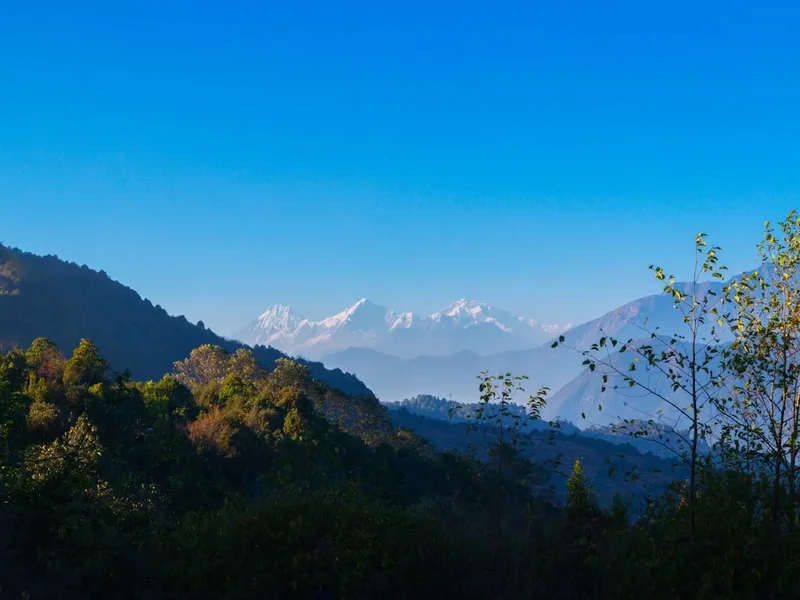
The Mardi Himal region is a pristine natural environment, and it is crucial for all trekkers to practice Leave No Trace principles to preserve its beauty and ecological integrity for future generations.
- Plan Ahead and Prepare: Research the trek, understand the conditions, and pack appropriately. This minimises the need for unexpected purchases that might have a larger environmental footprint.
- Travel and Camp on Durable Surfaces: Stick to the established trails to avoid damaging fragile vegetation. Avoid creating new paths. When camping (if permitted and necessary), choose established campsites.
- Dispose of Waste Properly: Pack out everything you pack in, including all trash, food scraps, and toilet paper. Do not bury waste. Use designated toilets at teahouses.
- Leave What You Find: Do not take rocks, plants, or cultural artefacts. Respect the natural and cultural heritage of the area.
- Minimise Campfire Impacts: Campfires are generally not permitted on the trek due to the risk of wildfires and the scarcity of firewood at higher altitudes. Use stoves for cooking.
- Respect Wildlife: Observe wildlife from a distance and never feed animals. Feeding them can disrupt their natural behaviours and diets.
- Be Considerate of Other Visitors: Keep noise levels down, especially in teahouses and natural areas. Respect the local culture and traditions.
By adhering to these principles, you contribute to the sustainability of trekking in the Himalayas and ensure that this beautiful region remains unspoiled.
 Nepal
Nepal