
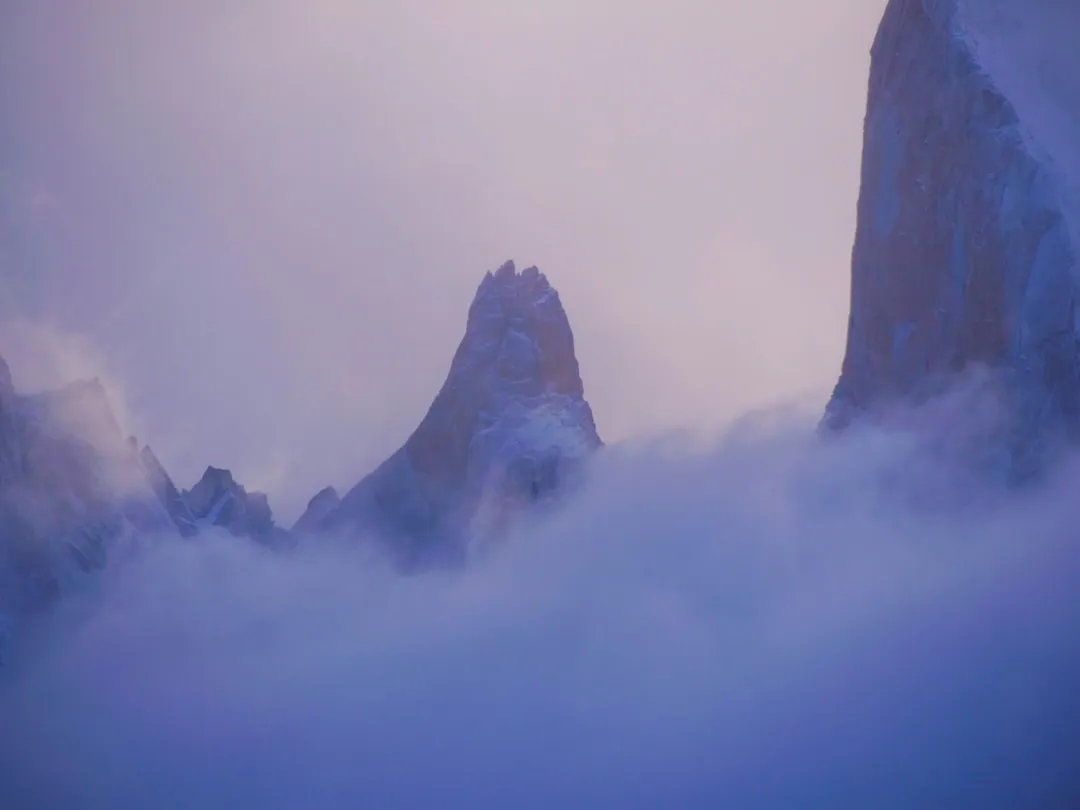
Marconi Glacier Traverse
The Marconi Glacier Traverse is a remote and challenging expedition through the heart of the Patagonian Andes, offering a true wilderness experience for seasoned trekkers. This route winds through dramatic glacial landscapes, vast desert plateaus, and rugged mountain terrain, demanding self-sufficiency and a high level of fitness. Unlike more established trails, the Marconi Glacier Traverse is an off-the-beaten-path adventure, requiring meticulous planning, navigation skills, and a deep respect for the unforgiving environment. It is a journey that tests both physical endurance and mental fortitude, rewarding those who undertake it with unparalleled solitude and breathtaking, raw beauty.
- Distance: 50.0 km
- Duration: 4–5 days
- Season: December to March (Patagonian summer)
- Difficulty: Very Challenging
- Highest point: Approximately 1,800 m
- Base Town: El Chaltén, Argentina
- Access: Fly to El Calafate (FTE), then bus to El Chaltén (3 hours). Trailhead access from El Chaltén.
- Permits: Generally not required for the traverse itself, but registration with park authorities or local guides may be advisable. Check current park regulations.
Overview
The Marconi Glacier Traverse is a demanding multi-day trek that connects the El Chaltén region with the remote northern reaches of Los Glaciares National Park, often serving as a gateway to more extensive explorations of the Southern Patagonian Ice Field. This route is characterised by its stark contrasts: from the windswept, arid plateaus reminiscent of a high-altitude desert to the imposing, ice-carved valleys and the colossal presence of the Marconi Glacier itself. The journey is not marked by a single, well-trodden path but rather a series of routes and cairns, often requiring glacier travel and advanced navigation skills, particularly when crossing the glacier or its moraines.
The trek typically begins near El Chaltén, a town renowned as Argentina's trekking capital, nestled beneath the iconic spires of Fitz Roy and Cerro Torre. From here, the route ascends through rugged terrain, gradually revealing expansive views of the surrounding mountain ranges and glacial systems. The initial days might involve traversing open steppe and rocky slopes, offering a sense of vastness and isolation. As the trek progresses, the landscape transforms, with the presence of ice becoming increasingly dominant. The Marconi Glacier, a colossal river of ice flowing from the Southern Patagonian Ice Field, is a central feature, and crossing or navigating its periphery is a significant undertaking.
This is a true expeditionary trek, far removed from the comforts of established trails. Hikers must be prepared for unpredictable weather, including strong winds, sudden temperature drops, and potential snow even in summer. The remoteness means carrying all necessary supplies, including food, shelter, and robust navigation equipment. The reward for this challenge is an intimate encounter with one of the planet's most dynamic and awe-inspiring glacial environments, a landscape sculpted by ice and time, offering a profound sense of accomplishment and connection with the wild.
History and Cultural Context
The region surrounding the Marconi Glacier Traverse has a rich history shaped by indigenous peoples, early explorers, and modern mountaineers. For millennia, the Tehuelche people, nomadic hunter-gatherers, traversed these lands, their lives intrinsically linked to the cycles of the seasons and the movements of wildlife. Their knowledge of the terrain and its resources was profound, though their presence in the high-altitude glacial zones was likely seasonal and opportunistic.
European exploration of Patagonia began in earnest in the 16th century, but the interior, particularly the vast ice fields, remained largely unknown and inaccessible for centuries. The late 19th and early 20th centuries saw a surge in expeditions aiming to map and understand this formidable region. Pioneers like Francisco Pascasio Moreno, whose name is synonymous with the region, played a crucial role in charting the vast glacial systems, including the Southern Patagonian Ice Field. The Marconi Glacier itself, named after an early surveyor or explorer, became a point of interest for those seeking to understand the extent and dynamics of the ice field.
In the latter half of the 20th century, mountaineers and adventurers began to explore routes across the Southern Patagonian Ice Field, recognising its potential as a challenging frontier. The Marconi Glacier, with its direct connection to the ice field, became a key objective for those aiming for ambitious traverses and ascents. The development of El Chaltén as a trekking hub in the late 20th century, spurred by the growing popularity of Fitz Roy and Cerro Torre, indirectly opened up access to more remote areas like the Marconi Glacier. Today, the traverse is undertaken by a small number of experienced trekkers and guides who continue to push the boundaries of exploration in this magnificent, wild landscape.
Seasonal Highlights and Weather Reality
The Marconi Glacier Traverse is a summer expedition, with the optimal window for attempting this trek falling between December and March. During these months, the Patagonian summer offers the longest daylight hours and the highest probability of encountering more stable weather conditions, though "stable" in Patagonia is a relative term.
December to January (Early Summer): This period offers the longest days, providing ample time for trekking and navigation. Snow levels at higher elevations may still be significant, potentially requiring more extensive use of snow gear and careful route-finding. The landscape is vibrant, with wildflowers appearing in sheltered valleys. However, this is also a period of intense wind, and sudden storms can occur at any time.
February to March (Late Summer/Early Autumn): The days begin to shorten, but the weather can sometimes become more settled. Snowpack at higher altitudes may have reduced, potentially making glacier crossings and rocky sections more accessible. The autumn colours can begin to appear in the lower valleys, adding a different aesthetic to the landscape. However, the risk of early snowfalls increases towards the end of March.
Weather Reality: It is crucial to understand that Patagonian weather is notoriously unpredictable and extreme. Strong, persistent winds (often exceeding 80-100 km/h) are a constant factor. Temperatures can fluctuate dramatically, dropping below freezing even during the day, especially at higher elevations or during storms. Rain and snow are common, and visibility can be reduced to near zero by fog and cloud. Hikers must be prepared for all conditions, carrying appropriate gear for extreme cold, wind, and precipitation, regardless of the season.
Recommended Itinerary
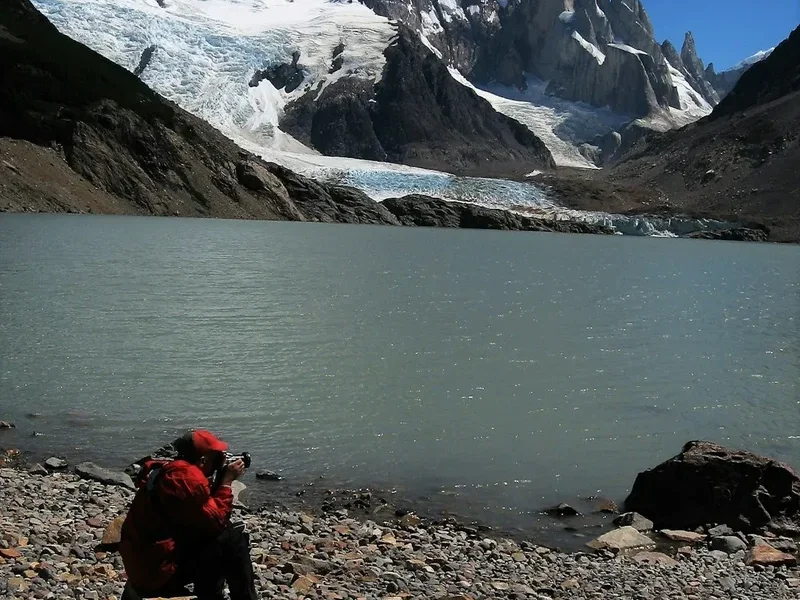
4-5 Day Marconi Glacier Traverse Itinerary
Day 1: El Chaltén to Laguna de los Tres Area (or nearby campsite)
- Distance: 10-12 km
- Elevation gain: 800-1000 m
- Time: 5-7 hours
- Start from El Chaltén, following the well-marked trail towards Laguna de los Tres.
- The initial part of the hike is steep and challenging, ascending through Lenga forests.
- Pass Mirador Fitz Roy for iconic views of the massif.
- Continue towards Laguna de los Tres, a stunning glacial lake at the base of Fitz Roy.
- Establish a campsite in a designated area near Laguna de los Tres or a suitable spot further along the trail towards the glacier, depending on conditions and permits.
- This day focuses on gaining elevation and positioning for the next stage.
Day 2: Laguna de los Tres Area to Marconi Glacier Base Camp
- Distance: 8-10 km
- Elevation gain: 300-500 m
- Time: 4-6 hours
- Descend from the Laguna de los Tres area and follow the trail towards the Marconi Glacier.
- The terrain becomes more rugged and less defined, transitioning into rocky moraines and scree.
- Navigate through the valley leading to the snout of the Marconi Glacier.
- Establish a base camp in a sheltered location near the glacier's edge, ensuring it is well away from potential icefall or flood zones.
- This day involves significant off-trail navigation and acclimatisation to the glacial environment.
Day 3: Marconi Glacier Crossing (or traverse along moraine)
- Distance: 10-15 km
- Elevation gain/loss: Variable (depending on route)
- Time: 6-10 hours
- This is the most challenging and variable day, depending on glacier conditions and your chosen route.
- Option A (Glacier Crossing): If conditions permit and with appropriate glacier travel gear (crampons, ice axe, rope, knowledge of crevasse rescue), you may attempt a direct crossing of a section of the Marconi Glacier. This requires expert navigation and assessment of ice conditions.
- Option B (Moraine Traverse): More commonly, trekkers will traverse along the lateral moraines of the Marconi Glacier. This involves navigating steep, unstable rocky terrain with significant ups and downs.
- The goal is to reach a suitable camping location on the western side of the glacier, closer to the next valley system.
- This day demands constant vigilance, excellent navigation, and a high level of physical exertion.
Day 4: Camp to Laguna Torre Area (or further towards El Chaltén)
- Distance: 10-15 km
- Elevation gain/loss: Variable
- Time: 5-8 hours
- Descend from your camp on the western side of the Marconi Glacier.
- The route will likely involve navigating through valleys and potentially crossing smaller streams or glacial meltwater channels.
- Aim to reach the vicinity of Laguna Torre, another iconic glacial lake with views of Cerro Torre.
- Depending on time and energy, you can either camp near Laguna Torre or begin the descent back towards El Chaltén.
- This day offers spectacular views of Cerro Torre and its surrounding spires.
Day 5 (Optional): Laguna Torre to El Chaltén
- Distance: 18 km
- Elevation loss: Significant descent
- Time: 6-8 hours
- Complete the descent from Laguna Torre back to El Chaltén.
- This trail is generally well-maintained and offers stunning views of the valley and the Fitz Roy massif from a different perspective.
- Arrive back in El Chaltén, a well-deserved return to civilisation.
Important Notes:
- This itinerary is a guideline; actual routes and timings will vary significantly based on weather, snow conditions, and individual pace.
- Glacier travel requires specific equipment and expertise. If you are not experienced, consider hiring a certified mountain guide.
- Carry all necessary food, water purification, shelter, and safety equipment.
- Be prepared for extreme weather and potential route changes.
- Campsites are not designated; choose safe, durable surfaces away from water sources and potential hazards.
Planning and Bookings
Book Your Trip
Everything you need to plan your journey
Accommodation
Find places to stay near El Chalten
Flights
Search flights to El Chalten
Essential Preparation
The Marconi Glacier Traverse is an expeditionary trek that requires a high degree of self-sufficiency and meticulous planning. Unlike more developed trails, there are no established huts or services along the route. Hikers must be prepared to carry all their food, shelter, and safety equipment for the duration of the trek. Fitness is paramount; participants should be comfortable with multi-day hikes carrying a heavy pack, with significant elevation gain and loss, and across challenging, often off-trail terrain. Prior experience with navigation in remote, alpine environments, including map and compass skills, and potentially GPS usage, is essential. Familiarity with glacier travel techniques (if attempting a glacier crossing) is critical and should not be underestimated. Base town logistics are centred around El Chaltén, which offers essential services like gear rental, food supplies, and information from park rangers or local guides. It is highly recommended to spend at least a day or two in El Chaltén before starting the trek to finalise preparations, check weather forecasts, and gather any last-minute supplies.
Trail Accommodation
This is a remote wilderness trek and does not have any designated trail accommodation such as huts or campsites. Hikers must be entirely self-sufficient and carry their own tents and camping gear. Wild camping is permitted in designated areas within Los Glaciares National Park, provided that campers adhere to Leave No Trace principles. This means selecting durable surfaces for pitching tents, such as rock or gravel, well away from water sources and fragile vegetation. Campfires are strictly prohibited. Hikers should be prepared to camp in exposed conditions and must have a robust, four-season tent capable of withstanding strong Patagonian winds and potential snow. There are no facilities whatsoever along the route; all waste must be packed out.
Required Gear
- Backpack: 65-80 litre capacity, robust and comfortable for carrying heavy loads.
- Tent: Four-season, wind-resistant tent capable of withstanding extreme Patagonian weather.
- Sleeping Bag: Rated to at least -10°C to -15°C comfort temperature, down or synthetic fill.
- Sleeping Pad: Insulated, high R-value pad for warmth and comfort.
- Boots: Sturdy, waterproof, insulated trekking boots with ankle support. Broken in thoroughly.
- Waterproof Outerwear: High-quality, breathable waterproof jacket and trousers with taped seams.
- Insulating Layers: Multiple layers of fleece, down, or synthetic insulation (e.g., mid-layer fleece, down jacket).
- Base Layers: Merino wool or synthetic base layers (top and bottom).
- Headwear: Warm beanie, sun hat, and balaclava or neck gaiter.
- Gloves: Warm, waterproof outer gloves and liner gloves.
- Navigation: Topographic map of the area, compass, and a reliable GPS device with spare batteries.
- Head Torch: With spare batteries.
- First Aid Kit: Comprehensive kit including blister treatment, pain relief, personal medications, and emergency supplies.
- Sun Protection: High SPF sunscreen, sunglasses, lip balm.
- Trekking Poles: Highly recommended for stability on uneven terrain and descents.
- Glacier Travel Gear (if attempting glacier crossing): Crampons, ice axe, helmet, harness, rope, and knowledge of crevasse rescue techniques.
What to Bring
- Food: Lightweight, high-calorie, non-perishable food for 4-5 days (breakfasts, lunches, dinners, snacks). Plan for an extra day's supply in case of delays.
- Water Treatment: Water filter or purification tablets. While water sources are plentiful, treatment is essential.
- Cooking System: Lightweight camping stove, fuel, pot, mug, bowl, and utensils. Lighter or waterproof matches.
- Toiletries: Biodegradable soap, toothbrush, toothpaste, toilet paper, hand sanitiser, trowel for burying human waste (if not using designated areas).
- Repair Kit: Duct tape, cordage, needle and thread, multi-tool.
- Communication: Satellite phone or personal locator beacon (PLB) for emergencies, as mobile phone reception is non-existent.
- Trash Bags: For packing out all waste.
- Personal Items: Camera, journal, book.
Permits
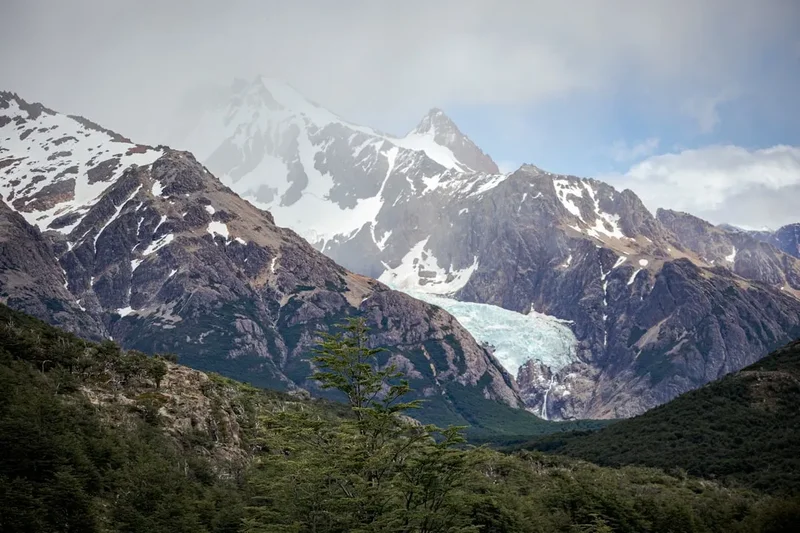
The Marconi Glacier Traverse, being a remote expedition through Los Glaciares National Park, generally does not require specific permits for the trek itself in the same way that highly regulated trails like the Milford Track do. However, it is crucial to understand the regulations of the national park and to exercise responsible wilderness practices.
National Park Entry: Access to Los Glaciares National Park may involve fees or registration depending on the specific entry points and current park management policies. It is advisable to check with the Argentine National Parks Administration (Administración de Parques Nacionales) or local park rangers in El Chaltén for the most up-to-date information regarding park entry requirements and any associated fees.
Registration: While not always mandatory, it is highly recommended to register your trekking plans with the park authorities in El Chaltén before commencing the Marconi Glacier Traverse. This allows them to be aware of your itinerary and provides a point of contact in case of an emergency. They can also offer valuable insights into current trail conditions, weather patterns, and any specific hazards to be aware of.
Guides: If you are not experienced in remote expedition trekking or glacier travel, hiring a certified local mountain guide is strongly advised. Guides will be familiar with the permit requirements, park regulations, and the safest routes. Their services often include logistical support and ensuring all necessary permissions are in place.
Camping: Wild camping is permitted in designated areas within the national park, but it is essential to follow Leave No Trace principles. There are no formal campsites, and fires are strictly prohibited. Always choose durable surfaces for pitching your tent and pack out all waste.
Information Sources: The best sources for current information are the National Parks Administration offices in El Chaltén and the local tourist information centres. They can provide maps, condition reports, and advice tailored to the specific season and your planned route.
Other Activities in the Area
El Chaltén and its surrounding region offer a wealth of activities for adventurers, complementing the Marconi Glacier Traverse:
- Fitz Roy Trekking: Numerous day hikes and multi-day treks lead to iconic viewpoints of Mount Fitz Roy, including Laguna de los Tres and Laguna Capri. These are world-class hikes accessible from El Chaltén.
- Cerro Torre Trekking: Another spectacular day hike leads to Laguna Torre, offering breathtaking views of the legendary Cerro Torre and its surrounding spires.
- Mountaineering and Climbing: El Chaltén is a global mecca for mountaineers and climbers, with opportunities for ascents of peaks like Fitz Roy, Cerro Torre, and numerous other challenging objectives.
- Ice Hiking on Viedma Glacier: Guided tours offer the chance to walk on the Viedma Glacier, one of the largest glaciers in Los Glaciares National Park, providing a more accessible glacial experience.
- Boat Trips on Lago Viedma: Explore the vast Lago Viedma and witness the impressive Viedma Glacier up close from the water.
- Horseback Riding: Experience the Patagonian steppe and foothills on horseback, offering a different perspective of the landscape.
- Exploring El Chaltén: The town itself has a vibrant atmosphere with excellent restaurants, craft breweries, and gear shops, making it a pleasant place to rest and resupply.
Safety and Conditions
Extreme Weather: The primary safety concern on the Marconi Glacier Traverse is the extreme and unpredictable Patagonian weather. Strong winds, sudden temperature drops, heavy rain, and snow are common. Hikers must be prepared for hypothermia and be able to navigate in low visibility. Always check the latest weather forecasts from reliable sources (e.g., MetService, local park rangers) before and during the trek, and be prepared to alter or postpone plans if conditions are unfavourable.
Navigation: This is a remote route with minimal or no marked trails. Accurate navigation using a map, compass, and GPS is essential. Getting lost in this terrain can have severe consequences. Ensure you have a detailed map of the area and understand how to use it effectively. Consider hiring a guide if you lack experience in remote navigation.
Glacier Travel: If your route involves crossing the Marconi Glacier, it is imperative to have the necessary skills and equipment for glacier travel. This includes understanding crevasse hazards, knowing how to use crampons and ice axes, and being proficient in rope techniques for self-rescue and crevasse rescue. If you are not experienced, do not attempt glacier crossings without a certified guide.
River Crossings: Glacial meltwater streams can be fast-flowing and dangerous, especially during warmer periods or after heavy rain. Assess water levels and currents carefully before attempting any crossings. If a crossing appears unsafe, do not attempt it; find an alternative route or wait for conditions to improve.
Remoteness and Communication: The Marconi Glacier Traverse is a true wilderness experience, meaning you will be far from any immediate assistance. Mobile phone reception is non-existent. Carry a satellite phone or a personal locator beacon (PLB) for emergency communication. Inform someone of your detailed itinerary and expected return date.
Physical Fitness: The trek is physically demanding, requiring excellent cardiovascular fitness and strength to carry a heavy pack over challenging terrain for multiple days. Ensure you are adequately trained and prepared for the physical exertion involved.
Wildlife: While large predators are not a concern, be aware of potential encounters with guanacos or condors. Store food securely to avoid attracting rodents or other small animals.
Emergency Preparedness: Carry a comprehensive first-aid kit and know how to use it. Be prepared to self-rescue or wait for assistance in case of injury or illness. Travel insurance that covers remote trekking and potential evacuation is highly recommended.
Side Trips and Points of Interest
Laguna de los Tres: While a common day hike from El Chaltén, spending a night or two in the vicinity of Laguna de los Tres provides an unparalleled opportunity to witness the iconic Fitz Roy massif in varying light conditions, including sunrise and sunset. The dramatic amphitheatre of peaks surrounding the lake is a photographer's dream.
Marconi Glacier Views: Even if not crossing the glacier directly, the approach to its snout offers spectacular views of this immense ice flow. Observing its scale, the seracs, and the meltwater streams provides a profound appreciation for the power of glacial forces.
Cerro Torre Views: As the traverse progresses towards the western side of the Marconi Glacier, opportunities arise to glimpse the legendary Cerro Torre and its satellite spires. These jagged peaks, often shrouded in cloud, are among the most challenging and visually striking mountains in the world.
Vast Patagonian Steppe: The initial and final sections of the trek, depending on the exact starting and ending points, may traverse open steppe landscapes. These seemingly barren areas are home to unique flora and fauna and offer a sense of immense space and solitude, a stark contrast to the glacial environments.
Southern Patagonian Ice Field Vistas: From higher vantage points, particularly if conditions allow, there are opportunities to see the vast expanse of the Southern Patagonian Ice Field stretching towards the horizon. This is one of the largest ice masses outside of the polar regions, and its sheer scale is humbling.
Leave No Trace
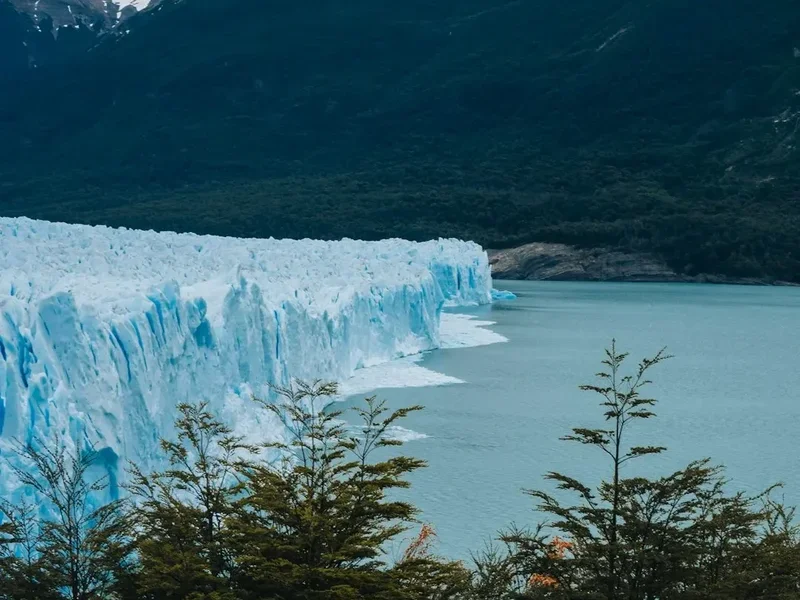
The Marconi Glacier Traverse takes you through pristine, remote wilderness areas within Los Glaciares National Park. Adhering to Leave No Trace (LNT) principles is not just recommended; it is essential for preserving this fragile environment for future generations and for the safety of all who venture here.
1. Plan Ahead and Prepare: Research your route thoroughly, understand the conditions, and be prepared for extreme weather. Carry all necessary gear and sufficient food. Inform someone of your itinerary and expected return time. Consider hiring a guide if you lack experience.
2. Travel and Camp on Durable Surfaces: Stick to established trails where they exist. When camping, choose sites on rock, gravel, dry grass, or snow. Avoid setting up camp on fragile vegetation or near water sources. Disperse your camping to minimise impact.
3. Dispose of Waste Properly: Pack it in, pack it out. This includes all food scraps, wrappers, toilet paper, and any other refuse. Human waste should be disposed of properly by digging catholes at least 60 metres away from water, trails, and campsites, or by packing it out if required by park regulations. Never bury toilet paper.
4. Leave What You Find: Do not remove natural objects such as rocks, plants, or cultural artefacts. Leave the environment as you found it.
5. Minimise Campfire Impacts: Campfires are strictly prohibited in Los Glaciares National Park. Use a lightweight camping stove for cooking.
6. Respect Wildlife: Observe wildlife from a distance. Never feed animals, as this can disrupt their natural behaviours and diets. Store food securely to prevent attracting animals.
7. Be Considerate of Other Visitors: While this is a remote trek, you may encounter other hikers. Keep noise levels down and yield to others on narrow sections. Respect the solitude and wildness of the area.
By following these principles, you help ensure that the Marconi Glacier Traverse remains a wild and awe-inspiring experience for all.
Useful Links
- Argentina Travel - El Chaltén
- Los Glaciares National Park (Administración de Parques Nacionales)
- MetService - Patagonia Mountain Weather (Note: May require specific search for local forecasts)
- Mountain Forecast - Cerro Torre (for general high-altitude weather trends)
- Chalten Travel - Marconi Glacier Trek Information (Example of commercial operator info)
 Argentina