
Marcahuasi Trek - The Andean Plateau of Giants
The Marcahuasi Trek is a captivating journey to a high-altitude plateau in the Peruvian Andes, renowned for its surreal monolithic sculptures and breathtaking panoramic views. Located east of Lima, this trek offers a unique blend of natural beauty, ancient mystery, and challenging alpine terrain. The plateau, situated at approximately 4,000 metres above sea level, is dotted with colossal stone figures carved by nature or ancient hands, creating an otherworldly landscape that sparks the imagination. While often undertaken as a demanding day hike, many choose to camp on the plateau for a more immersive experience, allowing ample time to explore its enigmatic formations and witness spectacular sunrises and sunsets.
- Distance: 12.0 km (round trip from trailhead)
- Elevation Gain: 800 m
- Duration: 1-2 days (challenging day hike or overnight camping)
- Season: April to October (dry season)
- Difficulty: Challenging (due to altitude and steep ascent)
- Closest City: Lima
- Trailhead Access: From Lima, bus to San Pedro de Casta, then taxi or walk to trailhead.
- Permits: No specific permits required, but a small entrance fee is collected at the plateau.
Overview
The Marcahuasi plateau is a geological and archaeological marvel, a vast expanse of undulating terrain at an altitude that demands respect. The trek itself is a significant undertaking, primarily due to the rapid elevation gain from the village of San Pedro de Casta to the plateau's edge. This ascent is steep and relentless, testing the cardiovascular fitness and acclimatisation of even experienced hikers. The trail winds through rugged Andean landscapes, offering increasingly dramatic vistas of the surrounding valleys and peaks as you climb.
Upon reaching the plateau, the true magic of Marcahuasi unfolds. The landscape is dominated by a series of immense stone formations, often referred to as "monoliths" or "sculptures." These include the iconic "Monument to Humanity" (also known as the "Great Anthropomorphic God"), the "Amphitheater," the "Inca Fortress," and the "Lover's Face." While some believe these were carved by an ancient, advanced civilisation, geologists suggest that natural erosion processes, such as wind and water, are responsible for their distinctive shapes. Regardless of their origin, the sheer scale and uncanny resemblances to human and animal figures are profoundly striking.
The experience of being on the Marcahuasi plateau is deeply atmospheric. The thin air, the vastness of the sky, and the silent, imposing stone figures create a sense of awe and wonder. Many visitors choose to camp overnight to witness the sunrise or sunset, which paint the sky and the stone formations in spectacular colours. The plateau is also a popular spot for stargazing due to its high altitude and minimal light pollution.
The trek is best undertaken during the dry season, from April to October, when the weather is generally stable and the trails are less prone to mud and difficult conditions. Outside this period, the rainy season can bring challenging weather, including fog, rain, and even snow at higher elevations, making the trek significantly more difficult and potentially dangerous.
History and Cultural Context
The history of Marcahuasi is shrouded in a blend of archaeological speculation and local folklore. The plateau is believed to have been a sacred site for ancient Andean cultures, possibly the Wari or Inca civilisations, though definitive evidence of their permanent settlement is scarce. The most compelling aspect of Marcahuasi's past lies in its enigmatic stone sculptures. These colossal figures, some standing tens of metres high, have captivated explorers and researchers for decades.
The "Monument to Humanity," perhaps the most famous of these formations, is a massive stone carving that bears a striking resemblance to a human face in profile, complete with a beard and a headdress. Its sheer size and intricate details have led many to believe it was deliberately sculpted by an advanced ancient civilisation. Theories abound, suggesting it could be a representation of a deity, an ancient king, or even an alien entity. However, mainstream geological explanations attribute these shapes to the natural erosive forces of wind, rain, and temperature fluctuations acting upon the sedimentary rock over millennia.
The village of San Pedro de Casta, the gateway to Marcahuasi, retains a traditional Andean way of life. Its inhabitants have long been custodians of the plateau's secrets and often act as guides for trekkers. Local legends speak of ancient rituals performed on the plateau and of the spiritual energy that permeates the site. The name "Marcahuasi" itself is thought to derive from Quechua words, possibly relating to "old house" or "stone house," hinting at its historical significance.
In the 20th century, Marcahuasi gained wider recognition thanks to the work of Daniel Ruzo, a Peruvian writer and researcher who extensively documented the plateau's formations and promoted the theory of an ancient, advanced civilisation. His writings have inspired many to visit and explore Marcahuasi, seeking to uncover its mysteries.
Seasonal Highlights and Weather Reality
The Marcahuasi Trek is highly dependent on the season, with distinct advantages and challenges associated with each period.
Dry Season (April to October): This is the prime time to visit Marcahuasi. The skies are generally clear, offering excellent visibility for the panoramic views and the stone formations. The temperatures are cool to cold, especially at night, but the lack of rain makes the trails safer and more pleasant. Daytime temperatures can range from 5°C to 15°C, while nighttime temperatures can drop below freezing, especially on the plateau. This season is ideal for camping, as the weather is more predictable.
Rainy Season (November to March): This period is characterised by frequent rainfall, heavy fog, and potential for thunderstorms. The trails can become muddy, slippery, and difficult to navigate. Visibility on the plateau can be severely reduced by thick fog, obscuring the stone formations and the surrounding landscape. While the landscape can appear lush and vibrant after rain, the trekking conditions are significantly more challenging and potentially hazardous. It is generally not recommended for casual hikers or those unfamiliar with the area during this time.
Altitude Considerations: Regardless of the season, the high altitude (over 4,000 metres) is a significant factor. Acclimatisation is crucial. Visitors arriving from Lima (sea level) should ideally spend at least one night in a higher-altitude town like San Pedro de Casta (around 3,200 metres) before attempting the trek to the plateau. Symptoms of altitude sickness can include headaches, nausea, dizziness, and fatigue.
Recommended Itinerary
Marcahuasi Trek - Challenging Day Hike (Option 1)
Early Morning (Approx. 4:00 AM - 5:00 AM): Departure from Lima
- Take an early morning bus from Lima (e.g., from the Yerbateros or Atocongo terminal) to San Pedro de Casta.
- Journey time is approximately 3-4 hours, depending on traffic and road conditions.
Morning (Approx. 8:00 AM - 9:00 AM): Arrival in San Pedro de Casta & Preparation
- Arrive in the charming Andean village of San Pedro de Casta.
- Organise any last-minute supplies, hire a local guide (highly recommended), or arrange a taxi to the trailhead (Amphitheater sector).
- Pay the small entrance fee for the Marcahuasi plateau.
- Begin the ascent towards the plateau.
Late Morning to Midday (Approx. 9:00 AM - 1:00 PM): The Ascent
- Steep and sustained climb from San Pedro de Casta to the Marcahuasi plateau.
- Distance: Approximately 6 km.
- Elevation Gain: Approximately 800 metres.
- Time: 3-4 hours (depending on fitness and acclimatisation).
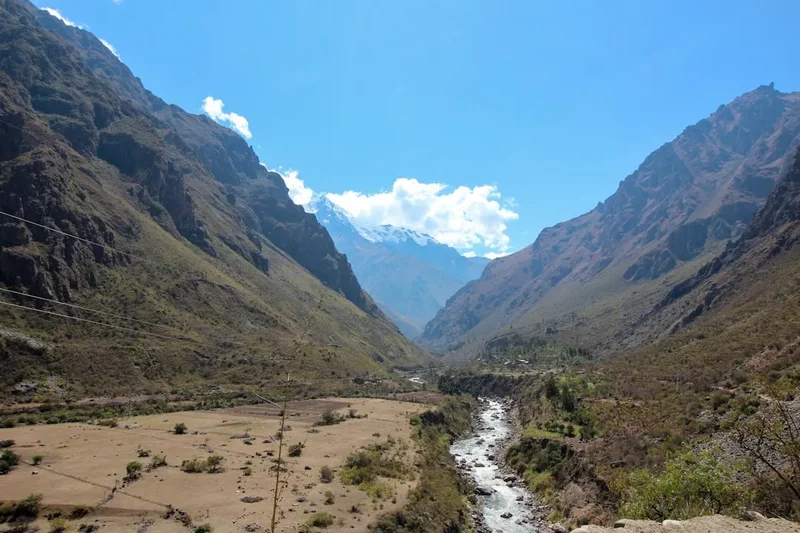
- The trail is well-defined but steep, winding through arid Andean landscapes.
- Enjoy increasingly spectacular views of the valley below and surrounding mountains.
Afternoon (Approx. 1:00 PM - 4:00 PM): Exploration of Marcahuasi Plateau
- Reach the Marcahuasi plateau (approx. 4,000 metres).
- Explore the main stone formations: Monument to Humanity, Amphitheater, Fortress, etc.
- Take ample time to photograph and marvel at the enigmatic sculptures.
- Enjoy a packed lunch amidst the surreal landscape.
Late Afternoon (Approx. 4:00 PM - 7:00 PM): Descent and Return to Lima
- Begin the descent back to San Pedro de Casta.
- Time: Approximately 2-3 hours.
- Catch an evening bus back to Lima.
- Arrive in Lima late in the evening.
Overnight Camping Itinerary (Option 2)
Day 1: Ascent and Plateau Exploration
- Follow the same itinerary as the day hike for the ascent and initial exploration of the plateau.
- Set up camp in a designated area on the plateau.
- Spend the afternoon exploring more distant formations or revisiting favourites.
- Witness a spectacular sunset over the Andes.
- Enjoy stargazing in the clear, high-altitude night sky.
Day 2: Sunrise and Descent
- Wake early to witness the breathtaking sunrise over the plateau.
- Enjoy breakfast at your campsite.
- Pack up camp, ensuring all waste is removed.
- Complete any remaining exploration or revisit favourite spots.
- Begin the descent back to San Pedro de Casta in the late morning.
- Catch an afternoon bus back to Lima.
Important Notes:
- Altitude sickness is a serious risk. Acclimatise properly in San Pedro de Casta or a similar altitude before ascending to Marcahuasi.
- Hire a local guide in San Pedro de Casta; they are invaluable for navigation, safety, and cultural insights.
- Carry sufficient water (at least 3-4 litres per person for the day hike) as water sources on the plateau are scarce and may require treatment.
- Pack warm layers, as temperatures can drop significantly, especially at night and on the plateau.
- Be prepared for strong winds, which are common at high altitudes.
- Carry all food and snacks, as there are no facilities on the plateau.
- Pack out all rubbish. Leave No Trace principles apply.
Planning and Bookings
Book Your Trip
Everything you need to plan your journey
Accommodation
Find places to stay near Lima
Flights
Search flights to Lima
Essential Preparation
The Marcahuasi Trek, while not requiring complex booking systems like some international treks, demands careful preparation due to its challenging altitude and remote location. The primary logistical hub is Lima, from where you will travel to San Pedro de Casta. It is highly recommended to spend at least one night in San Pedro de Casta (approx. 3,200 metres) to acclimatise before ascending to the 4,000-metre plateau. This significantly reduces the risk of altitude sickness. San Pedro de Casta offers basic guesthouses and eateries. Hiring a local guide in San Pedro de Casta is strongly advised; they possess invaluable knowledge of the trails, weather patterns, and the cultural significance of the site, and can also assist with arranging transport to the trailhead.
Trail Accommodation
This is a day hike requiring no overnight accommodation on the trail itself, unless opting for camping on the Marcahuasi plateau. For those choosing to camp:
- Camping on Marcahuasi Plateau: Designated camping areas are available on the plateau. Campers should be self-sufficient.
- Booking Requirements: No advance booking is required for camping. However, a small entrance fee is collected by local authorities at the plateau access point.
- Facilities Provided: None. Campers must bring all their own equipment, including tents, sleeping bags, cooking gear, and food. Basic toilet facilities may be available near the entrance point, but are often rudimentary.
- What's NOT Provided: Water, food, shelter, electricity, toilets (beyond basic), or any other amenities.
- Seasonal Availability: Camping is best during the dry season (April to October). During the rainy season, conditions can be hazardous.
- Costs: A small entrance fee is typically charged per person for access to the plateau, which covers camping. This fee is usually nominal (e.g., 10-20 Peruvian Soles).
Required Gear
- Sturdy Hiking Boots: Waterproof and with good ankle support, essential for the steep and uneven terrain.
- Backpack: A comfortable daypack (25-35 litres) for carrying essentials. For overnight camping, a larger pack (45-65 litres) is needed.
- Waterproof Jacket and Trousers: Essential due to the possibility of sudden weather changes, even in the dry season.
- Warm Layers: Fleece jacket, thermal base layers (merino wool or synthetic), and a warm hat (beanie). Temperatures can drop significantly at altitude, especially at night.
- Gloves: Warm gloves are recommended, particularly for early mornings and evenings.
- Head Torch: With spare batteries, crucial for early starts, late finishes, or if camping overnight.
- Sun Protection: High SPF sunscreen, sunglasses, and a wide-brimmed hat. The sun is intense at high altitudes.
- First-Aid Kit: Including blister treatment, pain relievers, antiseptic wipes, and any personal medications.
- Navigation Tools: A map of the area, compass, and/or a GPS device or smartphone with offline maps. While trails are generally clear, fog can reduce visibility.
What to Bring
- Water: At least 3-4 litres per person for a day hike. For overnight trips, plan accordingly or bring a water filter/purification tablets for available sources (treat all water).
- Food: High-energy snacks (nuts, dried fruit, energy bars), sandwiches, and a packed lunch. For overnight trips, plan all meals and cooking supplies.
- Toiletries: Biodegradable soap, toothbrush, toothpaste, hand sanitiser, and toilet paper.
- Camera: To capture the stunning landscapes and unique stone formations.
- Power Bank: To keep electronic devices charged.
- Cash: Peruvian Soles for entrance fees, local guides, taxis, and any purchases in San Pedro de Casta. ATMs are not available on the plateau.
- Trekking Poles: Highly recommended for the steep ascents and descents, to reduce strain on knees.
- Insect Repellent: While not as prevalent as in some other regions, it can be useful.
- Sleeping Bag and Mat (for camping): A warm sleeping bag rated for sub-zero temperatures is essential for overnight stays.
Permits
Unlike many popular trekking destinations, the Marcahuasi Trek does not require formal permits in the same way as national parks with strict visitor quotas. However, there is a local entrance fee collected by the community of San Pedro de Casta for access to the Marcahuasi plateau. This fee contributes to the maintenance and preservation of the site and supports the local economy.
Entrance Fee:
- The fee is typically collected at a checkpoint near the trailhead or on the plateau itself.
- The amount is nominal, usually around 10-20 Peruvian Soles (approximately US$3-6) per person.
- It is advisable to carry sufficient cash in Peruvian Soles, as card payments are generally not accepted.
Guide Services:
- While not mandatory, hiring a local guide from San Pedro de Casta is highly recommended. Guides can be arranged through your accommodation in the village or by asking locals.
- The cost of a guide varies but is generally affordable and well worth the investment for safety, navigation, and cultural insights.
Camping:
- There are no specific permits required for camping on the Marcahuasi plateau.
- Campers are expected to follow Leave No Trace principles and respect the natural environment.
- Be aware of designated camping areas if any are marked by the local authorities.
Important Considerations:
- Always confirm the current fee structure with local authorities or your guide upon arrival in San Pedro de Casta.
- Ensure you have enough cash to cover the entrance fee and any guide services.
- Respect the local community's management of the site.
Other Activities in the Area
While Marcahuasi is the primary draw, the region surrounding San Pedro de Casta offers opportunities for further exploration and cultural immersion:
- Exploring San Pedro de Casta: The village itself is a charming example of traditional Andean life. Wander through its cobblestone streets, visit the local church, and observe the daily routines of the community.
- Hiking to nearby waterfalls: Depending on the season and local knowledge, there may be smaller waterfalls or scenic spots accessible from San Pedro de Casta that can be explored.
- Cultural Immersion: Engage with the local community. Learn about their traditions, agricultural practices, and the folklore surrounding Marcahuasi. Many guides are happy to share their knowledge.
- Photography Workshops: The unique landscape and light conditions on Marcahuasi make it a prime location for landscape and astrophotography. Consider dedicating extra time for photographic pursuits.
- Birdwatching: The Andean foothills and the plateau itself can be home to various bird species. Keep an eye out for Andean condors, caracaras, and other high-altitude avian life.
- Stargazing: If camping overnight, the clear, unpolluted skies at Marcahuasi offer exceptional stargazing opportunities. The Milky Way is often visible in stunning detail.
Safety and Conditions
Altitude Sickness (Soroche): This is the most significant risk. Symptoms include headache, nausea, dizziness, fatigue, and shortness of breath. To mitigate:
- Acclimatise properly by spending at least one night in San Pedro de Casta (3,200m) before ascending to Marcahuasi (4,000m+).
- Ascend gradually.
- Stay hydrated by drinking plenty of water.
- Avoid alcohol and heavy meals on the day of ascent.
- Consider consulting your doctor about altitude sickness medication (e.g., Diamox).
- If symptoms are severe, descend immediately.
Trail Conditions: The trail from San Pedro de Casta to Marcahuasi is steep and can be rocky and uneven. During the rainy season (November-March), it can become very muddy, slippery, and potentially hazardous. Fog can reduce visibility significantly, making navigation difficult. Always wear appropriate footwear and use trekking poles for stability.
Weather: Andean weather is notoriously unpredictable. Even during the dry season, conditions can change rapidly. Be prepared for strong winds, sudden temperature drops, and occasional rain or hail. Pack layers of clothing and waterproof gear.
Navigation: While the main trail to Marcahuasi is generally well-trodden, the plateau itself is vast and can be disorienting, especially in fog. Hiring a local guide is highly recommended for navigation and safety. If hiking independently, ensure you have a reliable map, compass, and/or GPS device with offline maps.
Water: Water sources on the plateau are scarce and may not be reliable. Carry sufficient water for the entire trek (at least 3-4 litres per person for a day hike). If you plan to use stream water, purification tablets or a filter are essential.
Communication: Mobile phone signal is generally non-existent on the plateau and can be intermittent in San Pedro de Casta. Inform someone of your trekking plans and expected return time.
Emergency: In case of an emergency, contact your guide or local authorities in San Pedro de Casta. There are no medical facilities on the plateau. Evacuation can be challenging and time-consuming.
Respect Local Customs: Be mindful of the local culture and traditions in San Pedro de Casta. Dress modestly when in the village and ask permission before taking photographs of people.
Side Trips and Points of Interest
Monument to Humanity: The most iconic formation on Marcahuasi, this colossal stone figure is believed by many to be a representation of a divine being or an ancient leader. Its detailed features, including a beard and headdress, are remarkably preserved, sparking endless debate about its origins.
The Amphitheater: A natural amphitheatre-like formation of rock, offering a unique geological spectacle. It's a popular spot for reflection and enjoying the vastness of the plateau.
The Fortress: Another impressive rock formation that, from certain angles, resembles ancient fortifications or walls. Its imposing presence adds to the mysterious aura of Marcahuasi.
The Lover's Face: A more subtle formation that, with a bit of imagination, appears to depict a human face in profile, often interpreted as a couple embracing.
The Sphinx: Resembling its Egyptian namesake, this formation is another example of how natural erosion can create shapes that evoke familiar figures.
The Temple: A large, flat-topped rock formation that some believe served as a ceremonial site for ancient peoples.
Sunrise and Sunset Views: If camping overnight, witnessing the sunrise or sunset from the plateau is an unforgettable experience. The changing light dramatically transforms the colours and shadows of the stone formations and the surrounding landscape.
Stargazing: The high altitude and lack of light pollution make Marcahuasi an exceptional location for observing the night sky. The Milky Way is often clearly visible.
Leave No Trace
The Marcahuasi plateau is a fragile ecosystem and a site of significant cultural importance. Adhering to Leave No Trace principles is paramount to preserving its beauty and integrity for future visitors and generations.
Plan Ahead and Prepare: Research the trek, understand the conditions, and pack appropriately. Inform someone of your plans.
Travel and Camp on Durable Surfaces: Stick to established trails to avoid damaging vegetation. If camping, choose established sites or areas that show minimal impact. Avoid camping on fragile mosses or near water sources.
Dispose of Waste Properly: Pack out everything you pack in, including all food scraps, wrappers, and any other litter. Use designated toilet facilities if available, or dig catholes at least 60 metres away from water, camp, and trails. Pack out all toilet paper.
Leave What You Find: Do not remove rocks, plants, or any natural or cultural artifacts. The stone formations are part of the landscape's natural heritage.
Minimize Campfire Impacts: Campfires are generally discouraged or prohibited on the plateau due to the risk of environmental damage and fire. Use a portable stove for cooking.
Respect Wildlife: Observe wildlife from a distance and do not feed any animals. They are adapted to their environment and human food can be harmful.
Be Considerate of Other Visitors: Keep noise levels down, especially if camping. Respect the peaceful and spiritual atmosphere of the site.
By following these principles, you help ensure that the magic of Marcahuasi remains for all to experience.