
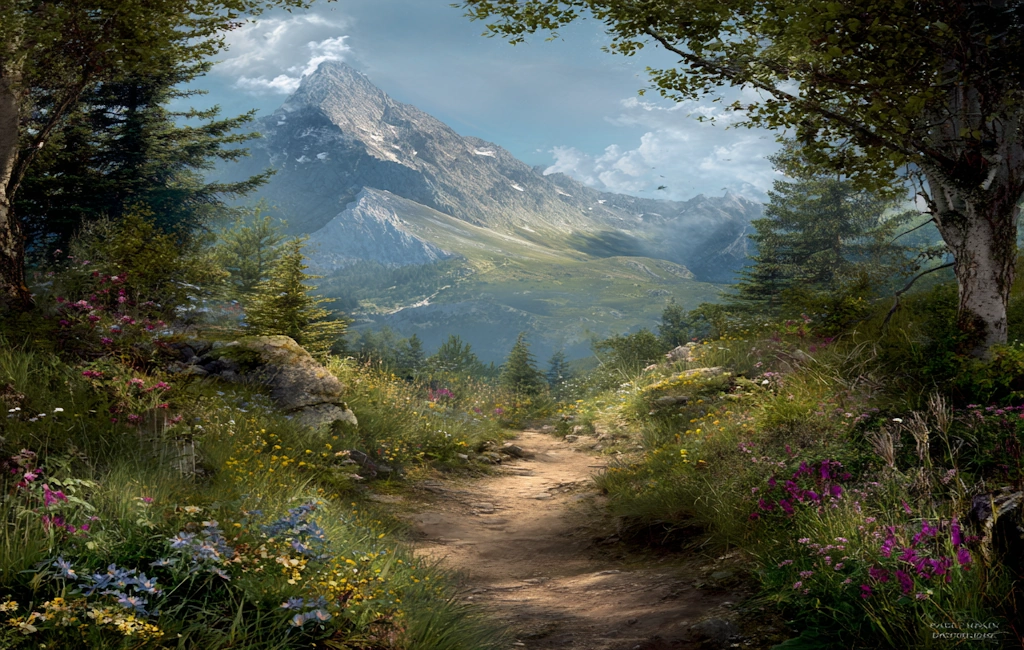
Mangorei Track to Pouakai Hut
The Mangorei Track to Pouakai Hut offers a spectacular, albeit challenging, day walk or overnight option within Egmont National Park, providing unparalleled views of Mount Taranaki/Egmont and the surrounding Taranaki region. This route is renowned for its dramatic alpine scenery, diverse vegetation zones, and the iconic Pouakai Hut, a popular overnight destination perched on the edge of the Pouakai Range. While not as lengthy as some multi-day treks, the significant elevation gain and potential for rapidly changing weather conditions make it a rewarding adventure for those seeking a taste of Taranaki's wild heart.
- Distance: 8.5 km (one-way to Pouakai Hut)
- Elevation Gain: Approximately 700 m
- Duration: 4-5 hours return (to Pouakai Hut and back)
- Difficulty: Moderate to Challenging (due to elevation and potential weather)
- Season: All year round, weather permitting
- Closest City: New Plymouth
- Trailhead Access: Mangorei Road, Egmont National Park
Overview
The journey from the Mangorei Road trailhead to Pouakai Hut is a classic Taranaki experience, showcasing the raw beauty of Egmont National Park. The track begins with a steady ascent through lush, temperate rainforest, where moss-covered trees and abundant ferns create an almost mystical atmosphere. As you climb, the vegetation gradually changes, transitioning to subalpine scrub and tussock, offering increasingly expansive views of the volcanic landscape. The highlight for many is reaching the Pouakai Range, a dramatic ridgeline that provides a breathtaking vantage point. Pouakai Hut itself is strategically located to capture the best of these vistas, making it a sought-after spot for photographers and nature enthusiasts.
The track is well-maintained for the most part, but its steep sections and exposure to the elements mean it demands respect. The weather on Mount Taranaki can change with astonishing speed; sunshine can quickly give way to fog, rain, or even snow, even in summer. Therefore, preparedness is key. The reward for your efforts is immense: panoramic views of Mount Taranaki's iconic cone, the rolling hills of the Taranaki coast, and on a clear day, you can even see as far as the Tasman Sea and the distant peaks of the central North Island.
This walk is suitable for reasonably fit individuals and families with older children. While it can be completed as a long day trip, an overnight stay at Pouakai Hut is highly recommended to fully appreciate the alpine environment, witness sunrise or sunset over the mountain, and experience the tranquility of the range.
History and Cultural Context
The land encompassing Egmont National Park, including the routes leading to Pouakai Hut, holds deep cultural significance for the local iwi, particularly Te Āti Awa. Mount Taranaki/Egmont is a sacred mountain, a tupuna (ancestor) and a source of spiritual and physical sustenance. Traditional Māori narratives speak of Taranaki's formation and its relationship with other prominent North Island mountains. For centuries, Māori have traversed these lands for hunting, gathering, and spiritual purposes, maintaining a profound connection to the mountain and its surrounding environment.
The development of the walking tracks, including the path to Pouakai Hut, began in the late 19th and early 20th centuries as European settlers and mountaineers became increasingly interested in exploring the volcanic cone. Early tracks were often rudimentary, carved out by keen individuals and later formalised by park authorities. The establishment of Egmont National Park in 1900, and its subsequent expansion, aimed to protect the unique ecological and geological features of the mountain and its slopes. Pouakai Hut, like many other huts in the park, was built to provide shelter and a base for trampers and mountaineers, facilitating access to the higher alpine areas and enhancing the visitor experience.
The name "Pouakai" itself is believed to derive from Māori tradition, possibly referring to a legendary bird or a significant geographical feature. The history of the track is intertwined with the broader story of exploration and conservation in Taranaki, reflecting a growing appreciation for the natural and cultural heritage of this iconic mountain.
Seasonal Highlights and Weather Reality
The Mangorei Track to Pouakai Hut is accessible year-round, but each season offers a distinct experience and presents unique challenges.
Spring (September–November): This season often brings a mix of weather. You might encounter crisp, clear days perfect for mountain views, but also periods of rain and lingering snow at higher elevations. The alpine meadows can begin to show signs of life with early wildflowers. The track can be muddy in places due to snowmelt and rain.
Summer (December–February): Summer generally offers the most stable weather, with longer daylight hours and warmer temperatures. This is the most popular time to visit, and Pouakai Hut can be busy. However, Fiordland's notorious sandflies can be present, especially in damper areas. Clear days provide the best opportunities for expansive views. Despite being summer, sudden weather changes are still possible, so always be prepared for cooler conditions and rain.
Autumn (March–May): Autumn is a beautiful time to visit, with the changing colours of the tussock and beech forests creating a stunning visual spectacle. The weather can be settled and crisp, offering excellent visibility. However, temperatures begin to drop, and the first snowfalls on the higher peaks are possible later in the season. The number of visitors typically decreases compared to summer.
Winter (June–August): Winter transforms the landscape into a snow-covered wonderland. The track can be challenging, with ice and snow requiring appropriate gear such as crampons and an ice axe. Pouakai Hut remains open, but access can be difficult, and the conditions demand significant winter mountaineering experience. Snowfall can be heavy, and avalanche risk is a serious consideration. Only experienced winter trampers with appropriate equipment and knowledge should attempt this track in winter.
Weather Reality: Regardless of the season, the weather on Mount Taranaki is highly unpredictable. Fog can descend rapidly, reducing visibility to mere metres. Strong winds can make exposed sections of the track uncomfortable and potentially dangerous. Always check the mountain forecast before you go and be prepared for all conditions.
Recommended Itinerary
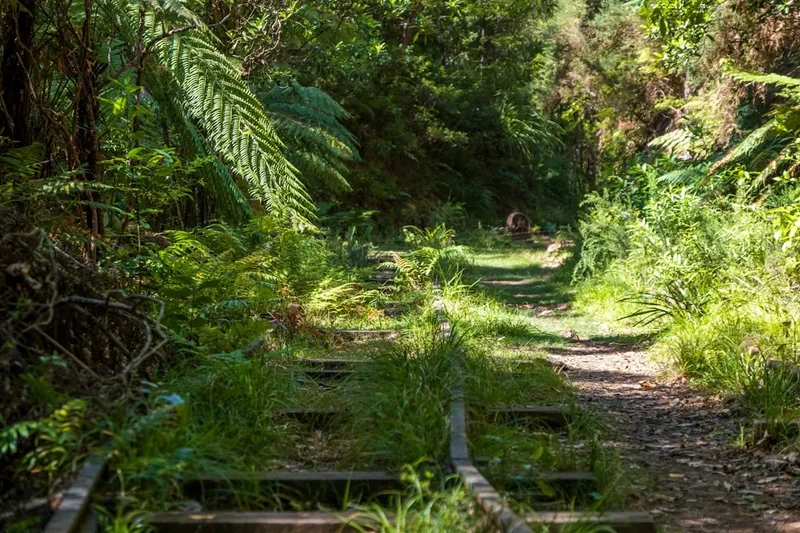
Day Walk: Mangorei Track to Pouakai Hut and Return
Early Morning: Trailhead Arrival and Ascent Start
- Arrive at the Mangorei Road trailhead car park.
- Begin the ascent on the well-formed Mangorei Track.
- The initial section winds through dense, moss-laden beech forest, offering a cool and shaded environment.
- Expect a steady, consistent climb with some steeper sections.
Morning: Forest to Alpine Transition
- As you gain elevation, the forest begins to thin, giving way to tussock and alpine shrubbery.
- The views start to open up, offering glimpses of Mount Taranaki's imposing presence.
- Pass through areas that may be boggy or wet, especially after rain.
- The track becomes more exposed to the elements.
Midday: Reaching Pouakai Hut and Lunch Break
- Arrive at Pouakai Hut.
- Take time to explore the immediate surroundings and soak in the panoramic views.
- Enjoy your packed lunch, ideally from the hut's vantage point or an outdoor picnic spot if weather permits.
- Observe the changing light and cloud formations around Mount Taranaki.
Afternoon: Descent and Return to Trailhead
- Begin the descent back down the Mangorei Track.
- The descent can be as challenging as the ascent, particularly on the steeper sections, so take care with footing.
- Re-enter the beech forest, enjoying the different perspective on the way down.
- Arrive back at the Mangorei Road trailhead.
Overnight Option: Mangorei Track to Pouakai Hut
Day 1: Ascent to Pouakai Hut
- Follow the "Day Walk" itinerary above, reaching Pouakai Hut in the early afternoon.
- Settle into the hut, secure your bunk, and explore the area around the hut.
- Witness the sunset over the Taranaki region from the hut's elevated position.
- Enjoy a peaceful night in the alpine environment.
Day 2: Sunrise Views and Descent
- Wake early to witness the sunrise, which can be spectacular over Mount Taranaki and the surrounding landscape.
- Enjoy breakfast at the hut.
- Begin the descent back to the Mangorei Road trailhead, aiming to be back by late morning or early afternoon.
Important Notes:
- Pouakai Hut is a popular overnight destination; booking is highly recommended, especially during peak season and weekends.
- Carry all your food and water, as there are no facilities at the hut.
- Be prepared for rapid weather changes at all times.
- The track can be slippery and muddy, especially after rain.
Planning and Bookings
Book Your Trip
Everything you need to plan your journey
Accommodation
Find places to stay near New Plymouth
Flights
Search flights to New Plymouth
Essential Preparation
The Mangorei Track to Pouakai Hut is a popular destination, and while it's a day walk, proper preparation is crucial due to the mountain environment. Ensure you are physically capable of a sustained climb with significant elevation gain. The closest major town is New Plymouth, which offers all necessary amenities, including outdoor gear shops, supermarkets, and accommodation. New Plymouth is approximately a 20-minute drive from the Mangorei Road trailhead. Familiarise yourself with the weather forecast specifically for Mount Taranaki before you depart. The Department of Conservation (DOC) website is an excellent resource for current track conditions and weather advisories.
Trail Accommodation
Pouakai Hut: This is the primary accommodation option for those wishing to stay overnight. It is a serviced hut managed by the Department of Conservation (DOC).
- Booking Requirements: Bookings are essential and can be made through the DOC website. During peak seasons (weekends, holidays, summer), the hut can fill up quickly, so advance booking is strongly advised.
- Facilities Provided: The hut typically offers bunk beds with mattresses, a wood-burning stove for heating, a communal cooking area with benches and tables, and a water supply (stream water, treatment recommended). There are also composting toilets located nearby.
- What's NOT Provided: No bedding (sleeping bags required), no cooking equipment (pots, pans, utensils), no food, no electricity, and no charging facilities for electronic devices.
- Seasonal Availability: The hut is open year-round. However, winter conditions can make access difficult and require specialised winter gear and experience.
- Costs: Hut fees apply and vary depending on the season and whether you are a New Zealand resident or international visitor. Check the DOC website for current pricing.
This is a day hike requiring no overnight accommodation. (Note: This sentence is included as per the template instruction for day hikes, but Pouakai Hut is an overnight option. The primary description above covers the hut.)
Required Gear
- Sturdy Tramping Boots: Waterproof and with good ankle support. Essential for navigating uneven and potentially slippery terrain.
- Waterproof Jacket and Overtrousers: The weather on Mount Taranaki can change rapidly. Full waterproofs are non-negotiable.
- Warm Layers: Including a fleece or down jacket, thermal base layers, and a beanie. Temperatures can drop significantly with altitude and wind chill.
- Navigation Tools: A map of the area, a compass, and/or a GPS device or smartphone with offline maps. Mobile phone reception is unreliable.
- Head Torch: With spare batteries, even for a day trip, in case of unexpected delays or if you decide to stay for sunset.
- First-Aid Kit: Including blister treatment, pain relief, and any personal medications.
- Sun Protection: Sunscreen, sunglasses, and a hat, as the sun can be intense at higher altitudes, even on cloudy days.
What to Bring
- Food: Sufficient high-energy food for the duration of your trip, including snacks. For an overnight stay, pack meals for dinner and breakfast, plus lunches and snacks for both days.
- Water: Carry enough water for your trip, or a water filter/purification tablets if you plan to refill from the stream near Pouakai Hut.
- Sleeping Bag: Essential if staying overnight at Pouakai Hut.
- Toiletries: Including toothbrush, toothpaste, biodegradable soap, and hand sanitiser.
- Insect Repellent: Especially important during warmer months, as sandflies can be present.
- Trekking Poles: Recommended for added stability and to reduce strain on knees, particularly during descents.
- Camera: To capture the stunning scenery.
- Small Backpack: To carry your essentials comfortably.
Permits
For day walks on the Mangorei Track to Pouakai Hut, no specific permits are generally required. Access to Egmont National Park and its tracks is free. However, if you plan to stay overnight at Pouakai Hut, booking your bunk is mandatory and incurs a fee. These bookings are managed by the Department of Conservation (DOC) and can be made online through their website.
Hut Booking Information:
- Booking System: All DOC huts, including Pouakai Hut, operate on a booking system. You must book your bunk in advance, especially for overnight stays.
- Fees: Hut fees vary. Check the DOC website for the most up-to-date pricing for Pouakai Hut. Fees typically cover the maintenance and upkeep of the hut facilities.
- Peak Times: During weekends, school holidays, and the summer months, Pouakai Hut is very popular. It is advisable to book several weeks or even months in advance for these periods.
- Cancellation Policy: Familiarise yourself with the DOC's cancellation policy should your plans change.
Important Considerations:
- Track Conditions: While no permit is needed for the track itself, always check the DOC website for any alerts or track closures due to weather or maintenance.
- Group Size: For larger groups, it's wise to contact DOC to ensure your plans align with park regulations and hut capacity.
Other Activities in the Area
Egmont National Park and the surrounding Taranaki region offer a wealth of activities for visitors:
- Taranaki Summit Track: For experienced mountaineers, the direct route to the summit of Mount Taranaki offers an even more challenging and rewarding alpine experience. This requires significant fitness, navigation skills, and appropriate gear, especially in winter.
- Around the Mountain Circuit: A multi-day trek that circumnavigates Mount Taranaki, showcasing diverse landscapes from coastal views to alpine terrain.
- Dawson Falls Visitor Centre and Wilkies Pools: Located on the southern side of the mountain, this area offers shorter walks, including the impressive Dawson Falls and the unique Wilkies Pools.
- East Egmont Visitor Centre: Another access point to the park with various walking tracks and information about the mountain's geology and ecology.
- Taranaki Coastal Walks: Explore the rugged coastline near New Plymouth, offering scenic views and opportunities for beachcombing.
- New Plymouth City: Visit the Puke Ariki museum, explore the Govett-Brewster Art Gallery, or enjoy the city's vibrant café and restaurant scene.
- Pukekura Park: A beautiful botanical garden in New Plymouth, famous for its illuminated 'Festival of Lights' during summer.
- Surf and Beach Activities: Taranaki is a renowned surfing destination, with numerous beaches offering breaks for all skill levels.
Safety and Conditions
Weather: The most significant safety consideration on the Mangorei Track is the unpredictable mountain weather. Conditions can change from clear and sunny to foggy, wet, and windy within minutes. Always check the MetService mountain forecast for Mount Taranaki before you go and be prepared for the worst. Hypothermia is a real risk, even in summer, due to wind chill and rain.
Track Conditions: The track can be steep, uneven, and slippery, especially after rain. Mud is common in the lower forest sections, and exposed alpine areas can be windswept. Wear appropriate footwear with good grip.
Navigation: While the Mangorei Track is generally well-marked, visibility can be severely reduced by fog. Carry a map and compass, and know how to use them. A GPS device or a smartphone with offline maps can be a valuable backup. Mobile phone reception is unreliable in the park.
Pouakai Hut: If staying overnight, ensure you have booked your bunk. The hut provides basic shelter, but you must bring your own sleeping bag, food, and cooking equipment. Be aware that the wood burner can be a fire hazard if not used correctly; follow any posted instructions.
Water: Water is available from streams, but it is essential to treat it before drinking to avoid waterborne illnesses. Carry a water filter or purification tablets.
Sandflies: During warmer months, sandflies can be a nuisance, particularly in damp, sheltered areas. Carry effective insect repellent.
Emergency: In case of an emergency, call 111 and ask for Police. Provide your location as accurately as possible. Consider carrying a personal locator beacon (PLB) for remote areas where mobile reception is non-existent.
Fitness: Ensure you have a reasonable level of fitness for the sustained climb. If you are unsure, start with shorter walks in the park before attempting this route.
Side Trips and Points of Interest
Pouakai Hut Views: The primary point of interest is the hut itself and its immediate surroundings. The elevated position offers spectacular panoramic views of Mount Taranaki, the North Taranaki Bight, and the surrounding countryside. On a clear day, you can see as far as the central North Island volcanic plateau.
The Tarns: Near Pouakai Hut, there are several small alpine tarns (small mountain lakes). These can be particularly beautiful in calm weather, reflecting the imposing cone of Mount Taranaki. They are excellent spots for photography.
The Pouakai Range Ridge: While the main track leads directly to the hut, exploring the immediate ridgeline can offer slightly different perspectives and a sense of being truly in the alpine environment. Always stay on marked paths to avoid disturbing fragile vegetation.
Vegetation Zones: The walk itself is a point of interest, showcasing the transition from dense temperate rainforest, rich with mosses and ferns, to the more open tussock and alpine shrubland of the Pouakai Range. This ecological diversity is a key feature of Egmont National Park.
Sunrise/Sunset: If staying overnight, witnessing sunrise or sunset from Pouakai Hut or its vicinity is a highlight. The changing light on Mount Taranaki and the vast landscape can be truly magical.
Leave No Trace
The principles of Leave No Trace are paramount when visiting Egmont National Park to preserve its natural beauty and ecological integrity for future generations. The mountain environment is fragile, and even small impacts can have long-lasting effects.
Plan Ahead and Prepare: Know the weather forecast, track conditions, and hut booking requirements. Pack appropriately for all potential conditions.
Travel and Camp on Durable Surfaces: Stick to the marked tracks. Avoid walking on vegetation, especially the delicate alpine plants and mosses, which can take years to recover.
Dispose of Waste Properly: Pack out everything you pack in, including all food scraps, wrappers, and any other litter. Use the composting toilets provided at Pouakai Hut and do not bury human waste. If away from facilities, dig a cathole at least 10 metres from water sources.
Leave What You Find: Do not remove any natural objects, such as rocks, plants, or flowers. Take only photographs and memories.
Minimise Campfire Impacts: Campfires are generally not permitted on the mountain. Use a portable stove for cooking.
Respect Wildlife: Observe wildlife from a distance and never feed them. Feeding native birds, such as the cheeky kea, can harm their health and alter their natural behaviour.
Be Considerate of Other Visitors: Keep noise levels down, especially at Pouakai Hut. Yield to uphill walkers. Respect the experience of others.
 New Zealand