
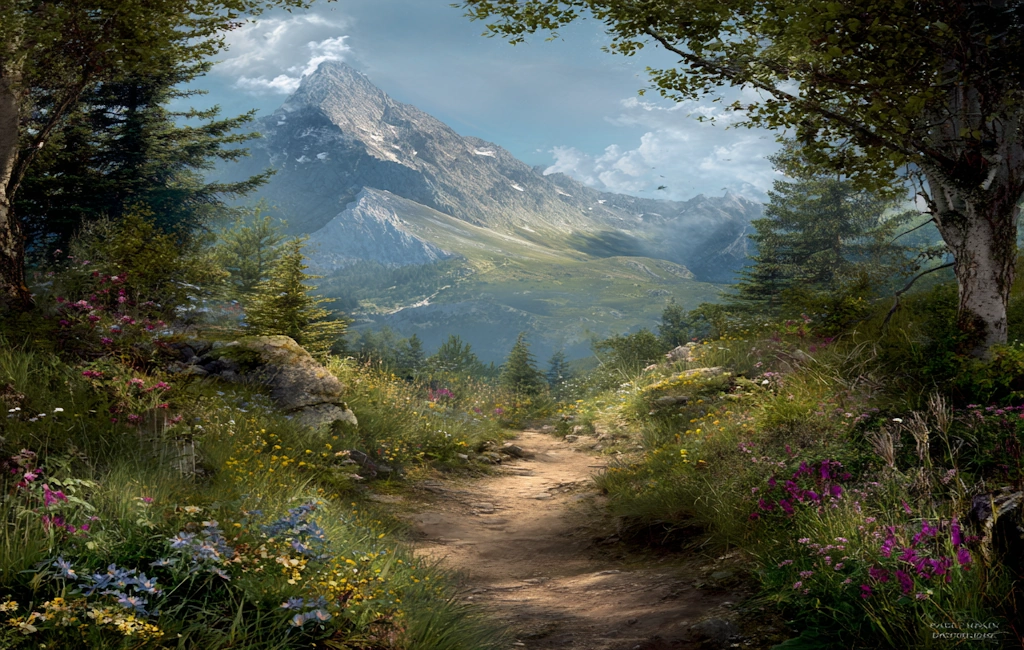
Malham Cove and Gordale Scar: A Yorkshire Dales Classic
The Malham Cove and Gordale Scar walk is a quintessential Yorkshire Dales experience, offering a dramatic and varied landscape within a relatively short distance. This circular route takes you from the charming village of Malham to the awe-inspiring natural amphitheatre of Malham Cove, then plunges into the rugged, water-carved gorge of Gordale Scar. It's a journey through geological wonders, showcasing limestone pavements, towering cliffs, and the powerful forces of water that have shaped this unique environment over millennia. While a popular day walk, its moderate difficulty and stunning scenery make it a must-do for anyone visiting the Yorkshire Dales National Park.
- Distance: 12.0 km
- Duration: 3-4 hours
- Season: April–October (best weather, though accessible year-round)
- Huts: None (day walk)
- Highest point: Approx. 350 m (near Malham Moor)
- Daily walkers: High, especially during peak season and weekends
- Direction: Circular route, clockwise or anti-clockwise
Overview
This walk is a masterclass in the dramatic karst landscape of the Yorkshire Dales. Starting in the picturesque village of Malham, the trail quickly leads you to Malham Cove, a colossal natural amphitheatre carved from limestone. Its sheer cliff face, 80 metres high and 300 metres wide, is a breathtaking sight, and the unique limestone pavement atop offers a stark, almost lunar landscape. From the cove, the path winds towards Gordale Scar, a deep, narrow gorge where the Gordale Beck has carved its way through the rock. The walk involves scrambling over boulders and navigating narrow sections within the scar itself, offering a more adventurous element. The return journey often takes you across Malham Moor, providing expansive views back towards the cove and the surrounding dales, completing a loop that is both visually spectacular and geologically fascinating.
The geology of the area is central to its appeal. The limestone pavements, formed by the dissolution of the rock by rainwater over thousands of years, are a key feature. These pavements are crisscrossed by grykes (fissures) and topped by clints (blocks of limestone), creating intricate patterns. The formation of Malham Cove and Gordale Scar is a testament to the erosive power of water, particularly glacial meltwater during the last Ice Age. The water has not only carved these dramatic features but also created the beck that flows through them, often disappearing underground and reappearing elsewhere.
The walk is accessible to most with a reasonable level of fitness, though the section within Gordale Scar requires a degree of agility. The popularity of the area means it can be busy, especially on weekends and during school holidays, but the sheer scale of the landscape often allows for moments of quiet contemplation. It's a walk that offers a profound connection to the raw, natural beauty of the Yorkshire Dales.
History and Cultural Context
The Malham area has a rich human history stretching back to prehistoric times. Evidence of early human activity can be found in the form of Neolithic and Bronze Age settlements and burial sites in the surrounding moors. The landscape itself, shaped by ancient geological processes, has been a source of resources and a place of habitation for millennia.
During the medieval period, the area was part of the vast monastic estates, with Fountains Abbey holding significant landholdings. The monks would have managed the land for sheep farming and lead mining, activities that continued to shape the landscape for centuries. The distinctive drystone walls that crisscross the dales are a testament to this agricultural heritage, built to contain livestock and delineate fields.
The dramatic natural features of Malham Cove and Gordale Scar have long captured the imagination. In the 18th and 19th centuries, as the concept of the "picturesque" gained popularity, these dramatic landscapes became destinations for early tourists and artists. They were seen as prime examples of wild, untamed nature, inspiring Romantic poets and painters. The area's accessibility, particularly with the advent of the railway to nearby stations like Skipton, further cemented its status as a popular destination for those seeking natural beauty and adventure.
More recently, the area has been recognised for its outstanding natural beauty and geological significance. Malham Cove and Gordale Scar are part of the Malhamdale National Nature Reserve and are managed by the National Trust and Yorkshire Dales National Park Authority, ensuring their preservation for future generations. The village of Malham itself retains much of its traditional charm, with stone cottages and a historic inn, providing a welcoming base for visitors exploring this remarkable corner of Yorkshire.
Seasonal Highlights and Weather Reality
The Malham Cove and Gordale Scar walk is a year-round destination, but each season offers a distinct experience.
Spring (April–May): This is an excellent time to visit. The landscape bursts into life with wildflowers, and the weather is often crisp and clear, though still prone to changeable conditions. The number of visitors is generally lower than in summer, offering a more peaceful experience. The becks and waterfalls are often at their most impressive due to spring meltwater.
Summer (June–August): The most popular time to visit, offering the longest daylight hours and the highest chance of warm, sunny weather. However, this also means the trails can be very busy, particularly on weekends and during school holidays. Malham Cove and Gordale Scar are iconic, and crowds can detract from the sense of wilderness. Sandflies can be present, though less of an issue than in some other UK national parks.
Autumn (September–October): Autumn brings a beautiful palette of colours to the dales, with the surrounding hillsides turning shades of gold and russet. The weather can be spectacular, with clear, crisp days, but also increasingly wet and windy. The crowds thin out considerably after the summer holidays, making it a great time for a more tranquil walk. The water levels in the becks can be high after autumn rains.
Winter (November–March): This is the quietest time to visit, offering a starkly beautiful and often dramatic experience. The landscape can be dusted with snow, and the ice formations within Gordale Scar can be spectacular. However, weather conditions can be harsh, with cold temperatures, strong winds, and potential for ice on the paths, making the scramble within Gordale Scar more challenging and potentially hazardous. Always check weather forecasts and be prepared for winter conditions. Some facilities in Malham village may have reduced opening hours.
Weather Reality: The Yorkshire Dales are known for their unpredictable weather. Even on a sunny summer day, conditions can change rapidly. Be prepared for rain, wind, and cooler temperatures, especially at higher elevations or within the sheltered gorge of Gordale Scar. Layering clothing is essential regardless of the season.
Recommended Itinerary
Malham Cove and Gordale Scar Circular Walk (Approx. 12 km)
Start: Malham Village Car Park
Early Morning (Approx. 9:00 AM): Begin from Malham Village
- Park at the National Park car park in Malham village (pay and display).
- Begin by walking through the village, heading towards Malham Beck.
- Follow the well-marked path alongside Malham Beck, heading north-west out of the village.
- The initial section is relatively flat and easy, passing through farmland and offering pleasant views of the surrounding countryside.
Morning (Approx. 9:30 AM - 10:30 AM): Approach to Malham Cove
- The path gradually leads you towards the impressive limestone cliffs of Malham Cove.
- As you approach, the scale of the cove becomes apparent – a vast natural amphitheatre.
- Take time to walk to the base of the cove and admire the sheer cliff face.
- Consider climbing the steps to the top of Malham Cove for panoramic views and to explore the limestone pavement.
- Waypoint: Malham Cove
Midday (Approx. 10:30 AM - 12:30 PM): Journey to Gordale Scar
- From the top of Malham Cove, follow the path heading north-east towards Gordale Scar.
- This section crosses the unique limestone pavement, a fascinating geological feature.
- The path can be uneven and requires careful footing.
- Continue following signs for Gordale Scar.
- You will eventually reach the entrance to the dramatic gorge.
- Waypoint: Entrance to Gordale Scar
- Activity: Scramble within Gordale Scar
- Carefully navigate the boulder-strewn path within the gorge. You will need to cross the beck multiple times, often by stepping on rocks or using small bridges.
- The gorge walls rise steeply on either side, creating a sense of enclosure and adventure.
- Continue until you reach the impressive Gordale Scar waterfall (or cascade, depending on water flow).
- Waypoint: Gordale Scar Waterfall
Afternoon (Approx. 12:30 PM - 2:30 PM): Return via Malham Moor
- From the waterfall at the head of Gordale Scar, you can either retrace your steps or take the alternative route that climbs out of the scar.
- The alternative route involves a steeper climb, often with the aid of chains or ropes in some sections, leading you onto Malham Moor.
- Follow the path across Malham Moor, enjoying expansive views.
- Look for signs directing you back towards Malham village.
- The path may take you past Tarn House and eventually back towards the village.
- Waypoint: Malham Moor
Late Afternoon (Approx. 2:30 PM - 3:00 PM): Return to Malham Village
- Complete the circular route by returning to Malham village.
- You can stop for refreshments at one of the local pubs or cafes.
- End: Malham Village Car Park
Important Notes:
- Wear sturdy, waterproof walking boots with good grip.
- Carry waterproof clothing, even on a clear day.
- The scramble within Gordale Scar can be challenging; assess your ability and conditions carefully.
- Be prepared for uneven terrain and potential mud.
- Carry water and snacks.
- Check weather forecasts before you go.
- The route is generally well-signposted, but a map and compass are advisable.
Planning and Bookings
Book Your Trip
Everything you need to plan your journey
Accommodation
Find places to stay near Malham
Flights
Search flights to Malham
Essential Preparation
This is a day walk, so the planning is less complex than for multi-day treks. The primary consideration is ensuring you have appropriate gear for the weather and the terrain, particularly for the section within Gordale Scar. Malham village is the main hub, offering parking, public toilets, and a range of amenities including pubs, cafes, and a National Park information point. It's advisable to arrive early, especially on weekends and during peak season, as the car park can fill up quickly. Public transport options are limited, with bus services connecting Malham to nearby towns like Skipton, but driving is the most common way to access the village.
Trail Accommodation
This is a day hike requiring no overnight accommodation.
Required Gear
- Sturdy walking boots: Waterproof and with good ankle support and grip are essential, especially for the rocky sections of Gordale Scar.
- Waterproof jacket and trousers: The weather in the Yorkshire Dales can change rapidly, so always be prepared for rain.
- Backpack: A small to medium-sized daypack (15-30 litres) to carry essentials.
- Navigation: A map of the area (Ordnance Survey Explorer OL2 - Yorkshire Dales) and a compass are recommended, although the route is generally well-signposted. A GPS device or smartphone with offline maps can also be useful.
- First-aid kit: A basic kit with plasters, antiseptic wipes, pain relievers, and any personal medication.
- Mobile phone: For emergencies, though signal can be intermittent in some areas.
What to Bring
- Food and drink: Plenty of water (at least 1-2 litres per person) and high-energy snacks such as sandwiches, fruit, and energy bars.
- Sun protection: Sunscreen, sunglasses, and a hat, even on cloudy days, as UV rays can still be strong.
- Insect repellent: Particularly useful during warmer months, though not usually a major issue in this specific area.
- Walking poles: Optional, but can be helpful for stability on uneven ground and descents.
- Camera: To capture the stunning scenery.
- Cash: For parking fees, refreshments, and any purchases in the village.
Permits
No permits are required for walking the Malham Cove and Gordale Scar route. The area is part of the Yorkshire Dales National Park and is generally accessible to the public. However, it is important to note that Malham Cove and Gordale Scar are also designated as National Nature Reserves, and visitors are expected to adhere to the Countryside Code and respect the natural environment.
Parking: There is a pay-and-display car park in Malham village, operated by the Yorkshire Dales National Park Authority. This is the most convenient starting point for the walk. During peak times, this car park can become very busy, so arriving early is recommended.
Access: The paths are generally well-maintained, but the section within Gordale Scar involves scrambling over rocks and boulders. This part of the walk may be unsuitable for those with significant mobility issues or very young children. Always assess the conditions and your own capabilities before proceeding.
Conservation: Visitors are encouraged to practice Leave No Trace principles to help preserve the natural beauty and ecological integrity of the area. This includes staying on marked paths, taking all litter home, and respecting wildlife.
Other Activities in the Area
The Malham area offers a variety of activities for those looking to extend their visit or explore beyond the main walk:
- Malham Tarn: A beautiful freshwater lake located on Malham Moor, managed by the National Trust. It's a haven for birdlife and offers peaceful walking opportunities.
- Janet's Foss: A picturesque waterfall located a short walk from Malham village, often considered a fairy grotto. It's a lovely spot for a brief detour.
- Malham Village: Explore the charming village, visit the historic pubs (such as The Buck Inn or The Lister Arms) for refreshments, and browse the local craft shops.
- Limestone Pavement Exploration: Beyond the main route, there are extensive areas of limestone pavement to explore, offering a unique geological experience.
- Cycling: The surrounding Dales offer numerous cycling routes, from quiet country lanes to more challenging off-road trails.
- Rock Climbing: Malham Cove is a renowned centre for rock climbing, attracting climbers from across the UK.
- Birdwatching: The varied habitats, including the moorland and the beck, attract a range of bird species.
Safety and Conditions
Terrain: The walk involves varied terrain. The paths leading to Malham Cove and across Malham Moor are generally good, but the section within Gordale Scar is a scramble over rocks and boulders. This requires good balance, agility, and sturdy footwear. Water levels in Gordale Beck can rise quickly after heavy rain, making the crossing more difficult and potentially dangerous.
Weather: The Yorkshire Dales are known for their changeable weather. Be prepared for rain, wind, and cooler temperatures, even in summer. Hypothermia is a risk if you get wet and cold, especially in the exposed gorge. Always check the weather forecast before you set out and be prepared to turn back if conditions deteriorate.
Gordale Scar Scramble: This is the most challenging part of the walk. Assess your own abilities and those of your companions. If you are unsure, it is safer to retrace your steps from the waterfall rather than attempt the climb out of the scar if you are not confident. Chains and ropes are sometimes present to assist with the ascent, but they should not be relied upon solely.
Water Crossings: Be mindful of the water levels in Gordale Beck. If the beck is in flood, do not attempt to cross. The water can be fast-flowing and deeper than it appears.
Navigation: While the route is generally well-signposted, it is advisable to carry a map and compass and know how to use them. Mobile phone signal can be unreliable in the area.
Emergency: In case of an emergency, dial 999 or 112 and ask for the Police, then Mountain Rescue. Be prepared to give your exact location, which can be difficult in Gordale Scar. A GPS device or a smartphone with a mapping app can be invaluable for pinpointing your location.
Footwear: Appropriate footwear is crucial. Trainers are not recommended for this walk due to the uneven and rocky terrain.
Side Trips and Points of Interest
Janet's Foss: A delightful detour just a short walk from Malham village, this small but beautiful waterfall is set in a wooded dell. Legend has it that it's the home of a fairy queen, and the moss-covered rocks and tranquil atmosphere certainly lend themselves to such tales. It's a perfect, easy addition to the walk, especially for families.
Malham Tarn: Located on the high moorland, Malham Tarn is the highest natural lake in Yorkshire. It's a designated National Nature Reserve and a Site of Special Scientific Interest, renowned for its unique ecosystem and birdlife. A walk around the tarn offers a different perspective on the Dales landscape, with open moorland and expansive views.
Limestone Pavement: The extensive limestone pavement atop Malham Cove is a geological marvel. These vast, cracked surfaces, formed by the dissolution of limestone by rainwater, create a stark, almost alien landscape. The grykes (fissures) and clints (blocks) are home to a surprising variety of plant life, including rare ferns and wildflowers that thrive in the sheltered crevices.
The Village of Malham: The village itself is a point of interest, with its traditional stone cottages, historic inns, and the National Park Information Centre. It provides a charming contrast to the wild landscapes surrounding it and is a good place to start and end the walk, offering amenities and local history.
Leave No Trace
The Malham Cove and Gordale Scar area is a fragile ecosystem and a popular destination. Practising Leave No Trace principles is essential to preserve its natural beauty and ensure it can be enjoyed by future generations.
- Plan Ahead and Prepare: Familiarise yourself with the route, check weather forecasts, and be prepared for the conditions. Understand the specific challenges of Gordale Scar.
- Travel and Camp on Durable Surfaces: Stick to the marked paths and trails. Avoid walking on fragile vegetation, especially the limestone pavements and moorland. In Gordale Scar, stay on the established rocky path.
- Dispose of Waste Properly: Pack out everything you pack in. This includes all litter, food scraps, and anything else you bring with you. Use the bins provided in Malham village if necessary, but it's best to take your rubbish home.
- Leave What You Find: Do not remove any natural items, such as rocks, plants, or fossils. Take only photographs and memories.
- Minimise Campfire Impacts: Campfires are not permitted in this area.
- Respect Wildlife: Observe wildlife from a distance and do not disturb or feed any animals. The area is home to various bird species and other wildlife.
- Be Considerate of Other Visitors: Keep noise levels down, especially in Gordale Scar and on the limestone pavement. Yield to others on narrow paths and be mindful of the experience of others.
By following these principles, you help protect the unique geological and ecological features of Malhamdale and ensure a positive experience for everyone.