
Makalu Base Camp Trek - The Himalayan Giant's Threshold
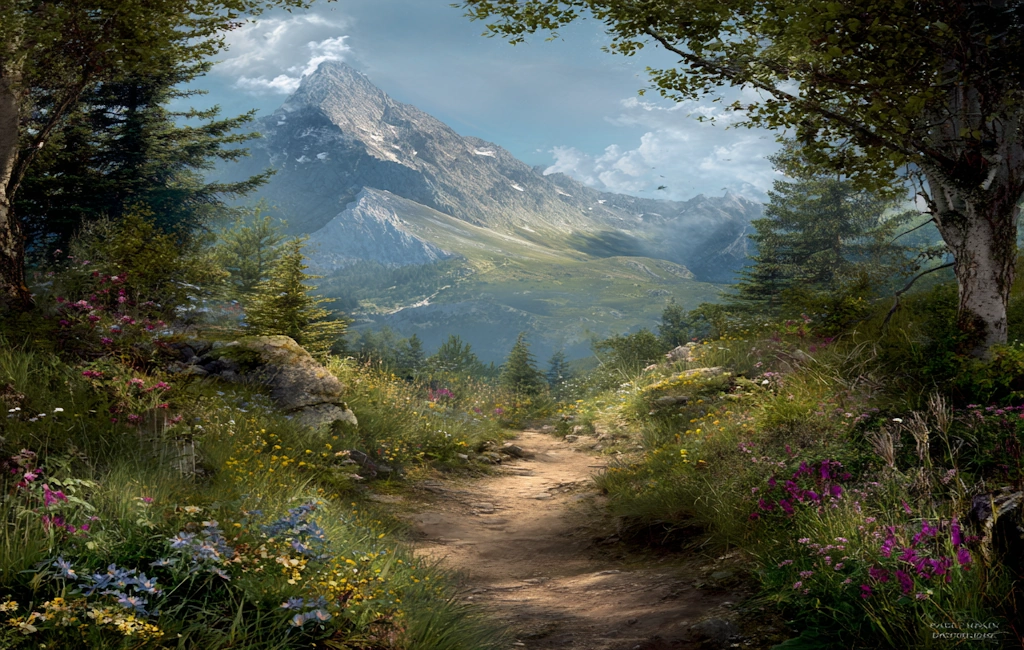
The Makalu Base Camp Trek is an epic journey into the heart of the Himalayas, leading trekkers to the foot of Makalu, the fifth-highest mountain in the world. This challenging trek, located in the remote Makalu Barun National Park of Nepal, offers a profound immersion into pristine wilderness, dramatic landscapes, and vibrant Sherpa culture. Unlike more frequented routes, Makalu Base Camp provides a sense of raw adventure and solitude, traversing diverse ecosystems from lush rhododendron forests to stark alpine deserts and glacial moraines. The trek is a testament to the grandeur of the Himalayas, with unparalleled views of Makalu (8,485 m), Lhotse (8,516 m), Everest (8,848.86 m), and Kangchenjunga (8,586 m).
- Distance: Approximately 80 km one-way (to base camp and return to Tumlingtar)
- Duration: 12–15 days
- Season: October–November (autumn) and March–May (spring)
- Highest point: Makalu Base Camp (approx. 4,870 m)
- Difficulty: Challenging
- Access: Fly to Kathmandu (KTM), then domestic flight to Tumlingtar. Road access is limited.
- Permits: Makalu Barun National Park entry permit required.
Overview
The Makalu Base Camp Trek is a true Himalayan expedition, demanding physical endurance and a spirit of adventure. It begins with a flight to Tumlingtar, a gateway town that feels a world away from the bustling capital of Kathmandu. From Tumlingtar, the journey transitions to a rugged jeep ride and then commences on foot, gradually ascending through terraced fields and charming villages inhabited by Rai and Sherpa communities. The initial days are characterised by lush vegetation, including vibrant rhododendron forests that burst into colour during spring, and the sound of rushing rivers.
As the trek progresses, the landscape transforms dramatically. The trails become steeper, the air thinner, and the vegetation gives way to alpine meadows and eventually to the stark, majestic beauty of the high Himalayas. Trekkers will traverse remote valleys, cross high passes, and navigate glacial terrain. The route offers a unique perspective on the Khumbu region's giants, often with fewer crowds than the Everest Base Camp trek, allowing for a more intimate connection with the mountains and the local culture.
The trek culminates at Makalu Base Camp, a windswept plateau offering breathtaking, up-close views of Makalu's imposing north face. The sheer scale of the mountain is awe-inspiring, and the surrounding panorama includes some of the world's highest peaks. The return journey offers a different perspective, allowing trekkers to appreciate the vastness of the landscape they have traversed. This trek is not merely a physical challenge; it is a cultural immersion, a spiritual journey, and an unforgettable encounter with the raw power and beauty of the Himalayas.
History and Cultural Context
The Makalu region, while less explored by trekkers than its famous neighbours, has a rich history tied to the indigenous communities who have inhabited these valleys for centuries. The Rai and Sherpa peoples have long relied on these mountains for sustenance, trade, and spiritual connection. Their traditional way of life, deeply intertwined with the natural environment, is a significant aspect of the trekking experience.
Makalu itself, a formidable and aesthetically striking peak, was first summited by a French expedition led by Lionel Terray in 1955. Its challenging north face and remote location meant it remained unclimbed for many years after Everest was conquered. The Makalu Barun National Park was established in 1992, a joint initiative between the Nepalese government and the World Wildlife Fund (WWF), to protect the unique biodiversity and cultural heritage of the region. This park encompasses a vast area, from subtropical forests in the south to high alpine deserts, and is home to a remarkable array of flora and fauna, including the endangered red panda and the elusive snow leopard.
The development of trekking routes in this area has been gradual, with the Makalu Base Camp trek gaining popularity among seasoned trekkers seeking a less commercialised and more adventurous Himalayan experience. The infrastructure remains basic, with teahouses and lodges offering simple accommodation and meals, preserving the authentic charm of the region. The trek offers a glimpse into a way of life that has remained largely unchanged for generations, a stark contrast to the modern world.
Seasonal Highlights and Weather Reality
The Makalu Base Camp Trek is best undertaken during two distinct seasons, each offering unique advantages:
Autumn (October–November): This is widely considered the prime trekking season in Nepal. The monsoon rains have ceased, leaving the skies clear and offering excellent visibility of the Himalayan peaks. The air is crisp and cool, making for comfortable trekking conditions. Temperatures are generally moderate during the day, though they can drop significantly at higher altitudes and during the night. The autumn colours in the lower forests can be beautiful, and the clear skies provide unparalleled photographic opportunities of Makalu and its surrounding giants.
Spring (March–May): Spring is another excellent time to trek to Makalu Base Camp. The snow begins to melt, and the rhododendron forests, a signature of the lower Himalayan trails, burst into vibrant bloom, painting the hillsides in shades of red, pink, and white. The weather is generally pleasant, with warmer temperatures than in autumn. However, spring can also bring occasional afternoon showers and increased haze, which might slightly obscure distant views compared to the crystal-clear autumn skies. The higher passes may still have some snow, but they are generally passable.
Monsoon (June–September): This season is characterised by heavy rainfall, leeches, and leeches. While the lower valleys might be lush and green, visibility of the high mountains is severely limited by clouds and fog. Landslides can also make trails impassable, and the risk of encountering leeches makes trekking uncomfortable and potentially hazardous. This season is generally not recommended for this trek.
Winter (December–February): While possible for experienced mountaineers, winter trekking to Makalu Base Camp is extremely challenging. Temperatures plummet to well below freezing, snow can block trails, and high winds are common. The days are short, and the extreme cold requires specialised gear and significant acclimatisation. This season is best avoided by most trekkers.
Weather Considerations: Regardless of the season, weather in the Himalayas is unpredictable. Temperatures can fluctuate dramatically with altitude and time of day. Even during the trekking seasons, expect cold nights and mornings, especially at higher elevations. Snowfall can occur at any time of year on higher passes. It is crucial to be prepared for all conditions.
Recommended Itinerary
14-Day Makalu Base Camp Trek Itinerary
Day 1: Arrival in Kathmandu (1,400 m)
- Arrive at Tribhuvan International Airport (KTM), Kathmandu.
- Transfer to your hotel.
- Rest and prepare for the trek.
- Briefing with your trekking agency.
Day 2: Fly to Tumlingtar (460 m) and drive to Num (1,560 m)
- Morning flight from Kathmandu to Tumlingtar (approx. 45 minutes).
- Enjoy scenic views of the Himalayas during the flight.
- Meet your trekking crew at Tumlingtar.
- Drive by jeep to Num (approx. 3–4 hours), a village perched on a ridge.
- Overnight in a teahouse.
Day 3: Num to Seduwa (1,460 m)
- Distance: Approx. 15 km
- Time: 6–7 hours
- Descend steeply to the Arun River, cross a suspension bridge.
- Ascend to Seduwa, a large village with a park checkpoint.
- Pass through terraced fields and small settlements.
- Overnight in a teahouse.
Day 4: Seduwa to Tashigaon (2,100 m)
- Distance: Approx. 12 km
- Time: 5–6 hours
- Continue through terraced fields and small villages.
- The trail gradually ascends, offering glimpses of the surrounding hills.
- Tashigaon is a charming Sherpa village.
- Overnight in a teahouse.
Day 5: Tashigaon to Kauma (3,475 m)
- Distance: Approx. 10 km
- Time: 6–7 hours
- A challenging day with a significant ascent.
- The trail enters rhododendron and oak forests.
- Pass through the Kharka area, a shepherd's settlement.
- Reach Kauma, a campsite with basic facilities.
- Overnight in a teahouse or tent.
Day 6: Kauma to Dobate (3,500 m)
- Distance: Approx. 8 km
- Time: 4–5 hours
- Trek through dense rhododendron and pine forests.
- The trail is relatively gentle but at high altitude.
- Dobate is a small settlement offering shelter.
- Overnight in a teahouse.
Day 7: Dobate to Yangle Kharka (3,600 m)
- Distance: Approx. 10 km
- Time: 5–6 hours
- Continue through forests, with occasional clearings offering mountain views.
- The valley begins to open up as you approach Yangle Kharka.
- Yangle Kharka is a popular camping spot with a few basic teahouses.
- Overnight in a teahouse or tent.
Day 8: Yangle Kharka to Phedi (4,000 m)
- Distance: Approx. 8 km
- Time: 4–5 hours
- The vegetation becomes sparser, transitioning to alpine terrain.
- The trail follows the river upstream.
- Phedi is a basic campsite at the base of the pass.
- Overnight in a teahouse or tent.
Day 9: Phedi to Makalu Base Camp (4,870 m) via Shershong (4,630 m)
- Distance: Approx. 12 km
- Time: 7–8 hours
- A long and demanding day.
- Ascend to Shershong, a large meadow with stunning views of Makalu.
- Continue across glacial moraines towards Makalu Base Camp.
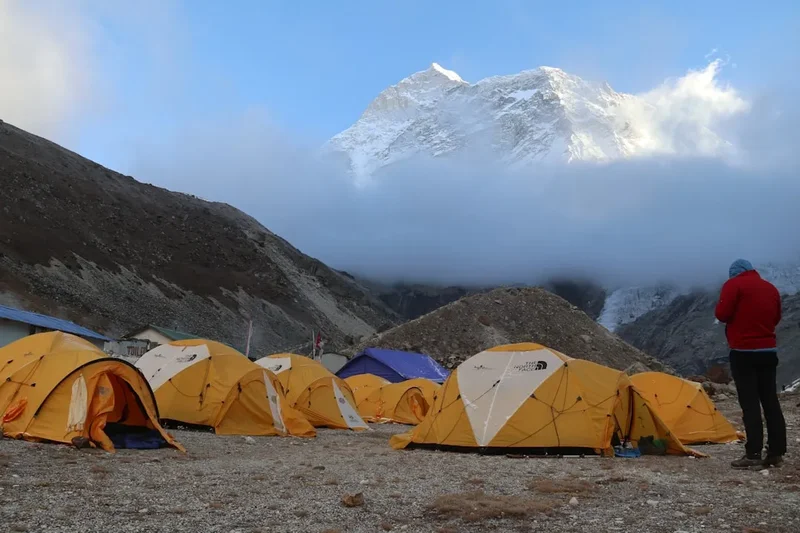
- Arrive at Makalu Base Camp, a dramatic landscape at the foot of the mountain.
- Spectacular views of Makalu, Lhotse, and Everest.
- Overnight in a tent (basic camping facilities).
Day 10: Explore Makalu Base Camp and surroundings
- Spend the day acclimatising and exploring the base camp area.
- Hike to viewpoints for panoramic vistas of the surrounding peaks.
- Observe the glaciers and the imposing north face of Makalu.
- Rest and enjoy the incredible mountain scenery.
- Overnight in a tent.
Day 11: Makalu Base Camp to Dobate (3,500 m)
- Distance: Approx. 20 km
- Time: 7–8 hours
- Begin the descent, retracing your steps.
- Enjoy the views from a different perspective.
- Overnight in a teahouse.
Day 12: Dobate to Seduwa (1,460 m)
- Distance: Approx. 22 km
- Time: 7–8 hours
- Continue the descent through forests and villages.
- A long day of walking downhill.
- Overnight in a teahouse.
Day 13: Seduwa to Num (1,560 m)
- Distance: Approx. 15 km
- Time: 6–7 hours
- Final day of trekking.
- Ascend back to Num.
- Celebrate the completion of the trek.
- Overnight in a teahouse.
Day 14: Drive to Tumlingtar and fly to Kathmandu
- Morning drive from Num to Tumlingtar (approx. 3–4 hours).
- Fly from Tumlingtar back to Kathmandu.
- Transfer to your hotel.
- Farewell dinner.
Important Notes:
- This itinerary is a guideline and can be adjusted based on weather, acclimatisation, and group pace.
- Accommodation is primarily in basic teahouses or tents at higher altitudes.
- All meals are typically provided by your trekking crew (porters and guides).
- Acclimatisation is crucial; listen to your body and inform your guide of any altitude sickness symptoms.
Planning and Bookings
Book Your Trip
Everything you need to plan your journey
Accommodation
Find places to stay near Kathmandu
Flights
Search flights to Kathmandu
Essential Preparation
The Makalu Base Camp Trek is a serious undertaking that requires meticulous planning. Given its remote location and challenging terrain, it is highly recommended to book this trek through a reputable trekking agency. They will handle logistics such as permits, flights, guides, porters, and accommodation, ensuring a smoother and safer experience. Ensure your chosen agency is experienced in the Makalu region.
Fitness: This trek is physically demanding. Trekkers should be in excellent cardiovascular health and have strong leg muscles. Regular hiking, running, cycling, or swimming for several months prior to the trek is essential. You should be comfortable walking for 6–8 hours a day with a daypack, often on steep and uneven terrain, at high altitudes.
Logistics: The primary logistical hub is Kathmandu. All international flights arrive here. From Kathmandu, a domestic flight to Tumlingtar is required. Road access beyond Tumlingtar is limited and often unreliable, hence the reliance on trekking and porters. Accommodation in Kathmandu before and after the trek should be booked in advance.
Base Town/City: Kathmandu is the starting point for all arrangements. Tumlingtar is the closest town with an airstrip to the trekking region, but it is a small settlement with limited facilities. The trek itself is conducted in remote villages and high-altitude campsites.
Trail Accommodation
Accommodation on the Makalu Base Camp Trek varies significantly with altitude and location.
- Kathmandu: A wide range of hotels and guesthouses are available, from budget to luxury. Book in advance, especially during peak trekking seasons.
- Tumlingtar: Basic guesthouses are available.
- Villages (Num, Seduwa, Tashigaon): Accommodation is in local teahouses. These are simple lodges offering basic rooms with twin beds and shared bathrooms. Meals are served in a communal dining area. Facilities are rudimentary, with no heating and limited electricity.
- Higher Altitudes (Kauma, Dobate, Yangle Kharka, Phedi): Accommodation may be in more basic teahouses or designated camping areas. Camping is often necessary at higher elevations where permanent structures are scarce. Tents are provided by the trekking agency, along with sleeping mats.
- Makalu Base Camp (4,870 m): This is a remote, high-altitude environment. Accommodation is exclusively in tents, often set up on flat, sheltered spots. Basic toilet facilities (a pit dug away from camp) are arranged by the crew.
Booking Requirements: Teahouse rooms are usually available on a first-come, first-served basis, but your trekking agency will typically pre-book rooms in villages where possible. For camping sections, your agency will arrange tents and equipment.
Facilities Provided: Teahouses provide a bed with a mattress and a blanket (though a sleeping bag is essential). They offer a dining area where meals are served. Camping provides tents, sleeping mats, and cooking equipment.
What's NOT Provided: Sleeping bags, personal toiletries, towels, charging facilities (bring a power bank), hot showers (rare and expensive at lower altitudes), and any personal items. Food is purchased at teahouses or provided by your trekking crew.
Seasonal Availability: Teahouses are generally open year-round, but services can be reduced during the monsoon and winter. Camping is dependent on weather conditions.
Costs: Teahouse room costs are typically low (around $5–$15 USD per night), but meals are the primary expense, costing $5–$15 USD per meal depending on altitude and availability. Camping costs are covered by your trekking package.
Required Gear
- Sturdy Trekking Boots: Waterproof, well broken-in, with good ankle support.
- Trekking Socks: Several pairs of wool or synthetic blend socks.
- Waterproof Jacket: Gore-Tex or similar, with a hood.
- Waterproof Overtrousers: Essential for rain and wind protection.
- Warm Insulated Jacket: Down or synthetic fill, for evenings and high altitudes.
- Fleece Jacket or Pullover: For layering.
- Base Layers: Thermal tops and bottoms (merino wool or synthetic).
- Trekking Trousers: Quick-drying, comfortable.
- Headwear: Warm woollen hat or beanie, and a sun hat or cap.
- Gloves: Warm, waterproof outer gloves and liner gloves.
- Backpack: A comfortable daypack (25–35 litres) for essentials. Your main trekking duffel bag (70–90 litres) will be carried by porters.
- Sleeping Bag: Rated to at least -15°C to -20°C (-17°C to --15°C) for comfort at high altitudes.
- Head Torch: With spare batteries.
- Sunglasses: High UV protection.
- First-Aid Kit: Personal medications, blister treatment, pain relievers, antiseptic wipes, bandages.
- Sunscreen: SPF 50+.
- Lip Balm: With SPF.
- Insect Repellent: Especially for lower altitudes.
- Water Bottles or Hydration Reservoir: Minimum 2-litre capacity.
- Trekking Poles: Highly recommended for ascents and descents.
- Personal Toiletries: Biodegradable soap, toothbrush, toothpaste, etc.
- Quick-dry Towel.
What to Bring
- Food: While teahouses offer meals, it's wise to carry high-energy snacks like nuts, dried fruit, energy bars, and chocolate for between meals and for higher altitudes where food options are limited. Your trekking agency will advise on food provisions.
- Water Treatment: Water purification tablets or a filter are essential. Do not drink untreated water.
- Toilet Paper: Carry your own, as it is not always available in teahouses.
- Hand Sanitiser: For hygiene on the go.
- Camera and Spare Batteries/Power Bank: For capturing the stunning scenery.
- Book or Journal: For downtime in the evenings.
- Small amount of Cash: For tips, personal expenses, and any extra snacks or drinks not covered by your package. ATMs are not available on the trek.
- Duct Tape: Useful for repairs.
- Small Knife or Multi-tool.
- Personal Documents: Passport, visa, travel insurance details, permits.
- Plastic Bags/Dry Bags: To keep gear dry and organised.
Permits
To trek to Makalu Base Camp, you will need to obtain the following permits:
1. Makalu Barun National Park Entry Permit: This permit is mandatory for all trekkers entering the Makalu Barun National Park. The park protects a vast area of diverse ecosystems and is home to unique flora and fauna. The cost of this permit is typically around $30 USD per person for foreign trekkers.
2. Trekkers' Information Management System (TIMS) Card: While not always strictly enforced for all routes, it is generally recommended to obtain a TIMS card. This card helps in tracking trekkers and provides a safety net in case of emergencies. The cost is approximately $20 USD per person.
Obtaining Permits:
- Through Your Trekking Agency: The most convenient way to obtain these permits is to have your chosen trekking agency arrange them for you in Kathmandu. They will require copies of your passport and visa, along with passport-sized photographs.
- Independently: If you prefer to arrange permits yourself, you can do so at the Nepal Tourism Board office in Kathmandu. This requires more time and effort, and it is advisable to confirm the exact requirements and locations for permit issuance before your arrival.
Important Considerations:
- Permits are usually checked at various checkpoints along the trekking route, particularly at the entrance to the national park.
- Ensure you carry your permits with you at all times during the trek.
- The costs mentioned are approximate and subject to change by the Nepalese government. Your trekking agency will provide the most up-to-date information on permit fees.
Other Activities in the Area
While the Makalu Base Camp trek is the primary draw, the region offers opportunities for cultural immersion and exploration:
- Village Exploration: Spend time interacting with the local Rai and Sherpa communities in villages like Num, Seduwa, and Tashigaon. Observe their daily life, agricultural practices, and unique customs.
- Monastery Visits: In some of the larger villages, you may find small monasteries (Gompas) that offer a glimpse into the region's Buddhist heritage.
- Cultural Homestays: Inquire with your trekking agency about the possibility of arranging short homestays in villages to experience local hospitality firsthand.
- Bird Watching: The lower altitudes of the Makalu Barun National Park are rich in biodiversity, offering excellent opportunities for bird watching, especially during spring.
- Photography: The dramatic landscapes, vibrant culture, and towering peaks provide endless photographic opportunities.
- Rest and Acclimatisation: The itinerary includes rest days or shorter trekking days at higher altitudes to aid acclimatisation, which can also be used for local exploration.
Safety and Conditions
Altitude Sickness (Acute Mountain Sickness - AMS): This is the most significant risk on the Makalu Base Camp Trek. Symptoms include headache, nausea, dizziness, and fatigue. The best prevention is gradual ascent, adequate hydration, and avoiding alcohol and strenuous activity on arrival at higher altitudes. Listen to your body and inform your guide immediately if you experience any symptoms. Descent is the only cure for severe AMS.
Weather: Himalayan weather is notoriously unpredictable. Be prepared for rapid changes, including sudden drops in temperature, strong winds, rain, and snow, even during the trekking seasons. Always carry appropriate layers and waterproof gear.
Trail Conditions: Trails can be steep, rocky, and uneven. At higher altitudes, you will encounter glacial moraines and potentially snow. Trekking poles are highly recommended for stability.
River Crossings: Suspension bridges are used to cross rivers. Ensure they are in good condition and cross one person at a time. During monsoon season, rivers can become dangerously swollen.
Health and Hygiene: Drink only purified or boiled water. Eat well-cooked food. Maintain good personal hygiene to prevent gastrointestinal issues. Carry a personal first-aid kit with essential medications.
Guides and Porters: It is strongly recommended to trek with a licensed guide and porters. They are experienced in the region, knowledgeable about safety protocols, and can assist in emergencies. Ensure your agency provides adequate insurance and support for your crew.
Communication: Mobile phone reception is limited to non-existent in most parts of the trek. Satellite phones are sometimes carried by trekking agencies for emergencies.
Travel Insurance: Comprehensive travel insurance covering high-altitude trekking and emergency helicopter evacuation is absolutely essential. Ensure your policy covers trekking up to the maximum altitude of your trek (approx. 4,870 m).
Pre-Trek Preparation: Physical fitness is paramount. Consult your doctor before undertaking the trek, especially if you have any pre-existing medical conditions.
Side Trips and Points of Interest
Shershong (4,630 m): Located before Makalu Base Camp, Shershong is a vast alpine meadow offering spectacular, unobstructed views of Makalu's north face. It's a crucial acclimatisation point and a fantastic spot for photography. The sheer scale of Makalu from this vantage point is humbling.
Barun Valley: While the main trek route follows the Barun River, the broader Barun Valley is known for its pristine wilderness and unique flora and fauna. Some longer itineraries might include detours or explorations within this valley, which is considered one of the most remote and ecologically diverse areas in Nepal.
Local Villages: The villages of Num, Seduwa, and Tashigaon are points of interest in themselves. They offer a chance to observe the traditional lifestyle of the Rai and Sherpa people, their terraced farming, and their unique architecture. The cultural interactions are as rewarding as the mountain scenery.
Rhododendron Forests: During the spring season (March–May), the lower sections of the trek are adorned with vibrant rhododendron blooms. These forests are a significant ecological feature of the region and add immense beauty to the trekking experience.
Glacial Features: As you approach Makalu Base Camp, you will traverse glacial moraines and witness the raw power of glacial erosion. Understanding these geological features adds another layer of appreciation for the landscape.
Leave No Trace
The Makalu region is a fragile mountain ecosystem, home to unique biodiversity and the traditional lands of indigenous communities. Practising Leave No Trace principles is paramount to preserving this pristine environment for future generations and respecting the local culture.
- Plan Ahead and Prepare: Book your trek with a responsible agency that adheres to LNT principles. Understand the conditions and pack appropriately to minimise waste.
- Travel and Camp on Durable Surfaces: Stick to established trails to avoid damaging vegetation. Camp in designated areas or on bare ground where available. Avoid camping on fragile alpine meadows.
- Dispose of Waste Properly: Pack out everything you pack in, including all food scraps, wrappers, and toilet paper. Use designated toilets where available, or dig catholes 6–8 inches deep at least 70 metres away from water sources, trails, and campsites.
- Leave What You Find: Do not remove rocks, plants, or cultural artefacts. Take only photographs and memories.
- Minimise Campfire Impacts: Campfires are generally not permitted in national parks and are discouraged at high altitudes due to scarce fuel and environmental impact. Use portable stoves for cooking.
- Respect Wildlife: Observe wildlife from a distance. Never feed animals, as it can disrupt their natural behaviours and diets. Store food securely to prevent attracting animals.
- Be Considerate of Other Visitors: Keep noise levels down, especially in villages and at campsites. Respect the local culture and traditions. Ask permission before taking photographs of people.
By adhering to these principles, you contribute to the conservation of the Makalu Barun National Park and ensure a positive experience for both yourself and the local communities.
 Nepal
Nepal